
Our readers keep the lights on and my morning glass full of iced black tea. As an Amazon Associate, I earn from qualifying purchases.
Specs are compiled from manufacturer listings and verified buyer reviews and can change over time — please confirm the key details on the product page before buying.
The hardest part of the newborn phase isn’t the feedings — it’s the quiet. You tiptoe in, you lean over the crib, and you hold your breath waiting for that little chest to rise. A baby tracking device exists to turn that anxious silence into data: proof of movement, breathing, and sleep, so you can actually rest when the baby rests.
I’m Min — the founder and writer behind Gadgets Feed. This guide is built by comparing the manufacturers’ published specifications and the patterns across verified customer reviews, so you get each pick’s real strengths and trade-offs instead of marketing spin.
You want to know your baby is safe while they sleep, but the right monitor depends on how much data you need and how you want to wear it. This breakdown of the baby tracking device market covers clipped-on wearables, under-mattress pads, and full smart-sock systems, so you can pick the level of monitoring that fits your family.
Our Picks at a Glance
How To Choose The Best Baby Tracking Device
Every tracker here does the same core job: it tells you your baby is still moving and breathing. But they differ in how they attach — clipped to a diaper, slid under the mattress, or worn like a sock — and in how much data they push to your phone. Your choice depends on those two factors.
Decide how much contact you’re comfortable with
Diaper-clip monitors sit directly on your baby and feel every rise and fall of the belly. Under-mattress pads track movement through the mattress with zero contact, which some parents prefer for sensitive skin. Smart socks and wearables add heart-rate data but stay attached to a tiny foot all night. Think about what your baby will tolerate — and what you’ll actually keep using.
Weigh the false-alarm factor
An alarm that goes off when nothing is wrong is exhausting — but a sensor that’s too sensitive can catch real pauses in breathing. The most praised devices balance sensitivity with context, using vibration to nudge the baby before sounding a full alarm.
Quick Comparison
| Model | Best For | Alert Method | Battery Life | Contact Type | Amazon |
|---|---|---|---|---|---|
| Snuza Hero SE★ Best Overall | Newborns (0-6 months), belly sleepers | Vibration then audible alarm | Up to 6 months (replaceable) | Diaper clip | Amazon |
| Levana Oma SenseGentle Wake-Up | Newborns needing gentle stimulation | Vibrations, then audible alarm | — | Diaper / clothing clip | Amazon |
| Babysense 7Full-Crib Coverage | Full-crib coverage with no wearables | Audible alarm | Battery & cordless | Under-mattress pads | Amazon |
| Sense-U Pro | Parents wanting app sleep reports | Vibration, app alert, audible | 7+ days per charge | Diaper clip | Amazon |
| BabySmile Monitor | Budget-friendly basic tracking | Audible alarm | ~2,200 hours | Diaper clip | Amazon |
| Phillips Avent Premium | Video + breathing tracking combo | App, audio and motion alerts | — | Non-contact | Amazon |
| Cubo Ai Sleep Sensor Pad | Cubo monitor owners | App alert | 20+ days | Under-mattress pad | Amazon |
| Sense-U Smart Sock + Camera | Heart rate + video in one system | App, audible alerts | — | Wearable sock | Amazon |
| Owlet Dream Duo 3 | Medical-grade pulse & oxygen tracking | App, real-time alerts | Sock ~16 hours | Wearable sock | Amazon |
In-Depth Reviews
1. Snuza Hero SE
Our pick — 4.5★ from 550+ verified ratings; the strongest balance of quality and price.
The clip-on monitor that finally lets a nervous parent sleep through the night.
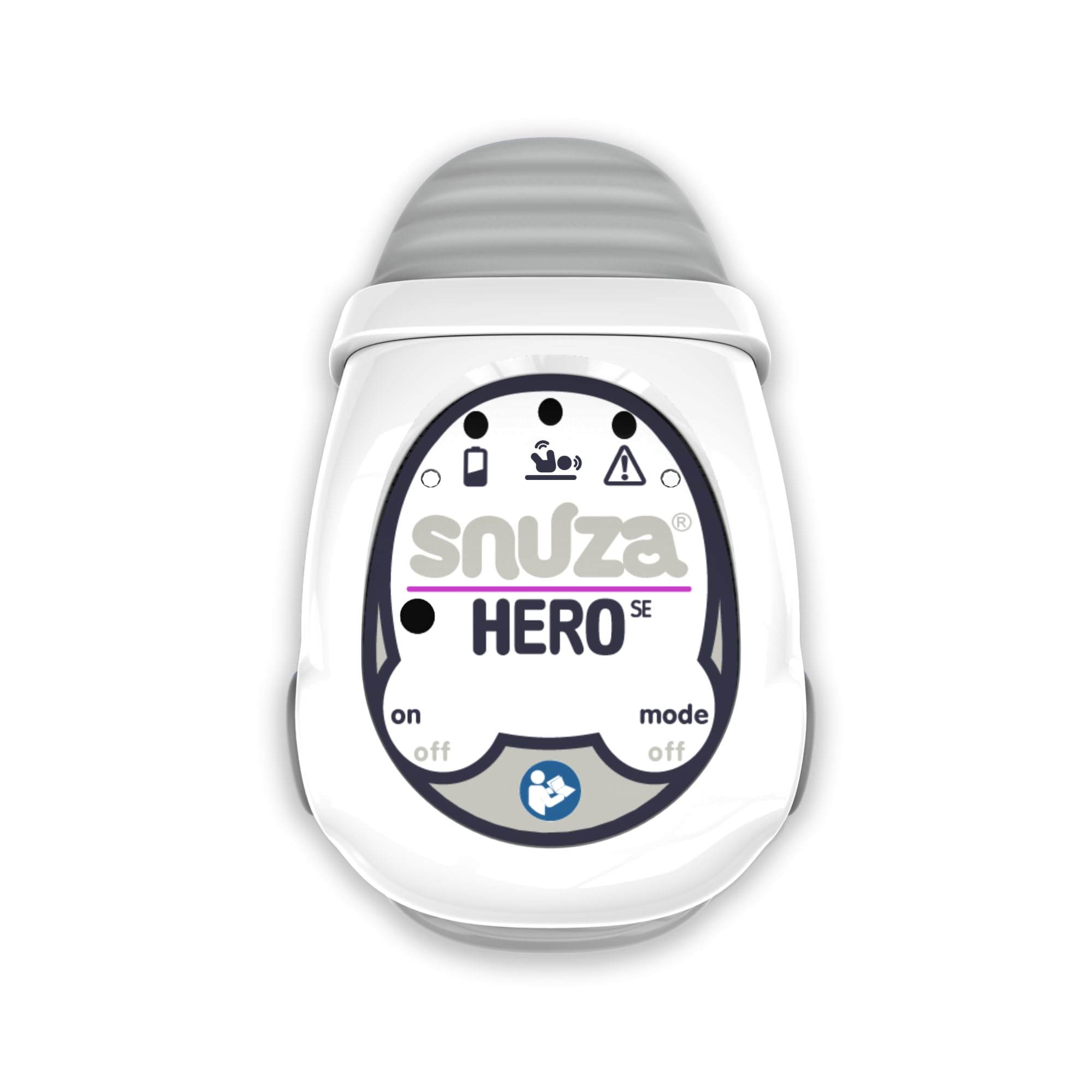
The Snuza Hero SE wins on the simplest possible premise: no WiFi, no apps, no cords. You switch it on, clip the 1.38-ounce device to the diaper, and it starts watching for movement instantly. If it detects none for 15 seconds, it gives a vibration; if nothing changes 5 seconds later, an audible alarm sounds so you can check on your child.
You get a flashing green light with each movement, plus an optional audible tick that lets you hear the rhythm alongside a regular audio monitor. Parents describe it as a lifeline for anxious minds, and it clips snugly enough that it rarely falls off. The battery runs up to 6 months on a replaceable cell, so you never face a nightly charging ritual.
It earns 4.5 stars across 500+ ratings, and buyers report the alarm is loud. Some note it is sensitive to movement and can trigger false alarms, especially if thick layers sit over it. It’s made from BPA-, phthalate-, lead-, and latex-free materials, so it’s safe against your baby’s skin.
Best for mobility: you want a dead-simple, portable tracker for a newborn or belly sleeper and don’t want to manage an app.
Skip for deep sleep: the device is sensitive, so position it carefully to avoid false alarms.
2. Levana Oma Sense
A Canadian-designed monitor that gently nudges your baby before it ever alarms you.
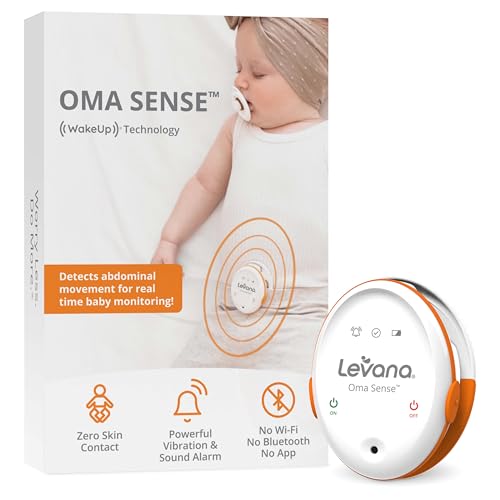
The Levana Oma Sense stands apart with its patented Wakeup Technology: if no abdominal movement is detected for 15 seconds, it runs a randomized series of vibrations to gently rouse your little one, then sounds an audible emergency alarm 5 seconds later if movement hasn’t resumed. It all happens with zero skin contact — the device slips over the diaper or a buttoned-up onesie, so it never touches your baby directly.
Designed in Canada with medical-grade materials, it’s aimed at infants 0-6 months and runs on no WiFi, radio, or Bluetooth frequencies. A flashing blue light reassures you everything is fine.
Reviews lean strongly positive on quality and confidence, though the alarm volume draws a few “could be louder” notes — a heavy sleeper might miss the beeps. It’s a much-loved budget alternative to pricier monitors, and the no-app design sidesteps connectivity headaches entirely, so you never wrestle with Wi-Fi or Bluetooth.
Best for cribs: parents who want the stimulation feature and prefer a device with no skin contact or app.
Skip for travel: the alarm volume may not wake a very heavy sleeper.
3. Babysense 7
The non-wearable pick that tracks breathing through the mattress, not the baby.
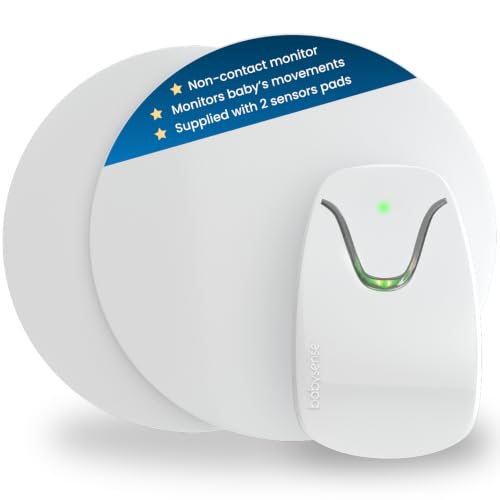
If you don’t want anything touching your baby, the Babysense 7 is the answer. Two sensitive sensor pads slide under the mattress and detect movement through it, covering the entire crib or bed area. It alerts if no movement is detected within 20 seconds or if movement slows.
The passive sensor system has no direct contact with the infant, and the enhanced sensitivity is designed to cut down on false alarms. It’s described as a lifesaver by parents of low-movement sleepers and preemies alike. One common tip: keep fans at least 10 feet away, since airflow can trigger the pads.
Some feedback mentions a recurring reliability question — a few units stop working unexpectedly — but functionality and confidence scores stay strong. The alarm is loud enough to wake parents from a deep 3 a.m. sleep, which is exactly what you want from a monitor.
Choose for twins: you want full-crib coverage with zero wearables and don’t mind a no-app design.
Watch for false alarms: a small share of owners mention units that stop working; keep it tested.
4. Sense-U Pro

The clip-on that turns sleep into data, with roll-over and temperature alerts.
The Sense-U Pro goes beyond simple movement tracking. It monitors abdominal movement, sleep position, and feeling temperature trends, sending app notifications or audible alerts if your baby rolls over or seems too warm. If movement pauses for 15 seconds, it vibrates first, then sounds an audible alert and pings your smartphone.
Battery life is a headline feature here: up to 7+ days on a single charge, which is far better than most wearables. It also produces detailed sleep cycle reports — light and deep sleep stages, awake times, and overall trends — so you can actually understand your baby’s rest patterns. It runs on Bluetooth Low Energy and is FSA/HSA eligible.
Feedback is strong on functionality and confidence, with temperature monitoring and roll-over alerts getting specific praise. The catch: the app only supports one phone connection at a time, so if two caregivers want alerts, one has to wait.
Best for fever watch: data-loving parents who want sleep reports and roll-over alerts from a clip-on device.
Skip for heavy sleepers: the app connects to just one phone at a time.
5. BabySmile Baby Movement Monitor
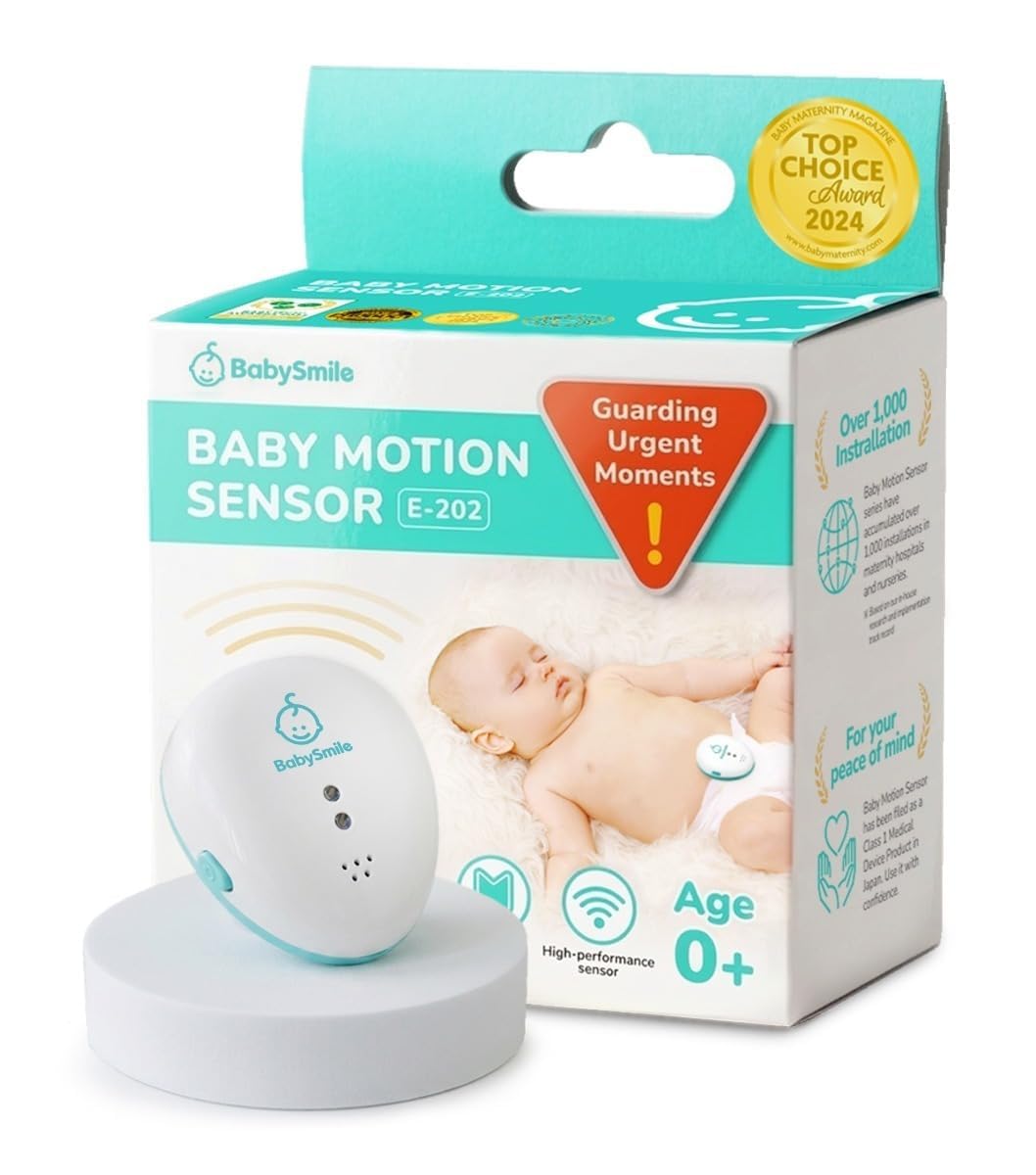
A featherweight, budget-friendly clip-on that runs for roughly 2,200 hours.
The BabySmile takes the budget-friendly approach without cutting the core safety feature. At 25 grams, it’s the lightest clip-on here, and it attaches directly to the diaper with no wires, cords, or apps — nothing that can disconnect. It sounds an alarm if no movement is sensed for 20 seconds, so you get essential confidence at an entry-level price.
Battery life is a standout: approximately 2,200 hours, which works out to about 6 months at 12 hours of nightly use. It’s a good gift option for grandparents who want to keep an eye on the baby while babysitting.
The honest caveat is reliability — feedback splits between owners who love it and a share who report it simply doesn’t work. There’s also a positioning note: it works best when the baby sleeps on their back, so side-sleepers may trigger false alarms. It’s priced well below the premium options, so it’s a reasonable entry point, but treat it as a basic aid rather than a medical-grade tool.
Pick for app users: you want a super-light, long-lasting basic tracker without spending for app features.
Be aware of setup: reliability is mixed, and it suits back-sleepers best.
6. Philips Avent Premium Connected Monitor

A wearable-free monitor that tracks sleep and breathing through a 1080p camera lens.
The Philips Avent takes a totally different route: it uses SenseIQ Technology to track sleep and breathing rate by analyzing millions of pixels per second, spotting the tiniest motions — no sock, no clip, nothing on the baby. The included 5-inch HD screen pairs with a 1080p camera that has night vision and a 1300ft range.
It also comes with cry detection and translation, a feature that analyzes and translates five distinct cries using a scientifically proven algorithm. The Secure Connect System keeps the connection private through multiple encrypted links, and the Baby Monitor+ app works with smartphones and tablets.
What owners rave about is the video quality — “clear night vision” comes up again and again — and the sleep dashboard that tracks breathing patterns. The honest note: connectivity gets mixed feedback, with some owners experiencing constant connection problems, and the cry translation is described as unreliable by a few. It’s a premium pick that shines on video and tracking if you get a stable unit.
Reach for video: you want a non-contact tracker with excellent video and a 1300ft range.
Consider subscription: connectivity issues appear in a notable share of feedback.
7. Cubo Ai Sleep Sensor Pad
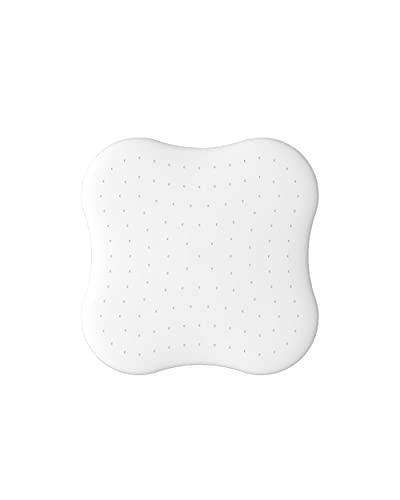
An under-mattress pad with four sensors, designed for belly-sleeping babies.
The Cubo Ai Sleep Sensor Pad takes the non-contact approach but adds a smart twist: it comes with 4 motion sensors detecting micro movements on the mattress, with coverage 4 times wider than similar products. You lift the mattress, place the pad on the bed slats, and it stays out of sight.
This pad is a must-have if your baby sleeps on the stomach, according to owners, because it catches breathing cues that cameras miss. It lasts 20+ days per battery, with an app showing the battery level. Unlike wearables, there’s nothing attached to the baby — ideal for sensitive skin or eczema.
The catch: the breathing monitoring feature gets mixed feedback, with some owners frustrated by constant “no breathing motion detected” pop-ups. It’s also a companion piece — it must be paired with a Cubo Ai Plus smart monitor to work, so it only makes sense if you’re already in that ecosystem.
Choose for AI data: your baby is a stomach sleeper and you own a Cubo Ai monitor already.
Note pad limits: the sensor can be touchy, and it requires the Cubo Ai ecosystem.
8. Sense-U Smart Sock Monitor + Camera
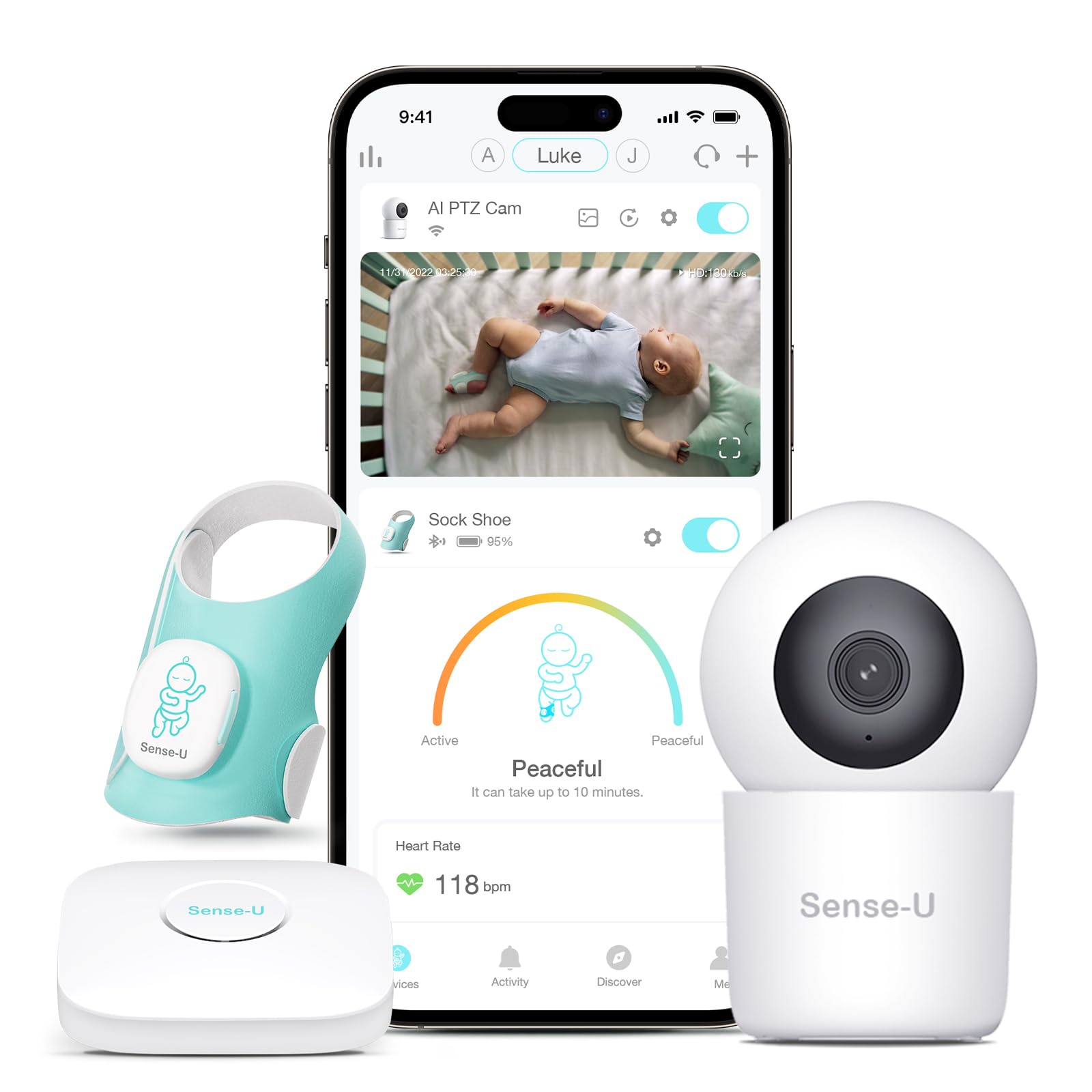
A shoe-style sock that tracks heart rate, paired with a 2.5K pan-tilt-zoom camera.
The Sense-U Smart Sock bundle covers both angles: a wearable sock for heart-rate and movement tracking, plus a 2.5K HD PTZ camera for video. The sock is designed like a tiny shoe so it stays put — unlike traditional socks that babies kick off — made from soft, breathable fabric for babies 1-18 months.
The camera brings cry detection, background audio, motion detection and tracking, night vision, and two-way talk. It works with a Base Station that extends the signal, letting you monitor from another room, and supports twins with 2 socks on one base station. There’s no monthly fee — video goes to a local SD card (not included).
Owners praise the clear camera and consistent heart-rate reporting, plus the confidence from getting alerts about anything going on. The honest split: some report the app is slow to load and the sock struggled to connect. It’s a capable system for the price, though the heavy-sleeper parent may want a louder cry alert.
Best for full view: parents who want heart-rate tracking plus a 2.5K camera in one affordable system.
Watch for sync issues: occasional app loading and connectivity hiccups.
9. Owlet Dream Duo 3

The medical-grade sock system that tracks pulse and oxygen with a 2K camera.
The Owlet Dream Duo is the most advanced system on this list. It combines the FDA-cleared Dream Sock with the 2K HD Dream Sight camera. The sock uses medical-grade pulse oximetry to track your baby’s pulse rate and oxygen level while they sleep, sending real-time alerts if readings leave preset zones.
The camera captures 2K HD video with a 130-degree wide-angle lens and 4x zoom, sharper than standard 1080p monitors. It’s the only system here featuring the SGS Cybersecurity Mark, with 256-bit encryption protecting your video and health data. The sock comes with 4 fabric socks fitting babies 1-18 months and 6-30 lbs.
For parents who have dealt with BRUE incidents, this is described as a lifeline — it eases anxiety and provides real, verifiable data. The sock battery lasts about 16 hours and recharges on the base station. The recurring complaint is WiFi connectivity, with frequent disconnections from networks reported. It’s also note the U.S. version is compatible only in the United States. This is the crowd favorite for those who want medical-grade tracking — 4.3 stars across 400+ ratings.
Reach for accuracy: you want FDA-cleared pulse and oxygen tracking with a sharp 2K camera.
Consider ongoing cost: WiFi disconnections are the most common gripe.
Understanding the Specs
Movement Detection vs. Heart Rate
Diaper clips and under-mattress pads detect physical movement — the rise and fall of breathing. Smart socks like the Owlet go further, using pulse oximetry to track pulse rate and oxygen level, which gives a more complete picture of wellness. The trade-off is that socks are wearables, so some babies resist them, while pads and clips are invisible.
Vibration vs. Alarm Only
Some devices, like the Snuza and Levana, vibrate first to gently wake the baby, then sound a full alarm if movement doesn’t resume. This two-stage approach can reduce panic and false scares. Others go straight to an audible alarm after a set window — like the 20-second threshold on the BabySmile and Babysense.
FAQ
Will a diaper-clip monitor work for a belly sleeper?
What’s the difference between a non-contact pad and a wearable sock?
How long does a baby tracking device battery last?
Can these devices prevent SIDS?
Do these monitors need WiFi or an app?
What triggers a false alarm?
Can I use these for a preemie?
Do these work while traveling?
Final Thoughts: The Verdict
If you want one dependable pick, the baby tracking device winner is the Snuza Hero SE because it marries dead-simple setup with a vibration-then-alarm system that parents trust for confidence. If you want app-based sleep insights and roll-over alerts, grab the Sense-U Pro.
How We Picked
We do not accept paid placement. Every pick is matched to a real buyer and a real use-case; we do not hands-on test units.
Sources & Methodology
Specifications: manufacturer listings and product documentation. Review insights: verified customer reviews, as of August 2026. Pricing: not shown on this page (it changes often); check the current price via the retailer link.
As an Amazon Associate, Gadgets Feed earns from qualifying purchases. This does not affect which products we feature.