
Our readers keep the lights on and my morning glass full of iced black tea. As an Amazon Associate, I earn from qualifying purchases.
Specs are compiled from manufacturer listings and verified buyer reviews and can change over time — please confirm the key details on the product page before buying.
Backcountry hunting boots take a beating that street shoes never see—scree fields, creek crossings, and 10-mile days with a pack on your back. The real question isn’t which boot looks toughest; it’s which one keeps your feet dry, supported, and blister-free when you’re miles from the truck. This guide sorts through the options by what actually matters in the field: waterproofing, insulation weight, ankle support, and how the boot fits your foot.
I’m Min — the founder and writer behind Gadgets Feed. This guide is built by comparing the manufacturers’ published specifications and the patterns across verified customer reviews, so you get each pick’s real strengths and trade-offs instead of marketing spin.
The backcountry hunting boots here are ranked by real-world performance, not hype, so you can pick the pair that matches your terrain and your season.
Our Picks at a Glance


How To Choose The Best Backcountry Hunting Boots
Picking the right pair starts with matching the boot to your season and your load. A boot that’s perfect for a September elk hunt can feel like an oven in October and a popsicle in November.
Match insulation to the temperatures you actually hunt in
Insulation is measured in grams of Thinsulate or similar material—the higher the number, the warmer the boot. A 400g boot handles cool fall mornings, while 1000g and 2000g options are built for brutal single-digit cold. The trade-off is weight and bulk on your feet all day.
Waterproofing is non-negotiable in the backcountry
Crossing a stream or walking through wet grass will find any weakness in a boot’s waterproofing. Look for a membrane like Gore-Tex or a brand’s own waterproof system, and keep in mind that leather uppers usually need periodic treatment to keep that protection intact.
Don’t ignore the outsole and ankle support
A rugged outsole with deep lugs (the tread pattern on the bottom) keeps you planted on slick rocks and loose dirt. High-cut boots with a stiff shank in the midsole give your ankles the support they need when you’re carrying weight on uneven ground—but that stiffness also means a longer break-in period.
Quick Comparison
| Model | Best For | Insulation | Waterproofing | Height | Amazon |
|---|---|---|---|---|---|
| Irish Setter Wingshooter★ Best Overall | All-day comfort and work | Uninsulated | Waterproof leather | 7″ | Amazon |
| ROCKY Outback Gore-TexBest Value | Lightweight versatility | Uninsulated | Gore-Tex | Mid | Amazon |
| ROCKY Ridgetop 600GCold-Weather Champ | Cold-weather hunts | 600g Thinsulate | Waterproof construction | 8″ | Amazon |
| Lacrosse Alphaburly Pro 18″ | Mud and marsh protection | 1000g | Scent-free rubber | 18″ | Amazon |
| Alpina TRAPPER | European craft and grip | Insulated | Sympatex membrane | 10.5″ | Amazon |
| Irish Setter Trailblazer | Rebuildable durability | Uninsulated | UltraDry membrane | 7″ | Amazon |
| LaCrosse Alpha Agility 17″ | Extreme cold rubber boots | 1200g Thinsulate | Hand-laid rubber | 17″ | Amazon |
| Danner Men’s Hunting | Lightweight all-day hikes | 400g Thinsulate | Danner Dry barrier | 7.25″ | Amazon |
| LaCrosse Cold Snap 9″ | Extreme cold, dry feet | 2000g Thinsulate | Waterproof | 9″ | Amazon |
| Meindl MFS-Vakuum Hunter | High-country precision fit | Uninsulated | Gore-Tex | High | Amazon |
| Kenetrek Mountain Extreme | Heavy pack, rough terrain | Non-insulated | Waterproof | 10″ | Amazon |
In‑Depth Reviews
1. Irish Setter Wingshooter 7″ Mens Hunting Boot
Our pick — over 4.5★ from 3,000+ verified ratings; the strongest balance of quality and price.
The boot that skips the painful break-in and gets straight to comfortable miles.
You know a boot is doing something right when the thing everyone raves about is comfort — and here, that’s with good reason. Owners describe it as feeling broken-in right from the start, with no break-in required and a fit that molds to your foot over time. The nubuck leather upper is soft yet sturdy, while a shock-absorbing EVA footbed (a cushioned foam layer that softens each step) keeps you going on long days.
This is also a boot that pulls double duty beyond the hunt. The rubber sole is non-slippery even on tile, and it holds up through a year of six-day-a-week work use. The Goodyear welt construction (where the sole is stitched to the upper, allowing it to be rebuilt) means it’s built to be resoled rather than thrown away. Wide-footed owners in a 12EE found the fit perfect immediately, and the water-resistant leather keeps feet dry in rain or snow.
The trade-off here is that it’s uninsulated — it’s a three-season boot, not a deep-winter one. And while sizing is generally true, a professional fitting is recommended since the fit can differ from your usual size. As owners put it: “durable leather, true to size, needs break-in then molds to foot.”
best for upland: a comfortable, versatile boot that works as hard in the yard as it does on the hunt — without the misery of a long break-in.
skip for swamps: you hunt in single-digit temps; this uninsulated pair needs heavy socks for true cold.
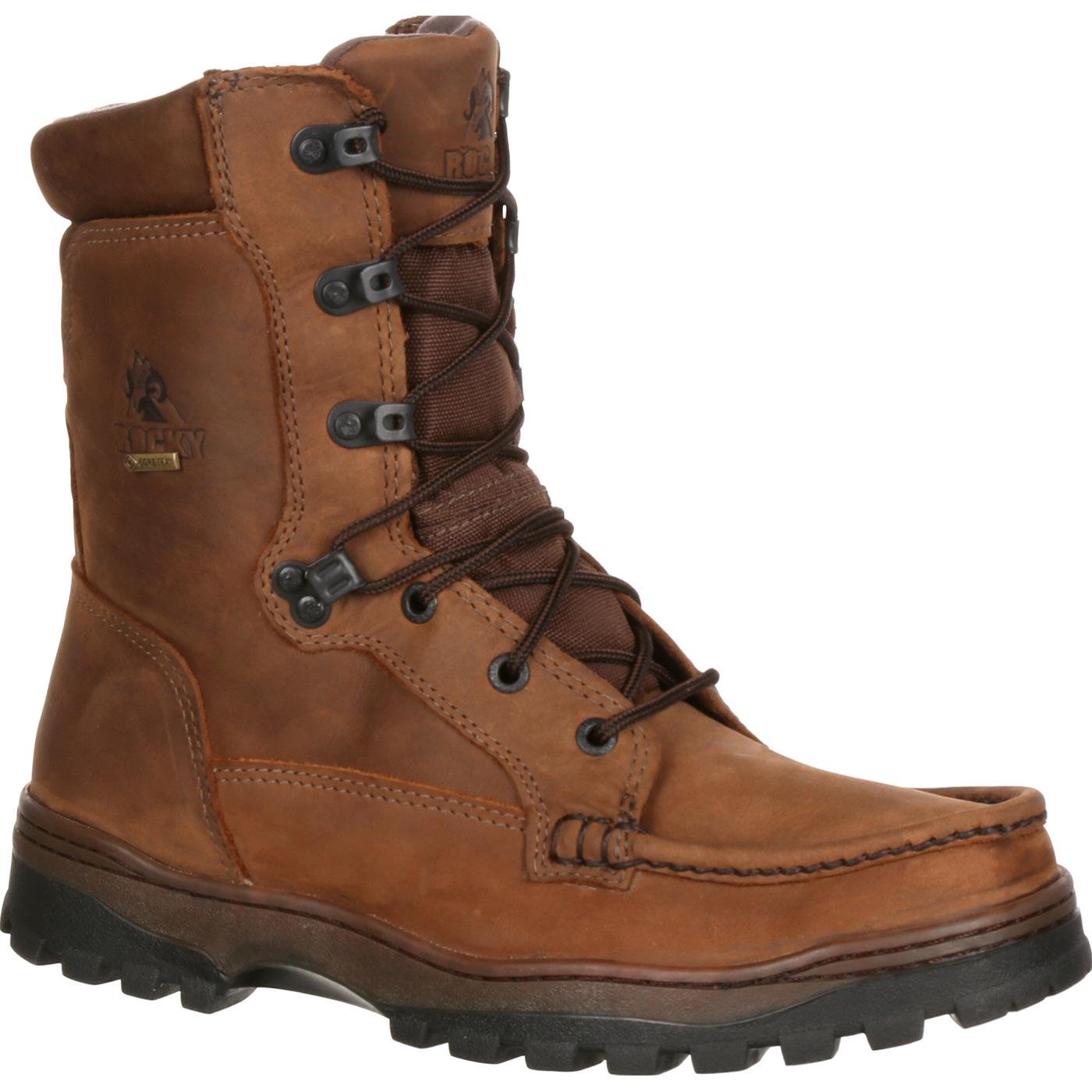
2. ROCKY Outback Gore-Tex Waterproof Boot
A featherlight Gore-Tex boot that goes from trail to jobsite without missing a step.
What wins people over here is quality — the premium full-grain leather feels soft but durable, and the Gore-Tex membrane (a waterproof layer that still lets sweat escape) keeps your feet dry in wet conditions. It’s a boot that’s comfortable right from the start, with stock insoles that reportedly match up to premium aftermarket ones. And it’s noticeably light, making it a favorite for “light duty use.”
This one’s a workhorse in the truest sense. Buyers report wearing them for “6 hr 3 time a week” and finding them comfortable with great traction on rough terrain. The fully padded collar and tongue keep out rocks and debris, and the lace-up design lets you dial in the fit. The moc-toe styling looks good enough for everyday wear, which is why it doubles as a work boot.
The honest catch is fit inconsistency: some owners say they run narrow and aren’t true to size, and there are rare quality-control complaints about stitching. It’s also uninsulated, so it’s not built for extreme cold. For a lighter, do-everything boot, though, this is a hard one to beat.
dependable all-weather: light, dry, and comfortable for mixed terrain, but double-check the width before ordering.
3. ROCKY Ridgetop 600G Insulated Waterproof Outdoor Boot
Warmth you can count on — some owners tested it at 2–4°F for six hours with toasty feet.
For late-season hunts, the 600 grams of 3M Thinsulate insulation here is the headline. Owners mention feet staying warm in 2–4°F temperatures during six-hour stretches., with others using them comfortably in the 20°F to -10°F range for snow blowing. The waterproof construction holds up in rain and wet grass, and the triple-stitched seams near the front add real confidence in the build.
Despite the insulation, the Ridgetop stays light on your feet — the LightTrac rubber outsole provides solid traction without the heavy feel you’d expect from a winter boot. The dual-density EVA midsole (a two-layer foam that cushions and supports) and contoured removable insole make it comfortable enough for all-day wear. It’s also comfortable the first day you put them on, with no break-in period.
Fit is the one thing to watch: some find they run large, and the wide toe box isn’t ideal for everyone. The 600g insulation also makes it too warm above freezing, and owners advise sizing up if you plan on thick socks. This is a cold-weather specialist, not a year-round boot.
insulated trail boss: genuinely warm in deep cold with a protective build — but it’s too warm for mild days.
4. Lacrosse Men’s Alphaburly Pro 18″ 1000G Hunting Boot
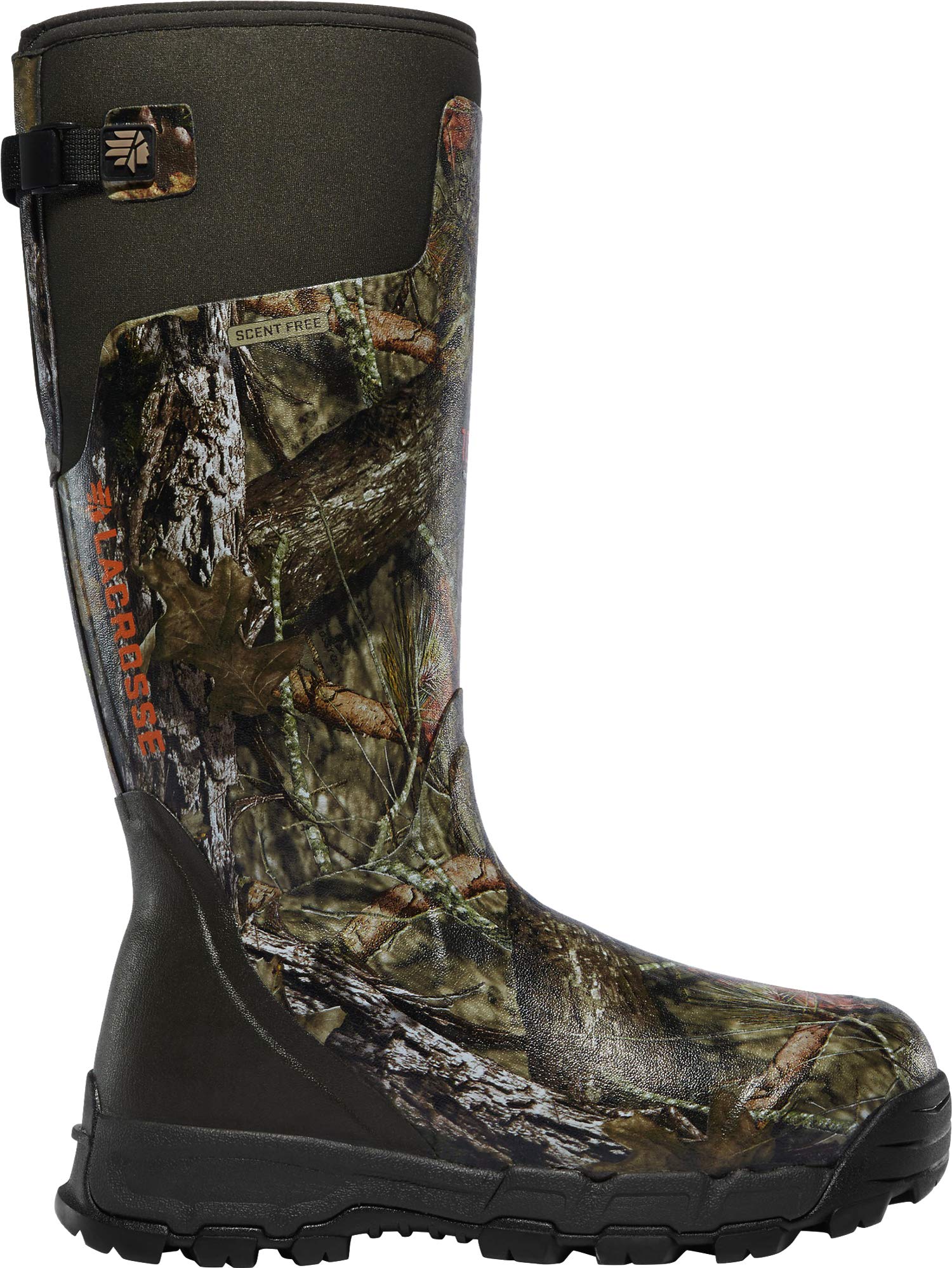
An 18-inch rubber wall that shrugs off marsh water, mud, and single-digit cold.
This is the boot for wet, messy country where creeks and mud are part of the deal. The tall 18-inch shaft of scent-free rubber over neoprene keeps water out even in tall grass, and the adjustable rear gusset cinches down to keep mud and dirt out. Customers note staying dry on creek crossings with no leaks, and the 1000g insulation keeps feet warm in temperatures down to single digits and below.
The fit is roomy enough for thick socks — essential for insulation to work — and sizing runs consistent, with a size 10 fitting a 10-10.5 foot with wool socks. The thick cushioning EVA midsole (a foam layer that absorbs impact) adds comfort for all-day wear, and the traction is solid enough for quiet walking, even within 40 yards of deer. It’s a premium hunting boot designed to “do one thing and do it right.”
The honest downsides? They’re heavy — that’s the trade-off for the tall rubber build — and some find them hard to pull off. There’s also an occasional discoloration complaint about the camo pattern. But for wet, cold, and muddy conditions, this boot is a specialist that delivers.
best for deep mud: you hunt wet marshes or creek bottoms and want a waterproof, warm, tall boot that keeps mud out.
skip for dry flats: you’re hiking long ridgelines — the weight and rubber build are better for stands and marshes than miles.
5. Alpina TRAPPER Men’s Hunting Boots
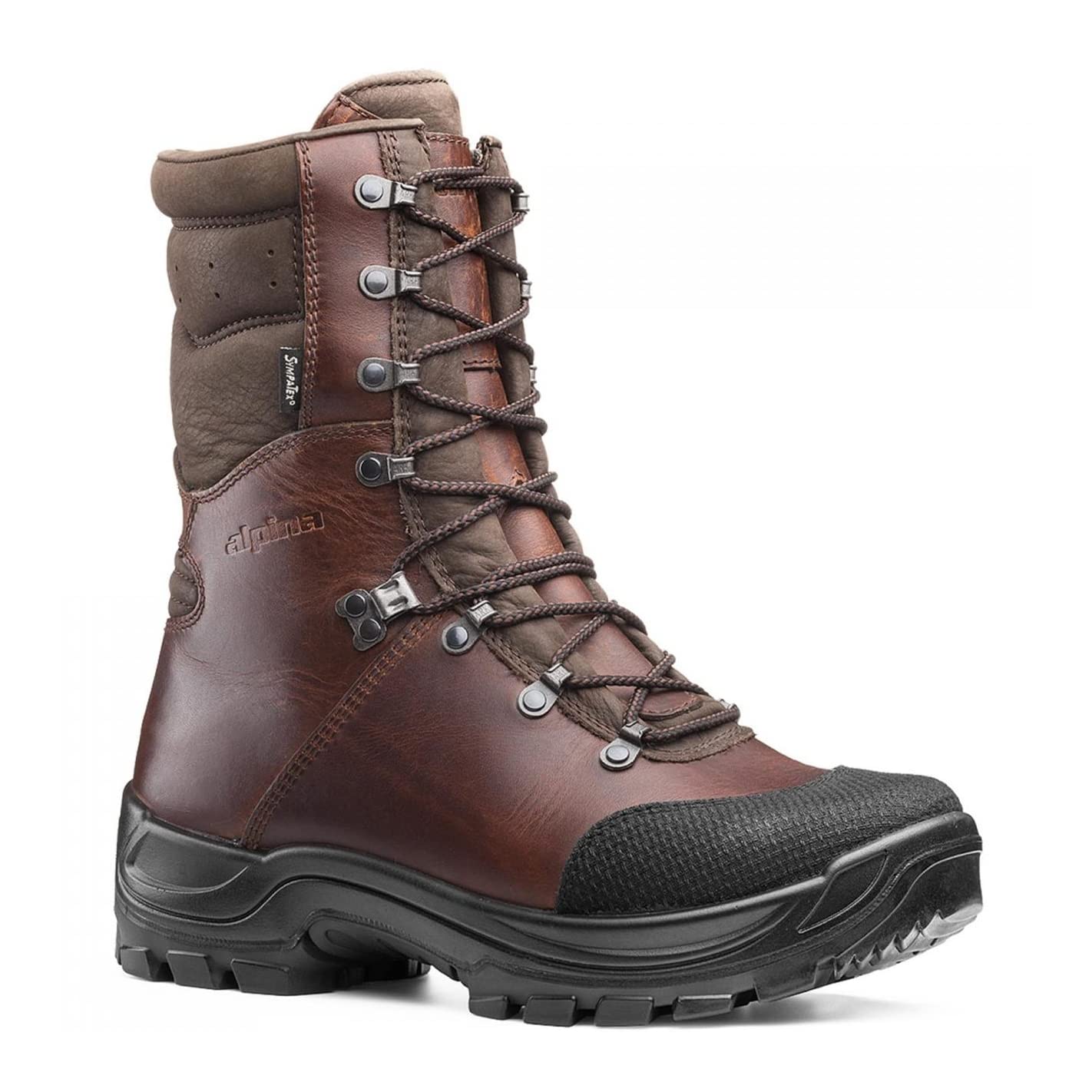
Handcrafted in Europe with a Sympatex membrane that keeps water out and lets heat escape.
This 10.5-inch boot makes its case with old-world craftsmanship and a premium waterproofing system. The Sympatex breathable membrane — a waterproof yet breathable layer — keeps feet dry through mountain streams and large creeks while letting moisture escape. Owners who crossed water crossings found the boots worked great, and the grip held up well on ridge climbs.
The full-grain nubuck leather feels thick and high-quality, and the slip-resistant outsole keeps you steady on uneven ground. Owners with wide feet who ordered a half-size up found a perfect fit with enough room for toes to wiggle. It’s a quiet-walking boot too, which matters when you’re stalking game.
The catch is sizing precision: it leans narrow, so average-to-narrow feet fit best, and wide-footed buyers may need to size up or look elsewhere. One Spanish-language complaint notes a defective water-resistance issue, but the broader feedback highlights quality and fit. It’s a smaller-review-count pick, but a strong one for those who value European construction.
rugged budget pick: quality leather and proven waterproofing make this a reliable pick — just confirm your width before ordering.
6. Irish Setter Trailblazer 7″ Waterproof Hunting Boot
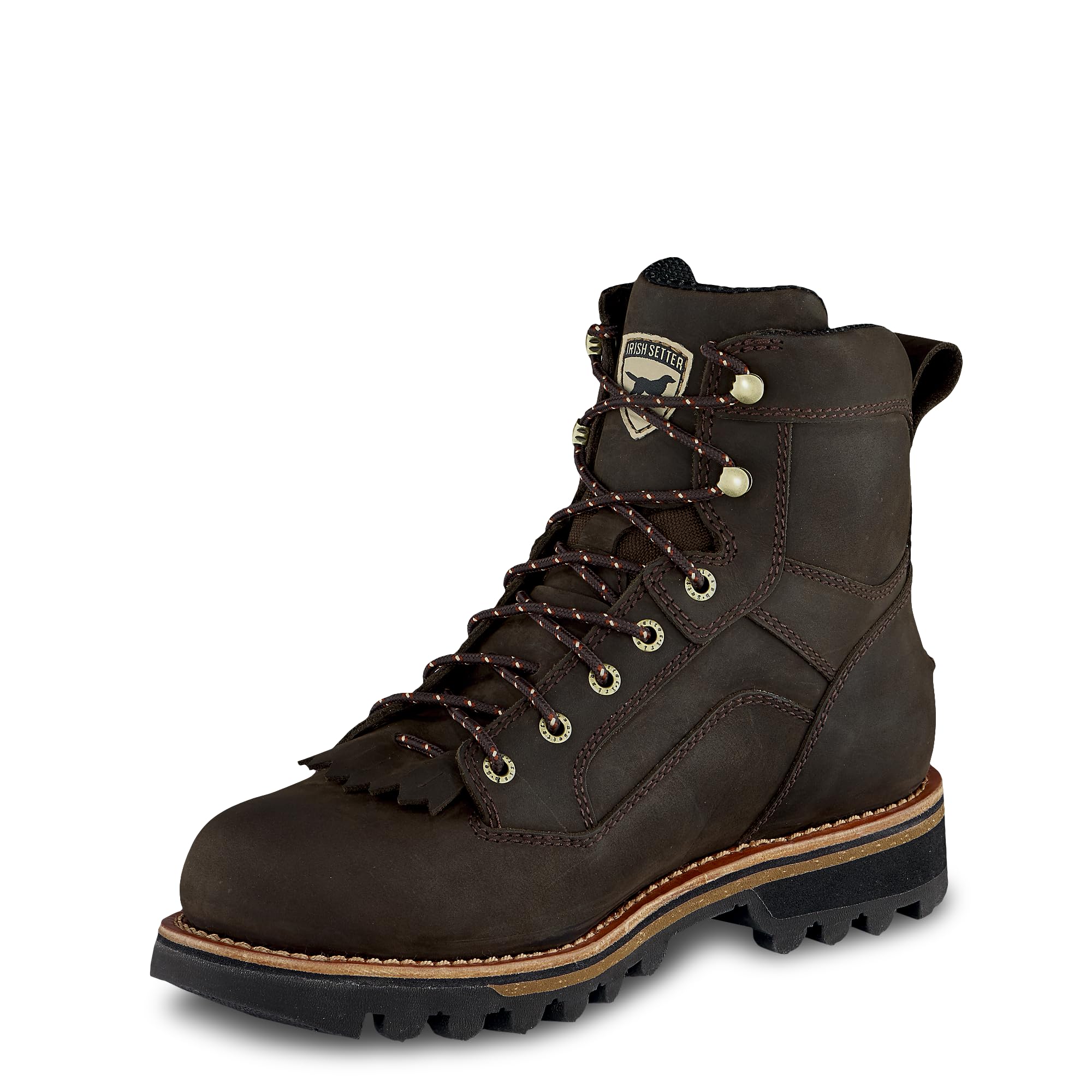
Red Wing–built durability with a supportive steel shank that carries weight on uneven ground.
When owners describe a boot as “very well built” and mention it’s their fifth pair over the years, that’s a durability signal you can’t fake. The Trailblazer pairs full-grain dark brown leather with the UltraDry membrane (a waterproof layer that keeps water out while letting moisture escape), and owners confirm it stands up to 5 inches of water. The Goodyear Welt construction means the sole can be rebuilt when it wears — a long-term value play.
The supportive steel shank (a rigid bar in the midsole that adds arch support) makes this a sturdy choice for farm, forest, and construction work alike. It’s a zero-break-in boot that’s comfortable from the first wear, with excellent ankle support and a sole that grips well in mud and snow. One long-time Red Wing user noted this model has lasted them roughly five years with sole replacements every couple of years.
Fit is the variable here: some find it true to size, others say it runs narrow, and the “wide” width isn’t especially wide. The laces also run a bit short for some. If your foot is average-width, though, this is a boot built to be rebuilt — not replaced.
best for long walks: it’s designed to be resoled, not tossed, making it a smart investment for heavy users.
skip for wide feet: the wide width runs snug, so true-wide feet should consider another option.
7. LaCrosse Men’s Alpha Agility 17″
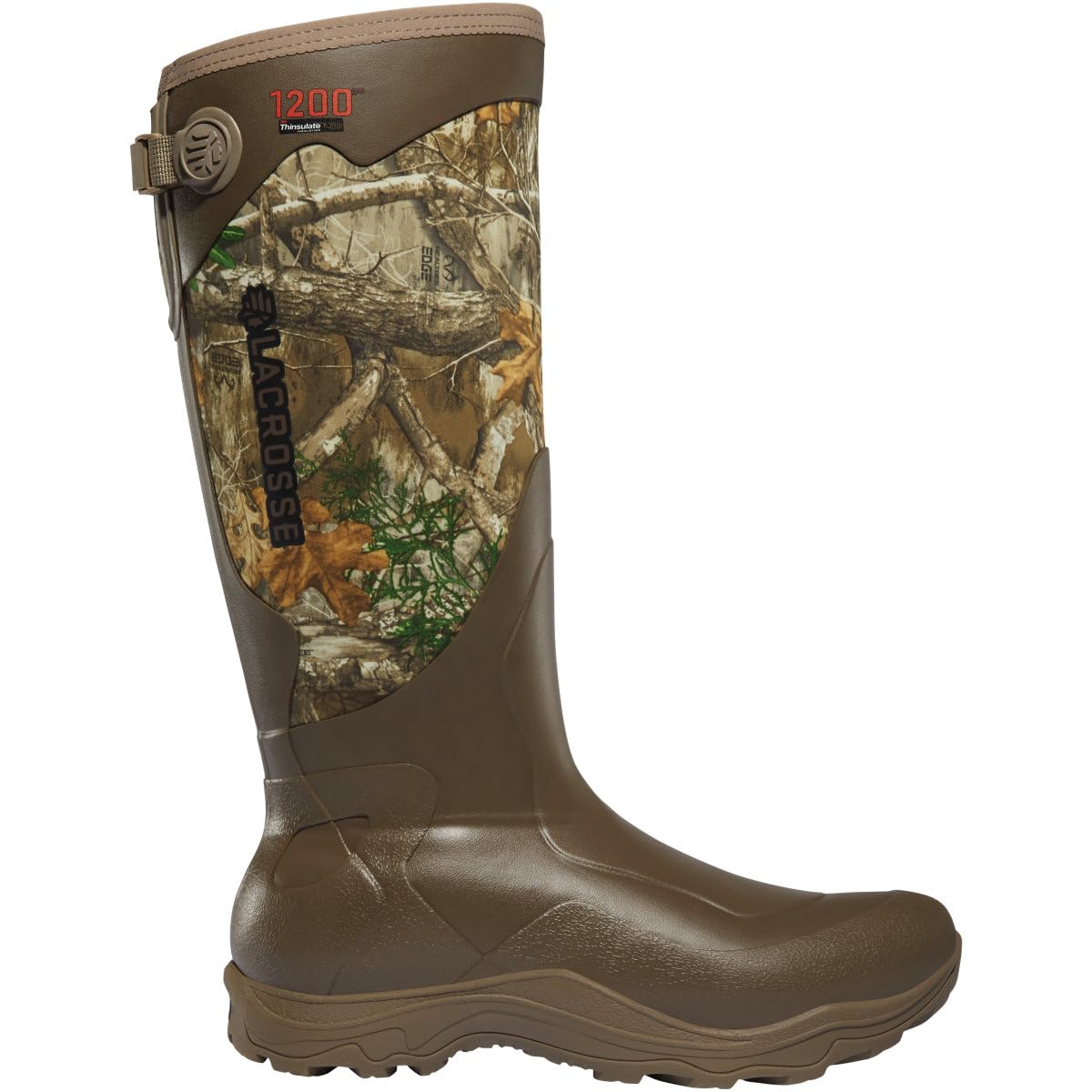
A 17-inch rubber boot rated for -60°F to 30°F that stays flexible and quiet on the move.
When a boot specs a temperature range of -60°F to 30°F, it’s built for the coldest conditions you’ll hunt. The 1200g Thinsulate insulation kept owners’ feet warm in 0°F conditions., and it does it without the heavy, clunky feel you might expect from a rubber boot. The hand-laid premium rubber over a 5mm neoprene core (the flexible inner layer that provides insulation and comfort) makes it both durable and flexible.
The traction agility outsole delivers speed and grip, while the lightweight LXA midsole (a foam layer for cushioning and rebound) adds comfort for long sits and stalks. The kick-off heel plate makes removal hands-free — a small but welcome touch after a long day. Owners describe it as outperforming other major brands for durability and warmth.
The trade-offs: sizing runs large for some, so sizing down may be needed, and there are scattered durability complaints about the uppers developing holes after heavy use. It’s a premium-priced boot, but for deep-cold hunters who want a tall, warm, flexible rubber boot, it earns its place.
agile cold-weather: exceptional warmth in a flexible, tall rubber package — at a price that reflects it.
8. Danner Men’s Hunting Boots
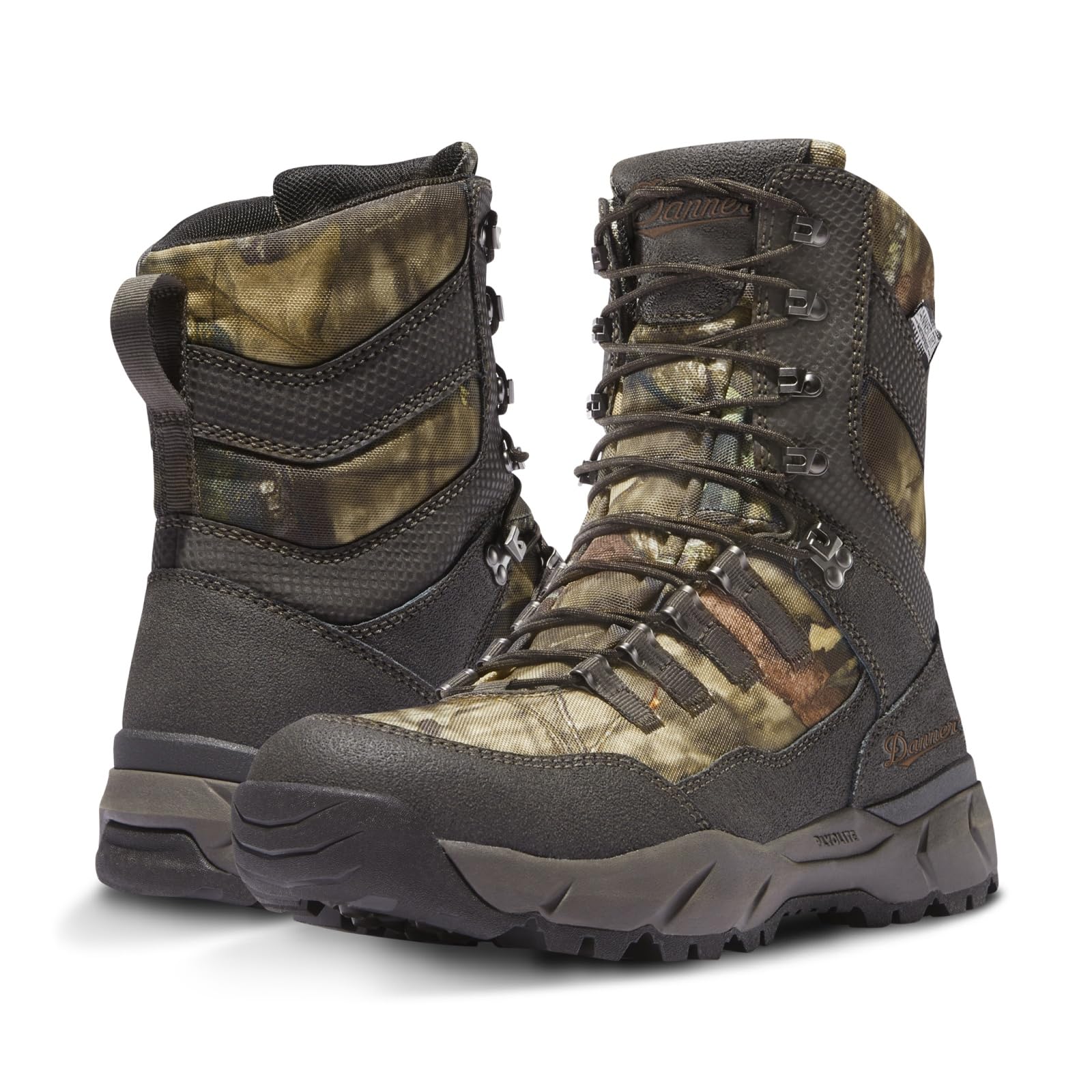
A lightweight hiker that proves a boot can be featherlight and still shrug off a 10-mile bird hunt.
This boot’s defining trait is how light it feels on the trail — owners took it on 10-mile bird hunts through marshy, rocky areas with no soreness. The 400g Thinsulate Ultra insulation adds warmth without bulk, and the Danner Dry barrier (a waterproof membrane that lets moisture escape) keeps feet dry in rain, snow, and creeks. It’s a boot that needs no break-in, which is rare.
The Lock & Load lacing system uses reengineered ghillies across the forefoot for a secure, quick lace — and it’s as quiet as hunting gear should be. The cushioned shock-absorption comes from an open-cell footbed with improved air circulation and a Danner Plyolite midsole that’s extremely lightweight. Reviewers point out no blisters or sores even on long days, and the multidirectional lugs grip well on moss, rock, and slick surfaces.
Fit is the main caveat: they run about a half size small, so sizing up is recommended even with normal socks, and the wide width isn’t truly wide. Water resistance gets mixed feedback too. For a light, comfortable, all-day hunting boot, though, this is a standout.
best for miles: the light weight and zero break-in make it ideal for covering ground.
skip for half sizes: these run small, and true-wide feet should look elsewhere.
9. LaCrosse Cold Snap 9″ Hunting Boots
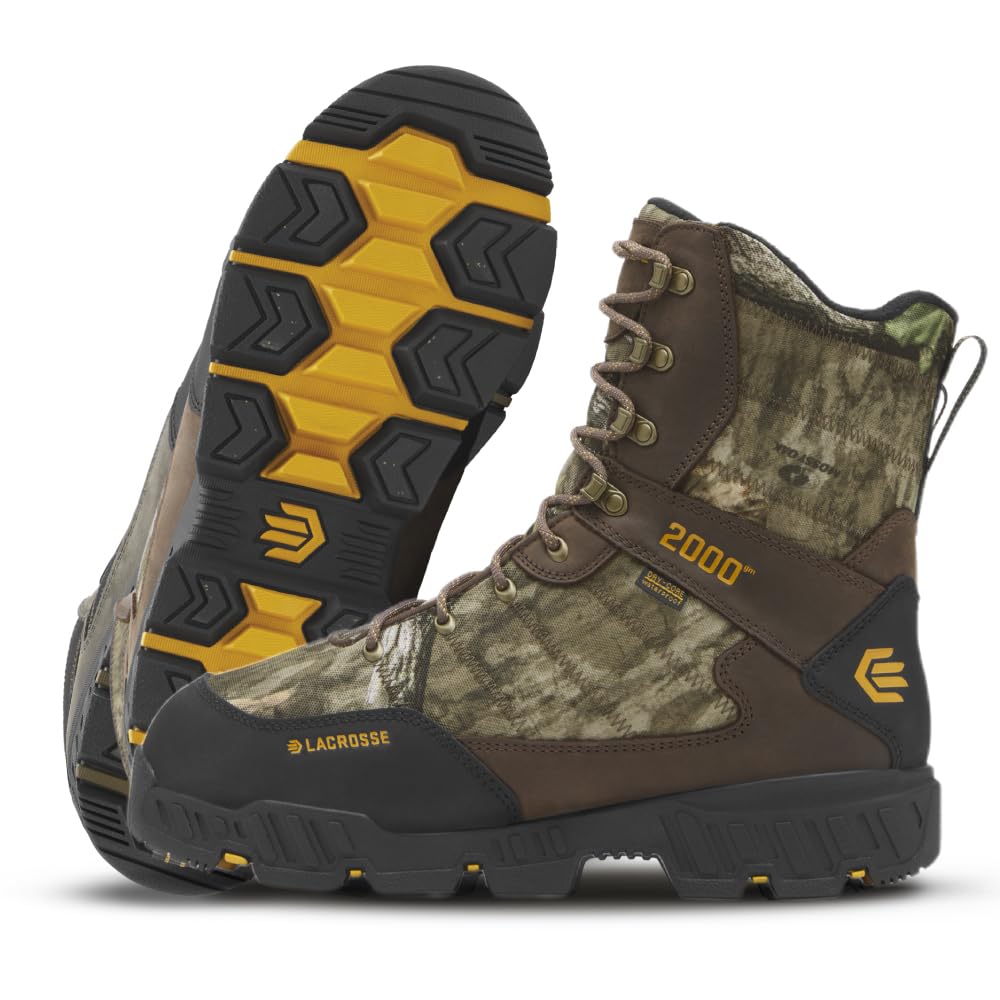
Feel like a “warm hug on your feet” — owners say it’s the warmest boot they’ve owned, down to 0°F.
When you hunt in serious cold, Shoppers say this boot keeps feet warm for 8–12 hours outdoors in 0°F.. The 2000g Thinsulate Ultra insulation (a high-density synthetic fill that traps heat) delivers that warmth without the bulk, so you can move freely on the trail. Reviewers call it the warmest boot they’ve owned, staying comfortable all day in the teens and 20s.. If you need reliable warmth for a winter hunt, this is the one to pick.
The grippy Permafrost outsole provides great tread for snow and mud, and the supportive EVA footbed (a foam layer that cushions every step) keeps it comfortable for hunting, ice fishing, and shoveling snow. Buyers report it’s not heavy despite the insulation, with one describing it as “moon boot warmth, hiking boot comfort.” It kept feet dry in a foot of snow.
The honest trade-offs: it’s a heavier boot, and it can feel clunky in a tree stand. Below 0°F, you may want warmer socks. But for anyone who hunts in deep cold, the warmth-to-weight ratio here is tough to match.
extreme warmth: exceptional warmth that stays comfortable and dry — the trade-off is weight and bulk.
10. Meindl MFS-Vakuum Hunter
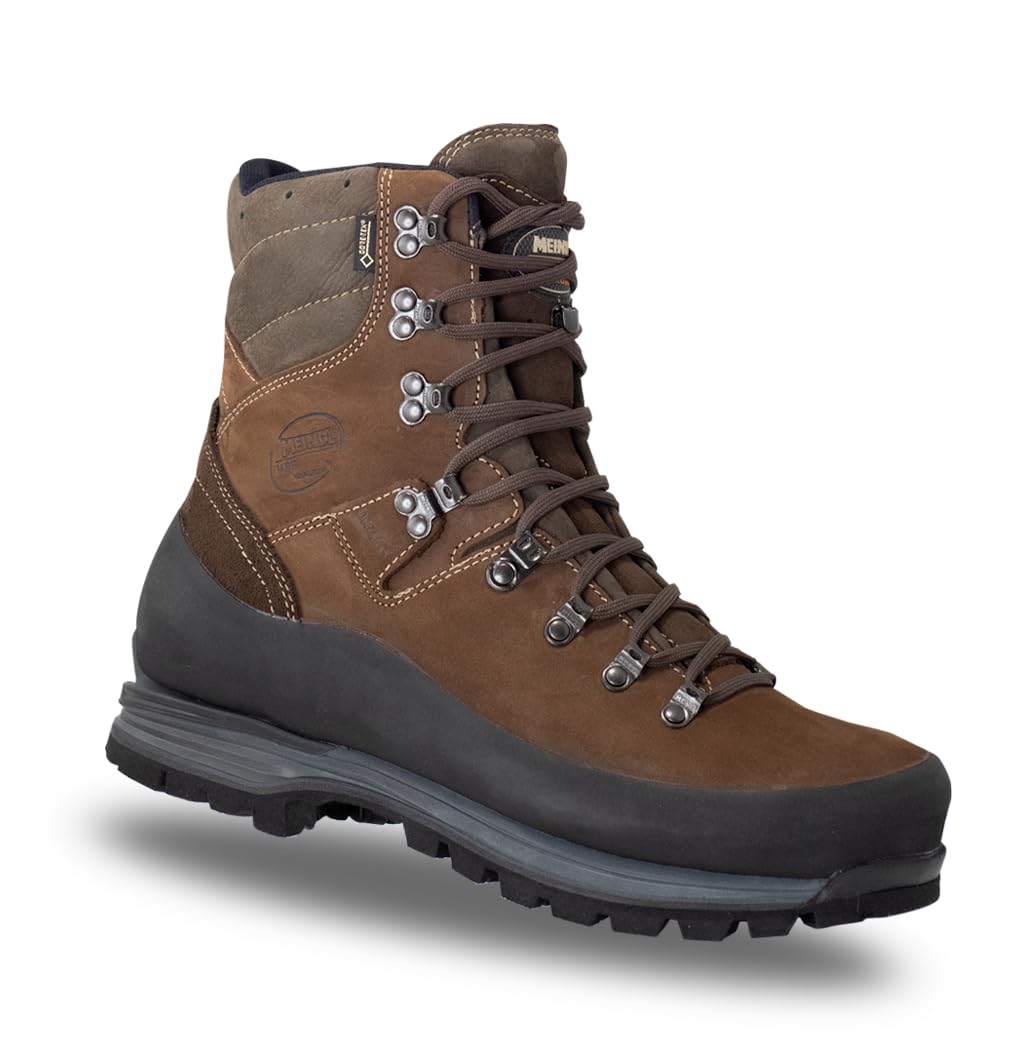
A boot-within-a-boot design where memory foam wraps your foot for a custom-like fit.
This German-made boot solves the fit problem differently: instead of breaking your foot into the boot, the MFS Vakuum foam panels mold to the shape of your foot. The full-grain nubuck leather uppers are paired with special stretch Gore-Tex linings that eliminate standard heel seams — the spots where blisters usually form. It’s a technical approach to comfort that’s built for high-country mountain hunting.
Owners describe it as among the best boots they’ve owned — One pair survived two seasons on a hotshot firefighting crew, one season on a helitack crew, and four hunting seasons.. The polyurethane midsoles push you through each step while allowing for the addition of soft crampons (metal spikes for ice or hard-packed snow), making it a true mountain tool. The grippy Vibram Alpin outsole is built for alpine terrain.
The catch: it runs large, and sizing down is recommended — one EE-wide owner still found it too narrow. It’s also a significant investment. For a high-country hunter who wants a precise, blister-free fit, though, this is a top-tier choice.
precision fit: superb comfort and support for serious alpine hunting — budget for the premium price and check sizing carefully.
11. Kenetrek Mountain Extreme Non-Insulated Hiking Boots
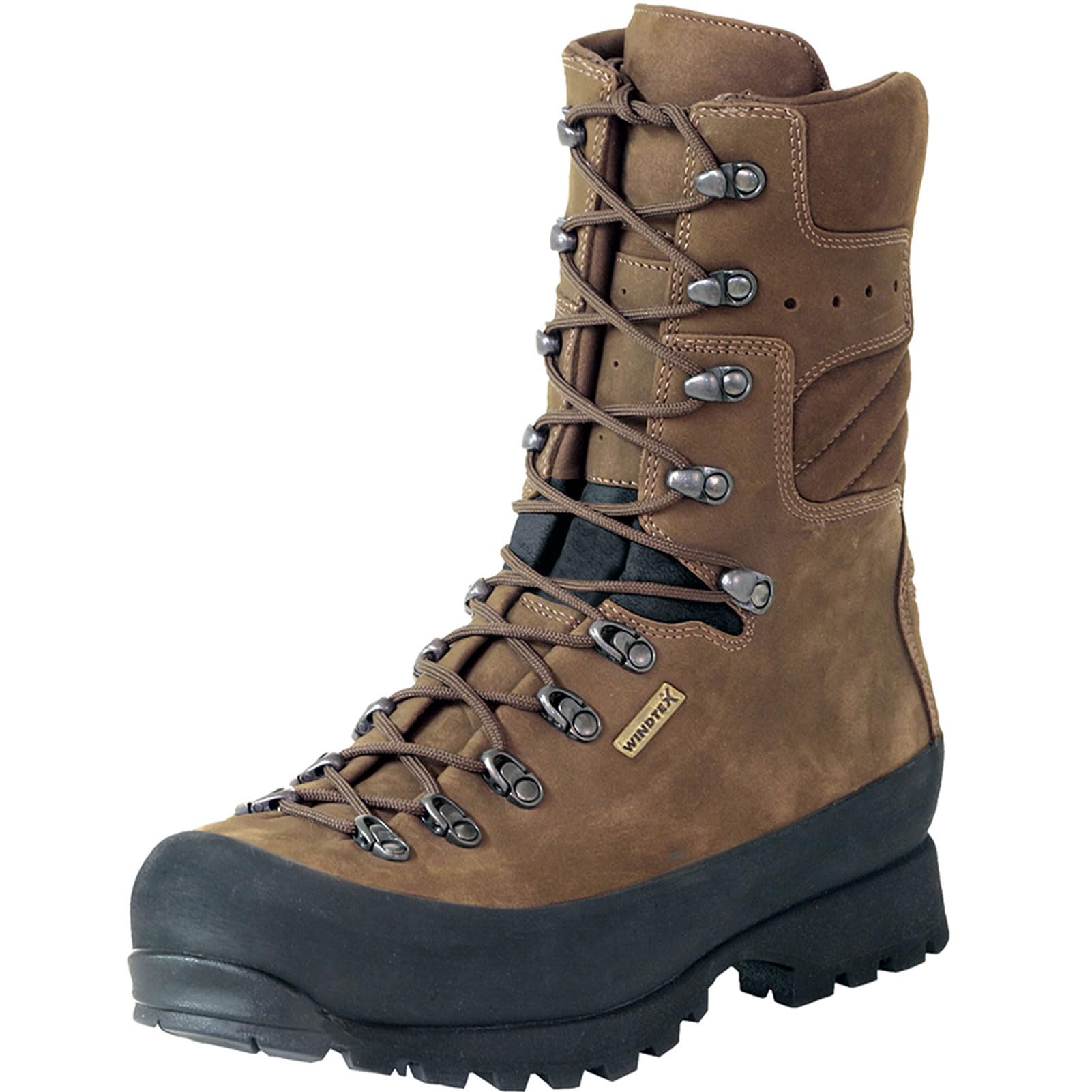
The tank of mountain boots — a high-top that saved one owner’s ankle from three rolls while packing elk.
When you’re packing out an elk on steep, rocky terrain, ankle support isn’t a luxury — it’s a safety feature. This boot’s high-top design with reinforced double and triple stitching in high-wear areas is built for exactly that. Owners mention the support saved their ankle from rolling on multiple occasions, and the K-Talon outsole grips treacherously steep ground with confidence. The 7mm nylon midsole provides a stiff, supportive platform for heavy loads.
It’s waterproof and lightweight despite its tank-like build, and Owners have put 800+ miles on a single pair., calling it the best foot protection on steep, rocky terrain. The uppers hold up extremely well, and the boot is rebuildable — a long-term value even at the premium price. The no-blister design and excellent ankle support make it a favorite for heavy hunting.
The honest trade-offs: the stiff, rigid sole and chunky build mean a longer break-in period and less comfort when you’re idle or walking on flat land. Fit runs small for some, and the non-insulated version means you’ll need good socks for cold weather. For high-mileage, heavy-pack mountain hunting, though, nothing here matches its authority.
best for peaks: if you haul heavy weight over brutal terrain, this is the boot that earns its premium price.
skip for casual: the stiff sole and long break-in make it overkill for flatland or short walks.
Understanding the Specs
Insulation weight (grams of Thinsulate)
This tells you how warm the boot runs. Lower numbers like 400g handle cool fall weather, while 600g to 1000g suits late-season hunts. Extreme cold below zero calls for 1200g or 2000g. More insulation means more warmth, but also more weight and bulk on your feet all day.
Waterproof membranes
Brands use different names — Gore-Tex, Danner Dry, UltraDry, Sympatex — but they all do the same job: a layer that blocks water from getting in while letting sweat escape. A waterproof boot is essential for any backcountry hunt, but remember that leather uppers need periodic treatment to keep that protection working.
FAQ
How much insulation do I need for backcountry hunting?
What is the difference between an insulated and non-insulated hunting boot?
Should I buy a leather boot or a rubber boot for hunting?
How should hunting boots fit?
How long do backcountry hunting boots last?
What is the break-in period for hunting boots?
Can I use hunting boots for work or everyday wear?
Are waterproof hunting boots also breathable?
Final Thoughts: The Verdict
The backcountry hunting boots winner is the Irish Setter Wingshooter because it nails the two things every hunter needs: all-day comfort from the start and durable construction that handles both the field and the jobsite. If you’re heading into deep cold, grab the LaCrosse Cold Snap for its market-leading 2000g warmth. And for high-mileage, heavy-pack terrain, the Kenetrek Mountain Extreme is the one to reach for.
How We Picked
We do not accept paid placement. Every pick is matched to a real buyer and a real use-case; we do not hands-on test units.
Sources & Methodology
Specifications: manufacturer listings and product documentation. Review insights: verified customer reviews, as of August 2026. Pricing: not shown on this page (it changes often); check the current price via the retailer link.
As an Amazon Associate, Gadgets Feed earns from qualifying purchases. This does not affect which products we feature.