
The difference between a good trip and a miserable one often comes down to what’s between you and the wind. A backcountry jacket isn’t a fashion statement — it’s a shelter you wear, responsible for your core temperature when the trail goes vertical and the weather drops without warning.
I’m Min — the co-founder and writer behind Gadgets Feed. I’ve spent hundreds of hours cross-referencing fill powers, fabric deniers, waterproof ratings, and real-world user reports to separate marketing hype from genuine alpine protection in this guide.
Whether you are navigating a whiteout on a ridgeline or setting up camp in a sleet storm, the best backcountry jackets must balance warmth, breathability, and packability without compromise.
How To Choose The Best Backcountry Jackets
A backcountry jacket must perform under dynamic conditions: high-output climbing followed by static breaks. The wrong choice overheats you during the ascent or leaves you shivering at the summit. Focus on three pillars — insulation type, shell construction, and fit for layering.
Down vs Synthetic Insulation
Down offers the highest warmth-to-weight ratio and compresses into the smallest pack size. Look for 700-fill to 900-fill power; higher numbers trap more air per gram. The catch: down loses nearly all insulating value when wet. Synthetic insulation like PrimaLoft retains warmth when damp, dries faster, and costs less, but it is heavier and less compressible. For dry alpine cold, down wins. For coastal ranges or mixed precipitation, a synthetic or a down jacket with a waterproof shell is smarter.
Hardshell vs Insulated Jacket
A hardshell (like a Gore-Tex Pro or 3L membrane) provides wind and waterproof protection with zero insulation — it is a outer layer only. An insulated jacket has built-in down or synthetic fill. The classic backcountry system is a lightweight hardshell worn over an insulated mid-layer, giving you temperature flexibility. However, some users prefer a single insulated waterproof jacket for simplicity on resort-adjacent tours. Know your layering strategy before you buy.
Weight and Packability
Every gram matters when the jacket lives in your pack 90% of the time. A proper backcountry jacket should pack into its own pocket or a small stuff sack. Look for sub-500g weights for down hoodies and sub-600g for 3L hardshells. Heavier jackets (over 700g) are better suited for basecamp use or short day trips where pack weight is less critical.
Quick Comparison
On smaller screens, swipe sideways to see the full table.
| Model | Category | Best For | Key Spec | Amazon |
|---|---|---|---|---|
| Arc’teryx Beta AR | 3L Gore-Tex Pro Shell | Mountaineering / Mixed alpine | 3L Gore-Tex PRO ePE 80d/100d nylon | Amazon |
| Rab Electron Pro | 800-Fill Down Hoodie | Cold-weather climbing / mountaineering | 800FP down, 459g / 16.2oz (Size 10) | Amazon |
| Mountain Hardwear Ghost Whisperer/2 | Ultralight Down Jacket | UL backpacking / fast-and-light trips | 800-fill down, sub-250g weight | Amazon |
| The North Face McMurdo Bomber | Waterproof Down Parka | Extreme cold / basecamp / daily wear | Waterfowl down, waterproof shell | Amazon |
| Helly Hansen Alpha 3.0 | Insulated Ski Shell | Ski touring / resort backcountry | Seam-sealed waterproof insulation | Amazon |
| The North Face Antora Triclimate | 3-in-1 System | Variable weather / day hikes / commute | DryVent 2L shell + fleece inner | Amazon |
| Outdoor Research Foray 3L | 3L Hardshell | Rain / wind protection, light alpine | 3L construction, standard fit | Amazon |
| Rab Microlight Alpine (Men’s) | 700-Fill Down Hoodie | Year-round all-mountain / trekking | 700-fill down, 466g / 16.5oz (Size M) | Amazon |
| Rab Microlight Alpine (Women’s) | 700-Fill Down Hoodie | Women’s fit, year-round alpine use | 700-fill down, 413g / 14.6oz (Size M) | Amazon |
In‑Depth Reviews
1. Arc’teryx Beta AR Men’s Jacket
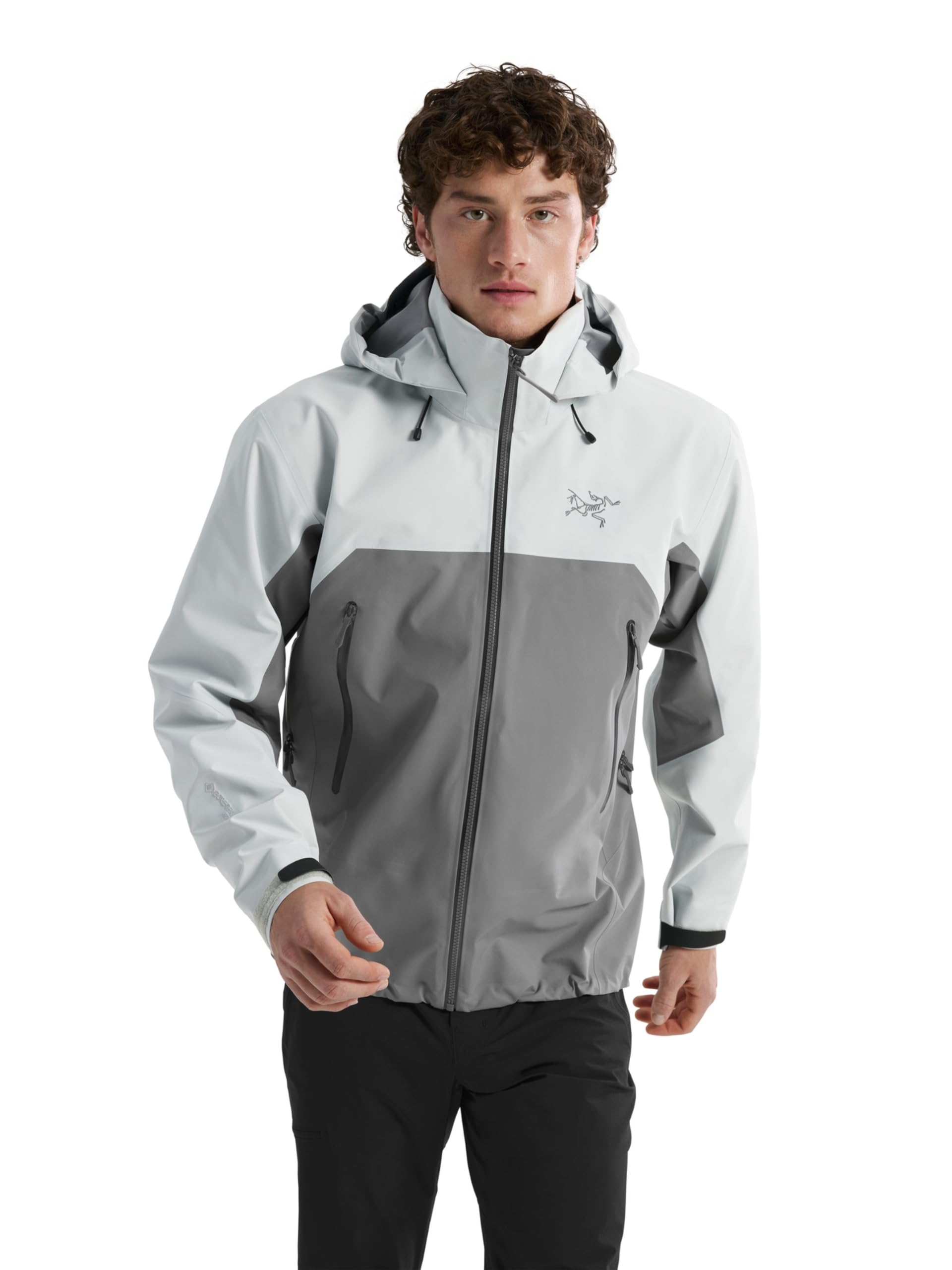
The Arc’teryx Beta AR is the definitive 3-layer Gore-Tex Pro hardshell for backcountry travel. The 80d face fabric on the body and 100d reinforcement in high-wear zones give it a durability-to-weight ratio that few jackets match — it resists abrasion from rock and ice without feeling like a bomb suit. The helmet-compatible DropHood adjusts cleanly and the WaterTight zippers keep moisture sealed.
At only 0.6 pounds for a fully featured hardshell, it packs smaller than most 2L jackets. The ePE membrane is free of PFAS chemicals while still delivering the breathability needed for high-output climbing. Multiple testers confirmed the jacket’s ability to shed sustained rain after repeated use, though the DWR requires periodic reactivation. The standard fit accommodates two mid-layers beneath for deep cold.
The trade-off is clear: this shell carries a premium price and offers no insulation — it expects you to bring your own warmth via a down or fleece layer beneath. The Beta AR is built for mountaineers, ice climbers, and alpine trekkers who demand uncompromising waterproofing and refuse to carry extra weight. If your backcountry trips involve technical terrain and unpredictable weather, this shell is the gold standard.
Why it’s great
- Ultralight 3L Gore-Tex Pro with bombproof abrasion resistance
- PFAS-free ePE membrane with excellent breathability
- Helmet-compatible hood and RECCO reflector for safety
Good to know
- Premium investment for a shell with zero insulation
- Sleeves run long — check Arc’teryx’s trim fit guide
- DWR requires maintenance to stay fully effective
2. Rab Men’s Electron Pro 800-Fill Down Hooded Jacket
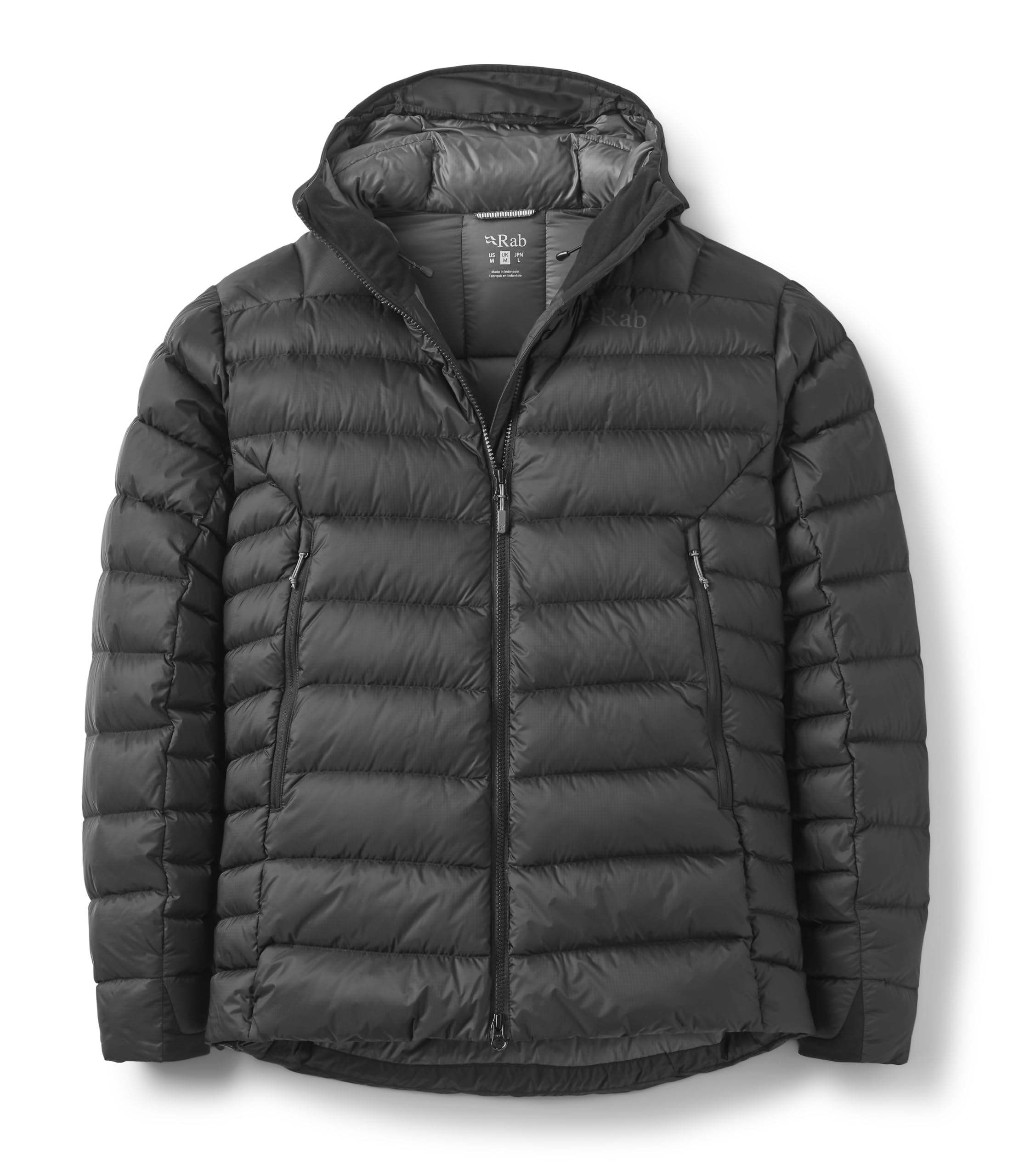
The Electron Pro is Rab’s mid-weight down hoodie that hits the sweet spot between warmth and weight for cold-weather alpine missions. The 800-fill ethically sourced down is packed into a Pertex Quantum Pro shell that provides reliable wind resistance while remaining highly packable. Testers reported being comfortable in a T-shirt down to 20°F and with a fleece layer into single digits.
The slim athletic fit is deliberate — it allows the Electron Pro to layer under a hardshell without creating a bulky sausage effect. The elastic cuffs seal heat effectively, and the helmet-compatible hood tucks neatly over a climbing lid. At 459g, it’s heavier than ultralight options but justifies every gram with extra insulation in the body and arms where it matters most. The zipper quality matches the premium price point.
The main consideration is fit: the slim cut means those between sizes should size up if they plan to layer heavily. Some users with longer torsos noted the hem sits higher than expected. This jacket is optimized for climbers and mountaineers who value warmth-per-pound and intend to use it as a belay or summit layer, not a casual camp jacket.
Why it’s great
- Excellent 800-fill down provides serious warmth for its weight
- Slim athletic fit layers seamlessly under a hardshell
- Pertex Quantum Pro shell withstands wind and light snow
Good to know
- Slim fit may be too tight for broader chests when layering
- No internal stash pocket for gloves or phone
- Down lofts best in dry cold; use a shell in wet conditions
3. Mountain Hardwear Men’s Ghost Whisperer/2 Jacket

The Ghost Whisperer/2 is the ultralight benchmark that backpackers and fast-packers reach for when every gram counts. The 800-fill down insulation packs into its own pocket smaller than a Nalgene bottle, making it the go-to summit layer for gram-conscious adventurers. The recycled 10-denier face fabric is impressively light but demands careful handling around sharp rock or campfire sparks.
Real-world users took this jacket on multi-week Patagonia treks, layering it under a waterproof shell for wind and rain protection. The warmth is genuine for its weight — one tester stayed comfortable on a 7-day Colorado trek by doubling up with a fleece when temperatures dropped into the 20s. The gold-brown color option earned consistent compliments on the trail for its unique look.
The biggest caveat is durability: the ultra-thin face fabric snags and tears more easily than thicker shells. Some users reported zipper issues on earlier versions, though Mountain Hardwear’s repair policy covers defects. This jacket is best suited for low-scrub alpine, well-maintained trails, and climbers who prioritize packability over bombproof construction.
Why it’s great
- Incredibly packable — stuffs into its own pocket
- Light enough for summer alpine use, warm enough for shoulder seasons
- Sustainable recycled face fabric and RDS-certified down
Good to know
- 10-denier fabric is prone to snags and tears
- No internal pockets and zipper durability concerns
- Not a standalone winter coat — needs layers for deep cold
4. THE NORTH FACE Men’s McMurdo Bomber Jacket
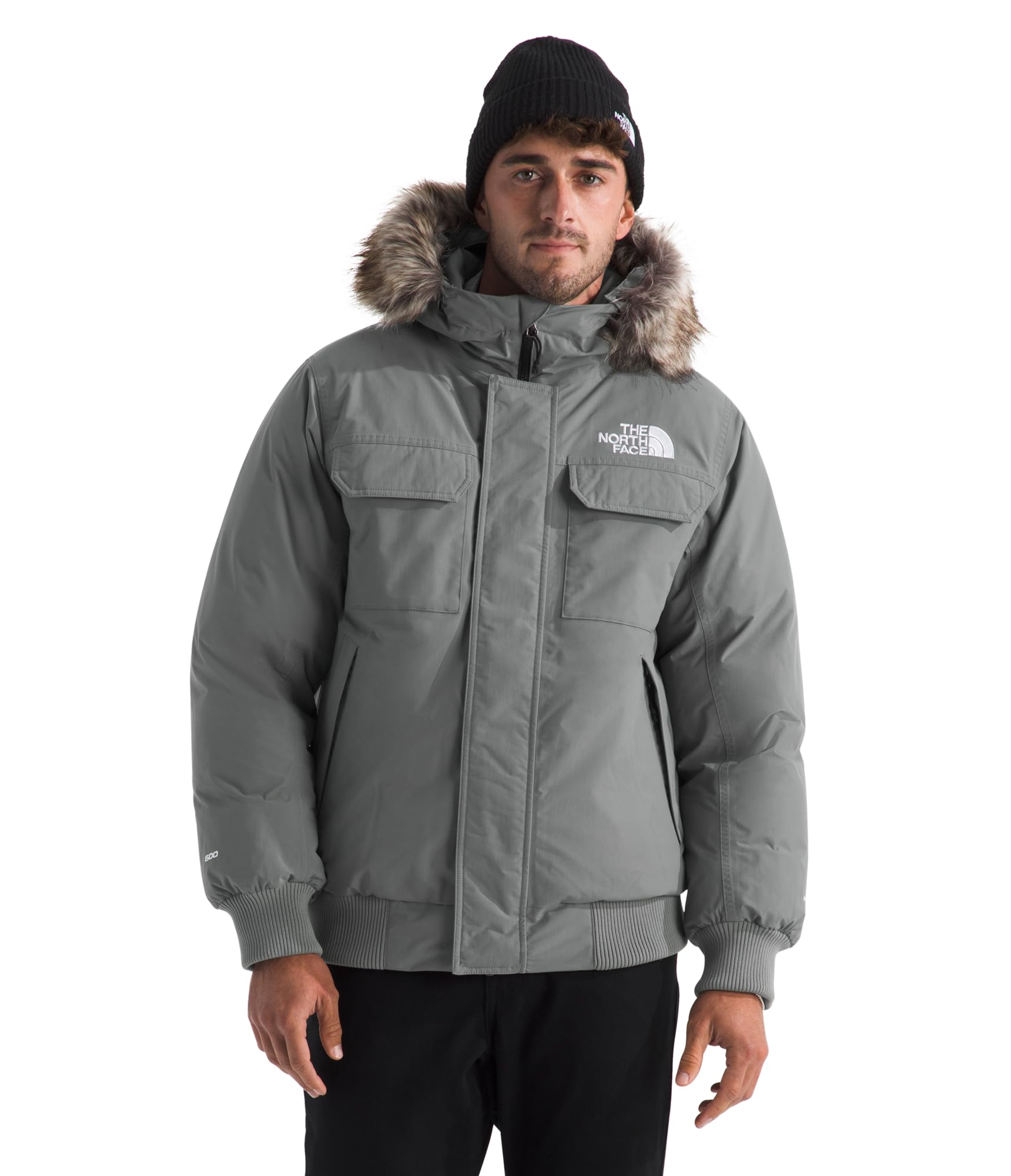
The McMurdo Bomber is a cold-weather fortress designed for basecamp, resort backcountry, and everyday winter wear. The waterfowl down insulation combined with a waterproof shell creates a jacket that handles wet snow and freezing rain without soaking through. Users in lakeside Indiana and mountain regions reported comfort in temperatures well below zero with just a base layer.
At roughly 2.85 pounds, this is not a jacket for fast-and-light alpine missions — it’s built for stationary cold. The removable faux-fur ruff on the hood blocks wind effectively, and the ample pocket configuration includes fleece-lined hand warmers. The bomber silhouette looks sharp enough for town use while being genuinely functional. Recent design updates resolved earlier velcro issues on the cuffs.
The primary limitation is bulk: the McMurdo does not pack down small enough for ultralight backpacks. It also lacks a separate removable insulating layer — the warmth is integrated into the shell, making temperature regulation harder during high-output activities. This jacket is ideal for users who need maximum warmth for static use, sledding, or short tours where pack weight isn’t critical.
Why it’s great
- Extremely warm down insulation in a waterproof package
- Removable fur ruff and generous hood for wind protection
- Premium styling that transitions from trail to town
Good to know
- Heavy and bulky — not suitable for fast-moving trips
- No removable inner layer for temperature modulation
- Sizing runs slightly large; consider sizing down for trim fit
5. Helly Hansen Alpha 3.0 Jacket for Men
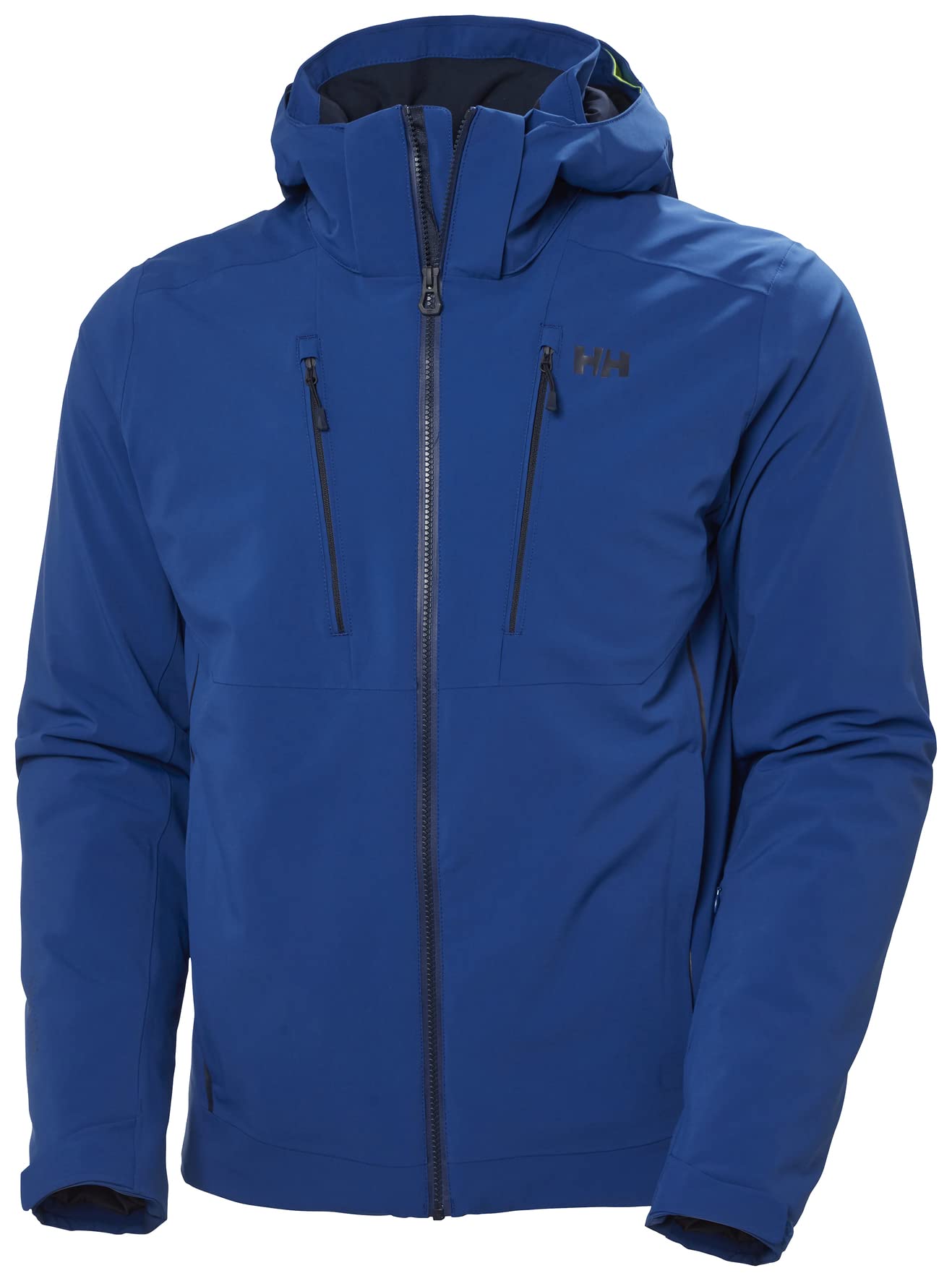
The Helly Hansen Alpha 3.0 packs more features per dollar than most ski-specific backcountry jackets. The seam-sealed waterproof construction held up perfectly in wet snow and temperatures as low as -8°F during real-world testing. The integrated powder skirt and helmet-compatible hood make it ready for lift-accessed backcountry and deep powder days.
The standout feature is Helly Hansen’s Life Pocket, which uses insulation to preserve phone battery life in extreme cold — a detail that matters when your GPS and emergency contacts rely on a charged device. The jacket’s stretch fabric allows unrestricted range of motion for skiing and skinning. Testers noted the Alpha 3.0 felt lighter than its 2.3-pound weight suggests, and the ventilation zippers helped regulate temperature during ascents.
The design bias leans toward resort-adjacent backcountry rather than multi-day expeditions. The insulation is fixed, so you cannot strip it down to a shell for warm days. Some users preferred the Alpha Lifaloft version for its higher breathability, but the standard Alpha 3.0 offers better value for mixed use. If your backcountry days revolve around ski lifts and short tours, this jacket delivers outstanding performance at a mid-range price.
Why it’s great
- Fully seam-sealed waterproof construction tested at -8°F
- Life Pocket technology saves phone battery in extreme cold
- Stretch fabric and good ventilation for active use
Good to know
- Insulation is fixed — cannot be unzipped for warmer days
- Heavier than pure hardshell + down layering systems
- Best suited for ski touring, less ideal for multi-day alpine treks
6. THE NORTH FACE Men’s Antora Triclimate Jacket
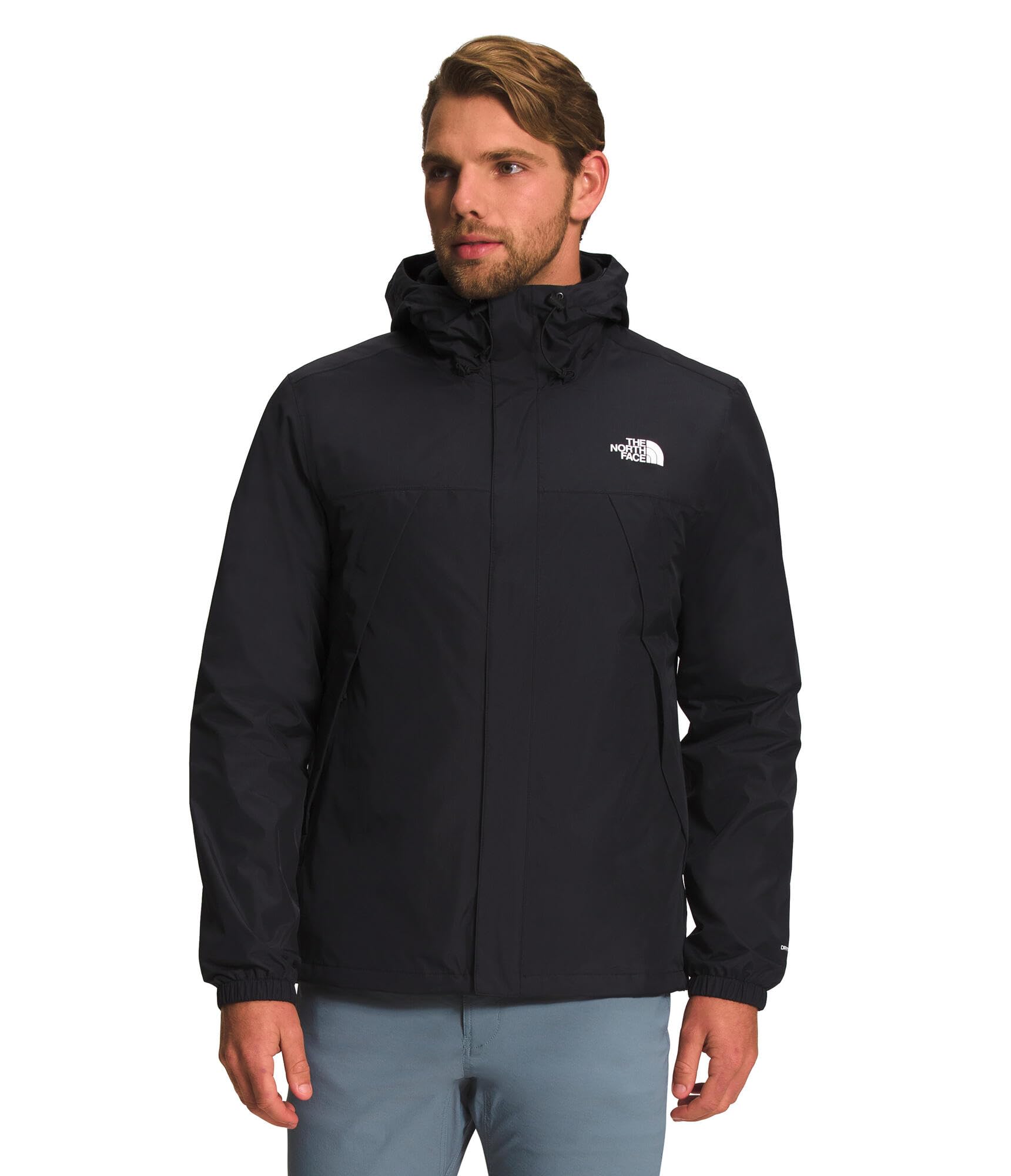
The Antora Triclimate solves the layering equation with a simple 3-in-1 system: a waterproof DryVent 2L shell zips together with a warm recycled polyester fleece inner. Wear both for cold weather, the shell alone for rain, or the fleece alone for cool hikes. This modular approach gives you three jackets for roughly the weight of one insulated parka, making it practical for day trips with variable conditions.
Tester feedback highlights the jacket’s versatility in shoulder seasons — the fleece provides genuine warmth down to around 9°F when worn together. The recycled nylon ripstop outer fabric with non-PFC DWR keeps light rain at bay, and the adjustable three-piece hood offers good coverage. The regular fit allows comfortable movement without feeling baggy.
The trade-offs: the fleece inner is not windproof, and the hood design received criticism for being thin and partially obstructing peripheral vision. The Triclimate loops keep the layers connected, but some users found the shell-to-fleece attachment could be more secure. This jacket is ideal for car camping, day hikes, and commuter use where you need one jacket to handle multiple weather scenarios without digging through your pack.
Why it’s great
- Versatile 3-in-1 system covers shell and insulation in one
- Recycled materials and non-PFC DWR finish
- Great value for variable-weather day trips
Good to know
- Hood design is thin and partially obstructs vision
- Fleece inner lacks wind resistance on its own
- Not packable enough for ultralight backpacks
7. Outdoor Research Men’s Foray 3L Jacket
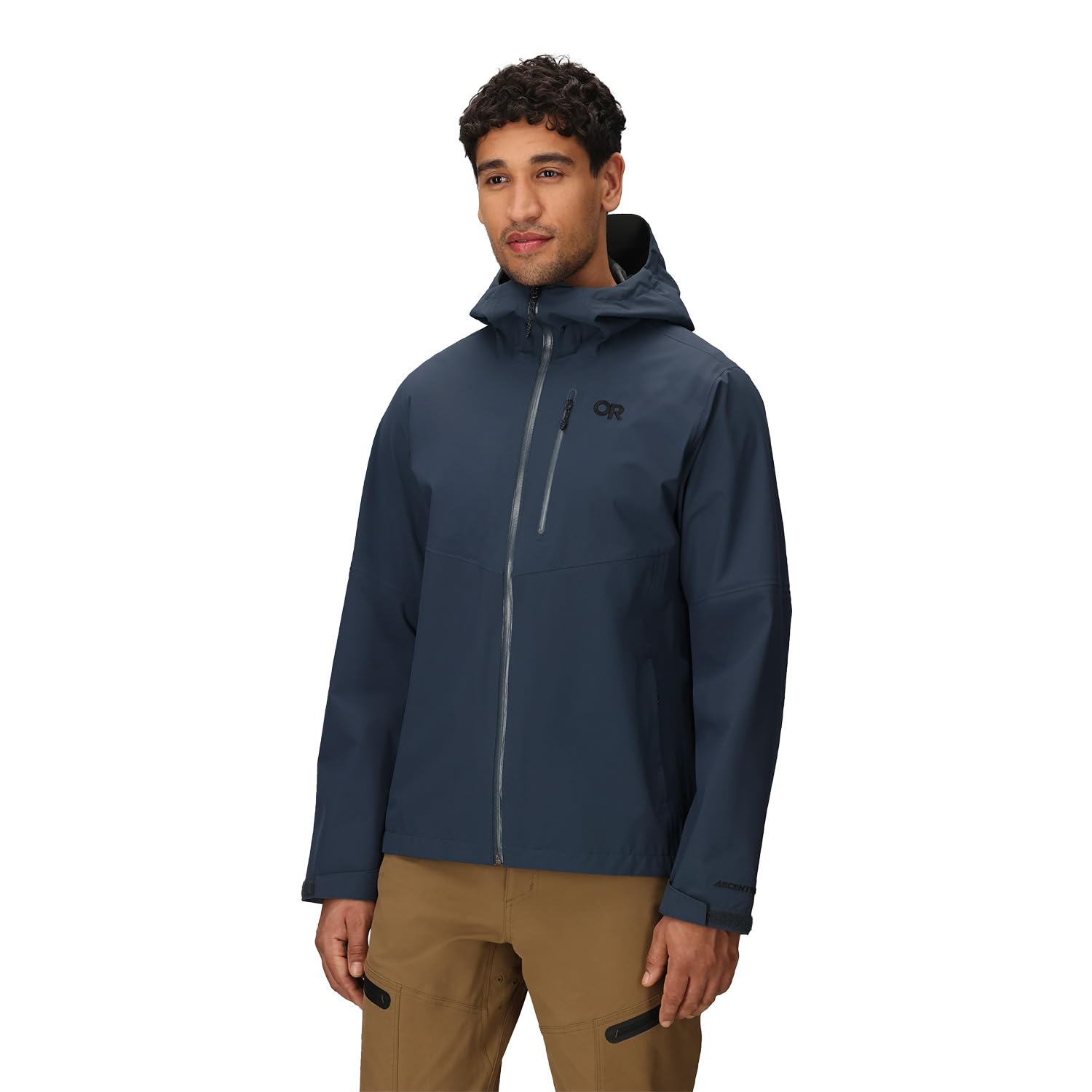
The Outdoor Research Foray 3L delivers a fully seam-sealed hardshell at a price that undercuts most competitors. The 3-layer construction means the waterproof membrane, fabric, and inner liner are bonded together, which improves durability and eliminates the need for a separate mesh liner. Testers found it effective as a windbreaker and light-rain shell when layered over merino wool during winter travel in Japan.
The jacket runs slim through the chest and stomach — many users recommend ordering up one size for comfortable layering. The sleeves are noticeably long, which is a common 3L hardshell trait for keeping your wrists covered during dynamic movement. The jacket requires specialized detergent (Nikwax Tech Wash or similar) to maintain its DWR performance over time.
The main limitation is water resistance — several users reported that sustained heavy rain eventually soaked through after a year of use, though the waterproof effect was restored after proper washing. The Foray 3L also has fewer pockets than premium hardshells. It’s a solid entry-level 3L jacket for users who need dependable wind and light rain protection without spending top dollar on Gore-Tex Pro.
Why it’s great
- Proper 3L construction at a accessible price point
- Lightweight and packs reasonably small
- Effective wind and light rain protection
Good to know
- Runs slim — size up if layering underneath
- Not fully reliable in sustained heavy rain
- Requires special detergent to maintain DWR effectiveness
8. Rab Men’s Microlight Alpine 700-Fill Down Hooded Puffer Jacket
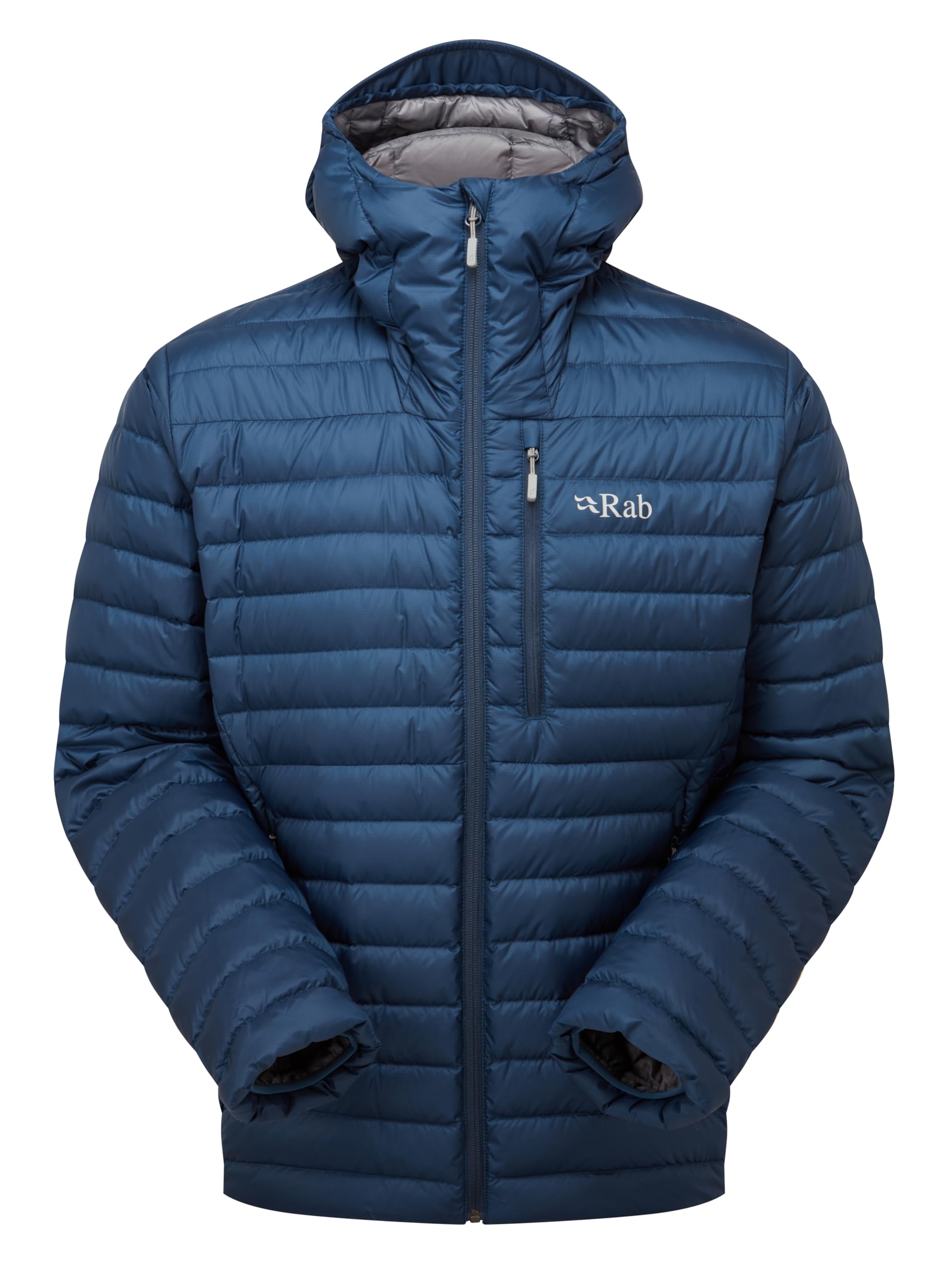
The Rab Microlight Alpine is the workhorse down hoodie for year-round all-mountain use. The 700-fill recycled down is housed in a Pertex Quantum shell that sheds light flurries and blocks wind effectively, while micro baffles around the body and nano baffles under the arms improve breathability during active use. Testers on the W and O Circuits in Patagonia confirmed its excellent warmth-to-weight ratio and secure hood performance in high winds.
The regular fit allows layering over a fleece or baselayer without feeling restrictive. Weighing 466.5g for a size medium, it hits the sweet spot between ultralight and fully featured — deep zippered hand pockets, a stuff sack for packability, and a two-way front zip for harness compatibility. The down is treated with a water-repellent finish that speeds up drying time if the jacket gets damp.
Downsides are minor but worth noting: the main zipper pull feels slightly delicate compared to the rest of the build, and the jacket is not fully waterproof in sustained rain — users should pair it with a hardshell in wet conditions. Some larger-chested users found the medium too tight for layering and preferred sizing up. This jacket is perfect for hikers, trekkers, and skiers who need a reliable midweight down layer for variable mountain conditions.
Why it’s great
- Excellent 700-fill down with water-repellent treatment
- Pertex Quantum shell balances wind resistance with breathability
- Great warmth-to-weight ratio for year-round alpine use
Good to know
- Not fully waterproof — needs a shell in heavy rain
- Zipper feels less robust than premium competitors
- Fit runs slightly trim; consider sizing up if layering thickly
9. Rab Women’s Microlight Alpine 700-Fill Down Hooded Puffer Jacket
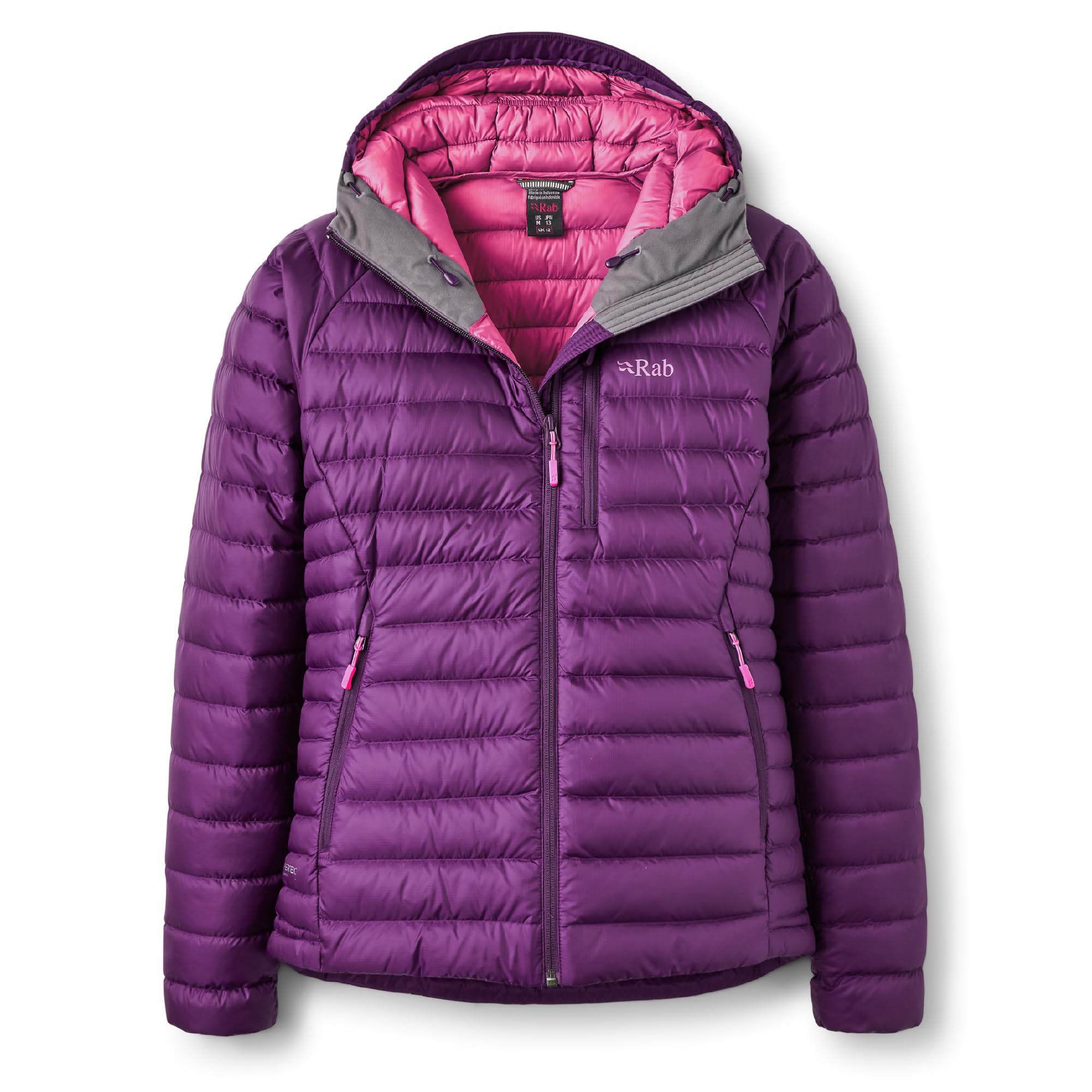
The women’s version of the Rab Microlight Alpine shares the same proven 700-fill down and Pertex Quantum construction as the men’s, but with a fit tailored to female anatomy. At 413g for a size medium, it’s lighter than the men’s version while still delivering the same warmth-per-gram. Female testers confirmed that the jacket layers easily under a shell and fits true to size up to a women’s 14 (size L).
The jacket performs exceptionally well in Pacific Northwest winters and central Virginia cold, with users reporting 4 hours of warmth in snowy conditions at a football game. The deep zippered pockets provide generous storage, and the hood fits snugly over a hat or beanie. The color options — particularly Patriot Blue — received high marks for looking sporty yet feminine.
The main feedback: some users found the XXL ran smaller than other brands’ sizing, so checking Rab’s specific size chart is essential. A few feathers may poke through the shell during initial use, which is common with high-loft down jackets. The jacket lacks an internal stash pocket, which is a minor inconvenience at this price point. The women’s Microlight Alpine is the go-to down hoodie for female backcountry users who want a reliable, packable layer for year-round mountain adventures.
Why it’s great
- Lightweight 700-fill down with Pertex Quantum wind resistance
- Flattering athletic fit tailored to women’s body shapes
- Deep pockets and secure hood for cold-weather functionality
Good to know
- XXL runs smaller than other brands — check size chart
- No internal pocket for valuables
- Some feather poking is normal but can be annoying
FAQ
What fill power do I need for alpine backcountry trips?
Can I wear a down jacket alone as a backcountry shell?
How should a backcountry jacket fit for layering?
Final Thoughts: The Verdict
For most users, the best backcountry jackets winner is the Arc’teryx Beta AR because it delivers the most versatile 3L Gore-Tex Pro protection for technical alpine terrain in an ultralight package. If you want maximum warmth for cold-weather climbing, grab the Rab Electron Pro. And for fast-and-light backpacking where every gram counts, nothing beats the Mountain Hardwear Ghost Whisperer/2.