
Our readers keep the lights on and my morning glass full of iced black tea. As an Amazon Associate, I earn from qualifying purchases.
Specs are compiled from manufacturer listings and verified buyer reviews and can change over time — please confirm the key details on the product page before buying.
Finding a camping backpack that actually fits is the difference between a trip you remember and one you try to forget. A well-fitted internal-frame pack shifts load to your hips, vents heat from your back, and carries a week of gear without straining your shoulders. This guide compares the real contenders so you can pick the one built for your kind of miles.
I’m Min — the founder and writer behind Gadgets Feed. This guide is built by comparing the manufacturers’ published specifications and the patterns across verified customer reviews, so you get each pick’s real strengths and trade-offs instead of marketing spin.
Whether you’re a weekend warrior or a thru-hiker, the right internal-frame pack changes everything, so here is the definitive breakdown of the best backpack camping backpack options worth your money today.
Our Picks at a Glance

How To Choose The Best Backpack Camping Backpack
Choosing a backpack is about matching three things: how much you carry, how long you carry it, and your body shape. A poor fit causes shoulder strain and back sweat, turning an easy trail into a miserable hike.
Size it by torso, not height
Your torso length, measured from the base of your neck to your hip bones, decides which pack fits. Many packs here have adjustable torso systems, but you need to know your measurement first. An overlong pack digs into your hips instead of resting on them, causing pain on long carries.
Capacity means trip length
As a rule, 40-50 liters handles a weekend, 60-70 liters covers a few days, and 80+ liters suits a week or more of gear. Oversized packs encourage overpacking, adding unnecessary weight you must carry on every step.
Rain cover and hydration slots are not optional
A built-in rain cover protects your sleeping bag from sudden downpours. A hydration sleeve lets you drink without stopping, a critical feature on long climbs.
Quick Comparison
| Model | Best For | Capacity | Weight | Frame Style | Amazon |
|---|---|---|---|---|---|
| Kelty Coyote 105L★ Best Overall | Week-long hauls | 105L | 5lb 8oz | Internal Frame | Amazon |
| Osprey Renn 65LWomen’s Fit Pick | Women’s multi-day hikes | 65L | 3.6lb | Internal Frame | Amazon |
| Kelty Coyote 65LTrail Pro | Versatile hiking comfort | 65L | 4lb 10oz | Internal Frame | Amazon |
| TIDEWE 90L | Heavy hunting loads | 90L | 5.4 kg | External Frame | Amazon |
| Mardingtop 65L+10L | Bushcraft and value | 65L+10L | 2.35KG | Internal Frame | Amazon |
| MOUNTAINTOP 80L | Large trips on a budget | 80L | 2.2lb | Internal Frame | Amazon |
| XMILPAX 70L | Tactical gear attachment | 70L | Heavyweight | Internal Frame | Amazon |
| MOUNTAINTOP 70L | Budget-friendly comfort | 70L | 4.4lb | Internal Frame | Amazon |
| Naturehike 65L | Ultralight minimalists | 60L+5L | 2.56lbs | Internal Frame | Amazon |
| Mardingtop 60L | Budget entry-level | 60L | 4.49lb | Internal Frame | Amazon |
| Osprey Fairview 40L | Travel carry-on | 40L | 3.41lb | Laptop Backpack | Amazon |
In‑Depth Reviews
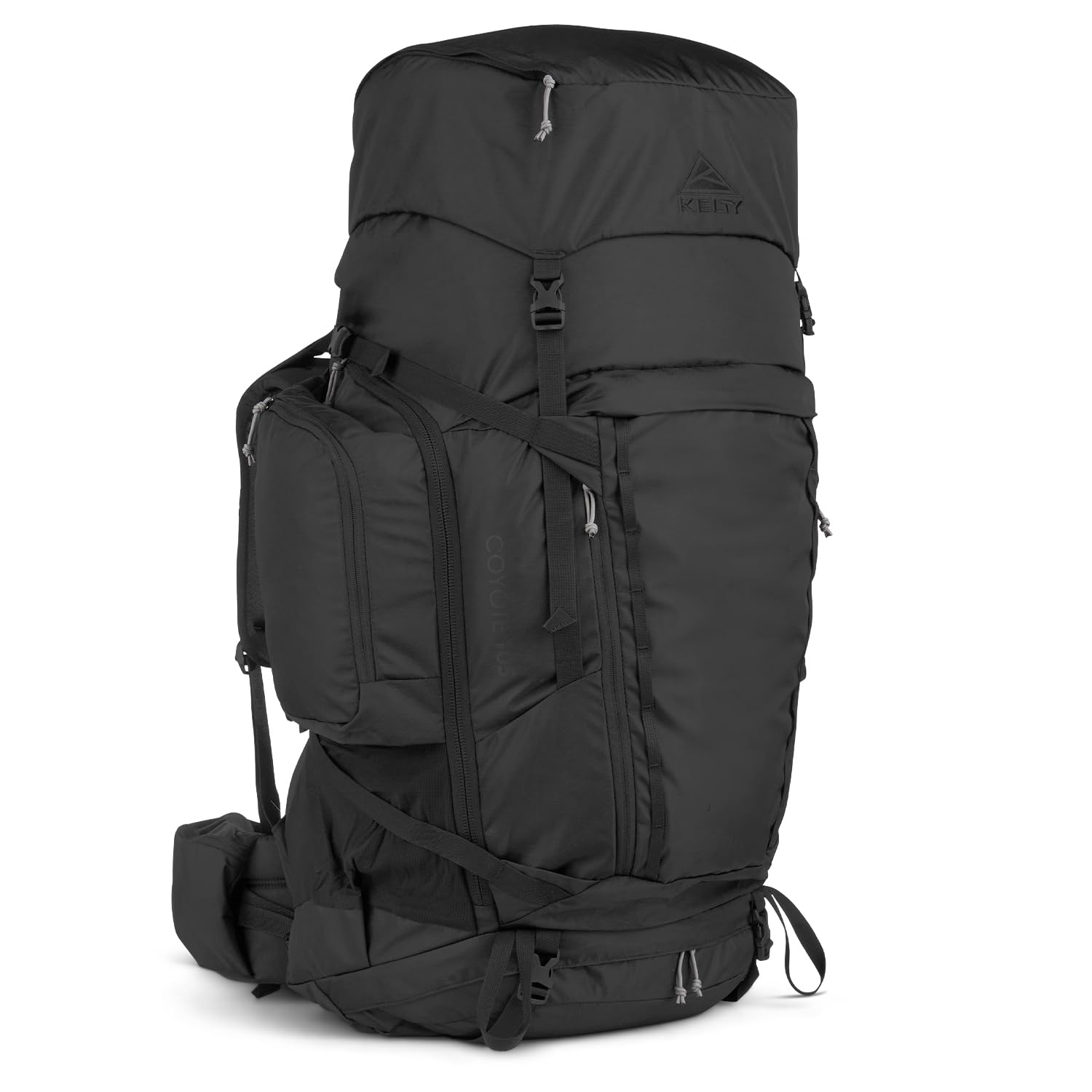
1. Kelty Coyote 105L
Our pick — over 4.5★ from 350+ verified ratings; the strongest balance of quality and price.
The 105L behemoth that swallows a week of gear and still rides balanced.
Its 105-liter capacity fits a full expedition, yet compression straps let it cinch down to a 40-liter daypack feel. The advanced perimeter frame and aluminum stay keep a heavy load stable, and the Amp Flow ventilated back panel means you are not ending the day with a soaked shirt.
The Fit Pro torso system is what separates this from cheaper giants. You can adjust it on the fly, even mid-hike when shedding layers, which is a genuine relief when the pack is loaded. Buyers report hiking 8 miles with 50lbs without serious fatigue, and the weight stays firmly on your waist rather than your shoulders. The sleeping bag compartment with its own access is a favorite, as are the signature wing pockets and water bottle holders.
At 5lb 8oz empty, it’s heavy, and some owners find the straps undersized for its massive scale. It is a big pack meant for big loads — bring a heavy trip with you.
What wins people over
- Spacious 105L with multiple access points
- Adjustable Fit Pro torso on the fly
- Ventilated back panel beats sweaty backs
What to know
- 5lb 8oz empty weight adds up
- Straps can feel undersized for the scale
Reach for this if: you need maximum capacity for week-long trips and want features that rival pricier packs at a fair price.
Consider otherwise: if you want a lighter pack for shorter weekend jaunts, the 65L sibling below is a smarter fit.
2. Osprey Renn 65L
A women’s-specific frame that shifts the load off your shoulders and onto your hips.
This pack is built around a women’s-specific fit, and the AirSpeed suspension system is the standout: a tensioned back panel that is adjustable for torso length while keeping air flowing so you don’t overheat. The LightWire frame transfers the weight to the hipbelt, which is exactly where you want it on a long climb.
Owners around 5’2″ to 5’8″ report a comfortable, snug fit with padding that distributes weight evenly, and the separate zippered sleeping bag compartment with its floating divider is praised for keeping gear organized. An integrated, removable rain cover stows in its own pocket, so you are never caught unprotected in a sudden downpour. At 3.6lb, it is also genuinely light for a 65-liter pack.
The catch: some very petite hikers around 5’1″ find the shoulder straps won’t tighten enough, and a few call the pack heavy despite its spec. It is a superb fit for the right frame, but check your torso length first.
Why it earns its spot: the adjustable, ventilated suspension plus a real integrated rain cover make this the pick for women who want comfort without the weight penalty.
Best for: women who carry 2-3 day loads and want a pack that breathes and fits a shorter torso.
Look elsewhere if: you’re under 5’2″ — the straps may not cinch tight enough for a secure fit.
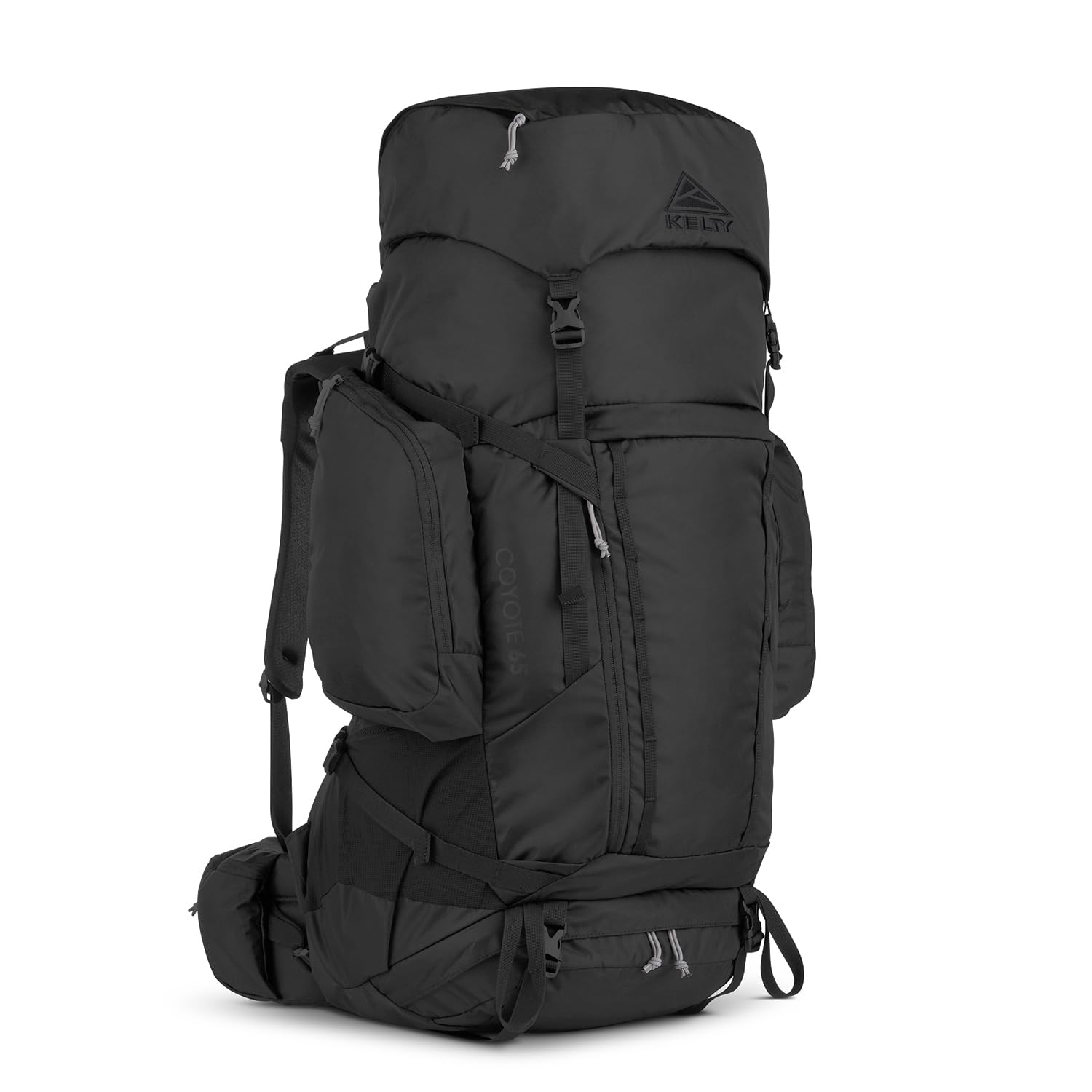
3. Kelty Coyote 65L
For the thru-hiker who wants the Coyote’s comfort in a more manageable size.
You get the same comfort features as the larger 105L Coyote — the Fit Pro on-the-fly torso adjustment (a system that lets you change the back length while wearing it), the perimeter frame (a rigid outer support that keeps the pack stable), and the Amp Flow ventilated back panel (a mesh back that lets air move to reduce sweating) — but in a lighter 65-liter version that weighs just 4lb 10oz. That weight is easy to manage for most weekend and section hikers, who typically carry 30-55 pounds.
Owners are impressed by how well it handles a 45lb load, with one noting it felt like it “shaved a minute off a 3-mile route” thanks to excellent weight distribution and a breathable mesh back. It has survived two hunting seasons in rough mountain brush with no broken buckles or zippers, and the J-zip access makes packing and unpacking far less painful.
The downsides are small: you must buy a rain cover separately, and some owners say the shoulder straps feel stiff on the collarbone and the side pouches sit in awkward spots. Still, if you want a balance of room and manageable weight, this pack hits it.
Standout spec: the Fit Pro adjustable torso means one pack fits multiple users, from a 6’3″ frame to a shorter partner.
Choose this for: versatile multi-day hikes where you want flagship comfort without the 105L bulk.
Note the limitation: no rain cover comes included, so factor that into your kit.
4. TIDEWE 90L External Frame

A 90L external-frame workhorse built to haul heavy hunting loads without the noise.
This is a different animal from the internal-frame packs above — an external frame that shines when you are packing out 90 pounds of gear or meat. The noise-free Next Camo G2 fabric and reinforced Hypalon frame connections are designed for hunters who need to stay undetected, and the two-in-one carrier holds a bow or rifle securely.
The curved top frame keeps your head clear, and owners mention it carries 30 pounds without even feeling half full. The ergonomic padded suspension is comfortable on long walks, and the rain cover plus high-quality strapping system means you can trust it in rough weather. Many pockets, a waist bag, and expandable side pockets keep 3-5 days of gear organized.
The trade-offs: this pack is massive and some find it too wide for dense brush, and the hip strap doesn’t cinch small enough for narrower waists. It is also heavier than the internal-frame options, which is the price of external-frame carrying power.
Built for: the hunter or heavy carrier who prioritizes load support and quiet movement over pack weight.
Best for: 3-5 day hunting trips where you need to pack out heavy loads and stay quiet.
Think twice if: you have a small waist or need to squeeze through dense terrain often.
5. Mardingtop 65L+10L
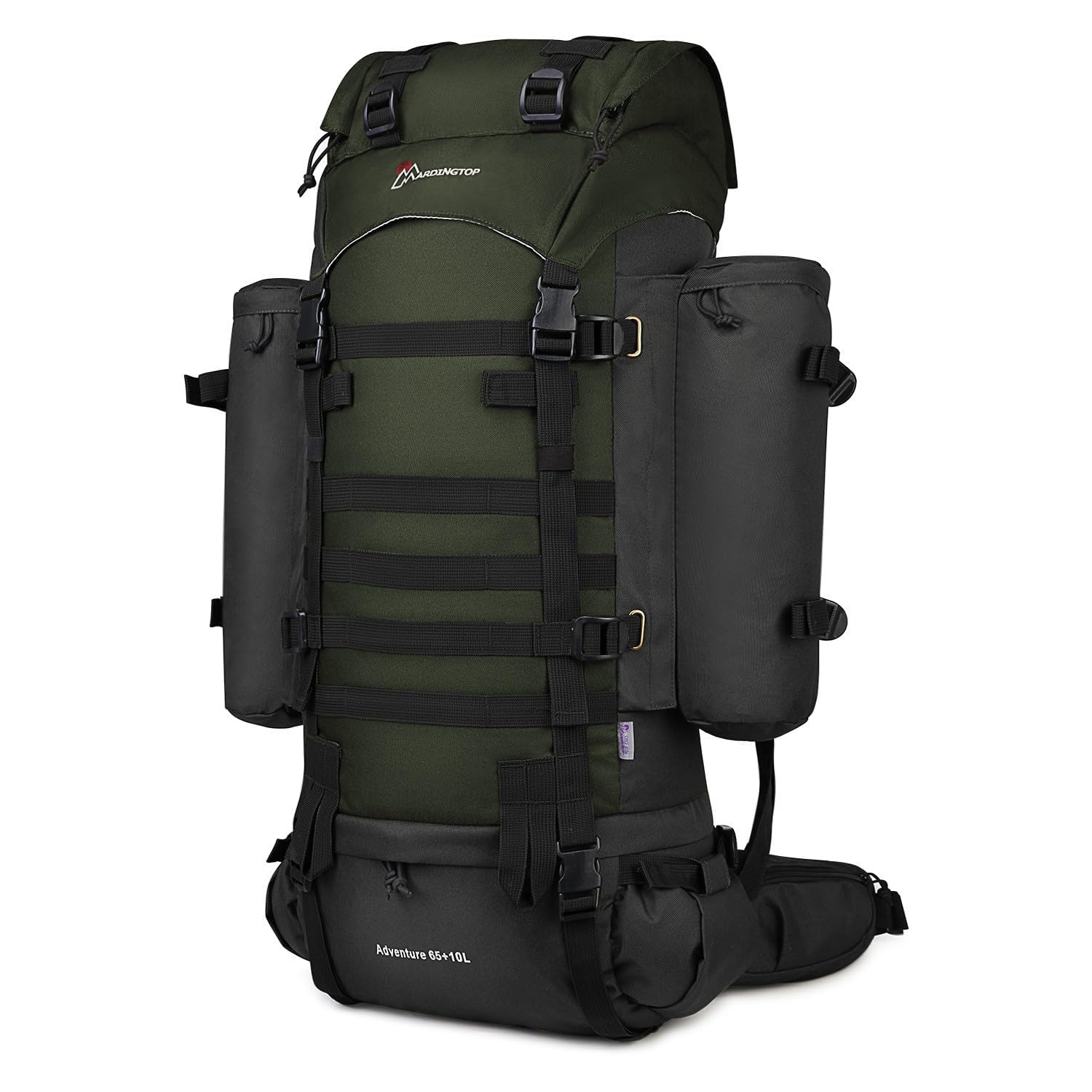
A rugged 65L+10L tactical pack that survives years of abuse at a budget price.
The defining trait here is durability — customers note 5 years of hard use through heavy brush and fishing with no signs of wear, and the 600D polyester fabric feels tougher than ultralight alternatives. The extra 10L comes from removable side pouches, so you can slim it down for a day trip or expand it for a longer haul.
Storage is generous with a drawstring compartment divider, bottom access, and ample MOLLE webbing for attaching extra pouches. A military sleep system fits inside without a compression bag, which is a genuine win for bushcrafters. The included rain cover and hydration compatibility round out a package that is hard to argue with at this price.
The consistent complaint is comfort under heavy loads: a 5-mile hike with 40lbs was described as miserable, with poor shoulder padding and a waist belt that won’t cinch tight enough for a 28-29″ waist. This is a great car-camping and short-trip pack, not a thru-hiking companion.
The strengths
- 5-year durability through rough use
- Removable 10L side pouches
- Drawstring divider and bottom access
The limits
- Poor padding for heavy loads
- Waist belt too short for small waists
Reach for this if: you want a tough, versatile pack for 2-3 day trips and bushcraft without spending big.
Pass if: you plan to carry 40+ lbs over long distances — the comfort just isn’t there.
6. MOUNTAINTOP 80L

An 80L pack that swallowed five days of gear on a 50-mile trek without a tear.
The selling point here is how much pack you get for the weight — 80 liters of capacity at just 2.2lb empty is remarkably light for this class. The lightweight aluminum frame panels provide load-bearing support, and a dedicated hydration compartment holds a 3-liter bladder with the tube routing near the top handle.
Owners have taken it on serious trips, including a 47-50 mile R2R2R. It held 5 days, 4 nights of gear with no tears, and the bottom compartment for shoes or a sleeping bag is a practical touch. The built-in rain cover and waterproof lining add confidence for unpredictable weather, and the side zippered openings give quick access to the middle of the bag.
The durability question is the recurring theme — the internal frame feels flimsy to some, and a few note the plastic side holders won’t keep a 1L water bottle in place. It is a budget-friendly workhorse, but treat the lighter frame with respect.
Why it stands out: an 80L capacity at 2.2lb is a rare weight-to-space ratio that makes long trips surprisingly manageable.
Best for: budget-conscious hikers who want maximal capacity for multi-day trips without the heavy frame.
Keep in mind: the frame feels less solid than pricier packs, so it suits careful packers.
7. XMILPAX 70L Tactical MOLLE

A 1000D tactical pack that feels like an Army rucksack but costs half as much.
Made from tough 1000D polyester (a heavy, abrasion-resistant fabric), this pack feels like an Army-issued rucksack, and owners say it is just as comfortable and durable. One reviewer noted it held up through 40 miles with no wear on the padding, and the internal spine (a rigid support rod) helps reduce pressure on your back during long hikes.
The MOLLE webbing covers the entire pack, including the hip belt, so you can attach pouches and gear everywhere. Storage is extensive: a large main compartment, lid compartment, bottom pocket, two front pockets, and long side zipper pockets with utility pockets built in. Dual 3L camelback pouches fit comfortably, and the bungee cord lashing on the front plus compression straps keep everything secure.
The quibbles are small but real: the curved zippers on the side pockets hinder quick access, and the zipper pull strings can slip out and need pressing down. It is also slightly heavier than ultralight options, which is the trade-off for the tough fabric.
What stands out
- 1000D polyester is genuinely rugged
- Full MOLLE coverage including hip belt
- Dual top and side grab handles
Watch for
- Curved zippers limit side pocket access
- Heavier than ultralight alternatives
Choose this if: you want a tough, modular pack for hunting, bushcraft, or bug-out use that carries heavy loads well.
Pass if: you prioritize minimum weight for long-distance hiking over ruggedness.
8. MOUNTAINTOP 70L

A 70L pack that carried 45+ lbs and earned “best camping backpack” from buyers.
The lightweight aluminum alloy frame plate here does the heavy lifting, and owners consistently describe the pack as comfortable even fully loaded. It handled around 30 lbs of gear on a 2-night trip with the rain cover keeping everything dry, and waist and chest straps make carrying 45+ lbs notably easier.
The nylon fabric with YKK zippers offers durability that punches above the price, and the multi-position torso adjustment fits a wide range of body types — including petite packers. The side zippered entry into the main compartment plus a bottom compartment for shoes or a sleeping bag make organizing simple.
Some owners note the top seam stitching can fray, and a few mention buckles breaking after several uses. It is excellent value, but not built to the standard of packs twice its price.
Why it resonates: the aluminum frame distributes weight so well that owners find it easier to carry than pricier partner packs.
Best for: first-time backpackers who want a comfortable, adjustable 70L pack without a huge investment.
Remember: treat the stitching gently and this pack will serve you well for years of weekend trips.
9. Naturehike 65L
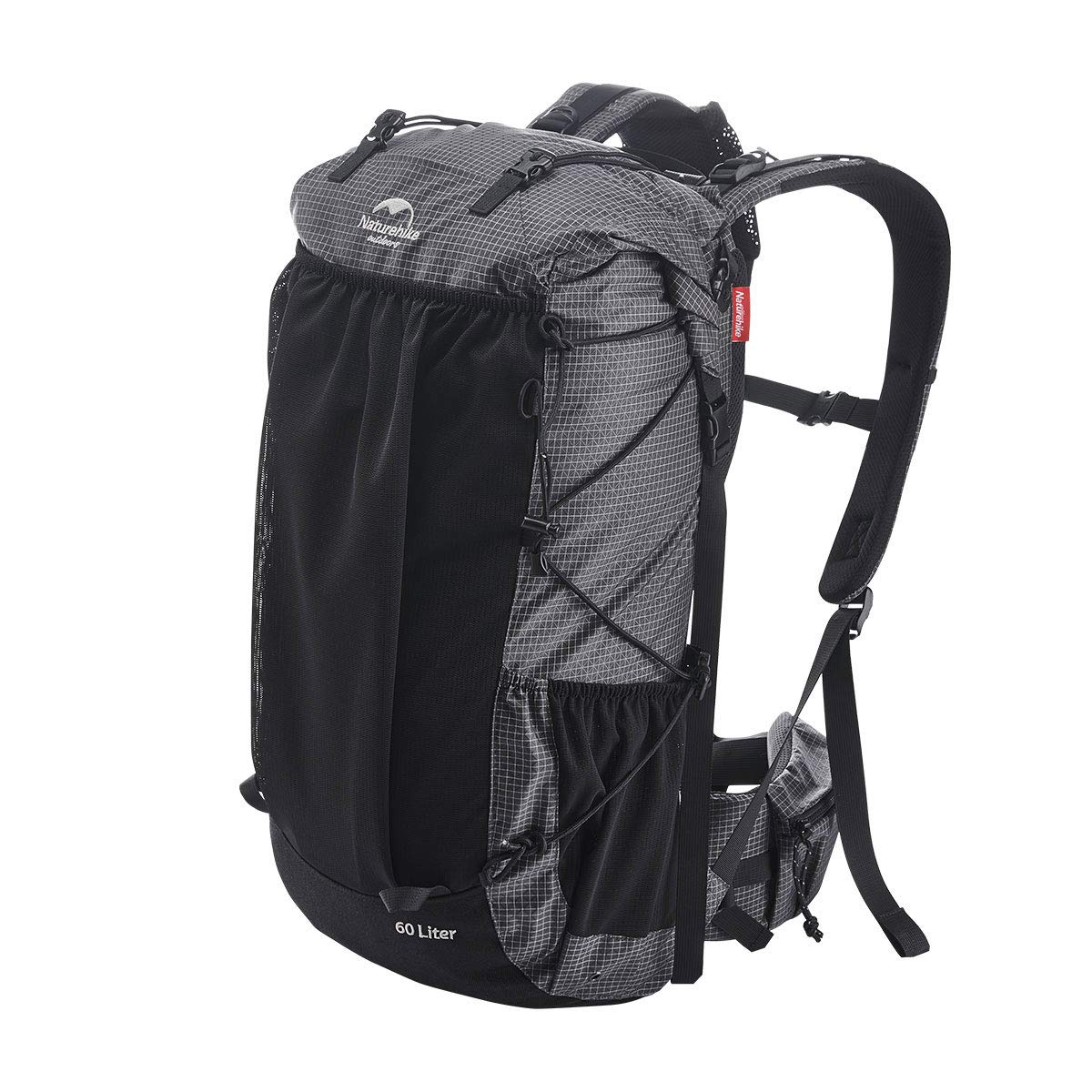
A 2.56lb ultralight that survived a 108-mile trail section without missing a beat.
Weight is the whole story here — at just 2.56lbs, this is the lightest pack in the lineup, and owners rave about how the 420D nylon fabric holds up despite the minimal frame. It survived a 108-mile Appalachian Trail section hike comfortably at 30 lbs total, and another owner carried 40 lbs without seam failure.
The ergonomic mesh back pad keeps you cool on long treks, and the hip belt fits larger frames well (6’2″, 225lb users report a great fit). It fits a foam pad, tent, stove, and sleeping gear with room to spare, and the roll-top closure plus compression straps keep loads stable. The separate back pocket for shoes is a thoughtful touch.
The weigh-in on limits: it’s rated to 15KG (33 lbs), so it is not for heavy haulers. The top cinch pull loop can fail, there are no interior pockets, and the frame squeaks occasionally. For ultralight enthusiasts, the trade-offs are worth it.
The defining stat: at 2.56lbs with a minimal frame, it cuts serious base weight while still carrying a full camping load.
Reach for this if: you count every ounce and want a comfortable, light pack for fair-weather hiking.
Steer clear if: you regularly carry more than 30 lbs — the light frame won’t support it.
10. Mardingtop 60L
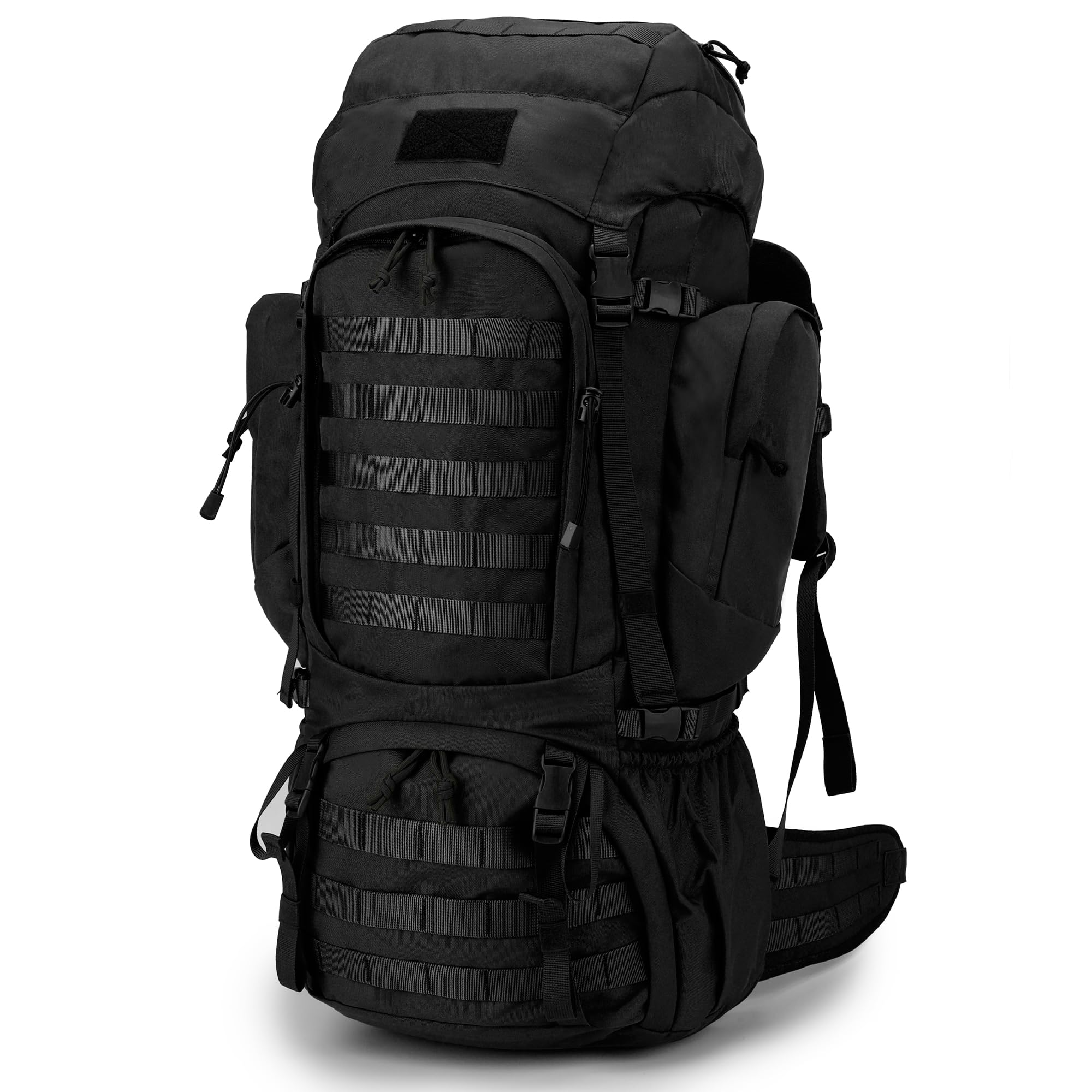
A 60L tactical ruck that vets have tested with 90lb loads and still recommend.
This is the budget tactical choice that has been vet-tested for a year with 90lb ruck runs, and it stayed strong through rough terrain. The 600D polyester fabric with quality materials and good pockets makes it a durable option for camping, hiking, and travel at an entry-level price.
The MOLLE webbing lets you modularly expand it up to 75L, and the top zipped pocket perfectly houses the included rain cover. It is hydration-system compatible, with an elastic compartment that fits a 15.6″ laptop or a 2.5-liter bladder. Owners note it’s comfortable, adjustable, and stable with no water intrusion even after a 2-hour rain.
The honest reality: the hip belt is thin and can chafe, and cinches loosen under heavier loads. It’s rated for about 50 lbs over 10-20 miles — fine for most, not for heavy long-distance backpacking. Some also find the 60L less spacious than expected.
What buyers love
- Vet-tested durability at 90lb loads
- MOLLE expands up to 75L
- Rain cover and hydration compatible
What holds it back
- Thin hip belt chafes on long hikes
- Cinches loosen under heavy load
Choose this for: beginners or budget buyers who want a tough, versatile pack for shorter trips and customization.
skip it if: you need to carry heavy loads over long distances — the comfort just isn’t there.
11. Osprey Fairview 40L
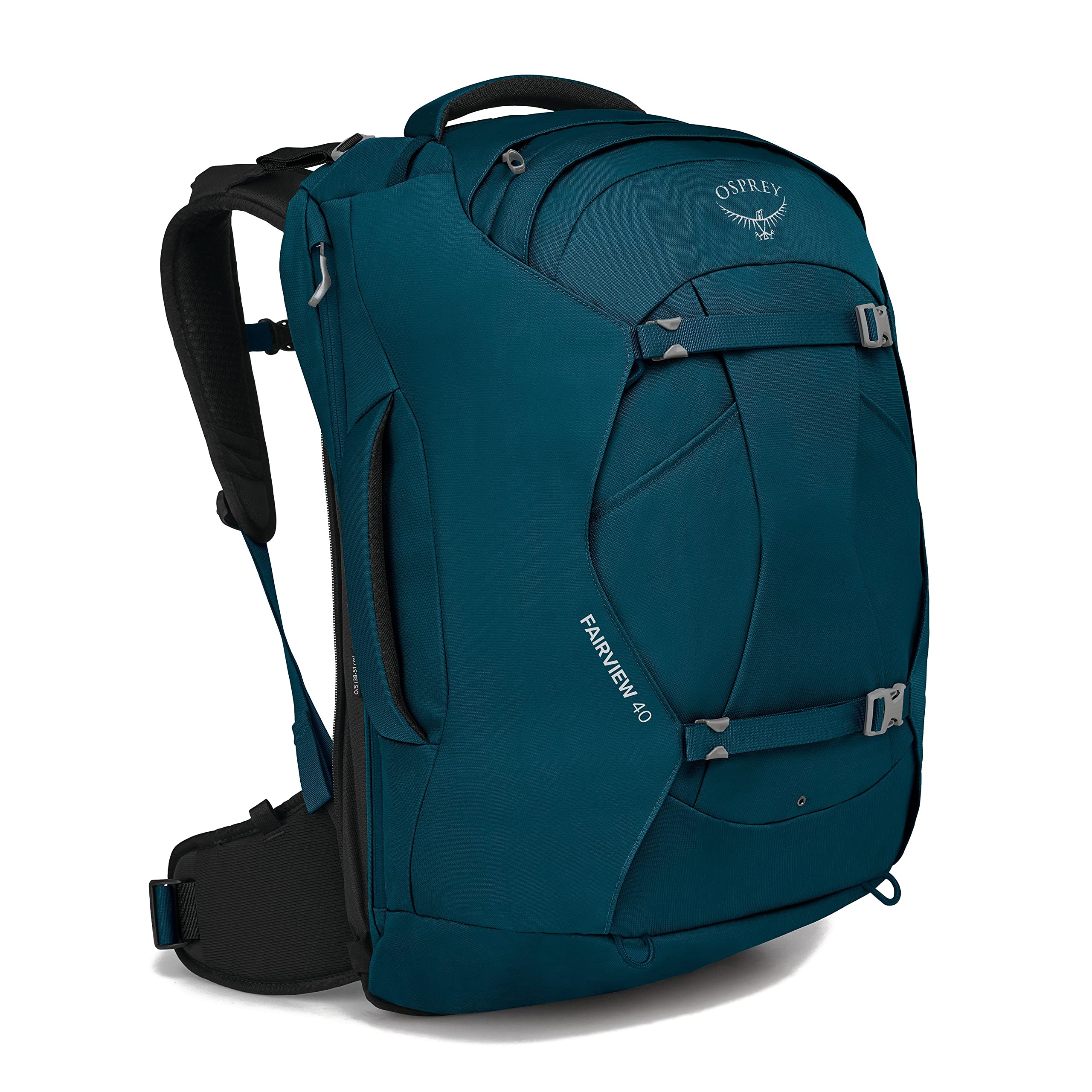
A 40L hybrid that fits overhead bins and still handles a trail, three years on.
This one blurs the line between travel and camping. It is domestic carry-on size, so it slips into overhead bins, but the stowaway harness and hipbelt deploy quickly when you hit a trail. The 16″ laptop sleeve and external zip toiletry pocket make it a brilliant airport companion that doesn’t embarrass itself on a light hike.
Owners say this 40L pack is surprisingly roomy, expands, and fits in both overhead bins and under airplane seats. One traveler used it for three years of hard trips, including a month in Europe and 2.5 weeks in Thailand, and found the hip belt took pressure off their shoulders (helpful for a bad spine) while the breathable back kept them cool in a heat wave. The 450D polyester fabric resists weather and holds up well.
The limits are real: it’s a travel pack first, not a hardcore camping pack, and some find the front pocket useless while zipper access can be awkward. It is also a women’s-specific fit, so men should look at the Fairview’s counterpart.
Why it earns a spot: for the hybrid traveler-camper, this 40L pack replaces both a suitcase and a daypack in one durable package.
Best for: travelers who want one bag for flights and light outdoor use.
Not for: serious multi-day backpacking — the 40L capacity and travel focus limit its trail utility.
Understanding the Specs
Capacity in Liters
This is the total internal volume, and it maps directly to trip length. A 40L pack suits a weekend, 60-70L handles 2-4 days, and 80L+ covers a week or more. Bigger packs tempt you to overpack, so match the size to your actual trip.
Internal vs External Frame
Internal frames hug your back and are great for uneven terrain and climbing. External frames sit further from your body, carry heavier loads more comfortably, and are favored by hunters and heavy haulers. Your choice should match the weight you carry.
Pack Weight
This is the empty weight you carry before any gear. Ultralight packs hit around 2.5lbs but trade away frame support and padding. Heavier packs offer more comfort and durability but cost you energy on every step. Balance this against your total load.
Torso Adjustment
Your torso length, not your height, determines fit. Adjustable systems let you fine-tune the pack to your body, transferring weight to your hips and off your shoulders. A pack that fits your torso is the difference between a good and a miserable hike.
FAQ
What size backpack do I need for a weekend camping trip?
How do I measure my torso for a backpack?
What is the difference between an internal frame and an external frame backpack?
Does the rain cover come with these backpacks?
Can I use a hydration bladder with these camping backpacks?
What is the maximum weight I should carry in a camping backpack?
Is a 70L backpack too big for a beginner?
How long does a good camping backpack last?
What is MOLLE webbing on a backpack for?
What is the difference between a 65L and an 80L pack?
Final Thoughts: The Verdict
For most buyers, the backpack camping backpack winner is the Kelty Coyote 105L because it pairs massive 105-liter capacity with the Fit Pro torso adjustment and a ventilated back panel that keeps heavy loads comfortable. If you want a lighter, women’s-specific fit, grab the Osprey Renn 65L. And for tough, budget-friendly versatility in the backcountry, the Mardingtop 65L+10L is the one to reach for.
How We Picked
We do not accept paid placement. Every pick is matched to a real buyer and a real use-case; we do not hands-on test units.
Sources & Methodology
Specifications: manufacturer listings and product documentation. Review insights: verified customer reviews, as of August 2026. Pricing: not shown on this page (it changes often); check the current price via the retailer link.
As an Amazon Associate, Gadgets Feed earns from qualifying purchases. This does not affect which products we feature.