
Finding a reliable shelter that won’t add four pounds to your pack while also staying within a tight budget is the single biggest compromise entry-level backpackers face. A tent that fails the first rainstorm or tears on the second trip can ruin a trip and waste your gear budget entirely.
I’m Min — the co-founder and writer behind Gadgets Feed. After spending many hours analyzing seam-taping methods, pole alloys, floor hydrostatic head ratings, and packed dimensions across dozens of models in this price bracket, I can separate the truly trail-worthy designs from the backyard-only gear.
This guide breaks down seven specific models that deliver genuine waterproofing, sensible weight, and livable space, so you can confidently pick the right backpacking tent under without gambling on a soggy night outdoors.
How To Choose The Best Backpacking Tent Under
When your budget is capped, you cannot afford to waste money on a tent that leaks, weighs you down, or takes twenty minutes to pitch. Focus on the structural and material details that separate a genuine backpacking shelter from a glorified car-camping pop-up.
Hydrostatic Head Rating and Seam Sealing
The fabric’s hydrostatic head rating tells you how much water pressure it can resist before soaking through. For a backpacking tent under , look for a minimum of 2000mm on the rainfly and 3000mm on the floor. Factory-taped seams are not optional — unstaked seams will leak within the first hour of steady rain regardless of the fabric number.
Pole Material Determines Real Weight
Fiberglass poles crack in cold weather and add unnecessary ounces. The only acceptable pole material in this price range for a backpacking tent is 7001-series aluminum alloy. It bends slightly under high wind load rather than snapping, and it shaves a meaningful 200-400 grams off the total carry weight compared to budget fiberglass alternatives.
Floor Area and Headroom vs. Packed Size
A tent that claims two-person capacity but measures under 50 inches wide forces both occupants to sleep on their backs without moving. Check the actual floor width and center height. For solo use, a 36-inch wide floor is acceptable. For two adults, you need at least 55 inches of width and a peak height over 40 inches. The packed size should not exceed 18 inches in length or 6 inches in diameter to fit horizontally inside a 50-liter pack.
Quick Comparison
On smaller screens, swipe sideways to see the full table.
| Model | Category | Best For | Key Spec | Amazon |
|---|---|---|---|---|
| Clostnature Lightweight 1/2 Person | 4-Season | Cold-weather backpacking | PU 5000mm floor + snow flaps | Amazon |
| Naturehike Cloud River 2 Person | 3-Season | Budget weight/space balance | 5.5 lbs, 7001 aluminum poles | Amazon |
| KAZOO 1 Person Ultralight | 3-Season | Ultralight solo trekking | 3.3 lbs, GRS certified recycled fabric | Amazon |
| Naturehike 1 Person with Footprint | 3-Season | Solo bikepacking/backpacking | 3.6 lbs, PU 4000mm rainfly, footprint included | Amazon |
| Underwood Aggregator 1/2 Person | 4-Season | Winter/snow camping | PU 5000mm coating, snow skirt | Amazon |
| Forceatt 2 Person | 3-Season | Taller campers needing headroom | PU 3000mm rainfly, 7001 aluminum poles | Amazon |
| MC TOMOUNT 1-2 Person | 4-Season | Entry-level four-season versatility | PU 3000mm coating, double-wall | Amazon |
In‑Depth Reviews
1. Clostnature Lightweight Backpacking Tent

The Clostnature stakes its claim as the best all-around shelter in this price tier due to its genuine four-season capability and PU 5000mm hydrostatic head on both the bathtub floor and rainfly. The deep 8-inch bathtub floor prevents ground moisture wicking through the sides, a failure point on cheaper tents. The snow flaps seal out spindrift during winter trips, while the mesh-and-fabric double-layer doors remain breathable in warmer months.
The freestanding dome pitches quickly with two aluminum poles, and the 7-foot 3-inch interior length accommodates two six-foot adults without foot-box contact. The total packed weight of 6.28 pounds is on the heavier side for summer ultralight trips, but the trade-off is weather protection that genuinely handles 20°F nights and sustained winds. Ten stake-out points on the fly give you redundant stability on exposed ridgelines.
Some users report that the rainfly fabric feels thin and requires careful packing to avoid snags. The included aluminum stakes bend fairly easily on hard-packed ground, so budget for a stake upgrade if your terrain is rocky. For a backpacker who needs one tent that works across shoulder seasons and cold-weather trips, the Clostnature delivers the highest spec-to-dollar ratio in the under- slot.
Why it’s great
- True four-season design with snow flaps and deep bathtub floor
- PU 5000mm waterproof rating exceeds most double-priced competitors
- Roomy interior fits two six-foot adults with gear
Good to know
- Packed weight of 6.28 lbs makes it a borderline ultralight choice
- Rainfly material is thin and can snag if packed carelessly
- Stakes bend easily in rocky soil
2. Naturehike Cloud River 2 Person Tent
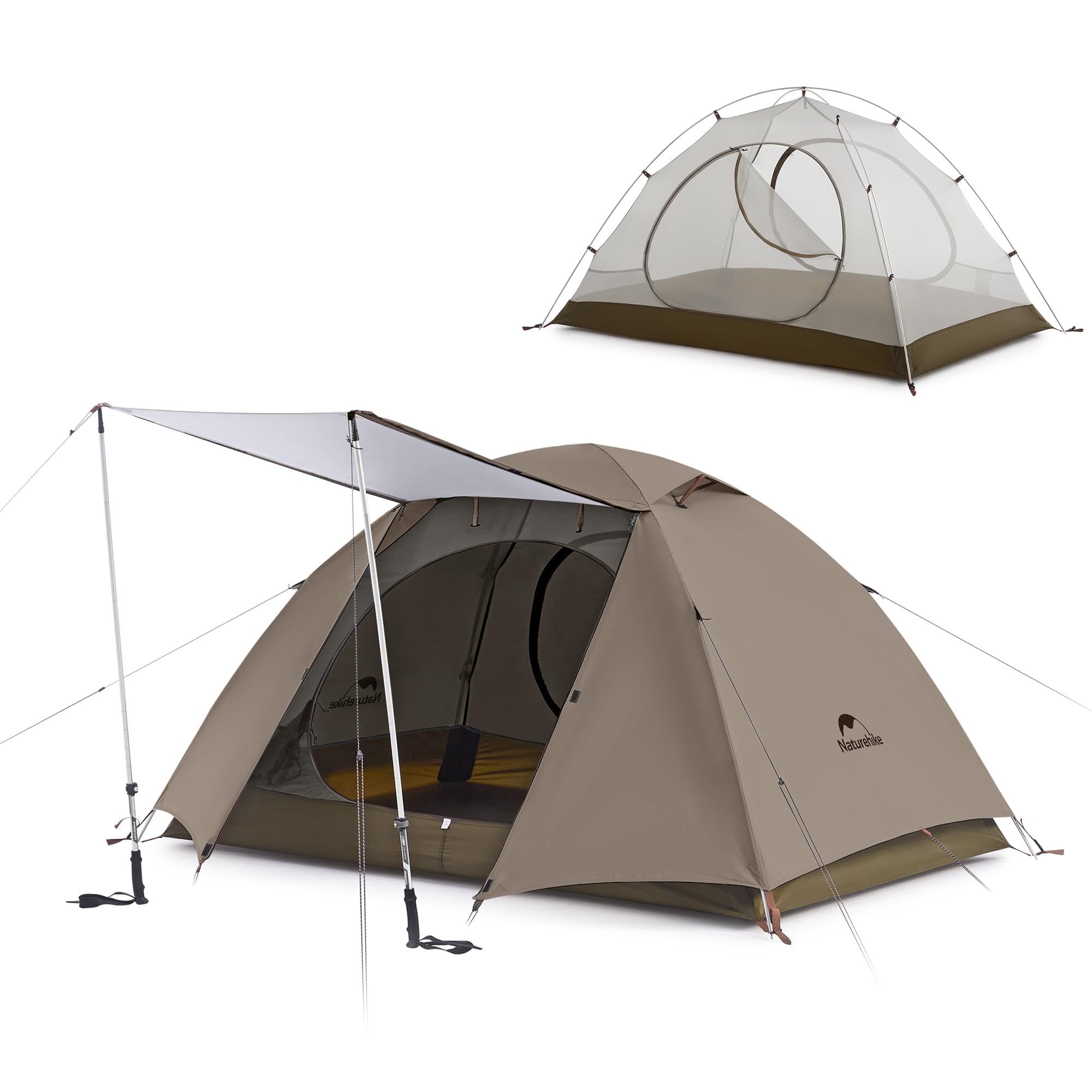
The Naturehike Cloud River is a textbook example of getting the core backpacking specs right without spending more. The 7001 aluminum alloy poles are the same material found in tents costing three times as much, and the 210T rip-stop polyester fly with anti-UV silver coating delivers reliable waterproofing up to 2000mm. The double-wall design with full-mesh inner body gives you excellent airflow and zero condensation issues in moderate weather.
The packed weight of 5.5 pounds is competitive for a two-person shelter under budget constraints, and the 45.3-inch center height provides real sit-up headroom that many sub- domes lack. The two doors and two vestibules allow each occupant to enter and store gear independently, which reduces nighttime disturbance on multi-day trips. The X-cross pole structure sets up in under five minutes even for first-time users.
Owners consistently note that the floor fabric is thinner than premium alternatives and recommend using a separate ground tarp to extend durability. The 55.1-inch floor width is adequate for two standard sleeping pads but leaves no room for extra gear between sleepers. For a backpacker who wants the best balance of low weight, livable space, and aluminum pole reliability without exceeding the budget, the Cloud River is the strongest contender.
Why it’s great
- 7001 aluminum alloy poles at a very budget-friendly price point
- Two doors with vestibules for independent entry and gear storage
- Excellent ventilation thanks to full-mesh inner and dual vents
Good to know
- Floor is thin and benefits from a footprint or tarp
- 55-inch width is snug for two average adults side by side
- UV silver coating may feel warm in direct summer sun
3. KAZOO Waterproof Backpacking Tent

The KAZOO is the lightest tent on this list at 3.3 pounds packed, making it a serious contender for gram-conscious solo hikers and bikepackers. The single integrated aluminum pole with clip attachment sets up in under five minutes and eliminates the frustration of threading poles through sleeves. The 210T ripstop polyester rainfly tested to over 3000mm hydrostatic head keeps you dry through sustained downpours.
The double-wall design uses B3 mesh for the inner body, which blocks bugs while maintaining airflow. The D-shaped door provides easy access, and the full-coverage rainfly extends close to the ground to prevent splash-up during heavy rain. The GRS certification means the entire tent body is made from recycled polyester, which appeals to environmentally conscious buyers who still demand trail performance. Reflective guy lines and 14 stake points add stability in exposed winds.
The 83-inch floor length works for campers up to about 5’10”; taller users will find their toes brushing the mesh wall. The 36-inch floor width is tight for a full-size sleeping pad with any gear beside it. The vestibule is compact and fits shoes but not a backpack. For a solo trekker prioritizing base weight and environmental footprint, the KAZOO delivers category-leading lightness with proven weatherproofing.
Why it’s great
- Remarkably light 3.3 lbs for a double-wall shelter at this price
- GRS certified recycled fabric with no compromise on waterproofing
- Fast, tool-free setup with clip-on pole attachment
Good to know
- Best suited for hikers under 5’10” due to modest length
- Vestibule is small and cannot store a full pack
- Low center height makes sitting up inside difficult
4. Naturehike 1 Person Backpacking Tent

The Naturehike solo tent stands out because it includes a footprint in the package — an accessory that typically costs to separately. The rainfly uses 20D silicone-coated nylon with a PU 4000mm rating, which is the highest waterproof spec on any tent in this comparison. The 7001 aluminum alloy pole and freestanding dome design allow a two-minute pitch in clear conditions, crucial when you arrive at camp in fading light.
The 43.3-inch peak height provides enough clearance to sit upright comfortably while changing clothes or cooking inside the vestibule. The D-shaped mesh door uses smooth two-way zippers that do not snag, and the double-wall construction separates condensation from your sleeping bag entirely. The packed size of 15.7 x 5.9 x 5.9 inches fits horizontally inside a 50-liter backpack without dominating the interior volume.
The 80.7-inch floor length is adequate for users up to about six feet, but the tapered foot box reduces usable toe room. The single vestibule is spacious enough for a pack and boots, but there is only one door, so entry is always from the same side. The 20D nylon fly is lightweight but requires careful handling to avoid punctures. For a solo hiker who wants premium waterproofing and a ready-to-go kit, the Naturehike is a tightly engineered package.
Why it’s great
- Footprint included — saves money and hassle on setup
- PU 4000mm silicone-coated rainfly outperforms many pricier solo tents
- Excellent headroom at 43.3 inches for comfortable sitting
Good to know
- Tapered floor limits toe space for taller hikers
- Single door access only on one side
- Thin fly material requires careful site selection and packing
5. Underwood Aggregator 1/2 Person Tent
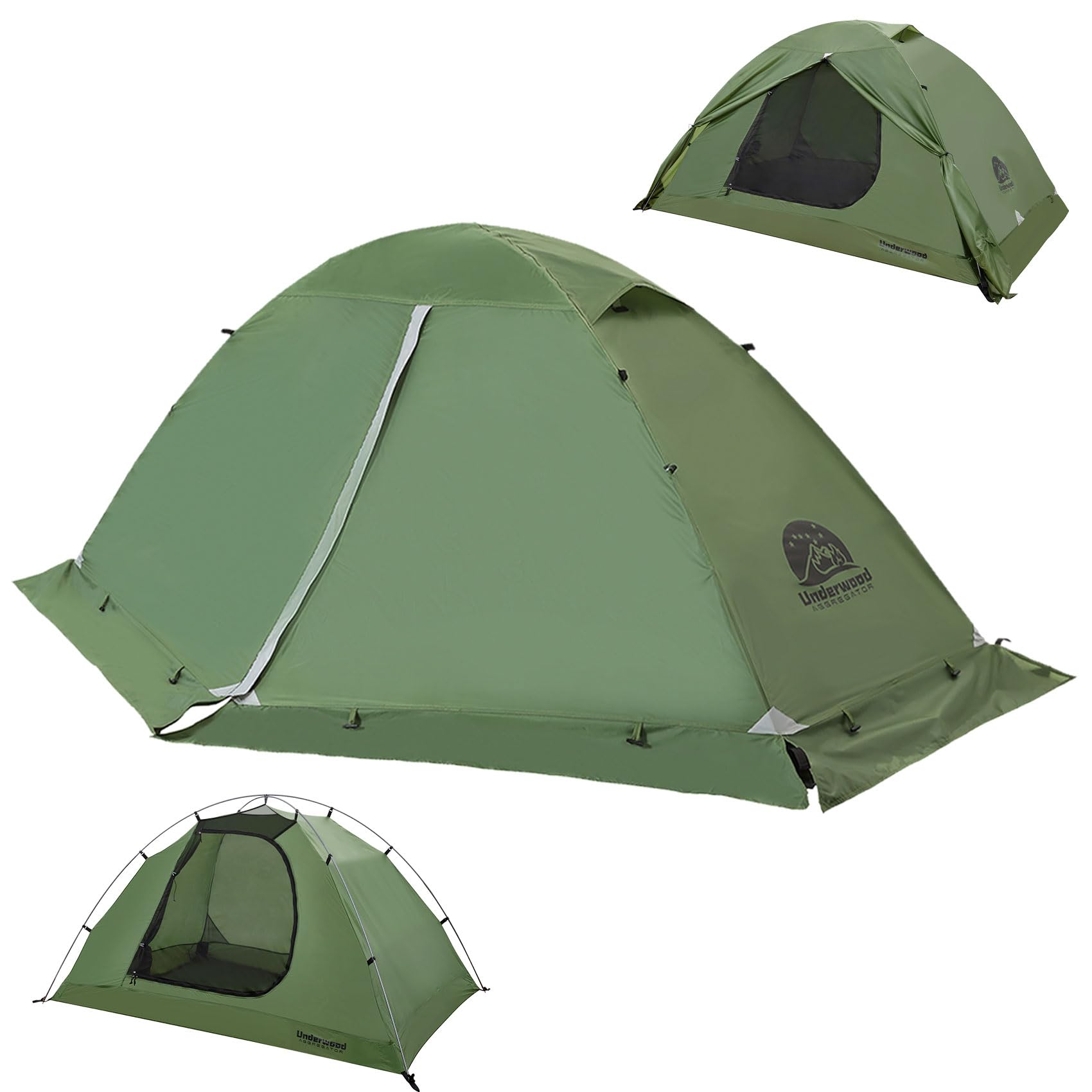
The Underwood Aggregator is the only tent on this list that explicitly includes a snow skirt for winter sealing, making it the go-to choice for shoulder-season and cold-weather backpackers on a strict budget. The rainfly carries a PU 5000mm coating, and the double-layered corner reinforcement improves wind resistance compared to standard single-layer designs. The 45.3-inch center height and 59.1 x 86.6-inch floor provide generous space for two people.
The freestanding dome uses aircraft-grade aluminum poles that held up during a reported Patagonia O-Circuit trip with rain, snow, and wind, validating the tent’s cold-weather claims. The roll-able snow skirt can be tucked away when not needed, and the two-way zipper design allows partial ventilation without letting in precipitation. The mesh pocket and light hook keep small gear organized inside.
Several users report that the pole tie loops show strain after multiple uses, and the rainfly fabric has limited stretch, which can create wrinkles that compromise the taut pitch. The vestibule is small and best suited for boots and a stove rather than a full pack. At 5.73 pounds, it is not the lightest choice for summer solo trips, but for a budget winter shelter with genuine snow protection, the Underwood Aggregator is hard to beat.
Why it’s great
- Integrated snow skirt for effective winter sealing
- PU 5000mm coating on a budget-friendly four-season shelter
- Spacious 59-inch width with good headroom
Good to know
- Pole tie loops may wear faster than more expensive alternatives
- Rainfly has limited stretch and can wrinkle during pitch
- Small vestibule cannot accommodate a full backpack
6. Forceatt 2 Person Camping Tent

The Forceatt tent addresses the most common complaint among taller backpackers: insufficient floor length. At 90.5 inches (7.5 feet), this tent accommodates sleepers over six feet tall without their toes pressing against the mesh end wall. The 43-inch peak height provides adequate sit-up room, and the A-frame design with counterflexing poles resists wind loading better than budget dome shapes in exposed sites.
The rainfly uses 210T polyester with a PU 3000mm rating, and the floor is built from PU 5000 oxford cloth with thickened corners to prevent seam wear at stress points. The two vestibules with SBS zippers give each occupant protected gear storage. The tent packs to 5.5 pounds and sets up in roughly five minutes once you understand the pole sequence.
The 49-inch floor width is noticeably tighter than the 55-inch standard, meaning two average adults will feel cramped sleeping side by side. The included stakes are lightweight and bend on hard ground, and the zippers are less smooth than the best-in-class options in this roundup. For a six-foot-plus solo hiker who wants a palace of length under , the Forceatt is a compelling pick despite its narrow floor.
Why it’s great
- 90.5-inch floor length fits tall campers comfortably
- PU 5000 floor with thickened corners for durability
- Two vestibules independent gear storage for each user
Good to know
- 49-inch width is too narrow for two average adults
- Stakes and zippers feel budget-tier compared to the premium options
- Pole setup requires a few practice runs to master
7. MC TOMOUNT 1-2 Person Tent
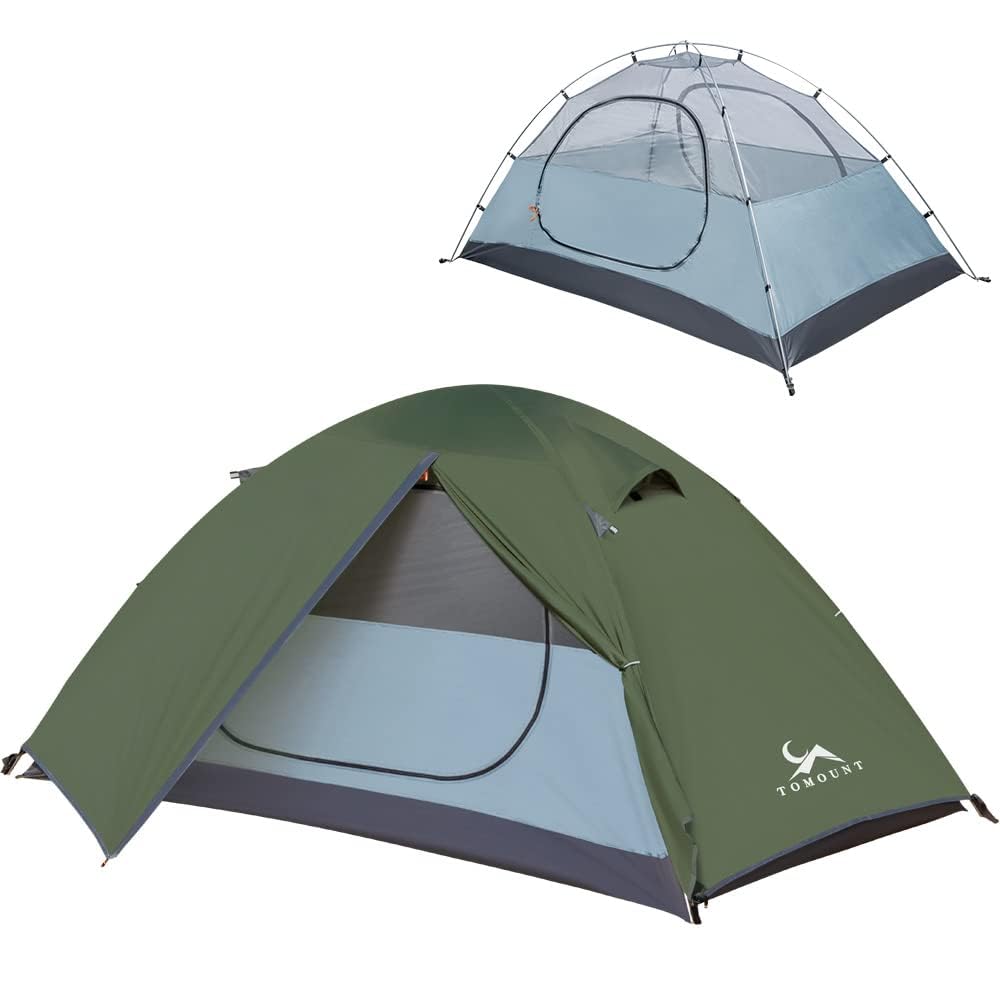
The MC TOMOUNT enters this list as the most affordable option while still using 7001 aluminum poles and a double-wall construction. The 210D reinforced oxford groundsheet resists punctures better than the lighter fabrics on more expensive tents, and the PU 3000mm coating on the fly keeps heavy rain at bay. The 90-inch floor length matches the Forceatt for tall-person compatibility.
The double-wall design with mesh inner net provides good ventilation and mosquito protection across three seasons. The back window vent reduces condensation on humid nights, a feature that is rare at this price point. The freestanding dome sets up in about ten minutes, and the included storage bag keeps the packed size manageable for car-to-trailhead carries. The tent has survived reported use over four years and 50-plus nights without structural failure.
Multiple owner reports note that the actual packed weight is closer to 8.5 pounds than the advertised 5.4 pounds, making this a poor choice for gram-conscious backpackers. The poles feel thinner than the Clostnature or Naturehike alternatives, and the stakes are basic. For a car-camping-first backpacker or a scout trip where weight matters less than budget and durability, the MC TOMOUNT delivers surprising longevity at the lowest entry point.
Why it’s great
- 7001 aluminum poles at the most budget-friendly price on this list
- Long 90-inch floor length accommodates taller users
- Vent window helps manage condensation in humid weather
Good to know
- Actual packed weight around 8.5 lbs — too heavy for serious backpacking
- Poles feel thinner than similarly priced competitors
- Floor and stakes are basic and benefit from a groundsheet upgrade
FAQ
Can I use a 3-season tent for winter backpacking?
How do I prevent condensation inside my budget tent?
Should I buy a footprint for a backpacking tent under ?
Final Thoughts: The Verdict
For most users, the best backpacking tent under is the Clostnature Lightweight 1/2 Person because it pairs genuine four-season protection, a PU 5000mm floor, and a snow skirt at a price point that undercuts everything with similar specs. If you prioritize bare minimum weight for solo missions, grab the KAZOO Ultralight at 3.3 pounds. And for the best overall balance of value, aluminum poles, and two-person livability, the Naturehike Cloud River is the rational choice for weekend treks.