
Our readers keep the lights on and my morning glass full of iced black tea. As an Amazon Associate, I earn from qualifying purchases.
Shaving ounces off your pack weight is the singular obsession of every thru-hiker and weekend warrior. Yet the shelter you choose—the one piece of gear you cannot leave behind—often becomes the heaviest compromise between your back and your comfort. A tent that fails in a storm or adds pounds to your frame can ruin a trip before the views begin.
I’m Min — the co-founder and writer behind Gadgets Feed. I’ve spent hundreds of hours dissecting seam-tape waterproof ratings, pole-gauge thickness, and packed-volume dimensions across dozens of models to find the shelters that genuinely balance a lightweight carry with real-world weather protection.
After digging through thousands of field reports and cross-referencing spec sheets for trail weight, floor area, and headroom, this guide will help you find the best backpacking tent that matches your style without breaking your spirit on the trail.
How To Choose The Best Backpacking Tent
A great backpacking tent lives at the intersection of low weight, reliable weather protection, and livable space. Nail these three pillars, and you will sleep soundly through any storm while keeping your pack light enough to enjoy the miles.
Trail Weight vs. Packed Weight
Trail weight is the number that matters most: it includes the tent body, fly, and poles only. Packed weight adds the stuff sack, stakes, and sometimes a footprint. A difference of half a pound between these two numbers is normal, but always compare trail weights when deciding. Aim for under 3 pounds per person for a comfortable multiday carry.
Seasonality and Weather Defense
Most backpacking tents are 3-season designs, built to handle spring, summer, and fall conditions—rain, wind, and mild snow. A 4-season tent adds heavier poles and fabrics to shed snow loads but typically weighs a pound more. Look for a fly with a hydrostatic head rating of at least 1500mm for reliable rain protection, and make sure the floor hits 3000mm or higher to keep ground moisture out.
Freestanding vs. Trekking Pole Tents
Freestanding tents use pole arches that hold their shape without stakes, making them quicker to pitch on rocky or sandy ground. Trekking pole tents shave 8 to 16 ounces by replacing two poles with your hiking sticks, but they require proper staking at every corner for structure. Choose freestanding if you value setup speed; choose a trekking pole tent if every gram counts and you already carry poles.
Quick Comparison
On smaller screens, swipe sideways to see the full table.
| Model | Category | Best For | Key Spec | Amazon |
|---|---|---|---|---|
| Big Agnes Copper Spur HV UL2 | Premium | Ultralight luxury freestanding | 3.2 lb trail weight | $599.95Amazon |
| Naturehike Star Trail 2P | Premium | Sub-3-pound budget ultralight | 2.76 lb trail weight | from $139.00Amazon |
| Featherstone Backbone 1P | Ultralight | Trekking-pole minimalists | 2.4 lb minimum trail weight | Amazon |
| Kelty Grand Mesa 2P | Mid-Range | Reliable freestanding durability | 4.1 lb trail weight | $219.90Amazon |
| OneTigris COSMITTO 2P | Mid-Range | Feature-rich double wall | 2000mm HH fly coating | $179.98Amazon |
| Naturehike Mongar 2P | Mid-Range | Dual door/vestibule value | 4.7 lb packed weight | $139.00$169.00Amazon |
| Naturehike Cloud-Up 2P | Value | Budget freestanding with footprint | 3.97 lb packed weight | $159.00$169.00Amazon |
| Kelty Discovery Trail 2P | Value | Beginner-friendly simple setup | 4.3 lb minimum weight | $129.95Amazon |
| MIER LANSHAN 2P | Value | Ultra-budget trekking pole shelter | 2.6 lb trail weight | $169.99Amazon |
In‑Depth Reviews
1. Big Agnes Copper Spur HV UL2

The Copper Spur HV UL2 is the gold standard for ultralight freestanding shelters. Its high-volume pole architecture creates steeper sidewalls, improving interior living space without adding fabric weight. At a genuine 3.2-pound trail weight, you get a fully freestanding setup that pitches on tent pads and rocky ground alike—no trekking poles required. Survivor reports from 60+ mph winds confirm the frame integrity, while the dual doors and dual vestibules provide easy entry and gear storage for two.
Big Agnes uses 100% polyester ripstop for the fly and a polyethylene floor, backed by fully taped seams. The quick-stash door design lets you stow the mesh body instantly, and the two-tone mesh balances privacy with star-gazing transparency. Users consistently highlight the spacious headroom and the thoughtful interior pockets for organizing small items. The orange color improves visibility at camp.
The main trade-off is price: this is the most expensive tent on the list. The provided 8 stakes may not be enough for fully guying out the tent in severe weather—plan to carry 4 more. The awning feature on the vestibule can catch wind and allows water entry if not properly tensioned. For anyone who can swing the investment, this is the benchmark tent that balances weight, space, and durability better than any competitor in this class.
Why it’s great
- Fully freestanding at 3.2 lbs trail weight
- Steep sidewalls maximize usable headroom
- Proven durability in severe storms
Good to know
- Premium price point
- Requires additional stakes for full stability
- Awning mode is prone to wind issues
2. Naturehike Star Trail 2P
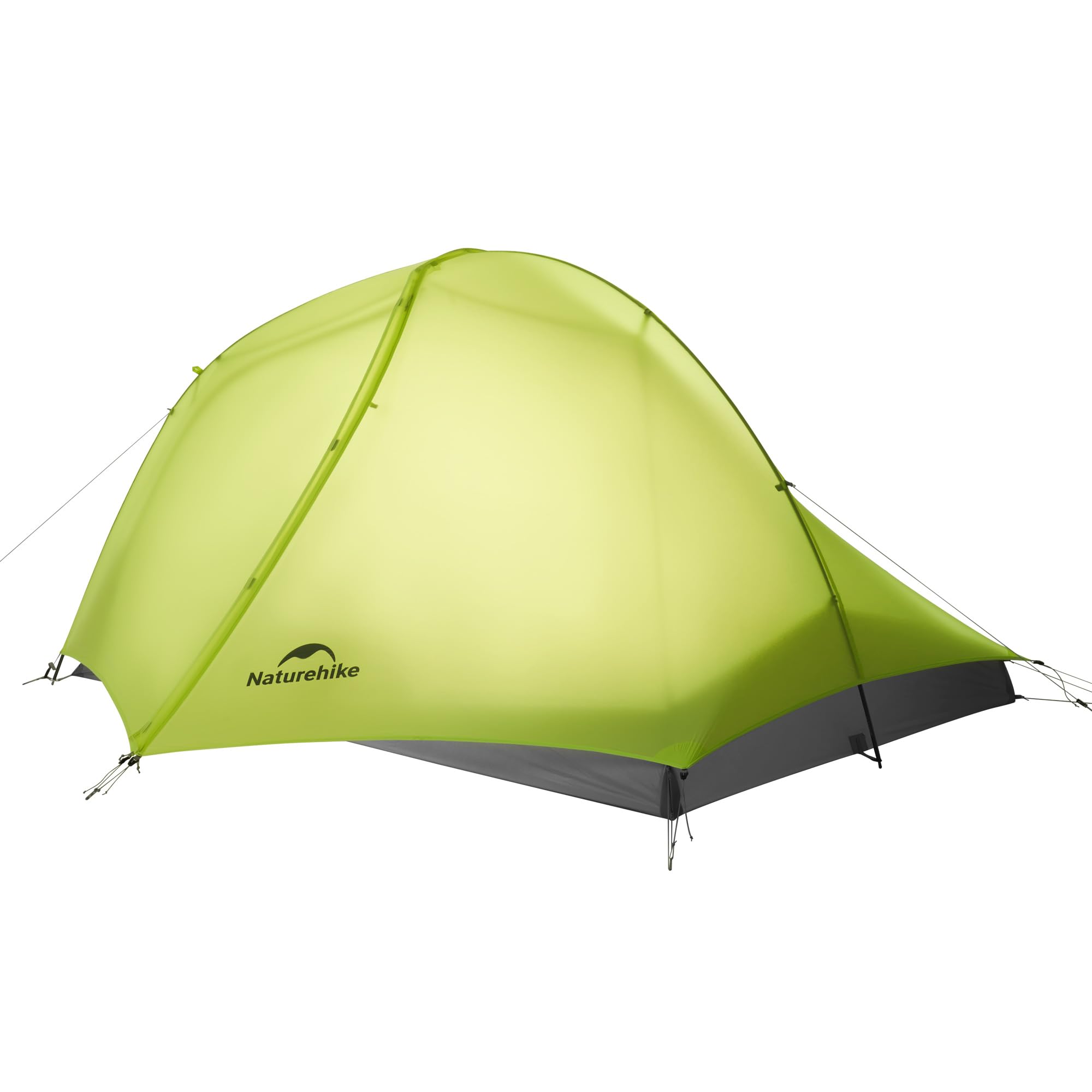
The Naturehike Star Trail hits a shockingly low 2.76-pound trail weight for a two-person trekking pole shelter. Using 10D nylon for the fly with a 1500mm+ coating and 20D nylon for the floor with a 3000mm+ rating, this tent keeps your pack light without leaving you exposed. The full-coverage mesh inner body provides excellent airflow and bug protection, making it a favorite for summer trips where condensation management is critical. Setup takes under three minutes once you have pitched it a few times.
The interior measures 82.7 by 51.2 inches with a 39.3-inch peak height, creating enough room for two sleepers in a pinch, though most users treat it as a generous 1-person shelter plus gear. The included footprint is a welcome addition, saving both weight and floor wear. Multiple field reports confirm it stays dry in steady rain and handles moderate winds when properly staked.
The thin 10D fly fabric demands careful site selection and handling—punctures are possible if you pitch directly on sharp rocks. The pole sacks and stuff sack showed early wear in one long-term review. The small vestibule fits a pack and boots but not much more. For backpackers chasing a sub-3-pound carry at a mid-range price, the Star Trail is a compelling option.
Why it’s great
- Sub-3-pound trail weight is exceptional
- Full mesh inner prevents condensation issues
- Includes lightweight footprint
Good to know
- Thin 10D fly requires careful handling
- Vestibule space is minimal
- Durability concerns with fabric and bags
3. Featherstone Backbone 1P

The Featherstone Backbone is a single-wall trekking pole tent that reduces weight by eliminating the separate rainfly layer. At a minimum trail weight of 2 pounds 6 ounces, it is one of the lightest options on this list for the solo hiker. The 40/60 pole placement creates a tapered floor that fits a full-size sleeping pad while maintaining generous headroom at the entry. Two doors and two vestibules allow easy access from either side and keep gear dry outside the sleeping area.
Construction uses sil-nylon with seam-taped seams and a TPU waterproof zipper that glides smoothly without snagging. The wide mesh panels at the foot and door maximize airflow, though in sustained rain or heavy condensation conditions, some users report moisture buildup on the single wall that can transfer to gear. The pole pockets prevent trekking poles from slipping, a thoughtful touch that speeds setup. Included J-stakes and Y-stakes are serviceable but light.
The single-wall design is the biggest point of contention—it manages condensation less effectively than a double-wall tent in humid or wet environments. The floor is thin and may require a separate groundsheet for rough campsites. Setup instructions are minimal, and some buyers needed to add their own seam sealer for full waterproofing. For experienced ultralight backpackers who understand single-wall limitations, this tent delivers serious weight savings at a mid-range price.
Why it’s great
- Extremely light at 2.4 lbs trail weight
- Dual vestibules for gear storage
- Compact packed size for small packs
Good to know
- Single wall is prone to condensation
- Thin floor needs careful site choice
- Seam sealing may need reinforcement
4. Kelty Grand Mesa 2P
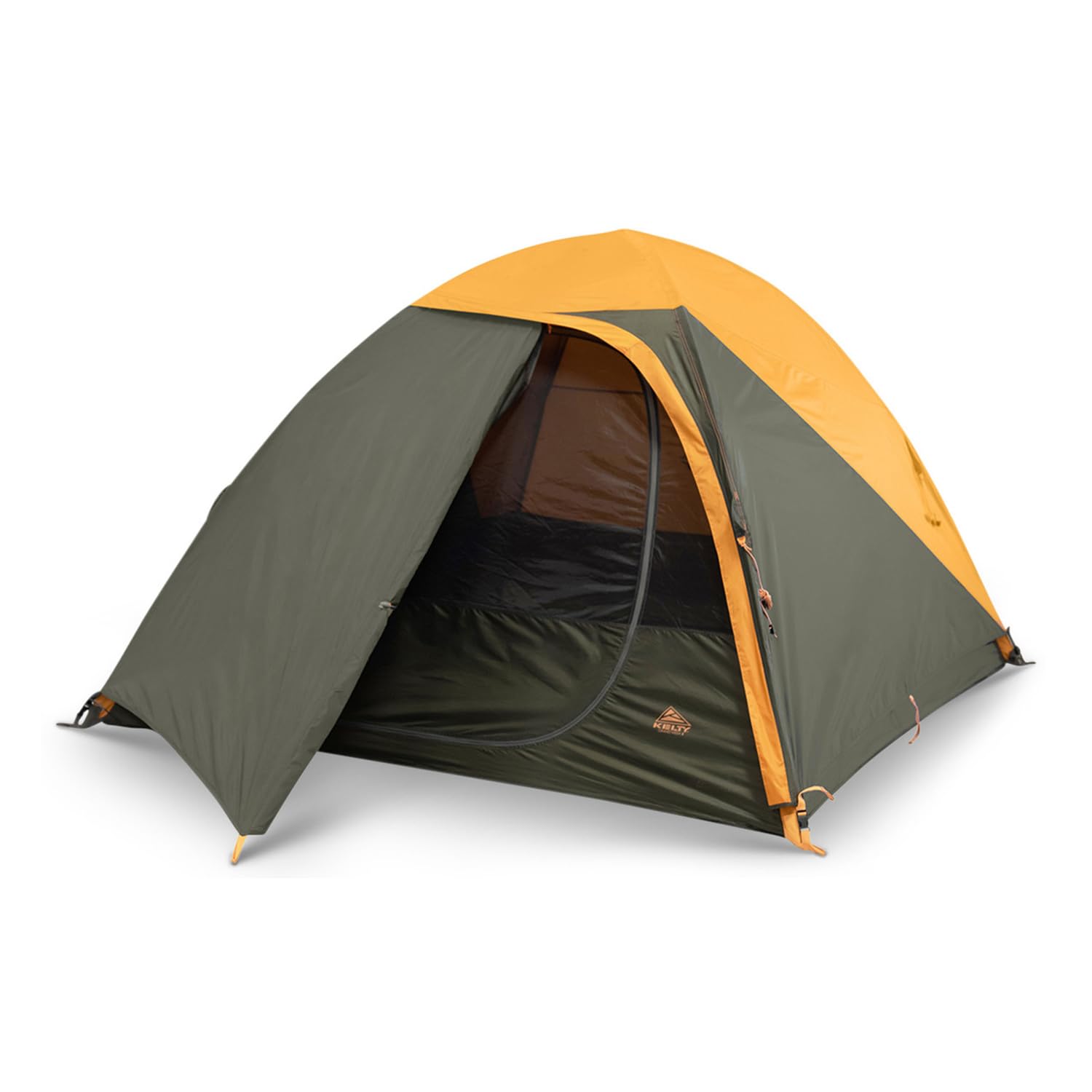
The Kelty Grand Mesa delivers a straightforward, freestanding design that has been a reliable companion for weekend backpackers for years. The 2-person model weighs a moderate 4 pounds 1 ounce, making it heavier than the ultralight contenders but still manageable for trips where durability and ease of use matter more than every gram. The two-pole aluminum frame sets up quickly using Kelty’s Quick Corners, which lock poles in place before you clip the body.
The 68D polyester fly is fully seam-taped and survived sideways rain without leaking in multiple field tests. The 54-square-foot floor area provides enough room for two sleeping pads, though the 56-inch peak height means taller users can sit up comfortably. The shark-mouth stuff sack makes packing easier than traditional drawstring bags. Users consistently praise the 3-minute setup time and the solid performance in wind.
The packed size is bulkier than many competitors, occupying more volume in your backpack. The included stakes are functional but not robust enough for hard or rocky ground—upgraded stakes are recommended. A footprint is sold separately, which adds to the overall cost. For backpackers who value setup simplicity and reliable freestanding protection over absolute low weight, the Grand Mesa is a proven choice.
Why it’s great
- Fast, intuitive setup with Quick Corners
- Full seam-taped protection in rain
- Spacious 54 sq ft floor area
Good to know
- Heavier than ultralight competitors
- Packs bulky for its weight
- Footprint sold separately
5. OneTigris COSMITTO 2P

The OneTigris COSMITTO packs an impressive feature set into a freestanding design that competes with shelters costing twice as much. Its 20D plaid ripstop polyester fly with a 2000mm waterproof coating and a 75D nylon bathtub floor provides solid protection in heavy rain. Users who left it pitched for two weeks in storms reported zero leaks after proper seam taping. The hexagonal floor plan creates 29 square feet of interior space with excellent headroom from the center pole.
Setup takes under five minutes with the three-pole frame—two aluminum alloy arches and one center pole. The full-mesh inner body offers 360-degree views and exceptional ventilation, while the dual vestibules give each occupant independent gear storage. Details like the one-hand fly attachment, Line Loc 3 tensioners on four guy-out points, and dual vents with rain-blocking flaps show attention to real-world use. The stakes are robust enough to handle hammer strikes.
At roughly 5 pounds packed, this tent is better suited for shorter trips or splitting between two people than for ultralight solos. The zippers are prone to snagging on the fly fabric if not aligned perfectly. Full fly closure limits airflow and can trap heat in mild conditions. Despite the weight penalty, the COSMITTO offers build quality and features that rival premium brands at a fraction of their cost.
Why it’s great
- Excellent waterproofing with 2000mm HH fly
- Dual vestibules and full mesh inner
- High-quality stakes and tensioners included
Good to know
- Heavier at roughly 5 lbs packed
- Zippers can snag on fly fabric
- Limited airflow with fly fully closed
6. Naturehike Mongar 2P

The Naturehike Mongar brings dual doors and dual vestibules to the mid-range market, a feature normally reserved for higher-priced shelters. Using a simple Y-frame of 7001 aluminum poles, this freestanding tent goes up in under five minutes even for first-time users. The 20D nylon ripstop fly with silicone coating measures over 30 square feet of sleeping area with a 3.28-foot peak height, giving two average-sized adults room to sit up and change clothes without brushing the mesh.
The B3 high-density mesh inner body provides exceptional ventilation, with two side vents on the fly to manage airflow. Field tests showed it survived tropical-storm-force winds between 50 and 72 mph with no structural damage and a dry interior. The full-coverage mesh keeps bugs out while allowing stargazing on clear nights. A footprint is included in the package, saving an additional purchase.
At 4.7 pounds packed, the Mongar is heavier than the ultralight options but still reasonable for splitting between two hikers. The symmetrical design makes setup intuitive, though the vestibule stakes can pull out in high winds without larger anchors. The single entrance on each side works fine, but the vestibule floor lacks a defined bathtub, so water can splash in if you pitch in a puddle. For the price, this tent offers exceptional livability for two people.
Why it’s great
- Dual doors and dual vestibules
- Withstood 72 mph winds in tests
- Includes footprint and easy Y-frame setup
Good to know
- Heavier at 4.7 lbs packed
- Vestibule stakes need upgrading for wind
- No defined bathtub floor in vestibules
7. Naturehike Cloud-Up 2P

The Naturehike Cloud-Up 2P is a perennial favorite among budget-conscious backpackers, offering a fully freestanding double-wall design at a packed weight of 3.97 pounds. The updated Pro version adds a ventilation window above the front door to reduce condensation and a larger front door for easier access. Made from 20D nylon with a 4000mm+ silicone coating on the fly, this tent has proven itself in snowstorms and torrential rain over years of use in multiple owner reports.
The interior measures 82.7 by 49.2 inches with a 41.3-inch peak height, providing enough room for two adults in mummy bags. Setup takes two people about five minutes on the first try and under two with practice thanks to the intuitive clip system. The included footprint extends the life of the thin floor. The 7001 aluminum poles held firm in heavy wind, and the dual-layer design keeps condensation off the mesh inner.
The single door design means the person sleeping on the far side must climb over their partner to exit. The 2-person claim is optimistic for wide-shouldered adults or anyone using wide pads—most owners treat it as a generous 1-person tent. The single vestibule is small, holding boots and a pack but little else. For beginners or solo backpackers on a tight budget, the Cloud-Up offers outstanding weather protection.
Why it’s great
- Excellent 4000mm+ waterproof coating
- Fast setup under 2 minutes with practice
- Includes footprint and aluminum poles
Good to know
- Single door limits access for second person
- 2-person rating is tight for larger users
- Vestibule space is minimal
8. Kelty Discovery Trail 2P

The Kelty Discovery Trail is designed as an entry point into backpacking, emphasizing simplicity and wallet-friendliness over ultralight performance. With a minimum weight of 4 pounds 5 ounces for the 2-person model, it is heavier than purpose-built backpacking shelters but still light enough for short overnight trips. The pressfit aluminum poles and Kelty Quick Corners make setup genuinely fast—first-time users can have it pitched in under five minutes without consulting the instructions.
The polyester fly is fully seam-taped and uses environmentally friendly DWR/PFC-free finishes. Pre-attached guylines eliminate the fumbling of tying cord to webbing loops. The shark-mouth stuff sack makes packing less frustrating than standard stuff sacks. Field reports confirm the tent survived 50 mph gusts, though the stock stakes are the weak link—several owners recommend upgrading immediately. The 33-square-foot floor area fits one person with gear comfortably or two in a pinch.
The single door and single vestibule design limits access for the second occupant. At 40 inches peak height, taller users cannot sit fully upright. The rainfly has limited airflow, leading to heat buildup in sunny conditions. These are compromises, but for a first backpacking tent at a budget price point, the Discovery Trail delivers a reliable, easy-to-use experience that builds confidence.
Why it’s great
- Exceptionally easy setup for beginners
- Pre-attached guylines and shark-mouth sack
- DWR/PFC-free eco-friendly fabrics
Good to know
- Heavier for its class at 4.3+ lbs
- Stock stakes are flimsy
- Limited headroom at 40 in peak
9. MIER LANSHAN 2P
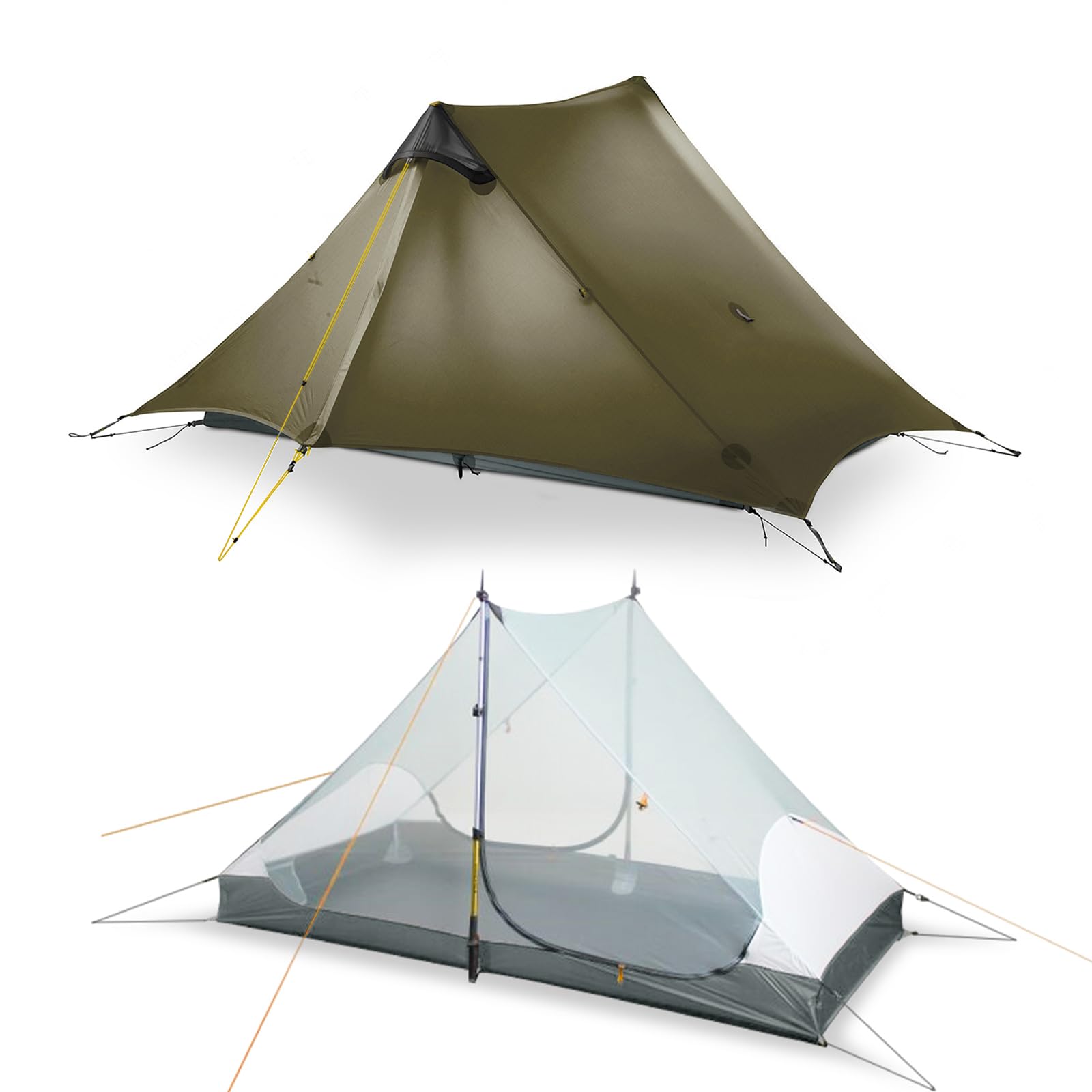
The MIER LANSHAN is the budget-entry gate to ultralight trekking-pole shelters, arriving at a trail weight of just 2.6 pounds for the 2-person version. Modeled loosely on the popular Zpacks Duplex design, this tent uses 15D nylon for the fly with a 5000mm HH rating and a 6000mm HH bathtub floor—numbers that surpass many tents costing twice as much. The no-see-um mesh inner provides outstanding airflow, and the versatile design allows you to pitch it as a mesh-only inner or a tarp without the floor.
The packed size is impressively small at 12.6 by 4.7 by 5.9 inches, leaving ample room in your pack for other gear. Users report great headroom for people up to 6 feet 1 inch tall, and the quick hook system between inner and outer tent simplifies setup once you have practiced a few times. The included stakes and reflective guy lines are surprisingly good for the price point. In dry conditions around 60 degrees Fahrenheit, testers noted zero condensation.
The LANSHAN requires hiking poles for setup—these are not included, so factor that into your gear list. Multiple users reported water leaking at the end tie-out points from insufficient seam sealing, requiring aftermarket sealant application. The thin static cord at the inner tent corners (rather than bungee) makes achieving a taut pitch difficult, and some owners swapped it out. The narrow width is best suited for one person—the 2-person rating is optimistic for anyone larger than slim-shouldered.
Why it’s great
- Ultralight 2.6 lbs at a budget price
- High 5000/6000mm waterproof ratings
- Small packed size saves pack volume
Good to know
- Requires separate seam sealing in some units
- Requires trekking poles (not included)
- Narrow dimensions make true 2P use tight
FAQ
Can I use a trekking pole tent without hiking poles?
How do I reduce condensation inside my single-wall tent?
What does a hydrostatic head of 5000mm actually mean for rain protection?
Final Thoughts: The Verdict
For most users, the best backpacking tent winner is the Big Agnes Copper Spur HV UL2 because it delivers a fully freestanding design at a true ultralight weight with the headroom and durability that makes every night on the trail genuinely comfortable. If you want a sub-3-pound trekking pole shelter at a value price, grab the Naturehike Star Trail 2P. And for beginners on a strict budget who want reliable freestanding protection, nothing beats the Naturehike Cloud-Up 2P.
Product prices and availability are accurate as of the date/time indicated and are subject to change. Any price and availability information displayed on Amazon at the time of purchase will apply to the purchase of this product. As an Amazon Associate I earn from qualifying purchases.
CERTAIN CONTENT THAT APPEARS ON THIS SITE COMES FROM AMAZON. THIS CONTENT IS PROVIDED "AS IS" AND IS SUBJECT TO CHANGE OR REMOVAL AT ANY TIME.
Amazon and the Amazon logo are trademarks of Amazon.com, Inc. or its affiliates.