
A balance trainer isn’t a gimmick—it’s a tool that forces your stabilizer muscles to fire in ways flat ground never can. The best units combine a textured platform with a controlled pivot or foam instability, letting you tweak your ankle, knee, and hip proprioception with every rep. Skip the flimsy inflatable cushions and focus on solid wood or high-density foam construction that won’t wobble unpredictably.
I’m Min — the co-founder and writer behind Gadgets Feed. I’ve spent dozens of hours cross-referencing user feedback, weight caps, material grades, and tilt mechanisms across the current balance trainer market to isolate the units that actually deliver progressive overload and joint-friendly motion.
Whether you are rehabbing an ankle sprain or trying to sharpen your golf posture, finding the right balance trainer comes down to matching your ability level and preferred use case to the correct base design and material composition.
How To Choose The Best Balance Trainer
Picking the right balance trainer means matching your current fitness level, your specific pain points (recovery, posture, core strength), and the surface you plan to use it on. Beginners need a wider, more forgiving base or a gentle rocker, while advanced users benefit from a full 360° wobble or a high-density foam pad that introduces multi-axial instability.
Rocker vs. Wobble vs. Foam Pad
A rocker board limits movement to one axis (front-to-back or side-to-side), making it ideal for desk use and low-impact ankle training. A 360° wobble board, typically built with a central hemisphere, lets you tilt in any direction and demands more from your core and peroneal muscles. Foam pads introduce unpredictable compression and are generally gentler on joints, which is why they appear frequently in physical therapy settings. Choose based on how much chaotic instability you can safely manage.
Weight Capacity and Material Density
Wooden boards with laminated plywood construction (like Lauan or Baltic birch) typically offer the best stiffness-to-weight ratio and hold up to 300 to 480 lbs without flexing. Foam pads need closed-cell EVA foam that resists flattening over time—look for densities above 50 kg/m³. The underrated factor here is floor compatibility: TPE and rubber bases won’t scratch hardwood, while bare wood bases often slide on tile without a rug underneath.
Quick Comparison
On smaller screens, swipe sideways to see the full table.
| Model | Category | Best For | Key Spec | Amazon |
|---|---|---|---|---|
| Gaiam Evolve Balance Board | Rocker Board | Standing desk use | 27″ x 12″ platform; 250 lb limit | Amazon |
| ProsourceFit Wooden Wobble Board | 360° Wobble Board | Full body core training | 15.75″ dia; 300 lb limit | Amazon |
| StrongTek 360° Wobble Board | Cross-Base Wobble | Controlled 360° training | 17.5″ x 13.5″; 350 lb limit | Amazon |
| PROIRON Upgraded Wobble Board | 360° Wobble Board | Portable training with handles | 16.34″ dia; 330 lb limit | Amazon |
| Yes4All Foam Wobble Board | Foam Wobble Pad | Anti-fatigue standing desk mat | 19″ x 15″ x 2.25″; EVA foam | Amazon |
| THERABAND Stability Trainer Pad | Foam Balance Pad | Physical therapy rehab | 16.35″ x 10.25″ x 2.3″; blue foam | Amazon |
| WOOD CITY Rocker Board | Curved Rocker | Kids and family play | 35″ x 11.8″; 480 lb limit | Amazon |
In‑Depth Reviews
1. Gaiam Evolve Balance Board
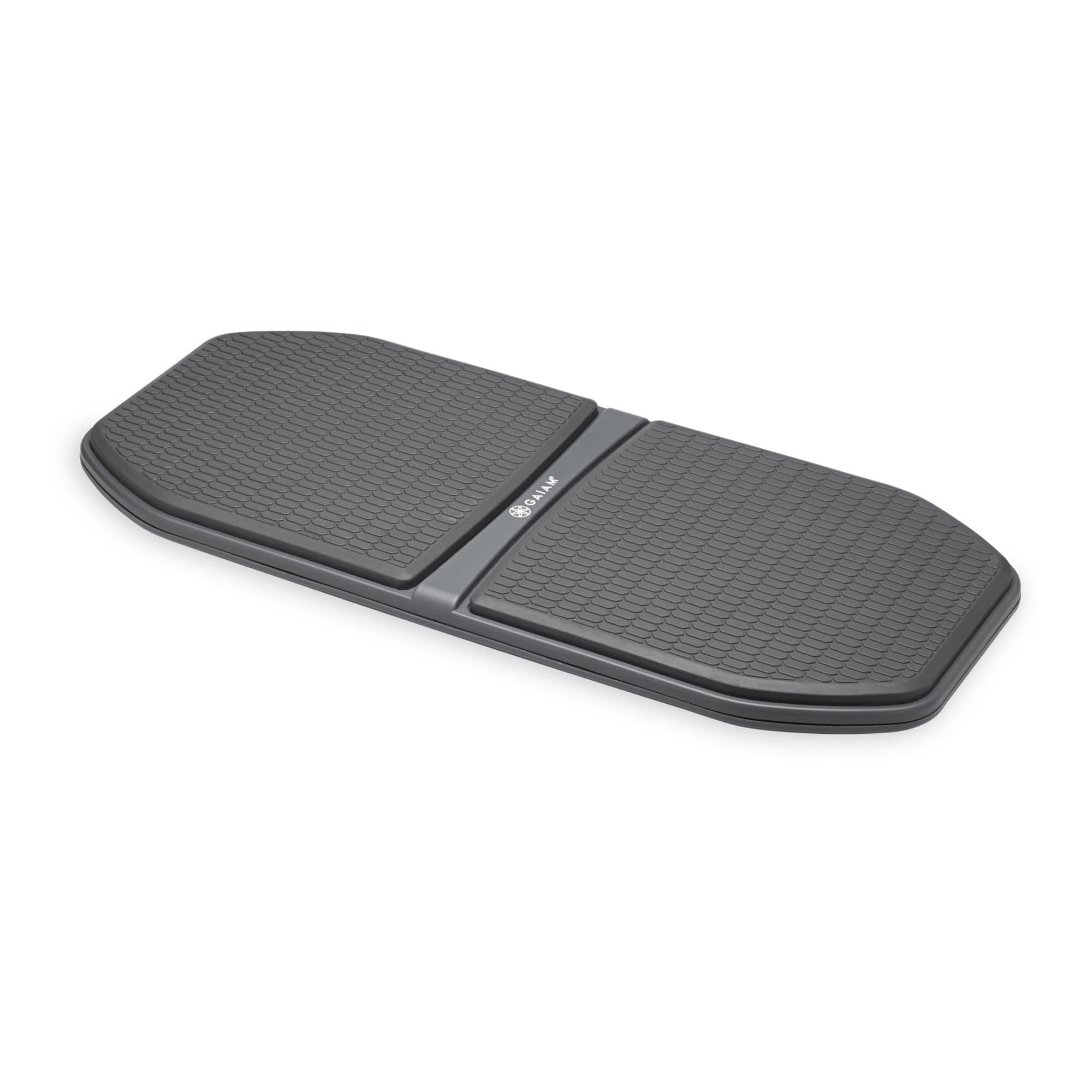
The Gaiam Evolve stands apart with its generous 27-inch by 12-inch platform and a curved rocker base that allows both forward-back and side-to-side motion without the chaotic tilt of a 360° wobble board. The honeycomb non-slip texture grips well through socks on hardwood and carpet alike, and the 6.5-pound weight gives it enough mass to stay planted during micro-movements at a standing desk. Users consistently report that the board helps prevent knee locking and keeps the hips loose during four- to five-hour standing sessions.
Its PU/PVC/TPR material construction feels dense underfoot but lacks cushion, so you may want to pair it with an anti-fatigue mat if you are standing all day. The 250-pound weight limit is lower than many competitors, which is a hard ceiling for heavier users. Some owners noted a creaking sound after two months of daily use, though the board’s pivot integrity held up, and returning it under warranty resolved the noise issue for most.
For office workers and anyone who stands for prolonged periods, this is the most refined rocker-style balance trainer available. The micro-movement engagement keeps your stabilizers active without drawing attention, and the wide deck accommodates comfortable stance widths that narrower boards do not allow. It is the quietest, most ergonomic option for desking without sacrificing muscle activation.
Why it’s great
- Wide, secure platform that prevents foot fatigue
- Smooth multi-axis rocker motion without aggressive tilt
- Lightweight and easy to store under a desk
Good to know
- 250 lb limit excludes some heavy users
- No cushion means you may need a mat underneath
- Some units develop creaking after prolonged use
2. ProsourceFit Wooden Wobble Board

This 15.75-inch diameter board from ProsourceFit pairs a solid wood platform with a 360-degree spherical base that challenges your peroneals, tibialis, and deep core stabilizers in every plane. The textured PP-plastic top provides enough grip for barefoot and shoed use, and the 3-pound weight makes it genuinely portable—you can toss it in a duffel without thinking twice. Users report noticeable improvement in single-leg balance within weeks, with several mentioning it as a complement to ski season prep and post-ACL training.
The board stands just 2.5 inches off the ground, which keeps the learning curve manageable but still offers up to 22 degrees of tilt. A few reviewers noted that the rounded base can slide on polished hardwood without a rug, and the instructions explicitly advise against using it for high-risk balance training or during active injury recovery. After one year of daily use, the board shows minimal wear, which speaks to the laminated wood construction and the durable plastic base.
If you need a pure 360° wobble board that forces your body to adapt in all three dimensions without the bulk of a larger platform, this is the most value-dense option on the list. Its weight capacity of 300 pounds covers most users, and the compact footprint means it fits into small apartment corners or under a couch for quick access.
Why it’s great
- Solid wood platform with excellent durability
- Light enough to carry anywhere
- Full 360° tilt engages multiple muscle groups
Good to know
- Base may slide on smooth floors without a mat
- Not recommended for rehab or post-surgery use
- 15.75″ diameter feels small for larger feet
3. StrongTek 360° Wobble Board

StrongTek’s cross-base design splits the difference between a traditional wobble board and a rocker, offering 360° directional tilt while keeping a larger floor-contact footprint that feels more controlled than a round base. The platform measures 17.5 by 13.5 inches, giving your feet ample real estate, and the Lauan hardwood plywood supports up to 350 pounds. Users over 70 report using this board daily for leg-strengthening and balance practice with noticeable improvement in gait stability.
The non-slip top surface prevents foot sliding during calf stretches and standing desk squats, but the board’s weakest point is the four rubber edge protectors on the underside—multiple buyers noted that the adhesive backing fails and the pads fall off within weeks. This is a fixable annoyance (a dab of superglue resolves it), but it is worth knowing before purchase. The 3-inch height makes it easy to step onto without needing wall support, unlike taller rockers.
For anyone who wants the challenge of a full 360° wobble without the extreme instability of a single-point hemisphere, the StrongTek cross-base is a smart middle step. It is particularly effective for standing-desk mobilization because the wider base lets you shift weight without accidentally tipping over, making it safer for work sessions where you need to stay focused on a screen.
Why it’s great
- Cross-base offers 360° wobble with extra stability
- 350 lb capacity accommodates a wide range of users
- Low 3-inch profile for easy mounting
Good to know
- Rubber edge pads may detach and require glue
- Lauan plywood is softer than Baltic birch
- Not as portable as full round boards due to cross shape
4. PROIRON Upgraded Wobble Board

PROIRON’s updated model features a 16.34-inch diameter platform with a TPE (thermoplastic elastomer) bottom that grips floors firmly without scratching them, plus a bump surface on top that provides a light foot massage during use. The unique selling point here is the dual handles integrated into the sides—they let you do push-ups, Russian twists, and planks on the board, transforming it from a pure balance tool into a full-body instability platform. The board uses 12 screws to fasten the top to the base, eliminating the fragile clip-on designs that snap under high loads.
At just 1.2 kilograms, this is among the lightest full-size wobble boards you can buy, and the handles make carrying it effortless. The tilt angle maxes out at 22 degrees, which is steep enough for advanced training but still manageable for beginners. Several senior users in their late 60s and early 70s reported daily use for ankle strengthening and balance improvement. The surface can feel slightly slippery when wearing socks, so barefoot or gym-shoe use is recommended for maximum grip.
If you want a balance trainer that also doubles as a portable exercise platform for upper-body moves, the PROIRON is the most versatile pick here. The 330-pound capacity covers nearly all users, and the TPE base is quiet enough for apartment use, making it a strong candidate for home gyms where floor space is at a premium.
Why it’s great
- Dual handles unlock grip-based exercises
- 12-screw construction is incredibly durable
- TPE base protects floors and prevents sliding
Good to know
- Top surface can be slippery in socks
- 22° tilt may feel too steep for absolute beginners
- Light weight means it may shift on thick carpet
5. Yes4All Foam Wobble Board
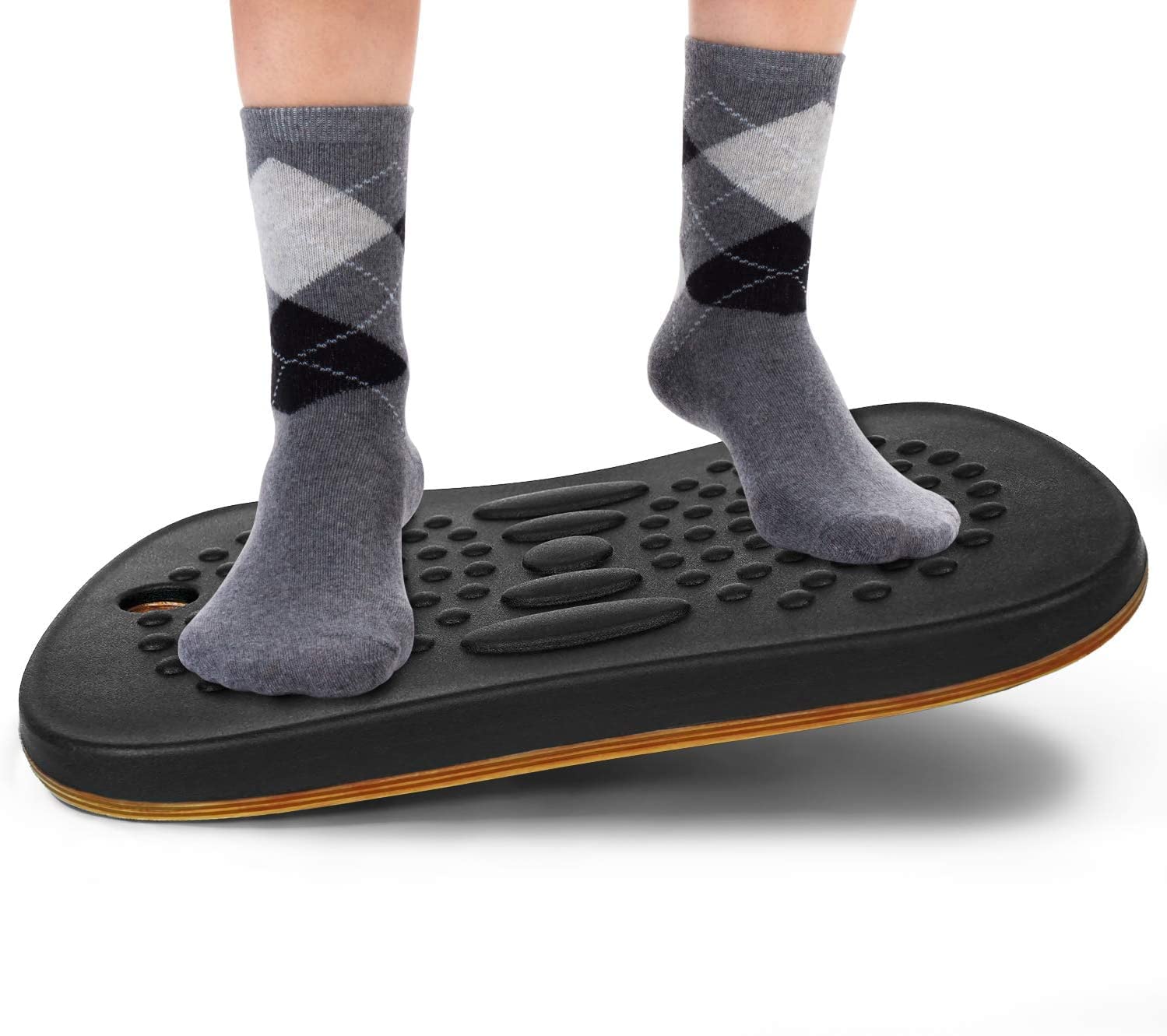
The Yes4All Foam Wobble Board is not a rigid platform—it is a dense closed-cell EVA foam pad with a textured, sweat-proof surface that creates a gentle, cushioned wobble rather than a sharp tilt. At 19 by 15 inches and 2.25 inches thick, it offers a generous standing surface that reduces foot and joint fatigue compared to wooden wobble boards. The pebbled texture provides enough grip for barefoot and socked use without being sticky, making it ideal for long hours at a standing desk.
Multiple users reported that the board acts more like a slightly wobbly anti-fatigue mat than a hardcore balance trainer, which is exactly what you want for desk work or gentle physio sessions. The foam compresses slightly under load but does not bottom out even at higher body weights, and the gentle instability encourages micro-movements that keep blood flowing through your hips and lower back. Some customers with larger feet (US 12+) noted that their toes hung over the edge, so the larger size is worth seeking out.
If your primary goal is to prevent soreness and increase focus while standing at a desk, rather than pushing your balance limits, this foam pad delivers the most comfort per hour. It is also the safest option for seniors or anyone with joint sensitivity who needs instability without the risk of a hard fall.
Why it’s great
- Cushioned wobble reduces foot and joint fatigue
- Large surface fits wide stances comfortably
- Sweat-proof texture grips well without stickiness
Good to know
- Not challenging enough for advanced balance training
- Smaller size may not accommodate large feet
- Foam can deform if stored under heavy objects
6. THERABAND Stability Trainer Pad
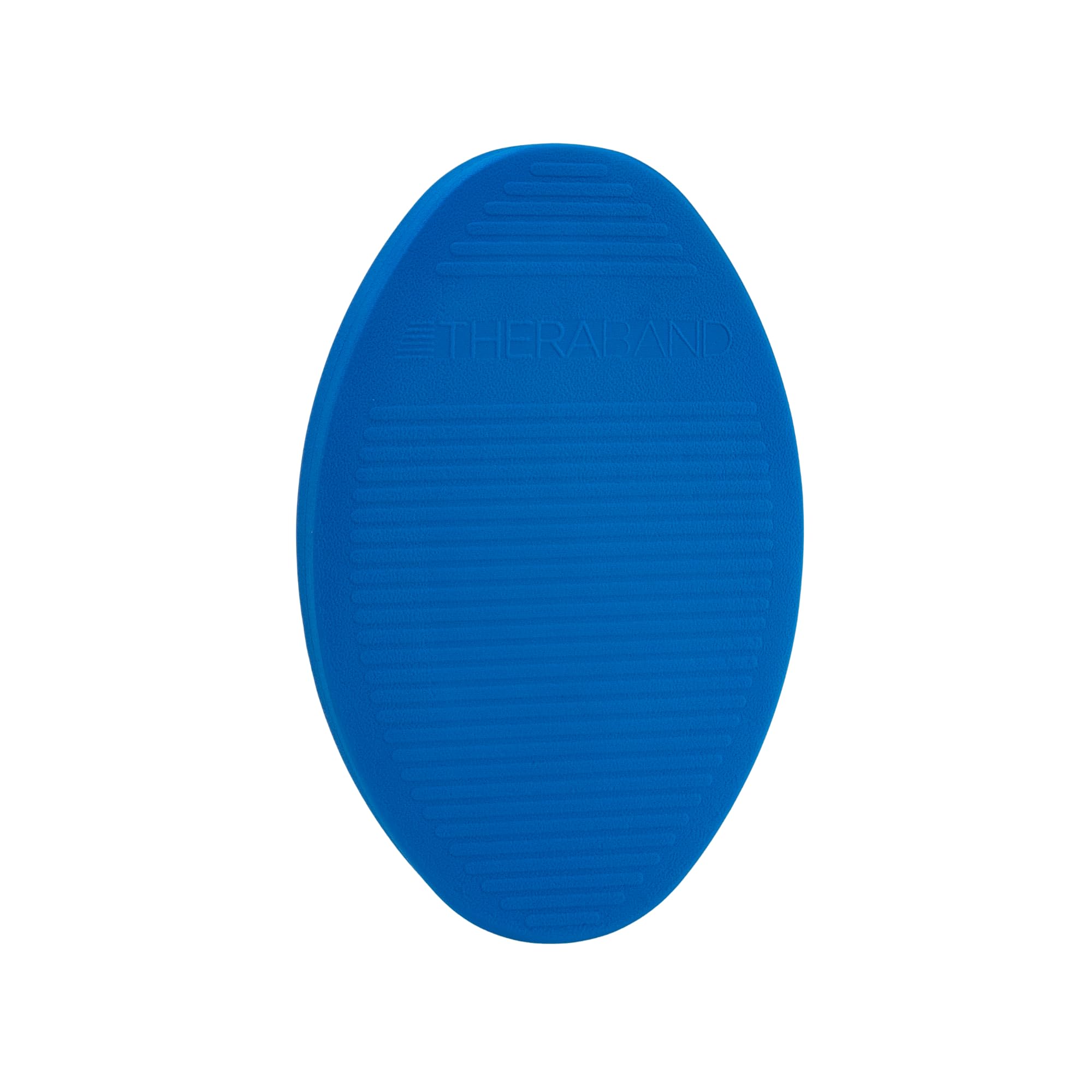
THERABAND’s blue foam pad sits at the intermediate level in their color-coded system (green most stable, blue moderate, black least stable), offering a soft but supportive surface for balance retraining. At 16.35 by 10.25 inches and 2.3 inches thick, it is compact enough to toss into a gym bag but still provides a stable base for single-leg stands, lunges, and seated balance drills. The water-resistant material wipes clean easily, which matters when you are using it for rehab or sweaty workouts.
Physical therapists frequently recommend this pad for shin splint exercises, knee rehab, and ankle proprioception drills—one user saw measurable single-leg balance improvement after just ten minutes a day for a few days. The pad does not require inflation, unlike air-filled discs, so there is zero risk of punctures or gradual deflation. The intermediate blue foam compresses enough to create instability without collapsing under 300 pounds, making it suitable for post-injury return-to-sport protocols.
For anyone in active physical therapy or looking to recondition after an ankle or knee injury, this pad offers the most clinical validation of any balance trainer in this lineup. The included exercise guide aligns with standard PT movements, so you do not have to guess the right drills.
Why it’s great
- Clinically proven foam density for measured challenge
- Water-resistant surface easy to sanitize
- Includes physical therapy exercise booklet
Good to know
- Blue level may be too easy for advanced users
- Smaller surface area limits foot placement options
- Thinner profile reduces cushion compared to thick pads
7. WOOD CITY Rocker Board

The WOOD CITY board is a massive 35-inch-long curved rocker made from natural wood with eco-friendly lacquers, and its 480-pound weight capacity is the highest in this roundup. Unlike the smaller wobble discs, this board is designed for open-ended play and whole-body movement—kids use it as a slide or tunnel, adults use it for yoga back stretches and balance drills, and the 11.8-inch width provides a comfortable platform for both. The curved shape only allows front-to-back rocking, which limits the instability range but makes it incredibly safe for family use.
Several families reported that their 2- to 8-year-old children immediately gravitated toward this board, using it for imaginative play that built core strength without any forced instruction. The natural wood finish shows grain variations that make each board unique, and the lack of plastic parts means there is nothing to break or crack. The lacquer coating is smooth enough for sliding but still provides decent grip barefoot. The 0.66-inch thickness feels substantial but not heavy, so a 4-year-old can drag it across a room.
If you need a balance trainer that serves as both an exercise tool and a Montessori-style play item for multiple ages, this rocker delivers on both fronts without compromise. The 480-pound limit also means two small kids or a parent and child can use it together, which no other board here accommodates.
Why it’s great
- Highest weight capacity (480 lb) in the guide
- Endless open-ended play for toddlers and kids
- Natural wood build with zero toxic finishes
Good to know
- Only front-to-back rocking, no 360° wobble
- Large size (35″) requires floor space to store
- Smooth lacquer may be slippery in wet socks
FAQ
How many minutes per day should I use a balance trainer?
Can a balance trainer help with chronic ankle instability?
Should I use a balance trainer barefoot or with shoes?
Final Thoughts: The Verdict
For most users, the balance trainer winner is the Gaiam Evolve Balance Board because it combines the most desk-friendly foot platform with a smooth multi-axis rocker motion and durable build. If you want to push your limits with a full 360° wobble, grab the ProsourceFit Wooden Wobble Board. And for targeted physical therapy or rehab protocols, nothing beats the THERABAND Stability Trainer Pad.