
Stretching barbed wire is the single most physically demanding step in building a fence that actually holds livestock. A floppy strand sags within weeks, defeats every fence post you set, and turns a weekend job into a months-long headache. Real ranchers and farmers don’t pull wire by hand — they clamp, ratchet, and splice with a specialized tool built to withstand hundreds of pounds of tension without slipping. The right fence stretcher transforms a brutal chore into a controlled, one-person operation that delivers tight, straight, durable lines every time.
I’m Min — the co-founder and writer behind Gadgets Feed. I’ve analyzed the internal ratchet mechanisms, steel grade, and clamp geometry of dozens of fencing tools to build this guide around real-world build quality and measurable tensioning performance, not marketing claims.
Whether you are building a new pasture boundary, repairing a break in an existing high-tensile line, or splicing damaged woven wire after a storm, finding the right best barbed wire stretcher fence tool determines whether you finish the job sore or satisfied.
How To Choose The Best Barbed Wire Stretcher Fence Tool
Every fence tool in this category trades off between raw tension capacity, portability, and how many wire types it handles without slipping. Understanding your primary fence material — standard 2-point barbed, high-tensile smooth, or woven field fence — narrows the field by half immediately. A multi-purpose plier with a staple puller covers daily repairs, while a dedicated stretcher-splicer with a ratchet handles full-length installations on new fence lines.
Clamp Strength and Grip Surface
The tool’s grip on the wire determines every downstream result. Look for dual-sided clamp jaws with deep serrations or integrated wedges that bite into the wire without cutting it. A tool that slips under load at 200 pounds of tension is dangerous — you need a clamping mechanism that holds tight even when the come-along or tractor pulls the full span tight.
Integrated Ratchet vs. Lever-Only Systems
A ratchet mechanism with controlled release lets you incrementally tighten wire and lock it in place while you staple. Lever-only tools require constant hand tension and are better suited for quick repairs rather than long runs. The better tools in this category include a release lever that lets you lower tension slowly, preventing the wire from whipping when you let off.
Build Material and Finish
Alloy steel construction with a galvanized or powder-coated finish resists rust after years of outdoor storage. Pay attention to the welds on stretcher bars and the pivot pins on pliers — these are the first failure points under heavy loads. A tool with a standard limited lifetime warranty typically signals better steel and assembly quality than one without.
Quick Comparison
On smaller screens, swipe sideways to see the full table.
| Model | Category | Best For | Key Spec | Amazon |
|---|---|---|---|---|
| Goldenrod (405) Fence Stretcher-Splicer | Premium | Controlled release tensioning & splicing | Ratchet with soft release mechanism | Amazon |
| Dutton-Lainson 400 All-Purpose Stretcher | Premium | All-around farm fencing and splicing | Clamps to posts or wire | Amazon |
| 4ft Woven Wire Fence Stretcher Bar (Krysolad) | Mid-Range | Woven wire and field fence installation | 5 wedges, double-sided hook | Amazon |
| Channellock Fence-Tool Pliers 85 | Mid-Range | Wire cutting, staple pulling, and repairs | 10 in length, 3/4 in jaw | Amazon |
| Gtongoko Chain Link Fabric Stretcher | Mid-Range | Chain link fabric tensioning | 31.5 in length, 5 hooks | Amazon |
| Crescent Dipped Handle Fence Pliers | Budget-Friendly | Daily wire cutting and staple pulling | 10 in, alloy steel head | Amazon |
| Gripple Torq Tool Tensioner | Premium | High-tensile wire with Gripple connectors | Settable tension gauge | Amazon |
In‑Depth Reviews
1. Goldenrod (405) Fence Stretcher-Splicer
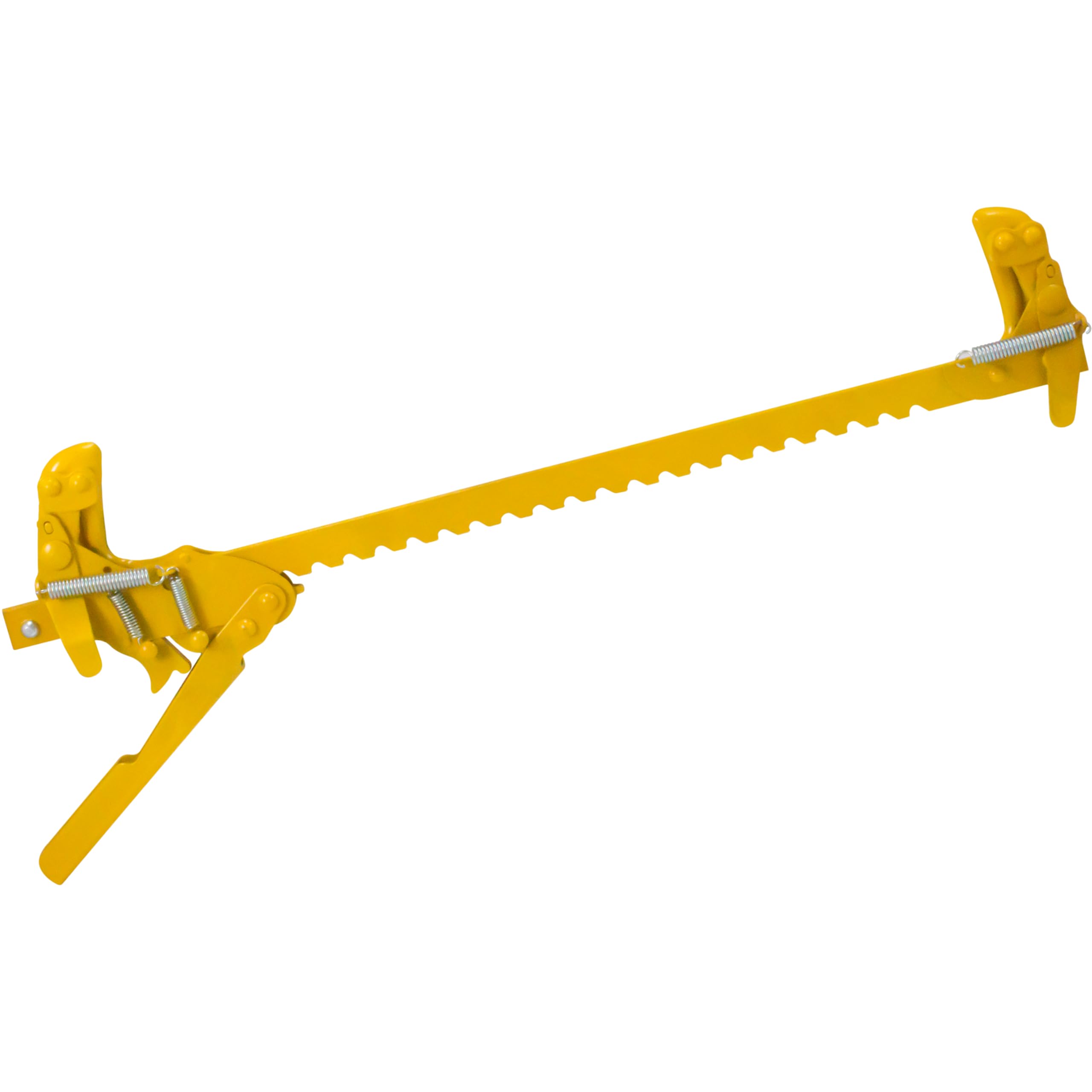
The Goldenrod 405 is the heaviest-duty fence stretcher in this lineup, built around a controlled-release holding ratchet that reduces line stress when you let off tension. This specific feature is a safety game-changer: instead of the wire snapping back when you release, the ratchet lets you lower tension slowly, preventing injury and protecting the fence post. It handles high-tensile, barbed, and smooth wire equally well.
At 1.8 kilograms of solid alloy steel, this tool feels substantial in the hand — it won’t flex or twist under the load of a full-span barbed wire run. The design doubles as a splicer, holding broken wire ends together so both hands are free to make the connection. Several customers note that fresh paint can glue the moving parts initially, requiring a tap and some penetrating oil to free the release levers before first use.
This is the tool to buy if you are replacing long sections of fence on a ranch or farm and need controlled tensioning every single time. The soft release alone justifies the upgrade over simpler models, especially when working alone where a sudden whip could cause serious injury.
Why it’s great
- Controlled release ratchet prevents dangerous wire snap-back during tensioning
- Doubles as a splicer for fast broken-wire repairs
- Handles high-tensile, barbed, and smooth wire without slipping
Good to know
- May arrive with dried paint gluing the release lever; needs a tap and oil to free
- Heavier than most competitors at 1.8 kg, which adds to fatigue during all-day use
2. Dutton-Lainson 400 All-Purpose Fence Stretcher/Splicer
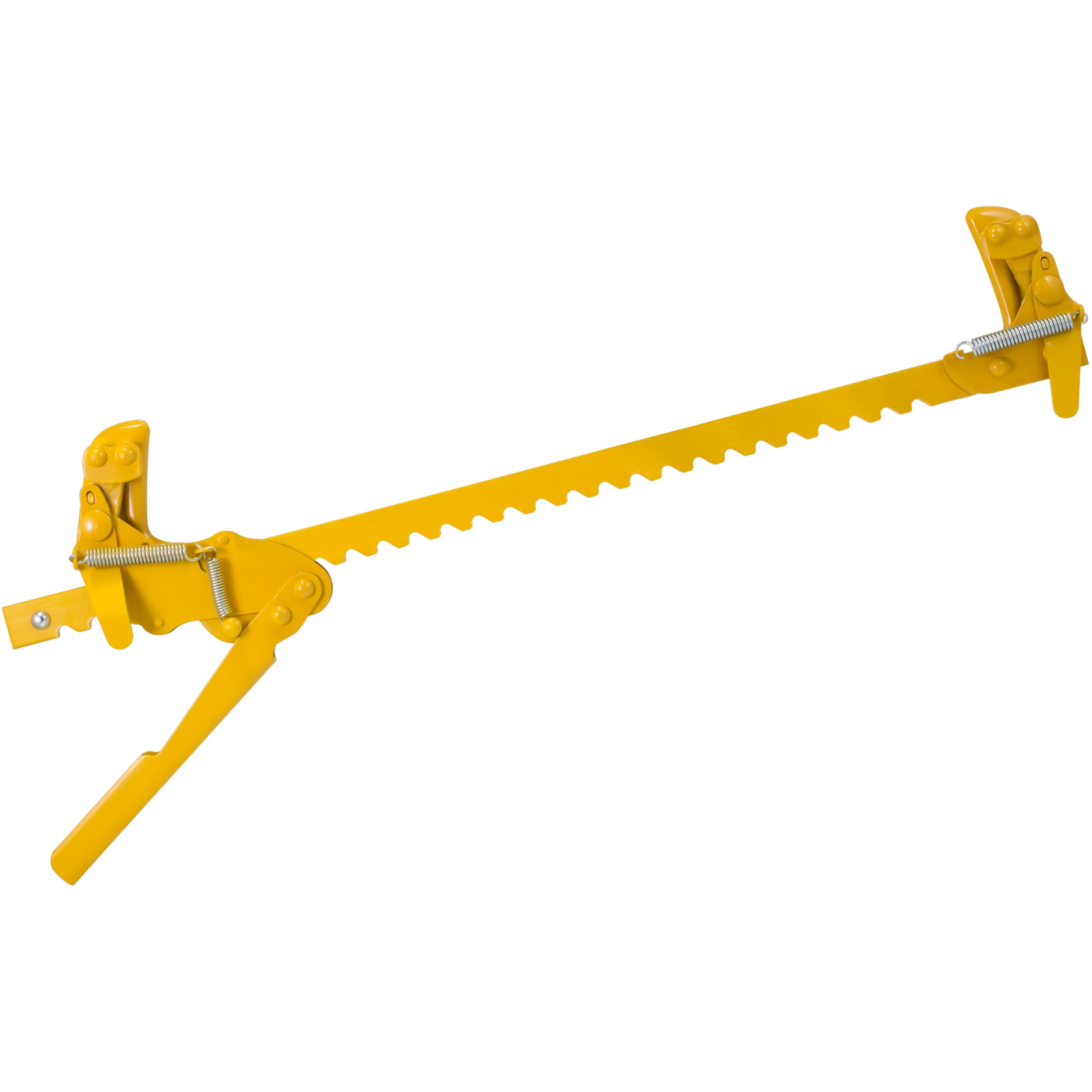
The Dutton-Lainson 400 is the original US-made fence stretcher-splicer that has been a staple on farms and ranches for decades. Its defining advantage is the ability to clamp securely to the smallest fence post or the largest tree trunk while you pull wire tight, then clamp directly onto the wire itself for stapling. This versatility means you don’t need a second tool or a helper for most jobs.
With a 33.4-inch length and a traveling hook that draws the other end of broken wire toward the clamp, the 400 handles high-tensile, barbed, and smooth wire with equal ease. Several experienced fence builders note that you really need to clamp down hard on both ends of the wire or the tool will give under full tension — a fairly easy adjustment once you get the feel for it. Some paint wear on the sliding surfaces is expected after a few uses but does not affect function.
If you need one tool that can stretch, splice, and even raise or lower wire without requiring a separate come-along, the Dutton-Lainson 400 delivers that flexibility at a mid-range price point that professional farmers have trusted for years.
Why it’s great
- Clamps to posts, trees, or wire — no separate mounting hardware needed
- Travelling hook design simplifies pulling broken ends together for splicing
- Reliable all-steel construction with decades of field proof
Good to know
- Requires firm clamping on both wire ends or it can slip under high tension
- Paint on sliding surfaces may wear off after repeated use
3. 4ft Woven Wire Fence Stretcher Bar (Krysolad)
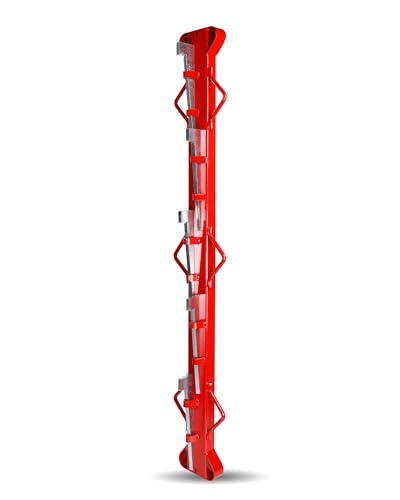
The 4-foot Krysolad woven wire stretcher bar is built specifically for tensioning field fence and woven wire, not barbed or smooth wire. Its double-sided hook design provides a strong grip on the fence fabric, while five integrated high-strength wedges are vertically staggered along the bar to maximize grip and prevent the wire from slipping during installation. This configuration saves an enormous amount of physical effort compared to pulling wire by hand.
At 19.61 pounds, this is the heaviest tool in the lineup, but that mass translates directly into stability — the bar stays put when you attach a tow chain and come-along to stretch 50-inch woven farm fence. Users report that attaching a chain to the product’s openings and using a tractor loader for tension makes the job fast and easy, even for a first-time fence stretcher. The bar is 4 feet long, which is ideal for fences up to 48 inches tall; taller wire requires a 5-foot version to prevent the wedges from slipping off the top and bottom wires.
This is the right choice if you are installing or repairing woven wire field fence and want a purpose-built bar that distributes tension evenly across the entire height of the fabric, reducing the risk of deformation during installation.
Why it’s great
- Five staggered wedges provide maximum grip on woven wire without slipping
- Double-sided hooks allow easy connection to tow chains or come-alongs
- Sturdy steel construction with rust-proof coating for outdoor longevity
Good to know
- Designed specifically for woven wire, not barbed or high-tensile smooth wire
- At 19.61 pounds, it is heavy and best suited for ground-level work with mechanical assist
4. Channellock Fence-Tool Pliers 85
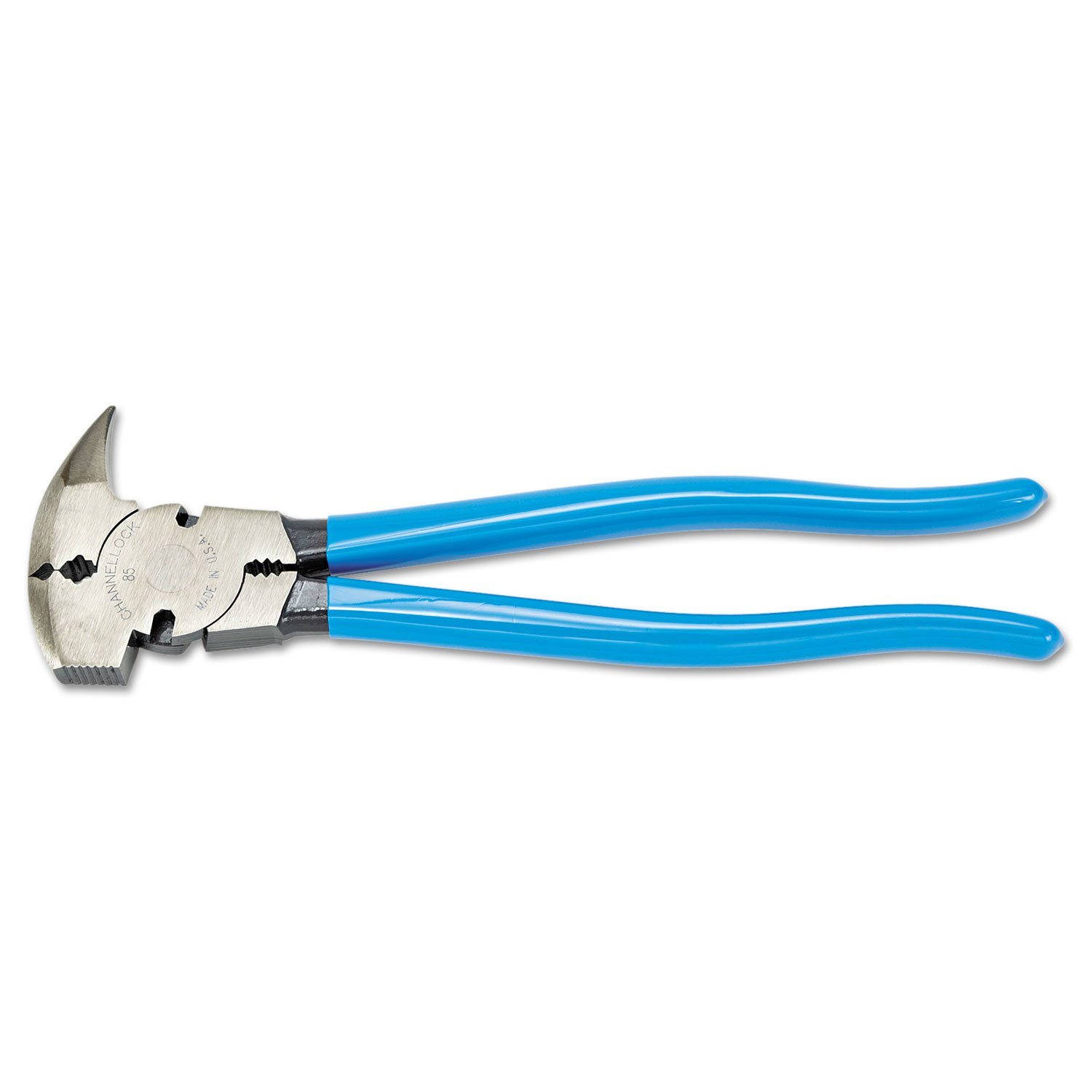
The Channellock 85 fence-tool pliers are the best multi-purpose fencing tool for daily wire cutting, staple pulling, and light tensioning. With a 10-inch length and a 3/4-inch jaw, these pliers provide the leverage needed to cut through barbed wire and pull heavy-duty staples without slipping. The ergonomic plastic-dipped handle reduces hand fatigue during extended fence repair sessions.
Channellock builds these with durable metal and plastic materials, and the design includes a side-cutting edge that handles cables and fencing wire cleanly. Users praise the tool as a multitool for a wide range of farm and garden tasks beyond fencing, including electrical and general maintenance work. The one caveat is that the plastic dipped handles can scuff or cut if you twist wire aggressively against them, so some users recommend breaking the tool in with a light oil to remove industrial grease and loosen the joint.
If you need a single fencing plier that lives in your tool belt for cutting, pulling staples, and grabbing wire during both installation and repair, the Channellock 85 delivers professional-grade build quality at a price that makes it a no-brainer upgrade over generic hardware-store pliers.
Why it’s great
- Sharp side-cutting edge handles barbed wire and fencing cable cleanly
- Ergonomic dipped grip reduces hand fatigue during all-day fence work
- Versatile enough for electrical, garden, and general maintenance tasks
Good to know
- Plastic handles can scuff or cut if wire is twisted aggressively against them
- May arrive stiff with industrial grease; needs light oil to loosen the joint
5. Gtongoko Chain Link Fabric Fence Stretcher
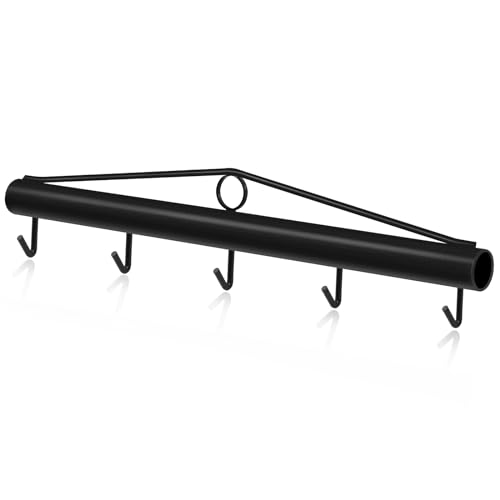
The Gtongoko chain link fabric stretcher is purpose-built for tensioning chain link fence fabric, not barbed wire or woven wire. Its 31.5-inch bar features five strategically placed hooks that grab the chain link mesh at multiple points, ensuring even tension distribution across the fabric width. This prevents puckering or sagging sections that ruin the look and function of a chain link fence.
The tool is made from high-quality galvanized steel with an anti-rust finish, weighing in at 6.64 pounds — heavy enough to stay put during tensioning but light enough to maneuver into position. Users note that the extra hooks on this puller are extremely nice for gripping the fabric securely, and the hooks are not oversized so they work very well with standard chain link. The main limitation is that the 31.5-inch length works best for fabric up to about 3 feet wide; 4-foot and 5-foot fencing requires a longer bar or tensioning in sections.
If your primary fencing project involves chain link fabric — for a yard enclosure, dog run, or commercial security fence — the Gtongoko stretcher provides the hook count and build quality to pull the fabric tight and hold it while you fasten the top rail and tension bands.
Why it’s great
- Five hooks distribute tension evenly across chain link fabric width
- Galvanized steel with anti-rust finish handles outdoor use
- Light enough at 6.64 lb to position easily on the fence line
Good to know
- 31.5-inch length is best for fabric up to 3 ft; taller fencing needs a longer bar
- Not designed for barbed wire, woven wire, or high-tensile smooth wire
6. Crescent Dipped Handle Fence Tool Pliers
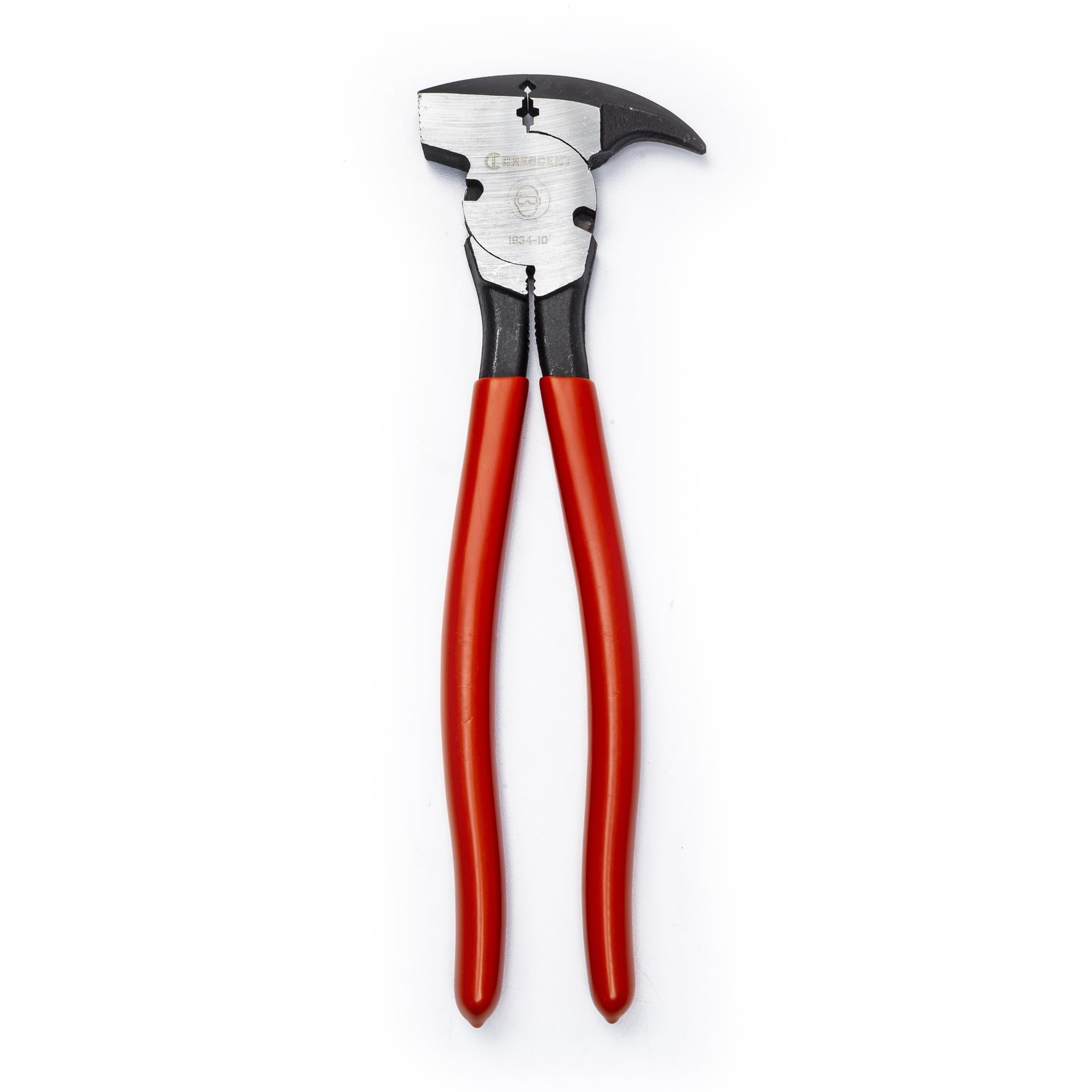
The Crescent 10-inch dipped handle fence pliers deliver a strong value proposition for anyone who needs a reliable secondary tool or is just starting out with fence repairs. The key spec here is the 10-inch alloy steel head with an angled offset for cutting barbed wire and a wide hook heel that fits staples better than many competitive pliers. Real fence builders report that the wide heel grabs staples firmly for removal without bending them.
These pliers weigh 1.7 pounds, so they do not strain your hands during extended use. The dipped grip is easy to hold, though some users note that the rubberized coating can interfere with certain fence work and prefer to remove it and smooth the handles. The cutters are effective right out of the box, and the polished head resists rust and corrosion. A few customers mention that the metal is slightly softer than older professional-grade tools, but at this entry-level price point, the performance-to-cost ratio is hard to beat.
If you need a capable fencing plier for occasional repairs, staple pulling, and wire cutting without investing in premium brands, the Crescent tool covers all the basics with a limited lifetime warranty from a trusted US tool manufacturer.
Why it’s great
- Wide hook heel fits staples better than cheaper fencing pliers
- Angled offset head provides clean cutting leverage on barbed wire
- Light at 1.7 lb, reduces hand fatigue during all-day fence work
Good to know
- Dipped rubber grip can be slippery during fence work; some users remove it
- Metal is slightly softer than high-end professional fencing tools
7. Gripple Torq Tool Tensioner

The Gripple Torq Tool Tensioner is the most specialized tool in this guide, designed to work exclusively with Gripple wire connectors for high-tensile fencing and trellis systems. Its standout feature is the settable tension gauge, which lets you dial in a specific tension level and stop pulling when the wire reaches the correct tightness. This eliminates the guesswork of pulling by feel and ensures consistent tension across long fence runs.
At 2.4 pounds, the Gripple Torq is incredibly light compared to steel bar stretchers. The high-quality plastic construction keeps weight down without sacrificing durability — users report it surviving drops, mud, and impacts during full-day tensioning of 300-foot grapevine trellis wire. The tool also features a pre-load adjustment key that lets you reposition the wire without cutting it, which saves time if you over-tension a section. The learning curve is minimal: after a few test pulls, most users get the technique down and never go back to twisting wire with a stick.
If your fencing system already uses Gripple connectors — common in high-tensile electric fence and vineyard trellis setups — the Torq Tool is the only tensioner worth owning. It is not a general-purpose barbed wire stretcher, but within its niche it delivers precision and ease of use that no other tool in this category matches.
Why it’s great
- Settable tension gauge provides precise, repeatable wire tension
- Lightweight plastic construction at 2.4 lb reduces fatigue during long tensioning jobs
- Pre-load adjustment key lets you reposition wire without cutting
Good to know
- Works only with Gripple connectors — not a general-purpose barbed wire stretcher
- Requires a short learning curve to master the tensioning technique
FAQ
Can I use a chain link fabric stretcher on barbed wire?
How do I prevent the wire from slipping while tensioning?
What is the difference between a fence stretcher and a splicer?
How much tension should I apply to barbed wire?
Final Thoughts: The Verdict
For most users, the best barbed wire stretcher fence tool winner is the Goldenrod (405) Fence Stretcher-Splicer because its controlled-release ratchet provides the safest, most precise tensioning for barbed and high-tensile wire. If you want a versatile all-in-one tool that clamps to posts and handles both stretching and splicing, grab the Dutton-Lainson 400. And for daily fence repairs and staple pulling on a budget, nothing beats the Crescent Dipped Handle Fence Pliers.