
Our readers keep the lights on and my morning glass full of iced black tea. As an Amazon Associate, I earn from qualifying purchases.
Specs are compiled from manufacturer listings and verified buyer reviews and can change over time — please confirm the key details on the product page before buying.
A barefoot shoe’s core purpose is ground feel. The wrong insole ruins that feel with a spongy layer that dulls each step. The right one adds just enough comfort for long miles without feeling like a standard cushioned shoe.
I’m Min — the founder and writer behind Gadgets Feed. This guide is built by comparing the manufacturers’ published specifications and the patterns across verified customer reviews, so you get each pick’s real strengths and trade-offs instead of marketing spin.
Choosing the right pair means balancing thinness, firmness, and shoe fit. This guide breaks down the best bare feet insoles for keeping that natural ground feel intact.
Our Picks at a Glance
How To Choose The Best Bare Feet Insoles
You’re not looking for support cushions here. You want a thin, flat layer that protects your foot without changing how your shoe behaves. The key specs to compare are thickness, firmness, and whether the insole has an arch bump.
Zero Drop and Flat Profile
A zero-drop insole has no raised heel, so your foot sits level inside the shoe. This matters because a heel lift changes your posture and stride. Look for flat insoles with no arch bump if you want to keep the natural alignment your barefoot shoes provide.
Thickness in Millimeters
Thickness is the biggest trade-off. A very thin insole, around 3mm, adds minimal bulk and preserves the most ground feel. A thicker option, around 6mm, offers more cushioning for longer days but can crowd your toes if your shoes are already snug. Measure against your existing liner to get the fit right.
Firm vs Soft Foam
The best barefoot insoles use firm, dense foam that holds its shape under pressure. Soft memory foam feels plush at first but packs down quickly and muffles the texture of the ground. Firm foam keeps you connected to the surface while still offering a layer of protection.
Quick Comparison
| Model | Best For | Thickness | Profile | Material | Amazon |
|---|---|---|---|---|---|
| MOVE Baseline★ Best Overall | All-day comfort | 4mm | Zero Drop | MoveX Foam | Amazon |
| Run 619 3mmGround Feel Champ | Maximum ground feel | 3mm | Zero Drop | Firm EVA | Amazon |
| Embrace Flat | Soft cushioning | 4mm | Flat | Slow-sink foam | Amazon |
| VivoFoot 3-Pack | Sockless summer wear | Trim-to-fit | Flat | Cotton terry | Amazon |
| Run 619 6mm | Extra cushioning | 6mm | Zero Drop | Firm EVA | Amazon |
| Wowlife Disposable | Shoe protection | Ultra-thin | Flat | Pulp fiber | Amazon |
| Naboso Neuro | Sensory stimulation | 4mm | Textured | Medical grade | Amazon |
In‑Depth Reviews
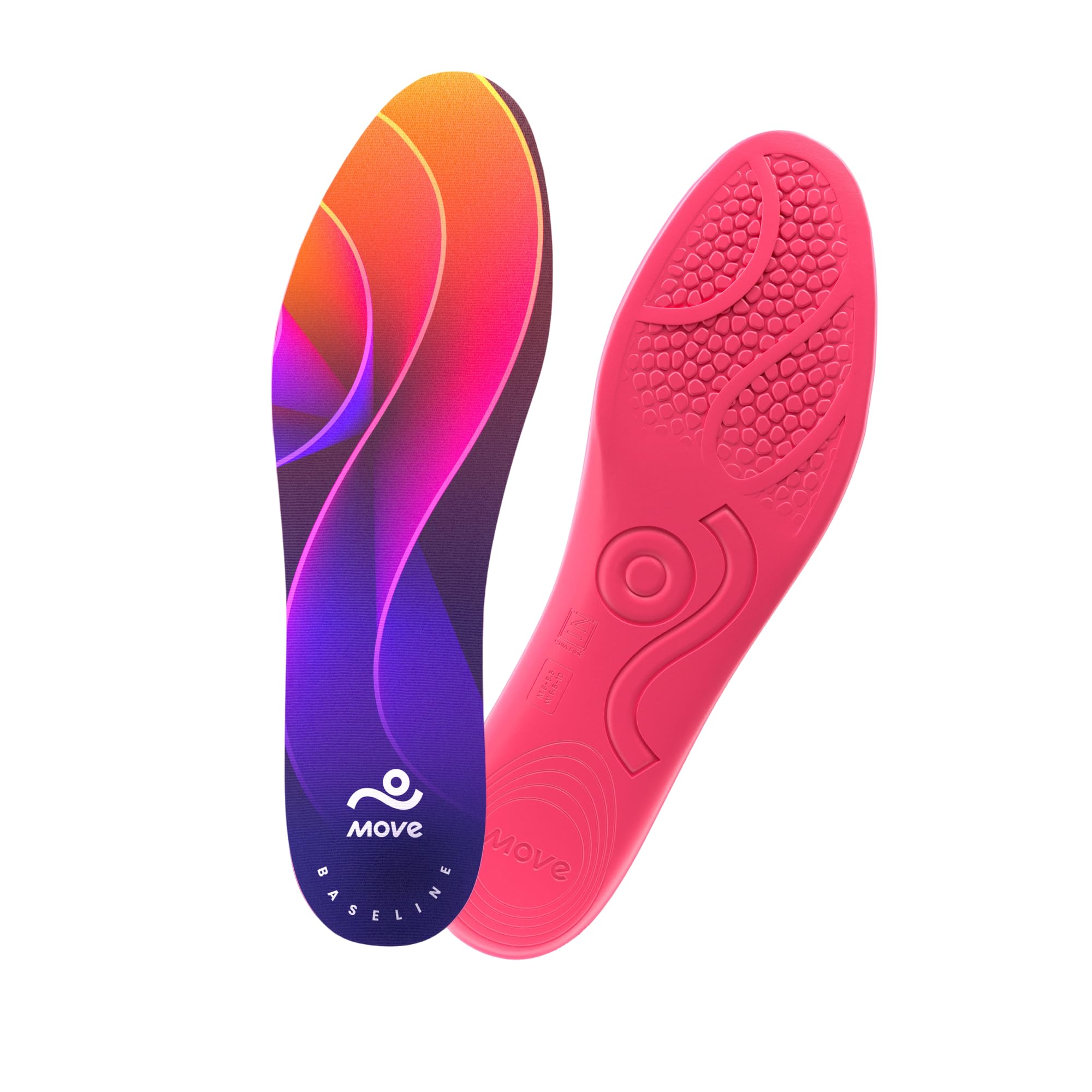
1. MOVE Baseline All-Purpose Insoles
Our pick — 4.5★ from 250+ verified ratings; the strongest balance of quality and price.
The all-day workhorse that balances comfort with a neutral, zero-drop feel.
These insoles are moulded from a single piece of MoveX foam with no adhesives, so they deliver a plush cushioned feel that doesn’t wear out over time. At 4mm thick, they replace a standard shoe liner without adding bulk to your sneakers — you get the shock absorption and energy return of a performance insole, but with a neutral support profile that lets your foot move freely.
The comfort is what wins people over, and the fit follows close behind. Buyers report these work beautifully in Vans Slip-ons, fitting right over the existing insoles with a size 10/10.5 matching a 10.5 shoe perfectly. They’re firm enough to avoid the “mushy” feeling of memory foam, which matters if you’re dealing with plantar fasciitis and want cushion that doesn’t collapse under your arch.
The trade-off is that “ultra thin” is in the name but not everyone agrees. Some owners find them medium-thickness, closer to a factory insole than a true minimalist liner, and the arch support reads as minimal to a few. If you want a true ground-feel sliver, the 3mm Run 619 below is thinner — but the MOVE wins for all-day wearability.
What makes it the one
- Single-material foam holds up over time without adhesives
- Firm cushion that avoids mushy memory foam feel
- Washable and trimmable for a custom fit
- Slips into low-profile shoes like Vans without bulk
Know before you buy
- Not as ultra-thin as the name suggests to some owners
- Arch support is minimal, best in shoes with existing support
Reach for this if: you want one insole that works across gym shoes, cleats, and casual sneakers without changing how they fit.
Look elsewhere if: you need a true minimalist sliver with zero extra thickness underfoot.
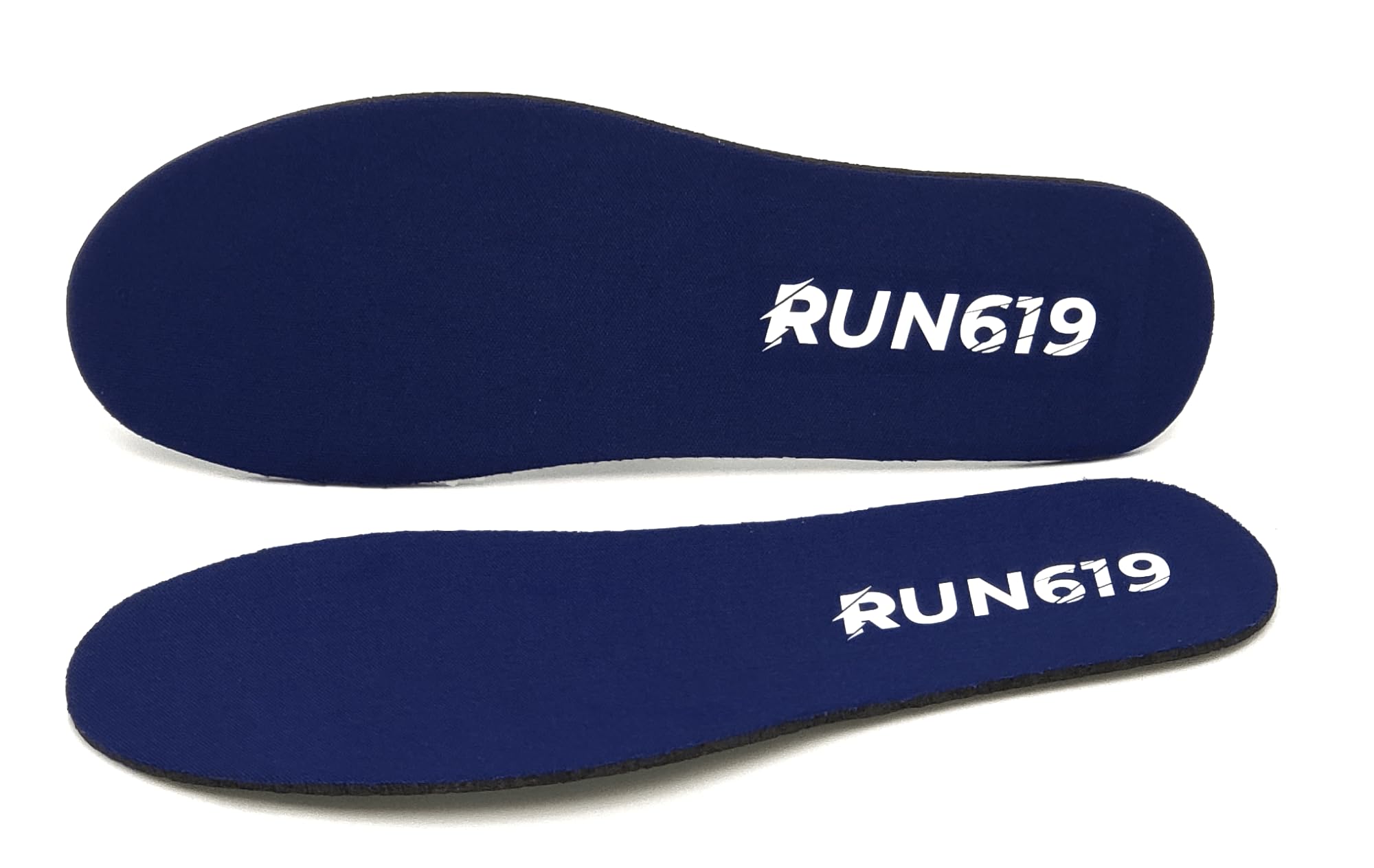
2. Run 619 Zero Drop 3mm Firm Flat Inserts
The thinnest pick here, built for maximum sensory connection to the ground.
At just 3mm thick, this is the slimmest insole in the lineup — a full 33% thinner than the 4mm MOVE Baseline. It’s built from firm, closed-cell EVA that is intentionally not soft or cushy, so it adds protection without ever making you feel disconnected from the surface beneath you.
The quality and fit are what owners single out most. It works in running shoes, hiking boots, work boots, and minimalist footwear, and it excels in tight-fitting shoes where volume is a problem. One common trick is placing these under a custom orthotic or underneath the original sock liner to raise the foot slightly and prevent ankle rub — a solution that keeps the shoe’s natural drop intact.
The honest catch is durability. A few owners mention these start to fall apart after a couple of months of heavy use, so they’re best treated as a replaceable layer rather than a forever insole. If you want something firmer and more substantial, the 6mm version below holds its structure longer.
The verdict: the 3mm Run 619 is the purest ground-feel option here, ideal for snug-fitting shoes where every millimeter of volume counts.
3. Embrace Flat Insoles, Soft Cushion Replacement Inserts

A plush, slow-sinking flat insole for those who want cushion without an arch bump.
This is the softest flat insole in the lineup. Step in and the foam gives way slowly, then holds — settling into your shape instead of pushing back against your foot, closer to a memory-foam feel. At 4mm full-length, it drops straight into a standard shoe without crowding your toes or lifting your heel.
The cushioning is what owners praise most, and it’s a favorite for flat-footed people who cannot tolerate arch support. One owner racked up 350+ miles in zero-drop minimalist shoes with no tears, and it’s a popular add-in for Xero HFS shoes as plantar fasciitis prevention — adding right cushion without support and maintaining ground feel.
The recurring concern is consistency. A few customers note receiving a pair that felt flat with no arch or cushion, like a liner rather than the plush version described. The open-cell structure breathes well, but if you’re after the firm, impact-ready flat feel of the Run 619, this softer option plays a different game.
The fit note: perfect if you have flat feet or high arches that hate defined support, but check your pair early since a rare unit arrives without the expected cushioning.
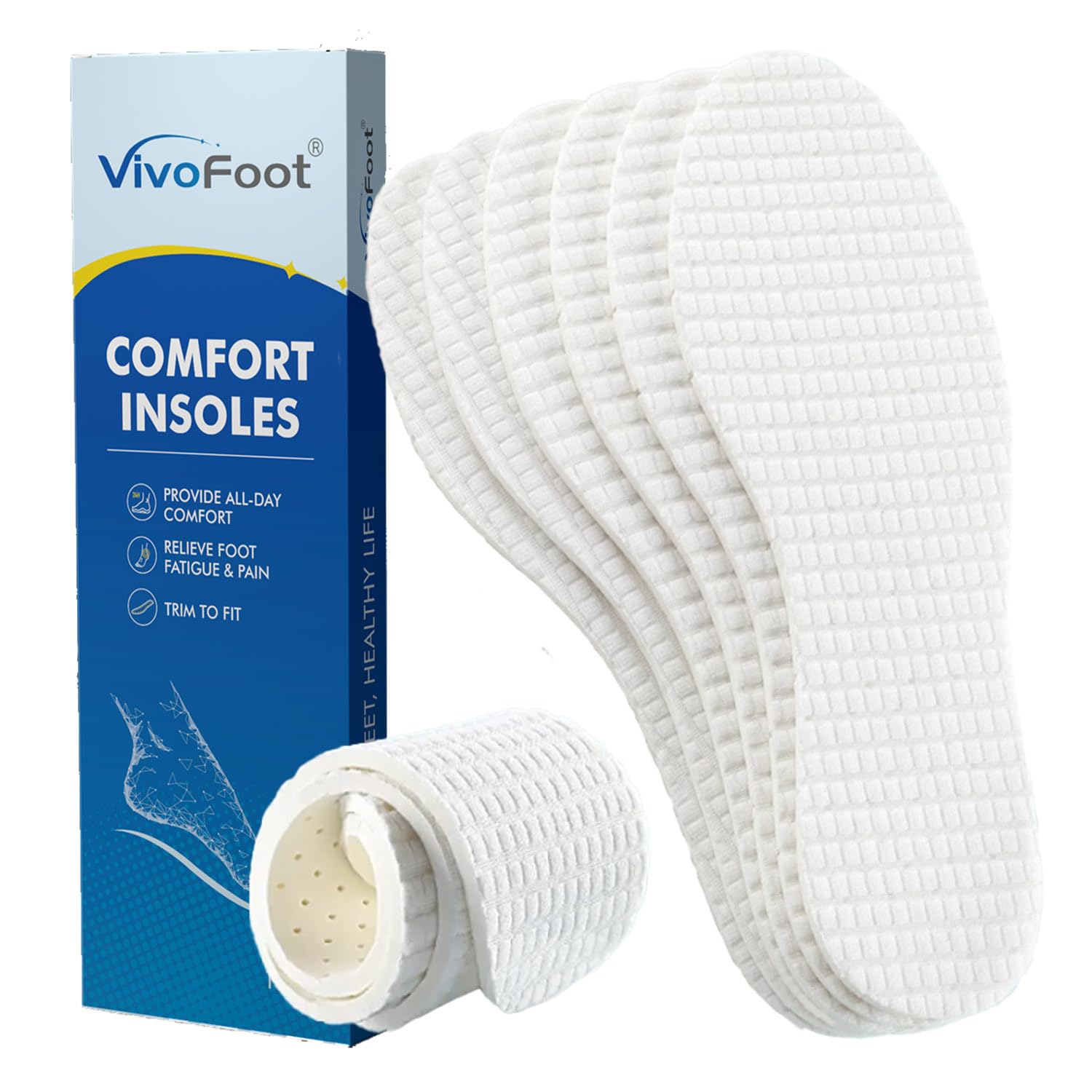
4. VivoFoot 3 Pairs Anti Odor Cotton Terry Insoles
The sockless-summer solution with cotton terry on top and odor control built in.
This is the one to grab when you want to wear barefoot shoes without socks. The top layer of cotton terrycloth absorbs sweat while perforated latex padding underneath keeps feet dry all day — making this the go-to for hot-weather, sockless wear. Grab a full 3 pairs for, which works out to roughly per pair.
Versatility is what owners rave about most. The insoles come marked with size lines so you can trim them from any size up to US10, UK9, EU44. A women’s size 11 fits barefoot shoes without any trimming needed, and the pack works well as an affordable alternative to pricier manufacturer replacements.
The honest trade-offs: some owners find them too narrow for barefoot shoes, and a few report the material isn’t breathable — making feet sweaty and sticky instead of dry. For those who wear them sockless in summer, the comfort and odor control typically win out.
The takeaway: a solid value multi-pack for sockless summer wear, but size up or trim carefully if your barefoot shoes run wide.
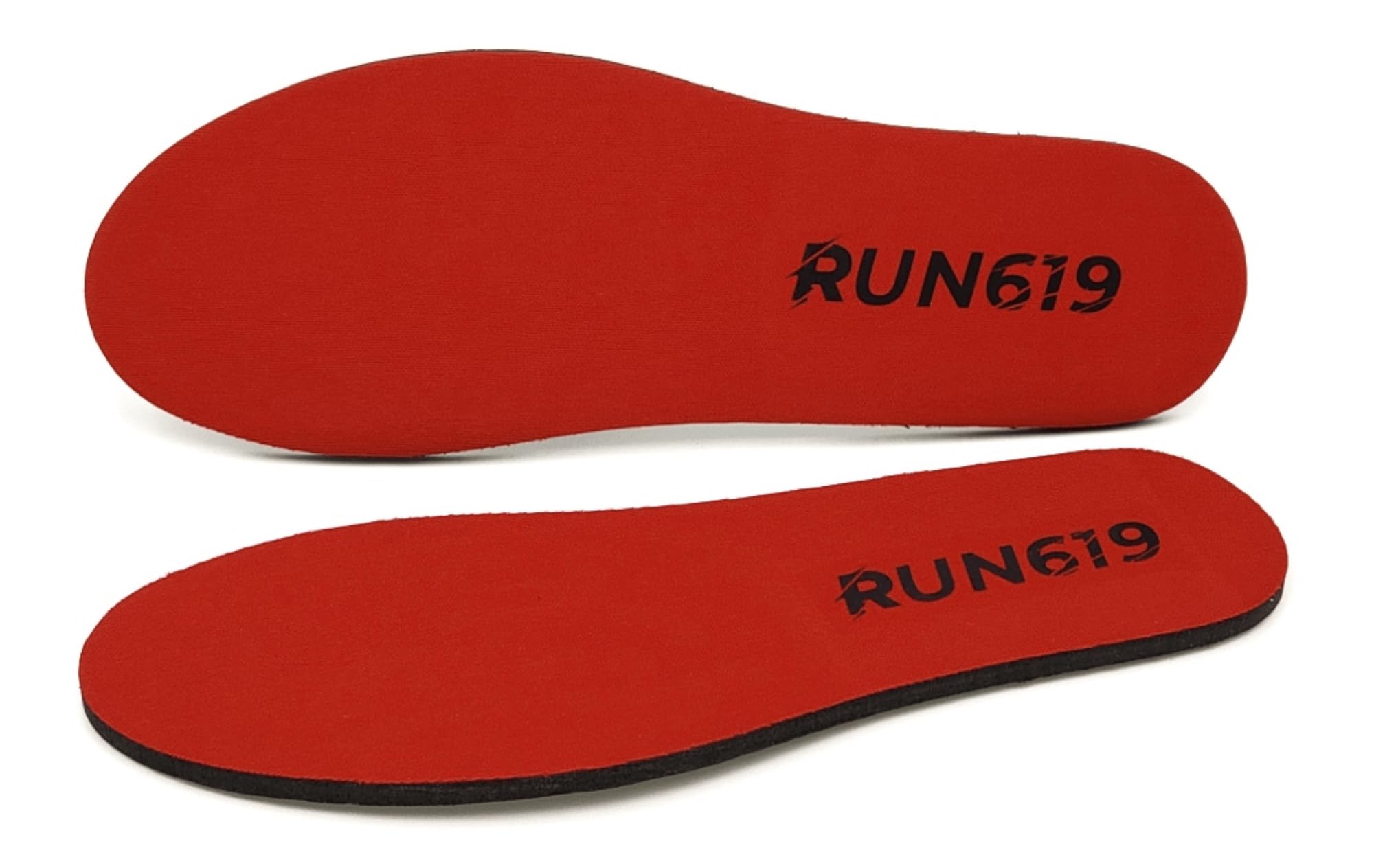
5. Run 619 Zero Drop 6mm Firm Flat Inserts
Double the thickness of its 3mm sibling for more substantial neutral cushioning.
If you want the firm flat structure of the 3mm Run 619 but need more cushion underfoot, this is the same zero-drop platform at 6mm thick. It’s built from firm, closed-cell EVA that keeps its structure and feel over extended use, adding substantial neutral cushioning in roomier footwear without altering your stride.
The arch support is what owners note most, with many finding these work great in zero-drop shoes. One hiker took them on an 8-mile trek in comfort and planned a 200-mile hike with them. They’re also a common choice to eliminate the 4mm drop in running shoes, protecting the spine for those recovering from injury.
The recurring gripe is the firmness — some find them “hard as a rock” at first, though they soften with body warmth. Durability also varies, with a few owners reporting the 6mm thins out quickly rather than staying at full thickness. The 30-day guarantee offers a safety net if the firmness isn’t for you.
Where it shines
- Solid, non-compacting construction that holds its shape
- Great for eliminating heel-to-toe drop in running shoes
- Molds slightly to your feet with body warmth
- 30-day money-back guarantee
Where it’s picky
- Very firm to start, not plush underfoot
- Narrow fit in regular shoes for some owners
- A few report the 6mm wears down faster than expected
Who it beats: anyone needing to remove drop from running shoes while keeping a firm, stable platform.
Who it doesn’t: those wanting soft cushion or a wide fit straight from the start.
6. Wowlife Disposable Breathable Thin Insoles (20 Pairs)

The disposable liner that keeps your shoes clean and your feet fresh.
These aren’t meant to last forever — they’re made from pulp and paper fiber and designed to be disposable. The fit is what owners praise most, with these working great in sockless shoes, mules, and clogs. They’re ultra-lightweight and extremely thin, easy to cut to fit your feet, and effective at controlling foot odor caused by sweat.
The versatility is real. They revive worn or sticky footbeds, protecting mesh shoe liners from dirt and extending the life of your shoes. One owner found they last 10-15 uses each, and with 20 pairs in the pack, that’s a lot of protection for the price.
The honest catch is the adhesive. Some reviewers point out the liner pulls out when removing shoes, and the sticky tab doesn’t always adhere to textured surfaces. A few also note the material runs a bit rough and stiff. But for shoe protection and sweat control, these deliver reliably.
The fit note: treat these as a protective layer for your shoes, not a comfort insole — they excel at keeping footbeds clean and odor-free.
7. Naboso Neuro Sensory Insole

A textured sensory insole designed to boost foot-to-brain connection.
This insole takes a completely different approach. Instead of just cushioning, the textured surface is designed to stimulate the feet and improve balance. At only 4mm thick, it’s thin enough to work with all types of footwear and flexible enough to use over your existing orthosis or insole. The textured surface uses patent-pending height and spacing to stimulate foot muscles, based on podiatrist research into sensory input.
The balance benefits are what owners note most, though the feedback is genuinely split. Some report it eliminated dizziness from cushioned inserts and helped with balance issues, while others with severe nerve damage felt no effect. The comfort is similarly divided — some find the texture pleasant and grounding, others find it very uncomfortable for all-day wear.
The value is the biggest sticking point, with several owners considering it too expensive. It works best barefoot or with thin socks, and it’s easy to clean with soap and water. If you have neuropathy, plantar fasciitis, or reduced foot sensation, this is worth trying, but mixed reviews mean results vary.
Who it’s for: those seeking maximum sensory input for balance or neuropathy, who understand the comfort trade-off.
Who it’s not for: anyone wanting a plush, cushioned daily insole at this price.
Understanding the Specs
Zero Drop vs. Raised Heel
Zero-drop means the heel and forefoot sit at the exact same height inside the shoe. This keeps your foot in a natural, flat position and preserves the stride your barefoot shoes were designed for. A raised heel changes your posture and can shorten your stride, which is why zero-drop is the defining spec for barefoot insoles.
Thickness in Millimeters
Thickness controls the trade-off between ground feel and comfort. A 3mm insole adds minimal bulk and keeps you close to the surface. A 6mm insole offers more cushioning for longer days but takes up more volume inside your shoe. Measure your existing liner and consider how snug your shoes fit before choosing.
FAQ
Will a flat insole fit in my barefoot shoes without making them tight?
What is the difference between a 3mm and a 6mm zero-drop insole?
Can I cut these insoles to fit my specific shoe size?
Are these insoles washable for sockless wear?
Will these insoles work with custom orthotics?
Is a flat insole better than one with arch support for barefoot shoes?
How long does a firm EVA insole typically last?
Can these insoles help with plantar fasciitis?
Final Thoughts: The Verdict
Across the board, the best bare feet insoles winner is the MOVE Baseline because it delivers the best balance of comfort, cushioning, and neutral support without adding bulk. If you want maximum ground feel for tight shoes, grab the Run 619 3mm. And for sockless summer wear with odor control, the VivoFoot 3-Pack is the value pick to reach for.
How We Picked
We do not accept paid placement. Every pick is matched to a real buyer and a real use-case; we do not hands-on test units.
Sources & Methodology
Specifications: manufacturer listings and product documentation. Review insights: verified customer reviews, as of August 2026. Pricing: not shown on this page (it changes often); check the current price via the retailer link.
As an Amazon Associate, Gadgets Feed earns from qualifying purchases. This does not affect which products we feature.