
Barefoot earthing shoes promise to reconnect you with the electrical energy of the earth, but the real challenge is finding a pair that delivers both a functional ground connection and the structural integrity to survive daily pavement. A loose copper patch or a delaminating sole doesn’t just waste your money—it breaks the circuit entirely, rendering the grounding effect useless.
I’m Min — the co-founder and writer behind Gadgets Feed. I’ve spent countless hours analyzing customer feedback and build quality across dozens of barefoot grounding models to separate the designs that hold a reliable electrical path from those that crumble after a handful of walks.
The practical buyer needs a shoe that fits a wide forefoot, maintains a zero-drop profile, and includes a verified conductive element that stays attached. This guide breaks down the top contenders to help you find the best barefoot earthing shoes that actually last.
How To Choose The Best Barefoot Earthing Shoes
Finding a true earthing shoe means verifying three non-negotiable traits: a conductive pathway from your foot to the ground, a wide toe box that lets your toes spread naturally, and a zero-drop sole that keeps your heel level with your forefoot. Many shoes claim grounding but use a decorative plug that does not connect reliably to the earth. Check for real copper or carbon-infused components in the outsole.
Evaluate the Conductive Element
The grounding mechanism must be a conductive material embedded into the outsole that contacts the ground directly. Look for copper discs, carbon rubber patches, or metallic mesh. Avoid shoes that hide the conductor under a non-conductive layer—this breaks the circuit. User reviews often mention whether the plug stays intact or detaches quickly, so scan for durability mentions.
Prioritize Toe Box Shape and Sole Depth
Barefoot earthing shoes lose their purpose if the toe box pinches your toes. A genuine wide toe box allows full splay while standing and walking. The sole should be thin, usually 4–10 mm without a raised heel. Stack height matters for ground feel; a thicker sole dampens the sensory feedback that makes barefoot walking effective.
Check the Closure and Upper Material
A slip-on design might be convenient but often lacks the lockdown needed for active walking. Lace-up closures let you fine-tune the fit, especially for a wide foot. Breathable mesh uppers keep feet cool during summer, while leather options offer more structure and puncture resistance for urban wear. Machine-washable uppers are a bonus for daily use.
Quick Comparison
On smaller screens, swipe sideways to see the full table.
| Model | Category | Best For | Key Spec | Amazon |
|---|---|---|---|---|
| Flux Adapt Graphene XT | Cross Trainer | Gym & HIIT | Graphene-infused outsole | Amazon |
| Vivobarefoot Primus Lite 3.5 | Training | Daily wear & workouts | Zero-drop, 4mm sole | Amazon |
| FLUX FOOTWEAR Adapt Knit | Lifestyle | All-day standing | Earth-Link grounding tech | Amazon |
| Vivobarefoot Gobi IV | Casual Leather | Stylish everyday wear | Puncture-resistant leather | Amazon |
| Grounding Shoes with Copper | Slip-On | Errands & light walks | Copper plug in outsole | Amazon |
| Grounding Earthing Mesh | Breathable | Warm weather walks | Conductive mesh outsole | Amazon |
| earthinglife Barefoot Lace Up | Entry Level | Budget-friendly grounding | Flexible conductive outsole | Amazon |
In‑Depth Reviews
1. Flux Adapt Graphene XT Barefoot Shoes
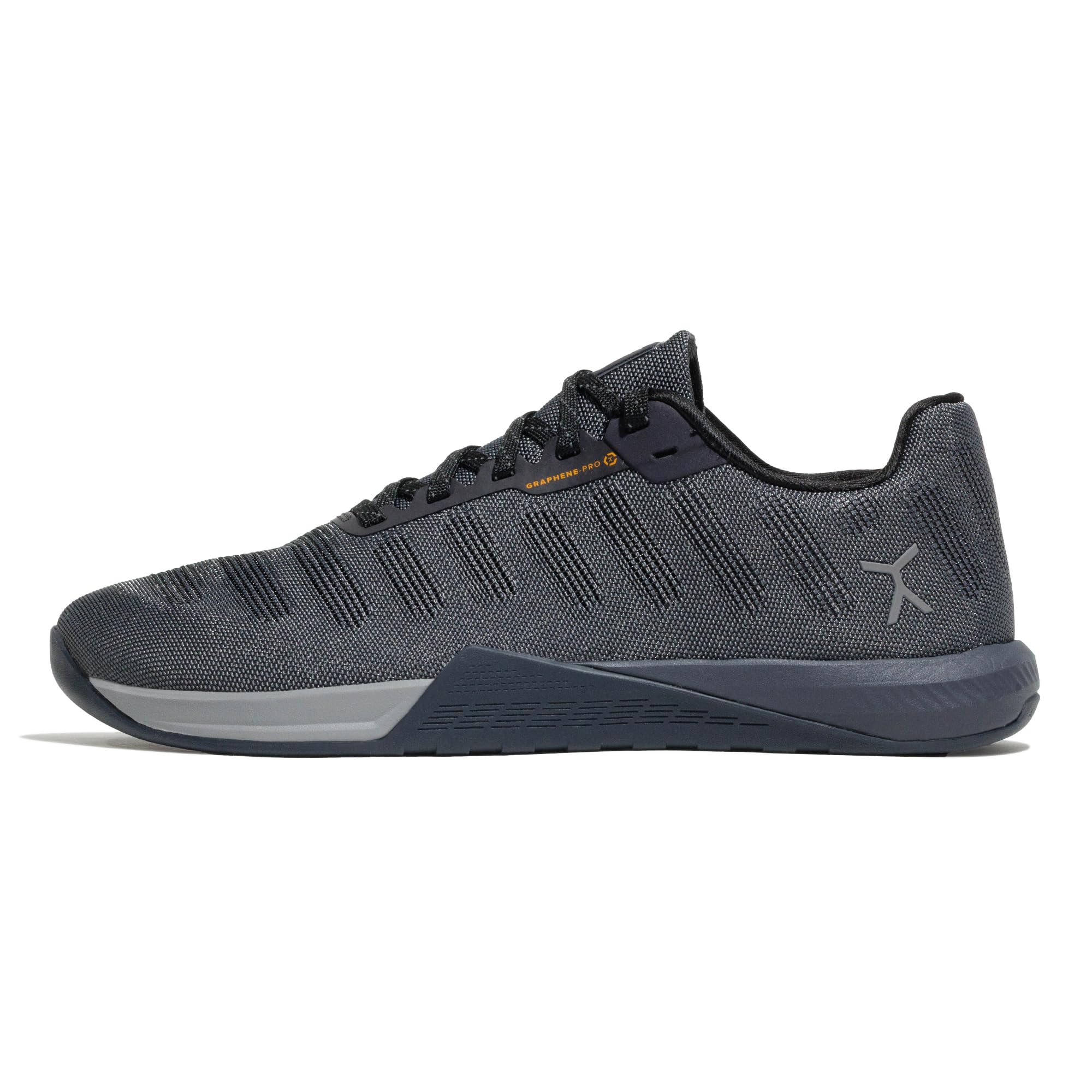
The Flux Graphene XT stands out in the barefoot earthing category because its outsole uses Graphene Pro technology, a conductive compound that provides a reliable grounding path without a separate plug that can detach. Users report zero sole wear after six months of CrossFit sessions four to six times per week, which speaks directly to the durability question that plagues cheaper earthing shoes. The ballistic mesh upper allows the foot to breathe during intense movement while maintaining a secure lace-up lockdown.
The wide toe box accommodates natural splay, and the zero-drop profile keeps the heel flush with the ground, delivering proper sensory feedback. Multiple reviewers with wide feet noted the fit was comfortable right out of the box after sizing up half a step. The rubber thickness is tuned for a bounce that feels responsive under a barbell yet still provides adequate protection for light trail running.
Reviewers transitioning from the New Balance Minimus and Vivobarefoot Primus Flow call this their new favorite minimalist shoe, citing the materials and construction as superior. The only complaint involves the sizing chart—some found the length generous by nearly an inch, so measuring your foot against the insole length before ordering is wise. For anyone serious about combining grounding with gym performance, this is the clear choice.
Why it’s great
- Graphene-infused outsole with proven wear resistance after 6 months of heavy use
- Excellent lateral stability for HIIT, lifting, and CrossFit movements
- Machine washable upper for easy maintenance after sweaty sessions
Good to know
- Sizing runs long; measuring your foot against the insole length is recommended
- Ankle collar might feel too high for those with prominent lateral malleoli
2. Vivobarefoot Primus Lite 3.5

The Vivobarefoot Primus Lite 3.5 earns its place as the best overall barefoot earthing shoe because it nails the three pillars: a wide toe box, a thin 4mm sole with zero drop, and a flexible outsole that lets the foot move naturally. Users describe it as extremely dependable for 10,000-plus steps per day, handling gym sessions, CrossFit, and daily wear equally well. The breathable upper does not hold odor, and the flat sole delivers excellent ground feel without any intrusive arch support.
One consistent observation across reviews is sizing—you need to go down half a size from your typical US size. The shoe runs slightly longer than other Vivobarefoot models, and a thumb’s length of room at the front with socks is the right fit. Multiple users with unstable ankles and bad knees reported that the Primus Lite 3.5 actually improved comfort and stability compared to cushioned shoes, which is a strong counterpoint to the myth that barefoot shoes hurt joints.
On the downside, the white fabric and light colors are notoriously hard to keep clean. Stains from dirt and grime persist even after cleaning with fabric-safe products. That cosmetic issue does not affect performance, but if you need a shoe that stays pristine, a darker color option would be welcome. For the price, this is a premium entry point into barefoot grounding that delivers on every functional spec.
Why it’s great
- Ultra-flexible 4mm sole provides maximum ground feedback and natural foot movement
- Breathable mesh upper resists odor after heavy use
- Works for walking, lifting, HIIT, and daily commute without needing a change
Good to know
- White sole and fabric stain easily and are difficult to restore to original color
- Sizing requires dropping half a size from your normal US measurement
3. FLUX FOOTWEAR Adapt Knit Trainer
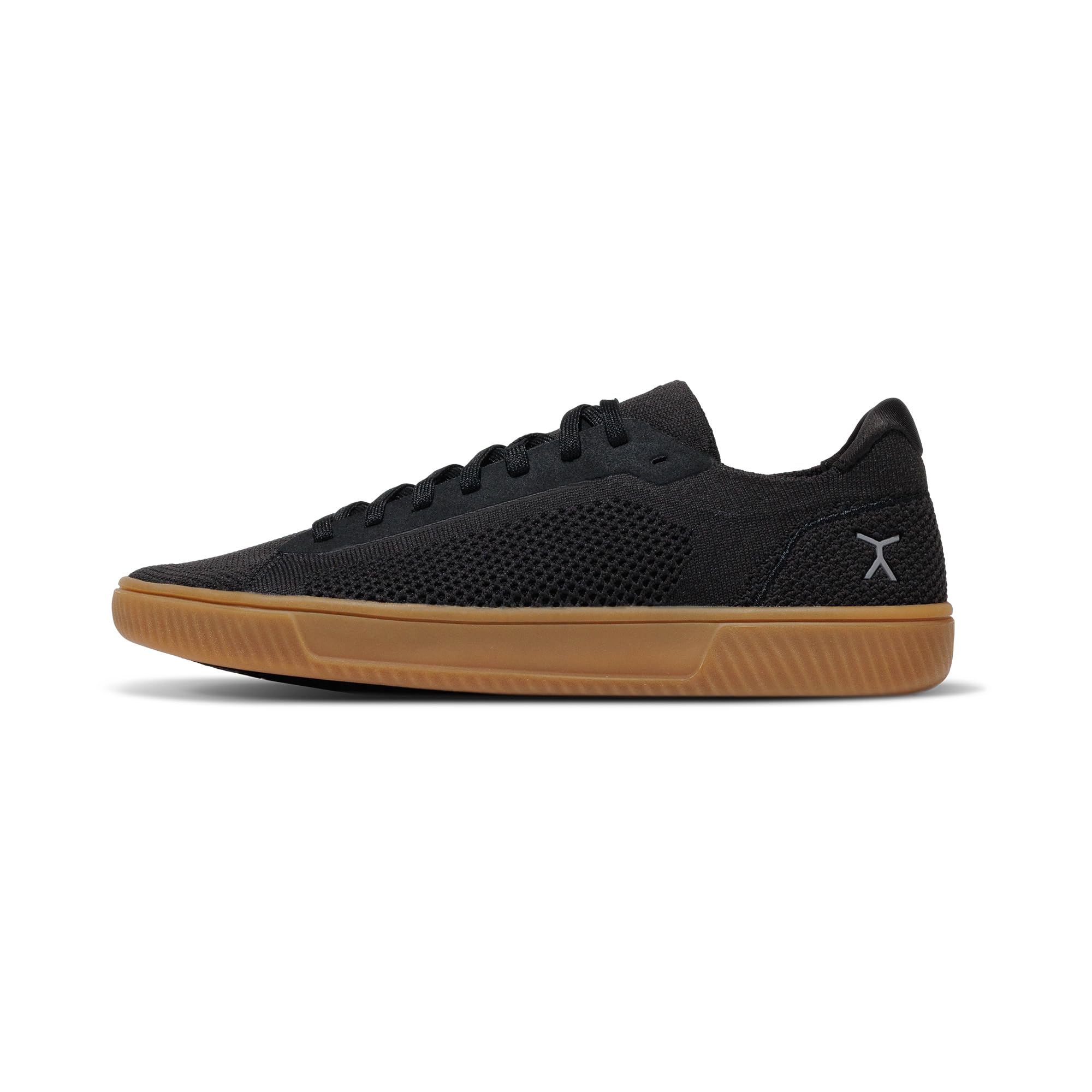
The FLUX FOOTWEAR Adapt Knit Trainer brings Earth-Link grounding technology to a mid-range price point without cutting corners on the toe box or sole design. The wide toe box accommodates natural splay, and the zero-drop sole ensures no artificial heel raise interferes with posture. Reviewers note that the knit upper feels breathable and flexible, allowing the shoe to conform to the foot over a short break-in period of a few days.
A common experience among users is that these shoes eliminated morning foot pain that had been caused by cushioned arch-support shoes. One reviewer wearing them for six-hour standing shifts on hard floors reported significant relief in their knees, feet, and calves. The AdaptSole insole provides a minimal layer of comfort while keeping ground feel intact, a balance many barefoot shoes struggle to achieve.
Some buyers found the initial stiffness surprising—one described the feel as “cardboard” before breaking in. The knit upper does have some stretch, so ordering half a size up is a safe move if you wear socks. The shoe is not designed for running on sharp rocky trails, but for daily wear, gym work, and causal outings it performs admirably. The machine-washable construction is a practical bonus for keeping the knit fresh.
Why it’s great
- Dedicated Earth-Link grounding system integrated into the outsole for reliable conductivity
- Wide toe box with zero drop supports natural gait and toe splay
- Machine washable knit upper stays clean with minimal effort
Good to know
- Requires a few days of break-in before the sole feels soft and flexible
- Not suitable for technical trail running or very rocky terrain
4. Vivobarefoot Gobi IV
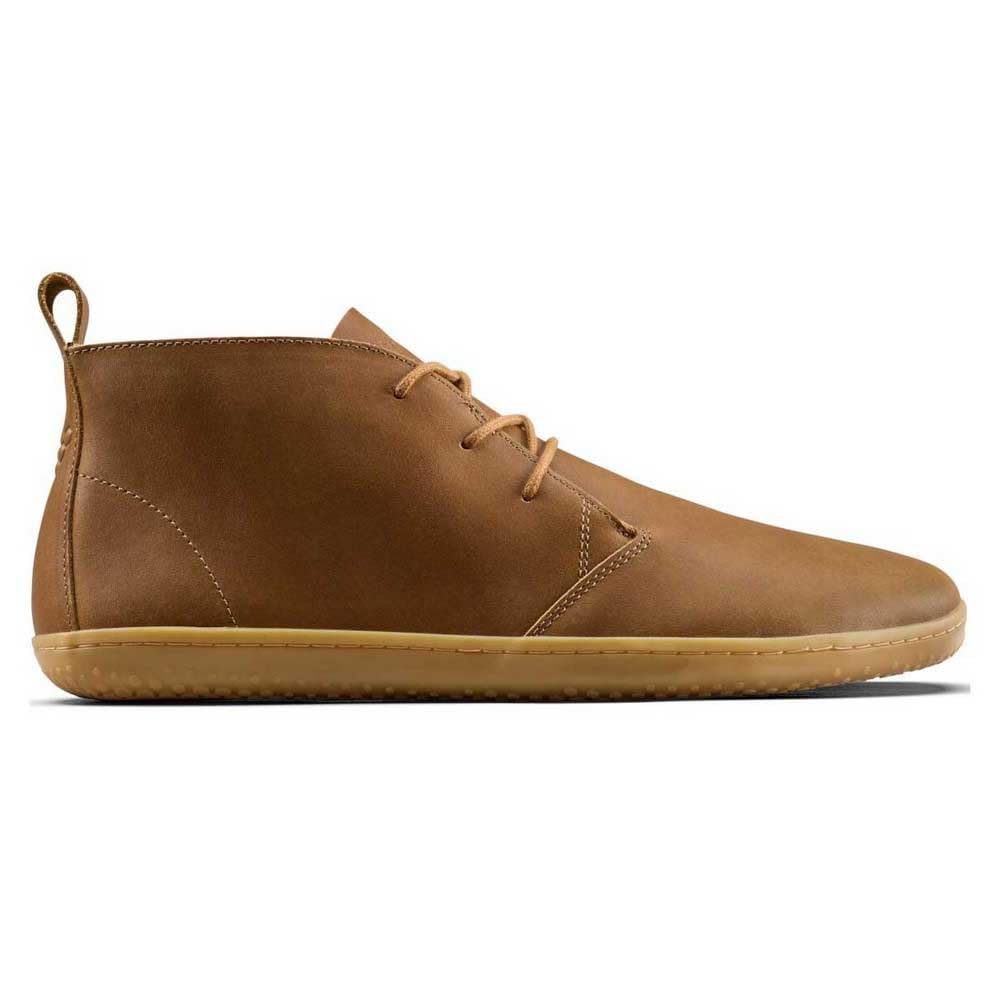
The Vivobarefoot Gobi IV is the most stylish barefoot earthing shoe in this lineup, pairing a premium leather upper with a puncture-resistant sole that works for city commutes and casual office environments. The zero-drop platform and wide toe box remain true to barefoot principles, and the leather molds to the foot after about two weeks of daily wear. Users who own previous Gobi iterations confirm that the fourth version matches the build quality of its predecessors.
Multiple reviewers highlight the fine finish and high-quality materials, noting that the leather feels substantial without being stiff. The shoe fits like a glove for some, while others found the sizing slightly short—ordering a half size up is a common recommendation. The puncture-resistant layer adds confidence when stepping on debris, a feature missing from many knit-based earthing shoes.
The Gobi IV is an everyday casual shoe, not a gym trainer. Its minimal cushioning and thin sole require a gradual adjustment period if you are transitioning from conventional footwear. Some users experienced initial discomfort due to the lack of arch support, but after breaking in, their feet strengthened noticeably. At this price point, it competes directly with high-end minimalist leather shoes and delivers on both aesthetics and function.
Why it’s great
- Premium leather upper that molds to the foot for a custom-like fit
- Puncture-resistant outsole adds protection for urban walking on debris
- Zero-drop and wide toe box true to Vivobarefoot’s barefoot standards
Good to know
- Sizing can be inconsistent; some users need half a size larger
- Requires a transition period for feet accustomed to arch-support shoes
5. Grounding Barefoot Shoes with Copper
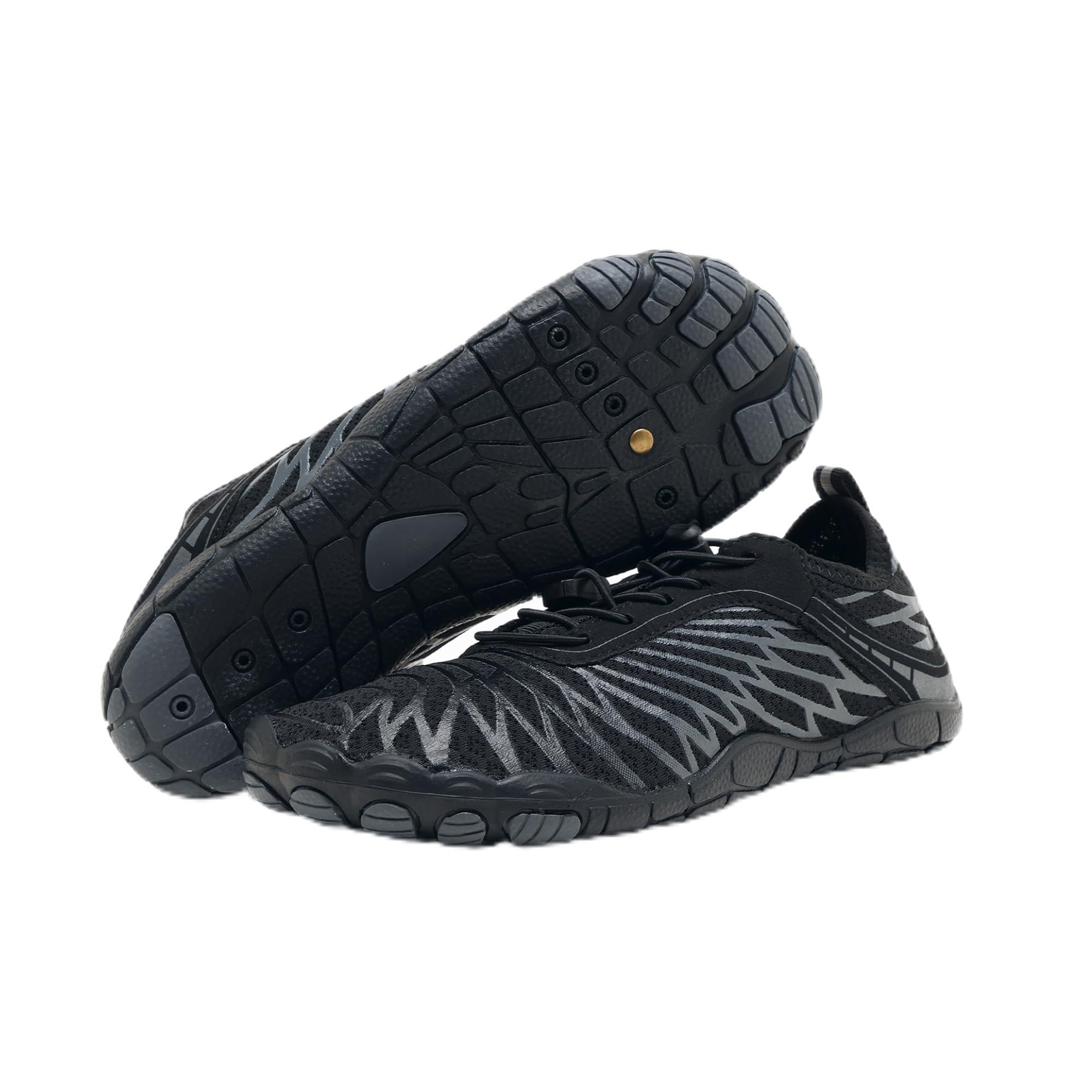
This grounding shoe uses a visible copper plug embedded in the outsole to create a conductive path to the earth, and the slip-on design makes it easy to quickly slip into for errands. The wide toe box has earned praise from users with malformed feet and rheumatoid arthritis who found relief in the spacious fit. At a moderate price, it offers a genuine copper grounding element that lighter-weight knit competitors often omit.
One reviewer noted that after wearing these for a six-hour workday on hard floors, their knees, feet, and calves felt significantly better compared to conventional shoes. The minimal cushioning and zero-drop design encourage a natural walking gait. The shoe is lightweight and easy to clean, though the thin sole is not suitable for long walks on sharp rocks or rough terrain.
However, some buyers received a different color than advertised and reported an unresponsive seller. A more critical concern is the copper plug itself—one user reported that the plug caused a bruise on the ball of their foot, raising questions about the placement and protrusion of the conductive element. For light daily grounding walks on flat surfaces, this shoe works well, but inspect the plug area carefully upon arrival.
Why it’s great
- Visible copper plug provides a clear conductive path for grounding
- Extremely wide toe box accommodates malformed or swollen feet comfortably
- Slip-on convenience makes it easy to wear for quick trips
Good to know
- Copper plug may protrude and cause discomfort on the ball of the foot for some users
- Color accuracy and seller responsiveness can be inconsistent
6. Grounding Earthing Shoes with Breathable Mesh Upper
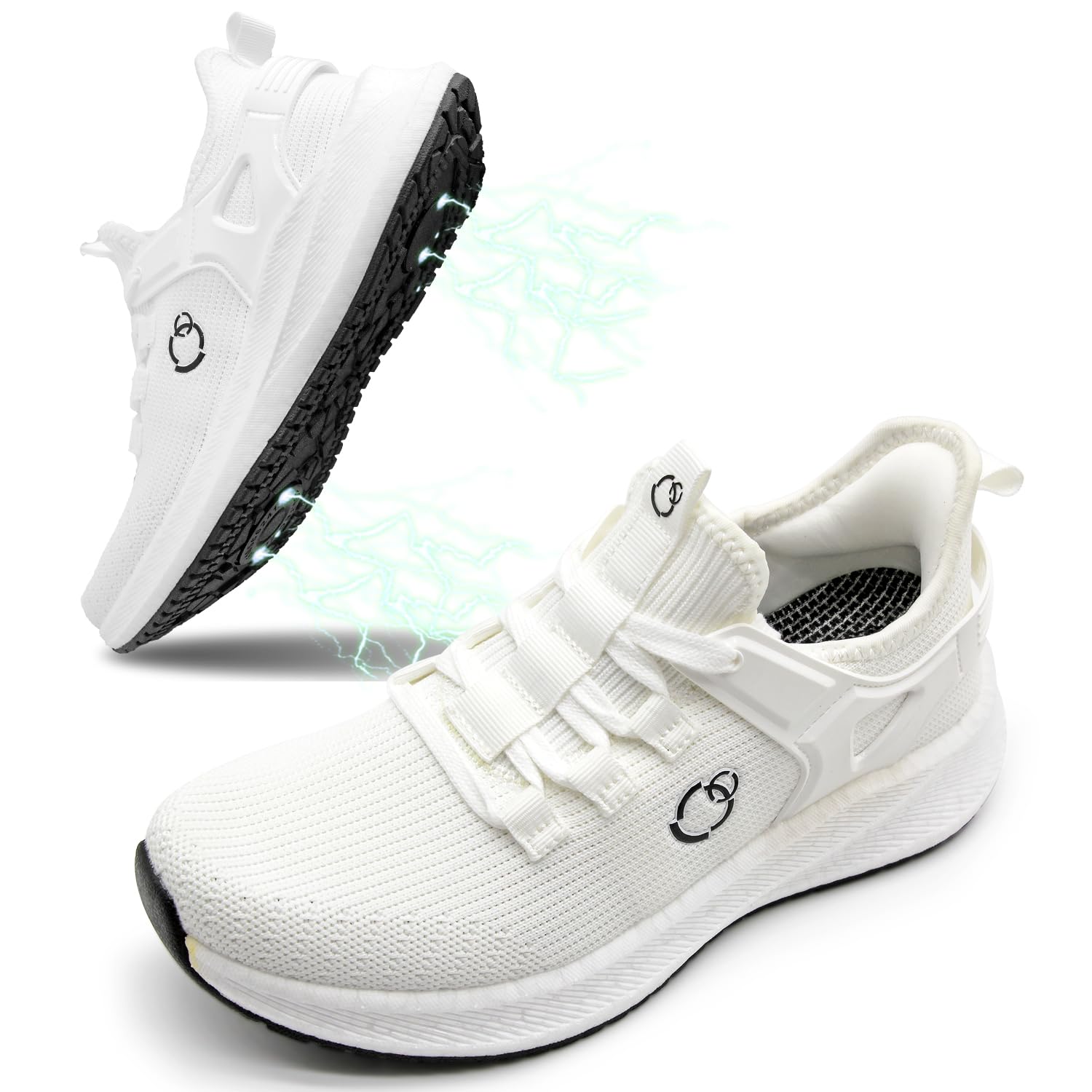
This grounding shoe from a generic brand offers a conductive outsole and breathable mesh upper at an entry-level price, making it an accessible starting point for anyone curious about barefoot earthing. The shoe is lightweight and flexible, with a near-barefoot feel that reviewers appreciated for both short and long walks. One long-term user wore their first pair out completely and came back for another, which suggests the build holds up reasonably well for the price.
The mesh upper stretches to accommodate the foot, and the fit runs tight with socks, so sizing up half a step is a good strategy. A few users found the white sole to be a cosmetic liability—it collects dirt readily and is almost impossible to restore to its original brightness. The grounding effect is reported as subjective, with some feeling noticeably more grounded while others were skeptical.
Two notable complaints: the heel strap, which is a hard piece of white material, caused blisters on small heels for one reviewer, and the overall sizing is tricky to judge without trying on. Despite these issues, the price point makes it a low-risk experiment. If the fit works for your foot shape, the conductive outsole and zero-drop profile deliver the core barefoot earthing experience without a premium investment.
Why it’s great
- Conductive outsole and breathable mesh at an accessible price point
- Lightweight and flexible for comfortable walking on flat surfaces
- Upper mesh stretches to accommodate various foot shapes
Good to know
- White sole stains permanently and is very difficult to clean
- Hard heel strap can cause blisters on wearers with small heels
7. earthinglife Barefoot Grounding Shoes Lace Up

The earthinglife Lace Up is the most affordable barefoot earthing shoe in this roundup, featuring a flexible conductive outsole and a wide toe box that fits wider feet. The lace-up closure provides a secure lockdown that the slip-on designs lack, and the lightweight construction feels almost weightless on the foot. A few early buyers described the shoes as well-made and comfortable right out of the box.
The biggest issue reported by multiple users is the durability of the earthing patches embedded in the sole. Within a week of use, the patches started to come loose, and attempts to glue them back failed. This is a critical failure for an earthing shoe because a loose patch breaks the conductive pathway. Additionally, there is no half-size option, which forces some buyers to choose between a tight fit or an overly long shoe.
For the low cost, these shoes offer a decent introduction to the barefoot earthing concept, but you should expect to replace them relatively quickly if the delamination issue affects your pair. The design looks good and accommodates wide feet well, but the construction of the grounding component needs a significant improvement to match the reliability of the mid-range and premium options in this guide.
Why it’s great
- Lace-up closure ensures a secure fit for various foot widths
- Lightweight and comfortable for casual daily wear
- Wide toe box accommodates foot splay effectively
Good to know
- Earthing patches in the sole tend to delaminate within weeks of use
- No half-size options available, making fit challenging for some
FAQ
Does the copper plug in earthing shoes actually conduct electricity to the ground?
Can I wear barefoot earthing shoes for running or hiking on trails?
How do I know if my barefoot earthing shoe actually fits my foot correctly?
Final Thoughts: The Verdict
For most users, the best barefoot earthing shoes winner is the Vivobarefoot Primus Lite 3.5 because it combines a proven zero-drop platform with a durable, breathable upper and reliable ground feel. If you want a gym-focused grounding shoe with graphene-infused longevity, grab the Flux Adapt Graphene XT. And for a stylish leather option that works in the office, nothing beats the Vivobarefoot Gobi IV.