
Finding a barefoot shoe that doesn’t crush your toes is the real challenge when you have wide feet. Most minimalist shoes taper aggressively, forcing your toes into an unnatural wedge that fights the entire philosophy of barefoot movement. The best options combine a truly anatomical toe box with a zero-drop sole, letting your foot spread and function as intended.
I’m Min — the co-founder and writer behind Gadgets Feed. I’ve spent hundreds of hours analyzing footbed measurements, customer feedback on width, and material flexibility to identify which models actually accommodate wider feet without sacrificing ground feel or durability.
This guide narrows the search by focusing on width tolerances, toe splay, and construction quality for those seeking the best barefoot shoes for wide feet. Each recommendation is backed by real user experiences and specific fit data.
How To Choose The Best Barefoot Shoes For Wide Feet
Not all barefoot shoes are created equal when it comes to width. A shoe marketed as “wide” might still cramp your toes if the last shape is wrong. You need to look at specific design elements that directly impact how your foot sits inside the shoe during movement.
Toe Box Shape and Volume
The classic mistake is assuming any wide-labeled shoe works. A true wide-foot barefoot shoe has a foot-shaped toe box that mirrors the natural splay of your toes. Look for models that offer a wide toe box, not just a wide heel and midfoot. Brands that use a “rounded” or “anatomical” toe box are your safest bet. The volume inside the toe box also matters — some shoes are wide but shallow, which squeezes tall toes.
Sole Thickness and Flexibility
Barefoot shoes aim for ground feel, but protection still matters. Soles around 10-15mm thick provide a good compromise for daily wear and light trails. Thinner soles (under 8mm) offer maximum sensory feedback but can be uncomfortable on sharp gravel. The sole must be flexible enough to twist and fold in your hands — a stiff sole defeats the purpose of strengthening foot muscles.
Transition Period and Foot Strength
Switching to zero-drop, minimally cushioned shoes requires patience. Your calves and Achilles need to adapt to the new gait. Wide feet often mean collapsed arches or bunions from years of narrow shoes. A barefoot shoe won’t correct this overnight, but it allows your foot to rebuild natural strength. Start with short walks and gradually increase duration. Some models include removable insoles for a softer landing during the transition.
Quick Comparison
On smaller screens, swipe sideways to see the full table.
| Model | Category | Best For | Key Spec | Amazon |
|---|---|---|---|---|
| ALTRA Lone Peak 9 | Trail Running | Wide trails and long hikes | Original FootShape toe box, 25mm stack | Amazon |
| Vivobarefoot Primus Lite 3.5 | Training | Gym and daily wear | 4mm sole, 100% vegan | Amazon |
| Merrell Wrapt Mid Waterproof | Hiking | Waterproof protection | Waterproof membrane, Vibram outsole | Amazon |
| New Balance Minimus TR V2 | Cross Training | Gym and agility work | Zero-drop, 12mm stack, wide sole | Amazon |
| Xero Shoes Prio Neo | Casual | Everyday walking | 11mm FeelTrue sole, removable insole | Amazon |
| Xero Shoes Prio Suede | Casual | Budget daily driver | 11mm stack, suede upper, wide toe | Amazon |
| New Balance MT10V1 Minimus Trail | Trail Running | Smooth trail running | EVA cushioning, Vibram outsole | Amazon |
In‑Depth Reviews
1. ALTRA Men’s Lone Peak 9 Trail Running Shoe

The ALTRA Lone Peak 9 is the gold standard for wide-footed runners and hikers who refuse to compromise on toe splay. Its Original FootShape toe box provides the most naturally roomy fit in this list — your toes can fully relax and spread without bumping the sides. The 25mm stack offers moderate cushioning that protects against sharp rocks while still maintaining a zero-drop platform for a natural stride. Users with very wide feet consistently praise how the standard width accommodates them better than most brands’ “wide” options.
The MaxTrac outsole delivers exceptional grip on mud, wet rock, and loose gravel, making this a reliable companion for technical terrain. The shoe is breathable and lightweight at just under 1.5 pounds per pair, and the upper dries quickly after stream crossings. Reviewers report durability after hundreds of miles in Colorado’s mountains, with the tread holding up well on snow and ice. The lace system allows for a secure lockdown even on high-volume feet.
One quirk worth noting: the Lone Peak 9 runs slightly large in the wide sizing. Some users recommend ordering half a size down from your regular length, especially if you plan to wear thicker socks. The moderate cushioning may feel plush for purist barefoot enthusiasts, but the zero-drop and wide toe box keep it firmly in the minimalist camp. For all-day standing and hiking, this shoe is a top-tier choice.
Why it’s great
- Widest toe box in the guide, true zero-drop
- Excellent MaxTrac grip on varied terrain
- Durable construction for hundreds of trail miles
Good to know
- Runs slightly large, especially in Wide size
- More cushioning than traditional barefoot shoes
2. Vivobarefoot Primus Lite 3.5 Mens Barefoot Shoes

The Vivobarefoot Primus Lite 3.5 offers the thinnest sole in this group at just 4mm, delivering maximum ground feel for those who want to truly connect with the surface beneath them. The wide toe box is generously shaped to let toes splay naturally, and the seamless upper prevents irritation during long workouts. This shoe excels in the gym for CrossFit, deadlifts, and agility drills, where the extreme flexibility and low profile enhance proprioception and balance.
Users with low-volume wide feet report an excellent fit, though those with high-volume feet may find the toe box slightly shallow. The upper is breathable and dries quickly, making it suitable for warm-weather training. The outsole provides decent grip on dry surfaces but can feel slippery on wet smooth floors. Reviewers note the shoe runs slightly longer than other Vivobarefoot models, so sizing down half a size is common practice.
Durability is a mixed bag — the thin sole wears faster on abrasive surfaces, and the white fabric upper stains easily despite cleaning efforts. For daily street walking or light trails, the Primus Lite 3.5 is fantastic. For rough terrain, consider a model with more protection. It’s a specialist tool for those prioritizing ground feel above all else.
Why it’s great
- Exceptional ground feel with 4mm sole
- Roomy anatomical toe box for natural splay
- Lightweight and breathable for gym and casual wear
Good to know
- Runs long; size down half from Brannock
- Thin sole wears quickly; not for rough trails
3. Xero Shoes Men’s Prio Suede Barefoot Athletic Sneaker
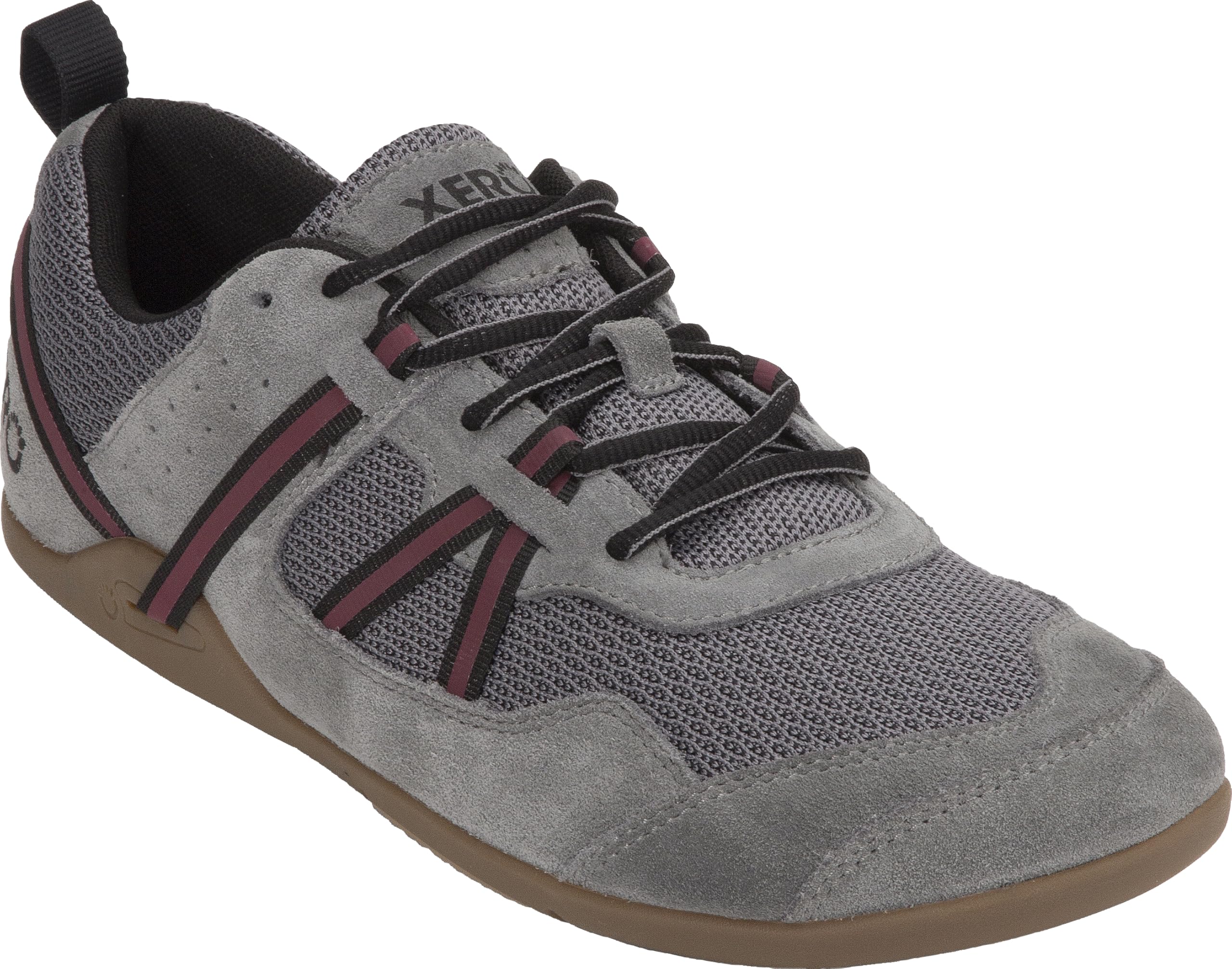
The Xero Shoes Prio Suede delivers incredible value for anyone transitioning to wide barefoot footwear. The 11mm FeelTrue sole provides a balanced middle ground — enough protection for concrete and light trails while remaining flexible enough to roll and fold in your hand. The suede upper adds durability and a touch of style, making these shoes versatile for both casual outings and light workouts. Users report significant improvements in posture and reduced limp after months of wear.
The toe box is wide but not extreme — it allows good splay for average wide feet, though those with very high-volume or extra-wide toes might feel slightly constrained. The huarache-style lacing system offers excellent adjustability, letting you fine-tune the fit across the midfoot. Some reviewers note the laces can be prone to splicing over time, but the overall construction quality holds up well for the price point.
One consistent feedback is the shoe’s lack of arch support and padding, which is intentional for barefoot training. Your foot muscles must work harder, which strengthens them over time. The Prio Suede is not ideal for cold weather due to its breathable construction, but it excels as a warm-weather daily driver. For the price, it’s hard to beat the combination of width, ground feel, and durability.
Why it’s great
- Excellent value with high durability for the price
- Adjustable huarache lacing for custom fit
- Good ground feel without sacrificing protection
Good to know
- Toe box generous but not extreme for very wide feet
- Laces may fray; not ideal for cold weather
4. Merrell Mens Wrapt Mid Waterproof
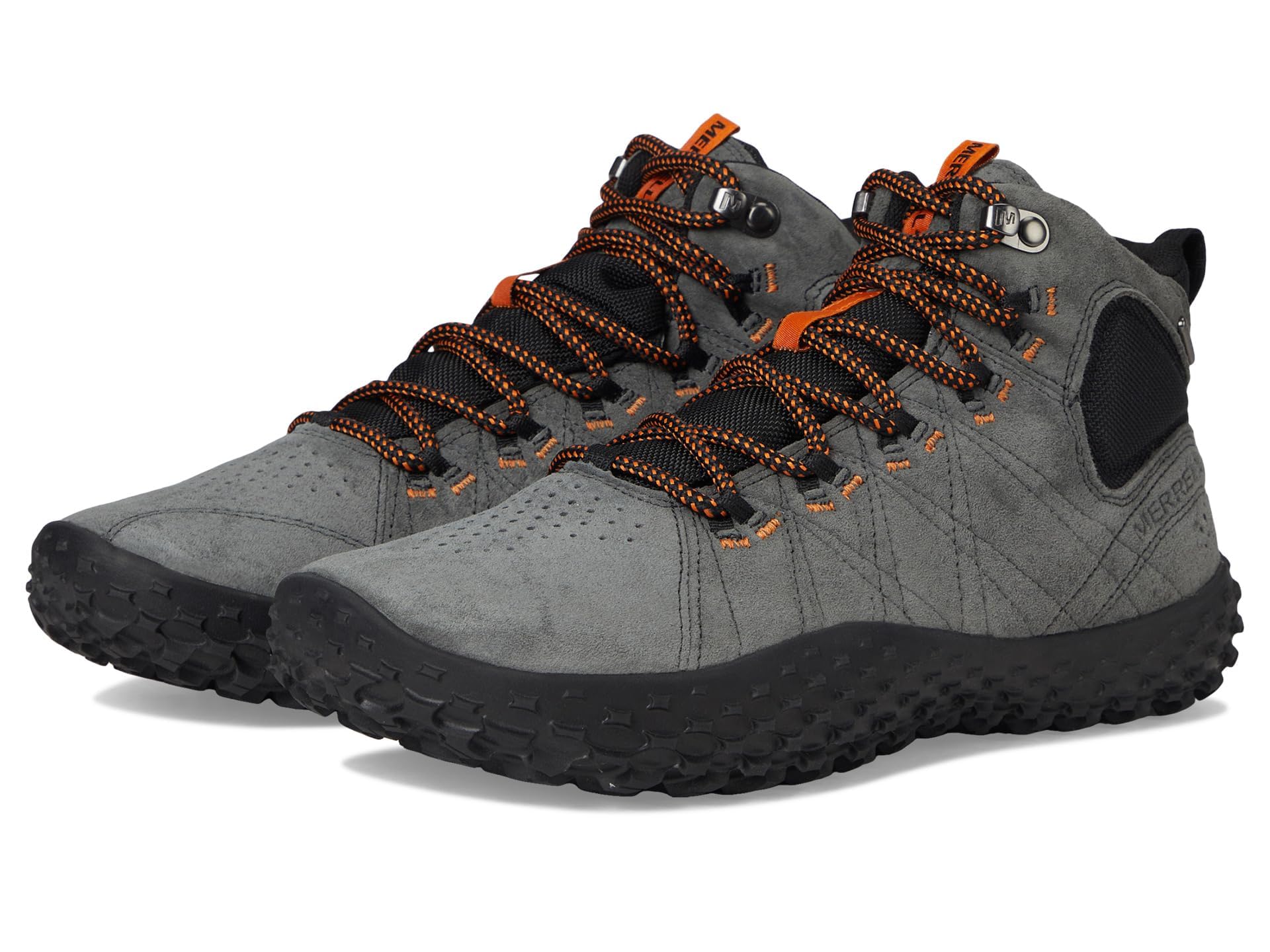
The Merrell Wrapt Mid Waterproof stands out as the only mid-cut boot in this guide, providing ankle coverage without sacrificing the barefoot philosophy. The flat heel and flexible sole maintain a zero-drop experience, while the waterproof membrane keeps feet dry in wet grass, rain, and shallow puddles. The Vibram outsole delivers reliable traction on trails and muddy paths, making this a solid choice for hikers who need weather protection in a minimalist package.
The toe box is notably wide — some users with average-width feet report excessive movement inside the shoe, even when laced tightly. This makes the Wrapt Mid best suited for those with genuinely wide or high-volume feet who need extra internal space. The round toe shape allows for natural splay without pinching. The boot is lightweight and breathable for its category, reducing fatigue during long treks.
On the downside, the waterproofing can make the boot less breathable in hot conditions, and the ankle collar may feel restrictive for those used to low-top barefoot shoes. The lack of significant arch support is intentional but may require a transition period for newcomers. For wet-weather hiking with wide feet, this boot is a niche but effective option.
Why it’s great
- Waterproof membrane for wet conditions
- Very wide toe box for high-volume feet
- Good traction from Vibram outsole
Good to know
- May feel too roomy for average-width feet
- Less breathable in warm weather
5. Xero Shoes Women’s Prio Neo Barefoot Training Shoe
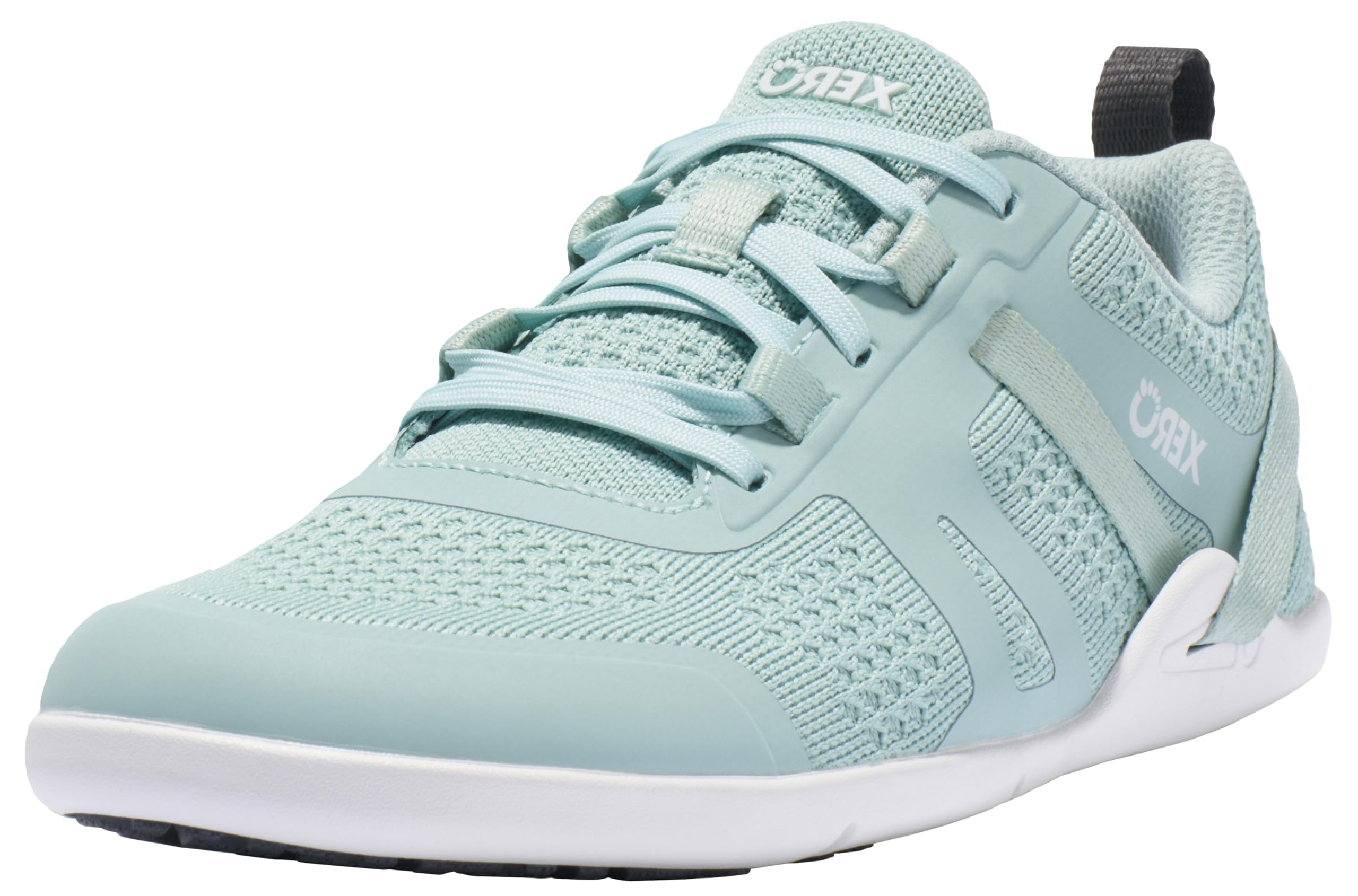
The Xero Shoes Prio Neo is a versatile training shoe that works equally well for casual walking, gym sessions, and light hiking. The 11mm FeelTrue sole offers a balanced ground feel, and the removable insole lets you customize the level of barefoot experience — wear it with the insole for a softer transition or remove it for a more direct connection. The wide toe box accommodates common foot issues like Morton’s toe and hammer toes without discomfort.
Users transitioning from traditional padded running shoes like Brooks Glycerine report an adjustment period involving calf and knee soreness, which is normal as the foot strengthens. The Prio Neo’s stretchy upper material provides a sock-like fit that hugs the midfoot while leaving room for toe splay. The lace closure allows for fine adjustment, though some reviewers find the laces excessively long and prone to dragging.
Durability appears solid for daily wear, with the sole holding up well on pavement and light trails. The non-water-resistant upper means wet conditions are best avoided. The Prio Neo is a reliable entry point for anyone wanting to explore barefoot training without committing to an ultra-thin sole. It’s comfortable enough for all-day wear once your feet adapt.
Why it’s great
- Removable insole for adjustable barefoot feel
- Wide toe box accommodates toe deformities
- Comfortable for all-day wear after transition
Good to know
- Laces are excessively long
- Not waterproof; limited in wet weather
6. New Balance Men’s Minimus Tr V2

The New Balance Minimus TR V2 is a cross-training shoe that brings a zero-drop platform to the gym at an accessible price point. The 12mm stack provides more cushioning than pure barefoot models, making it a gentler transition shoe for those coming from traditional sneakers. The wide sole offers good stability for weightlifting and agility drills, and the grippy rubber outsole handles gym floors and light pavement without slipping.
Sizing is the biggest consideration here — the Minimus TR V2 runs small and narrow. Many users recommend ordering one full size up and opting for the Wide variant to get proper toe room. Even then, the toe box is not as spacious as dedicated barefoot brands like ALTRA or Vivobarefoot. The neoprene tongue can slide around during wear, which some find annoying during dynamic movements.
For gym use, this shoe excels at P90x, CrossFit, and general lifting. It’s not designed for long-distance running or rough trails. The overall build quality is good, though some long-time Minimus fans were disappointed by the V2’s added stiffness compared to the V1. As an entry-level minimalist training shoe with a zero-drop profile, it offers solid value for the price.
Why it’s great
- Good stability for weightlifting and gym work
- Zero-drop platform at a budget-friendly price
- Grippy sole handles gym and pavement well
Good to know
- Runs small and narrow; size up significantly
- Stiffer sole than true barefoot shoes
7. New Balance Men’s MT10V1 Minimus Trail Running Shoe
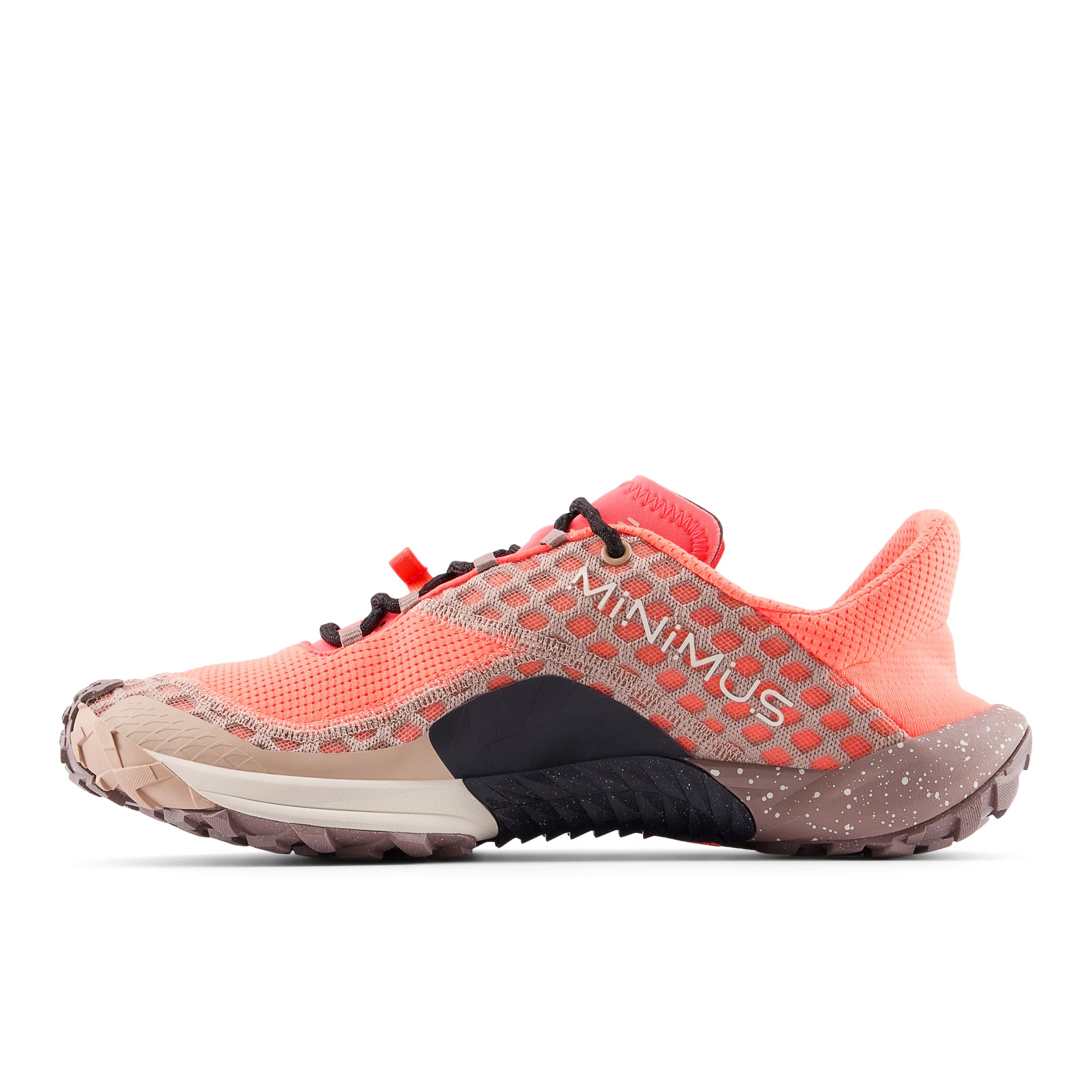
The New Balance MT10V1 Minimus Trail is a lightweight trail runner that prioritizes ground feel and agility on smooth paths. The Vibram outsole provides excellent traction on dry trails and wet rocks, and the minimal EVA cushioning retains a close-to-ground sensation. The shoe is notably narrow inside, which is a critical limitation for wide-footed buyers — multiple reviews confirm the interior is tight and not suitable for those with broad feet.
Reviewers praise the shoe’s breathability and quick-drying properties, making it ideal for summer trail runs or wet-weather excursions. The flexible sole bends easily in your hands, and the zero-drop platform encourages a natural forefoot strike. For those with narrow to average-width feet, this is a fantastic trail running option. For wide feet, proceed with caution and consider sizing up or looking at the other options on this list.
The MT10V1 is best suited for smooth trails and road-to-trail transitions. Rough, rocky terrain will transmit sharp sensations through the thin sole. The shoe is extremely lightweight, and many users describe it as feeling like a slipper. It’s a niche pick within the guide — excellent for its intended purpose, but the width limitation is a dealbreaker for many wide-footed buyers.
Why it’s great
- Excellent traction for smooth trails
- Ultra-lightweight and breathable
- Flexible sole with good ground feel
Good to know
- Narrow interior, not suitable for wide feet
- Thin sole transmits sharp rock sensations
FAQ
How do I measure my foot width for barefoot shoes?
Can barefoot shoes help with bunions or hammertoes?
How long does it take to transition to zero-drop wide shoes?
Are barefoot shoes with wide toe boxes good for hiking?
Final Thoughts: The Verdict
For most users, the best barefoot shoes for wide feet winner is the ALTRA Lone Peak 9 because its Original FootShape toe box offers the most consistent and reliable fit for genuinely wide feet while providing protection for trails and daily wear. If you want the most ground feel and a gym-focused design, grab the Vivobarefoot Primus Lite 3.5. And for wet-weather hiking with a roomy fit, nothing beats the Merrell Wrapt Mid Waterproof.