
Transitioning to barefoot shoes is one of the most direct ways to rebuild foot strength, but the shift from a cushioned, high-drop sneaker to a zero-drop, flexible sole is a genuine physical challenge. The wrong pair can sideline you with calf strain or plantar fascia pain before your feet ever get a chance to adapt. The real question isn’t just which shoe is minimal—it’s which one provides the right ground feel, toe splay, and durability for your specific foot shape and daily routine.
I’m Min — the co-founder and writer behind Gadgets Feed. I’ve spent countless hours analyzing the technical specs, real-world wear patterns, and foot-health mechanics that separate a genuinely effective barefoot shoe from one that merely looks the part.
This guide breaks down the best options across different use cases—from trail performance to gym training—to help you find the right barefoot shoes sneakers for your transition.
How To Choose The Best Barefoot Shoes Sneakers
Picking a barefoot shoe is not like picking a standard sneaker. The entire design philosophy is inverted: less support means more natural movement, but only if the shoe fits your foot architecture correctly. You must evaluate stack height, toe box shape, sole flexibility, and material breathability as a system, not as isolated features.
Understand Stack Height and Ground Feel
Stack height is the total thickness of the sole between your foot and the ground. True barefoot shoes keep this between 3mm and 8mm. A thinner stack gives you more sensory feedback—every pebble and texture—but also demands more from your foot muscles. If you’re new to this category, a mid-range stack around 6mm allows a safer transition than an ultra-thin 3mm sole.
Prioritize Toe Box Volume and Shape
The toe box must allow your toes to splay fully without compression. Look for a foot-shaped last that mirrors the natural widest point at the toes, not at the ball of the foot. Shoes with a narrow toe box defeat the purpose of going barefoot, as they restrict the natural spreading motion that stabilizes your gait.
Check the Sole Flexibility and Tread
A barefoot sole should be flexible enough to twist and fold in your hands without resistance. If the sole doesn’t bend easily at the ball of the foot, it’s too stiff for natural movement. For road use, a smooth or low-profile tread works fine. For trails, look for a thin depth of 2-3mm lugs that provide grip without interfering with ground feel.
Quick Comparison
On smaller screens, swipe sideways to see the full table.
| Model | Category | Best For | Key Spec | Amazon |
|---|---|---|---|---|
| Vivobarefoot Primus Lite 3.5 | Premium | Training & Everyday | Ultra-thin sole, 3mm stack | Amazon |
| Vivobarefoot Motus Flex | Premium | Calisthenics & Primal Movement | Maximum barefoot feel, flexible | Amazon |
| Vivobarefoot Primus Trail II FG | Premium | Off-Road & Hiking | Puncture-resistant, water resistant | Amazon |
| FLUX FOOTWEAR Adapt Runner | Mid-Range | Walking & Running | Zero-drop, replaceable insoles | Amazon |
| Merrell Vapor Glove 6 Leather | Mid-Range | Trail Running & Casual | 6mm stack, Vibram outsole | Amazon |
| Xero Shoes HFS II | Mid-Range | Running & HIIT | Thicker sole for longer walks | Amazon |
| Xero Shoes Prio Neo | Entry-Level | Training & First Transition | Removable insole, flexible | Amazon |
In‑Depth Reviews
1. Vivobarefoot Primus Lite 3.5

The Primus Lite 3.5 is the benchmark for a training-oriented barefoot shoe that doesn’t compromise on ground feel. Its ultra-thin sole, combined with a durable hexagonal tread pattern, delivers consistent traction on gym floors, pavement, and light trails. The breathable black mesh upper prevents overheating during high-intensity sessions, and wearers report excellent durability even after logging 10,000 steps daily.
Sizing is the critical detail here. Multiple verified reviews confirm you should size down a full size from your Brannock measurement to achieve the correct fit. The toe box, while generous for a performance shoe, still runs slightly narrower than dedicated wide-foot models, so those with very broad forefeet may find the space restrictive.
For users transitioning from traditional sneakers or already accustomed to zero-drop footwear, the Primus Lite 3.5 offers a near-seamless experience across walking, lifting, and HIIT. The vegan construction and lack of interior seams also make it a strong choice for sockless wear in warmer conditions.
Why it’s great
- Excellent ground feel with durable hexagonal tread
- Breathable mesh upper reduces odor and overheating
- Versatile for gym, running, and daily wear
Good to know
- Requires sizing down a full size for proper fit
- Toe box may feel narrow for very wide feet
2. Vivobarefoot Motus Flex

The Motus Flex is Vivobarefoot’s most dedicated performance trainer, engineered specifically for calisthenics, primal movement, and bodyweight training. Its zero-drop sole and wide toe box deliver what many describe as the most natural barefoot sensation available in a commercial shoe. The flexibility is remarkable—the sole bends and twists without resistance, allowing your foot to grip and articulate naturally.
Durability is a standout feature here. Buyers report that after a year of frequent use, the upper shows minimal wear and the sole retains its structure without delamination. The fit runs large, with most finding that sizing down a full size from their typical US measurement produces a secure, heel-locked fit. The drawstring lace system is functional but can be overly long, though it’s easily tucked.
This shoe is ideal for those who prioritize maximum sensory feedback and foot mobility over protection. It’s less suited for rough trails or long-distance road running where a thicker sole would offer more cushioning, but for controlled training environments, it’s unmatched.
Why it’s great
- Unmatched flexibility for natural foot articulation
- Highly durable construction with minimal wear over time
- Excellent for strength training and mobility work
Good to know
- Runs large; most need to size down a full size
- Thin sole provides minimal impact protection
3. Vivobarefoot Primus Trail II FG

The Primus Trail II FG is purpose-built for off-road environments where sharp rocks, wet terrain, and uneven surfaces are the norm. Its puncture-resistant sole and water-resistant upper provide a level of protection that standard barefoot shoes lack, without significantly sacrificing ground feel. The sole is tough enough to handle rocky paths while still allowing you to sense the texture beneath your feet.
This shoe serves as a versatile one-shoe solution for runners, hikers, and even those who need a durable option for outdoor work or yard chores. The ankle collar is designed to prevent debris entry and blisters, though some users report the tongue slides down during use and that the shoe lacks a heel counter, requiring a shoehorn for easy entry.
For anyone looking to maintain a barefoot gait on technical trails, the Primus Trail II FG is a top-tier choice. It’s not recommended for formal settings due to its distinctly casual appearance, but for everyday outdoor activity and moderate exercise, it excels.
Why it’s great
- Puncture-resistant sole protects against sharp rocks
- Water-resistant upper for all-weather use
- Versatile for running, hiking, and outdoor work
Good to know
- No half sizes; may require insole removal for fit
- Tongue slides down during wear
4. FLUX FOOTWEAR Adapt Runner
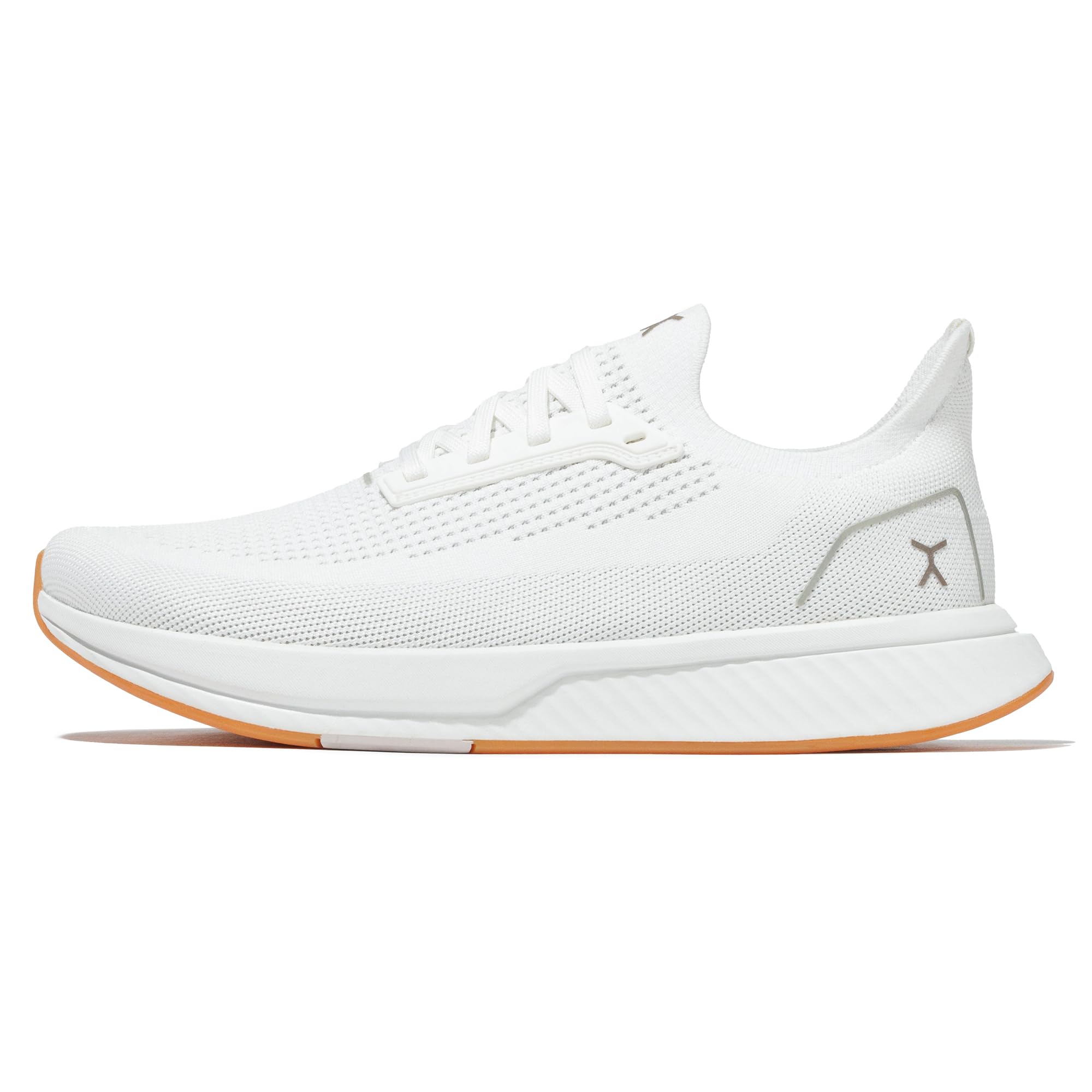
The FLUX FOOTWEAR Adapt Runner delivers a solid barefoot experience at a mid-range price point without cutting corners on the essentials. The shoe features a genuine wide toe box that allows full toe splay, a zero-drop platform that promotes natural gait, and replaceable insoles for customizing the level of ground feel. Buyers consistently note its effectiveness in reducing back and knee pain after prolonged standing.
Sizing is the main challenge here. Multiple reviews emphasize that the Adapt Runner fits small and recommend going up half a size to a full size and a half for the most comfortable fit. The construction requires a gradual break-in period as the sole and upper initially feel stiff. However, once broken in, the durability exceeds expectations, with some users reporting over a year of daily wear without failure.
This is a strong pick for walkers and runners who want a reliable, budget-conscious entry into barefoot footwear. Machine-washable construction also simplifies maintenance, though bleach should be avoided to prevent color alteration.
Why it’s great
- Wide toe box allows natural toe splay
- Replaceable insoles for customizable feel
- Machine-washable for easy care
Good to know
- Sizing is tricky; most need to go up 0.5-1.5 sizes
- Requires a gradual break-in period due to initial stiffness
5. Merrell Vapor Glove 6 Leather
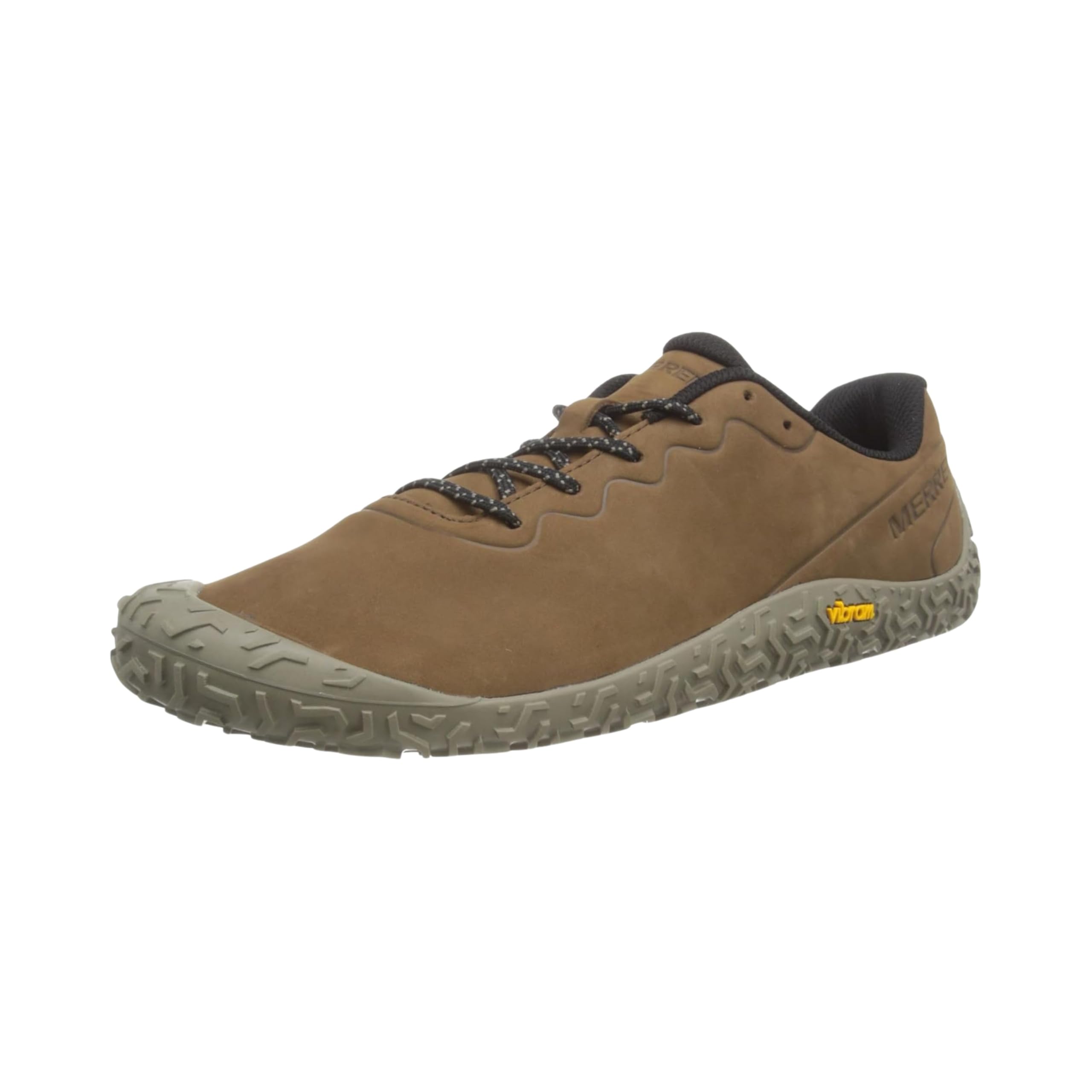
The Vapor Glove 6 Leather is Merrell’s most minimal trail running shoe, combining a 6mm stack height with a full leather upper for a durable, everyday aesthetic. The Vibram EcoStep outsole, made with 30% recycled rubber, provides reliable traction on both wet and dry surfaces without adding bulk. The 2.5mm lug depth offers grip without sacrificing the ground feel that defines the barefoot experience.
This version is noticeably tougher than Merrell’s sportier barefoot models. The leather upper resists breakdown and gives the shoe a more refined look suitable for casual office environments or data center floors. The fit is best suited for narrow to medium-width feet, and the recycled linings and Cleansport NXT treatment help manage odor during extended wear.
For users who need a barefoot shoe that transitions from trail to workspace, the Vapor Glove 6 Leather strikes a unique balance. The weight is moderate at 9.17 ounces for a men’s half pair, making it heavier than mesh trainers but still light enough for daily wear.
Why it’s great
- Durable leather upper with a more refined look
- Vibram outsole provides solid wet/dry traction
- Transition-friendly for trail and casual wear
Good to know
- Fit is geared toward narrow to medium feet
- Heavier than mesh-based barefoot trainers
6. Xero Shoes HFS II
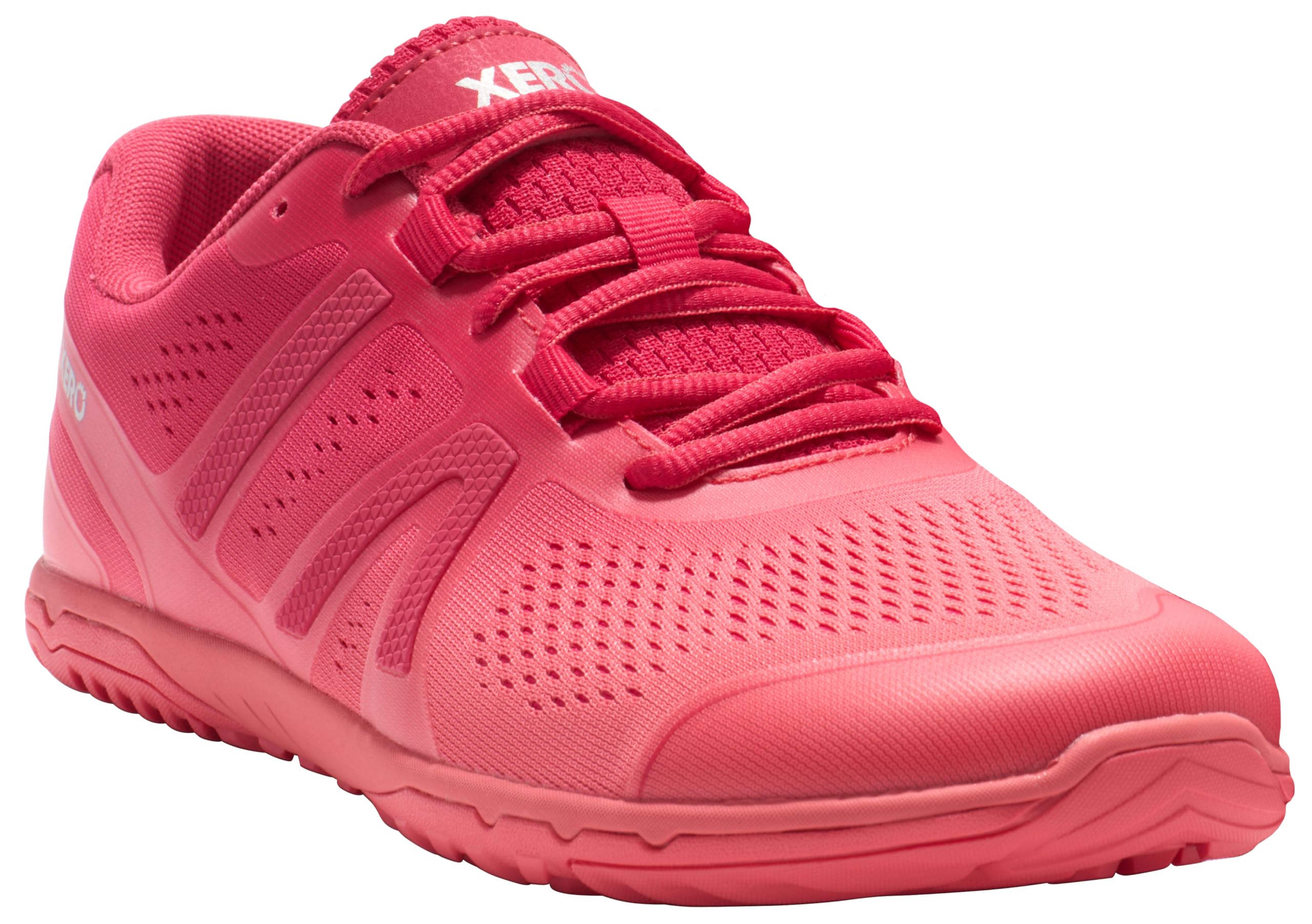
The Xero HFS II is designed for runners and walkers who want a barefoot feel but need a bit more sole substance for longer distances. Compared to the more flexible Prio, the HFS II features a thicker, sturdier sole that holds up well on 12-mile walks without excessive fatigue. The zero-drop platform and lightweight construction preserve the natural gait mechanics, while the upper accommodates both narrow and wide feet through adjustable lacing.
Fit nuances are critical here. Several reviews note that the HFS II runs slightly narrower than the Prio, and that sizing down half a size from your normal Xero size is necessary to avoid heel slippage. The laces are functional but stiff, and the color options are more muted than promotional images suggest—the gray variant leans toward dark gray rather than purple.
This shoe is a strong option for those who have already acclimated to barefoot footwear and want a dedicated shoe for running and HIIT. Beginners may find the stiffer sole less forgiving during the transition period.
Why it’s great
- Thicker sole provides better endurance on long walks
- Lightweight and flexible for running and HIIT
- Fits both narrow and wide feet with adjustable lacing
Good to know
- Narrower than the Prio; may feel tight for wide feet
- Requires sizing down half a size from normal Xero size
7. Xero Shoes Prio Neo
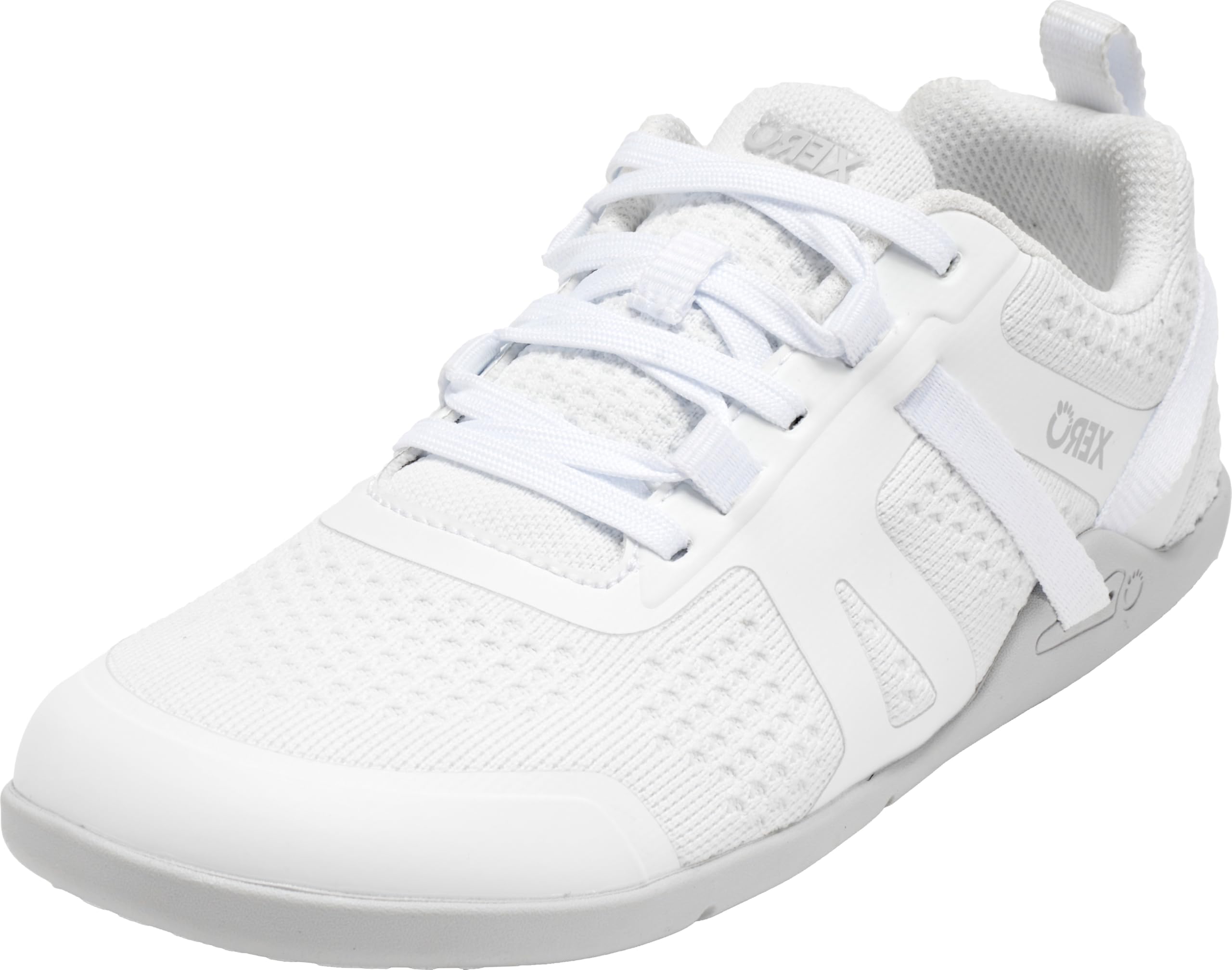
The Xero Prio Neo is widely considered the go-to entry point for anyone transitioning from conventional footwear. Its flexible sole and removable insole allow new users to ease into the barefoot experience by starting with the insole for slight cushioning before removing it for full ground feel. The wide toe box is immediately noticeable—users with Morton’s toe, hammer toes, or bunions report instant relief from the compression they felt in traditional sneakers.
The transition period is real, however. The shift from a 10mm drop sneaker to the Prio’s zero-drop platform can cause calf and knee pain during the first week, as the Achilles and plantar fascia adjust to the new demands. Most users report that symptoms subside within two weeks as gait mechanics improve and the foot muscles strengthen. The shoelaces are notoriously long and prone to untying, so a double knot is advisable.
For the price, the Prio Neo delivers exceptional value as a training shoe and daily walker. It’s comfortable straight out of the box for short periods and offers the most forgiving learning curve among barefoot options at this price point.
Why it’s great
- Removable insole allows gradual transition to barefoot feel
- Wide toe box relieves pressure on toes and bunions
- Flexible sole promotes natural foot movement
Good to know
- Transition from high-drop shoes can cause calf/knee pain
- Shoelaces are excessively long and require double knotting
FAQ
How long does it take to transition to barefoot shoes?
Should I size up or down in barefoot shoes?
Can I wear barefoot shoes if I have flat feet?
Final Thoughts: The Verdict
For most users, the barefoot shoes sneakers winner is the Vivobarefoot Primus Lite 3.5 because it delivers the best balance of ground feel, durability, and everyday versatility. If you want maximum sensory feedback for training, grab the Vivobarefoot Motus Flex. And for off-road durability with puncture protection, nothing beats the Vivobarefoot Primus Trail II FG.