
Our readers keep the lights on and my morning glass full of iced black tea. As an Amazon Associate, I earn from qualifying purchases.
Specs are compiled from manufacturer listings and verified buyer reviews and can change over time — please confirm the key details on the product page before buying.
Most skate shoes punish your feet with narrow toe boxes and raised heels that throw off your balance. Barefoot skate shoes flip that script by letting your foot spread naturally on a flat, flexible sole, so you feel the board beneath you instead of guessing through a thick slab of foam. The real question is which one delivers that ground connection without falling apart after a few sessions.
I’m Min — the founder and writer behind Gadgets Feed. This guide is built by comparing the manufacturers’ published specifications and the patterns across verified customer reviews, so you get each pick’s real strengths and trade-offs instead of marketing spin.
If you want a grip-friendly, flat-soled shoe that lets your toes splay out naturally, the barefoot skate shoes on this list deliver the wide toe box and zero-drop feel you need for board control.
Our Picks at a Glance
How To Choose The Best Barefoot Skate Shoes
Buying barefoot skate shoes is less about style and more about how the sole and toe box work with your foot’s natural mechanics. The right pair should feel like a second skin, letting you grip the board and feel every vibration without cramping your toes.
Zero Drop Is Non-Negotiable
Zero drop means the heel and forefoot sit at the same height, so your foot rests flat like it would barefoot. This keeps your weight evenly distributed and your balance centered over the board, unlike traditional skate shoes with a raised heel that tilts you forward.
Wide Toe Box Lets Your Toes Spread
A wide toe box gives your toes room to splay out and grip the board’s surface naturally. If your toes are squeezed together, you lose that subtle feedback that tells you where the board is under your feet, and you risk long-term foot strain.
Flexible Sole for Ground Connection
The sole needs to bend easily with your foot so you can feel the board’s texture and respond instantly. A stiff sole deadens that sensation and makes you work harder to control your tricks, so look for thin, flexible materials that move with you.
Quick Comparison
In‑Depth Reviews
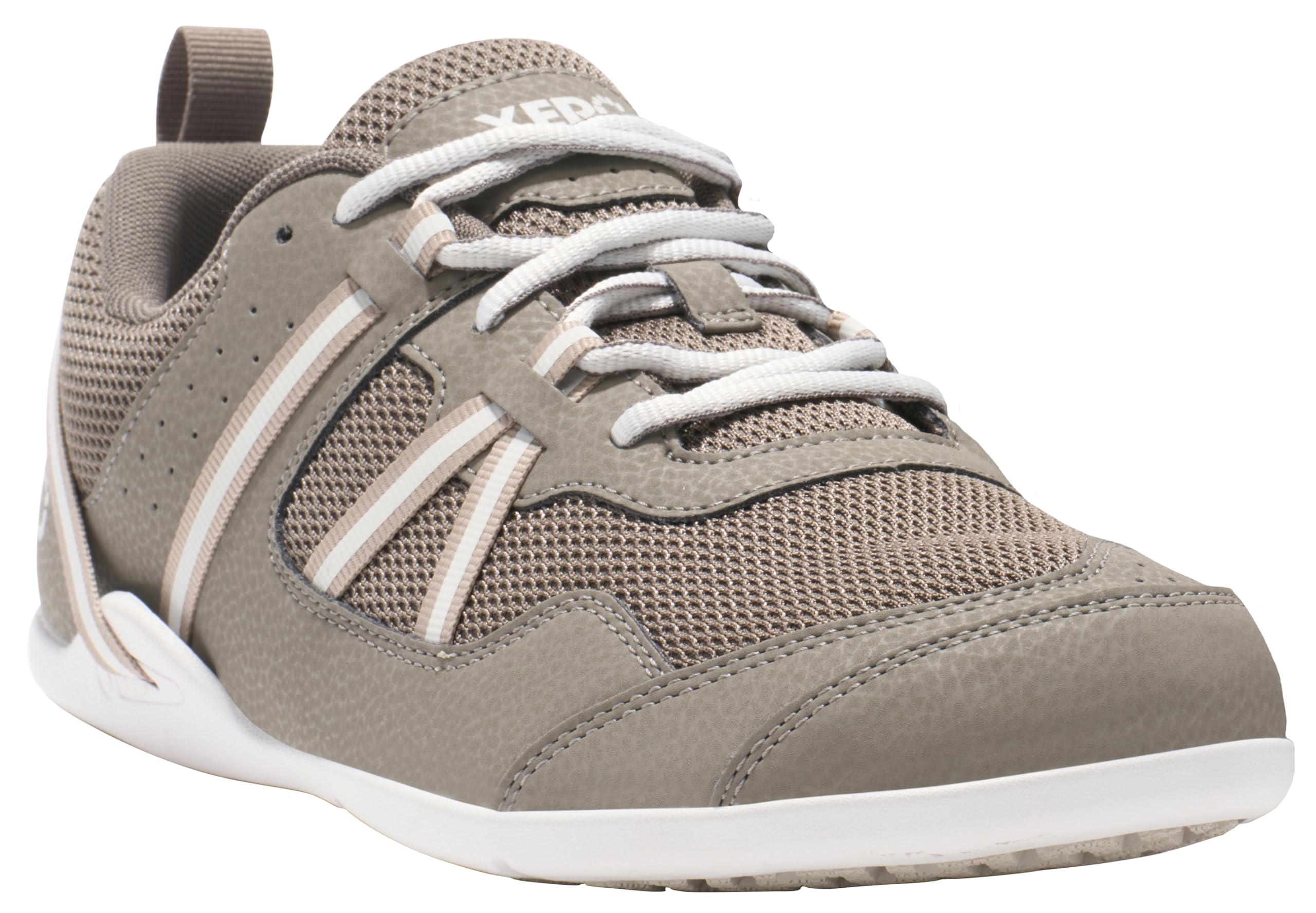
1. Xero Shoes Men’s Prio Barefoot Athletic Sneaker
Our pick — over 4★ from 3,000+ verified ratings; the strongest balance of quality and price.
The crowd-pleasing trainer that proves barefoot shoes don’t have to look like clown shoes.
The Xero Prio is the most versatile pick here, and it’s the one owners keep coming back to for everything from gym sessions to casual daily wear. The wide toe box and zero-drop flat sole give you that barefoot feel without the weird looks, and the cushioning is just enough to keep you comfortable without killing your ground connection. The crowd favorite holds a 4.3-star rating across thousands of owners, making it the safest bet if you’re new to this style.
Quality is the thing everyone raves about, with over 500 owners singling it out, followed closely by comfort with 400-plus mentions. Buyers report improved foot strength and agility after a week of adjustment, with several noting relief from foot and knee pain that orthotics didn’t fix. It’s also machine-washable, so you can toss it in the wash after a sweaty session and have it ready for the next day.
The honest trade-off is durability on the sole. Owners mention the sole wears fast, lasting around 1000-1500 miles of heavy use, which falls short of what you might expect from a shoe built to last. The toe width also isn’t the absolute widest in the barefoot category, so if you have extremely wide feet, you might want to size up or look at other options.
Why it wins: You get a shoe that works for both skate sessions and everyday errands without switching pairs, and the Prio delivers that versatility at a price that undercuts many dedicated skate shoes. Its wide toe box (the roomy front section that lets your toes spread naturally) helps you grip the board better, while the zero-drop sole (a flat sole with no heel lift) keeps your foot level for stable landings. Customers note the sole lasts through months of daily pushes and ollies, so you are not replacing it every season. If you want one shoe that does not force you to choose between board feel and walking comfort, this is the one to grab.
Keep in mind: The sole wears faster than some would like, so if you’re hammering miles of pavement, be prepared to replace it sooner than you’d hope.
Reach for this if: You want one shoe that handles the gym, the board, and everyday life without looking like a specialty product.
Look elsewhere if: You have very wide feet and need maximum toe splay, since the Prio isn’t the widest barefoot option out there.
2. Xero Shoes Men’s Dillon Canvas Slip-On Barefoot Loafers
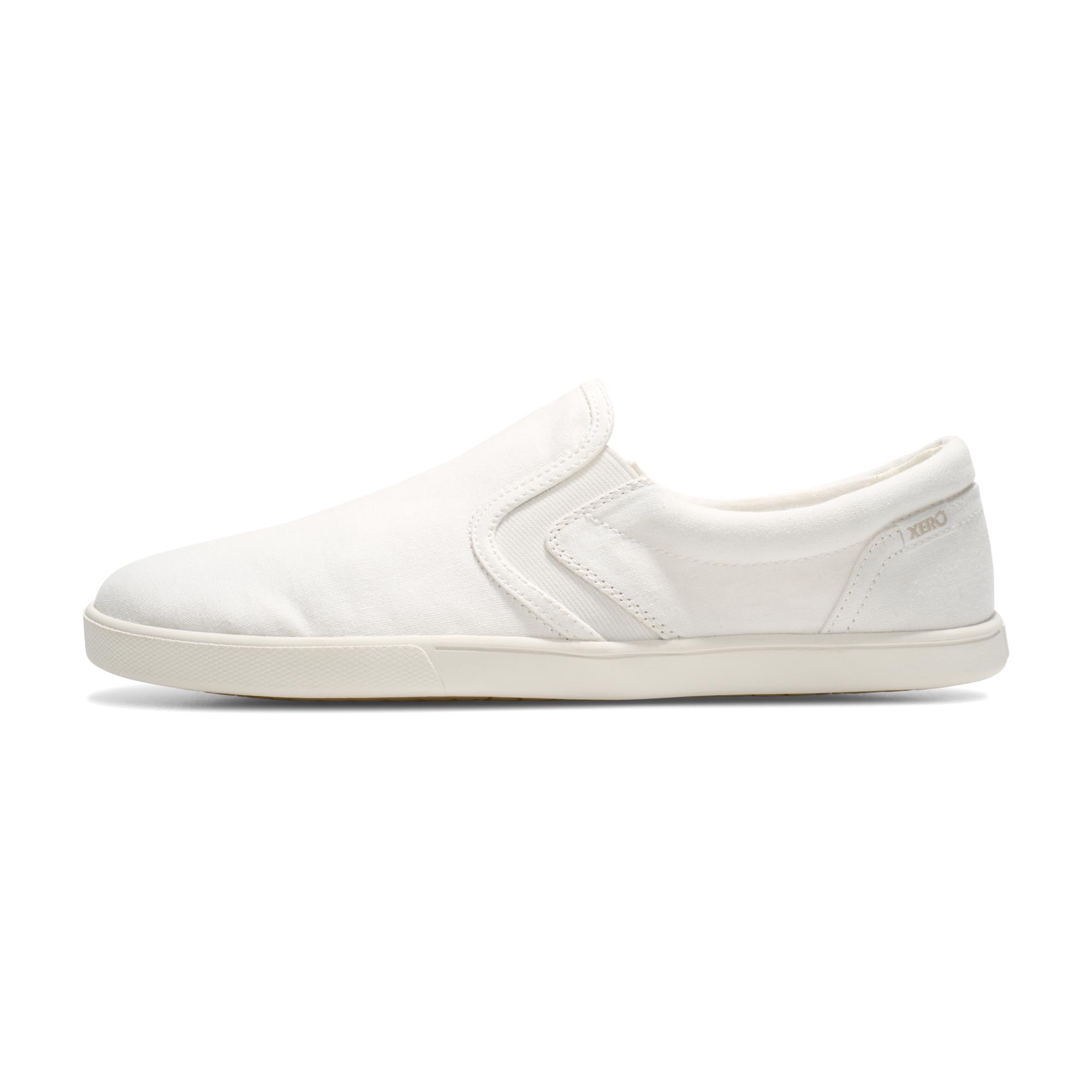
A barefoot loafer that looks like Vans and disappears on your feet by midday.
The Dillon is the pick for skaters who want the barefoot benefits without the athletic-shoe look, offering a Vans-style slip-on silhouette that blends into your everyday wardrobe. The quality is what wins people over, with 14 owners praising the build, and the comfort follows close behind with 9 mentions. Reviewers point out that a size 13 fits a men’s 13 well, and several note they’re so comfortable they forget they’re wearing them, even around the house.
Unlike the Prio’s athletic construction, the Dillon is a canvas slip-on with a wide toe box that still looks normal, earning compliments when you’re out. The sole traction gets solid marks, and one owner noted they’re comfortable for miles at conferences, making them a great choice for all-day wear. The run of the shoe runs small, though, so sizing up is a common theme across reviews.
The catch is the fit inconsistency. Some shoppers say the shoes run short and narrow, with one noting the right shoe was too tight to even get their foot into despite matching the label size. It’s a mixed bag on fit, so ordering a half size up is the safer play, and you should be ready for the possibility of a mismatch.
What owners love
- Quality construction that’s built to last
- Comfortable enough to forget you’re wearing them
- Style that looks like normal Vans, not specialty shoes
What needs attention
- Fit runs small and narrow, so size up
- Occasional mismatch between left and right shoe fit
Perfect for: Skaters who want barefoot benefits in a casual slip-on that looks great with everyday outfits.
Think twice if: You have wide feet, since the fit runs narrow and sizing up might not fully solve the tightness.
3. Flux Footwear Adapt Knit Trainers Wide Toe Box Zero Drop Training Sneakers
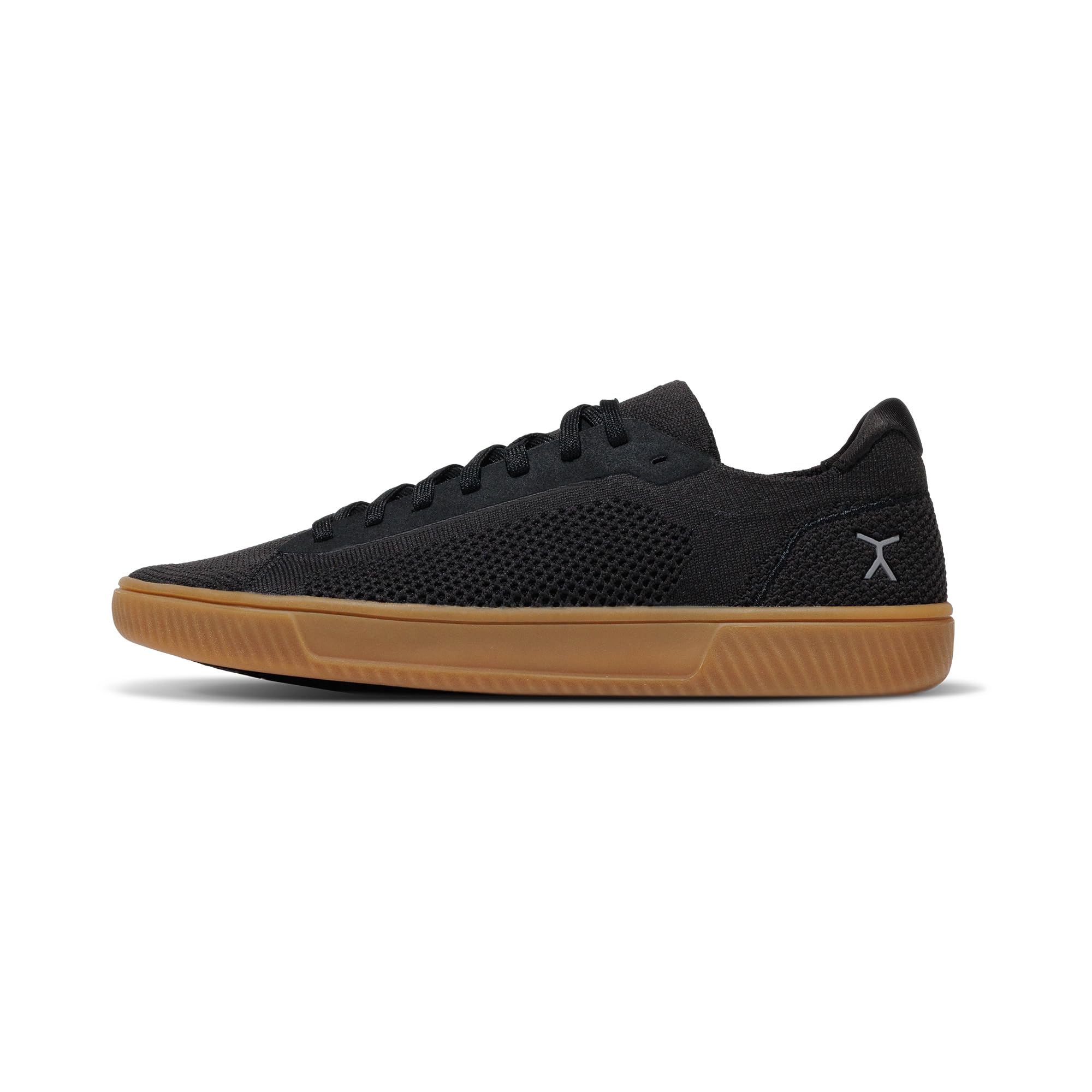
The all-day trainer that’s become the daily driver for owners with foot pain and bunions.
The Flux Adapt Knit is built for natural movement, with a wide toe box and flexible zero-drop sole that owners say they’ve worn almost every day since buying them. Comfort is the standout feature, with 26 owners praising it, and foot support follows with 11 mentions. Buyers report relief from back and foot pain, with one even recommending them to patients, though that’s a personal endorsement, not a medical claim.
What sets the Flux apart is its versatility — it works with real clothes or workout clothes, holds up for all-day standing, and is stable enough for the gym. The knit upper is light and stylish, and owners note it’s a great fit for flat and wide feet, with one bunion sufferer reporting no pain while wearing them. It’s true to size but runs a bit large, so sizing down slightly is the common advice.
The fit is the main point of debate. Some owners find the shoes too large, and one noted a small tear in the shoelace on arrival. It’s not built for running or hiking, despite its training focus, so stick to skateboarding, gym work, and daily wear rather than trail adventures.
The clear strength: All-day comfort with real foot support, making it the best choice for skaters who spend hours on their feet and deal with foot pain.
The trade-off: It runs large, so sizing down is essential, and it’s not meant for high-impact trail use.
Choose this if: You’re on your feet all day and want a shoe that supports your foot while letting it move naturally.
skip it if: You’re planning trail runs or hikes, since this trainer is built for flat surfaces and light training.
4. Notace Men’s Yama 1 Shoe, Trail Running and Hiking Sneakers
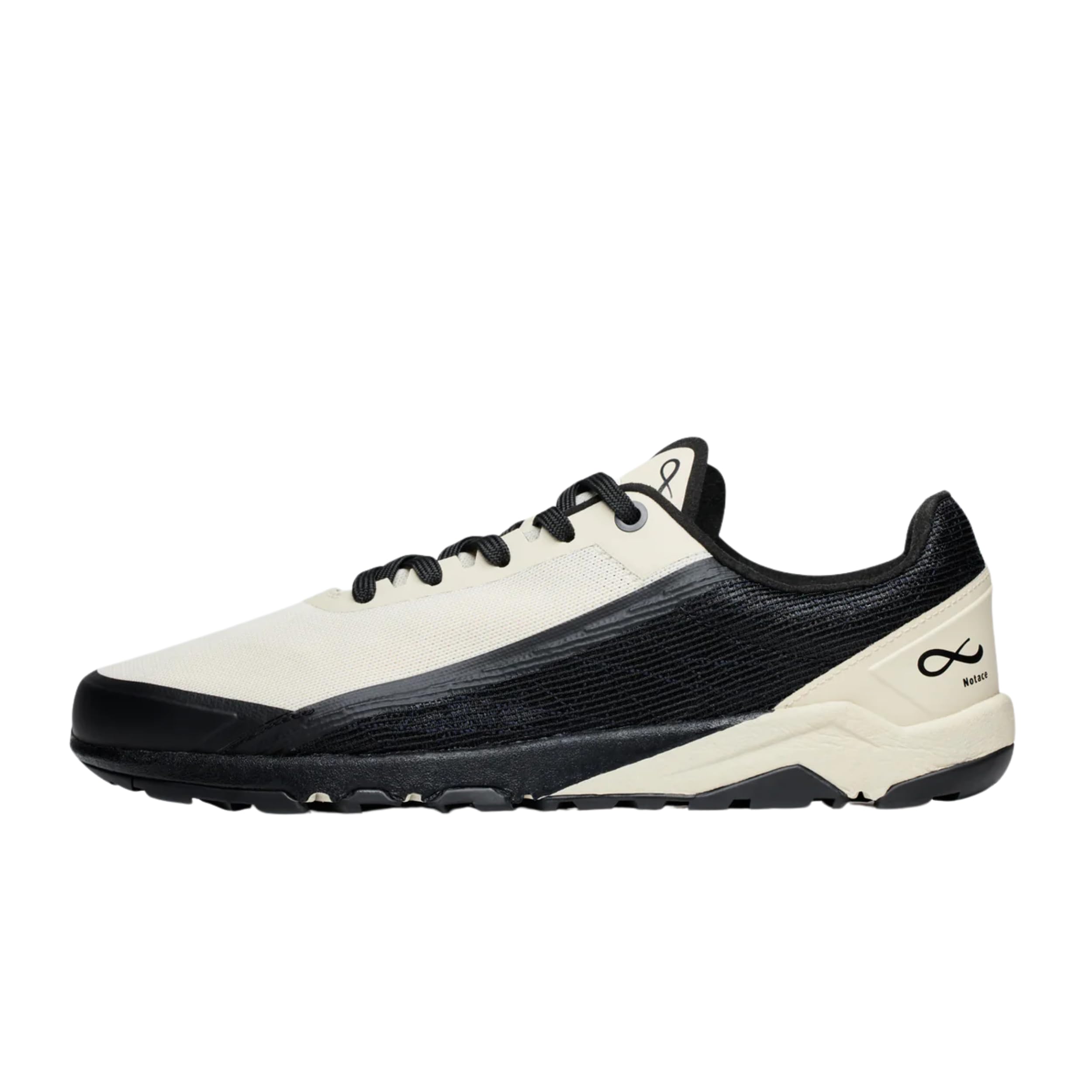
A featherweight trail-to-gym hybrid that disappears on your foot and grips like glue.
The Notace Yama 1 is the lightest option here at 215g (7.58oz) per shoe, and it’s the one owners reach for when they want to feel the ground without any bulk. The zero-drop 0mm heel-to-toe and wide toe box give you that natural foot shape, while the 3mm angled lugs provide reliable grip for braking and climbing. Owners mention the fit is perfect, with one noting their foot feels more comfortable in these than any other shoe they’ve worn.
Compared to the other picks, the Yama 1 is noticeably lighter, and owners say it feels agile and breathable, making it a strong choice for skaters who want maximum board feel. The thick padded sole is good for rocky terrain, and the logo-free design keeps it looking clean and casual. The next-gen eTPU midsole keeps things soft and light, so you stay comfortable even during long sessions.
The flip side is that the minimal cushioning means you feel small stones on the street, so it’s best for light trails and urban riding rather than rough terrain. Sizing runs a bit loose, with some owners suggesting you size down half a size, and there’s no top lace hole for a runner’s knot, which some runners miss.
The payoff
- Extremely light at 215g for agile board feel
- Wide toe box with a natural foot shape
- Angled lugs for reliable grip and traction
The limits
- Minimal cushioning means you feel stones on rough ground
- Runs loose, so sizing down helps
- No runner’s knot hole for a locked-in heel
Best for: Skaters who prioritize a featherlight feel and maximum ground connection for technical board work.
Not for: Anyone who wants plush cushioning or plans to tackle rough, rocky trails, since the thin sole transmits every impact.
Understanding the Specs
Zero Drop vs. Raised Heel
Zero drop means your heel and forefoot sit at the same height, so your foot rests flat like it would barefoot. This keeps your weight centered and your balance stable over the board, while a raised heel tilts you forward and throws off your stance. For skateboarding, a flat sole gives you better board feel and more control.
Wide Toe Box
A wide toe box lets your toes spread out and grip the board’s surface, which improves your balance and feedback. When your toes are squeezed together, you lose that subtle input and risk cramping. Look for shoes that let your toes splay naturally while you ride.
FAQ
Will barefoot shoes work for actual skateboarding?
How long does it take to adjust to zero-drop shoes?
Do I need arch support in a barefoot skate shoe?
How should I size barefoot skate shoes?
Are barefoot shoes durable enough for daily skating?
Can I wear barefoot skate shoes for running too?
Why do my toes feel cramped in some barefoot shoes?
Are slip-on barefoot shoes a good idea for skating?
Final Thoughts: The Verdict
For most skaters, the best barefoot skate shoes pick is the Xero Prio because it balances comfort, quality, and versatility at a price that makes sense for daily use. If you want a casual slip-on that looks like Vans but feels barefoot, the Xero Dillon is the style-forward choice. And for maximum ground feel at a featherlight 215g, the Notace Yama 1 is the one to grab when you want to feel every inch of the board.
How We Picked
We do not accept paid placement. Every pick is matched to a real buyer and a real use-case; we do not hands-on test units.
Sources & Methodology
Specifications: manufacturer listings and product documentation. Review insights: verified customer reviews, as of August 2026. Pricing: not shown on this page (it changes often); check the current price via the retailer link.
As an Amazon Associate, Gadgets Feed earns from qualifying purchases. This does not affect which products we feature.