
Our readers keep the lights on and my morning glass full of iced black tea. As an Amazon Associate, I earn from qualifying purchases.
Specs are compiled from manufacturer listings and verified buyer reviews and can change over time — please confirm the key details on the product page before buying.
Finding winter footwear that keeps your feet warm without squeezing them into a narrow, rigid shape is a real struggle, especially if you have wide feet or you’re used to the natural feel of minimalist shoes. Most insulated boots are built with a cramped toe box and a raised heel that throws off your posture. These boots combine a wide, foot-shaped toe box and a zero-drop sole with the insulation and grip needed for snow and ice.
I’m Min — the founder and writer behind Gadgets Feed. This guide is built by comparing the manufacturers’ published specifications and the patterns across verified customer reviews, so you get each pick’s real strengths and trade-offs instead of marketing spin.
To find true barefoot snow boots that keep feet dry and warm on icy sidewalks, you have to check the sole flexibility, the waterproofing claims, and the fit notes from real owners. This article covers four leading models built for exactly that.
Our Picks at a Glance
How To Choose The Best Barefoot Snow Boots
Shopping for minimalist winter footwear means balancing two goals that sometimes pull against each other: keeping your feet dry and toasty while still letting them move and spread naturally. You want the freedom of a barefoot shoe, but you also need serious protection from freezing temperatures and wet slush.
Zero-Drop and Wide Toe Box Basics
The defining feature of a barefoot boot is its foot-shaped construction. A zero-drop sole means there is no improve heel, so your foot rests flat just like it would on the ground barefoot. The wide toe box gives your toes room to splay out with each step, which many owners say relieves pressure and improves balance. If you have bunions or wide feet, this shape is often the deciding factor. A boot that is marketed as “barefoot” but has a noticeable arch support or a stiff, inflexible sole may not actually deliver that natural feel.
Waterproofing: The Real Test
Waterproofing claims vary widely in real-world use. A “water-resistant” outer material can shrug off light snow, but slushy, wet conditions will soak through over time. True waterproofing usually needs a sealed membrane inside the boot. Reviewers frequently note that a boot handles dry snow beautifully but fails in pouring rain or deep puddles. If you plan to hike through wet, heavy snow, treat waterproofing as your top priority and read the fit notes carefully, as a boot that is not sealed will leave your socks soaked and freezing.
Fit and Sizing: Size Up or Down
Winter boots must accommodate thick wool socks, which can alter the fit significantly. Many buyers report needing to go up half a size or even a full size to accommodate warm socks. Some styles run narrow despite the wide toe box, while others run wide in the heel and cause sliding. Reading the sizing notes from real buyers is the most reliable way to get your fit right the first time, since returning winter boots in the middle of a cold snap is a hassle you want to avoid.
Quick Comparison
| Model | Best For | Toe Box & Drop | Warmth | Waterproofing | Amazon |
|---|---|---|---|---|---|
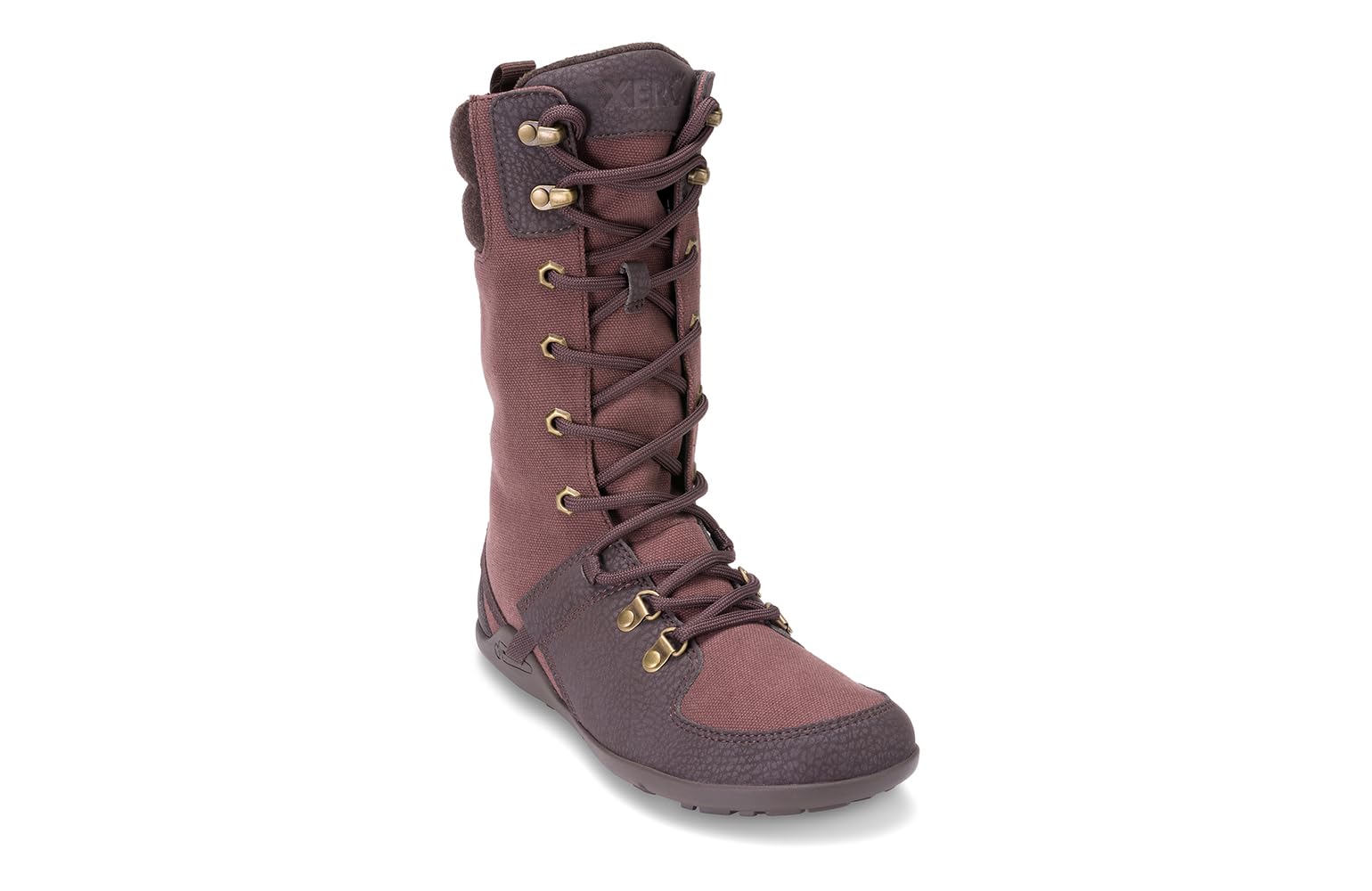
| Xero Mika Boots★ Best Overall | Deep snow & extreme cold | Zero Drop | Warm to below zero | Water-resistant (light snow) | Amazon |
| Xero Alpine Boots | Bunions & wide feet | Zero Drop | Very warm | Mixed reviews | Amazon |
| Hike Kasdava Pro | Trails & balance | Zero Drop | Warm inner lining | Water-resistant | Amazon |
| Merrell Frost Glove | Splashing through puddles | Low-profile sole | Lightweight heat retention | Fully waterproof | Amazon |
In-Depth Reviews
1. Xero Shoes Women’s Mika Boots
Our pick — 4.5★ from 150+ verified ratings; the strongest balance of quality and price.
The deep-snow champion that owners say they could live in all winter long.
If your winter includes serious snow — the kind that piles up past your ankles — this is the boot owners consistently reach for. The fit is what wins people over here; the toe room is generous enough that even a mom with picky feet loves them for everyday winter wear.
Comfort beyond the toe box is strong too, with owners praising a sock-like feel that stays warm without overheating indoors. Note the sizing: multiple owners advise going up half a size or more, and one size 9.5 buyer found the size 9 fit perfectly while another needed to jump from 9.5 to 10. The laces are easy to manage, and the boots hold up well to heavy use over a full year or more in tough conditions.
The main limitation is water resistance, not full waterproofing. The upper is water-resistant rather than fully sealed, so slushy puddles and sleet can wet the outside, though owners mention toes staying dry through light snow and even a PNW hiking trip. The zipper also draws complaints — it appears only on the Vegan version, not the version sold here, which catches some buyers off guard.
What owners love
- Toe room is the standout feature — over 50 owners praise the fit alone
- Warm enough for below-zero Alaska days without overheating indoors
- Stylish enough for jeans while hiking dry trails or snow
What to watch
- Not fully waterproof — wet sleet and puddles can soak the outside
- Sizing runs small; most owners recommend going up half a size
- The zipper version seen in some photos is not the one sold here
Reach for these if: you face real winter — deep snow, freezing temperatures, and long outdoor walks — and want a boot that feels like a sneaker.
Look elsewhere if: you regularly walk through slushy, wet snow and need guaranteed waterproofing rather than water resistance.
2. Xero Shoes Women’s Alpine Barefoot Lace-Up Snow Boots
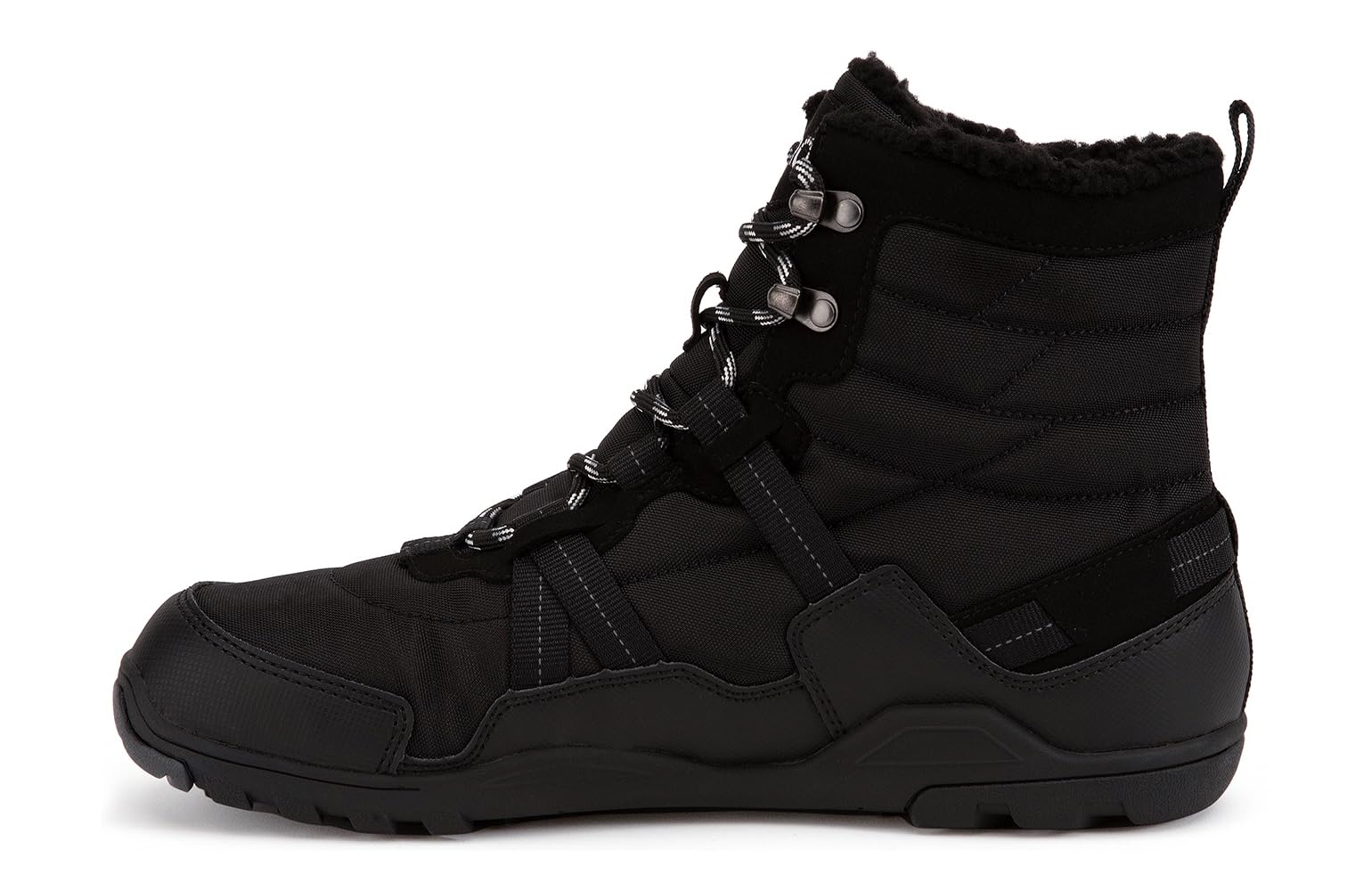
The bunion-friendly lace-up that travelers took to Iceland and adored.
This newer Alpine model builds on Xero’s barefoot roots with a fit that even wide-footed owners call extremely comfortable. The roomy toe box gives bunions plenty of space without any pressure, which is a huge win for anyone who has struggled with cramped winter boots. The zero-drop sole shines on slick and uneven surfaces, with owners praising excellent grip that makes it a solid choice for snow and sledding days.
The warmth is real: owners describe the boots as very warm, sometimes almost too warm for mild winter days. One owner took hers to Iceland and called the boots perfect for the trip, while another wore them through a snowstorm comfortably. The style earns compliments too, which matters when you are wearing winter boots all day. Just keep in mind that the fit runs narrow for a barefoot boot, and the top advice across the board is to size up — one owner had to jump a full size and a half, from 9 to 10.5, to get the right fit.
Waterproofing performance is inconsistent, with reviews sharply divided. Some owners call the boots completely waterproof and warm in wet conditions, but the harshest feedback is blunt: “NOT waterproof. I went hiking today the snow was slushy in some sections and my feet were soaked and freezing.” If you plan to trudge through slush, treat these as a dry-snow boot first, and consider adding a waterproofing treatment before you rely on them in wet weather.
Why it stands out
- Extremely roomy toe box that wide-footed owners rave about
- Taken to Iceland and through snowstorms — real travel-approved warmth
- Excellent grip on slick, uneven walking surfaces
Fit notes
- Runs narrow; most owners size up half to a full size and a half
- Waterproofing gets mixed reviews — slushy snow can soak through
- Lacks a zipper or extra padding for long concrete walks
Grab these for: wide feet, bunions, or any foot that needs generous toe space in a warm, flat-soled winter boot.
Skip them if: wet slush is your daily reality — customers note soaking through in those conditions, so you will want a fully sealed boot instead.
3. Hike Footwear Kasdava Pro Barefoot Winter Boots
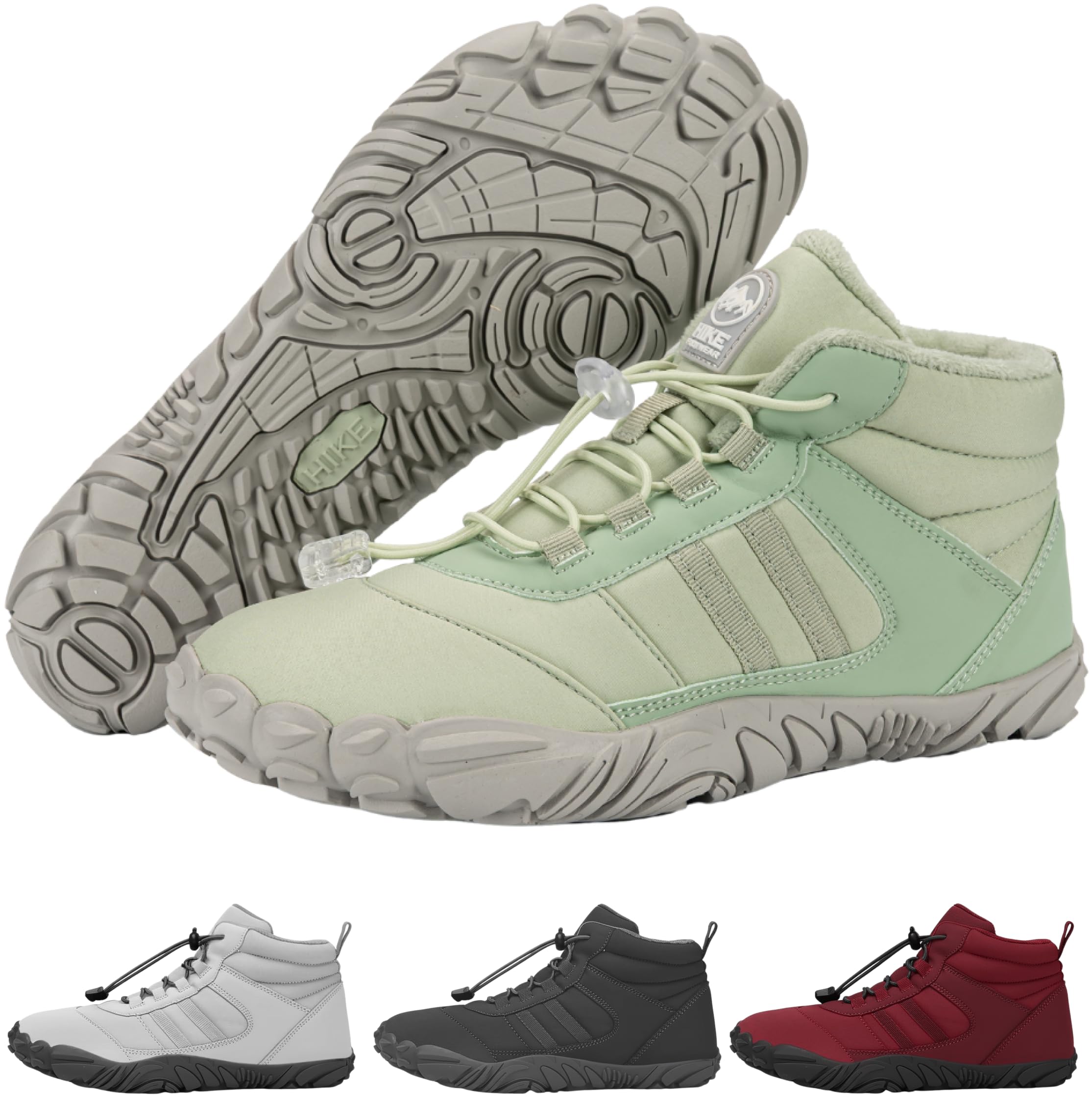
The balance-boosting trail boot that made rocky walks feel easy.
This one earns its place for anyone who wants to keep hiking through winter rather than just shuffling from car to store. Owners with wide feet — one measuring 4.1 inches across — report zero pain and noticeably better balance thanks to the wide toe box and zero-drop sole. The boot is built to promote healthy foot posture, and the payoff shows up as steady footing on rocky trails where owners say they no longer need trekking poles. The fleece inner lining is a favorite feature, wrapping feet in warmth the moment you step in.
The slip-resistant sole handles winter trails well, and owners call the boots comfortable right from the start with no break-in period. Fit runs true to size for most, though feet that swell during the day may find the toe box snug by evening. The looks have won over owners too, with fun color options like purple adding a bit of personality to winter gear. One owner put it simply: the extra warmth is a real upgrade over standard barefoot shoes.
Expect water resistance only, not full waterproofing. The material is water-resistant rather than fully sealed, and one repeat buyer noted the earlier barefoot shoes were not waterproof, hoping this model would be better. Reviewers point out they work well in dry snow but recommend a waterproofing treatment before tackling heavy rain. There is also a rare but sharp complaint about frustrating customer service after a poor fit, so ordering the right size the first time matters with this brand.
Trail-tested draw: the wide toe box and flat sole deliver better balance and less knee strain, with one owner calling the change transformative for rocky winter hikes.
The trade-off: waterproofing tops out at water-resistant, so wet rain and deep slush will need extra treatment or a different boot.
Choose these for: winter trail walks and hiking where balance and ground feel matter more than standing in deep puddles.
Think twice if: your winter is wet rather than snowy — this is a dry-snow boot that needs waterproofing help in the rain.
4. Merrell Women’s Barefoot Frost Glove Waterproof
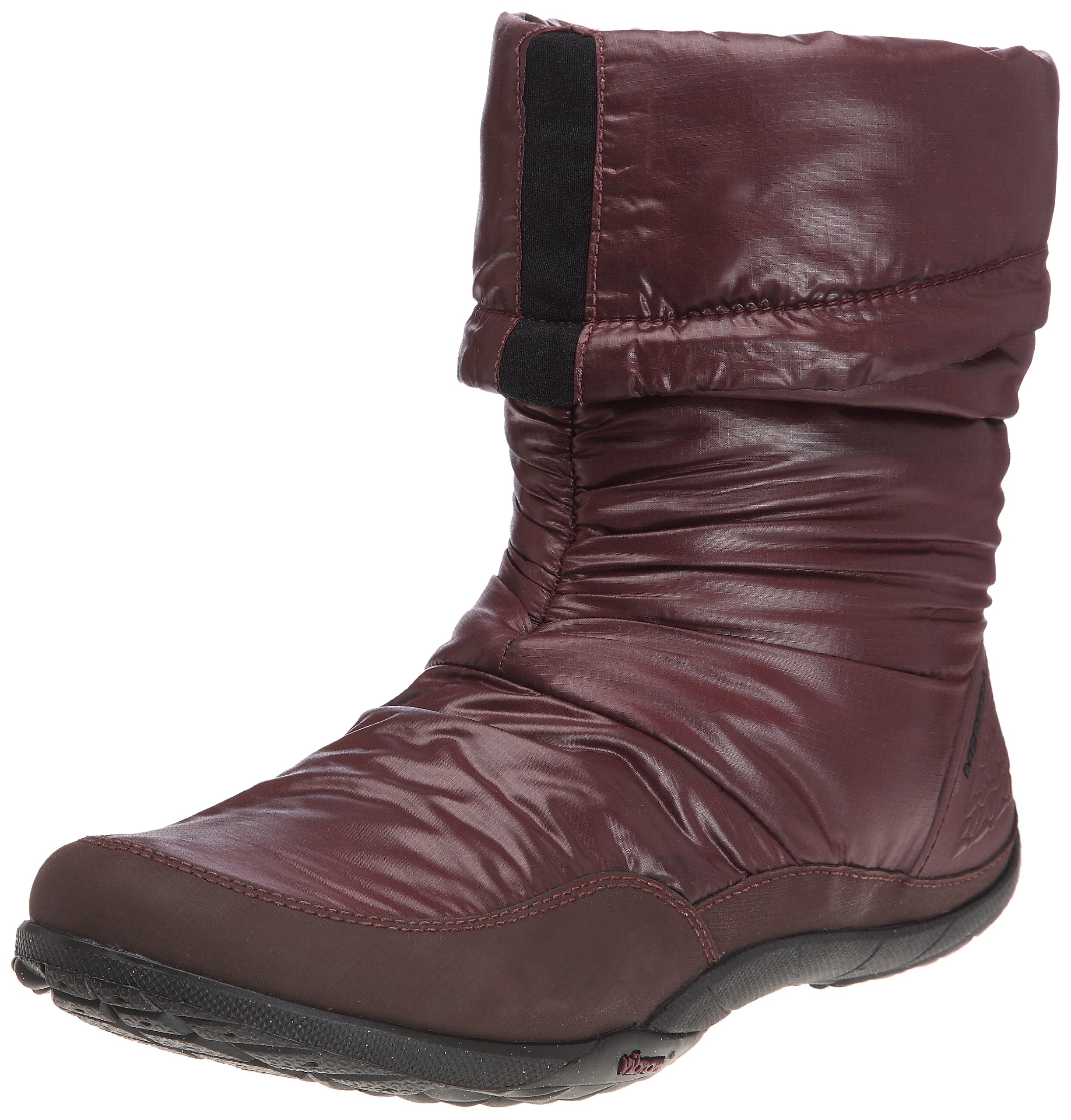
The puddle-proof minimalist boot that owners wore happily for a decade.
If staying dry is your non-negotiable, this Merrell delivers the strongest waterproofing story of the four. Owners confidently splashed through puddles and snow with dry feet, and one buyer wore the boots regularly for close to 10 years before finally needing a wider toe box. The waterproof membrane pairs with a DWR-treated upper (a coating that makes water bead up and roll off the fabric) and PrimaLoft insulation, so warmth and dryness come together. At 10 ounces in a size 8.5, these are impressively light for a winter boot, and the Vibram Snow Glove Sole grips well on ice and snow.
The slim, laceless design is part of the appeal — with no zippers or laces to fail, there are fewer entry points for cold and water. Owners call the boots warm down to -5°F and comfortable for shoveling and shopping, with a roomy toe box that keeps feet pain-free. The barefoot-style flexibility is there, though the sole is noticeably thicker and slightly stiffer than true minimalist options, which some owners appreciate for extra support on hard ground.
Some shoppers say the arch support and stiffer sole make it less of a true barefoot boot than the label suggests. If you want maximum ground feel, the Xero boots above give you more of that natural flexibility. The other quirk is the drawstring closure, which loosens during movement unless you button it down, and the boot is a bit tricky to pull on over the heel. Fit runs narrow, so wide-footed owners should size up or consider a different model.
The dry-feet advantage
- Genuinely waterproof — owners splash through puddles with dry feet
- Featherlight at 10 ounces with solid warmth to -5°F
- No laces or zippers means fewer spots for water to sneak in
Not a pure barefoot boot
- Arch support and a stiffer sole mean less ground feel than true minimalist boots
- Runs narrow — wide feet should size up
- Drawstring loosens during movement unless buttoned
Best suited for: cold, wet winters where guaranteed dryness matters more than the purest ground feel, like daily commutes and errands.
Who should pass: strict barefoot fans who want maximum flexibility and zero arch support — the Xero models deliver that natural feel better.
Understanding the Specs
Zero Drop vs. Raised Heel
A zero-drop sole means your heel and the ball of your foot sit at the same height, mimicking the natural flat position of walking barefoot. Most conventional boots lift the heel higher than the toes, which tilts your posture forward and can tighten your calf muscles over time. For anyone with knee or balance concerns, a flat sole often feels more stable and natural, though it takes a short adjustment period if you are used to cushioned, raised-heel shoes.
Water-Resistant vs. Waterproof
These two terms get confused constantly, and the difference decides whether you come home with dry socks. Water-resistant means the outer fabric repels light moisture like brief snow or a light drizzle, but it will soak through if you stand in slush or heavy rain. Waterproof means a sealed membrane inside the boot blocks water from reaching your foot entirely. Check which one you are actually getting, because the label tells you exactly what conditions the boot can handle.
FAQ
Are barefoot snow boots actually warm enough for winter?
Should I size up for barefoot snow boots?
What does zero drop mean for my feet?
How is a wide toe box different from just a bigger shoe?
Are water-resistant boots good enough for snow?
Will barefoot boots help with wide feet or bunions?
Why do some barefoot boots not feel barefoot?
Can I hike in barefoot snow boots?
How long do barefoot snow boots last?
What should I look for in a winter barefoot boot?
Final Thoughts: The Verdict
For most people, the winner among the barefoot snow boots is the Xero Mika because it combines serious deep-snow warmth with the toe room and flat sole that define the category. If you want reliable waterproofing for wet slush, grab the Merrell Frost Glove. And for winter trail hikes where balance matters most, the Hike Kasdava Pro is the one to reach for.
How We Picked
We do not accept paid placement. Every pick is matched to a real buyer and a real use-case; we do not hands-on test units.
Sources & Methodology
Specifications: manufacturer listings and product documentation. Review insights: verified customer reviews, as of September 2026. Pricing: not shown on this page (it changes often); check the current price via the retailer link.
As an Amazon Associate, Gadgets Feed earns from qualifying purchases. This does not affect which products we feature.