
Finding a pair of tennis shoes that let your toes splay naturally on the court without sacrificing lateral stability during a quick volley is a specific challenge—standard court shoes pinch the forefoot, while typical barefoot trainers often lack the herringbone traction needed for hard-court pivots. The best women’s barefoot tennis shoes bridge that gap with a wide toe box, zero-drop platform, and a sole compound that grips without raising your heel.
I’m Min — the co-founder and writer behind Gadgets Feed. I analyze material science, outsole rubber durometers, and toe-box volumetric data to separate marketing claims from real performance, so you can shop with confidence rather than guesswork.
This guide stacks seven of the top contenders, comparing sole thickness, upper durability, and court-ready grip to help you find the perfect pair of barefoot tennis shoes for women.
How To Choose The Best Barefoot Tennis Shoes For Women
Switching to barefoot tennis shoes means looking beyond the familiar cushion-and-drop paradigm. Instead of heel-toe offset and arch foam, you want to evaluate sole flexibility, toe-box volume, outsole grip texture, and upper construction that can handle abrupt direction changes without collapsing.
Sole Thickness and Court Feedback
A barefoot tennis shoe should have a stack height between 4mm and 10mm to preserve ground feel while offering enough rubber to protect your foot from court abrasion. Thinner soles (4–6mm) deliver maximum sensory feedback for agility drills, while thicker soles (8–10mm) add a touch of impact absorption for longer matches. The outsole pattern also matters—herringbone or multidirectional lugs are essential for hard-court grip during slides and stops.
Upper Durability and Lockdown
Lateral movement in tennis demands an upper that resists stretch and doesn’t allow your foot to slide inside the shoe over the edge of the sole. Look for materials like ballistic mesh, knit with reinforced overlays, or bio-leather. A secure lacing system that extends close to the toes is a strong indicator that the shoe will hold your midfoot steady during a lunging forehand.
Toe-Box Volume and Sizing
Barefoot tennis shoes should let your toes spread sideways and forward without pressure, but the overall length shouldn’t be so generous that your foot shifts inside. Many barefoot brands recommend sizing up half to one full size from your standard athletic shoe size. A too-roomy toe box can cause slipping on rapid stops, so prioritize a foot-shaped fit that mirrors your actual foot outline rather than a generic wide shape.
Quick Comparison
On smaller screens, swipe sideways to see the full table.
| Model | Category | Best For | Key Spec | Amazon |
|---|---|---|---|---|
| Xero HFS Original | Running/Tennis Hybrid | Long court sessions | 5.5mm sole, 0mm drop | Amazon |
| Flux Adapt Graphene XT | Cross-Training | Gym-to-court versatility | Graphene outsole, 7mm sole | Amazon |
| Vivobarefoot Motus Flex | Performance Trainer | Primal & bodyweight drills | 3mm sole, unlined upper | Amazon |
| FLUX ADAPT Runners | Everyday Athletic | Walking & casual play | 8mm stack, flexible rubber | Amazon |
| Xero Prio Neo | Training & Gym | Transition from traditional shoes | 5.5mm sole, removable insole | Amazon |
| Vivobarefoot Geo Court III | Tennis-Inspired Style | Off-court & casual wear | Bio-leather upper, 4mm sole | Amazon |
| Hike Theora Pro | Walking & Hiking | Budget entry-level barefoot | Stretchy knit upper, 8mm sole | Amazon |
In‑Depth Reviews
1. Xero Shoes Women’s HFS Original Barefoot Running Shoes
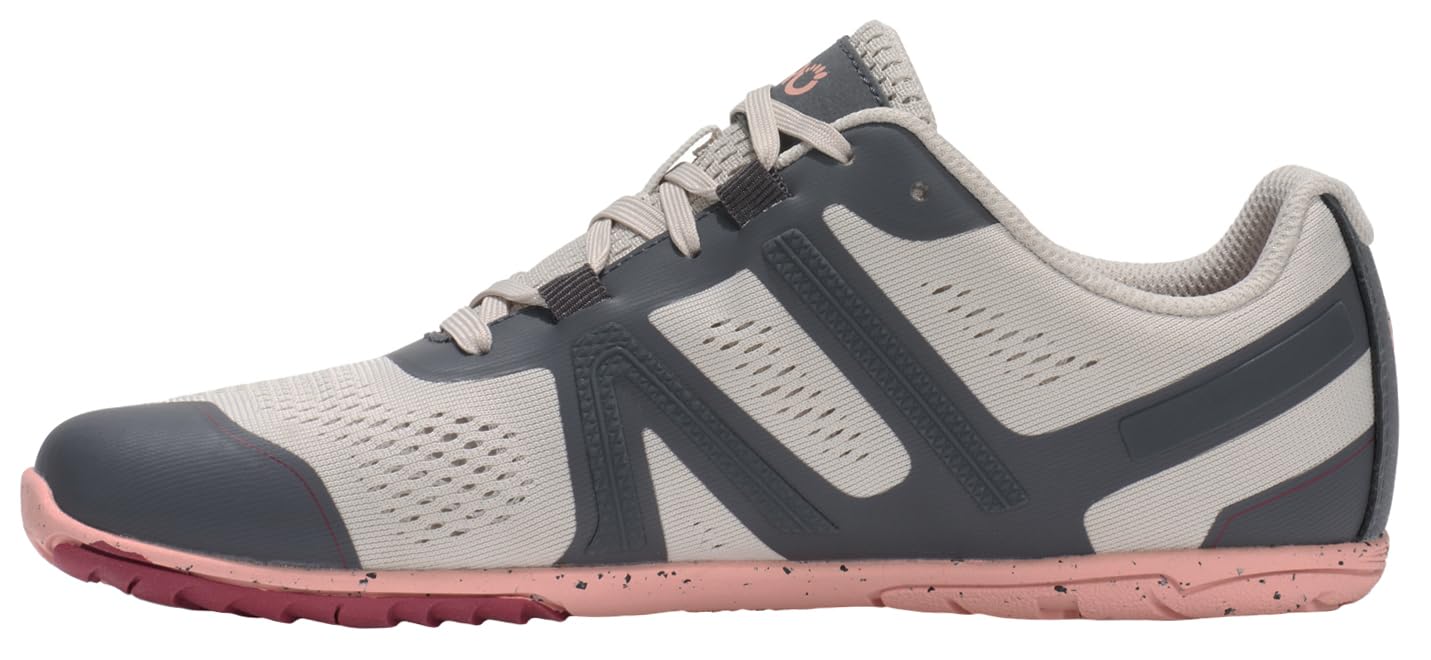
The Xero HFS Original delivers the ideal starting point for women transitioning to barefoot tennis shoes. With a 5.5mm FeelTrue sole and zero-drop platform, it offers enough ground feel for court awareness while the flexible rubber outsole uses a herringbone-inspired pattern that grips hard courts during lateral slides. The wide toe box accommodates bunions and splay naturally without creating excess length that leads to heel slippage.
Multiple reviewers report logging over 700 pain-free miles, including long days at theme parks and daily 5K runs, which speaks to the durability of the mesh upper and the sole’s resistance to wear. The thin insole can be removed for a 3.5mm true barefoot experience, and the lacing system extends nearly to the toes, giving excellent midfoot lockdown for quick changes in direction on the baseline.
Users with sensory sensitivities appreciate the seamless interior and the absence of rubbing seams. The shoe runs about half a size small, so ordering up ensures the toe box lands correctly without over-lengthening the shoe. For women seeking a single pair that works for both court drills and everyday wear, this is the most balanced option.
Why it’s great
- Excellent ground feel with a grippy outsole pattern suited for hard courts
- Spacious toe box that eliminates pressure on bunions and hammer toes
- Removable insole allows customization from 5.5mm to 3.5mm stack height
Good to know
- Runs half a size small — size up for correct fit
- Thin sole requires gradual transition for those used to traditional cushioned tennis shoes
2. Flux Adapt Graphene XT Barefoot Shoes
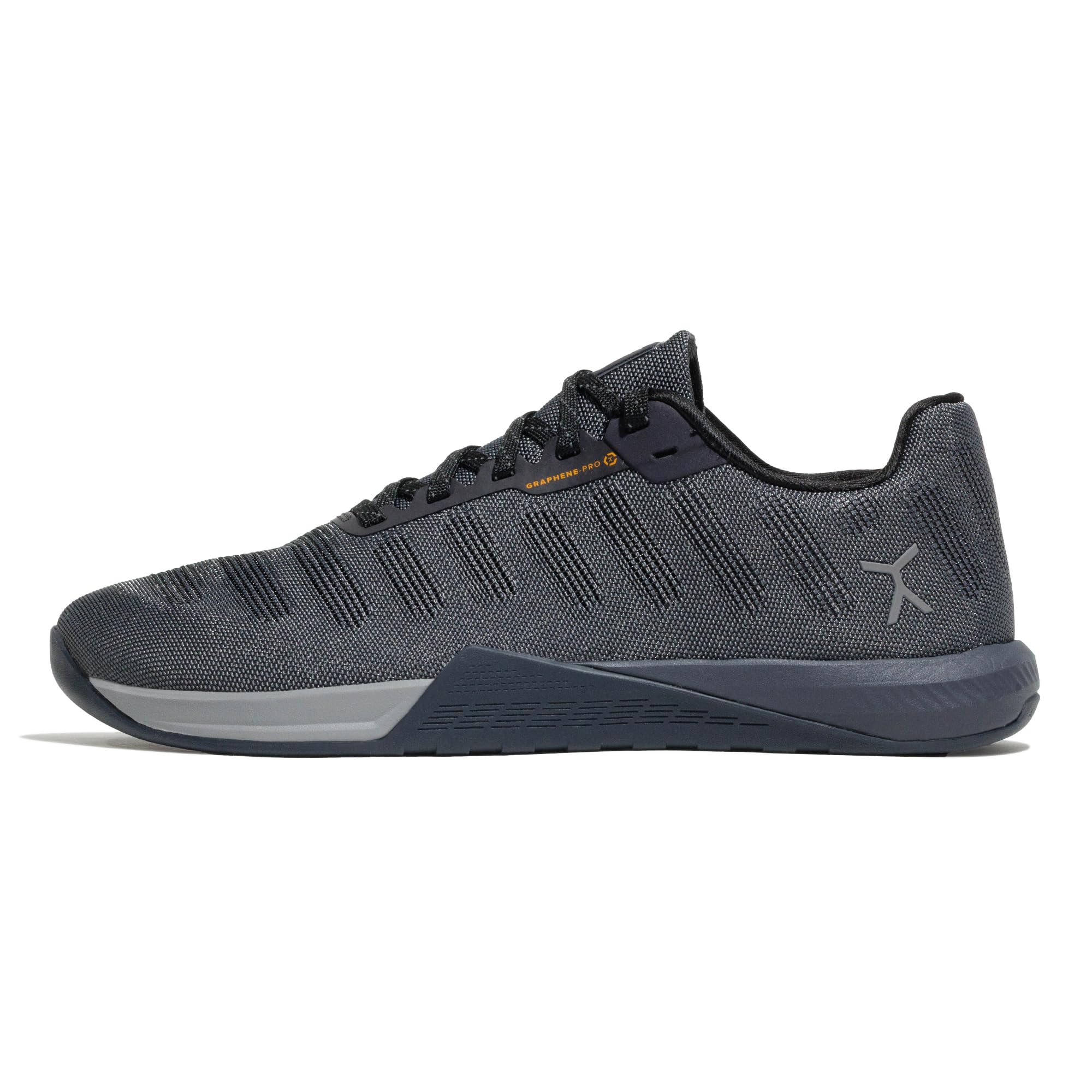
The Flux Adapt Graphene XT integrates graphene into its outsole rubber, a material 200 times stronger than steel, which translates to exceptional wear resistance on abrasive hard courts and gym floors. The 7mm stack height sits slightly thicker than true minimalists, providing a touch more impact absorption during high-intensity tennis drills without losing the zero-drop geometry that encourages a natural stride.
The ballistic mesh upper is reinforced for lateral stability, and the lace system locks the midfoot securely. CrossFit users report zero sole wear after six months of regular use, and the shoe maintains its shape even after aggressive lateral movements. The wide toe box is genuinely foot-shaped, allowing toes to spread without the shoe flopping side to side during pivots.
Sizing can be tricky—the company recommends going up half a size, and some reviewers found even that adjustment insufficient for wider feet. The ankle collar sits slightly higher than minimalists expect, which may irritate the lateral malleolus in some users. For women who want a durable, graphene-reinforced shoe that transitions from gym to court without losing ground feel, this is a standout choice.
Why it’s great
- Graphene-infused outsole offers exceptional grip and long-term durability on hard courts
- 7mm stack provides a good balance between ground feel and light impact protection
- Ballistic mesh upper resists stretch during lateral movements
Good to know
- Sizing is inconsistent — order up half to one full size and consider size chart measurements
- Higher ankle collar may cause discomfort for some users with prominent ankle bones
3. Vivobarefoot Women’s Motus Flex Barefoot Training Shoe
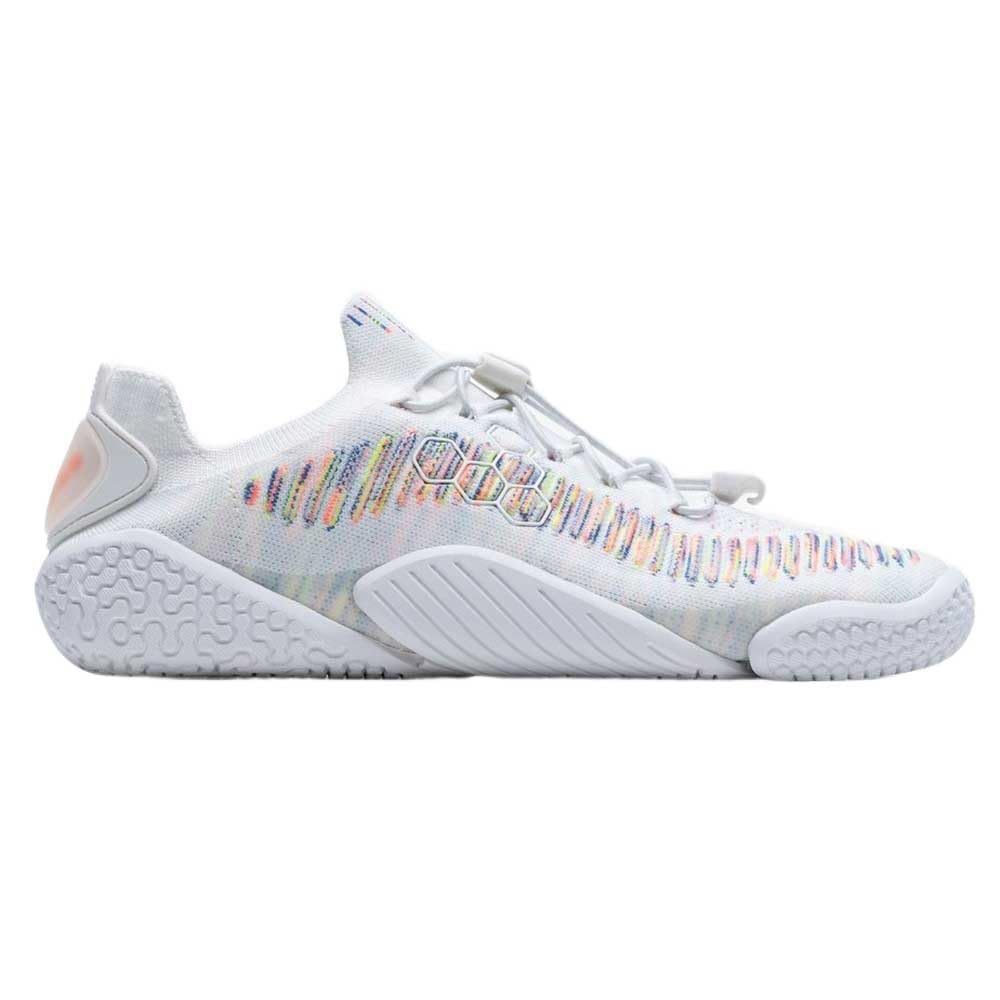
The Vivobarefoot Motus Flex is engineered for maximum proprioception during bodyweight training and calisthenics, making it a compelling option for tennis players who incorporate agility drills and plyometrics into their sessions. The 3mm outsole provides the thinnest barrier between your foot and the court surface, delivering real-time feedback on balance and weight distribution that helps refine footwork patterns.
The unlined mesh upper is highly breathable and dries quickly after sweaty sessions, but it offers minimal structure. Reviewers note the toe box is wide but not excessively so, and the fit runs true to size for most women with standard-width feet. The shoe works well for lifting and leg day, suggesting the sole is stiff enough for deadlifts yet pliable enough for multidirectional movement.
Some users found the shoe too snug for true barefoot toe splay, especially those accustomed to ultrawide models like Xero or Flux. The lack of a separate tongue makes it less step-in friendly, and the midfoot may feel tight for wider feet. For women already comfortable with minimalist footwear who want a razor-thin connection to the ground for precise court movement, the Motus Flex delivers.
Why it’s great
- 3mm sole is among the thinnest available, offering unmatched ground feel for agility work
- Highly breathable unlined mesh upper reduces heat buildup during extended play
- Lightweight construction enhances quick directional shifts on the court
Good to know
- Toe box is less wide than other barefoot brands, not ideal for exceptionally wide feet
- Minimal upper structure may feel insecure during aggressive lateral cuts without proper lacing
4. FLUX FOOTWEAR Adapt Runners for Women and Men
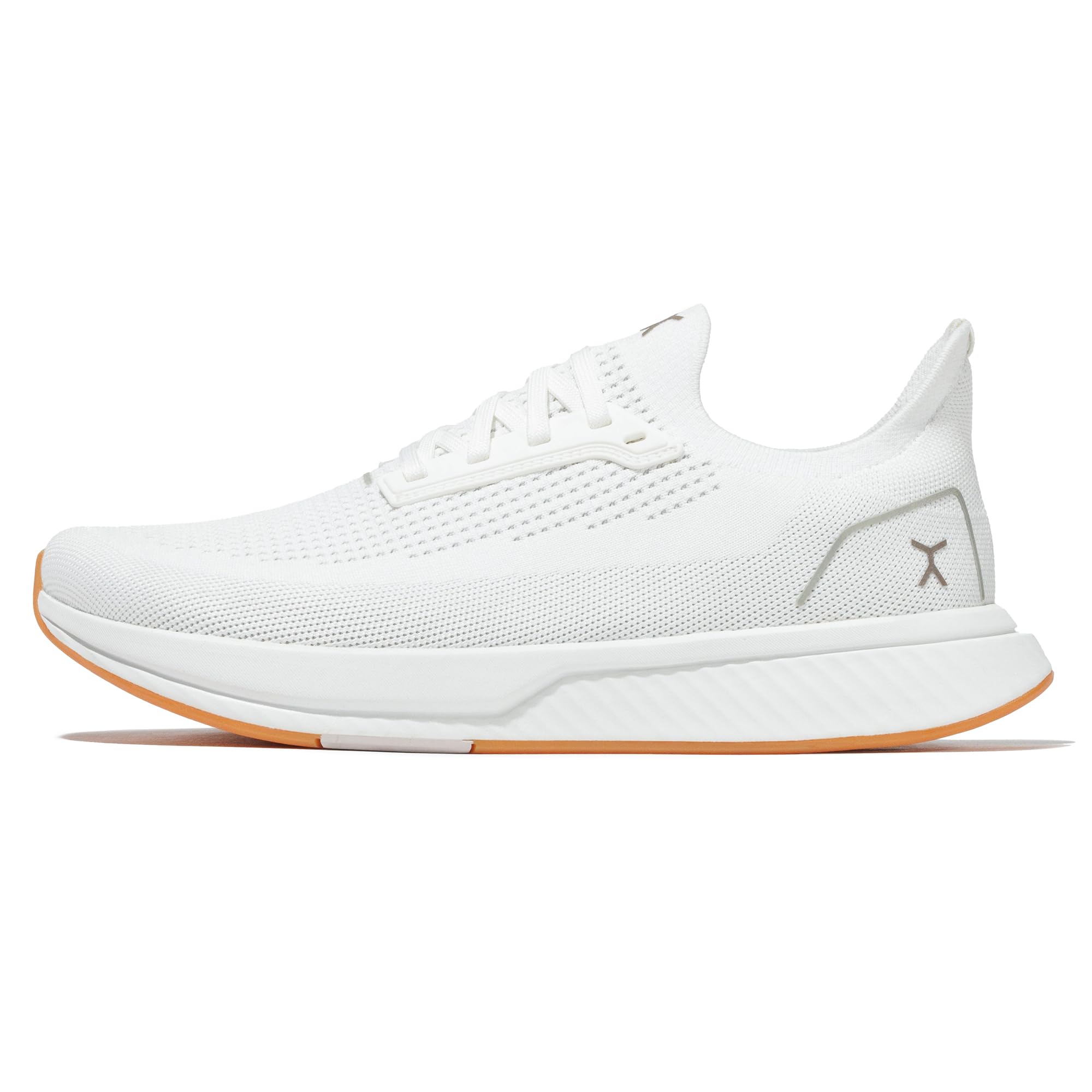
The FLUX Adapt Runners occupy a comfortable middle ground between the ultra-thin barefoot experience and the moderate protection many women need when transitioning to zero-drop footwear. With an 8mm stack height and flexible rubber outsole, these shoes absorb enough impact for casual tennis matches and long walks without muting the sensory feedback that defines barefoot training. The outsole features a multidirectional tread pattern that holds well on hard courts.
The wide toe box is genuinely spacious, and the knit upper accommodates arthritic joints and swollen feet without creating pressure points. Reviewers who previously suffered from lower back pain report significant relief after switching to these shoes. The heel construction holds the foot securely, preventing slipping or flopping during movement, which is crucial for lateral tennis drills.
Sizing requires attention—the company recommends going up half a size, and many users found even that insufficient. The shoe runs narrow in length despite the wide toe box, so attempting your usual size may leave toes cramped against the front. For women seeking a forgiving, everyday barefoot shoe that can handle light court play plus daily walking, the Adapt Runners offer great value.
Why it’s great
- 8mm sole provides a softer transition for newcomers to zero-drop footwear
- Spacious toe box accommodates toe splay without sacrificing heel lockdown
- Flexible outsole with good tread for casual court use
Good to know
- Runs small in length — sizing up half to one full size is essential for correct fit
- Initial stiffness requires a short break-in period before the upper relaxes
5. Xero Shoes Women’s Prio Neo Barefoot Training Shoe
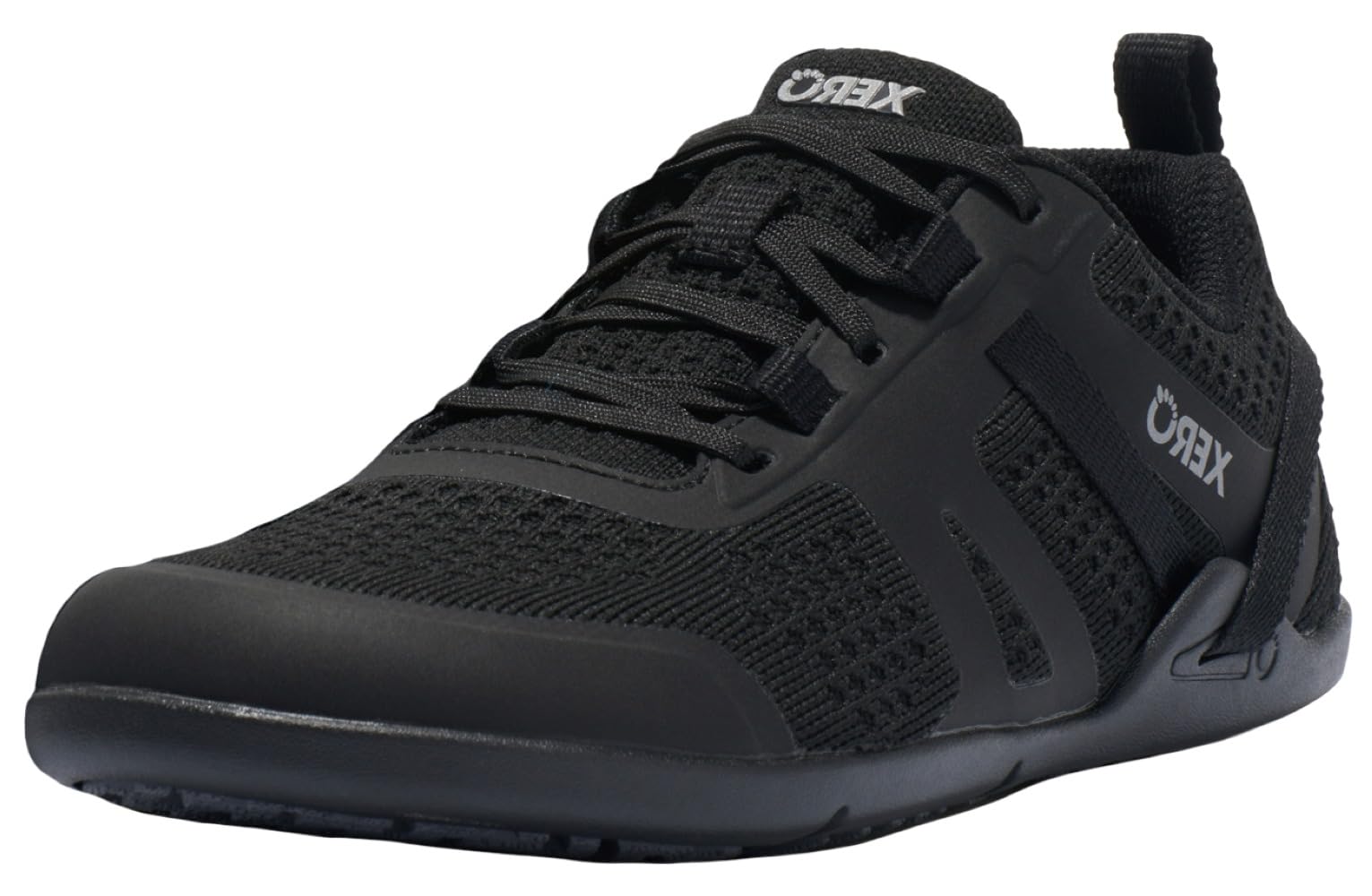
The Xero Prio Neo is a versatile barefoot training shoe that works well for women transitioning from traditional athletic footwear with a 10mm heel-toe drop. The 5.5mm FeelTrue sole offers a moderate starting point for developing a midfoot or forefoot strike, and the removable insole allows you to gradually decrease cushioning as your foot strength improves. The wide toe box gives toes room to spread without feeling oversized.
Multiple reviewers coming from heavily cushioned Brooks and ASICS models noted an adjustment period of calf and knee soreness as their gait corrected from heel striking. Once adapted, users describe the Prio Neo as feeling like slippers with rubber soles—extremely comfortable for gym sessions, dog walks, and light court activity. The stretchy knit upper conforms to the foot without creating hotspots.
Downsides include ridiculously long laces that can come undone when stepped on, and a general lack of arch support that may require temporary orthotic insoles for some users during the transition. The shoe appears slightly smaller than same-size conventional shoes, but the toe room is still adequate. For women wanting a familiar training shoe shape with genuine barefoot benefits, the Prio Neo is a strong contender.
Why it’s great
- Removable insole allows gradual transition from cushioned to true barefoot feel
- Wide toe box accommodates hammer toes and Morton’s toe without pain
- Stretchy knit upper provides a sock-like fit that prevents heel slip
Good to know
- Long laces can trip you up if not double-knotted or tucked
- Transition from traditional shoes requires patience to avoid calf and knee strain
6. Vivobarefoot Geo Court III, Womens Everyday Barefoot Classic
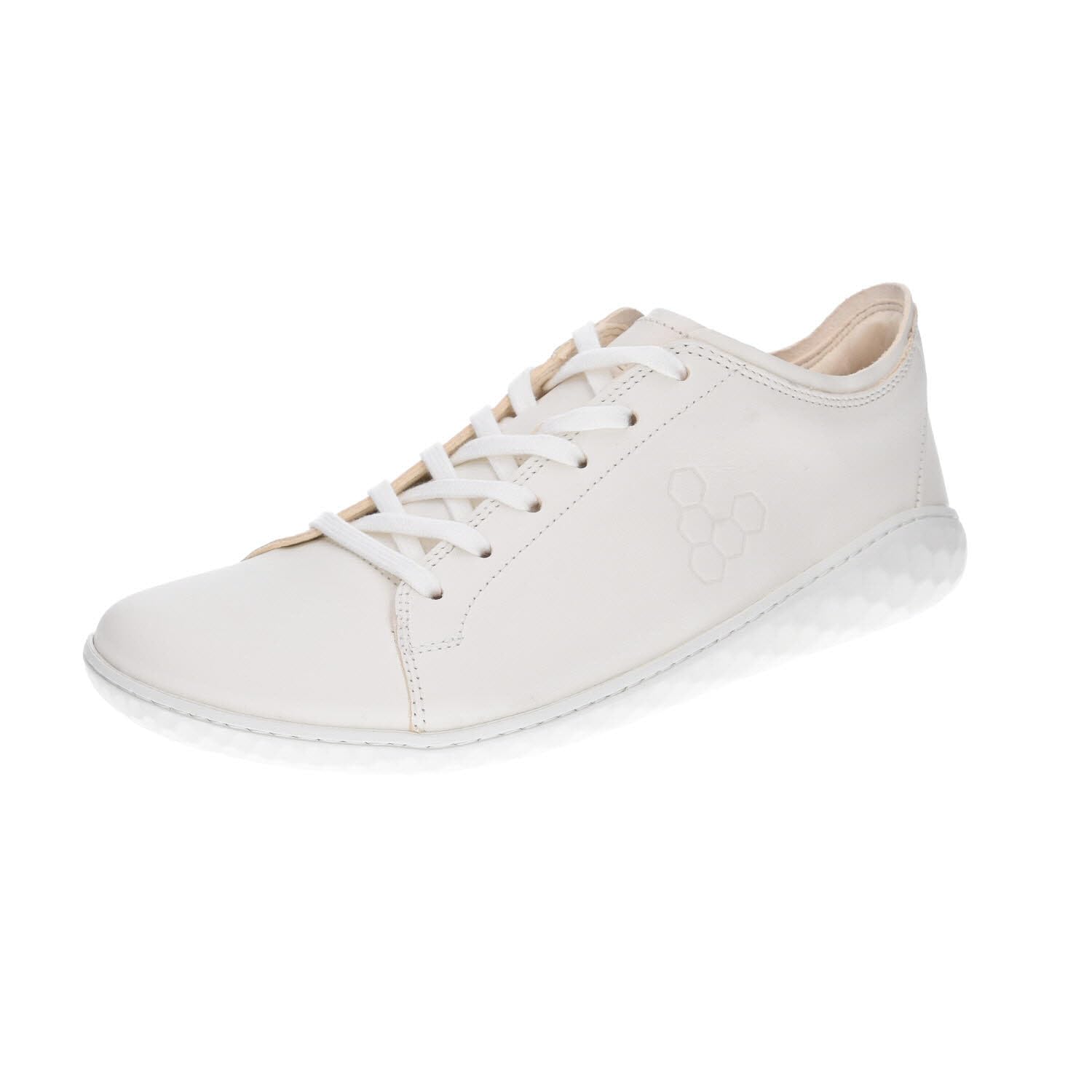
The Vivobarefoot Geo Court III takes design cues from classic tennis silhouettes but wraps them in a true barefoot package. The bio-leather upper is sustainably sourced and develops a nice patina over time, making this shoe equally at home on the court and at casual gatherings. The 4mm sole provides a moderate ground feel, and the outsole pattern includes subtle tread that offers reasonable grip on dry hard surfaces.
Multiple reviewers have bought this shoe multiple times, citing its exceptional comfort and durability over several years. The wide toe box allows natural foot expansion, and the leather upper stretches slightly after a few weeks of wear for a personalized fit. The shoe is easy to clean and neutral enough to pair with a variety of outfits, making it a versatile addition to a barefoot wardrobe.
The Geo Court III is not designed for high-intensity competitive tennis—the leather upper lacks the breathability and lateral reinforcement of mesh trainers, and the sole lacks aggressive tread for wet courts. For casual serving practice, walking, and everyday style, however, it excels. Sizing runs true to Vivobarefoot standards; those between sizes should size up for optimal toe room.
Why it’s great
- Bio-leather upper blends classic court style with sustainable materials and durability
- 4mm sole offers good ground feel for casual play and daily wear
- Leather stretches slightly for a customized fit after break-in
Good to know
- Leather upper is less breathable than mesh for hot court sessions
- Outsole grip is adequate for dry courts but not designed for wet or hard lateral cuts
7. Hike Footwear Theora Pro Barefoot Shoes for Women
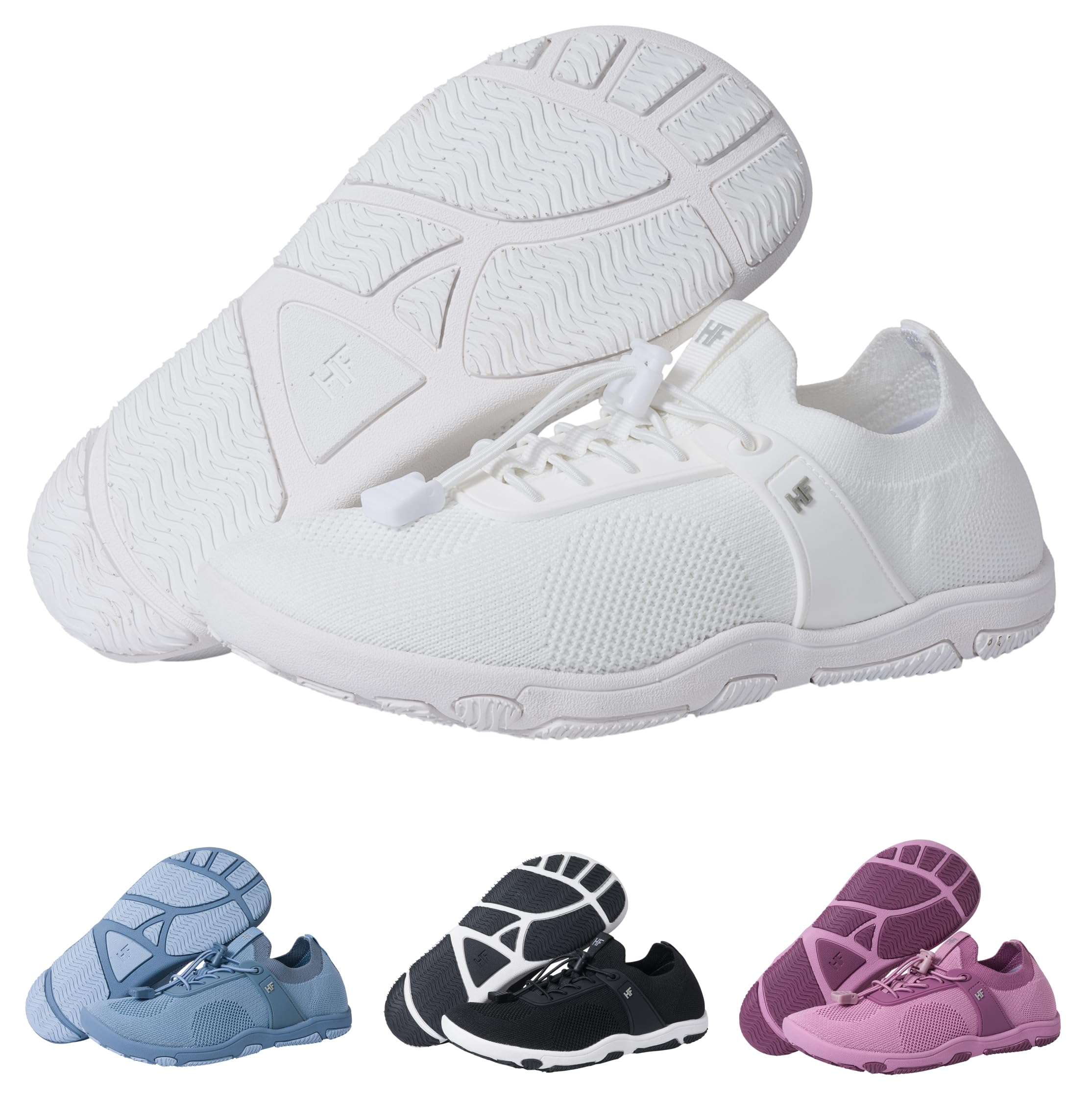
The Hike Footwear Theora Pro is an accessible entry point for women curious about barefoot tennis shoes without committing a premium budget. The stretchy knit upper accommodates a wide range of foot shapes, including those with arthritic joints, and the 8mm sole provides more impact absorption than true minimalist models—a helpful feature for those transitioning from conventional court shoes. The outsole pattern is subtle but adequate for court surfaces.
Reviewers highlight the comfortable fit and roomy toe box that prevents toes from being compressed. The shoe is lightweight and easy to pack, making it suitable for travel. However, some users note the arch support is minimal or lacking, which may be an issue for flat-footed players during extended standing or walking. The design holds the foot securely without flopping, which is a plus for walking comfort.
A recurring concern is the laceless slip-on style—some women found the shoe difficult to get on, and sizing up could result in a loose fit once the foot is inside. The knit upper stretches over time, potentially exacerbating the difficulty. For a low-risk introduction to barefoot footwear, the Theora Pro works, but serious tennis players may find it lacking in lateral support and court-specific grip.
Why it’s great
- Affordable price point for exploring the barefoot shoe category
- Stretchy knit upper accommodates a variety of foot shapes and conditions
- Lightweight and roomy toe box for everyday comfort
Good to know
- Laceless design is difficult to get on and may stretch out over time
- Minimal arch support and lateral stability limit suitability for intense court play
FAQ
Can I wear barefoot shoes on a standard hard tennis court?
How long does it take to transition to zero-drop tennis shoes?
What size should I order in barefoot tennis shoes?
Final Thoughts: The Verdict
For most women, the best barefoot tennis shoes for women is the Xero HFS Original because it combines a grippy 5.5mm outsole with a wide toe box that accommodates toe splay and a secure lacing system for lateral stability. If you want graphene-reinforced durability for gym-to-court versatility, grab the Flux Adapt Graphene XT. And for the most barefoot-feeling connection to the ground during agility drills, nothing beats the Vivobarefoot Motus Flex.