
The transition from a bulky, cushioned trail runner to a barefoot shoe is a shock to the system — one that separates the pavement plodders from the true trail enthusiasts. In the world of off-road footwear, a barefoot shoe isn’t just about thin soles; it’s about re-establishing the neural conversation between your foot and the uneven ground beneath it, demanding active stabilization from every muscle in your lower leg.
I’m Min — the co-founder and writer behind Gadgets Feed. I’ve spent hundreds of hours dissecting the technical specifications, lug patterns, stack heights, and material science behind minimalist footwear to separate the true barefoot performers from the marketing fluff.
Whether you are thru-hiking the Pacific Crest Trail or trail running technical singletrack, choosing the right pair requires understanding how sole flexibility, zero-drop geometry, and ground feel interact. This guide breaks down the current top contenders for the best barefoot trail shoes, helping you find the perfect match for your natural stride.
How To Choose The Best Barefoot Trail Shoes
Selecting a barefoot trail shoe requires a different mental framework than choosing a traditional stability shoe. The shoe is not a suspension system; it is a sensory platform. You are not looking for the most cushion — you are looking for the best ground feedback with sufficient protection from sharp trail debris. Your decision must balance sole thickness, rubber compound grip, and upper durability against the specific terrain and mileage you plan to cover.
Stack Height and Ground Feel
Stack height is the total thickness of the sole between your foot and the ground. True barefoot shoes sit between 6mm and 25mm. The thinner the stack, the more proprioceptive feedback you receive, allowing your foot to instinctively adapt to uneven surfaces. However, a 6mm stack offers minimal puncture protection against sharp rocks, requiring stronger foot musculature. For technical rocky trails, a 25mm zero-drop shoe like the Altra Lone Peak provides a middle ground — enough protection for a full day out while maintaining a zero-drop platform that encourages midfoot striking.
Outsole Grip and Lug Depth
On wet rock, loose scree, or muddy singletrack, your outsole rubber and lug depth determine whether you stay upright. Look for sticky rubber compounds such as Vibram Megagrip or MaxTrac. Lug depth of 3mm to 5mm provides adequate bite on loose terrain without feeling too aggressive on exposed rock. The TrailClaw canted lugs on Altra models, for example, place additional traction under the metatarsals where you push off. A flatter, street-oriented lug pattern will slip on wet roots — a critical failure for a trail barefoot shoe.
Toe Box Volume and Foot Shape
Barefoot principles demand that your toes be allowed to splay naturally to provide a stable base of support. The toe box must have enough height and width to accommodate the spread of the metatarsals under load. Altra’s FootShape roomiest fit and Xero Shoes’ wider anatomical last both prioritize this. If the toe box tapers or restricts toe movement, your foot cannot properly grip the terrain, defeating the purpose of a barefoot shoe. Check whether the shoe offers a standard or wide option — or if the design is inherently foot-shaped from the start.
Quick Comparison
On smaller screens, swipe sideways to see the full table.
| Model | Category | Best For | Key Spec | Amazon |
|---|---|---|---|---|
| ALTRA Lone Peak 9 | Trail Runner | High-mileage trail running & hiking | 25mm stack / 0mm drop | Amazon |
| Merrell Vapor Glove 6 Leather | Minimalist Trainer | Barefoot purists & casual trail wear | 6mm stack / 2.5mm lug | Amazon |
| Xero Shoes Mesa Trail II | Barefoot Runner | Lightweight trail runs & long walks | ~16mm stack / zero drop | Amazon |
| ALTRA Lone Peak 8 | Hiking Hybrid | Thru-hiking & rocky terrain | 25mm stack / 0mm drop | Amazon |
| Vivobarefoot Primus Lite 3.5 | Cross Trainer | Gym, road, & light trail crossover | ~12mm stack / zero drop | Amazon |
| Xero Shoes Prio Neo | Training & Walk | First barefoot shoe transition | Removable insole / zero drop | Amazon |
| NORTIV 8 Whitney | Budget Trail | Entry-level barefoot hiking | 5mm drop / wide toe box | Amazon |
In‑Depth Reviews
1. ALTRA Men’s Lone Peak 9 Trail Running Shoe
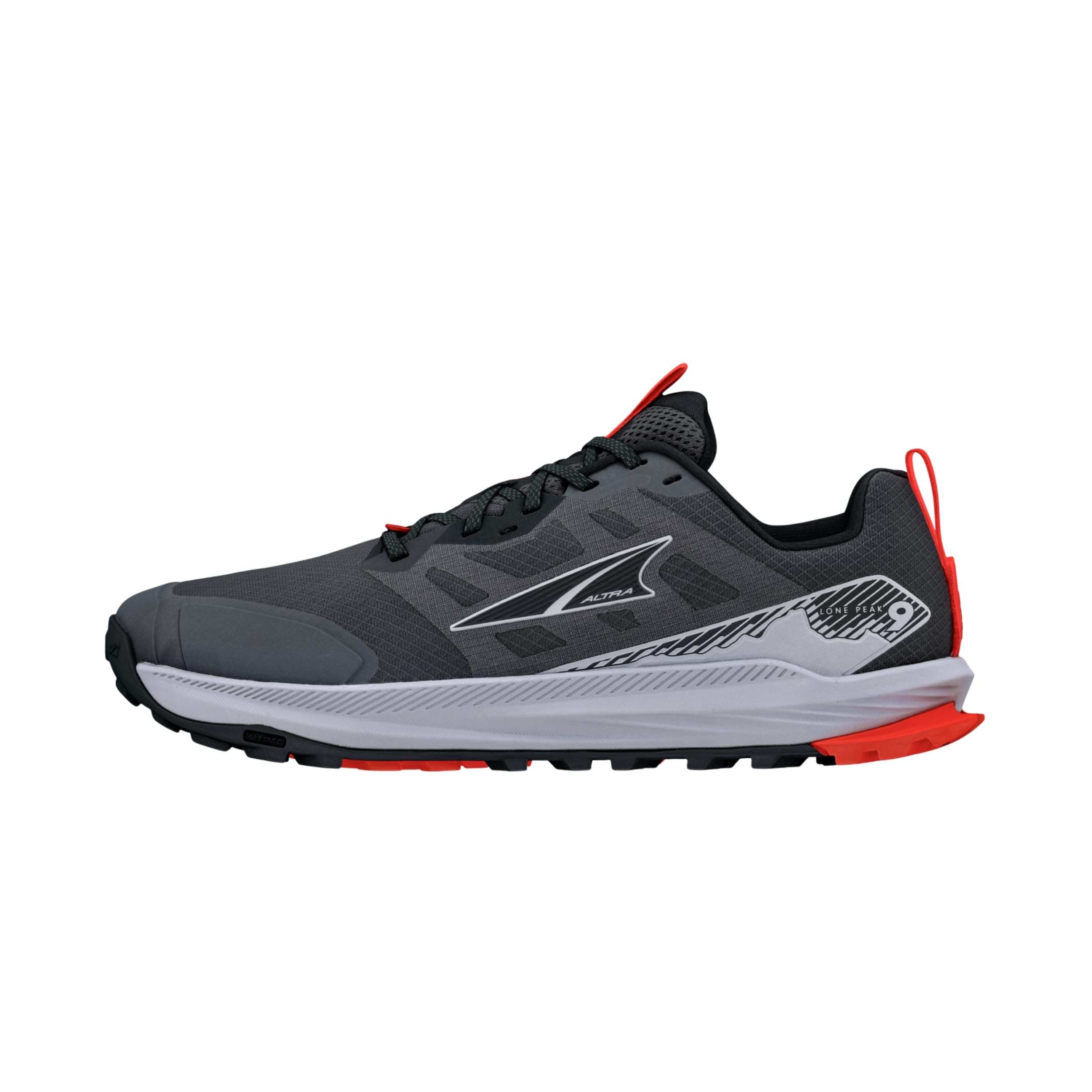
The Lone Peak 9 represents the ninth iteration of what many consider the gold standard for zero-drop trail footwear. With a 25mm stack height and balanced cushioning, it provides enough underfoot protection for all-day terrain without sacrificing the natural gait mechanics that barefoot enthusiasts seek. The revised upper uses a recycled ripstop mesh with no-sew overlays for high-mileage durability, while the MaxTrac outsole delivers sticky grip on mud, rock, and dry surfaces alike.
A Stoneguard insert is integrated to protect against sharp rocks and debris — a crucial feature for technical trails. The FootShape toe box offers the roomiest fit in the Altra lineup, allowing toes to splay for stability on uneven ground. Users consistently report this is the shoe that resolves hiker’s toe and eliminates the need for painful break-in periods.
At a weight of 316 grams (11.15 oz) per shoe, the Lone Peak 9 is not the lightest barefoot option, but it delivers the most balanced package for runners and hikers who need a shoe that can handle 20-mile days without bruising the soles. The zero-drop platform combined with moderate cushion makes it the most practical choice for transitioning from traditional trail runners to barefoot style.
Why it’s great
- Balanced 25mm cushion with zero drop for natural foot strike
- MaxTrac outsole with TrailClaw lugs excels on loose and wet terrain
- Stoneguard insert provides reliable underfoot protection on sharp rocks
Good to know
- Runs slightly large; consider sizing down half a size
- Heavier than true minimalist shoes like the Vapor Glove
2. Merrell Men’s Vapor Glove 6 Leather Trail Running Shoe
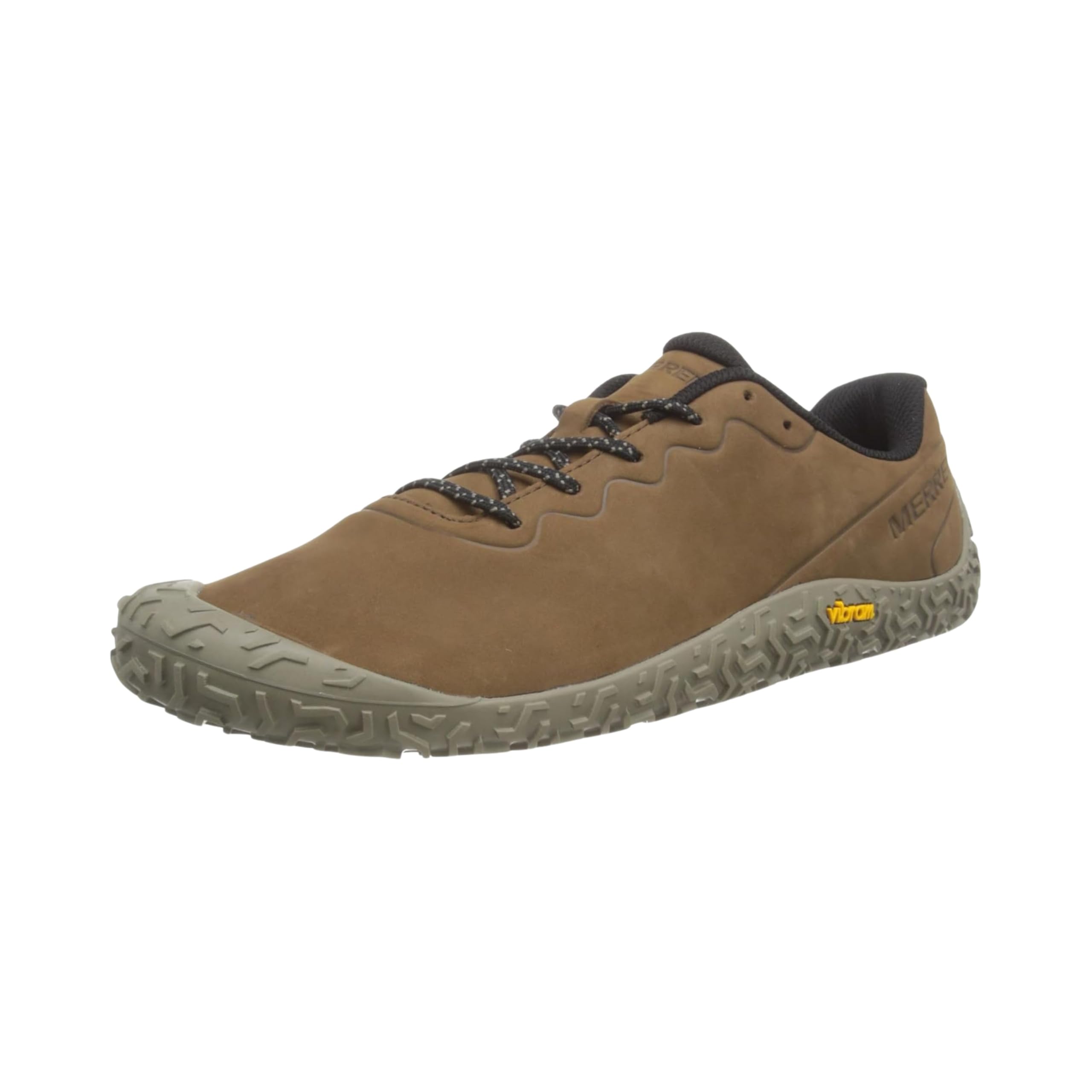
The Vapor Glove 6 Leather is Merrell’s most minimal barefoot shoe, with a total stack height of just 6mm — placing your foot virtually flat to the ground. This is a shoe for the barefoot purist who wants maximum ground feel and proprioceptive feedback. The Vibram EcoStep outsole wraps the foot for enhanced connection, featuring 30% recycled rubber for durability on wet and dry surfaces. The leather upper adds an everyday aesthetic that transitions well from trail to office.
At 260 grams (9.17 oz) per men’s shoe, it is exceptionally lightweight and flexible. The Merrell Barefoot 2 construction keeps the foot in a natural position with no arch support, forcing the foot’s intrinsic muscles to work. The 2.5mm lug depth is modest but adequate for packed dirt trails, though it lacks the aggressive bite needed for loose scree or deep mud.
This shoe shines for the enthusiast who already has strong foot mechanics and wants a shoe that disappears on the foot. It will not protect your soles from sharp rocks — you must develop the sensitivity to step around them. For those ready to commit to true minimalist training, the Vapor Glove 6 delivers the purest experience in this list.
Why it’s great
- True 6mm stack height for maximum ground feel and foot strengthening
- Vibram EcoStep outsole wraps foot for natural grip
- Leather upper offers durability and office-appropriate style
Good to know
- 2.5mm lug depth not sufficient for loose, technical terrain
- Narrower fit not ideal for wide feet or toe splay
3. Xero Shoes Men’s Mesa Trail II Barefoot Trail Run Shoes
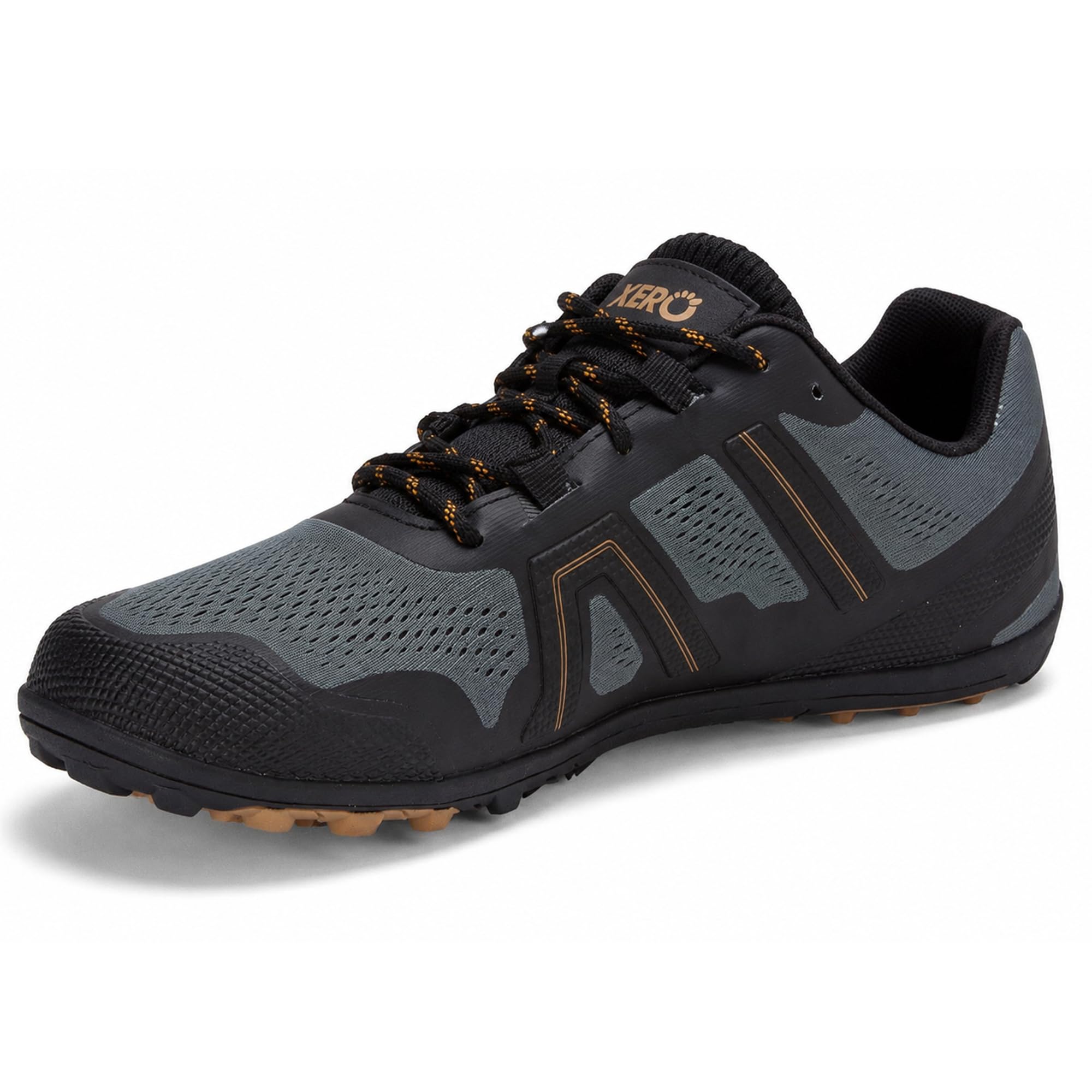
The Mesa Trail II from Xero Shoes strikes an excellent balance between barefoot feel and trail practicality. With a roughly 16mm stack height and a zero-drop platform, it offers more protection than the Vapor Glove while maintaining excellent ground feedback. The wide toe box allows full splay for stability on cambered trails, and the sticky outsole provides reliable traction across dirt, gravel, and moderate rock gardens.
Users report exceptional comfort for long-distance walks and runs, with one reviewer noting over 2,500 miles per year in these shoes. The shoe is extremely lightweight, making it feel barely noticeable on the foot during long efforts. However, some users caution that sizing can be inconsistent between Xero models — the Mesa Trail II may require a full size up from your usual running shoe size.
Sharp rocks can still transmit through the sole, especially at the heel, which is a trade-off inherent to the barefoot design. The shoe also takes longer to dry after wet excursions due to the upper material. Despite these compromises, the Mesa Trail II offers a compelling value proposition for barefoot runners who want a shoe capable of daily training without breaking the bank.
Why it’s great
- Lightweight build with zero drop for natural running form
- Wide toe box accommodates foot splay on uneven terrain
- Sticky outsole provides reliable traction across varied trail surfaces
Good to know
- Sizing inconsistent; may need to order up a full size
- Upper absorbs water and dries slowly
4. ALTRA Women’s Lone Peak 8 Trail Running Shoe
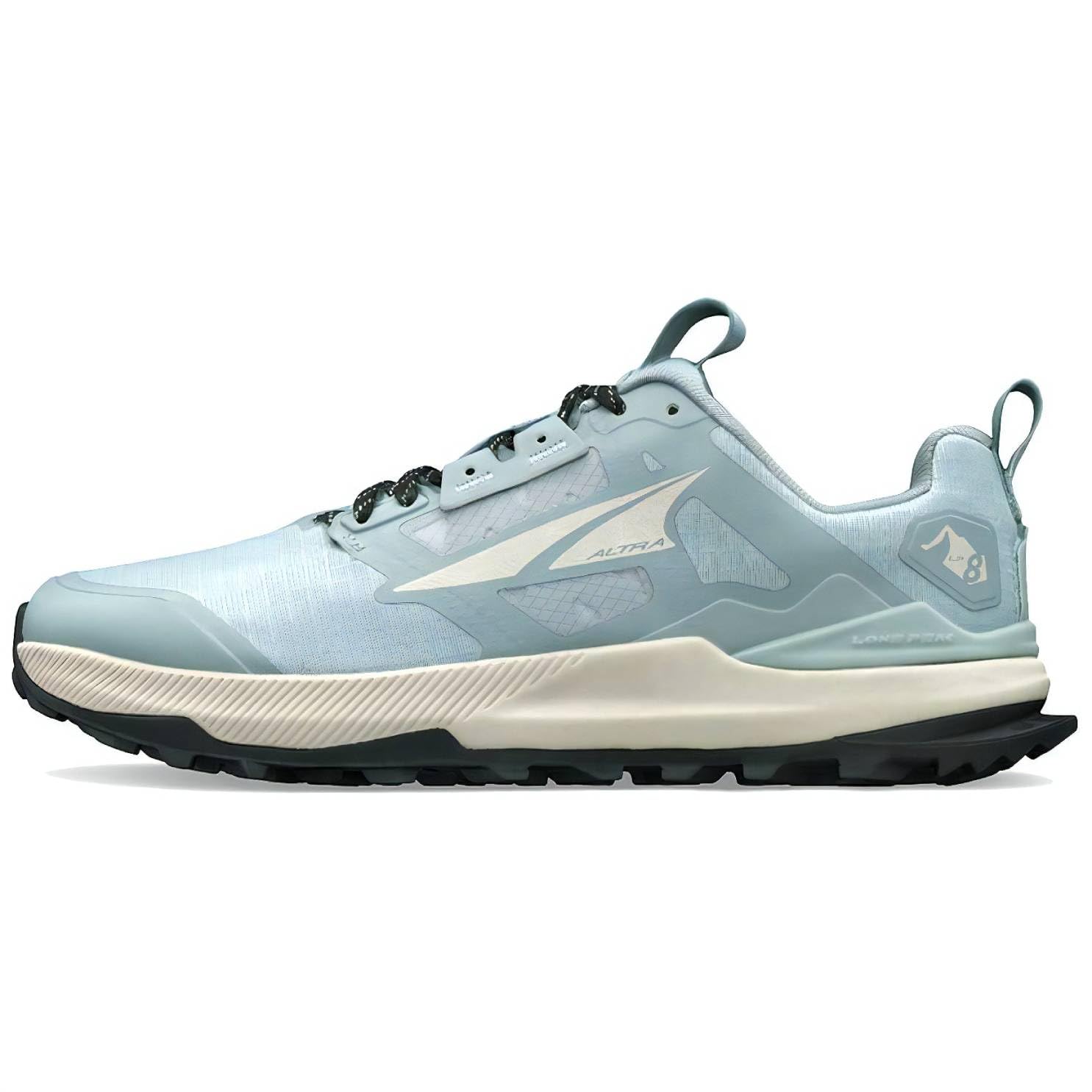
The Lone Peak 8 continues the legacy of its predecessor with a refined ripstop mesh upper that ups the rugged factor for bigger miles. The MaxTrac outsole with TrailClaw canted lugs provides sticky underfoot grip on loose dirt and rocky climbs, while the Balanced Cushioning platform keeps the heel and forefoot at equal 25mm distance from the ground for zero-drop alignment. This shoe is built for the thru-hiker who needs a single shoe to last hundreds of miles.
With a weight of 303 grams (10.7 oz) per women’s shoe, it is slightly lighter than the Lone Peak 9 and offers the same roomy FootShape toe box that eliminates hiker’s toe on steep, rocky hikes. Users who have gone through six pairs report that the wide toe box reduces foot fatigue and rubbing significantly. The shoe also includes a toe guard and Velcro tabs for gaiter attachment — a thoughtful detail for serious trail use.
The Lone Peak 8 is an excellent choice for hikers who want zero-drop benefits but are not yet ready for a sub-10mm true barefoot shoe. The 25mm stack provides enough protection to handle rocky terrain for hours on end, making it a reliable companion for multi-day expeditions where foot health is paramount.
Why it’s great
- Roomiest toe box eliminates hiker’s toe and reduces friction
- MaxTrac outsole with TrailClaw provides excellent mixed-terrain grip
- Gaiter-compatible with toe guard and Velcro tabs
Good to know
- 25mm stack is high for barefoot purists wanting maximum ground feel
- Some users report durability concerns after 300+ miles
5. Vivobarefoot Primus Lite 3.5 Mens Barefoot Shoes

The Vivobarefoot Primus Lite 3.5 is designed for versatility across training, running, and casual daily wear. The ultra-thin, flexible sole delivers exceptional ground feel, and the unique hexagonal tread pattern provides reliable grip across gym floors, pavement, and light trail surfaces. The breathable mesh upper keeps the foot cool during high-intensity efforts, and the wide anatomical shape allows natural toe splay during dynamic movements.
Users praise the shoe for its lightweight feel and ease of use across multiple environments — from CrossFit workouts to trail jogging to all-day standing. The shoe works well with or without socks, and the seamless interior construction prevents rubbing and hotspots. Sizing is reported to run slightly long, with some users recommending a half size down from their normal Brannock measurement.
For trail use, the Primus Lite 3.5 is best suited for well-maintained paths and gravel roads rather than technical singletrack with sharp rocks. The thin sole transmits debris pressure readily, and the hexagonal tread lacks the depth for serious off-road traction. However, for the athlete who needs a single shoe that transitions from the gym to the trailhead, this is a compelling option.
Why it’s great
- Ultra-thin sole delivers maximum ground feel for proprioceptive training
- Breathable, seamless mesh upper prevents hotspots
- Versatile for gym, road, and light trail use
Good to know
- Not suitable for technical rocky or muddy trails
- White colorway stains easily and is difficult to clean
6. Xero Shoes Women’s Prio Neo Barefoot Training Shoe
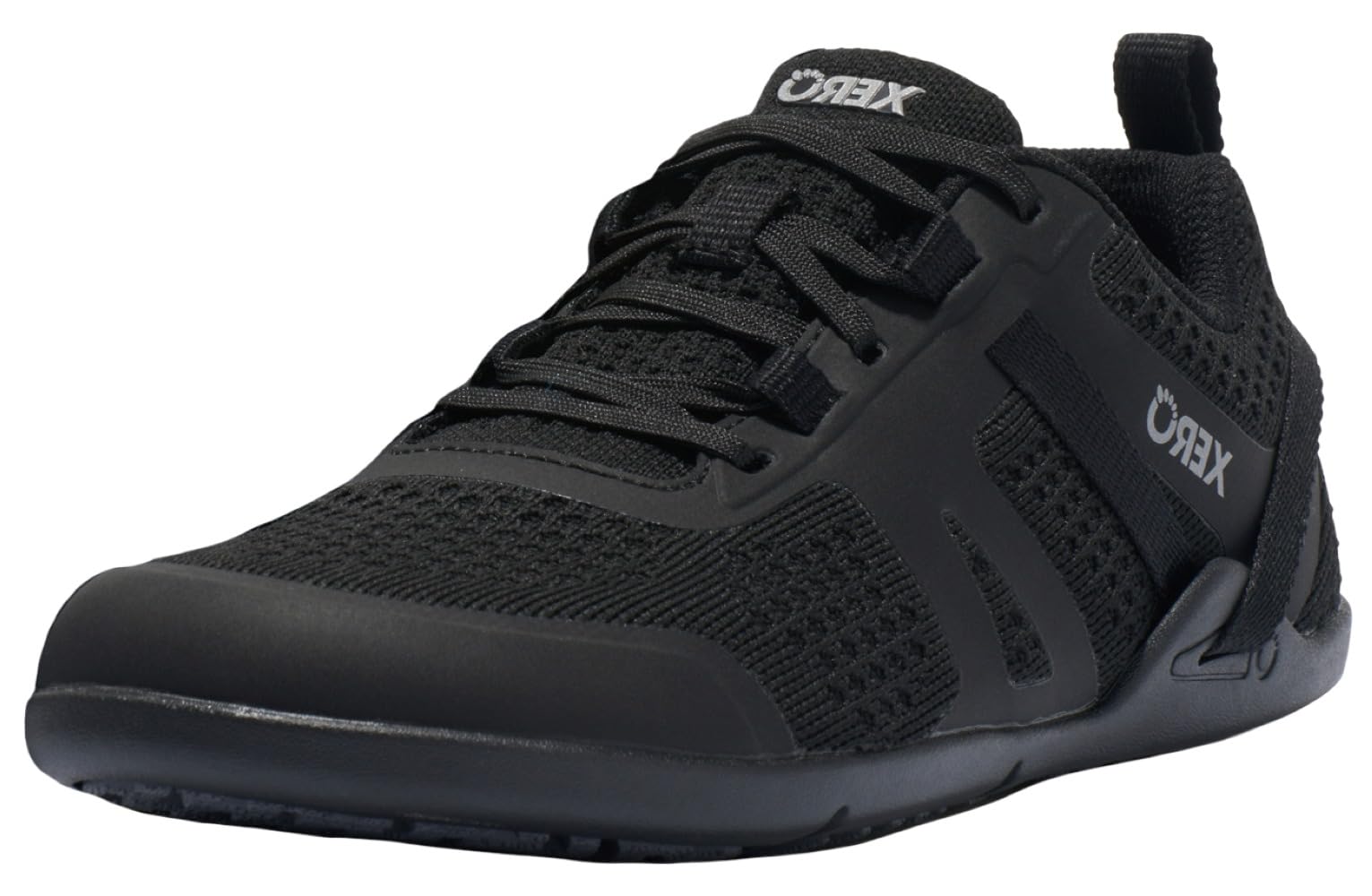
The Prio Neo from Xero Shoes is an excellent entry point for those transitioning from traditional cushioned shoes to a barefoot footbed. It features a removable insole, allowing users to start with some protection and gradually remove it to increase ground feel as their foot muscles strengthen. The wide toe box accommodates conditions like Morton’s toe and hammer toes comfortably, and the stretchy upper conforms to the foot without pressure points.
Users transitioning from Brooks Glycerine or similar high-drop stability shoes report that the Prio Neo helped resolve heel strike issues and improved balance and stability. The 5.5mm FeelTrue outsole is moderately thin, delivering noticeable ground feedback without being punishing for beginners. Some users find the shoe appears smaller than its marked size but still fits with adequate toe room due to the anatomical last.
The shoelaces, however, are excessively long and can cause tripping — a common user complaint that is easy to fix by trimming or replacing them. The Prio Neo is best suited for walking, light hiking, and gym training rather than aggressive trail running. For the price, it offers a low-risk way to explore barefoot footwear.
Why it’s great
- Removable insole allows gradual transition to full barefoot feel
- Wide toe box accommodates splay and toe deformities
- Excellent walking shoe for first-time barefoot users
Good to know
- Shoelaces are excessively long and a tripping hazard
- Minimal sole support may cause calf or knee pain during transition
7. NORTIV 8 Men’s Wide Toe Box Trail Running Shoes
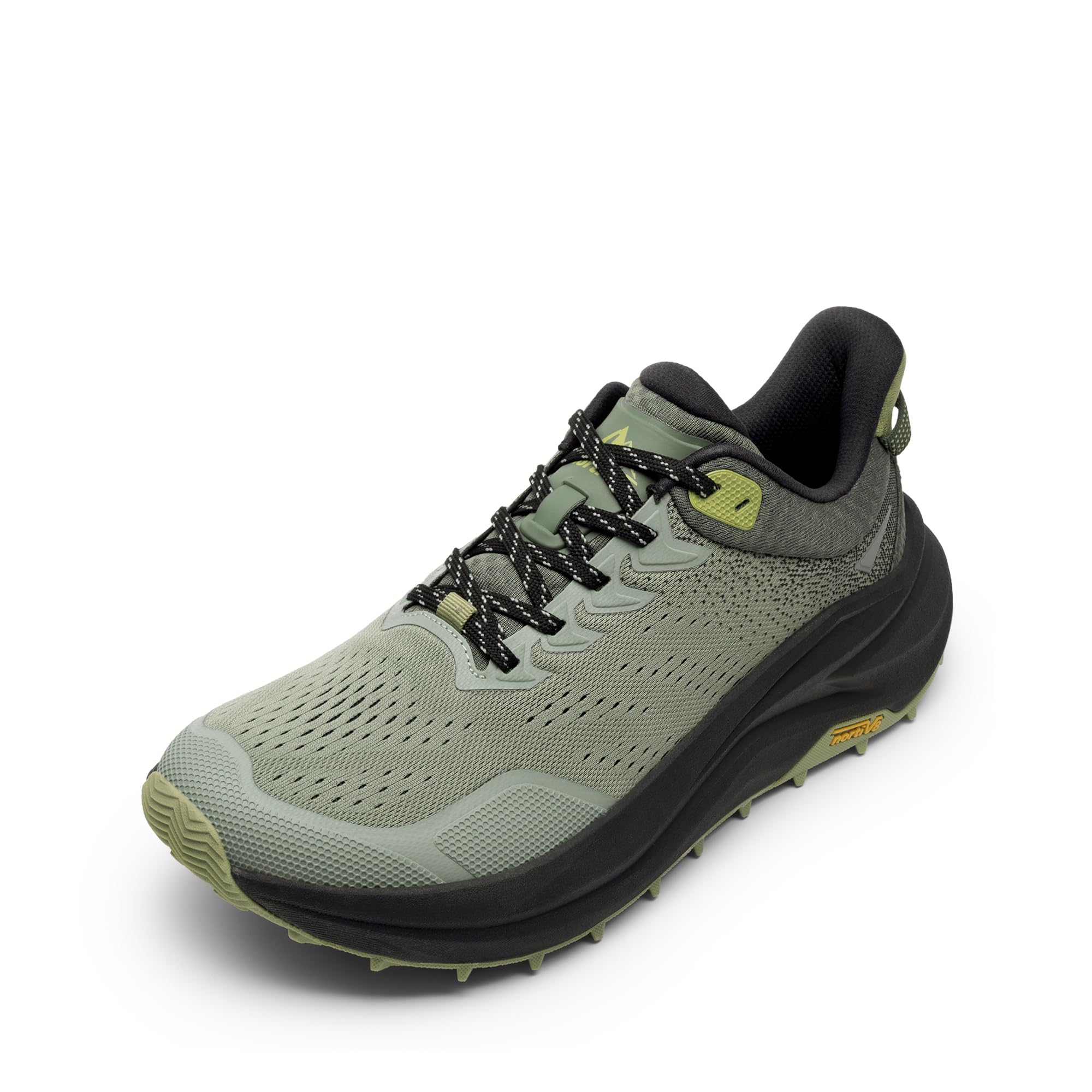
The NORTIV 8 Whitney defies its budget-friendly price point by delivering a wide toe box, aggressive outsole lugs, and a low 5mm drop that closely approximates a barefoot footbed. Users report that these shoes are near-identical in feel to premium barefoot brands but are more comfortable out of the box. The shoe offers plush yet responsive cushioning that provides protection on rocky terrain while maintaining good ground feedback through the sole.
Multiple users report exceeding 300 technical trail miles with no visible tread wear, which speaks to the outsole’s durability. The aggressive sole lugs provide excellent mud and water drainage, and the large welded toe bumper adds protection against rock strikes. Healthcare workers have also praised the shoe for all-day standing comfort due to the roomy toe box that reduces toe friction by an estimated 75%.
Potential drawbacks include a lack of gaiter attachment points, though this can be solved with a simple DIY fix. The shoe is also heavier than premium barefoot options, and users with wide feet may find the shape “grandpa-like” aesthetically. However, for the price point, the NORTIV 8 Whitney delivers surprisingly strong performance that rivals shoes costing significantly more.
Why it’s great
- Exceptionally affordable with premium-like wide toe box and low drop
- Aggressive lugs provide strong traction on mud and loose terrain
- Proven durability with over 300 miles of trail use reported
Good to know
- Heavier than minimalist shoes like the Vapor Glove
- No gaiter attachments; DIY modification required
FAQ
How long does it take to transition from traditional shoes to barefoot trail shoes?
Can I wear barefoot trail shoes for everyday walking on pavement?
Will barefoot trail shoes help with plantar fasciitis or knee pain?
Final Thoughts: The Verdict
For most users, the best barefoot trail shoes winner is the ALTRA Lone Peak 9 because it offers the perfect compromise between 25mm underfoot protection and zero-drop ground feel, making it suitable for both trail running and thru-hiking. If you want maximal ground feel and foot strengthening, grab the Merrell Vapor Glove 6 Leather. And for a budget-friendly entry into barefoot hiking, nothing beats the NORTIV 8 Whitney.