
Your mountain bike’s cockpit is the primary connection between you and the trail, and a poorly chosen set of handlebars can turn a day of flow into a session of wrist pain and poor steering. The rise width, sweep, and material of your bars directly dictate whether you’re fighting the bike or commanding the terrain, making this decision far more critical than its simple appearance suggests.
I’m Min — the co-founder and writer behind Gadgets Feed. I’ve spent countless hours dissecting the alloy compositions, clamp diameters, and real-world customer feedback to separate the true upgrades from the commodity parts.
This guide tackles seven of the most compelling alloy options on the market, cutting through the confusion so you can confidently choose the right bars for mountain bike that match your riding style and budget without guesswork or hype.
How To Choose The Best Bars For Mountain Bike
Selecting the right handlebar is not about picking the lightest or cheapest option. It is about matching geometry to your body dimensions and riding discipline. Three variables dominate the decision: rise height, width, and the alloy’s fatigue resistance.
Rise Height and Your Riding Position
Rise determines your torso angle. A low rise (15-25mm) puts you in a forward, aggressive stance ideal for climbing and cross-country speed. A medium rise (35-50mm) balances control and comfort for all-mountain and trail riding. A high rise (70-120mm) brings the bars up and back, relieving wrist pressure and lifting the chest for descending confidence, but it shifts your center of gravity rearward, reducing front-wheel traction on steep climbs.
Width, Sweep, and Clamp Diameter
Modern mountain bike bars range from 760mm to 800mm wide. Wider bars offer more leverage on descents but can feel sluggish in tight trees — many riders cut them down. Backsweep (typically 7-12 degrees) aligns your wrists naturally, reducing numbness. Clamp diameter must match your stem: 31.8mm is the standard, while 35mm is stiffer and common on newer enduro builds. Mixing diameters requires a new stem.
Alloy Grade and Construction
Most alloy bars use 6061 aluminum. Look for “butted” tubing (thinner in the center, thicker at the ends) to shed weight without sacrificing strength. Shot-peening and anodizing extend fatigue life by relieving surface stress. Avoid painted bars if you ride in wet conditions — paint hides cracks. A raw or anodized finish lets you inspect the metal.
Quick Comparison
On smaller screens, swipe sideways to see the full table.
| Model | Category | Best For | Key Spec | Amazon |
|---|---|---|---|---|
| PNW Gen 4 Range | Premium Alloy | Trail performance & comfort | 800mm width, 316g | Amazon |
| Race Face Atlas | Premium Alloy | Downhill & aggressive riding | Cold-drawn AirAlloy, 340g | Amazon |
| Funn Full On | Mid-Range Alloy | Aggressive XC & BMX crossover | 785mm width, 15mm rise, 328g | Amazon |
| Spank Spoon 40 | Mid-Range Alloy | Versatile trail & park | Shot-peened, 40mm rise, 454g | Amazon |
| FIFTY-FIFTY Riser | Mid-Range Alloy | All-mountain control | 780mm width, 35mm rise, 340g | Amazon |
| GEWAGE 31.8 Riser | Budget Alloy | E-bike & cruiser comfort | 780mm width, 120mm rise max | Amazon |
| Sunlite MTB Steel | Budget Steel | Upright comfort on a budget | 27.5″ width, 3.5″ rise, 1.25 lb | Amazon |
In‑Depth Reviews
1. PNW Components Gen 4 Range Alloy MTB Handlebar
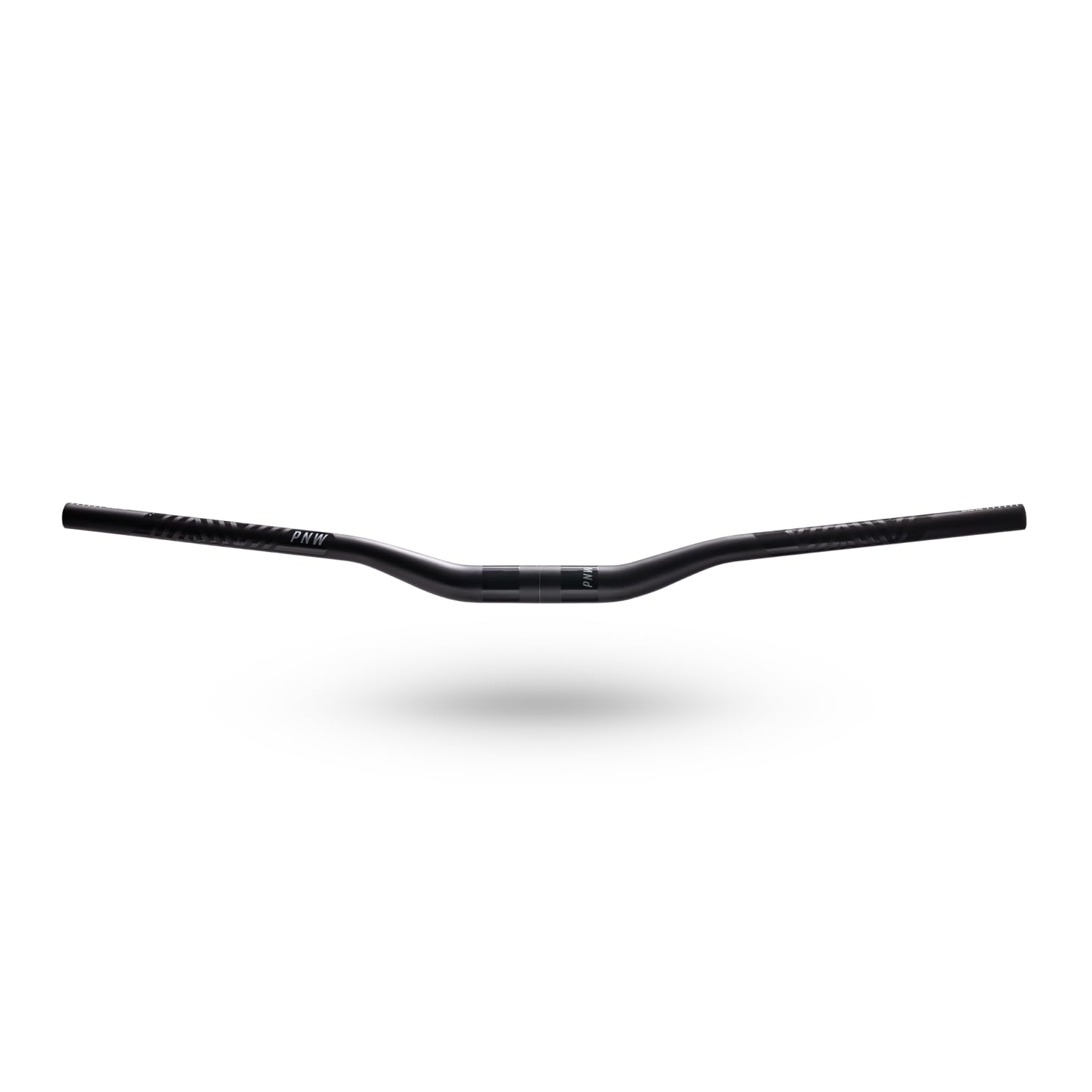
The PNW Gen 4 Range uses a proprietary 2014 aluminum alloy that mimics carbon’s vibration damping without the fragility or cost. At 316 grams for the 25mm rise version, it shaves meaningful weight compared to standard 6061 bars while maintaining the stiffness needed for aggressive trail riding. The 800mm width provides confident leverage on descents, and the available 38mm and 50mm rise options let you fine-tune your cockpit geometry without buying a different bar.
Riders report a noticeable reduction in arm pump and fatigue during long sessions, which aligns with the alloy’s chatter-absorbing claim. The anodized cement grey finish resists scratches well, and the bar is compatible with both 31.8mm and 35mm stems depending on the variant you select. A lifetime warranty against manufacturing defects backs the entire build.
Reviewers on fat bikes and trail rigs alike praise the immediate comfort improvement when swapping from standard flat or low-rise bars. The bar’s consistency across two different bikes suggests reliable quality control. For the rider who wants a high-performance alloy bar that rivals carbon in feel, this is the benchmark.
Why it’s great
- 2014 alloy delivers near-carbon vibration damping
- Sub-320g weight is competitive with premium alloy bars
- Three rise options (25/38/50mm) for precise cockpit tuning
Good to know
- Premium price compared to entry-level 6061 bars
- 800mm width may need cutting for tight trail sections
2. Race Face Atlas Mountain Bike Handlebar
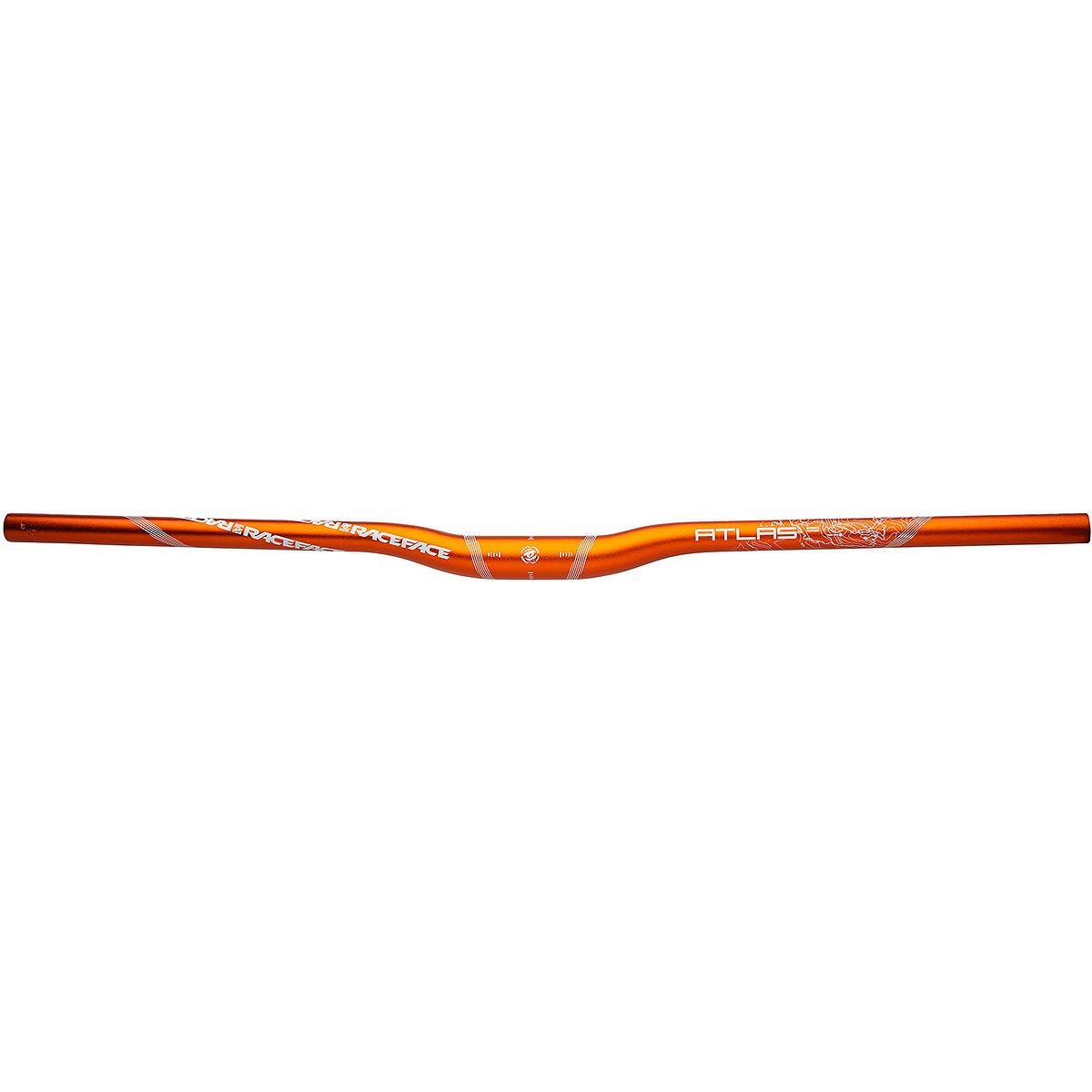
The Race Face Atlas is a cold-drawn and butted AirAlloy aluminum bar built for aggressive riding. With 4 degrees of upsweep and weight pegged at 340 grams, it is designed for riders who prioritize steering precision and impact resistance over extreme weight savings. The shot-peened and anodized finish extends fatigue life, making it a durable option for park laps and enduro stages where crashes are part of the program.
Riders note the bar transforms the feel of a trail bike into something closer to a downhill sled, with noticeably improved control when charging through rock gardens and berms. The wide stance provides leverage that inspires confidence at speed. It is stiff enough to transmit trail feedback clearly without feeling harsh.
The Atlas uses a 31.8mm clamp and is available in multiple colors, though the red variant is the most common. Some customers mention the bar runs true to the listed weight. If you want a proven, no-nonsense alloy bar from a brand synonymous with mountain bike strength, this is your pick.
Why it’s great
- Cold-drawn AirAlloy construction resists fatigue
- Shot-peened finish improves crack resistance
- Proven on downhill and enduro race circuits
Good to know
- Only 4° upsweep may feel too aggressive for some riders
- Heavier than modern 2014 alloy competitors
3. Funn Full On Mountain Bike Handlebar
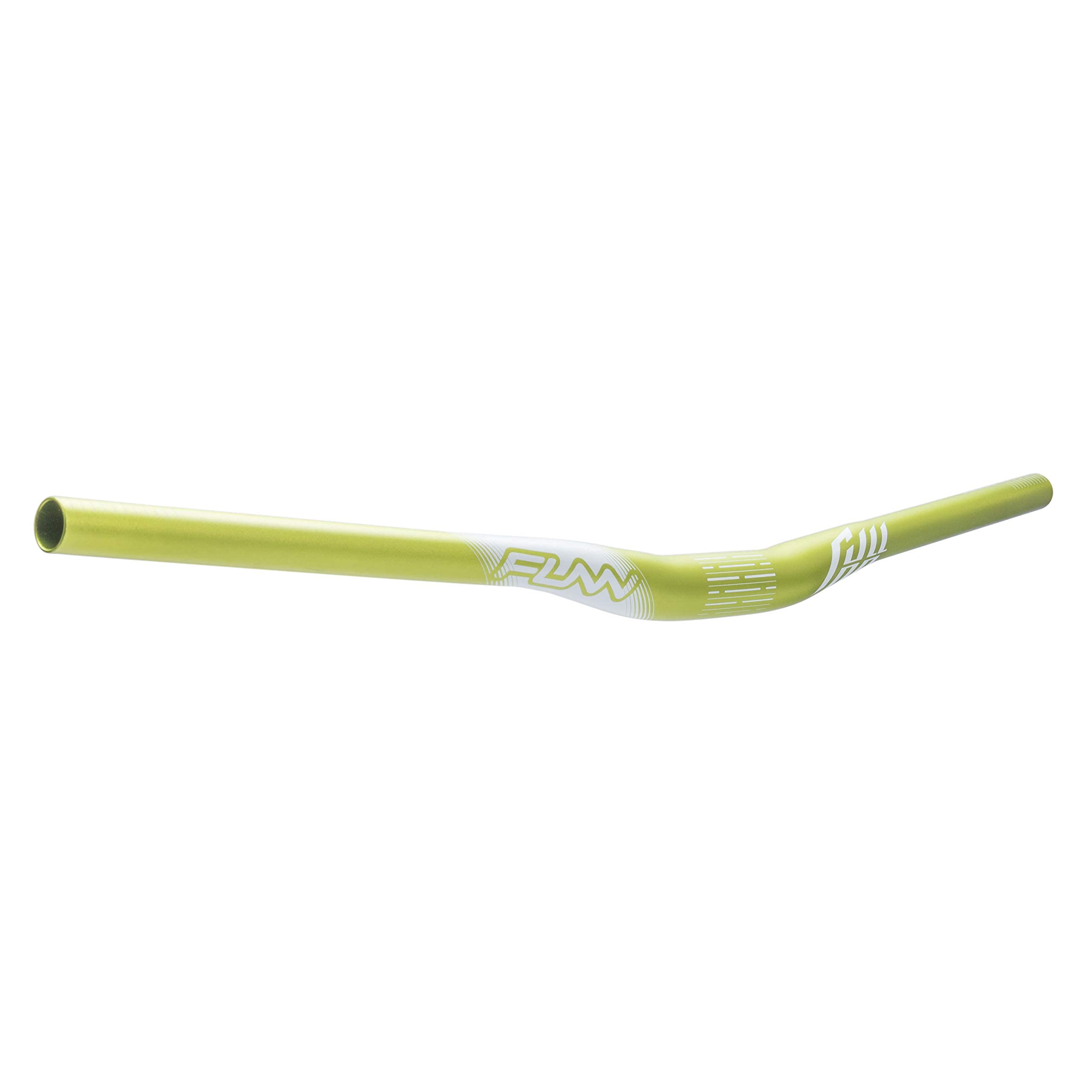
The Funn Full On uses triple-butted AL6061 to keep weight low at 328 grams for the 15mm rise version while retaining structural integrity. The 785mm width is a modern sweet spot — wide enough for leverage on descents but easier to maneuver through tight trees than an 800mm bar. The small rise and minimal backsweep position the rider in an aggressive, aerodynamic posture suited for cross-country racing, trail charging, or even BMX-style riding.
Customer feedback highlights the bar’s resilience after minor crashes, with no bending reported. The sandblasted anodized finish holds up well, and the built-in cut marks allow clean width adjustments. The 15mm rise is particularly popular among riders transitioning from a flat bar who want a slight hand position lift without altering their cockpit drastically.
Available in several colors including green, grey, and black, the Full On is also offered in a 30mm rise variant. It pairs naturally with Funn stems but works with any standard 31.8mm clamp. For the rider who wants a lightweight bar without paying carbon prices, this is a sharp choice.
Why it’s great
- Triple-butted construction saves weight without sacrificing strength
- 15mm rise provides aerodynamic posture for XC racing
- Built-in cut marks for width customization
Good to know
- Small rise may not relieve wrist pain for taller riders
- Color accuracy can vary from product images
4. Spank Spoon 40 Handlebar

The Spank Spoon 40 delivers freeride-inspired geometry at a mid-range price point. The 40mm rise and generous backsweep create a comfortable upright position that suits all-mountain riding, bike park sessions, and trail exploration. The shot-peening and anodizing processes enhance the aluminum’s fatigue life, making it more resilient than a standard painted bar.
Reviewers appreciate the clever packaging that doubles as a plastic mudguard — a small but thoughtful touch. The bar’s hammered metallic black finish looks distinctive and stands up to cable rub. Some users note the actual rise measures closer to 38mm, so factor that into your fit calculations if you are chasing a precise geometry target.
At 454 grams (16 ounces), the Spoon 40 is heavier than premium competitors, but the cost per gram of durability is low. It is an ideal upgrade for a budget trail build or a park bike that takes regular abuse. Pair it with a quality stem and you have a reliable cockpit foundation.
Why it’s great
- Shot-peened finish improves fatigue resistance
- 40mm rise with generous backsweep for all-day comfort
- Packaging doubles as a mudguard
Good to know
- Real rise is about 2mm less than stated 40mm
- Heavier than butted aluminum bars in the same price range
5. FIFTY-FIFTY Mountain Bike Riser Handlebar

The FIFTY-FIFTY Riser uses double-butted 6061 aluminum with hard anodizing to hit just 340 grams at a 35mm rise and 780mm width. The central setup grid and cut-down markings on both sides make width adjustments straightforward — you can trim it to 760mm, 740mm, or any intermediate size with confidence. The 35mm rise balances trail control and comfort without pushing your weight too far rearward.
Riders on trail bikes and e-bikes alike report improved handling stability and reduced wrist strain after swapping to this bar. The numerical controlled precision bending ensures consistent geometry from bar to bar. The anodized finish is durable and resists corrosion, though the red variant is closer to orange in person according to some customers.
For the price, the FIFTY-FIFTY offers a weight and feature set that competes with bars costing significantly more. It is a solid choice for the rider building a mid-range trail rig or upgrading a stock alloy bar without jumping to premium pricing tiers.
Why it’s great
- Double-butted 6061 aluminum keeps weight at 340g
- Setup grid and cut marks simplify width customization
- Hard anodizing resists scratches and corrosion
Good to know
- Red anodized color may appear orange
- 35mm rise may be too low for riders needing significant hand elevation
6. GEWAGE 31.8 Bike Handlebar

The GEWAGE 31.8 Riser stands out for its wide range of rise options: 25mm, 55mm, 70mm, 90mm, and 120mm. This makes it a go-to choice for e-bike riders and those converting a mountain bike into a more upright commuter. The 12-degree backsweep helps reduce wrist fatigue, a feature often missing on budget bars. The 780mm width provides ample leverage for control at higher speeds.
Taller riders report that the 90mm and 120mm versions dramatically improve posture by enabling a straight back, eliminating wrist and neck pain. However, the high rise shifts the rider’s center of gravity rearward, which reduces front-wheel traction during steep technical climbs. Some users found the bar ends slightly narrower than the standard 22.2mm grip diameter, requiring carbon paste or careful clamping.
At this price point, the GEWAGE delivers impressive versatility for riders who need substantial rise without spending premium dollars. It is best suited for casual trail riding, e-bike conversions, and comfort-focused builds rather than aggressive racing or enduro.
Why it’s great
- Five rise options from 25mm to 120mm cover all comfort needs
- 12-degree backsweep reduces wrist fatigue effectively
- Bargain price for an aluminum riser bar
Good to know
- Bar ends may be slightly under 22.2mm, causing grip slippage
- High rise compromises climbing traction on steep terrain
7. Sunlite MTB/City Steel Handlebars

The Sunlite MTB/City Steel bars are built for comfort, not speed. With a 25.4mm clamp diameter and a 3.5-inch (89mm) rise, these painted steel bars are designed to transform an aggressive riding position into an upright, wrist-friendly posture. The steel construction makes them virtually indestructible under normal use, and the tight rise geometry is superior to generic cruiser bars.
Customers consistently report relief from wrist and shoulder pain after swapping out flat OEM bars for these. Taller riders pair them with a stem extension for even more height. The painted black finish is basic but functional, and the bars weigh 1.25 pounds — significantly heavier than any aluminum option in this lineup, which is the trade-off for the durability.
These are not for mountain bikers chasing weight savings or trail performance. They are for riders seeking maximum comfort on beach cruisers, city commuters, or budget mountain bikes used for casual pavement riding. If your priority is an upright riding position and you have a 25.4mm stem, this is the most affordable solution available.
Why it’s great
- Steel construction is extremely durable and resistant to bending
- 3.5-inch rise relieves wrist and shoulder strain effectively
- Lowest price point for a comfort-focused bar
Good to know
- Heavy at 1.25 lbs compared to aluminum bars
- 25.4mm clamp requires a compatible stem
FAQ
What rise height should I choose for trail riding?
Can I install a 31.8mm bar on a 25.4mm stem?
How do I cut my handlebar to the right width?
Final Thoughts: The Verdict
For most riders, the bars for mountain bike winner is the PNW Gen 4 Range because its 2014 aluminum alloy delivers near-carbon vibration damping at an alloy price, with three rise options to dial in cockpit fit. If you prioritize aggressive descending and park durability, grab the Race Face Atlas. And for a lightweight, value-packed all-rounder that punches above its price, nothing beats the FIFTY-FIFTY Riser.