
Our readers keep the lights on and my morning glass full of iced black tea. As an Amazon Associate, I earn from qualifying purchases.
Specs are compiled from manufacturer listings and verified buyer reviews and can change over time — please confirm the key details on the product page before buying.
A well-chosen base layer keeps you dry and warm on the trail, while a poor one leaves you shivering and miserable. It sits against your skin to regulate temperature and wick moisture without trapping sweat. Most hikers pick wrong by grabbing the thickest fabric they can find — that is exactly how you end up damp and cold. This guide focuses on the fabric types, GSM weights, and fits that deliver real performance on the trail.
I’m Min — the founder and writer behind Gadgets Feed. This guide is built by comparing the manufacturers’ published specifications and the patterns across verified customer reviews, so you get each pick’s real strengths and trade-offs instead of marketing spin.
You will find honest breakdowns of merino wool versus fleece-lined synthetics, what the weights mean, and which cut suits your build, all to help you pick the best base layer for hiking without overpaying or sacrificing comfort.
Our Picks at a Glance


How To Choose The Best Base Layer For Hiking
Your base layer is your primary defense against cold and your main tool for managing sweat. The ideal fabric insulates when you’re resting and vents excess heat when you’re active. Material composition and GSM weight are more critical than brand reputation.
Merino Wool vs. Synthetic Fabrics
Merino wool is the gold standard because it naturally regulates temperature and resists odor, so you can wear it for days on a multi-day trek without smelling like a gym bag. It also keeps you warm even when it gets damp from sweat or rain. Synthetics, like polyester or nylon blends, are cheaper and dry faster, but they tend to hold onto odors much quicker after a single hard hike.
Understanding Fabric Weight (GSM)
The weight of the fabric is measured in grams per square meter, often written as “gsm” or “g/m²”. A lighter weight, around 150-165 gsm, is perfect for high-output activities like running or climbing uphill in spring, because it dumps heat fast. A midweight around 250 gsm is the most versatile for general cold-weather hiking, and a heavyweight 320 gsm is for low-activity days in deep winter when you are standing around more than moving.
Fit and Cut
A base layer should fit snugly against your skin to trap heat in the tiny air pockets the fabric creates. If it is too loose, cold air gets in; too tight, and you restrict movement and blood flow. Look for a cut that hugs your torso and arms but lets you raise your arms overhead without the hem riding up to your chest.
Quick Comparison
| Model | Best For | Material | Weight | Style | Amazon |
|---|---|---|---|---|---|
| Merino Wool Quarter Zip★ Best Overall | Cold-weather active wear | 100% Merino Wool | 165-320 g/m² | Half Zip | Amazon |
| SIMIYA Fleece Lined CrewBudget Champion | Everyday winter warmth | Polyester Fleece | Lightweight | Crew Neck | Amazon |
| 5 Pack Compression ShirtsBest Value Pack | Moderate cold & layering | Synthetic 4-Way Stretch | Lightweight | Crew Neck | Amazon |
| Womens Ultra Soft Midweight | All-season casual layering | Synthetic | Midweight | Scoop Neck | Amazon |
| 100% Merino Wool for Men | Versatile hiking & travel | 100% Merino Wool | Lightweight | Crew Neck | Amazon |
| Helly-Hansen HH LIFA Crew | Skiing & high output | 100% Lifa Fiber | Super Lightweight | Crew Neck | Amazon |
| MERINNOVATION Base Layer Set | Multi-day hikes & sleep | 100% Merino Wool | 165-250 gsm | Top & Bottom Set | Amazon |
| DANISH ENDURANCE Set | Active cold weather days | Merino Wool Blend | 180 GSM Midweight | Top & Bottom Set | Amazon |
| Smartwool Thermal Bottom | Extreme cold & skiing | 100% Merino Wool | Thermal Weight | Thermal Bottom | Amazon |
In‑Depth Reviews
1. 100% Merino Wool Quarter Zip Sweater
Our pick — over 4.5★ from 850+ verified ratings; the strongest balance of quality and price.
The superfine merino workhorse that conquers everything from spring trails to ski slopes.
The defining spec here is the 17.5 micron fiber — finer than a human hair, which is why owners with sensitive skin report zero itch where standard 25+ micron wools irritate. It comes in three weights — 165, 250, or 320 g/m² — so you match the fabric to the season: light for spring, mid for most hiking, heavy for deep frost. One owner at 5’9″ and 185 lbs found the 250 weight not see-through, soft, and stretchy, confirming the fabric’s quality.
What wins people over is the fit — owners praise how it drapes true to size, with warmth and comfort trailing close behind. The half-zip is a real tool, letting you dump heat on a climb without pulling the whole layer off. Buyers report it performs as a running layer in chilly temps, feels like a second skin, and holds its shape across multiple wears without needing a wash, thanks to merino’s natural odor resistance. Expect to wear it 3-5 days between washes, not one.
The honest trade-off is care: machine wash cold max 30°C and lay flat to dry, because tumble drying damages the fibers. A faint pilling appears after around six wears and the knit is snag-prone, so treat it with a bit of respect on rocky brush. Some also note the sleeves run slightly short on taller frames.
Why It Leads the Trail
- 17.5 micron merino is itch-free even on sensitive skin
- Three weight options cover every season from 10°F to 60°F
- OEKO-TEX certified and RWS-certified Australian wool
The Care It Demands
- Must be laid flat to dry — tumble drying ruins the fibers
- Knit can snag and show faint pilling after several wears
- Sleeves run a touch short on taller women
Reach for this if: you want one layer that handles active hikes and freezing ski days alike without the itch.
The catch: it asks for gentle washing, so it is not a toss-in-the-dryer kind of garment.
2. SIMIYA Men’s Fleece Lined Crew
A shockingly light thermal that delivers serious warmth for everyday cold-weather wear.
Forget everything you think about bulky winter thermals — this crew is lined with fleece for softness against the skin yet stays surprisingly light. The main praise centers on its warmth-to-weight ratio, with owners calling it “shocking light for how warm it is” and perfect for fall and winter. It is built to keep body heat from escaping, making it a solid everyday baselayer rather than a technical backcountry piece.
The biggest variable is sizing. The fit gets mixed feedback, with a chunk of buyers reporting it runs at least two sizes smaller than advertised, while others find it true to size. The consensus advice from owners is to size up — one buyer recommends going one extra size up for the best fit. It is thin, so expect a snug athletic cut rather than a baggy lounge shirt, and it works best for slim builds.
Here is the honest catch for hikers: it is made more from polyester, so it does not absorb sweat the way merino does. That means it is fantastic for casual winter walks and commutes, but on a high-output hike, the sweat management is weaker than a wool layer.
Best for the price: If you want a soft, warm, everyday layer that won’t break the bank, this delivers in spades — just order a size up.
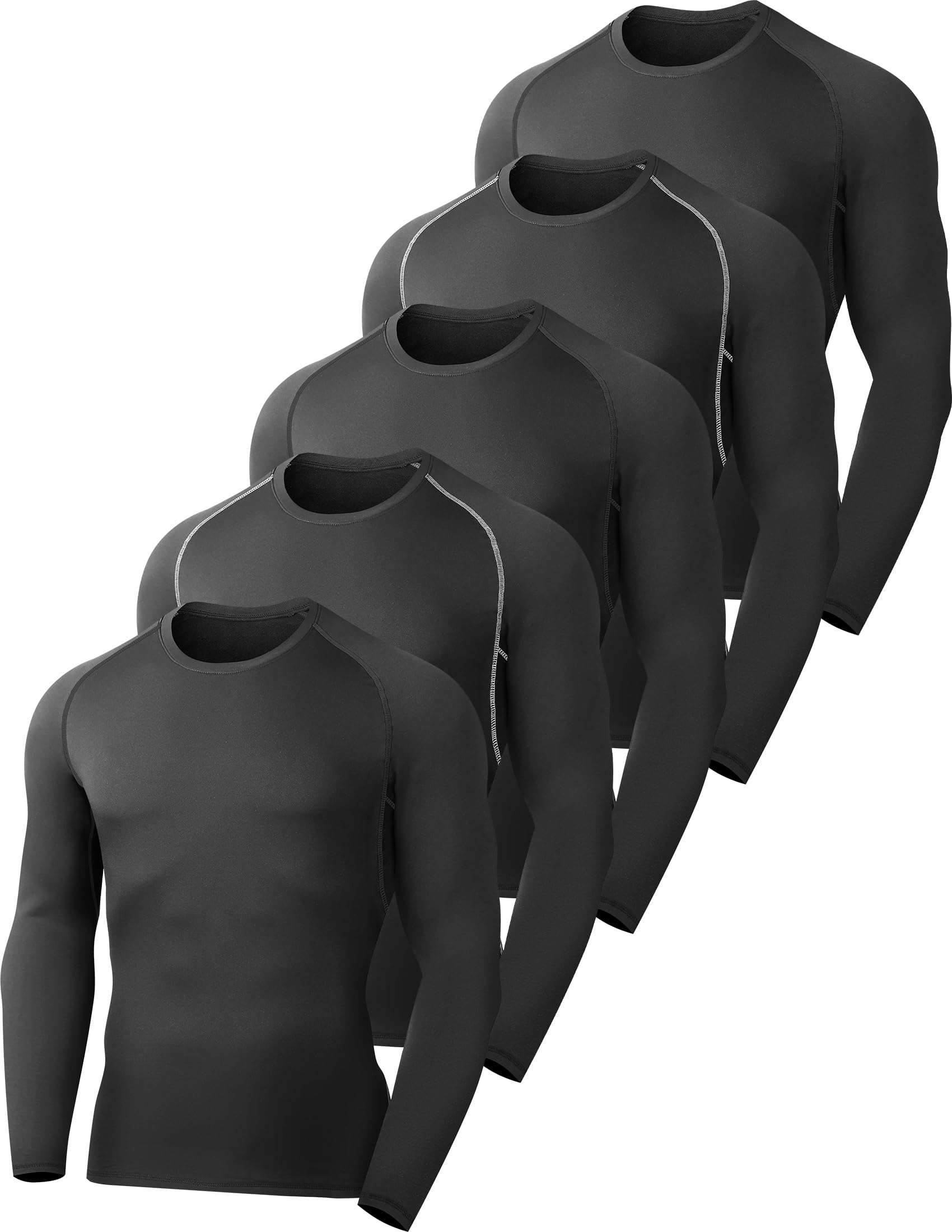
3. 5 Pack Thermal Compression Shirts
Five fleece-lined compression tops that solve the whole week of cold-weather layering at once.
This is the “low-maintenance” option for guys who want a full week of base layers without doing laundry mid-week. You get five shirts with an inner micro fleece lining for warmth and a 4-way stretch fabric that moves exactly how you want on the trail. The flat-lock seams and added spandex help the shirt hold its shape wash after wash, and owners confirm they hold up with no fading or rips.
The compression fit is slim by design, and the sizing chart is precise — one owner with a 40-inch chest says the medium fits perfectly, snug without restricting movement. That snugness is the point: it traps heat close to the body. Buyers describe it as thin but warm, ideal for moderate cold, with one noting it is perfect for mild climates like Texas at 21°F and above, though less warm than heavier brands for extreme cold. Stay below 30-40 degrees and you are in its wheelhouse.
You stay dry on the climb because the moisture-wicking tech fabric (a synthetic material that pulls sweat away from your skin) evaporates it fast. The main quibbles are minor: there is no size label inside the neck, so you tell the front by the scoop neck, and the fabric is thin enough that some owners size up if they are between sizes.
Grab this if: you hike in moderate winter and want a week’s worth of snug, wicking layers in one buy.
Look elsewhere if: you face extreme sub-zero conditions that demand heavyweight insulation.
4. Women’s Ultra Soft Midweight Baselayer Top
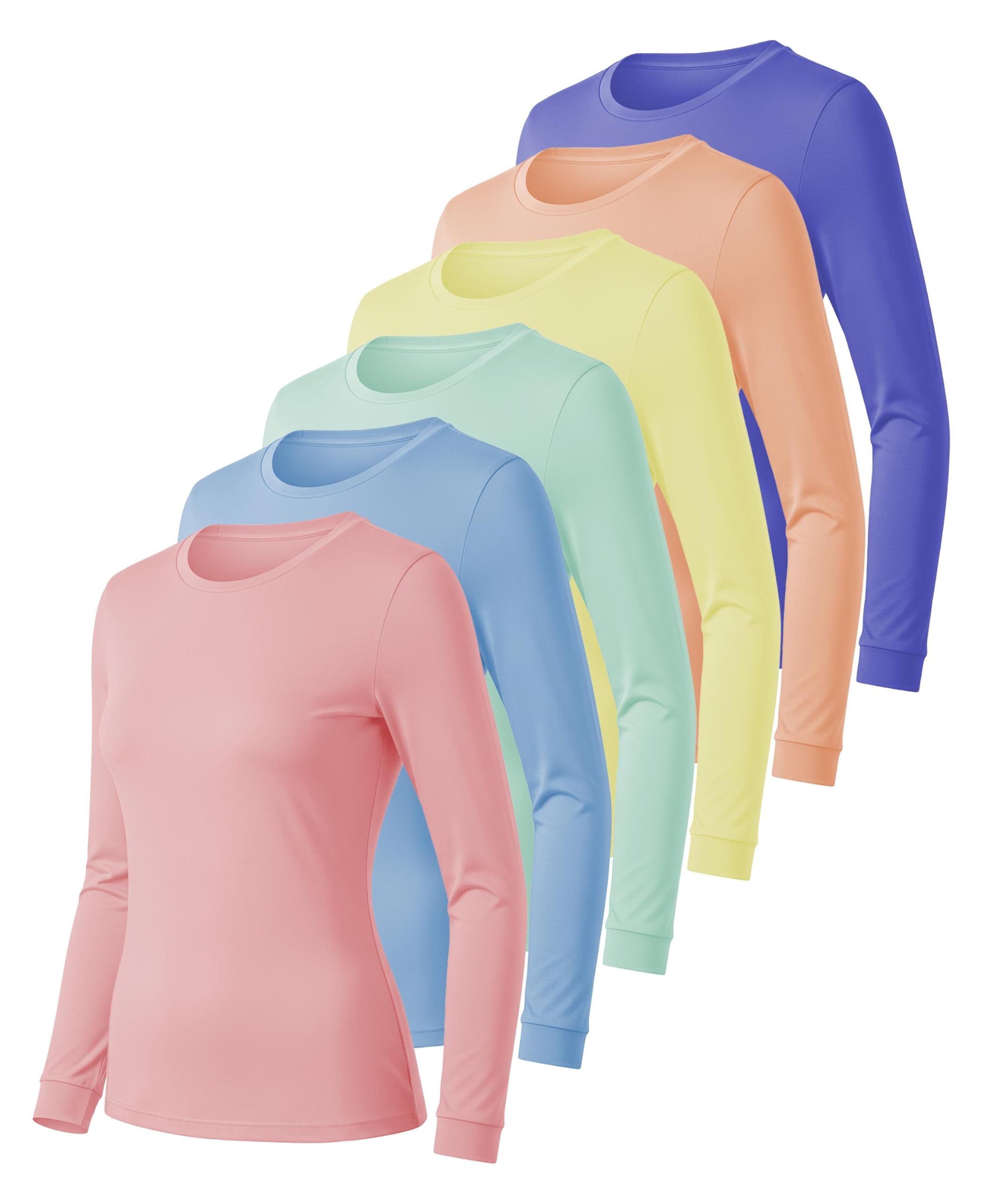
A flattering scoop-neck thermal that keeps you warm without looking like you are wearing long underwear.
This top is for the hiker who refuses to sacrifice style for warmth. The scoop neck and flattering cut draw consistent praise for appearance, with one owner wearing them to a bakery job where the moisture-wicking fabric kept her cool. The softness is the standout trait, and buyers describe the material as soft like butter, extremely breathable, and not see-through at all, making it a versatile pick for both hiking and everyday wear.
The midweight construction makes it a true all-season layer, not too warm for a spring stroll but enough for a chilly mountain morning. The longer length is a bonus — it stays tucked in when you bend and stretch on the trail. It also survives the wash well, with no shrinking, pilling, or fading reported.
Here is where you need to be careful: the fit is the most-discussed topic, and it is genuinely inconsistent. Multiple owners mention the sizing varies by color pack — one ordered a medium in pastels that fit perfectly, then the same size in black/khaki fit like an XS. If you buy this, order multiple sizes or be ready to exchange. The chest can also run tight, so it suits a slimmer build.
Worth it for the look: If you want a soft, flattering layer that works under a shell or alone at the coffee shop, this delivers — but treat the sizing with skepticism.
5. 100% Merino Wool Shirt for Men

A do-it-all merino crew that goes from trail to office to gym without missing a beat.
This is the Swiss Army knife of base layers, marketed as a four-season shirt that naturally regulates body temperature. The 100% merino construction is the headline — it is ultra soft with no itch and comes with a lifetime warranty, which tells you the maker stands behind it. Owners praise the warmth and comfort above all, with one calling it his favorite base layer for how well it allows moisture to pass through to the next layer.
It packs a UPF 50 rating to block harmful sun rays, making it a smart pick for exposed ridgelines in summer, not just winter hikes. It is also naturally wrinkle-resistant and odor-resistant, so it is ideal for multi-day travel where you cannot wash it nightly. Buyers find it lightweight yet warm, breathable, and true to size for the most part.
The catch is the fit for some body types. The fit is the most-discussed aspect, and while many find it excellent, a notable share report it runs short on the torso, and some find the arm connection to the body oddly structured. At 5’11” and 168 lbs, one owner found the fit just wasn’t right. Durability also gets mixed reviews, so gentle washing and air drying are recommended for longevity.
Built for Versatility
- 100% merino resists odor for multi-day wear
- UPF 50 sun protection for exposed trails
- Backed by a lifetime warranty
The Fit Gamble
- Some buyers find the torso length too short
- Armpit construction feels odd to some body types
- Durability depends on careful washing
Choose this for: the hiker who wants one layer versatile enough for every season and every occasion.
Check your measurements: if you are tall or between sizes, the fit can be a lottery worth exchanging for.
6. Helly-Hansen Women’s HH LIFA Crew

The 40-year-proven synthetic that dries in a flash and shines for high-output sports.
Helly Hansen has spent four decades perfecting Lifa fiber, and this crew is the result — a base layer that is quick-dry, very breathable, and super lightweight. This is the one to grab when you are going hard: skiing, rowing, or bike touring where sweat management is everything. One owner wore it for a 5-day bike tour and slept in it for four nights, staying warm in below-freezing temps.
The quality is the most-praised aspect, and owners consistently call it well-made, stylish, and soft. It has a fitted but not too tight cut that flatters, and the moisture-wicking fabric keeps you warm when you need it. The black and white pattern down the arms is a favorite style detail, making it a mid-layer you do not mind being seen in at the lodge.
The trade-off is fit and stretch. It runs small — one owner with a 35-inch chest found it tight across the chest and wrists, while another noted the material snagged after a single wear. It is a performance fit, so if you are between sizes, go up, and treat the fabric with care around zippers or rough gear.
Built for speed: If your hiking is more about cardio and less about lounging, this quick-drying synthetic is a top-tier choice — just size up for comfort.
7. MERINNOVATION Merino Wool Base Layer Set
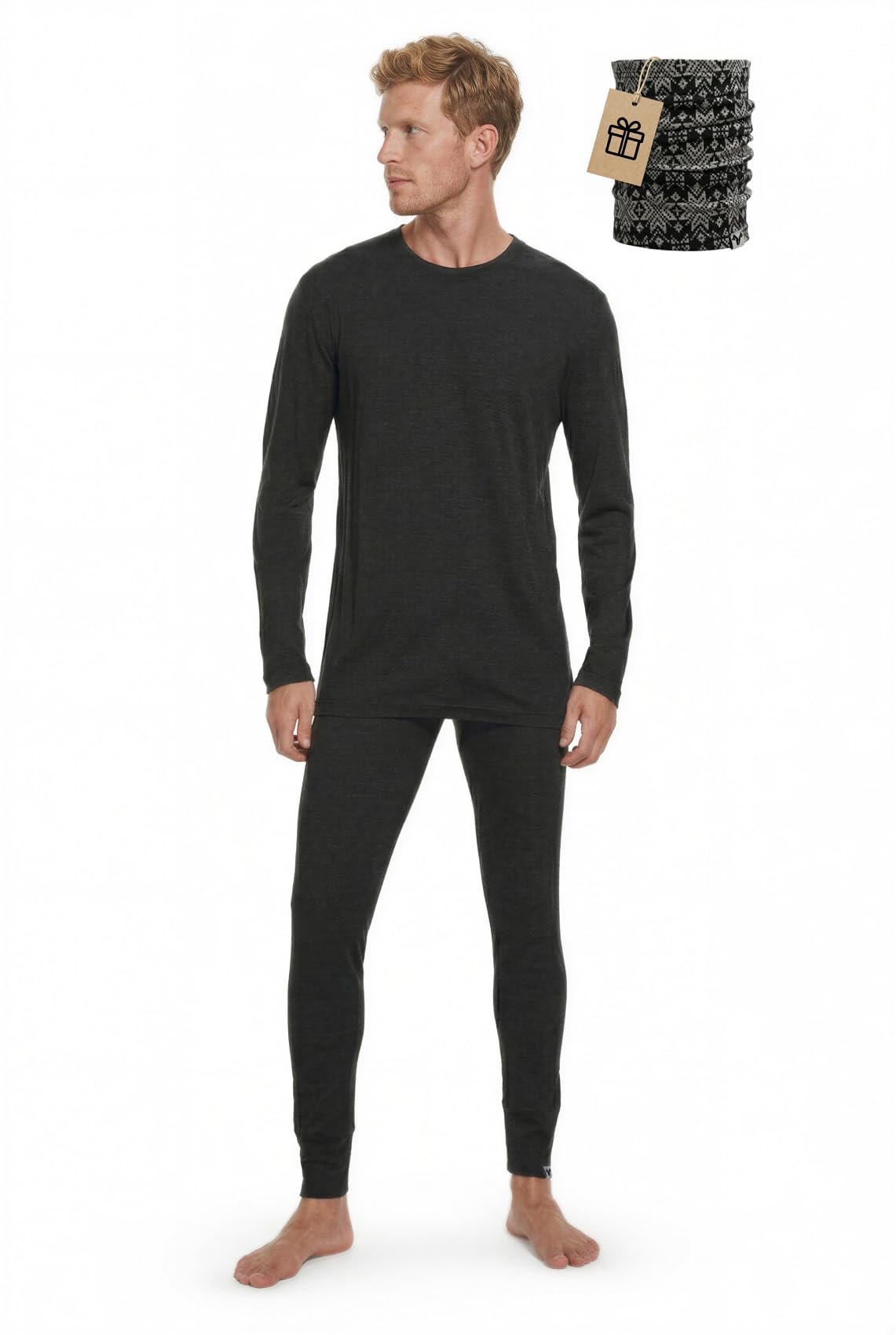
A full top-and-bottom merino system engineered for multi-day hikes where laundry is a luxury.
This is the complete cold-weather kit — a long sleeve top and thermal bottom in 100% merino, available in 165gsm for active hiking or 250gsm for sustained cold and deep winter layering. The open knit construction creates natural ventilation that adjusts to your output, meaning it keeps you warm on the ridge and prevents overheating on the climb. Customers note it effective in 0-15°F without any itch and no odor after two days of wear.
The odor resistance is the headline feature for backpackers — it maintains freshness through multiple consecutive days, which is a standout for multi-day hikes with limited luggage. Buyers call it soft, warm, and comfortable, with one owner using it for two years before reviewing and confirming it holds up well and keeps odors down. It is thin enough for everyday wear under hiking pants and another shirt.
The honest downside is durability. While some reviewers point out it lasting two years, others developed holes after just two days of light use, and frequent machine washing will likely shorten its life. The sizing is also a bit odd — one owner needed to size down, finding the top snug but the bottoms loose. Hand washing is the safest path to longevity.
Best for multi-day treks: When you cannot wash clothes for a week, this set’s odor resistance keeps you fresh without the bulk.
Handle with care: Merino this soft is delicate — machine washing frequently will cut its life short.
8. DANISH ENDURANCE Merino Wool Set
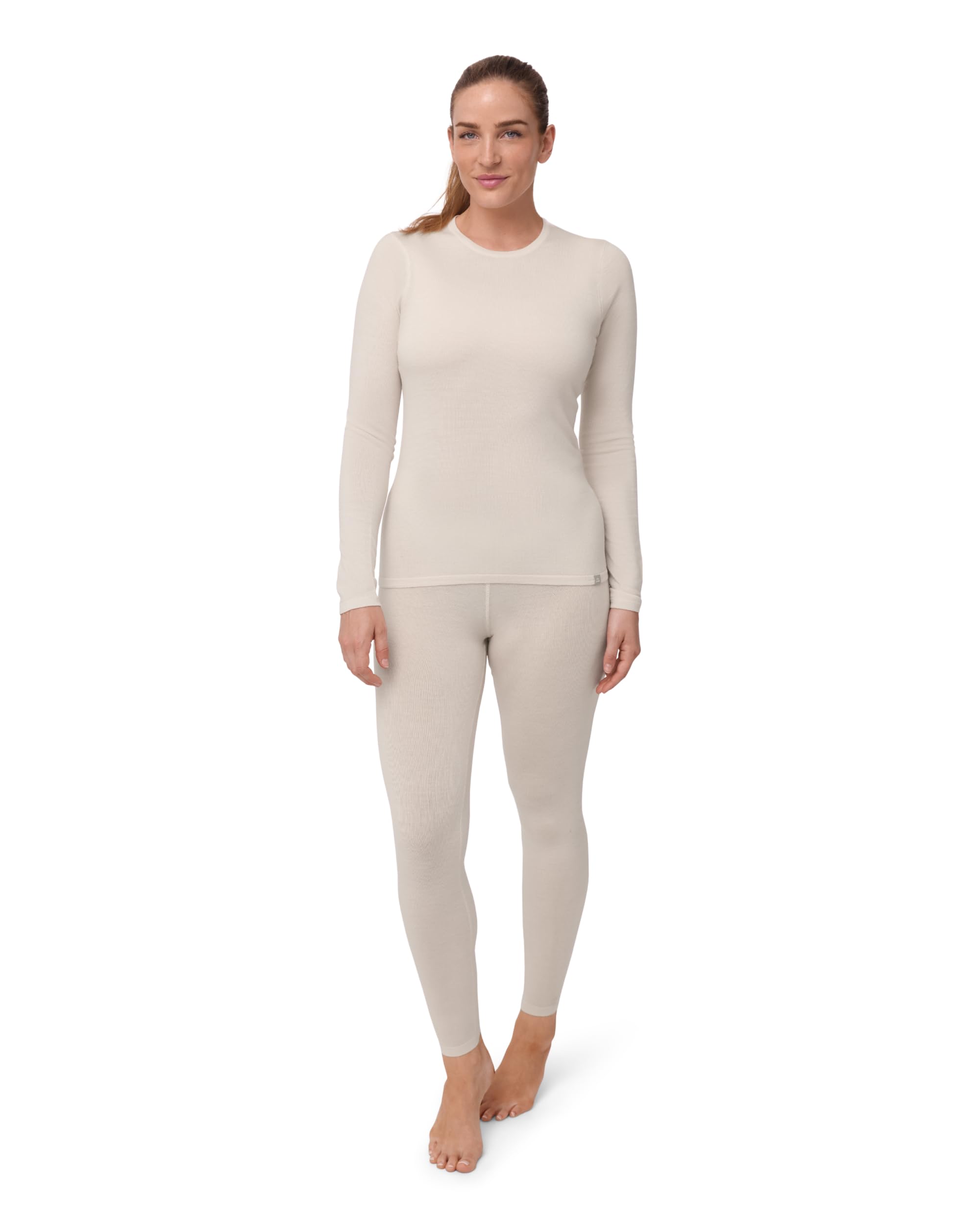
A Copenhagen-designed set with flat seams that disappear against your skin for all-day comfort.
This set handles extreme cold — endurance athlete Rasmus Kragh trekked 1,130 km to the South Pole in this gear. The 180 GSM midweight fabric (grams per square meter, a measure of thickness) is the balance for active winter days, and the flat seams mean no chafing under a pack strap. Owners call it the best winter longjohns they’ve ever worn, noting it is so soft and not itchy.
You can wear this for 24 hours straight thanks to the tag-free design and premium mulesing-free merino blend (merino wool from sheep not subjected to mulesing, a painful practice). Buyers have used it as both a hiking base layer and pajamas. It is lightweight and warm, with one owner finding it effective at 30°F with a fleece layer over it. The OEKO-TEX Standard 100 certification (an independent label for textiles tested for harmful substances) adds confidence.
Here is the honest reality: it is thin. Several owners describe it as super thin, which is great for layering under leggings or pants without bulk, but it is not a standalone heavyweight. Minor pilling can develop with heavy use, and the fabric loosens slightly with washing, so treat it gently in a cold 30°C wash with wool detergent and skip the dryer.
Tested in the Extreme
- South Pole-tested by an endurance athlete
- Flat seams prevent chafing under packs
- Tag-free design for all-day comfort
The Thin Line
- Super thin fabric — not for extreme cold alone
- May pill with heavy use
- Requires cold hand wash and air dry
Pick this for: cold-weather hikers who want a proven, non-itchy merino set that layers without bulk.
Remember: it is a midweight layer — add a fleece or shell for deep winter.
9. Smartwool Thermal Merino Base Layer Bottom
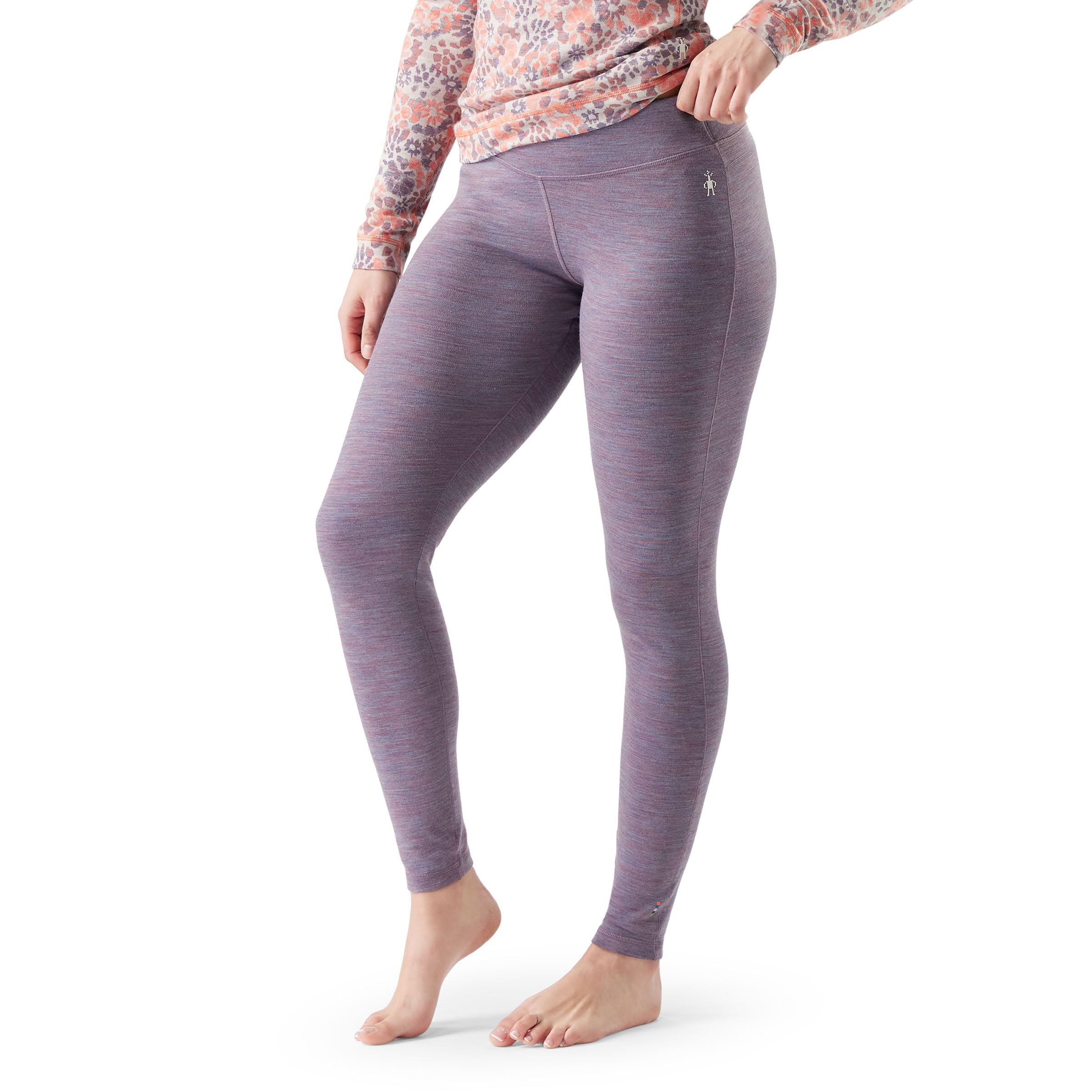
The premium thermal bottom that feels like cozy pajamas while handling sub-zero trail temperatures.
This is the high-end choice for hikers who demand the best and are willing to pay for it. At 100% merino wool, it is the real deal — soft, warm, and naturally odor-resistant. Owners describe it as feeling like cozy pajamas, with one wearing them to sleep in a freezing house and another praising how warm they stay in sub-zero temps. The warmth is the most-praised aspect, followed closely by comfort.
The thermal weight fabric is thick and true warmth, not a flimsy base layer. It is designed for cold-weather activities like hiking and skiing, and owners confirm it works well under jeans and waterproof layers. The two-tone design adds a fun style touch, and the gusseted crotch and wide waistband make it comfortable for hours on the trail without riding up.
The honest trade-offs: the fit runs a little short in the rise and small through the hips, so consider sizing up for a looser loungewear fit. The value gets mixed feedback because of the premium price, and durability is the weakest noted aspect — some owners found the fabric prone to damage with rough use. Treat it with the care a premium garment deserves, machine wash gentle and hang dry.
The premium pick: If you live on the trail in deep winter and want the best-fitting, warmest merino bottom, this is the gold standard — size up if you are between sizes.
Understanding the Specs
GSM (Grams per Square Meter)
This is the number that tells you how much fabric you are getting. A 165 gsm layer is light and breathable, built for high-output activities where you are generating your own heat. A 250 gsm is the versatile midweight for most cold-weather hiking, and a 320 gsm is the heavyweight for low-activity days in deep frost. Higher activity levels call for lighter-weight fabrics.
Micron Rating in Merino
This measures the thickness of the individual wool fibers, and it is the difference between “itchy” and “second skin.” A lower micron number means a finer, softer fiber that bends easily against your skin. A 17.5 micron fiber is finer than human hair and feels soft even on sensitive skin, while a standard 25+ micron wool causes the traditional scratchiness that puts people off wool.
FAQ
How many base layers should I wear for cold-weather hiking?
Is merino wool worth the higher price over synthetic base layers?
How do I wash a merino wool base layer without ruining it?
Will a merino base layer keep me warm when it gets wet from sweat or rain?
How snug should a hiking base layer fit?
What does 17.5 micron mean on a merino label?
Can I wear a base layer multiple days without washing it on a backpacking trip?
What is the difference between a lightweight and midweight base layer?
Are compression base layers good for hiking?
Final Thoughts: The Verdict
For most hikers, the crowd favorite — 4.6 stars across 800+ owners — the 100% Merino Wool Quarter Zip is the smartest all-round pick because its 17.5 micron itch-free fabric and three weight options cover every season. If you want a full top-and-bottom system for multi-day treks, the MERINNOVATION Set is the one to reach for. And for the budget-conscious hiker, the SIMIYA Fleece Lined Crew delivers real warmth without the premium price tag.
How We Picked
We do not accept paid placement. Every pick is matched to a real buyer and a real use-case; we do not hands-on test units.
Sources & Methodology
Specifications: manufacturer listings and product documentation. Review insights: verified customer reviews, as of August 2026. Pricing: not shown on this page (it changes often); check the current price via the retailer link.
As an Amazon Associate, Gadgets Feed earns from qualifying purchases. This does not affect which products we feature.