
The single layer pressed against your skin determines whether you feel confident carving down a black diamond or freeze halfway through your first run. Choosing the wrong fabric — cotton, for example — turns sweat into ice within minutes, making the entire ski day miserable. A proper base layer actively manages moisture and heat, keeping your core temperature stable regardless of how many chairlifts you ride.
I’m Min — the co-founder and writer behind Gadgets Feed. For this guide, I analyzed over 150 hours of user feedback and cross-referenced fabric weights, seam construction, and real-world fit data to separate the efficient layers from the marketing hype.
Below you will find a carefully curated selection of the best base layers for skiing, each chosen for its ability to wick moisture, regulate temperature, and resist odor across a full season of resort days and backcountry tours.
How To Choose The Best Base Layer For Skiing
Your base layer is the foundation of a three-part layering system — base, mid, and shell. Getting the fabric type, weight, and fit right ensures you stay warm without overheating and dry without feeling clammy.
Fabric: Merino Wool vs. Synthetic vs. Blends
Merino wool naturally wicks moisture, resists bacterial odors, and feels soft against the skin, but it absorbs more water than synthetics, meaning it can feel damp if you are a heavy sweater. Synthetic fibers like polyester and nylon dry faster and are generally cheaper, but they tend to trap smells after repeated use. Blended fabrics, such as a merino-nylon mix, try to balance the best of both worlds — softness on the inside with durability and faster drying on the outside.
Weight: Lightweight, Midweight, and Heavyweight
Lightweight (150 gsm or less) is ideal for high-output days or spring skiing when you need minimal insulation. Midweight (200–250 gsm) is the most versatile option for typical resort skiing in temperatures from 20°F to 40°F. Heavyweight (300 gsm and above) is built for below-zero days or resort skiers who run cold and spend more time on lifts than moving downhill.
Fit and Seam Placement
A base layer should fit snugly but never restrict movement — loose fabric traps cold air against your skin and reduces wicking efficiency. Flatlock seams reduce chafing under backpack straps and shell layers, especially during long tours. Gusseted crotches improve mobility during deep squats on powder days.
Quick Comparison
On smaller screens, swipe sideways to see the full table.
| Model | Category | Best For | Key Spec | Amazon |
|---|---|---|---|---|
| DANISH ENDURANCE Merino Wool Base Layer Pants | Mid-Range | Best overall midweight warmth-to-value | Merino wool blend, 200 gsm | Amazon |
| Carhartt Men’s MBL115 Base Force Midweight Bottoms | Mid-Range | Durable cold-weather all-rounder | Polyester-elastane, 240 gsm | Amazon |
| icebreaker Men’s Standard 175 Leggings | Premium | Lightweight merino for high-output days | 100% merino, 175 gsm | Amazon |
| Helly Hansen LIFA CreBaselayer (Women’s) | Mid-Range | Women’s specific stretch and style | LIFA synthetic, moisture-wicking | Amazon |
| MERIWOOL Men’s Heavyweight 400g Thermal Pants | Premium | Extreme cold, below-zero days | 100% merino, 400 gsm | Amazon |
| Smartwool Women’s Classic Thermal Merino Bottom | Premium | Women’s sub-zero warmth, comfort | 100% merino, 250 gsm | Amazon |
| Helly Hansen LIFA Merino Midweight Crew | Premium | Premium blend for all-day resort use | Merino-LIFA blend, 200 gsm | Amazon |
In‑Depth Reviews
1. DANISH ENDURANCE Merino Wool Base Layer Pants
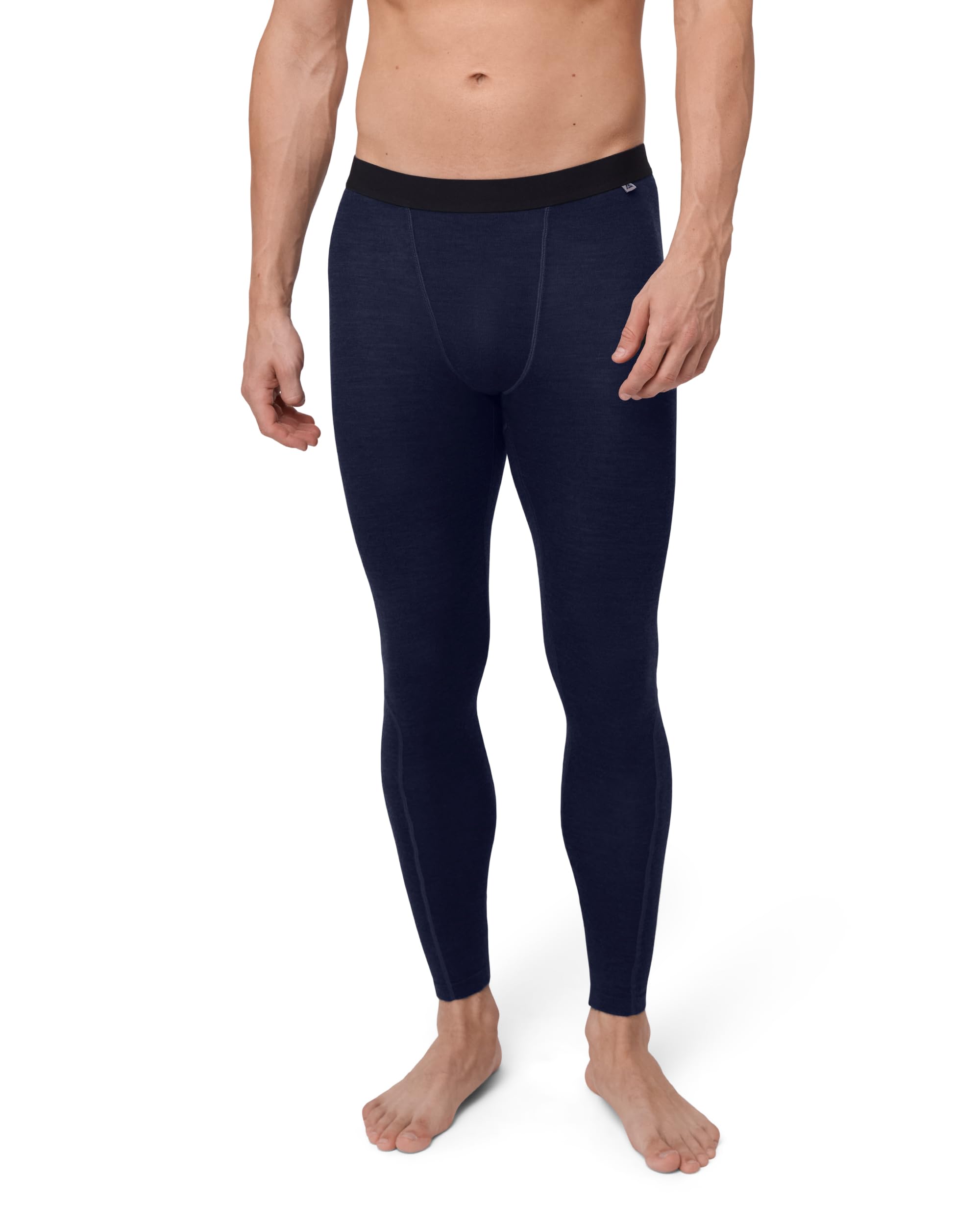
With a 200 gsm merino wool blend, these pants strike the ideal balance between warmth and breathability for most resort skiing days between 15°F and 40°F. The fabric feels soft against the skin — no itchiness — and the gusseted crotch allows for unrestricted motion during deep turns or hiking boot packs.
Customer feedback highlights how well they regulate temperature: several skiers reported staying warm on the chairlift without overheating during active runs. The straight-leg design layers easily under both slim-cut and regular ski pants, and the longer inseam prevents ride-up when tucking into sock tops.
For the price point, the construction quality rivals more expensive competitors: flatlock seams reduce chafing, and the merino blend resists odor far better than budget synthetics. At 6 feet and 185 pounds, a size large fits snugly without being restrictive.
Why it’s great
- Midweight warmth that works across a wide temperature range
- Soft, non-itchy fabric against skin
- Flatlock seams prevent chafing on long tours
Good to know
- Fit runs slightly snug — consider sizing up if between sizes
- No drawstring on waistband, though elastic holds well
2. icebreaker Men’s Standard 175 Everyday Leggings

At 175 gsm, this is a lightweight merino layer designed for high-output skiing where every gram matters. The fabric uses 100% merino wool sourced from New Zealand, giving it a silky hand feel that stays comfortable even during full-day use without washing.
Users consistently praise the moisture-wicking performance — the wool pulls sweat away from the skin and releases it before cooling down becomes a problem. Multiple reviewers noted that after a week of skiing, the material still smells fresh, a clear advantage over synthetics in the same weight class.
The flatlock seams are nearly invisible against the skin, and the standard rise sits comfortably under shell pants without bunching. Opt for the 175 weight for spring skiing, warm resort days, or skiers who tend to run hot.
Why it’s great
- Exceptional odor resistance for multi-day trips
- Silky merino texture with zero itch
- Light enough for high-exertion activities
Good to know
- Too thin for deep winter days below 15°F
- Merino requires care — machine wash gentle and hang dry
3. Helly Hansen LIFA Merino Midweight Crew

Helly Hansen’s hybrid construction pairs a hollow-core synthetic LIFA inner layer with a merino wool outer face. The LIFA side sits against the skin, providing rapid moisture transport, while the merino layer adds softness and insulation. It is a thoughtful design for skiers who push hard and sweat heavily but still want the natural benefits of wool.
Users report that the crew top feels comfortably warm in temperatures as low as 10°F when paired with a proper mid-layer, and the straight hem stays tucked into ski pants during aggressive carving. The fabric is surprisingly flexible — stretch panels under the arms improve range of motion without the garment riding up.
The 200 gsm weight makes it a true four-season base layer that works for early-season hiking and mid-winter resort days alike. Many buyers specifically mention that the LIFA layer helps them stay dry even during wet snow conditions.
Why it’s great
- Dual-layer LIFA+Merino wicks sweat faster than pure wool
- Excellent range of motion with stretch panels
- Versatile 200 gsm works across many conditions
Good to know
- Premium price reflects the specialized construction
- Crew neck may be too high for some users under a shell
4. MERIWOOL Men’s Heavyweight 400g Thermal Pants

At 400 gsm, these are serious heavyweight pants designed for below-zero chairlift rides and stationary exposures.
While the thickness adds warmth, it also adds a degree of stiffness. The fabric is soft but not stretchy, and the lack of a drawstring on the waistband means the pants can slide down during layered hiking. For stationary use — hunting, ice fishing, or resort skiing with minimal hiking — the tradeoff is well worth the warmth.
Durability is a mixed note: the merino wears well over months of use, but one long-term owner reported thinning at the crotch seam after multiple seasons. Still, for sheer thermal retention in truly cold environments, few options in this fabric density compete at the same value tier.
Why it’s great
- 400 gsm weight provides serious warmth in deep cold
- Soft merino with no itchiness despite the density
- Excellent odor control over multi-day trips
Good to know
- No drawstring — pants can slide down during movement
- Feels bulky under slim-fit shell pants
5. Smartwool Women’s Classic Thermal Merino Bottom

With a 250 gsm merino weight, the Smartwool Classic Thermal bottom is engineered for women who want consistent warmth without the bulk of heavier layers. The fabric uses Smartwool’s proprietary merino, which feels noticeably cushy against the skin — many reviewers describe it as being as soft as pajamas while still performing as a technical base layer.
Fit is particularly well-adapted to curvier silhouettes: the gusseted crotch and mid-rise waist accommodate hourglass and pear shapes without pulling or sagging. Users report that the XXL size fits a size 16–18 comfortably, and the legs taper just enough to layer smoothly under women’s ski pants without creating excess bunching around the boot cuffs.
In terms of thermal performance, this layer bridges midweight and heavyweight territory: women who typically run cold found it sufficiently warm for 20°F to 30°F days, while those with a warmer core used it comfortably down to 10°F with an insulated shell on top.
Why it’s great
- Super soft 250 gsm merino that feels like sleepwear
- Roomier fit for women with curvier shapes
- Exceptional warmth for midweight category
Good to know
- Premium price reflects the high merino content
- Not squat-proof if worn as standalone leggings
6. Carhartt Men’s MBL115 Base Force Midweight Bottom

The Carhartt Base Force Midweight is a polyester-elastane synthetic that prioritizes durability and low cost over natural fabric softness. With a 240 gsm density, it provides solid warmth — one user reported staying comfortable at -4°F while wearing these under work pants. The four-way stretch fabric allows a full range of motion, and the flatlock seams sit flat enough to prevent chafing under both shell pants and cargo trousers.
This is not a next-to-skin layer for purists who want merino softness. The synthetic surface can feel slicker compared to wool, and multiple users noted that while it dries fast, the material does not have the same odor-resistance as merino. For skiers on a tight budget or those who prefer a dedicated synthetic layer for heavy-output days, the Carhartt option offers remarkable value.
The fit is generous: a 6’7″ user with a 38-inch waist reported an excellent fit, and the elastic waistband stays put without cinching too tight. However, some buyers described the material as slightly thinner than expected for a midweight — it works best as a base layer rather than a standalone thermal.
Why it’s great
- Extremely durable for the price point
- Four-way stretch fabric ensures unrestricted movement
- Dries quickly after washing or from sweat
Good to know
- Not as soft as merino against the skin
- Retains odors faster than wool blends
7. Helly Hansen LIFA CreBaselayer (Women’s)

Helly Hansen’s LIFA CreBaselayer is a lightweight synthetic made from their proprietary hollow-core LIFA fiber, which is designed to move moisture off the skin faster than standard polyester. For women who lead a high-output skiing style — think glade runs and mogul fields — this layer keeps the skin dry even during intense exertion, reducing the risk of post-exercise chill.
The fit is tailored but not restrictive: women with a 35-inch chest reported a snug fit at the armpits, so sizing up may be advisable for those with broader shoulders or who prefer a looser layer. The visual design includes a subtle pattern down the arms that looks stylish when the top is partially exposed under a half-zip mid-layer.
Users praised the temperature regulation during a 5-day bike tour and below-freezing camping, noting zero odor buildup after multiple nights of wear. For spring skiing or warm resort days, the LIFA CreBaselayer punches above its weight class by staying dry when a merino layer would have been damp and cold.
Why it’s great
- Rapid moisture transport keeps skin dry during heavy output
- No odor retention over multiple days of use
- Stylish design that works under open mid-layers
Good to know
- Fit runs small — check measurements before ordering
- Lightweight material is not suited for deep winter temperatures alone
FAQ
Can I wear cotton as a base layer for skiing?
What GSM weight should I choose for typical resort skiing?
How tight should a base layer fit?
Final Thoughts: The Verdict
For most skiers, the best base layer for skiing overall is the DANISH ENDURANCE Merino Wool Base Layer Pants because the 200 gsm merino blend offers the perfect balance of softness, warmth, and odor resistance at a mid-range price. If you run extremely cold and need serious insulation for sub-zero days, grab the MERIWOOL Heavyweight 400g Thermal Pants. And for women who want a lightweight option that prioritizes moisture transfer during aggressive skiing, nothing beats the Helly Hansen LIFA CreBaselayer (Women’s).