
Our readers keep the lights on and my morning glass full of iced black tea. As an Amazon Associate, I earn from qualifying purchases.
Specs are compiled from manufacturer listings and verified buyer reviews and can change over time — please confirm the key details on the product page before buying.
You have got a young ballplayer, a growing stack of bats in the garage, and no clue which one will actually help them hit. The wrong bat — too heavy, too light, wrong league stamp — ruins a season before it starts. The one that fits right gives them a smooth, fast swing and solid contact, without stinging their hands on a mis-hit. Here are the best baseball bats for 2025, picked by matching published specs to what real buyers report.
I’m Min — the founder and writer behind Gadgets Feed. This guide is built by comparing the manufacturers’ published specifications and the patterns across verified customer reviews, so you get each pick’s real strengths and trade-offs instead of marketing spin.
If your athlete is stepping into coach-pitch for the first time or trying out for the high school team, you need to know three things: barrel diameter, drop weight (the “-10” or “-11” number), and the alloy type. Get those right, and everything else is a bonus. Here is how to find the best baseball bats for your player this season.
Our Picks at a Glance

How To Choose The Best Baseball Bats
Three numbers define a bat before your kid ever steps into the box: the drop weight, the barrel diameter, and the league certification. Get these right and everything else is a bonus. Here is what each means in real terms.
Drop Weight: The Bat’s Balance Point
The drop weight is the difference between the bat length in inches and the weight in ounces. A “-10” bat that is 30 inches long weighs 20 ounces. A lower drop number (like -3) means a heavier bat, which generates more power if the player has the strength to swing it. A higher drop (like -12) makes the bat feel lighter and faster through the zone, ideal for younger or smaller players still building strength. The wrong drop kills swing speed or leaves power on the table.
Barrel Diameter: Your Contact Zone
Youth bats typically come in a 2 1/4-inch or a 2 5/8-inch barrel. The wider 2 5/8-inch barrel gives a bigger hitting surface, which makes it more forgiving when the ball makes contact off-center. A 2 1/4-inch barrel is often found on the lightest, smallest bats for very young players transitioning from tee-ball. A wider barrel also moves the balance out, so your player can drive the ball farther without needing a perfect hit.
Certification: USA vs. BBCOR vs. USSSA
USA Baseball bats are the standard for most Little League, Cal Ripken, and Babe Ruth leagues. They are designed to perform closer to a wood bat in exit velocity, which keeps the game safer and more skill-focused. BBCOR bats are required for high school and college play and have strict performance limits. USSSA bats are typically hotter (more “pop”) but are not allowed in USA-sanctioned leagues. Always match the certification to your league or the bat will be illegal for game use.
Quick Comparison
| Model | Best For | Drop Weight | Barrel | Length | Amazon |
|---|---|---|---|---|---|
| Louisville Slugger Solo 619★ Best Overall | Contact hitters in youth leagues | -11 | 2 5/8″ | 31″ | $79.95$84.95Amazon |
| Marucci CATX BBCORTop Performer | Power hitters in high school | -3 | 2 5/8″ | 33″ | $119.95Amazon |
| Victus Vibe Pencil | All-around youth performance | -10 | 2 5/8″ | 28″ | $154.79$179.99Amazon |
| Rawlings 5150 | Durability and bat speed | -11/-10 | 2 5/8″ | 30″ | $84.95Amazon |
| Louisville Slugger Savannah Bananas | Style and pop for young players | -10 | 2 5/8″ | 30″ | $129.95Amazon |
| Easton Moxie | Beginners in coach-pitch | -12 | 2 1/4″ | 30″ | $63.69Amazon |
| Easton Speed | Entry-level affordability | -10 | 2 5/8″ | 30″ | $69.03$89.99Amazon |
In‑Depth Reviews
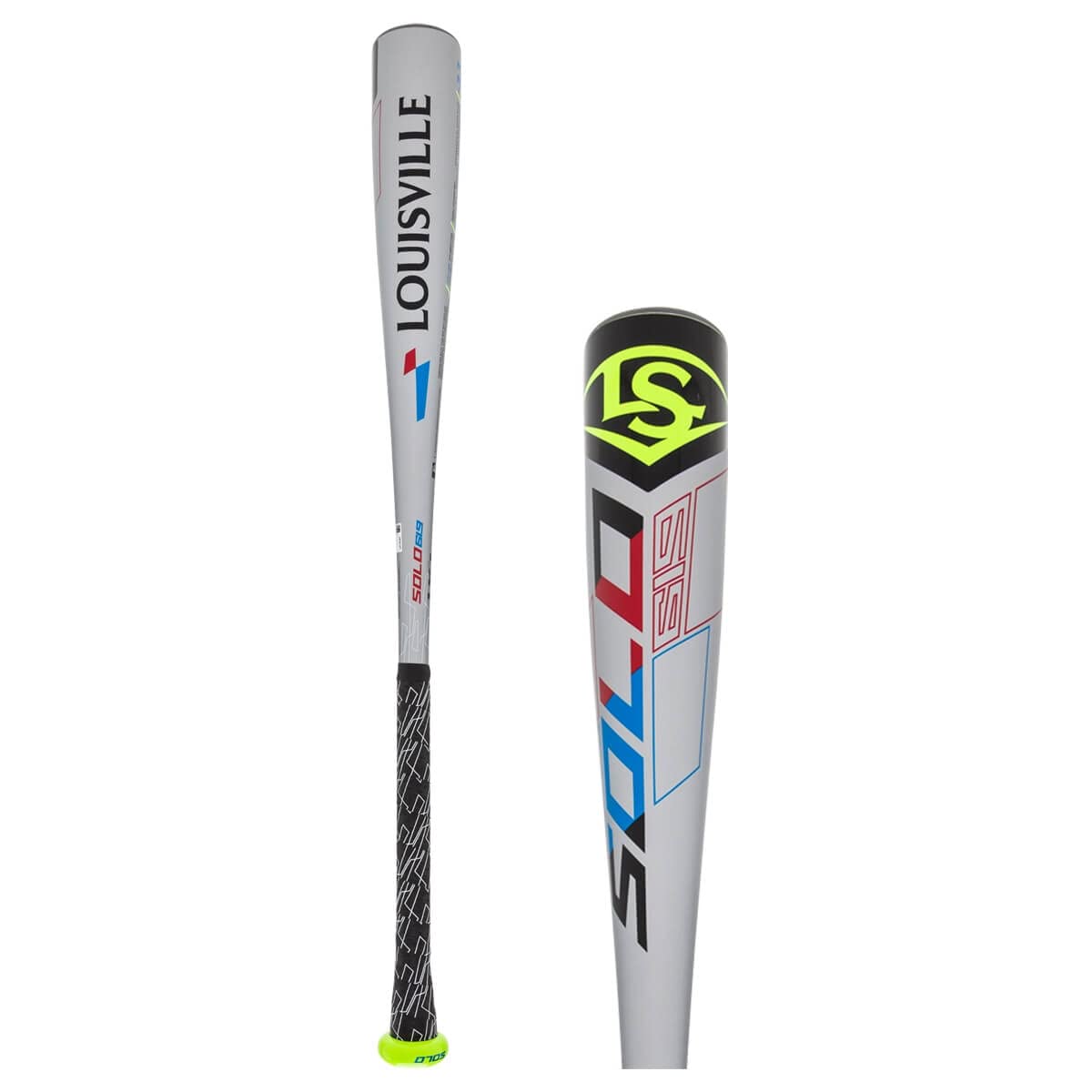
1. Louisville Slugger 2019 Solo 619 (-11) 2 5/8″ USA Baseball Bat
Our pick — over 4.5★ from 750+ verified ratings; the strongest balance of quality and price.
A proven contact bat that youth players have trusted for thousands of swings.
The Solo 619 is a veteran of the youth baseball scene. Its one-piece SL Hyper Alloy construction gives you a very stiff feel, which means every bit of energy you put into the swing goes straight into the ball. That stiffness also means less flex at contact, so the bat does not “give” — you feel the hit. The Speed Ballistic Composite end cap is designed to increase swing speed, which helps younger players get the barrel through the zone faster.
This bat has a -11 drop, so a 31-inch model weighs around 20 ounces, making it one of the lighter swings in its class. Reviewers point out it has a “light swing weight, great pop, durable after thousands of swings.” A recurring point in the reviews is that it stings the hands on off-center hits — a direct trade-off of that stiff one-piece alloy. Multiple reviewers also note it has great value for a USA bat, though it produces far less pop than a USSSA bat. It meets USA Baseball standards for Little League, AABC, AAU, Babe Ruth, Cal Ripken, Dixie Youth, and Pony leagues.
The 2 5/8-inch barrel gives a solid hitting surface. The LS Pro Comfort grip adds tack and cushion from the start, so your player will not need to re-grip immediately. At 31 inches, it is a bat for a player who is ready for a full youth-sized swing.
Why it earns its place: The durability is a major win at this price. Shoppers say it holds up through “thousands of swings” and multiple seasons.
The catch: The stiff alloy does not dampen vibration. Off-center hits will sting, and a heavier-hitting player may notice the bat loses power when they try to muscle up.
Grab it for: A youth player (ages 9-12) in a USA league who needs a light, durable contact bat and can tolerate some vibration.
Look elsewhere if: Your player hates hand sting or needs a higher drop for a smaller frame. Also skip if you want a USSSA bat for travel ball.
2. MARUCCI CATX BBCOR -3 Aluminum Baseball BAT, 2 5/8″ Barrel
A premium BBCOR bat that rewards strong, developed hitters with a massive balance.
This is the bat your high school player wants when they are ready to step up to the BBCOR standard. The ring-free multi-variable wall design spreads the mass across the whole barrel, creating a noticeably wider balance. You get more power even on contact that is not dead center — a huge advantage against good pitching. The AZR alloy gives the barrel a responsive, forgiving feel that aluminum bats can lack.
Marucci also tackled the sting problem head-on. The Liquid-Gel Dampening System in the knob uses a precise amount of liquid-gel to absorb vibrations, making mis-hits feel much smoother. Owners mention the handle is slightly heavier (about 1 oz) than the older Cat 9, which oddly helps swing speed by getting the barrel through the zone. It is 33 inches long and weighs 30 ounces, a full 10 ounces heavier than the Easton Speed, so this is for a player with strength and experience.
At 30 ounces, it is the heaviest bat on this list. Do not hand this to a younger or lighter player — the -3 drop demands muscle. For a 15-year-old facing real velocity, customers note it improves consistency and power noticeably.
Real-world pop: The barrel profiles are built to the maximum allowable diameter, giving more surface area to drive the ball. In cold weather (early spring games), the aluminum alloy actually performs better than composite bats, so you do not lose performance in chilly temps.
One honest trade-off: It is expensive, and if your player is still growing into their strength, the -3 drop will feel heavy. Let them swing a friend’s first.
Reach for it if: Your player is in high school, has some pop, and needs a BBCOR bat that forgives off-center hits.
Look elsewhere if: They are still in youth leagues, need a higher drop, or you are not ready for the BBCOR price jump.
3. Victus Vibe Pencil Baseball Bat, 2 5/8″ Barrel, -10 Drop, USA Baseball Certified
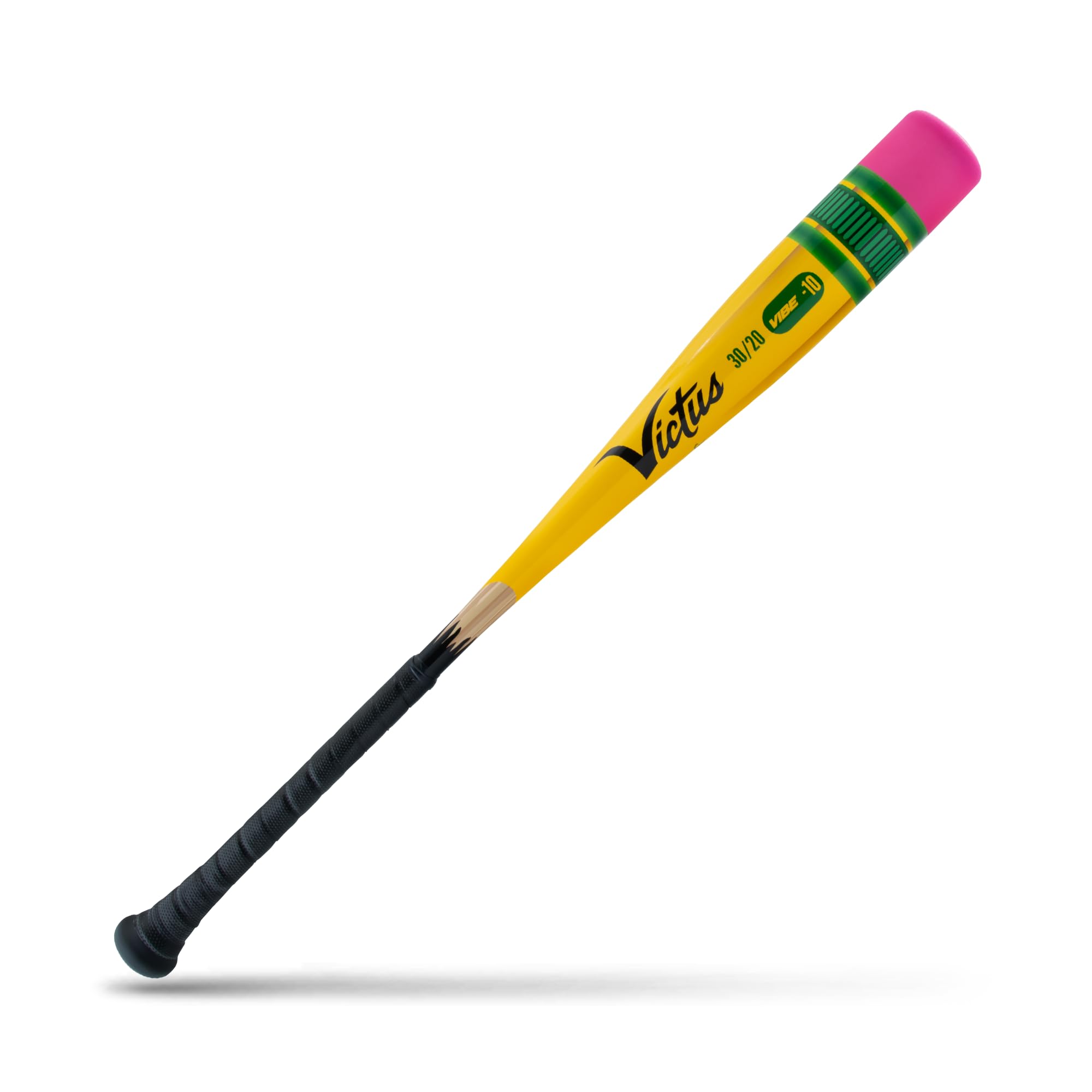
A mid-balanced alloy bat that blends a massive balance with smart vibration control.
Victus built this one for the player who wants a smooth, consistent feel every time they make contact. The one-piece VXP alloy construction gives a clean, crisp swing feel without the heavy barrel weight that tires out young arms. The mid-balanced swing weight (medium M.O.I.) makes it easy to generate power while still keeping the bat under control through the zone, so you do not have to guess whether your player can handle it.
The vibration-reducing knob is the standout feature here. It uses advanced tech to cut down the sting on mis-hits in a way that cheaper alloy bats cannot. A buyer noted that their son loves the feel and balance, and that the “huge balance” produces “unreal pop.” Another reviewer called it an “HR bat,” saying their son hits “further and harder” since switching to it. The pencil design also gets compliments in the dugout. At 28 inches and 18 ounces in the tested size, it is light enough for a 7-year-old to swing with authority.
The grip is a 1.75mm micro-perforated type that gives good tack. One reviewer noted the tape at the top peeled after some use, a minor durability point to watch. It is USA Baseball certified, so it fits most youth leagues right out of the wrapper.
Standout feature: The vibration-reducing knob is rare on a one-piece alloy bat at this price. It means fewer complaints about stinging hands after practice.
Watch for: The top-layer tape may not last a full season if your player takes a lot of cuts. A quick wrap solves it.
Best for: Youth players (ages 7-10) who need a light, balanced bat with big pop and minimal sting. Great for USA leagues.
skip it if: You need a longer bat (over 31 inches) or a higher drop weight for an older athlete. Victus offers other drops, but this specific model is -10.
4. Rawlings 5150 Youth Baseball Bat | USA | -11/-10/ -5 Drop | 1 Pc. Aluminum | 2 5/8 Barrel

A heavy-barreled youth bat built for kids who already have some strength behind the swing.
Rawlings made the 5150 with a large 2 5/8-inch barrel from aerospace-grade alloy, which is a fancy way of saying it is built to last multiple seasons and still deliver pop. The ultra-lightweight construction claim is relative — what Rawlings means is the bat is easy to swing for its size, but buyers report it is noticeably heavier than other bats in the same drop. One review from a 14-year-old’s parent said the 30-inch model “weighs about the same” as a 34-inch drop-3 bat. That is a massive difference in feel.
The extended balance is a real benefit. Because the barrel is wide and the alloy is responsive, the bat helps make contact even when the pitch is not perfectly centered. Buyers praise it for giving “good bat speed” and say it is “very durable, having made it through a few seasons.” One parent even said they “liked it so much [they] bought it again in a bigger size.” That kind of repeat purchase is a strong sign of satisfaction. The bat is available in -11, -10, and -5 drops, so you can match it to your player’s strength level.
The black and electric blue design looks sharp on the field. For a smaller or younger kid, this bat will feel heavy — do not force it on a player who is still building strength.
Who it works for: A bigger kid (ages 10-14) who can handle a heavier swing and wants a durable bat that delivers pop. The extended balance makes contact easier.
Who it does not work for: A slight-framed player. The weight is significantly higher than the Louisville Solo 619 or the Victus Vibe. Let them swing before you buy.
Best fit: A power hitter in youth baseball who is on the larger side and needs a bat that survives hard use. The -5 drop version is a good bridge to BBCOR.
Avoid if: Your player is small or still developing their swing. The weight will slow them down.
5. Louisville Slugger 2025 Savannah Bananas (-10) USA Baseball Bat

A one-piece alloy bat that brings the party with a unique design and real pop.
The Savannah Bananas collaboration is more than just a fun colorway. This bat uses a Series 7 Premium Alloy barrel in a one-piece design, which gives a light-swinging profile that younger players handle well. The HUB 1-Shot End Cap is built for maximum durability, so repeated contact with machine-pitch or batting cage balls will not crack or dent it quickly. The standard synthetic leather grip adds cushion and control right from the first swing.
The numbers: a 30-inch bat weighs about 20 ounces (-10 drop), Owners mention the bat has “great pop” and “sounds a lot better than the Marucci we switched from.” One 8U player’s parent noted their kid “hasn’t struck out since using it.” Another reviewer mentioned the bat can sting the hands on hard hits and recommends batting gloves. The Savannah Bananas design is a hit with kids — expect compliments in the dugout.
The synthetic leather grip is comfortable and provides good control. Some customers note the bat feels “a bit on the heavier side” for smaller players (6-8 years old), which matches the spec data. It is a solid choice for a player who already has some bat speed.
Why it stands out: The immediate exit velocity improvement and the unique design make it a bat your player will actually want to swing. The Series 7 alloy is premium-grade at a mid-range price.
One detail: It is one of the heavier -10 bats on the list. If your player is small, look at the Victus or the Easton Moxie first.
Who it is for: Youth players (ages 7-10) in USA leagues who are ready for a bat with serious pop and do not mind a slightly heavier swing.
Not for: A player who struggles with bat speed or a very small build.
6. Easton | Speed Baseball Bat | USA | -10 | 2 5/8″ Barrel | 1 Pc. Alloy

A durable entry-level bat that gets young players on the field without breaking the budget.
The Easton Speed is designed for one thing: getting a young player comfortable in the box. It is a 30-inch, 20-ounce (-10 drop) one-piece alloy bat with a 2 5/8-inch barrel. That barrel size gives a solid hitting surface even for beginners. The bat is well-balanced out of the wrapper, so your kid does not have to fight weight to get it around. The standard grip is comfortable enough for a full season without needing to be replaced immediately.
At 20 ounces, the Easton Speed is far lighter than the Marucci CATX (30 ounces), making it far easier for a younger player to control. Reviewers point out it is “durable and not too heavy” for a 10-year-old. One parent who bought it for a 9-year-old All-Star player said it “outperforms expensive past bats” and that they plan to “continue sizing up” in this same model. Another reviewer noted the only real trade-off is that “a hit outside the balance can sting” — a standard feature of entry-level one-piece alloy bats.
It comes in at 30 inches, which is a typical size for a 9-to-11-year-old. If you need a smaller length, check the other sizes Amazon lists. The value here is clear: a reliable bat that works in any USA-sanctioned league.
Why it works: The ultra-basic design means there is less to break or wear out. The 20-ounce weight at 30 inches is a classic youth combo that kids can handle.
One trade-off: No vibration-dampening tech. Expect sting on off-center hits. It is a fair price for what it does, not a premium-feeling bat.
Best for: A first-time baseball player (ages 8-11) who needs a reliable, affordable USA bat. Ideal for rec leagues.
pass on it if: Your player is experienced with good bat speed and wants a bigger balance or less vibration. Look at the Victus or the Louisville Solo 619.
7. Easton | Moxie Baseball Bat | USA | -12 Drop | 2 1/4 Barrel | 1 Pc. Aluminum

The lightest bat on the list, built for small kids taking their first real swings in coach-pitch.
The Easton Moxie is the bat you grab when your player is small, just starting out, and the priority is learning to make contact — not driving the ball to the fence. The -12 drop weight means a 30-inch bat weighs only 18 ounces, and at 1.1 pounds it is the lightest option here. The 2 1/4-inch barrel is narrower than the 2 5/8-inch barrels on the bigger bats, which makes it easier to swing but also reduces the hitting surface. The trade-off is intentional: this bat is about building confidence through contact.
The ALX100 Military Grade Alloy construction keeps the bat durable without adding weight. The concave end cap balances the swing so it does not feel tip-heavy. The 2.2mm cushioned flex grip adds a layer of comfort that helps a young player hold on through a long batting practice. Buyers rave about it: “perfect for coach-pitch,” “perfectly balanced bat with ideal weight,” and “ideal for first-year minor league players.” One parent of a 9-year-old in AAA Minors called it a “perfect bat for that age group.”
At 30 inches, a -12 drop bat is a short, light stick. If your player is already tall or strong, this bat will feel too small. The -12 drop is intended for the youngest players in USA leagues.
Why it fits the list: For the youngest players transitioning from tee-ball, a -12 drop is the right tool. The Moxie does it with a durable alloy that will survive a full season.
When you outgrow it: As soon as your player can handle a -10 or -11 drop, move up. The 2 1/4-inch barrel gives less room for error than a 2 5/8-inch barrel.
Best for: Beginner players (ages 6-9) in coach-pitch or AA Minors who need a super-light swing to learn timing and contact.
Not for: Players 10 or older, or anyone who already has a solid swing. You want a bigger barrel and a -10 or -11 drop by then.
Understanding the Specs
Drop Weight
The drop weight is the number you see after the bat model, like “-10” or “-12”. It tells you how many ounces the bat weighs compared to its length in inches. A 30-inch bat with a -10 drop weighs 20 ounces (30 minus 10). A -3 drop on a 33-inch bat means it weighs 30 ounces (33 minus 3). A higher drop number (like -12) means a lighter bat, which is easier to swing fast. A lower drop number (like -3) means a heavier bat, which transfers more power on contact if the player has the strength to swing it. The right drop weight keeps the player’s swing fast and balanced — not fighting the bat’s weight through the zone.
Barrel Diameter
The barrel diameter is the width of the hitting surface at the widest point. Youth bats typically come in 2 1/4 inches or 2 5/8 inches. A 2 5/8-inch barrel gives you a bigger hitting surface and a wider balance, so you can make solid contact even on off-center hits. A 2 1/4-inch barrel is lighter and easier to swing, which is helpful for the youngest players who are still learning to track the ball. Once a player is 9 or older and facing live pitching, a 2 5/8-inch barrel is generally the better choice for performance, provided the league allows it.
FAQ
What does the “‑10” or “‑11” mean on a baseball bat?
What is the difference between USA Baseball and BBCOR bats?
How do I know which barrel diameter to choose?
Can my child use a USSSA bat in a USA Baseball league?
How long does a youth baseball bat last?
Why does the bat sting my child’s hands on a mis‑hit?
What size bat should I get for my 10-year-old?
Are one-piece bats better than two-piece bats for youth players?
Can I use an aluminum bat in cold weather?
How do I clean and maintain a youth baseball bat?
Final Thoughts: The Verdict
For most families, the winner among baseball bats is the Victus Vibe Pencil because it pairs a massive balance with vibration control that makes mis-hits easier to handle, all in a balanced -10 swing that works for a wide range of youth players. If you need a premium bat for high school ball, grab the Marucci CATX BBCOR. And for the best value in a durable youth contact bat, the Louisville Slugger Solo 619 is tough to top.
How We Picked
We do not accept paid placement. Every pick is matched to a real buyer and a real use-case; we do not hands-on test units.
Sources & Methodology
Specifications: manufacturer listings and product documentation. Review insights: verified customer reviews, as of July 2026. Pricing: not shown on this page (it changes often); check the current price via the retailer link.
As an Amazon Associate, Gadgets Feed earns from qualifying purchases. This does not affect which products we feature.
Related Guides
Product prices and availability are accurate as of the date/time indicated and are subject to change. Any price and availability information displayed on Amazon at the time of purchase will apply to the purchase of this product. As an Amazon Associate I earn from qualifying purchases.
CERTAIN CONTENT THAT APPEARS ON THIS SITE COMES FROM AMAZON. THIS CONTENT IS PROVIDED "AS IS" AND IS SUBJECT TO CHANGE OR REMOVAL AT ANY TIME.
Amazon and the Amazon logo are trademarks of Amazon.com, Inc. or its affiliates.