5 Best Baseball Glove For 3rd Base | 11.75″ Sweet Spot for 3rd

Our readers keep the lights on and my morning glass full of iced black tea. As an Amazon Associate, I earn from qualifying purchases.

Specs are compiled from manufacturer listings and verified buyer reviews and can change over time — please confirm the key details on the product page before buying.

You have less than half a second to react when a screaming line drive comes at you at third base. You need a glove that transfers the ball to your throwing hand in one smooth motion, not one that lets the ball rattle around in a deep pocket. The right infield glove for third base uses a shallower pocket and a smaller pattern — usually between 11.5 and 11.75 inches — so you can field the ball and fire it to first base without any wasted movement.

I’m Min — the founder and writer behind Gadgets Feed. This guide is built by comparing the manufacturers’ published specifications and the patterns across verified customer reviews, so you get each pick’s real strengths and trade-offs instead of marketing spin.

Finding the right baseball glove for 3rd base depends on matching the glove’s web type, size, and leather quality to how quickly you need it ready for game day.

Our Picks at a Glance

Rawlings Sandlot Baseball Glove
Best OverallRawlings Sandlot Baseball Glove4.7★610 ratingsThe 11.75-inch Rawlings Sandlot uses a deeper Modified Trap-Eze web for securing high line drives, but it arrives much stiffer than its “80% broken-in” claim suggests.Check Price on Amazon
Wilson A2K Infield Baseball Glove
Elite PickWilson A2K Infield Baseball Glove4.8★209 ratingsThe Wilson A2K uses top 5% leather and demands weeks of work, but it will outlast every other glove here by years.Check Price on Amazon

How To Choose The Best Baseball Glove For 3rd Base

Third base is called the hot corner because the ball gets to you faster than any other infield position. Your glove needs to match that speed. Here are the key factors that separate a good third-base glove from a liability.

Glove Size and Pattern

Third basemen typically use a glove between 11.5 and 11.75 inches. That size is slightly larger than a second baseman’s glove but smaller than an outfield model (which are usually 12.5 inches or bigger). The extra half-inch gives you just enough reach for sharp grounders down the line, while the shallow pocket lets you find the ball fast for a quick throw to first.

Web Design and Your Style

The web is the webbing between the thumb and index finger. An H-web (a horizontal bar crossing two vertical strips) is the most popular choice for third base because it creates a sturdy pocket that traps the ball without letting it slip through. A Modified Trap-Eze web (a single-piece web with lacing) gives you a slightly deeper pocket but still allows quick transfers. The choice mostly depends on what feels natural when you close the glove.

Leather Quality and Break-In Time

Full-grain leather is the toughest and most durable material, but it also requires the longest break-in — sometimes weeks of pounding and playing catch. Some gloves use a “game-ready” or “soft” leather that has been pre-conditioned at the factory, meaning you can use it almost immediately. The trade-off is that softer leather may not hold its shape as long as a stiffer, premium hide.

Quick Comparison

Model Best For Size Web Type Leather Amazon
Rawlings Sandlot★ Best Overall Nostalgic Design & Solid Value 11.75″ Modified Trap-Eze Full-Grain Oiled Shell Amazon
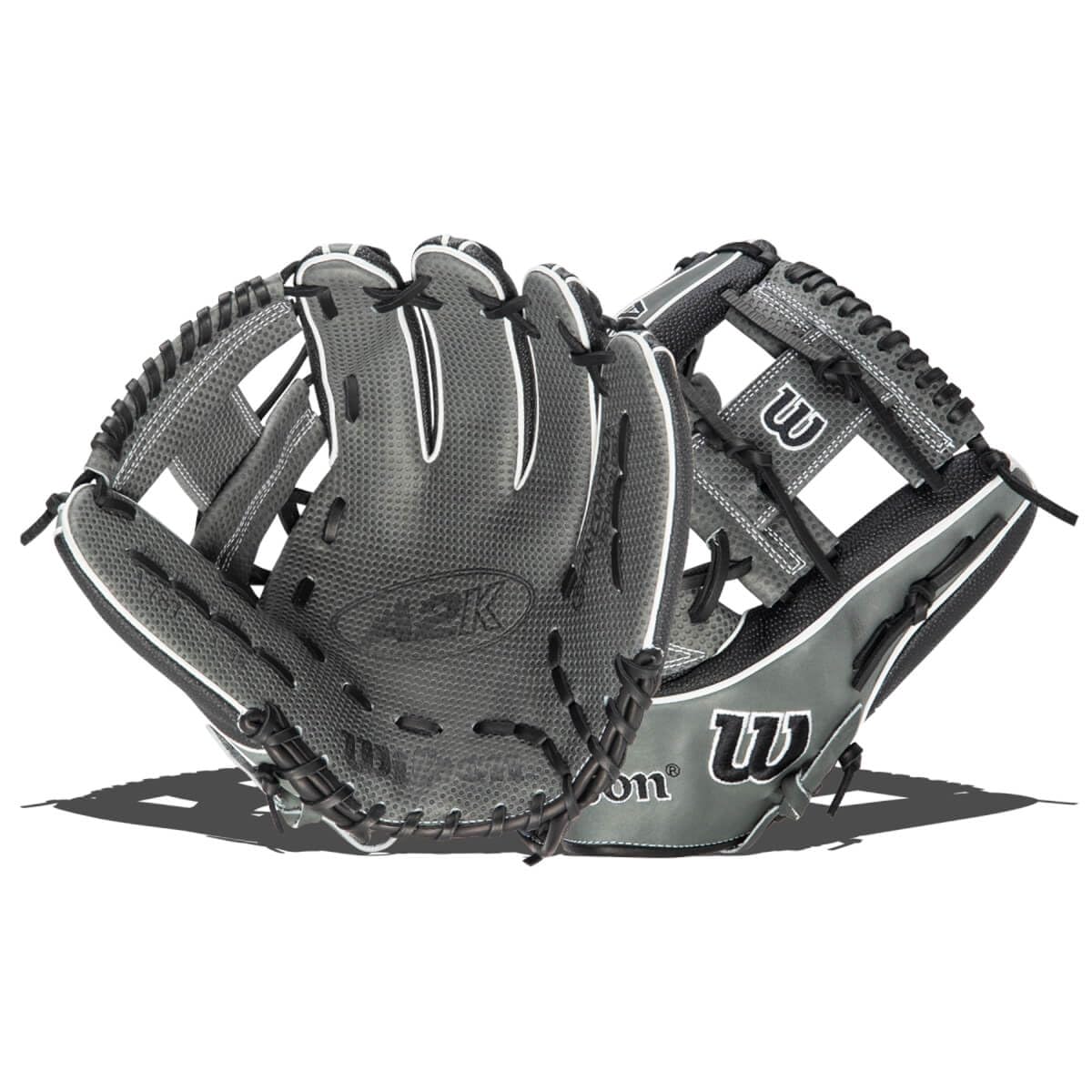
Wilson A2K InfieldElite Pick Elite Performance & Longevity 11.75″ H-Web Pro Stock Select + SuperSkin Amazon
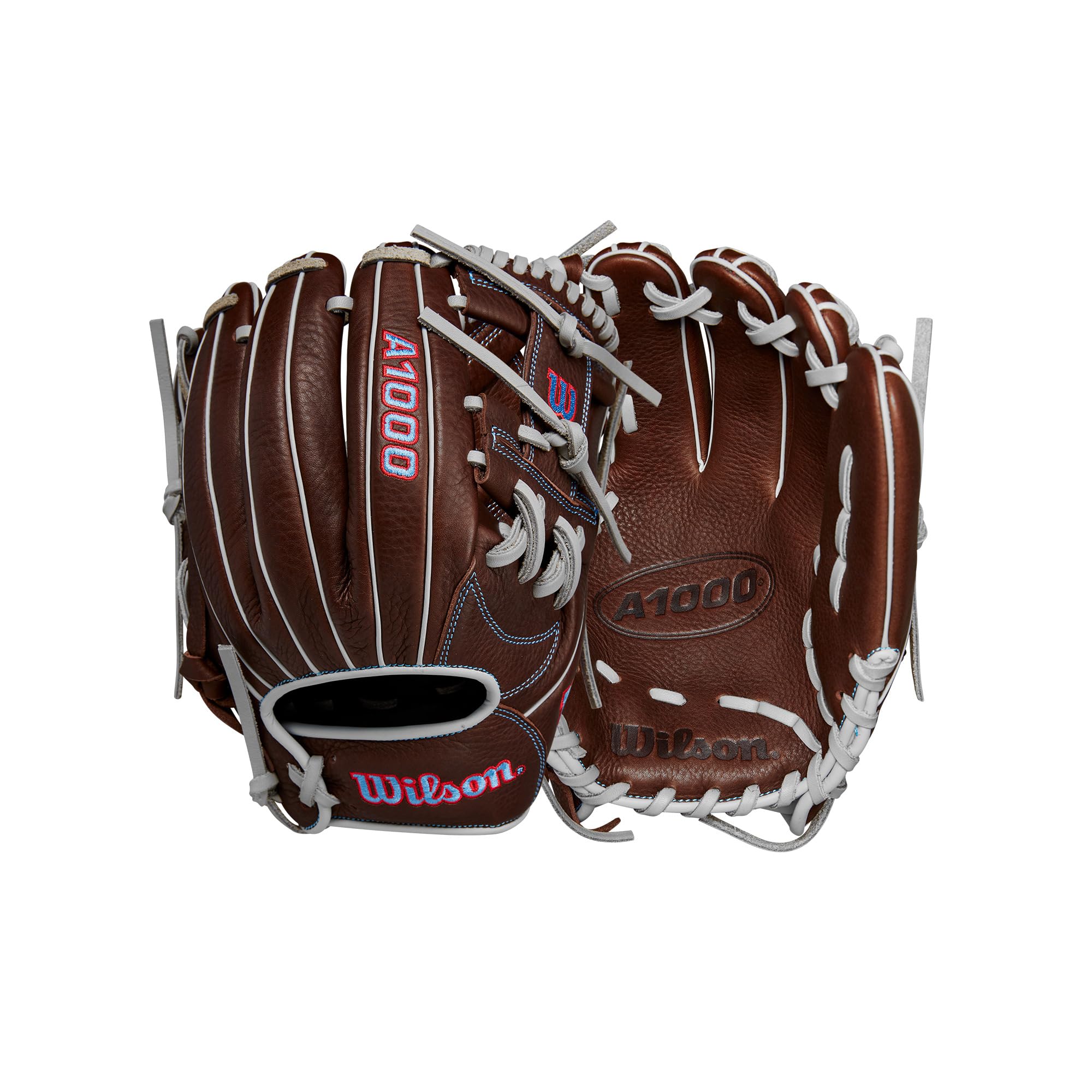
WILSON 2024 A1000 Infield Premium Quality, Faster Break-In 11.75″ H-Web Full Grain Leather Amazon
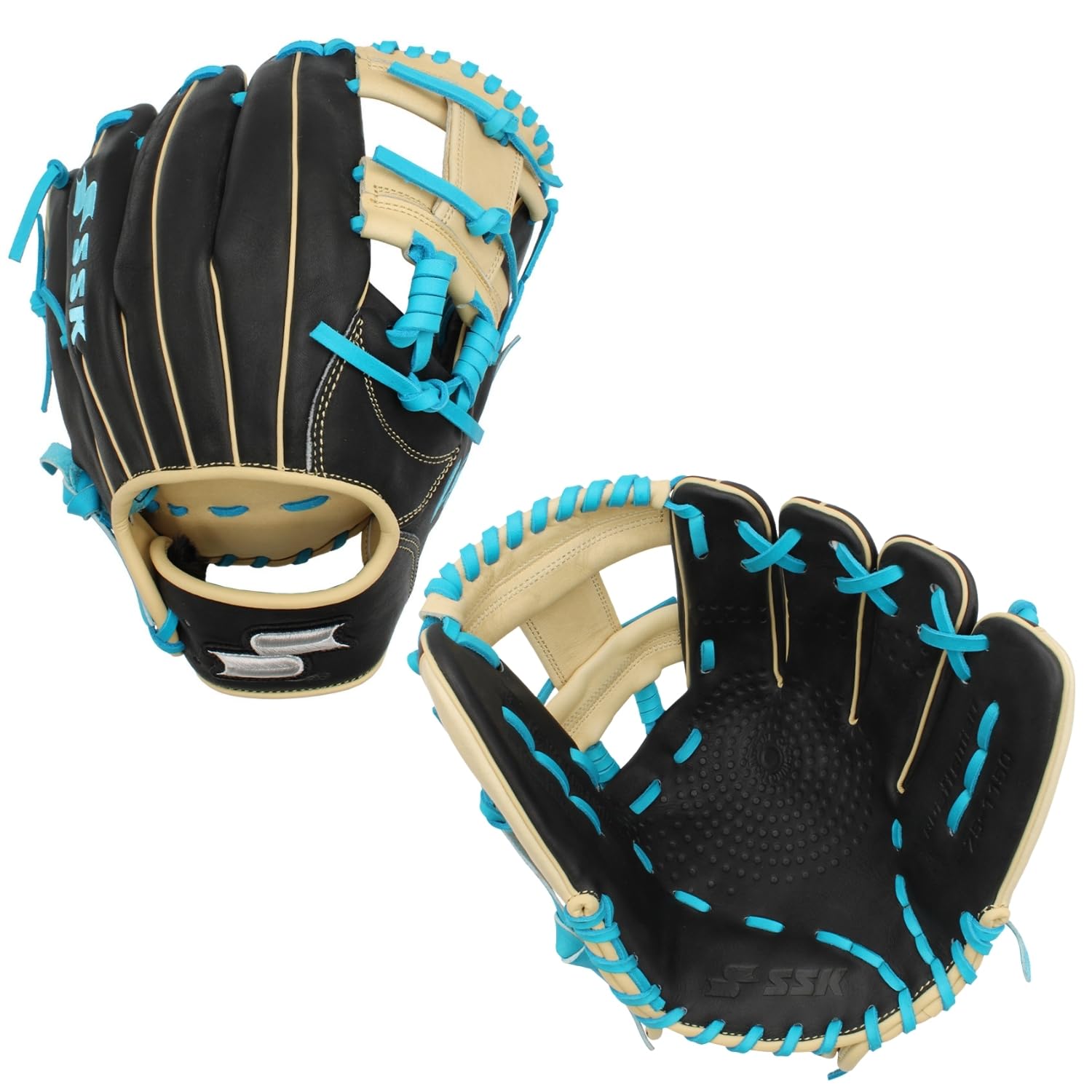
SSK Z5 Craftsman Infield Game-Ready Feel, Minimal Break-In 11.5″ H-Web Premium Cowhide Nameshi Amazon
Franklin Sports CTZ5000 Fast Break-In & Budget-Friendly 12.0″ Basket Web Full-Grain Cowhide Amazon

In‑Depth Reviews

★ Best Overall

1. Rawlings Sandlot Baseball Glove

Our pick — over 4.5★ from 600+ verified ratings; the strongest balance of quality and price.

11.75″ Modified Trap-EzeFull-Grain Oiled Shell

The 11.75-inch Rawlings Sandlot uses a deeper Modified Trap-Eze web for securing high line drives, but it arrives much stiffer than its “80% broken-in” claim suggests.

The Sandlot gives you a 11.75-inch pattern with a Modified Trap-Eze web (a single-piece web with lacing), which is slightly deeper than a standard H-web and gives you a bit more security when catching balls above the waist. It is built from Full-Grain Oiled Shell Leather, and Rawlings claims it arrives about 80 percent broken-in from the factory. In practice, customers note it is “extremely stiff out of box” and that break-in requires mink oil and a mallet. That is a gap between the marketing claim and the real experience — expect to put in a couple of weeks of work before the glove feels truly game-ready.

The Zero Shock Palm Pads and Padded Finger Back Linings are extra padding that helps absorb the impact of hard-hit balls. At third base, where line drives come at you faster than any other infield position, this padding helps prevent stinging hands — according to the brand, it lets you focus on making the catch rather than flinching. Buyers also love the nostalgia factor, with one noting you “can’t beat it for the price” and that everyone thinks it looks like a much more expensive glove. Unlike the SSK Z5 which is ready in a day, the Rawlings demands patience. But buyers who stuck with the break-in process call it a “great and affordable glove” that fits well for an 11-year-old. Compared to the Wilson A1000, the Sandlot is a step down in leather refinement but a step up in value for the price.

Reasons to Choose

  • Classic Sandlot design that looks like a custom glove at a fraction of the cost
  • Zero Shock Palm Pads that the brand says add protection on hard-hit balls
  • Works well across multiple infield positions, not just third base

Reasons to Think Twice

  • Stiffer than advertised — expect significant break-in work
  • Modified Trap-Eze web is slightly deeper, making transfers a hair slower than an H-web

Best for: players who love the Sandlot aesthetic and want a versatile infield glove that can handle multiple positions while staying affordable.

Not for: anyone who needs a glove they can use tomorrow — the break-in will take longer than you expect.

Elite Pick

2. Wilson A2K Infield Baseball Glove

11.75″ H-WebPro Stock Select Leather

The Wilson A2K uses top 5% leather and demands weeks of work, but it will outlast every other glove here by years.

This glove uses Pro Stock Select leather, which Wilson creates by triple-sorting their hides and using only the top 5% for the A2K line. That means you get a glove that forms to your hand perfectly over time, holding its shape season after season. The 11.75-inch H-web (a horizontal bar crossing two vertical strips) gives you the balance of reach and quick ball transfer — exactly what you need when a 95 mph grounder is headed your way. Flat Finger Binding makes playing with a finger outside the glove more comfortable, which many third basemen do to feel the ball better.

There is a trade-off you need to accept. The A2K arrives very stiff, and breaking it in takes real effort. One reviewer noted that the glove “takes hours and hours” of work, noting that shortcuts produce poor results. Another reviewer, whose son plays third base, said they “would recommend breaking it in well before using in a game, the ball would pop out some.” This is the price of premium leather — it outlasts softer gloves by years, but you will invest time upfront. SuperSkin on the back reduces weight so the glove feels lighter than its leather counterpart, and the moisture-resistant coating helps it last longer in damp conditions. Unlike the Franklin CTZ5000 which is nearly game-ready from the start, the A2K demands patience.

Peak Performance, Patient Break-In: This is the right glove if you want a single piece of equipment that will last through high school, college, and beyond. The stiff leather is a feature, not a flaw — it signals exceptional durability.

The Real Cost of Quality: If you need a glove ready for a game this weekend, look at the SSK Z5 below. The A2K is for players who can dedicate weeks to the break-in process before taking it to the diamond.

Stick with this if: you are a serious player who treats glove break-in as part of the craft and wants a mitt that will hold its shape for years.

Look elsewhere if: you need to play a game tomorrow and cannot spend more than a day prepping the glove.

Premium Pick

3. WILSON 2024 A1000 Infield Baseball Glove

11.75″ H-WebFull Grain Leather

You get pro-factory craftsmanship with a softer leather than the A2K, so the A1000 is game-ready in about a week instead of several.

The A1000 is handcrafted in the same Wilson Pro Stock factory that makes the A2000 gloves, but it uses Full Grain Leather that is softer straight from the box. That means you get the same attention to detail and factory craftsmanship without the multi-week break-in ritual. The glove features Dual Welting integrated into the liner, which helps the glove hold its shape better over time — a feature usually reserved for much more expensive models. A DriLex Wrist Lining keeps your hand dry during hot summer doubleheaders, which is a small touch that makes a real difference by the seventh inning.

You still need to put in some work. Buyers report that the glove “is light yet on the medium thickness scale” and that after a week of use it was “breaking in very nicely.” That is much faster than the A2K, but not instant like the Franklin or SSK options. One buyer mentioned it is “a bit stiff” and recommended a wooden ball on a stick to help build the pocket while watching TV. Compared to the premium Wilson A2K above, this glove saves you money and time while staying in the same quality family — making it the smarter choice for a high-school player who needs a game-ready glove within a week or two.

What Stands Out

  • Factory-fresh feel that breaks in faster than the A2K
  • Dual Welting keeps the glove’s shape intact for longer
  • DriLex lining manages sweat better than standard leather

The Catch

  • Still needs dedicated break-in time — not ready the same day
  • Leather is medium-thickness, not as plush as premium A2K hide

Reach for this if: you want a Wilson made in the same factory as the pro-level gloves, but you are not willing to wait weeks for the leather to soften.

Pass on this if: you need a truly instant game-ready glove — the SSK Z5 below is faster out of the wrapper.

Best Value

4. SSK Z5 Craftsman Infield Baseball Glove

11.5″ H-WebPremium Cowhide Nameshi

The SSK Z5 uses an extra factory break-in process so you can use it in a game the day after you open the box.

SSK uses Premium Cowhide Nameshi leather that is smooth, soft, and lightweight straight from the factory. The Z5 undergoes an extra factory break-in process so you can open the box and head straight to the field. One owner reported the “glove broke in literally overnight and used next day in a 12u comp tournament.” They simply applied glove oil, used a mallet, and played catch in the backyard, and the glove was ready for game action the next morning. The Dimple Sensor Technology in the palm helps reduce spin on the ball, giving you better grip on hard-hit grounders and quicker transfers to your throwing hand.

The glove is Shokunin Craftsman Approved by Japanese glove masters, meaning each one is built with a level of attention that rivals gloves costing twice as much. Compared to the Rawlings Sandlot (which owners mention arrives “extremely stiff out of box”), the SSK Z5 is ready in a fraction of the time. The H-web gives you the same third-base-ready design as the Wilson models, but the break-in process is dramatically shorter. The 11.5-inch size is on the smaller end for third base, which gives you lightning-quick transfers — perfect if you prioritize speed over the extra inch of reach that an 11.75-inch pattern provides.

Instant Readiness, Japanese Precision: This is the glove to buy if you need it for a tournament this weekend and cannot spend weeks playing catch to soften the leather.

One Trade-Off: The smaller 11.5-inch pattern gives up a tiny bit of reaching range compared to the 11.75-inch models — something to consider if you field a lot of balls deep in the hole between third and short.

Grab this if: you need a glove that is ready for game action within 24 hours and you want Japanese craftsmanship at a mid-range price.

skip it if: you prefer a slightly larger 11.75-inch pattern for extra reach at the hot corner.

Budget Champion

5. Franklin Sports CTZ5000 Baseball Glove

12.0″ Basket WebFull-Grain Cowhide

A 12-inch basket web glove made of real full-grain cowhide that is soft enough to use the same day you get it.

Franklin is best known for batting gloves, but the CTZ5000 surprises buyers with real full-grain cowhide leather at a very accessible price point. One reviewer was shocked, saying they “was hesitant to buy a Franklin ball mit” but found the quality to be excellent and that it “is fairly broken in from the start as well.” The basket web (a closed web design) lets you get the ball in and out of the glove quickly — a key feature for third basemen who need to turn double plays. The soft palm lining adds cushion so you do not feel the sting of hard-hit balls through the leather.

The 12.0-inch size is the largest on this list, which is slightly bigger than what most third basemen prefer. That extra inch gives you more catching surface, which can be helpful if you are still developing your fielding skills, but it also means slightly slower transfers compared to the 11.5-inch SSK or 11.75-inch Wilson models. Reviewers point out that the leather is soft and flexible, making the break-in process quick — you can “use it same day if needed” according to one owner. That is a direct contrast to the Rawlings Sandlot, which shoppers say being extremely stiff from the start. The chrome accent stitching gives it a pro look, but the value is in the real leather construction at a price point where most gloves use synthetic materials.

High Points

  • Real full-grain cowhide leather at a budget-friendly price
  • Soft and flexible from the start — usable the same day
  • Basket web design helps with quick ball transfer

Low Points

  • 12.0-inch is larger than typical third base glove — slower transfers than smaller patterns
  • Leather, while real, is not as premium as Wilson or SSK offerings

Good fit for: youth players moving up from synthetic gloves who want their first real leather mitt without spending a lot, or adults who play recreationally and want something usable today.

Not the right fit for: competitive players who want the precision of an 11.5 or 11.75-inch H-web pattern for quick transfers.

Understanding the Specs

Glove Size and Why It Matters

The glove size is measured in inches from the top of the index finger to the bottom of the heel. For third base, the standard range is 11.5 to 11.75 inches. A smaller glove (11.5 inches) gives you the fastest ball transfer because the pocket is shallower — the ball cannot get lost. A slightly larger glove (11.75 inches) gives you a bit more reach for balls hit deep in the hole. Anything above 12 inches is typically an outfield glove that will feel slow at the hot corner.

Web Types: H-Web vs. Basket vs. Modified Trap-Eze

The H-web (a horizontal crossbar that creates a stable pocket) is the most popular choice for third base because it traps the ball securely and lets you transfer it quickly. The basket web (a closed design that hides the ball from the batter) is common among pitchers who play third base too. The Modified Trap-Eze (a single-piece web with lacing) has a deeper pocket that helps secure high line drives but slows down your transfer just a little. Most third basemen prefer the H-web for its balance of security and speed.

FAQ

What size glove does a third baseman need?
Most third basemen use a glove between 11.5 and 11.75 inches. The 11.75-inch size is the most common because it offers a good balance of reach for grounders down the line and quick ball transfer for throws to first base. A 12-inch glove works for recreational play but will slow down your transfers.
How long does it take to break in a new baseball glove for third base?
The break-in time depends entirely on the leather. A “game-ready” glove like the SSK Z5 can be ready in 24 hours with some oil and a mallet. A glove with stiffer leather, like the Rawlings Sandlot, may take one to two weeks of daily play catch. Premium gloves like the Wilson A2K can take several weeks of dedicated work before they feel right.
Is a 12-inch glove too big for third base?
For competitive play, yes — 12 inches is on the large side. It gives you more catching surface, which can help a developing player, but the deeper pocket means the ball takes longer to find and transfer. Most serious third basemen stick to 11.75 inches or smaller.
What is the best web type for a third base glove?
The H-web (a horizontal bar crossing two vertical strips) is the most popular choice because it creates a firm, stable pocket that traps the ball securely and allows a quick transfer to the throwing hand. The Modified Trap-Eze web (a single-piece web with lacing) works well too, offering a slightly deeper pocket for catching high line drives. The basket web (a closed design) is a solid choice for players who also pitch.
Should I buy a right-hand throw or left-hand throw glove?
A right-hand throw glove goes on your left hand. If you throw with your right hand, you wear the glove on your left hand — this is the most common configuration. A left-hand throw glove goes on your right hand. Always check the hand orientation before buying to make sure it matches your throwing hand.
Can a youth player use an adult-sized third base glove?
Yes, but the glove should not be too large for the player’s hand. An 11.5-inch glove is a good starting point for a youth player around age 10-12. A glove that is too large will be difficult to close and slow down ball transfers. The Wilson A1000 is designed for both youth and adult players, making it a flexible choice that can grow with the player.
What is the difference between full-grain leather and synthetic leather?
Full-grain leather is real cowhide that has not been sanded or altered. It is more durable, holds its shape longer, and feels better in the hand, but it requires more break-in time. Synthetic leather is cheaper and lighter, but it wears out faster and does not mold to your hand as well. All five gloves on this list use real leather.
How do I speed up the break-in process for a stiff glove?
Apply a thin layer of leather conditioner or glove oil to the palm and fingers. Use a mallet to pound the pocket repeatedly. Play catch every day, starting with light tosses and gradually increasing the speed. A wooden ball on a stick can help form the pocket while you watch TV. Avoid shortcuts like microwaving or soaking the glove, which can damage the leather.
Is a more expensive glove worth it for a casual player?
For a casual player who plays a few games per season, a mid-range glove like the Franklin CTZ5000 or Rawlings Sandlot offers real leather construction at a lower price point. A premium glove like the Wilson A2K is built to last through years of heavy use, but the break-in time and cost are overkill if you only play occasionally.
What does Zero Shock Palm Pad mean for a third baseman?
A Zero Shock Palm Pad is extra padding built into the palm of the glove to absorb the impact of hard-hit balls. At third base, where line drives come at you faster than any other infield position, this padding helps prevent stinging hands and lets you focus on making the catch rather than flinching from the pain.

Final Thoughts: The Verdict

For most players looking for the baseball glove for 3rd base, the winner is the SSK Z5 Craftsman because it combines Japanese craftsmanship with game-ready leather that needs minimal break-in time — a strong balance of quality, speed, and value. If you want the absolute best leather that will last a decade, grab the Wilson A2K. And if you are shopping on a budget but still want real cowhide leather, the Franklin Sports CTZ5000 gives you instant use at a low price point.

How We Picked

We do not accept paid placement. Every pick is matched to a real buyer and a real use-case; we do not hands-on test units.

Sources & Methodology

Specifications: manufacturer listings and product documentation. Review insights: verified customer reviews, as of July 2026. Pricing: not shown on this page (it changes often); check the current price via the retailer link.

As an Amazon Associate, Gadgets Feed earns from qualifying purchases. This does not affect which products we feature.

Related Guides

Please use a real email you check. If it's fake or mistyped, your message won't reach us and we can't reply — wrong addresses are rejected automatically.