
Our readers keep the lights on and my morning glass full of iced black tea. As an Amazon Associate, I earn from qualifying purchases.
Specs are compiled from manufacturer listings and verified buyer reviews and can change over time — please confirm the key details on the product page before buying.
If your playlists live in the low end—hip-hop, EDM, metal, movie explosions—you already know the letdown of headphones that turn sub-bass into a polite knock instead of a punch to the chest. You want that physical rumble without losing the vocals, whether you’re at the gym, on a flight, or at your desk late at night. Here’s the pair that delivers it.
I’m Min — the founder and writer behind Gadgets Feed. This guide is built by comparing the manufacturers’ published specifications and the patterns across verified customer reviews, so you get each pick’s real strengths and trade-offs instead of marketing spin.
You’ll see which drivers, battery figures, and noise-cancelling systems actually matter for deep bass, and how top-tier options compare to budget-friendly ones, in this clear breakdown of the bass over ear headphones worth your attention.
Our Picks at a Glance

How To Choose The Best Bass Over Ear Headphones
First, decide what “bass” means to you. A slight warmth that colors the music is very different from a vibrating, tactile thump you feel in your jaw. Knowing which you want tells you if you need a specialized bass slider or just a solid dynamic driver (the speaker unit that produces sound).
Driver Size and Translation
The driver is the speaker inside the cup; a 40mm driver moves more air than a 32mm one, usually meaning fuller low-end pressure. Look at how the manufacturer tunes it—a larger driver with a flimsy build still sounds thin.
Battery and ANC Interaction
Wireless bass headphones drain faster when active noise cancelling (ANC) is on. Check the battery figure with ANC on, not just the headline number. A pair rated for 70 hours in standard mode might drop to 50 when you silence the world.
Quick Comparison
| Model | Best For | Battery (ANC on) | Driver Size | Bluetooth | Amazon |
|---|---|---|---|---|---|
| Skullcandy Crusher Evo★ Best Overall | Adjustable haptic bass | 40 hours | 40mm | 5 | Amazon |
| Soundcore Q30Best Value | ANC on a budget | 50 hours | 40mm | 5 | Amazon |
| JBL Tune 720BTBattery King | Extreme battery life | 76 hours | 40mm | 5.3 | Amazon |
| JBL Tune 770NC | Adaptive ANC + bass | 70 hours | 32mm | 5.3 | Amazon |
| Beats Studio Pro | Apple ecosystem bass | 40 hours | Custom | Class 1 | Amazon |
| Bose QuietComfort | All-day comfort + bass | 24 hours | Dynamic | 5.1 | Amazon |
| Sony WH-1000XM6 | Best noise cancelling | 30 hours | 30mm | 5.3 | Amazon |
| Sennheiser HD 660S2 | Wired audiophile bass | — | 42mm | — | Amazon |
| Focal Bathys | Hi-Fi Bluetooth bass | 30 hours | Dynamic | 5.1 | Amazon |
In‑Depth Reviews
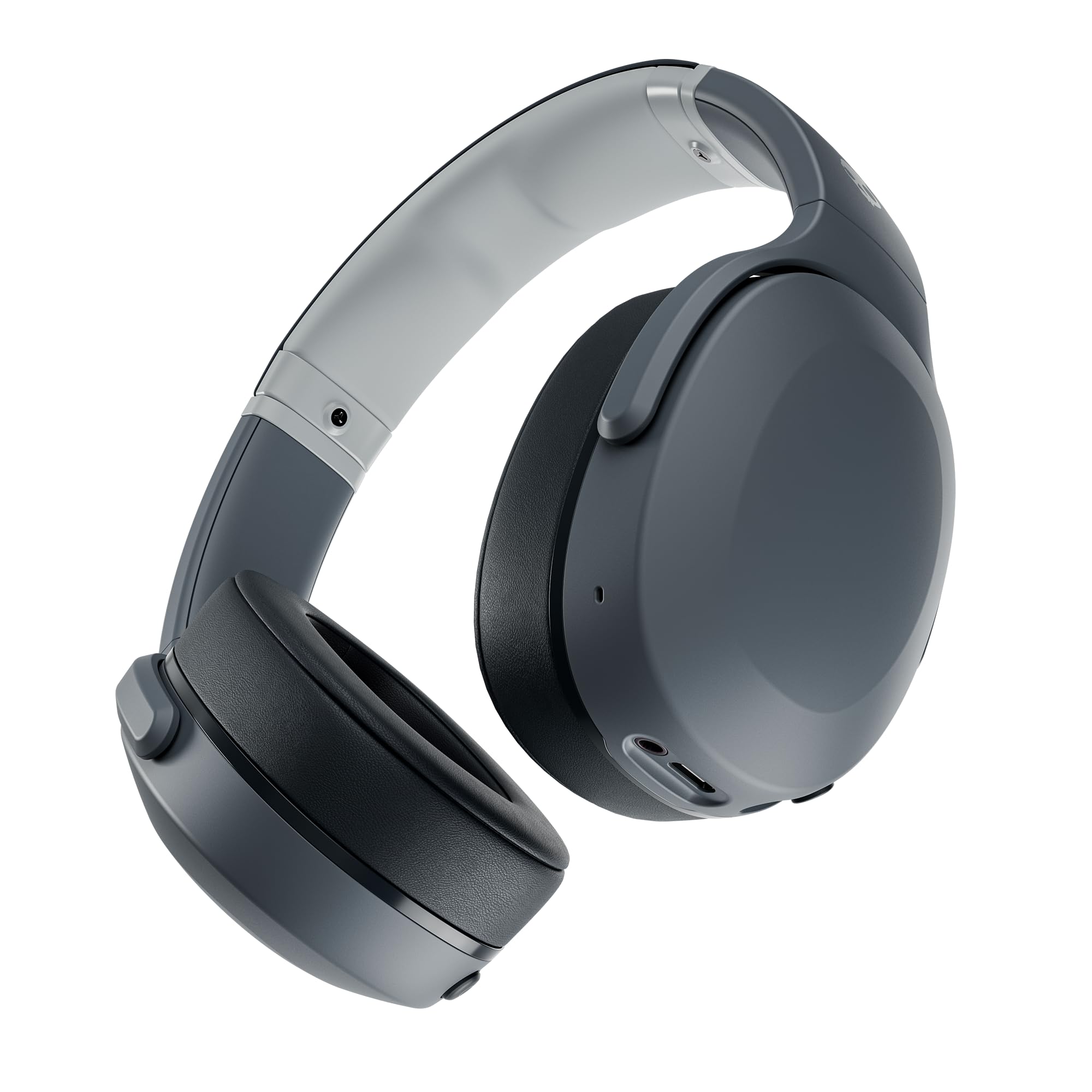
1. Skullcandy Crusher Evo
Our pick — over 4.5★ from 19,000+ verified ratings; the strongest balance of quality and price.
The only pair that lets you dial the bass up until you feel it in your spine.
Most bass headphones give you one flavor of thump. The Crusher Evo gives you a slider—literally a physical control—that boosts the low end until the dual bass drivers vibrate against your head. This is the “multi-sensory” trick: two full-range 40mm drivers handle the music, while extra bass drivers add a physical sensation you can feel, not just hear.
Buyers report the battery is the real star, calling it “phenomenal” and confirming the fast charge works as advertised, with 10 minutes of charging returning 4 hours of listening. The sound stays distortion-free even at maximum volume, which matters if you like your EDM loud. The adjustable bass means you can have a balanced, clear mix for podcasts and then crank the slider for a workout without changing headphones.
The trade-off is the fit. The ear cushions are comfortable for big heads, but a few owners mention the earpads can tear after heavy use—replacement pads are sold separately. The noise isolation is good but not active cancellation, so you won’t get the silence of a dedicated ANC pair. This is for people who want the most fun, tactile bass experience for the price, not for studio engineers seeking a flat response.
What wins people over
- Haptic bass slider you can feel physically
- 40-hour battery with rapid charge—4 hours from a 10-minute top-up
- No distortion at max volume, even with bass boosted
Consider this first
- No active noise cancelling, just passive isolation
- Earpads may tear over time; replacements are extra
- Not for flat, neutral studio monitoring
Reach for this if: you want the most visceral, adjustable bass you can feel through your head—the crowd favorite for a reason, backed by a huge base of happy owners.
Look elsewhere if: you need active noise cancelling to block out office chatter or airplane engines, since this relies on a snug fit alone.
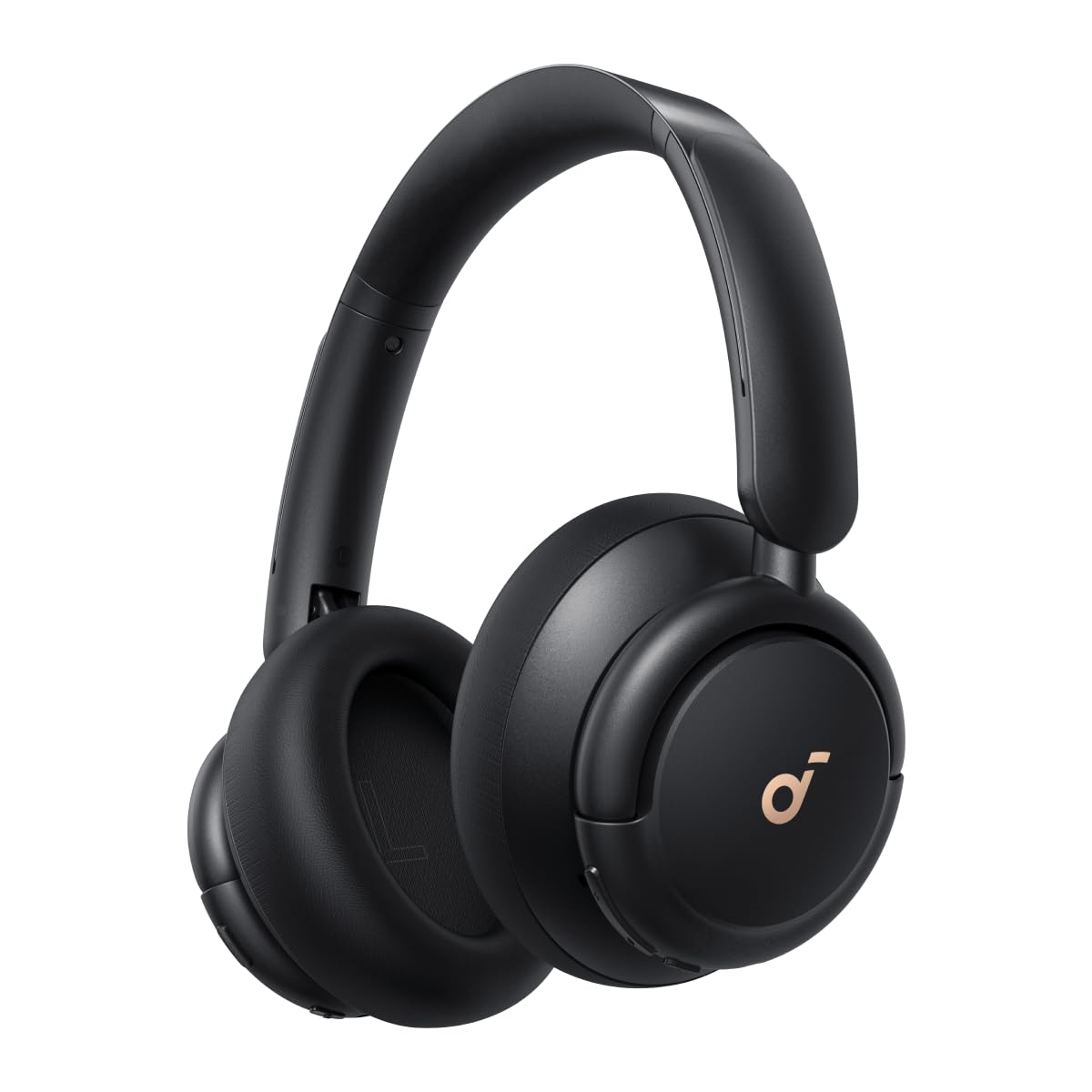
2. Soundcore by Anker Q30
Deep bass and real noise cancelling that refuses to cost a fortune.
If you want to block out the world and still feel the low end, the Q30 is the value king. Its hybrid active noise cancelling uses dual noise-detecting microphones to filter out up to 95% of low-frequency ambient sound—think airplane engines and traffic. The 40mm drivers with silk diaphragms deliver thumping bass that extends up to 40kHz, so you get crisp treble on top of that rumble.
Battery life is where this thing shines: a full 50 hours of playtime with ANC switched on, and a quick 5-minute charge gives you 4 more hours. Owners mention the battery is reliable in practice, sitting at 90% after five days of a few hours of daily use. The custom EQ in the app is a genuine tool—one owner notes the adjustable EQ helped with their hearing loss, and the balanced sound (highs, bass, mids) is a recurring compliment.
The catch is durability, which gets mixed feedback—some customers note the headband can break after extended use. The memory foam earcups are soft and the build is light, but treat them gently. The noise cancelling is rated “B/B+” by owners: it handles engines and office chatter well, but flight announcements still come through clearly. This is the pick for commuters who want ANC and bass without spending flagship money.
Smart buy, smart trade-off: you get 95% of the premium ANC experience for a fraction of the price, with the honest caveat that the plastic build won’t survive rough handling the way a metal pair might.
The one to beat: at this price, nothing else matches the combination of hybrid ANC, 50-hour battery, and deep bass—the most-discussed feature is the sound quality, with thousands of owners calling it out.
3. JBL Tune 720BT
A marathon runner that outlasts the Crusher Evo by a massive 36 hours.
JBL’s Pure Bass sound is famous for a reason—it’s the same tuning that powers some of the world’s biggest venues. The Tune 720BT brings that signature low-end warmth to a 40mm driver, and the headline number here is battery: 76 hours of wireless listening. That’s a 1.9x gap over the Crusher Evo’s 40 hours, which means you could fly around the world twice without reaching for a charger.
Bluetooth 5.3 keeps the connection rock-solid, and the free JBL Headphones App lets you customize the EQ beyond the default bass-forward profile. Owners who compared it to far pricier flagships were surprised—the app EQ brings the sound “near-MX4 quality” in one verdict. The lightweight build and soft ear pads make it comfortable for long gym sessions, and the foldable design tucks into a bag easily. A 5-minute recharge gives 3 hours of music if you’re in a rush.
The honest limits: there’s no active noise cancelling here, so it relies on the soft pads for passive isolation. Some owners find the fit more on-ear than over-ear, and a few report the clamp is snug at first. The battery and sound, though, are the things everyone raves about—several owners call it “incredible” and note they charge it every few weeks, not every day.
A marathon, not a sprint: if you hate charging gadgets, this is the pair that turns “how’s your battery?” into a non-question—76 hours is the best in this list by a wide margin.
Keep expectations fair: no ANC and a snug fit mean it’s best for music you want to hear, not for drowning out a noisy office.
4. JBL Tune 770NC

Adds the noise cancelling the 720BT lacks, without losing JBL’s bass punch.
This is the smarter sibling of the 720BT. You get Adaptive Noise Cancelling that adjusts to your surroundings, plus Smart Ambient modes (Ambient Aware and TalkThru) so you can hear a coworker or the train announcer without taking the headphones off. It also steps up to Bluetooth 5.3 with LE Audio, so the sound and video stay in sync when you’re watching movies—a real boon for bass-heavy action scenes.
JBL Pure Bass Sound carries over, and owners say the ANC is genuinely effective, with one calling it “better than pricier brands” and another comparing it favorably to AirPods Pro. The battery is rated at 70 hours, which nearly matches the 720BT, and the clear audio quality holds up across all volumes. The JBL Headphones app gives you pre-set EQ modes or a custom curve, which owners say makes the bass even more enjoyable.
The weak spot is the hinge joints—a few reviewers point out they can break after months of use, so treat the folding mechanism gently. The ear cups run slightly small, and some feel soreness after a couple of hours. If you want the JBL bass signature AND the ability to silence the world, this is the one; if you never need ANC, the 720BT saves you money.
Choose this for: the balance of bass-forward JBL sound plus adaptive noise cancelling (ANC, which actively blocks outside noise) that owners say rivals pricier flagships—a standout value in the mid-range.
Mind the hinge: the folding joints are the most fragile part, so if you’re hard on your gear, handle with care.
5. Beats Studio Pro

Deep bass, deep iPhone integration, and a lossless wire when you want it.
Beats has long been the bass-head’s gateway drug, and the Studio Pro refines that reputation. The custom acoustic platform delivers rich, balanced audio with the deep low end Beats is known for—owners specifically call out “deep bass” and “clear vocals.” It’s also richer and has more bass than a Sony XM5, according to one comparison, though it’s not as loud as the previous Beats generation.
The killer feature here is USB-C lossless audio: plug in the included cable and you get a hi-fi wired connection that bumps the clarity above ordinary Bluetooth. One-touch pairing works with both Apple and Android, and Class 1 Bluetooth keeps the connection stable with fewer dropouts. The 40-hour battery with Fast Fuel (10 minutes of charging gives 4 hours) means you won’t be hunting for an outlet on a long trip. The voice-targeting mics are impressive enough that callers “can’t tell” you’re on a headset.
The comfort feedback is split down the middle. Some find the UltraPlush cushions comfortable through long workdays, while others report soreness and a fit that doesn’t stay put on smaller heads. The ANC is effective and static-free, but a few owners note the ear cups can get warm. If you live in the Apple ecosystem and want a bass-forward sound with spatial audio for movies, this is the natural fit; if you’re strictly Android, the JBL options above give you more for less.
Apple’s bass champion: smooth one-touch pairing, spatial audio (a 360-degree sound effect), and USB-C lossless (a high-quality audio format over the USB-C cable) make this the obvious choice for iPhone users who refuse to compromise on low end.
Watch the fit: comfort is the most debated spec here—try them on if you can, and know that small heads may find them snug.
6. Bose QuietComfort
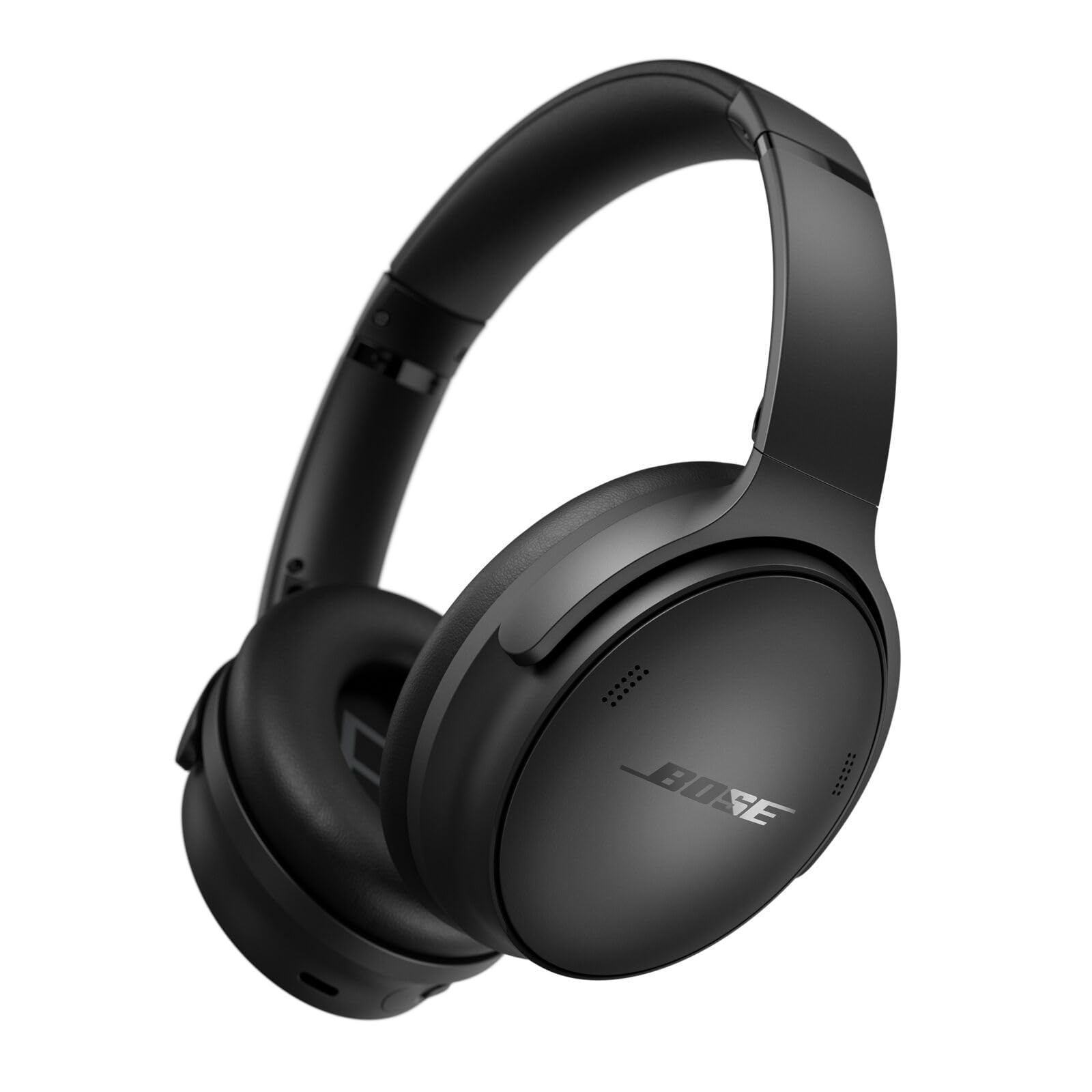
The plush, lightweight pair that makes deep bass feel easy for hours.
Bose built its name on comfort, and the QuietComfort delivers—plush over-ear cushions that “softly hug your ears” and a padded band that stays secure through extra-long listening sessions. Owners with piercings say the large ear pads fit fine, and the overall weight is light enough that you’ll forget you’re wearing them. This is the pair you reach for when the marathon listening session is the goal.
For bass, the Adjustable EQ puts you in control: dial up the low end, mid-range, or treble to match your mood. The high-fidelity audio is described as “rich/creamy” and the noise cancelling blocks roughly 90% of surrounding noise, with one owner noting their wife’s speech became inaudible. Two listening modes—Quiet and Aware—let you toggle between full cancellation and hearing the world. The 24-hour battery is lower than the JBLs, but a 15-minute USB-C charge gives you 2.5 hours back, and the included audio cable works even when the battery is dead.
The honest trade-off is the price and the battery. At 24 hours, it’s a third of the JBL 720BT’s runtime, and the value-for-money feedback is mixed—you’re paying a premium for comfort and ANC polish. Multipoint Bluetooth lets you switch between two devices smoothly, which is a daily convenience. This is for the person who values all-day comfort and rich, adjustable sound over raw battery numbers.
The long-haul specialist: if comfort is your #1 priority and you want bass you can tune, this is the pair that disappears on your head—the most-praised trait is the sound quality, with thousands of owners singing its praises.
Know the cost: you pay a premium for the plush and the polish, and 24 hours is short next to the JBL marathon runners.
7. Sony WH-1000XM6
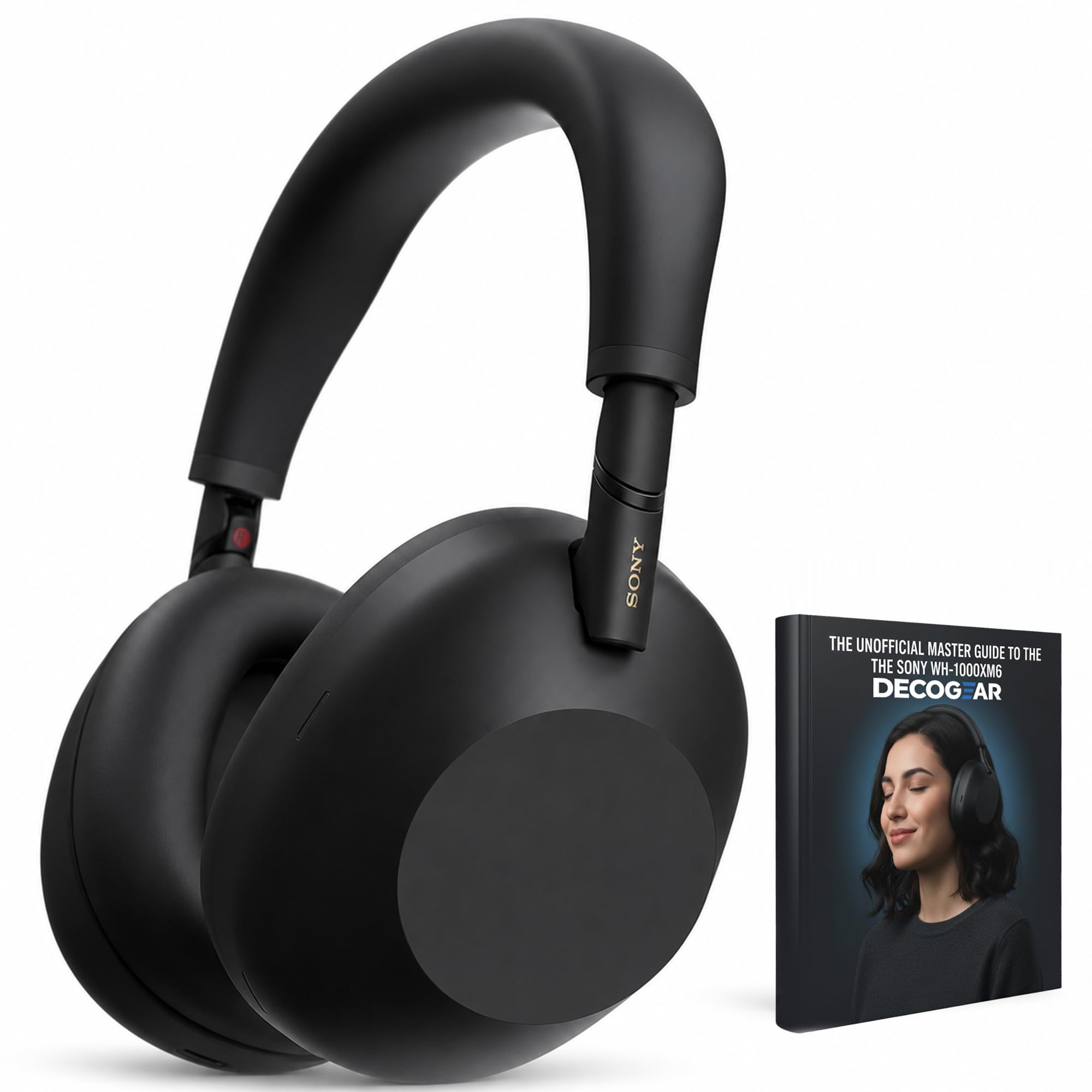
The noise-cancelling benchmark that masters bass and silence together.
Sony’s WH-1000XM line is the gold standard for noise cancelling, and the XM6 raises the bar with the HD Noise Canceling Processor QN3—a chip that’s 7x faster than the previous generation. It works with 12 microphones and an Adaptive NC Optimizer to adjust to external noise, air pressure, and even how you’re wearing the headphones. The result, per owners, is that loud neighbors are “blocked completely.”
For bass, the studio-quality tuning co-created with mastering engineers supports LDAC High-Resolution Audio Wireless and DSEE Extreme, which restores detail in compressed music for tighter bass and clearer vocals. The 30mm drivers deliver strong, clear bass without muddying the mids. Battery life is 30 hours, and quick charging gets you back in the game fast. A wider synthetic-leather headband and foldable design make it travel-ready—the compact case slips into a backpack.
The mixed feedback depends on the app. Owners say the mic level is too low without the phone app, and the Sony Sound Connect app itself gets criticized for a poor user interface and privacy concerns. The headphones are comfortable and lightweight for most, but some find them heavy on long walks. If you want the absolute best noise cancelling on the market and don’t mind the app, this is the flagship to beat.
The silence specialist: no other pair in this list cancels as much noise while keeping the bass tight and true—this is the benchmark for a reason.
App dependence: you’ll want the Sony app to tune the mic and EQ, and owners have gripes with its interface—factor that in.
8. Sennheiser HD 660S2
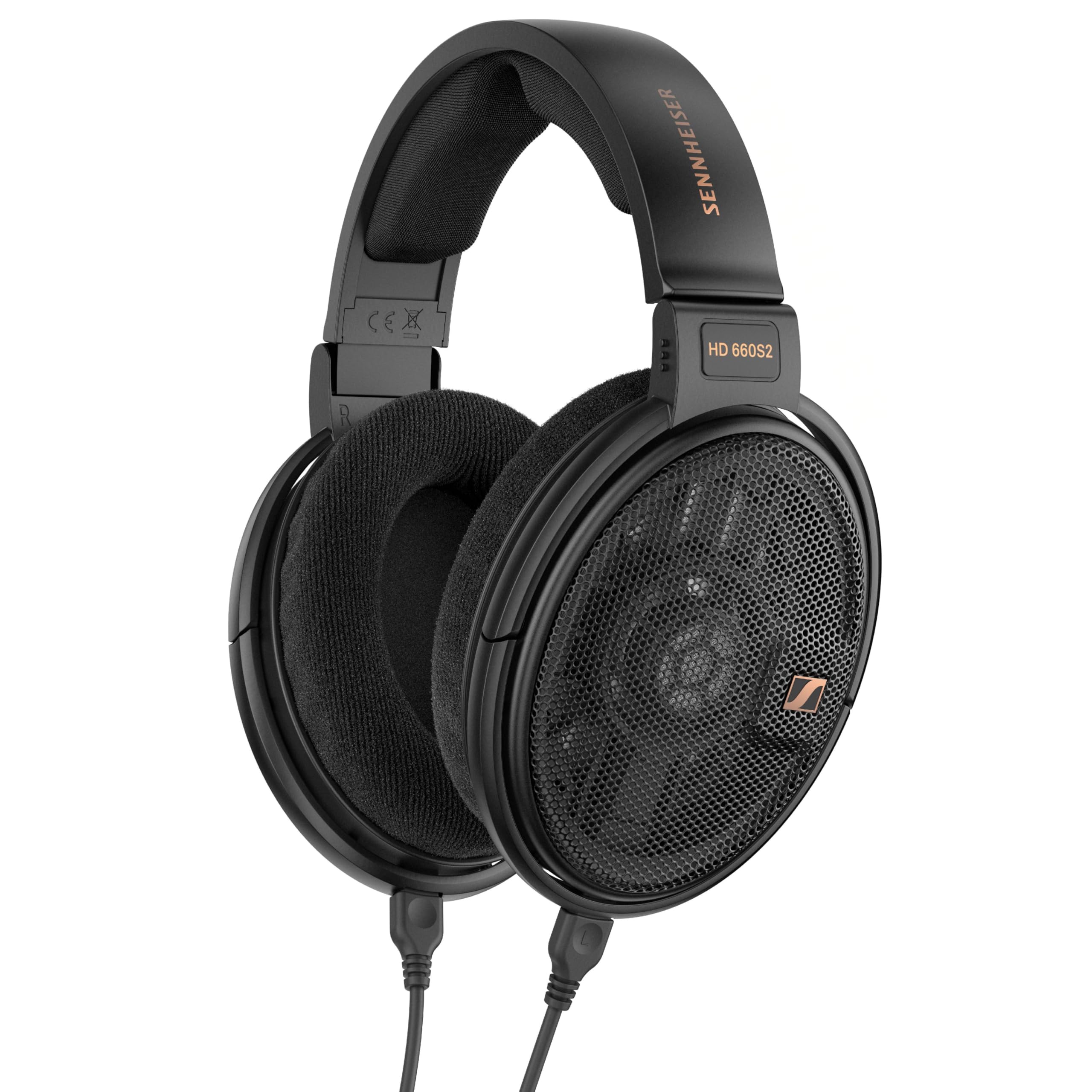
Wired, open, and utterly transparent—bass you feel from piano lows to bass drums.
If you’re chasing the purest bass reproduction, stop looking at Bluetooth. The HD 660S2 is a wired audiophile pair with 42mm transducers and an ultra-light aluminum voice coil that delivers detailed highs, rich mids, and deep, controlled bass. This is the only pair in this list where you can feel every note from piano lows at 27.5 Hz to bass drums at 45–60 Hz with clarity and precision.
The open-back design is the defining trait: it lets air flow through the cups, creating a spacious soundstage that feels like the music is around you, not inside your head. Owners describe the sound as “crisp” and “natural,” with deep controlled bass and lifelike vocals that handle rock, hip-hop, jazz, and classical equally well. The velour pads are soft, breathable, and comfortable even with glasses—no hotspots, no head pressure, no fatigue during long sessions.
The trade-offs are real for the uninitiated. It’s wired only (no Bluetooth, no battery), and it’s open-back, which means sound leaks out and the outside world leaks in—this is not for an office or a commute. The plastic build is lighter than some metal rivals, and the fit can be snug at first. For gaming, podcasts, and dedicated desktop listening at home, though, the review pages sum it up: this is an outstanding value on sale.
For the purist: the deepest, most accurate bass in this list, but only if you’re sitting still in a quiet room with a wired amplifier.
Not for commuters: open-back means zero isolation and audible sound leakage—keep this one at your desk.
9. Focal Bathys

A French hi-fi house proves Bluetooth can sound like a wired audiophile rig.
Focal is a name that commands respect in high-end audio, and the Bathys is their answer to “can wireless sound like wired?” The answer, per owners, is a confident yes—one says it sounds “superior” to both AirPods Max and Pro 2 combined, with a soundstage (the sense of space in the music) that rivals a wired Focal Elegia. The USB-C DAC mode (a digital-to-analog converter that improves sound quality) plays 24-bit/192kHz audio, pushing the clarity far beyond ordinary Bluetooth.
The build is gorgeous and rugged: real leather and microfiber headband, magnesium yoke for lightness, and aluminum construction that feels solid from headband to earcups. Battery life is over 30 hours in Bluetooth with ANC on, and fast charging gives you 5 extra listening hours in just 15 minutes. The backlit logo adds a touch of theater. Owners with large ears love the soft cushions—”no pain for 3-4 hours” is a common refrain.
The honest gripes: the ANC cannot be fully disabled, which bothers some purists, and the noise cancelling itself is rated mixed compared to Sony and Bose. There’s no LDAC or aptX HD support, and the transparency mode doesn’t match the Sonos Ace. Comfort is split—some report pressure on the jaw and a less secure fit. This is a luxury purchase for the person who wants reference-grade sound quality and impeccable build in a wireless package, not for the budget-conscious shopper.
The luxury benchmark: if you want the closest thing to a wired audiophile experience that still cuts the cord, the Bathys is the pair—comfort and sound quality are the most-praised traits.
Expect quirks: no ANC off-switch and mixed fit feedback mean this is a love-it-for-sound, not a love-it-for-everything purchase.
Understanding the Specs
Driver Size and Bass Output
The driver is the speaker inside the ear cup; its size in millimeters (mm) tells you how much air it can move. A 40mm driver, as in the Skullcandy Crusher Evo and JBL options, produces fuller low-end pressure than a 32mm driver. The 42mm transducers in the Sennheiser HD 660S2 help it reach deep into sub-bass frequencies. Bigger drivers generally mean more physical, room-filling bass, but tuning matters just as much.
Battery Life vs. Noise Cancelling
Wireless bass headphones burn power faster with ANC running, so check the battery number with ANC on. The Soundcore Q30 is rated for 50 hours with ANC, while the JBL Tune 720BT hits 76 hours but has no ANC at all—that extra silence comes at a battery cost. A “rapid charge” spec lets you top up fast: 10 minutes on the Crusher Evo gives 4 hours, and 15 minutes on the Bose QuietComfort gives 2.5 hours. If you fly often, the ANC battery number is the one that matters.
FAQ
Is a bigger driver size always better for bass?
Does active noise cancelling reduce bass quality?
What is a haptic bass slider on the Skullcandy Crusher Evo?
Are open-back headphones bad for bass?
How long does a 40-hour battery really last with daily use?
Is a bass slider better than an app EQ?
Can I use wired bass headphones with my phone?
How do I choose between the JBL Tune 720BT and the 770NC?
Is the Focal Bathys worth the premium over the Sony XM6?
Final Thoughts: The Verdict
For most people, the bass over ear headphones winner is the Skullcandy Crusher Evo because it’s the only pair that lets you physically feel the bass with an adjustable slider, and it’s backed by a massive crowd of happy owners—the 4.7-star rating across tens of thousands of buyers is the strongest in this list. If you want active noise cancelling to block out the world, grab the Soundcore Q30 for the best value. And for marathon battery life with JBL’s signature bass, the JBL Tune 720BT is the one to reach for.
How We Picked
We do not accept paid placement. Every pick is matched to a real buyer and a real use-case; we do not hands-on test units.
Sources & Methodology
Specifications: manufacturer listings and product documentation. Review insights: verified customer reviews, as of August 2026. Pricing: not shown on this page (it changes often); check the current price via the retailer link.
As an Amazon Associate, Gadgets Feed earns from qualifying purchases. This does not affect which products we feature.