
Our readers keep the lights on and my morning glass full of iced black tea. As an Amazon Associate, I earn from qualifying purchases.
Specs are compiled from manufacturer listings and verified buyer reviews and can change over time — please confirm the key details on the product page before buying.
Machine pitch baseball is a young batter’s first real taste of live pitching. The right bat here does not just make contact — it turns a good swing into a double or a home run. The trick is matching the drop weight (how light the bat is for its length) and barrel size to your kid’s strength and league rules, not just picking the coolest color.
I’m Min — the founder and writer behind Gadgets Feed. This guide is built by comparing the manufacturers’ published specifications and the patterns across verified customer reviews, so you get each pick’s real strengths and trade-offs instead of marketing spin.
That is exactly what this guide does — it breaks down the best options for a bat for machine pitch baseball by examining real specs and thousands of owner experiences to help you make a confident choice.
Our Picks at a Glance

How To Choose The Best Bat For Machine Pitch Baseball
Machine pitch leagues use a specific standard — the USA Baseball stamp — and a standard barrel diameter of 2 5/8 inches. Within those rules, your main choice is the drop weight (how light the bat is for its length) and the construction material. Get these right, and your young hitter will thank you with line drives.
The Drop Weight: Light Enough To Swing Fast
One-Piece Alloy vs. Two-Piece Hybrid
One-piece alloy bats like the Rawlings 5150 offer a stiff, traditional feel and are usually more durable and less expensive. Two-piece hybrid bats, such as the Louisville Slugger Select PWR, use a composite handle (a handle made from carbon-fiber-reinforced material) to absorb vibration, which cuts down on the painful sting when a batter misses the balance. If your kid flinches after a bad hit, a two-piece bat is worth the extra cost.
The USA Bat Standard
Every bat in this guide meets the USA Baseball stamp, which is required by Little League, Cal Ripken, Babe Ruth, and most machine pitch leagues. The USA standard limits performance to ensure the ball speed off the bat is safe for youth play. Any bat without this stamp will not be allowed on the field, so always check the handle for the USA mark.
Quick Comparison
| Model | Best For | Drop Weight | Weight | Construction | Amazon |
|---|---|---|---|---|---|
| Rawlings 5150★ Best Overall | Best Overall | -11 / -10 / -5 | 5 oz | 1-Pc Alloy | Amazon |
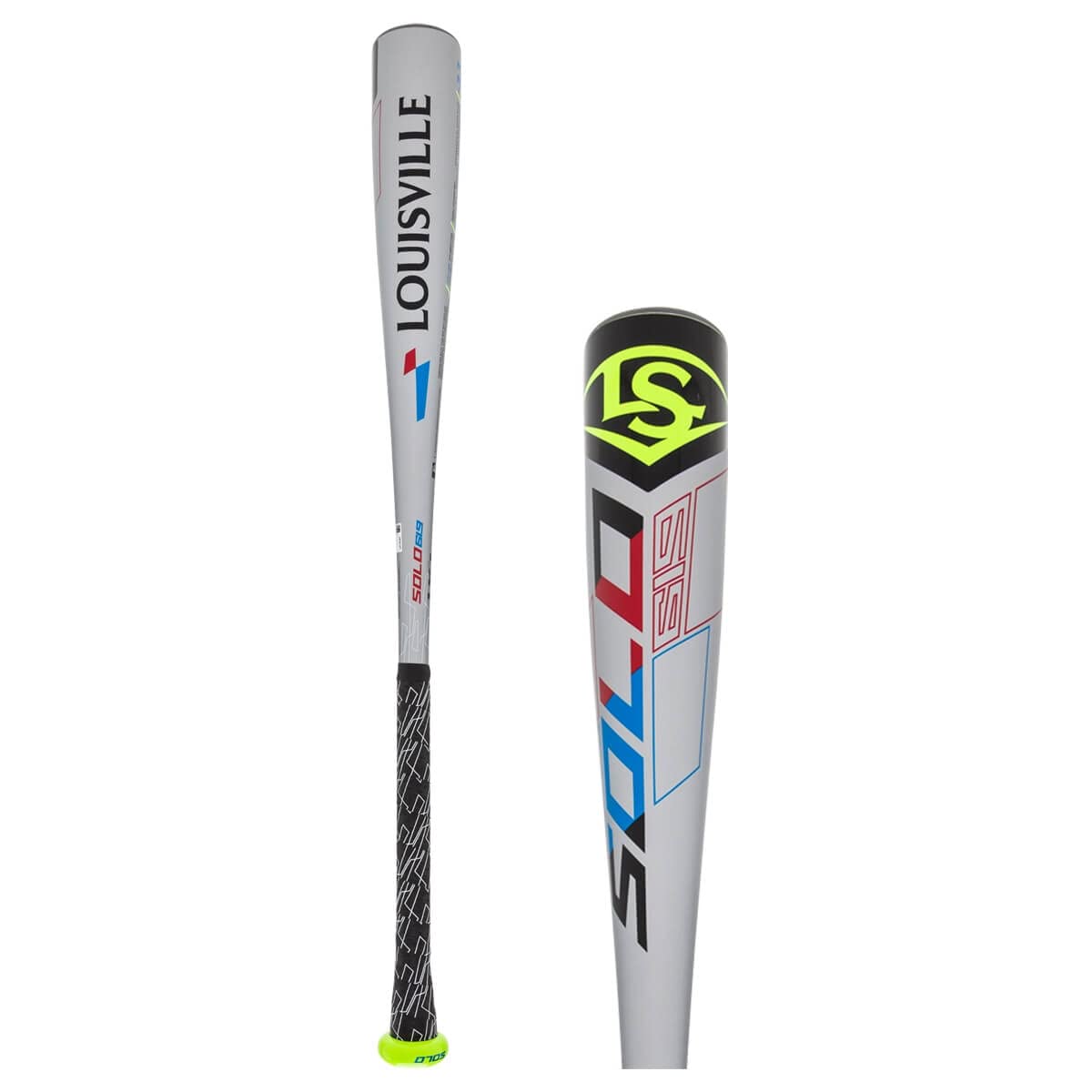
| Louisville Slugger Solo 619Budget Champion | Best Value | -11 | 20 oz (at 31″) | 1-Pc Alloy | Amazon |
| Easton Speed | Best Balanced Feel | -10 | 18 oz | 1-Pc Alloy | Amazon |
| Marucci F5 SL | Premium Feel | -10 | 20 oz | 1-Pc Alloy | Amazon |
| Louisville Slugger Select PWR | Power Hitters | -10 / -8 / -5 | 21 oz (at 31″) | 2-Pc Hybrid | Amazon |
| Marucci CATX2 Connect | Reduced Vibration | -11 / -8 / -5 | 19 oz (at 28″) | 2-Pc Hybrid | Amazon |
In‑Depth Reviews
1. Rawlings 5150 Youth Baseball Bat
Our pick — over 4.5★ from 950+ verified ratings; the strongest balance of quality and price.
The crowd favorite that earns its spot with raw results at a fair price.
This is the bat that dominates rec ball and Little League fields for good reason. It uses an aerospace-grade alloy (a high-strength aluminum blend also used in aircraft parts) that feels responsive right off the rack, and the large 2 5/8″ barrel gives a generous balance for those machine-pitch strikes. The ultra-lightweight construction helps younger athletes generate faster swing speeds — critical for turning a solid hit into a gap shot.
The weight here sparks real talk among owners. Several note the -10 drop runs heavier than expected, with one comparing it to a 34″ drop-3 bat. That makes this a better fit for bigger kids who can muscle the barrel through the zone. For a smaller 10-year-old, the balance might be a reach. The quality earns high marks across the board — 36 owners single out bat quality as the top positive, and 17 call it excellent value for the money.
Buyers report that their kids “really happy the weight is perfect for my 10 year old,” and another says their “11 year old son loves this bat” and has been hitting a lot better. The black and electric blue finish looks sharp in the dugout, but what really wins parents over is the jump in hitting performance their kids see right away.
Why it works
- Aerospace-grade alloy delivers a responsive, lively barrel.
- Ultra-lightweight construction encourages faster swing speed.
- Large 2 5/8″ barrel widens the contact zone for machine-pitch strikes.
Who should size up
- 4.8 lb heavier than a comparable Easton, so lightweight it is not.
- Weight receives mixed feedback; 19 owners note it.
Grab it if: your kid is 10–12, plays rec league, and needs a proven bat that the whole team will want to borrow.
Think twice if: your child is small for their age or struggles to swing a heavier barrel through the zone.
2. Louisville Slugger 2019 Solo 619 (-11) USA Baseball Bat
A light-swinging budget bat that outperforms bats twice its price.
The Solo 619 is the definition of a sleeper hit in the machine pitch world. Its one-piece SL Hyper Alloy construction feels ultra-stiff, which means maximum energy transfers straight to the ball. The SBC Speed Ballistic Composite end cap (a lightweight composite material at the tip of the barrel) is the secret weapon here — it lightens the swing weight for faster bat speed through the zone without sacrificing barrel mass.
Review pages call this “probably the best USA bat for the money,” and the data backs it up: one buyer says their “son hit two over the fence with it.” Another owner who tested it against a much pricier DeMarini Voodoo One found the Solo had more pop and held up better. The 7/8″ tapered handle and LS Pro Comfort grip give good tack and cushion. The recurring trade-off is hand sting on off-center hits — a common trait of stiff one-piece alloy bats — but at this price, the performance-to-cost ratio is tough to beat.
At 31 inches, this bat is about 11% longer than the 28-inch Easton Speed, so it suits older or taller kids in the 9–12 range. The weight sits at roughly 20 ounces for the 31-inch version, which keeps it manageable for a developing hitter who needs a fast, whip-like swing.
What stands out
- Aggressively light swing weight (how heavy it feels when you swing it) for its length.
- Consistent pop that competes with much more expensive options.
- Durable — owners mention thousands of swings with no loss in performance.
The one caveat
- Stings hands when you miss the balance — batting gloves help.
- Slower to recover from a dead-center barrel dent compared to a composite handle model.
Ideal for: budget-conscious parents with a 9–11 year old who needs a light, fast-swinging bat with proven home-run pop.
Not for: players who get hand sting easily or families wanting a softer, two-piece feel on mis-hits.
3. Easton Speed Baseball Bat (-10)

A perfectly balanced alloy bat that feels lighter than its spec suggests.
The Easton Speed is a masterclass in balance. At 18 ounces, it is the lightest bat in this list — a full 4.8 pounds lighter than the Marucci F5 SL — and that feathery feel translates directly to bat speed. The 28-inch model weighs just 18 oz, giving a young 9- or 10-year-old the whip they need to turn on an inside pitch. The Carbon Zero handle, which uses 90% carbon fiber, nearly eliminates vibration — a huge comfort advantage over standard one-piece sticks.
The Speed Cap on the barrel adds just enough flex to create a slightly more responsive feel at contact. Quality is the top praise across the board: 48 owners list it as the strongest point, and 22 call it solid value. One family is on their third purchase of the same model, moving up sizes as their 9-year-old power hitter grows. The reviewer consensus is that it outperforms expensive past bats and delivers great performance at an excellent price.
The size options skew slightly shorter for this category. At 28 inches, the Easton Speed is about 11% shorter than the 31-inch Louisville Slugger Solo 619, making it a better fit for younger kids who are not ready for a longer barrel. A parent of a 10-year-old notes the bat works well for starters — “been used for about six weeks now with no complaints.” Durable, comfortable, and built for contact, this is the go-to for the 8–11 set.
Why it wins the balance crown: At 18 oz, it is the lightest option here — about a 4.8 lb advantage over the Marucci F5 — so even a 9-year-old can whip the barrel through at full speed.
One to note: durability gets a mixed grade from 30 owners; an occasional barrel dent is reported, but the performance stays consistent until then.
Best for: younger or smaller-framed players who need a light, forgiving bat with barely any vibration on contact.
Look elsewhere if: your kid is 12+ or prefers a heavier barrel for driving outside pitches.
4. Marucci F5 SL -10 USA Baseball Bat

A Marucci that brings big-league engineering to the youth diamond.
Marucci is founded by current and former MLB players, and that pro-level thinking shows in the F5 SL. The Multi-Variable Wall Design creates an expanded balance — essentially, there are no “dead” spots on the barrel, so a slight mishit still produces a respectable ball flight. The ring-free barrel technology is key here: it ensures consistent performance across the entire hitting surface, not just the center.
Compared to the lighter Easton Speed at 18 oz, the Marucci F5 requires more strength to swing effectively. The value gets 9 positive mentions, but a few note the price runs higher than comparable alloy bats. If your child has good bat speed and needs a premium barrel with a bigger balance, the F5 is a worthy step up.
What you pay for
- Multi-Variable Wall Design creates a bigger, more forgiving balance.
- Ring-free barrel means no dead spots — consistent pop across the barrel.
- Micro-perforated grip adds tack and comfort for sweaty hands.
Who might pass
- At 20 oz, it is the heaviest -10 drop, demanding more strength.
- Premium price does not give you composite-handle sting-reduction.
Reach for this if: your young slugger already swings a fast bat and needs a bigger balance and premium feel to level up.
Not ideal if: your kid is still building strength or you need a lighter swing for faster bat speed.
5. Louisville Slugger 2025 Select PWR USA Baseball Bat

A two-piece hybrid that cuts sting and adds an end-loaded kick.
The Select PWR is a two-piece hybrid — an EXD Premium Alloy barrel mated to a composite handle through the VCX2 Vibration Control Connection System (a patented elastomeric joint that lets the barrel and handle move independently). That connection absorbs vibration before it reaches your kid’s hands. The result is a much smoother feel on off-center contact, which builds confidence in young hitters.
The balanced swing weight here is actually designed for power. Customers note a noticeable end-loaded feel that helps drive the ball deeper. One 7-year-old using the 31″/-8 version had “no problem hitting home runs,” and an 8-year-old got “better results with this stick” than with a lighter bat. The SPD-Gen2 End Cap uses lightweight composite materials to tune barrel performance, and the Premium LS Pro Comfort Grip adds the tack and cushion that players love. Quality gets 14 mentions as the top positive, followed by weight (10 mentions).
It is heavier than the Solo 619 — 21 ounces vs 20 ounces at the same 31-inch length — so it demands a stronger swing. But the pop is undeniable: the Select PWR transforms contact into hard, solid hits. A buyer notes “definitely saw a difference in hard and solid contact hits once my son started using this bat.” The two-piece construction also makes it more forgiving than a one-piece alloy, so mis-hits hurt less.
What makes it special
- VCX2 connection system absorbs sting — no more flinching at the plate.
- End-loaded feel gives power hitters the barrel mass to drive the ball.
- EXD Premium Alloy barrel delivers a larger, more responsive balance.
The trade-off
- Heavier swing than a -10 one-piece; not for kids who tire quickly.
- Premium price tag — this is an investment in comfort and performance.
Your pick if: your player is already a strong hitter who wants more barrel speed and less sting on mis-hits.
Consider something lighter if: your kid is just starting out or struggles to consistently put the barrel on the ball.
6. Marucci CATX2 Connect Baseball Bat

The bat that makes sting a thing of the past for young contact hitters.
The CATX2 Connect is a two-piece hybrid with a Liquid-Gel Endcap that actively absorbs vibration. That tech means your kid feels almost nothing on a mis-hit — no sting, no flinching, just a solid “thwack.” The Multi-Variable Wall Design delivers an expanded balance for consistent contact, and the precision-balanced construction gives a lower M.O.I. (moment of inertia, a measure of how hard an object is to rotate) for faster swing speeds and better control through the zone.
Available in drops from -11 to -5, this bat covers a huge age range. The 28″/19oz drop -11 version is nearly a pound lighter than the Marucci F5 in the same length, making it a better fit for smaller hitters. Quality earns the most positive feedback — 23 owners call it out — with 9 noting excellent value. One owner says their “9 year old son seeing immediate improvement on the length of his hits,” and a 13-year-old user had “the ball jumping off his bat.” The clean red finish looks fast too.
The CATX2 is a closer competitor to the Louisville Slugger Select PWR. Both are two-piece USA bats, but the CATX2 focuses more on a balanced, forgiving feel while the Select PWR leans into an end-loaded power profile. Buyers praise its forgiveness: “great value, forgiving with no hand sting.” If your kid comes home complaining about bat sting, this is the solution.
What you get
- Liquid-Gel Endcap absorbs vibration — nearly eliminates hand sting.
- Balanced swing weight for better control and faster bat speed.
- Multi-Variable Wall Design extends the balance for consistent contact.
Keep in mind
- Premium price — this is a top-tier investment bat.
- Some parents question the durability of the composite handle over a full season.
Ideal for: any young player who hates the sting of off-center hits and needs a comfortable, confidence-boosting bat.
Not the best fit if: budget is the primary concern or your kid needs a heavier, end-loaded barrel for power hitting.
Understanding the Specs
Drop Weight (The Minus Number)
Barrel Diameter
All the bats here use a 2 5/8″ barrel, which is the maximum allowed by USA Baseball standards for youth play. A bigger barrel means a bigger balance — more forgiving on mis-hits — but it also adds a little weight to the end of the bat. A 2 5/8″ barrel is the right choice for machine pitch leagues; any smaller barrel sacrifices contact area for no benefit.
One-Piece Alloy vs. Two-Piece Hybrid
One-piece alloy bats are made from a single piece of aluminum alloy. They are stiff, durable, and cheaper, but they transfer vibration to the hands on off-center hits. Two-piece hybrid bats join an alloy barrel to a composite handle with a connection system. They absorb sting better and feel smoother, but they cost more and the composite handle can wear over time. For a kid who flinches after a bad hit, a two-piece bat builds confidence faster.
Swing Weight vs. Actual Weight
The actual weight of a bat in ounces matters, but swing weight — how heavy the bat feels when you swing it — matters more. A bat with a balanced swing weight (like the Easton Speed) feels light and fast through the zone. An end-loaded bat (like the Select PWR) puts more mass in the barrel and feels heavier, but it drives the ball deeper on solid contact. Balanced suits line-drive hitters; end-loaded suits power hitters.
FAQ
What drop weight should my child use for machine pitch baseball?
Does a machine pitch bat need a USA Baseball stamp?
What size bat should I get for a 9 year old?
What is the difference between a one-piece and a two-piece bat for machine pitch?
My child keeps getting hand sting from their current bat. What should I look for?
How long does a youth baseball bat typically last?
Can my child use a USSSA bat for machine pitch baseball?
Is a -5 or a -10 drop better for a 12 year old in machine pitch?
Should I buy an expensive bat for a beginner in machine pitch?
What does “2 5/8″ barrel” mean for my child’s swing?
Final Thoughts: The Verdict
For most families, the bat for machine pitch baseball winner is the Rawlings 5150 because it combines proven results, a large barrel, and a price that does not hurt — backed by the strongest owner approval in the category. If your kid is smaller and needs the lightest possible swing, grab the Easton Speed at 18 ounces. And for power hitters who want premium comfort, the Louisville Slugger Select PWR is the one to reach for.
How We Picked
We do not accept paid placement. Every pick is matched to a real buyer and a real use-case; we do not hands-on test units.
Sources & Methodology
Specifications: manufacturer listings and product documentation. Review insights: verified customer reviews, as of July 2026. Pricing: not shown on this page (it changes often); check the current price via the retailer link.
As an Amazon Associate, Gadgets Feed earns from qualifying purchases. This does not affect which products we feature.