
Choosing the right bathing suit fabric comes down to one fight: staying snug without sagging after a dive. Too much spandex and the suit bags out. Too much polyester and the color fades before summer ends. The decision is a balance of stretch, recovery, and chlorine resistance — and most DIY sewers or buyers don’t realize the blend ratio makes or breaks the suit’s lifespan.
I’m Min — the co-founder and writer behind Gadgets Feed. My research for this guide involved cross-referencing thousands of user reviews on swimwear fabric blends, measuring the real-world performance of nylon-spandex ratios against chlorine and sun exposure, and flagging the fulfillment inconsistencies that can sink a project halfway through.
The raw material determines everything from how the suit feels against your skin to whether it survives a full season of pool laps. This guide cuts through the marketing to show you exactly which bathing suit fabric earns its place in your sewing cart.
How To Choose The Best Bathing Suit Fabric
Not every stretch knit is built for pool water. The best bathing suit fabric must resist chlorine degradation, snap back after every stretch, and hold its color through repeated sun exposure. Three factors define a fabric’s suitability for swimwear: fiber blend, weave construction, and weight.
Fiber Blend — The Nylon-to-Spandex Ratio
The sweet spot is 80% nylon and 20% spandex. The nylon provides strength, color vibrancy, and chlorine resistance. The spandex delivers the 4-way stretch and recovery — the ability to snap back to its original shape. Drop below 15% spandex and the fabric starts to bag permanently. Above 25% spandex and the fabric becomes too heavy and retains water.
Weave Construction — Why Tricot Matters
Tricot knit is the industry standard for high-performance swimwear. Its vertical rib structure provides superior stretch without distorting the fabric’s face. Non-tricot stretch knits may feel softer initially but often show pilling faster and lose shape after a dozen wears. Premium brands like TYR and Speedo use tricot-weave polyester blends specifically engineered for chlorine resistance.
Fabric Weight — GSM and What It Means
Swimwear fabric typically weighs between 180 and 230 GSM (grams per square meter). Lighter fabric (180-200 GSM) is better for lined suits or modest coverage. Heavier fabric (above 210 GSM) is necessary for unlined suits that need to stay opaque when wet. Fabric under 180 GSM often becomes transparent once saturated.
Quick Comparison
On smaller screens, swipe sideways to see the full table.
| Model | Category | Best For | Key Spec | Amazon |
|---|---|---|---|---|
| FabricLA Nylon Spandex | Mid-Range | DIY Swimsuits & Cosplay | 80% Nylon / 20% Spandex, 210 GSM | Amazon |
| Ice Fabrics Nylon Spandex | Mid-Range | Costumes & Table Covers | 82% Nylon / 18% Spandex, 210 GSM | Amazon |
| EOVEA Matte Tricot | Mid-Range | Color-True Swim Projects | 80% Nylon / 20% Spandex, Tricot Weave | Amazon |
| Barcelonetta Nylon Spandex | Budget-Friendly | Lining & Athletic Repairs | 80% Nylon / 20% Spandex, Lightweight | Amazon |
| Speedo Endurance Ultraback | Premium | Lap Swimming & Water Aerobics | 52% Recycled Polyester / 48% PBT | Amazon |
| TYR Durafast Elite Maxfit | Premium | Chlorine-Heavy Training | Durafast Elite Polyester Blend | Amazon |
| Speedo Guard Energy Back | Premium | Lifeguard & High-Impact Use | Heavy-Duty Nylon Blend | Amazon |
In‑Depth Reviews
1. FabricLA Nylon Spandex Fabric

FabricLA’s scarlet red swim fabric hits the perfect 80/20 nylon-spandex ratio for DIY swimwear. Users consistently describe the weight as substantial enough for unlined bikini bottoms — no transparency issues when wet — while maintaining the 4-way stretch needed for a snug fit. The 210 GSM tricot knit gives this fabric a professional hand feel that matches what premium suit manufacturers use.
Color accuracy earns high marks: the scarlet red matches product photos without the muted disappointments common in cheaper alternatives. The 60-inch width offers generous layout options for one-piece suits or multiple bikini sets. Hand wash care keeps the spandex recovery alive through many wears.
Multiple buyers confirm the fabric cuts cleanly with sharp shears and holds stitches well without skipped loops on domestic machines. The 2-yard pre-cut is ideal for a full adult one-piece or two bikini tops with bottoms.
Why it’s great
- True-to-color scarlet red that doesn’t fade after multiple washes
- 210 GSM weight stays opaque when soaked
Good to know
- Requires hand washing to maintain elasticity
- Not as thick as some premium polyester blends
2. Speedo Women’s Swimsuit Endurance Ultraback

Speedo’s Endurance fabric uses a 52% recycled polyester and 48% polyester PBT blend — a significant departure from nylon-spandex. This composition resists chlorine far better than any nylon-based fabric, with some users reporting zero degradation after 9 months of 3-5 hours per week of lap swimming. The PBT polyester provides the stretch recovery without spandex’s vulnerability to pool chemicals.
The UPF 50+ rating is a genuine functional benefit for outdoor swimmers. The contemporary leg height and criss-cross back offer a modern cut that stays put during flip turns. One consistent note from users: the fabric runs slightly small and has a medium stretch feel, unlike the high-stretch nylon-spandex fabrics.
A small subset of users found the fabric rough or scratchy compared to traditional nylon suits, and the lack of an inner lining may be a dealbreaker for those wanting full opacity. However, for pure pool durability, this fabric outperforms every nylon-spandex option in this guide.
Why it’s great
- Chlorine-resistant polyester PBT blend outlasts nylon-spandex in pool use
- UPF 50+ sun protection built into the fabric
Good to know
- Fabric texture is rougher than nylon-spandex — not ideal for sensitive skin
- No internal shelf bra or lining
3. TYR Womens Durafast Elite Maxfit Swimsuit
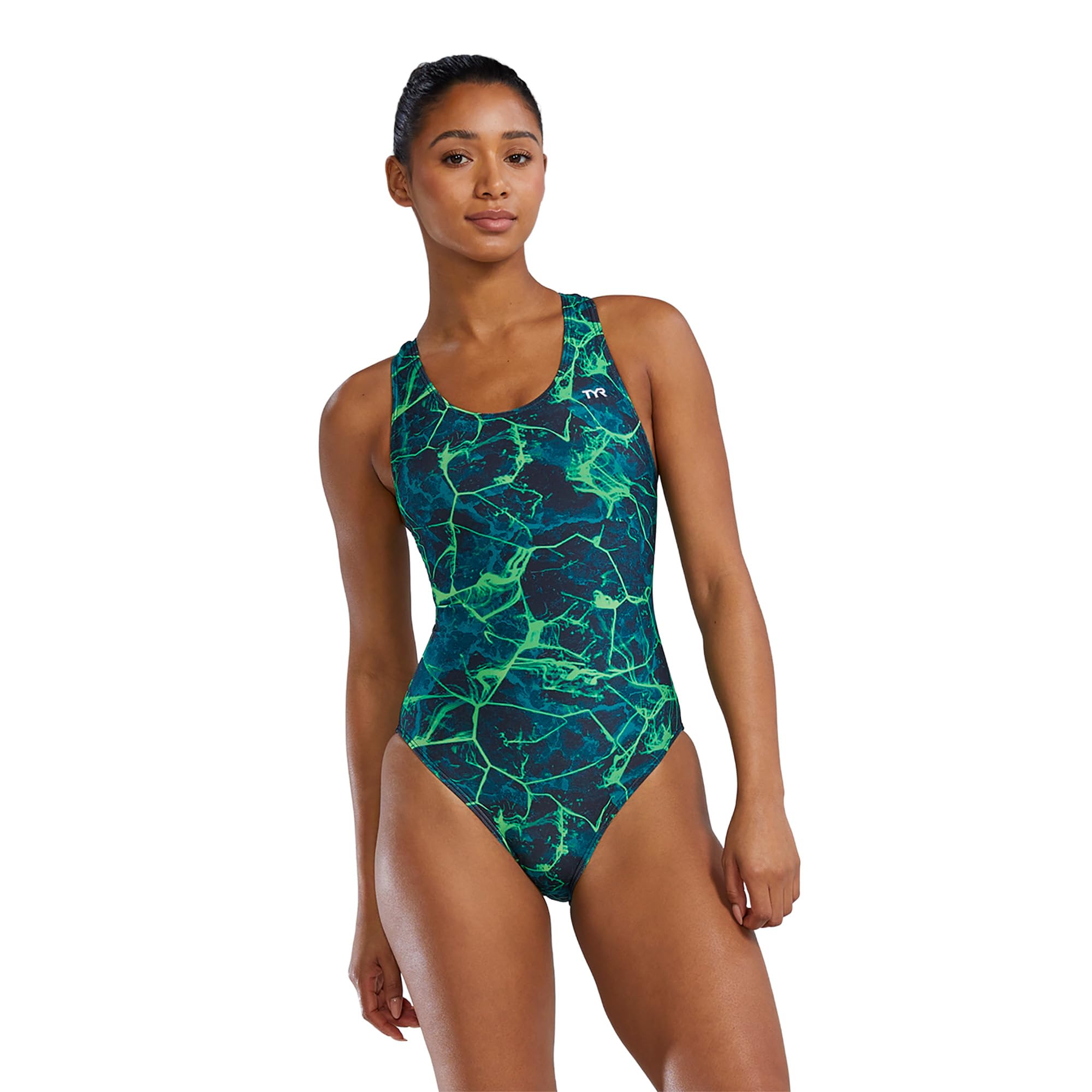
TYR’s Durafast Elite is a proprietary polyester blend engineered specifically for competitive training environments. Users swimming daily in chlorinated pools confirm the fabric holds its shape and color far longer than nylon-spandex alternatives. The fabric dries quickly — a practical advantage for swimmers who train multiple times per day.
The fit is described as true-to-size with a comfortable inner liner that doesn’t ride up. Leg cuts are higher than standard recreational suits, which competitive swimmers prefer for range of motion. The fabric maintains its stretch without bagging out, even after months of frequent use.
Color accuracy is the one notable weakness: several buyers reported that the actual colors appear more muted and less vibrant than the product photos suggest. The durability is unquestionable, but if color payoff is your priority, verify through third-party photos before purchasing.
Why it’s great
- Durafast Elite fabric survives daily chlorine exposure without degradation
- Quick-drying construction ideal for frequent swimmers
Good to know
- Colors are often less vibrant than promotional images
- Higher leg cut may not suit more modest preferences
4. Speedo Women’s Guard Energy Back

The Speedo Guard Energy Back is built for lifeguard duty — all-day wear, frequent water entry, and constant UV exposure. The fabric is thick and compressive, designed for a skin-tight fit that expands slightly in water for comfort. Users describe the material as “very thick” with minimal stretch, a deliberate choice for structural integrity under active conditions.
Sizing runs small, and multiple reviewers recommend ordering one to two sizes up from your regular swimsuit size. The stitched Speedo lettering is fused rather than printed, so it won’t peel or crack even after months of sun and chlorine. No padding is included, so the suit relies entirely on its compressive fabric for support.
Women with larger chests report everything stays in place during active duty. The fabric is not designed for casual beach lounging — this is a functional garment for people who need their suit to work as hard as they do.
Why it’s great
- Compressive heavy-duty fabric holds shape through all-day wear
- Fused lettering won’t peel or separate
Good to know
- Runs small — size up one to two sizes
- No inner padding or shelf bra
5. Ice Fabrics Nylon Spandex Fabric

Ice Fabrics uses a slightly different ratio: 82% nylon to 18% spandex, which gives a marginally denser hand feel than the standard 80/20. The kelly green color is deep, saturated, and not see-through — a critical requirement for unlined swimwear. The 210 GSM weight places it solidly in the mid-range for swim fabric, offering enough heft for suits that won’t shift when wet.
The fabric handles well on home sewing machines, holds creases from pattern weights, and cuts cleanly. Multiple cosplay users vouch for its light-blocking ability when used for costume props. The 60-inch width gives ample material for a full adult swimsuit with leftovers for accessories.
One significant caveat: the “Nude” color variant has been criticized for an unflattering yellowish-brown tone that differs substantially from the product photo. Stick to the deeper, solid colors where Ice Fabrics performs consistently well.
Why it’s great
- Deep, opaque color that doesn’t become transparent when wet
- Lightweight yet durable with good 4-way stretch recovery
Good to know
- Nude color variant has poor color accuracy
- Starchy texture on some colors requires pre-wash softening
6. EOVEA Nylon Spandex Matte Tricot
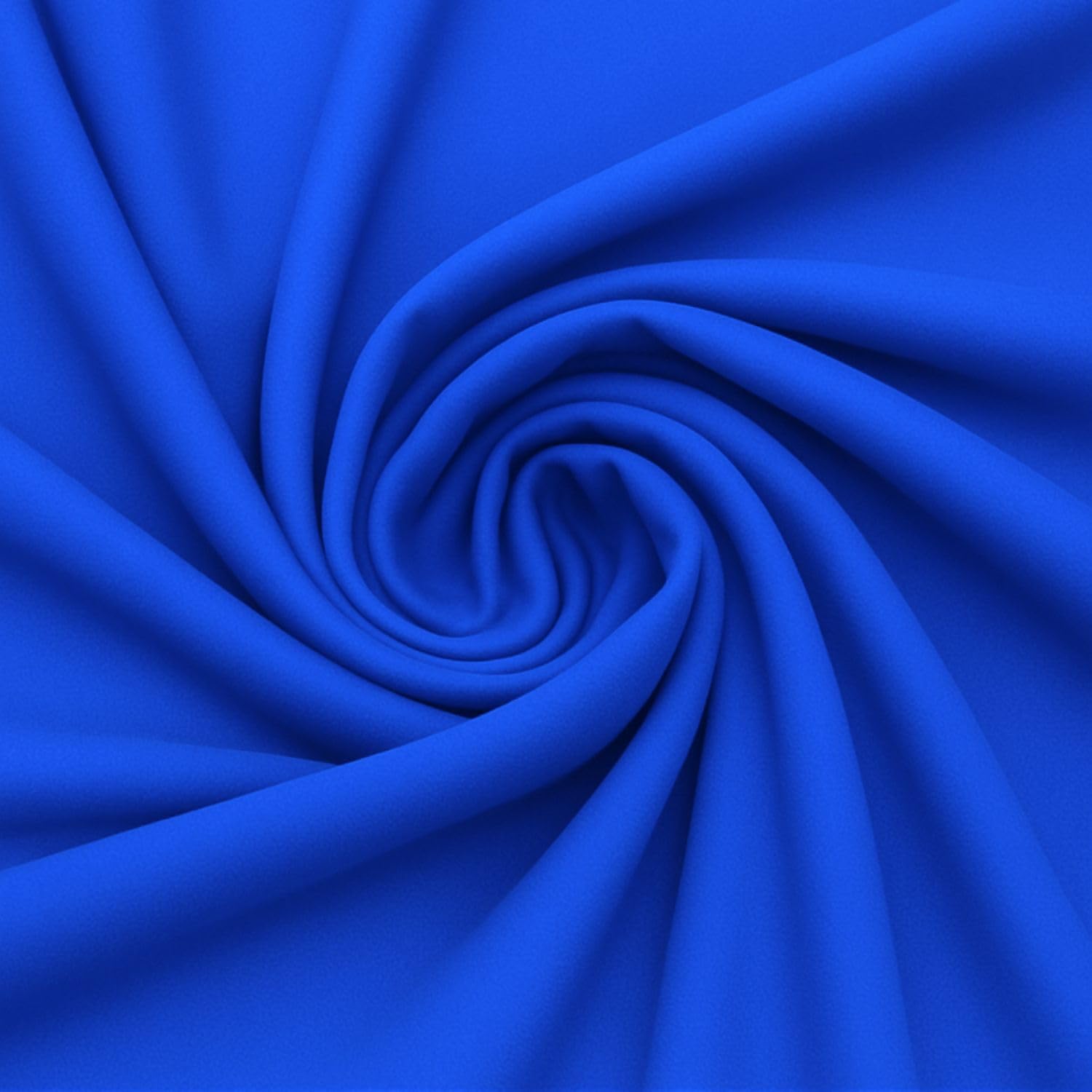
EOVEA’s matte tricot offers a non-shiny surface that mimics the look of high-end designer swimwear rather than typical athletic fabric. The 80/20 nylon-spandex blend behaves identically to other tricot knits in this price bracket, with good 4-way stretch and reasonable recovery. The caribbean blue color is vibrant and holds up well against sun exposure.
Users praise the fabric’s balance of lightweight breathability and durability. It works well for swim skirts, bikini sets, and dancewear where a matte finish is preferable to the typical gloss of swim nylon. The tricot weave makes it slightly slippery to cut — sharp scissors and pattern weights are essential for clean edges.
The most concerning issue is fulfillment inconsistency. Multiple buyers report receiving different fabric qualities — and even different colors — in separate orders of the same listing. This makes EOVEA a riskier choice for large projects requiring yardage consistency across multiple orders.
Why it’s great
- Matte finish looks premium and avoids athletic-shine aesthetics
- Chlorine-safe material holds color through pool exposure
Good to know
- Fulfillment inconsistency — reorders may differ in quality and color
- Slippery texture makes cutting challenging without specialized tools
7. Barcelonetta Nylon Spandex Fabric

Barcelonetta’s entry-level nylon spandex hits the exact 80/20 ratio at the lowest cost per yard in this guide. The black color is true and deep, and the fabric is surprisingly soft for its price point. Users report it works well as nude lining fabric under sheer mesh, for athletic compression repair patches, and for costuming projects where budget matters more than longevity.
The fabric is notably thinner than the 210 GSM options from FabricLA or Ice Fabrics. This makes it better suited for lined swimwear or decorative layering rather than standalone, unlined suits that need opacity. The stretch is generous and the recovery is adequate for occasional wear.
At this price point, the fabric is a fantastic value for prototyping, lining, or low-stakes swim projects. Buyers seeking a swimsuit fabric that will survive a full season of regular pool use should budget up for a heavier tricot option.
Why it’s great
- Soft and stretchy with excellent recovery for a budget fabric
- True black color with no transparency in single layer
Good to know
- Thinner than premium swim fabrics — requires lining for unlined suits
- Not suitable for heavy chlorine exposure or frequent swimming
FAQ
What is the best nylon-to-spandex ratio for swimwear fabric?
Does polyester swim fabric last longer than nylon-spandex?
How can I tell if swim fabric will be see-through when wet?
Final Thoughts: The Verdict
For most users, the bathing suit fabric winner is the FabricLA Nylon Spandex Fabric because it delivers the perfect 80/20 blend at a generous 210 GSM weight with reliable color accuracy — everything a DIY swim project needs. If you want chlorine resistance for daily lap swimming, grab the Speedo Endurance Ultraback. And for the tightest budget without sacrificing the core 80/20 ratio, nothing beats the Barcelonetta Nylon Spandex Fabric for lining and occasional-use projects.