
Whether you’re skewering lamb, brushing olive oil onto a flank steak, or tossing a few sprigs onto the coals for a perfumed smoke, the rosemary you choose determines half the flavor. Not all rosemary plants are built for the grill — some have woody stems too brittle for skewering, others are bred for ornamental looks over culinary punch. The difference between a meal that smells like a Mediterranean hillside and one that tastes like dry leaves comes down to how you source it: live plants that grow thick, flavorful stems, or dried leaves that hold their aromatic oils.
I’m Rikta — the co-founder and writer behind Gadgets Feed. I study market trends, compare propagation methods, and analyze customer satisfaction data across dozens of herb varieties to help you find the rosemary that actually performs on the grill and in the garden. (And Homer 🐱 supervised the unboxing from his sunny spot by the basil pots.)
Whether you need live plants for a cook-friendly backyard harvest or dried leaves for immediate seasoning, this guide breaks down the top performers. Keep reading to find the bbq rosemary plant that fits your cooking style and space.
How To Choose The Best BBQ Rosemary Plant
Grilling with rosemary is about more than just having the herb on hand — you need plants that produce sturdy stems for skewering, leaves with high oil content for smoke and flavor, and a growth habit that yields enough material for repeated harvests. Here are the key factors to consider before clicking purchase.
Stem Thickness and Woodiness
If your goal is rosemary skewers — stripping the lower leaves and threading meat or vegetables onto the stem — you need a variety with thick, semi-woody stems. Varieties labeled “Barbeque” or “Tuscan Blue” are bred for stronger stems that don’t snap when loaded with food. Look for descriptions that mention strong stems, upright growth, or suitability for skewers. Thin, wispy stems work fine for steeping in oil but won’t hold up over hot coals.
Fresh vs. Dried: Timing Matters
Live plants take weeks to establish before you can begin harvesting, but they keep producing for years. Dried rosemary leaves give you instant access for seasoning, smoking, or making herb-infused oils — ideal for tonight’s dinner. Decide whether you want a long-term garden investment (live plants) or immediate pantry seasoning (dried leaves). Some buyers start with dried leaves for immediate use while waiting for their live plant to mature.
Aromatic Oil Retention
Rosemary’s flavor comes from aromatic oils that begin to degrade after harvest. Live plants preserve those oils until the moment you snip a sprig. Dried products vary widely — look for whole-leaf dried rosemary (not ground) that is sold in resealable, opaque packaging to slow oil evaporation. Single-origin and certified organic dried leaves from Mediterranean regions tend to retain more character than commodity blends.
Growth Habit and Yield
Upright rosemary varieties (like Tuscan Blue) grow 4–6 feet tall and 2–4 feet wide, giving you many stems per harvest. Trailing or creeping varieties are better for containers but produce fewer robust stems. For barbecue use, prioritize upright, shrub-like growth that yields multiple skewer-worthy stems from a single plant. Check the expected plant height and spread — larger plants mean more skewers.
Quick Comparison
On smaller screens, swipe sideways to see the full table.
| Model | Category | Best For | Key Spec | Amazon |
|---|---|---|---|---|
| Clovers Garden Barbeque Rosemary | Live Plants | Rosemary skewers & heavy harvest | 4–8 in tall in 4 in pots; Barbeque variety | Amazon |
| 2 Tuscan Blue Rosemary Plants | Live Plants | Long-term garden investment | Upright growth to 4–6 ft; fragrant blue blooms | Amazon |
| My Shelfie Rosemary Plant Starter | Live Starter | Small-space & windowsill growing | 2–3 in tall in 2 in pot; bee-friendly | Amazon |
| Organo Republic 18 Herbs Seeds | Seeds Kit | Growing rosemary from seed | 10,180+ seeds; 18 culinary herb varieties | Amazon |
| Farmers Market Rosemary (2 Bunches) | Fresh Cut | Immediate use — grilling & hair care | Farm-fresh, locally grown 2 bunches | Amazon |
| Birch & Meadow Ground Rosemary | Dried Ground | Pantry seasoning — rubs & sauces | Ground; 14 oz; hints of pine, mint, citrus | Amazon |
| Apsogo Organic Greek Rosemary Leaves | Dried Whole | Premium cooking & rosemary tea | 1.76 oz whole leaves; single-origin Greece | Amazon |
In‑Depth Reviews
1. Clovers Garden Barbeque Rosemary Herb Plants — Two (2) Live Plants

This is the rosemary you want if your primary plan is weaving dinner onto a stem and laying it over a fire. The Barbeque Rosemary variety from Clovers Garden is specifically selected for stronger stems and more flavorful needle-like leaves than standard ornamental rosemary. Each shipment includes two large live plants, 4 to 8 inches tall, already established in 4-inch pots with healthy root systems that handle transplanting well — a critical advantage for northern gardeners who need to bring plants indoors for winter. The stems are robust enough to use as edible skewers for lamb cubes, chicken thighs, or vegetables without snapping midway through the cook. Customers frequently note that these plants remain non-woody and productive for the entire season, yielding multiple harvests from a single plant.
Grown in the Midwest and shipped in an eco-friendly, 100% recyclable box, these plants come with Clovers Garden’s copyrighted Quick Start Planting Guide. The stems dry well if you want to preserve skewers for longer-term use, but the real magic happens when you snip fresh needles onto olive oil or stuff a chicken cavity before roasting. The flavor intensity from fresh-picked Barbeque rosemary is noticeably deeper than any dried leaf you can buy — the oils haven’t had weeks to evaporate. For anyone serious about grilling with rosemary as both a tool and a seasoning, this is the benchmark setup.
Some buyers note that the plants arrive smaller than the product image suggests, but reviewers consistently say the root quality and health far exceed what you get from big-box garden centers. The plants are non-GMO, free of neonicotinoids, and ship with a 100% satisfaction guarantee. If you want to move beyond dried herbs and grow your own skewer factory, this two-pack delivers the fastest path to a continuous harvest for your kitchen and backyard grill.
Why it’s great
- Barbeque variety bred for strong, flavorful stems ideal for skewers
- Two established plants per order for continuous harvest
- Robust root systems survive transplanting and overwintering
- Eco-friendly, recyclable shipping box
Good to know
- Plants may appear smaller than promotional images
- Performs best as a tender annual in USDA Zones 9 and colder
2. 2 Tuscan Blue Rosemary Plants in Cubes
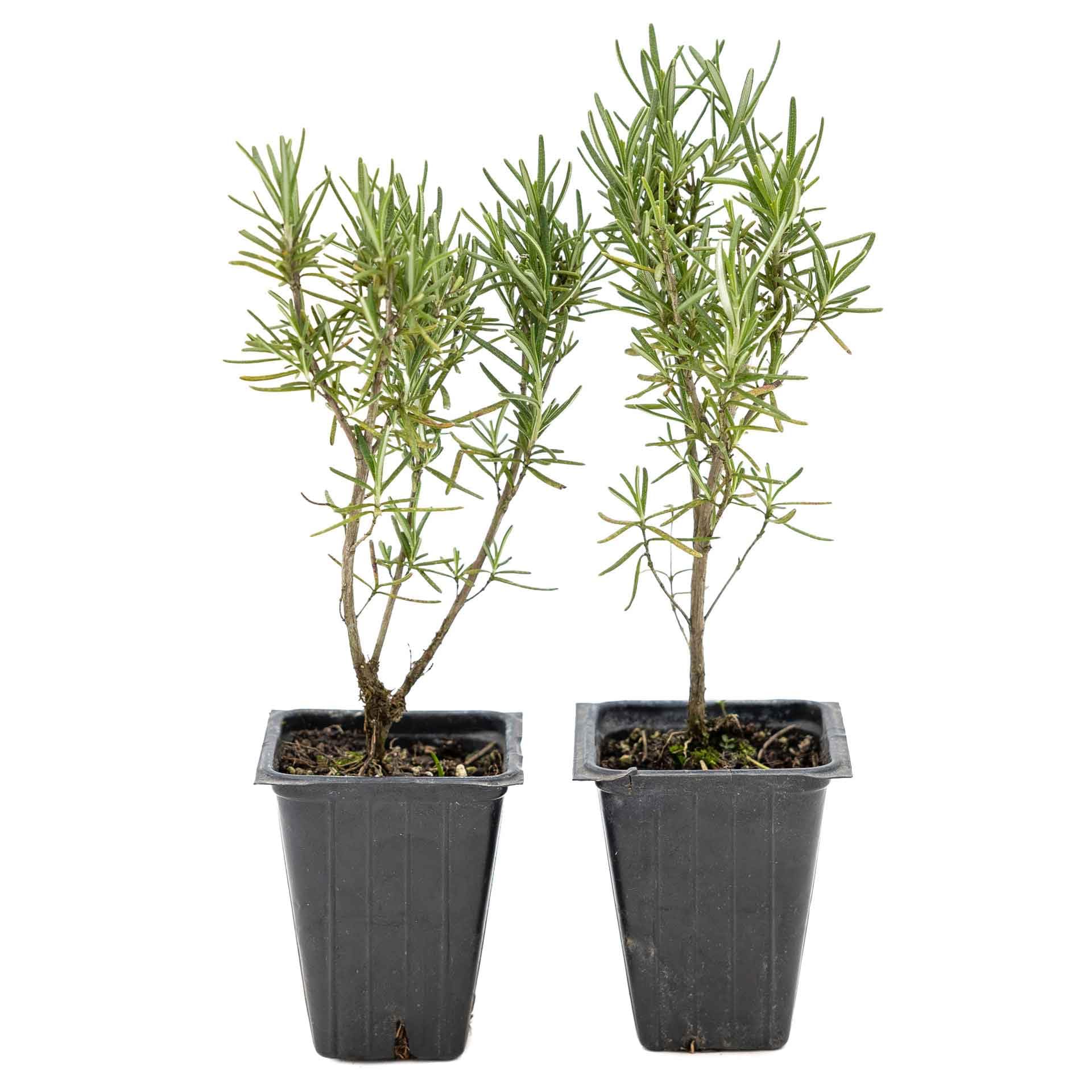
Tuscan Blue is one of the most vigorous culinary rosemary varieties you can plant, and this listing from CitronellaKing gives you two well-rooted starter cubes ready to grow into full-sized shrubs. At maturity, each plant reaches 4 to 6 feet tall with a 2-to-4-foot spread, producing dozens of upright stems every season — more than enough for heavy grilling use. The foliage is deep green with a powerful pine-and-lemon fragrance that releases the moment you brush past it or strip needles for a marinade. This variety also produces striking blue flowers in winter and spring, attracting bees to your garden while you wait for the new stems to harden for skewer use.
These are live starter plants in nursery cubes, not cuttings, meaning they are already well-rooted and ready to transplant into garden beds or large containers. The care requirements are as easy as rosemary gets: full sun, moderate watering once established, and minimal pruning. The plant is drought-tolerant, pet-friendly, and non-toxic — a safe choice if your garden doubles as a dog run or kids’ play area. Shipped by a veteran-and-family-owned nursery in the USA with a 30-day replacement guarantee and protective packaging, these arrive in better shape than most online plant orders.
Several customers note that the plants arrive healthy and fragrant, with one reviewer saying they could smell the rosemary before opening the box. A small number of reviews mention that one of the two plants struggled after arrival, typical of any live plant shipment that sits in transit for days. To maximize success, follow the included care instructions: place in filtered morning sun for the first few days and water when the top inch of soil feels dry. With a little patience, these plants become a long-term, self-renewing source of barbecue-ready rosemary stems.
Why it’s great
- Upright growth yields many thick stems for skewering
- Pet-friendly, drought-tolerant, and low-maintenance
- Two plants per order with 30-day replacement guarantee
- Strong fragrance and blue flowers attract pollinators
Good to know
- Requires hardening off for a few days before full sun exposure
- One plant may occasionally arrive smaller than the other
3. Farmers Market Rosemary — Locally Grown, 2 Bunches

When you need aromatic rosemary sprigs for tonight’s grill, not next month’s garden, these two locally grown bunches from Farmers Market deliver the freshest option in this lineup. Sourced directly from local farms and farmers markets, the sprigs arrive with full oil content and a fragrance so potent that one customer reported smelling it before opening the mailbox. The stalks are notably larger than standard grocery store rosemary, making them suitable for creating impromptu skewers or for smoking under a cast-iron skillet of bread. With a total weight of 38.4 ounces, this bundle gives you enough for multiple cooking sessions without needing to harvest or dry anything yourself.
The freshness advantage here is substantial — freshly cut rosemary retains almost all of its essential oils, which are responsible for both the aroma and the flavor transfer to food. For barbecue applications, you can use the woody lower portion of the stem as a skewer for shrimp or chunks of beef, then toss the leafy top half onto the coals for an aromatic smoke that complements grilled meats, potatoes, and even vegetables. Outside of grilling, many buyers use these bunches for homemade rosemary water or infused olive oil. The stems also keep well in the refrigerator for weeks, according to regular purchasers, so you have time to work through the bundle.
A significant number of reviews mention using these sprigs for hair care recipes and natural stress remedies, confirming that the oil content is high enough to make the plant useful beyond the kitchen. While there is no variety guarantee — “locally grown” means the actual rosemary type changes seasonally — the freshness and stem size are consistently praised. If you are hosting a barbecue this weekend and do not have time to start a plant, this is the freshest live-cut option available by mail.
Why it’s great
- Extremely fresh with high oil content and strong fragrance
- Large stalks suitable for impromptu rosemary skewers
- Keeps for weeks in the refrigerator
Good to know
- Variety of rosemary may change seasonally
- Not a live plant — it is a fresh-cut product with a limited shelf life
4. Apsogo Organic Greek Rosemary Leaves
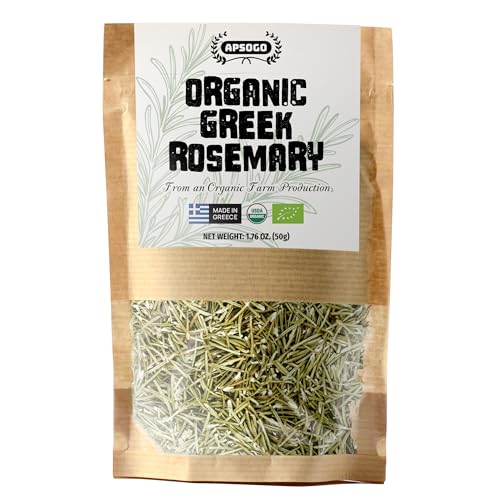
If your barbecue style leans toward dry rubs, marinades, and smoke wood rather than live plants, this single-origin Greek rosemary from Apsogo is the dried leaf option to beat. Grown in the Peloponnese mountains and certified organic, these whole leaves are hand-harvested and slowly dried to protect the natural oil profile — a process that keeps the flavor cleaner and less sharp than the commodity rosemary most supermarkets sell. The 1.76-ounce pouch is modest, but because whole-leaf rosemary retains its aromatic oils far better than ground product, a little goes a long way on lamb, chicken, focaccia, or tomato sauce. The leaves are kept intact rather than ground to dust, so you can crush or rub them immediately before using to release maximum flavor onto hot food.
Beyond grilling, this rosemary steeped into a tea delivers a fragrant herbal beverage many reviewers enjoy regularly. The resealable kraft pouch with a clear window protects the leaves from air and light, solving the common problem of stale dried herbs that have been sitting in a plastic jar for months. Apsogo sources directly from small Greek farms without middlemen, and the flavor profile carries Mediterranean minerality that stands out even in rich barbecue sauces. Customers appreciate that the pouch is both functional and minimal — you can see the leaf quality before opening, and the resealable top keeps the remaining batch fresh for your next cook.
Multiple five-star reviews highlight the freshness of the leaves and their suitability for both cooking and tea. Because these are whole leaves rather than ground powder, they are ideal for smoldering on hot charcoal or placing directly on a gas grill’s lava rocks for aromatic smoke without burning too fast. The only limitation is the pouch size — at 1.76 ounces, this is a premium, small-batch product for discerning cooks rather than a bulk pantry staple. If you want authentic Mediterranean rosemary flavor without starting a garden, this pouch brings the hills of Greece to your barbecue station.
Why it’s great
- Whole-leaf dried rosemary retains maximum aromatic oils
- Single-origin organic Greek sourcing for clean flavor
- Resealable kraft pouch protects freshness
- Works well both as a seasoning and a smokable herb
Good to know
- Small pouch size — 1.76 oz total
- Whole leaves require crushing before use for best flavor release
5. My Shelfie Rosemary Plant Starter — 1 Plant
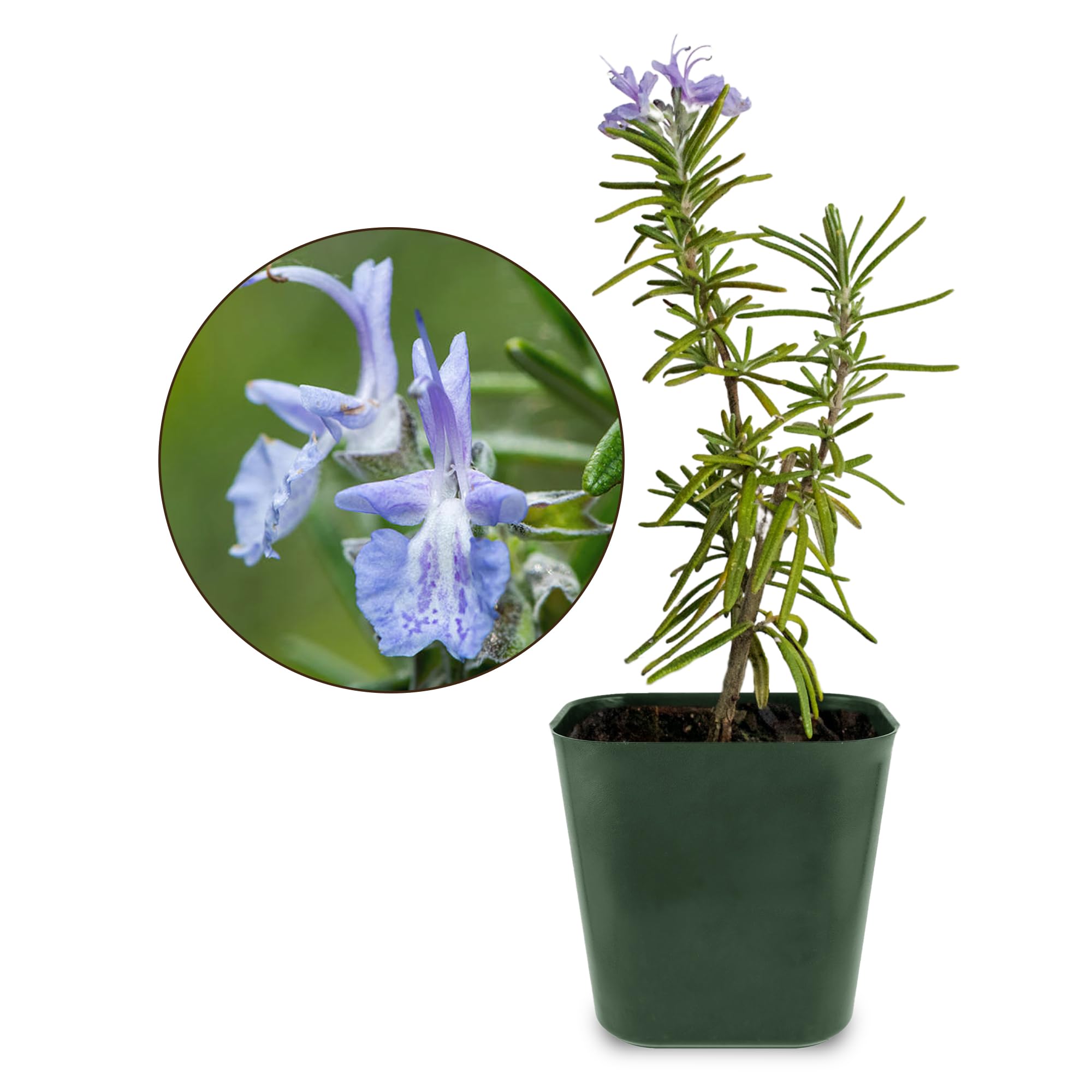
This rosemary plant starter from My Shelfie is the right choice if you have limited outdoor space but still want to grow your own barbecue herb. The plant ships in a 2-inch pot at just 2 to 3 inches tall, making it suitable for a kitchen windowsill, apartment balcony, or a corner of a patio container garden. Despite its small starting size, this rosemary is a true perennial that will grow into a 12-inch-tall shrub over time, producing enough sprigs for moderate grilling and recipe use. The blue-purple flowers that appear in spring attract bees, which helps support local pollination in urban environments where pollinators struggle to find forage.
Rosemary is a sun-loving plant, and this starter thrives when placed in a bright, sunny spot with regular watering. Because the plant arrives small, it will need a few weeks of growth before you can harvest stems thick enough for skewer use — think of it as a long-term investment rather than an instant supply. My Shelfie clearly labels this as a “starter” plant and advises against purchasing if you cannot commit to consistent watering and care. The packaging is well-regarded by customers, with one reviewer noting that the plant spent seven days in transit from California to Indiana and arrived in great condition with no damage.
A handful of reviews report slow initial growth, which is typical for young rosemary plants that need time to establish roots before putting on leaf mass. The plant is bee-friendly and gluten-free, though these features are secondary to its compact size and ease of placement. For apartment dwellers or first-time herb growers who want fresh rosemary on hand for weekend grilling without dedicating a large portion of their yard, this starter plant provides an achievable entry point. Just be realistic about the timeline — you will not be making rosemary skewers from this plant on day one, but with consistent care, it will supply your kitchen for years.
Why it’s great
- Small size fits on windowsills and small balconies
- Attracts bees and supports local pollination
- Shipped with excellent protective packaging
Good to know
- Starter plant requires patience — won’t yield stems immediately
- Some buyers report slow early growth rate
6. Organo Republic 18 Culinary Herbs Seeds Variety Pack
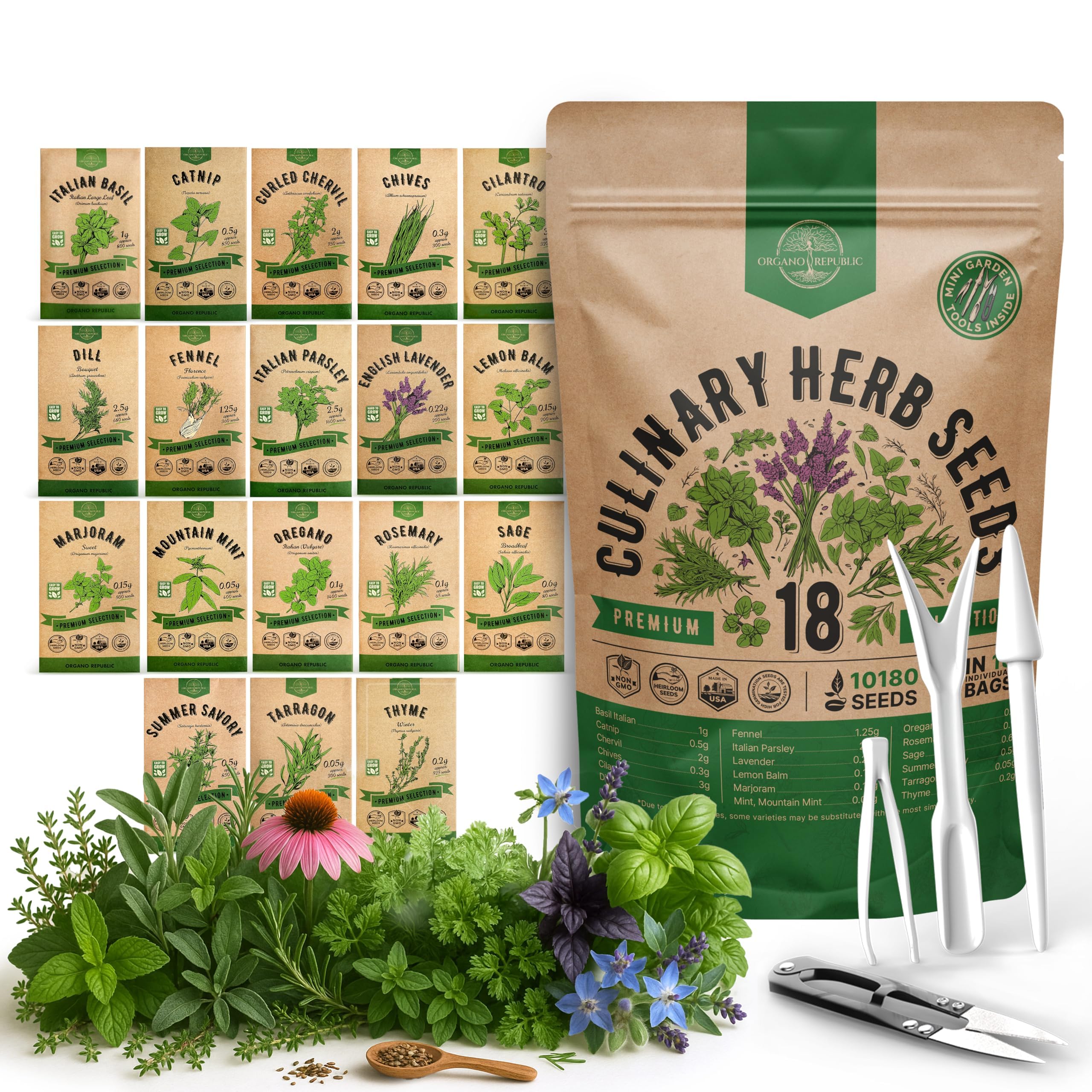
If you want to grow rosemary from seed and simultaneously stock your garden with every other culinary herb a barbecue chef could need, this Organo Republic variety pack is the most complete starting kit available. The set includes 18 different herb varieties — rosemary, basil, thyme, oregano, mint, dill, cilantro, parsley, sage, chives, fennel, lavender, lemon balm, catnip, chervil, marjoram, mountain mint, summer savory, and tarragon — totaling over 10,180 seeds.
Each seed packet is labeled clearly, and the company tests germination rates at 90% or higher before sealing, with the seeds staying viable for up to two years stored properly in a cool, dry place. Rosemary is notoriously slow to germinate from seed compared to basil or dill, but the high volume of rosemary seeds in the pack gives you plenty of attempts. The kit includes a detailed online growing guide and a cooking guide for using your fresh herbs. The heirloom, non-GMO seeds allow you to let the plants go to seed at the end of the season and self-sow for the following year, making this an investment that keeps giving without repurchasing.
Customer reviews consistently praise the variety and high germination rate, with multiple buyers noting that basil, cilantro, and parsley sprouted within days while rosemary took longer — consistent with rosemary’s natural germination timeline. The included seeds for thyme, sage, and oregano are also excellent barbecue companions, giving you a complete herb garden from a single order. The only real trade-off is that starting rosemary from seed demands more patience and attention than buying an established live plant. If you are a gardener who enjoys the full process from seed to harvest, this pack gives you both rosemary and a full culinary herb garden.
Why it’s great
- 18 different herb varieties for a complete culinary garden
- High germination rates tested at 90%+ before packaging
- Heirloom, non-GMO seeds with 2-year viability
Good to know
- Rosemary is slow to germinate compared to other herbs
- Requires proper seed-starting setup for best results
7. Birch & Meadow Ground Rosemary
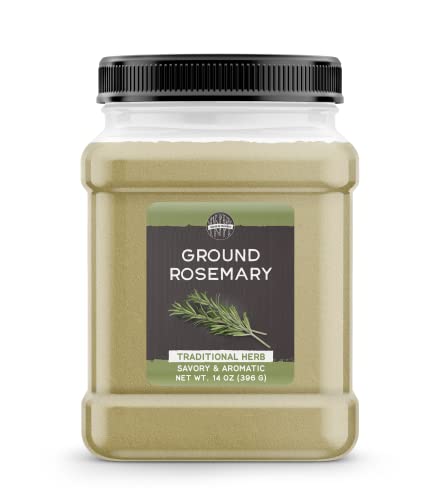
When you need bulk rosemary seasoning for dry rubs, marinades, and everyday cooking without paying a premium for whole leaves, Birch & Meadow’s ground rosemary delivers the largest quantity at the most accessible entry point in this guide. The 14-ounce container gives you over six times the volume of the single-origin whole-leaf pouches, making it ideal for frequent grillers who go through rosemary quickly. The flavor profile carries hints of pine, mint, citrus, sage, and pepper — a blend of notes that works equally well in a coffee-grinder dry rub for brisket or stirred into a garlic-rosemary butter for slathering on grilled corn.
Ground rosemary has a practical advantage over whole leaves in certain barbecue applications: it distributes evenly across the surface of meat, infusing every bite rather than leaving bare patches between where whole leaves happened to sit. It also blends seamlessly into wet marinades and compound butters. The large, wide-mouth lid on this Birch & Meadow container makes scooping easy, even when you have barbecue sauce on your fingers. The product is packaged in the USA, though the rosemary itself is sourced internationally, and the consistency across batches is reliable based on customer feedback.
Several reviewers mention using this ground rosemary specifically for baking rosemary bread and seasoning lamb roasts, applications where the fine grind eliminates the need to strip and chop leaves. The main downside of ground rosemary is its shorter shelf life after opening — the oils degrade faster once ground because more surface area is exposed to air. If you go through a 14-ounce container within a few months, as a heavy barbecue user would, this is not a concern. For budget-conscious shoppers who want a large, functional rosemary supply that works for everything from dry rubs to sauces, this is the most economical option available.
Why it’s great
- Very large container size — 14 oz of rosemary
- Ground format distributes evenly in dry rubs and marinades
- Wide-mouth lid makes scooping easy during cooking
Good to know
- Ground rosemary loses oils faster than whole leaf
- Not suitable for making skewers or smoking
FAQ
Can I use any rosemary plant for making skewers?
How long does a rosemary plant take to grow big enough for skewers?
What is the difference between whole-leaf dried and ground rosemary for barbecue?
Final Thoughts: The Verdict
For most users, the bbq rosemary plant winner is the Clovers Garden Barbeque Rosemary because it delivers two established live plants with the specific stem strength and flavor profile needed for skewering, grilling, and continuous harvest. If you want the largest immediate supply of fresh sprigs for this weekend’s cook, grab the Farmers Market Rosemary Bunches. And for premium dried leaf quality that travels from the Mediterranean to your grill, nothing beats the Apsogo Organic Greek Rosemary Leaves.