
Our readers keep the lights on and my morning glass full of iced black tea. As an Amazon Associate, I earn from qualifying purchases.
Specs are compiled from manufacturer listings and verified buyer reviews and can change over time — please confirm the key details on the product page before buying.
Two racks of ribs, same smoker, same temperature, and one comes off the grate dark and crusted while the other goes patchy and pale. Nine times out of ten the difference is not your fire management — it is the rub. The right blend sticks to wet meat, caramelizes into a bark you can hear when you slice it, and stays balanced rather than turning into a salt lick. The wrong one clumps, slides off, or buries the pork under so much sodium that nobody reaches for a second bone.
I’m Min — the founder and writer behind Gadgets Feed. This guide is built by comparing the manufacturers’ published specifications and the patterns across verified customer reviews, so you get each pick’s real strengths and trade-offs instead of marketing spin.
What follows is a breakdown of the blends backyard cooks keep reaching for, sorted by what they do on the grate. Every pick here earns its place through real numbers — sugar content, salt ratio, ounce count — and the experience of people who have smoked with it. This shortlist of bbq rubs for smoking covers blends for competition-style mahogany ribs and weeknight chicken thighs alike.
Our Picks at a Glance
How To Choose The Best BBQ Rubs For Smoking
Buying a rub online is tricky, because you cannot taste it through a screen. What you can read is the ingredient order, the particle texture, and the packaging format — and those three things tell you almost everything about how a rub will behave on the grate. A rub that looks great on a shelf can still slide off a pork butt halfway through a 12-hour cook if the salt-to-sugar balance is wrong or the granules are too coarse to cling.
Watch the Salt-to-Sugar Order
The first two or three ingredients on the label usually tell you more than any marketing line. Brown sugar listed first means the blend will caramelize fast and build color quickly, which is what you want on ribs and chicken but risky on a long brisket cook where the sugar can burn before the meat is done. A rub with paprika or salt listed ahead of sugar leans savory and won’t scorch as easily, making it a safer choice for beginners still working out their temperature control. Several blends on this list specifically reduce salt so you are not locked into one application size.
Texture and Adhesion
Fine-ground rubs sit flat against the meat surface and form a smoother crust — think of the difference between a dusting of flour and a scatter of coarse gravel. Coarse granules create more airflow and a rougher bark, but they need a binder like mustard or oil to stay put. Anything you apply to a dry surface will fall off, so pat the meat dry first, then apply a thin binder, then shake the rub on from above rather than pressing it in. The shaker format matters here because it gives you fine control over volume, while a bag lets you pour and pinch.
Quick Comparison
| Model | Best For | Size | Flavor Profile | Format | Amazon |
|---|---|---|---|---|---|
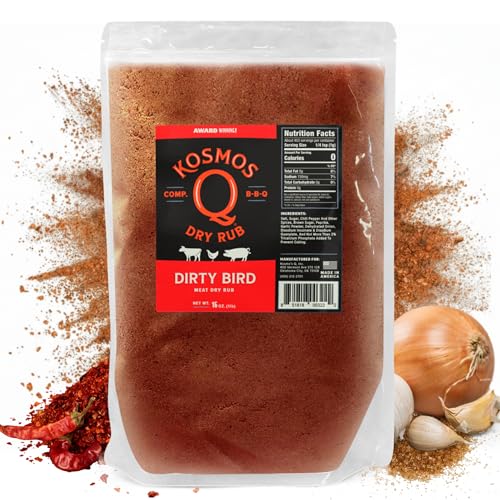
| Kosmos Q Dirty Bird★ Best Overall | Sweet heat on chicken | 16 oz | Sweet & spicy | Shaker bag | Amazon |
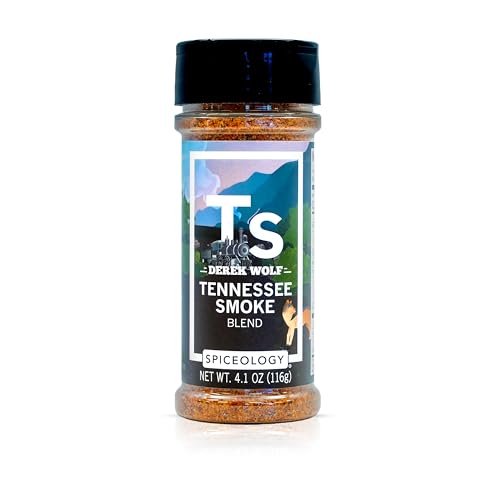
| Spiceology Tennessee SmokeBest Flavor Range | Versatile everyday rub | 4.1 oz | Smoky & sweet | Small container | Amazon |
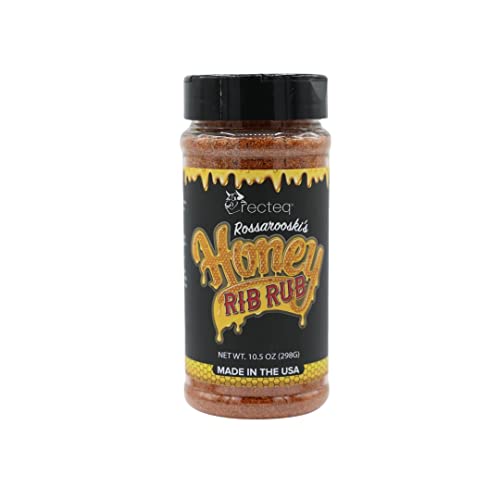
| recteq Rossarooski’s Honey RibBest for Ribs | Pork ribs and butt | 10.5 oz | Honey & spice | Bottle | Amazon |
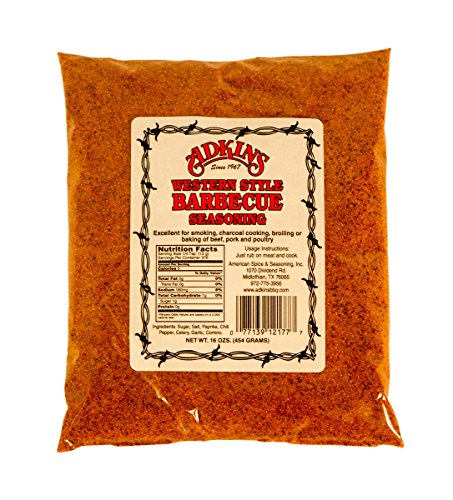
| Adkins Western Style | Big-batch smoking | 16 oz | Classic savory | Bulk bag | Amazon |
| Heath Riles Honey BBQ | Golden-color chicken | 16 oz | Honey sweet | Bottle | Amazon |
| Pig’s Ass Memphis Style | Pork and shrimp | 12.25 oz | Savory Memphis | Bottle | Amazon |
| Famous Dave’s Rib Rub | Ribs and pork loin | 11 oz (2-pack) | Sweet, smoky, peppery | Bottle | Amazon |
| Killer Hogs BBQ Rub Bundle | Sweet plus hot combo | 2 x 16 oz | Sweet & spicy duo | Bottle bundle | Amazon |
| Meat Church Honey Hog Combo | Pork shoulder and ribs | 28 oz (2-pack) | Honey sweet | Bottle bundle | Amazon |
In‑Depth Reviews
1. Kosmos Q Dirty Bird BBQ Dry Rub, Sweet & Spicy, 16 Oz
Our pick — over 4.5★ from 850+ verified ratings; the strongest balance of quality and price.
The sweet-heat blend that turned a small competition rub into a backyard staple.
Dirty Bird is the rub that built Kosmos Q, and the reason is simple — it hits both notes at once without either one running the show. Red pepper and paprika bring the heat, brown sugar and garlic round it out, and the mix runs deliberately less salty than most supermarket blends, which means you can layer it as heavily as you want on wings or thighs without the meat turning into a salt-bomb. The sixteen-ounce shaker bag is the practical part here, because you get roughly four times the volume of a small four-ounce container while keeping the sprinkle-control of a shaker top instead of a pour spout.
On the grate, this is a chicken-first rub that keeps finding new uses. It caramelizes into a glossy, slightly sticky crust on smoked thighs and drumsticks, and pulls double duty on pork loin, turkey legs, and ribs. Owners consistently describe it as a crowd-pleaser with a clean, balanced red-pepper kick rather than a sweet-and-cloying profile. It is also a rare blend that works as a skillet seasoning — you can toss it on roasted vegetables or stir it into ground meat without waiting for a smoker. The one thing to know is that a few buyers have received shaker bags with broken seals in transit, so check the zip-seal before you tear the top off, and store the bag upright in a cool cabinet rather than on top of the grates where heat can make the sugar clump.
Where It Earns The Top Slot
- Sixteen ounces of a sweet-and-spicy blend that works across chicken, pork, turkey, and vegetables
- Lower-salt formula lets you apply generously without over-seasoning the meat
- Shaker bag gives you a controlled sprinkle instead of a clumsy pour
- Caramelizes cleanly into a sticky, glossy bark on smoked chicken
One Thing To Check Before You Cook
- Occasional broken seals show up in transit, so inspect the bag on arrival
- The sweet profile is intense — this is not the rub for someone chasing a straight savory brisket rub
Reach for this if: you smoke chicken, turkey, or ribs regularly and want one blend that covers the sweet-spicy lane without extra mixing.
Think twice if: you mainly cook long brisket or lamb where the brown-sugar-forward profile could catch and burn on a slow cook.
2. Spiceology & Derek Wolf – Tennessee Smoke BBQ Seasoning
Small container, big range — sweet and smoky enough to jump from ribs to French toast.
If you want a rub you can grab for a quick weeknight cook without committing to a bulk bag, this Derek Wolf collaboration is built for exactly that. The mix runs sweet-smoky rather than sweet-spicy, with a flavor owners compare to a barbecued potato chip — light on heat, heavier on smoke, and flexible enough to try on steak, brisket, pork, salmon, game, or roasted jackfruit. The four-point-one-ounce container is a deliberate choice here: it keeps the blend fresh between cooks and takes up shelf-cabinet space that a full shaker bag does not.
What makes this one different from the Dirty Bird above is the sweet-to-savory lean and the size trade-off. Where Kosmos Q gives you a generous sixteen-ounce bag with a lower-salt profile, Tennessee Smoke is a tighter four-point-one-ounce pour-it-out container with a noticeably saltier baseline. Owners who wanted less sodium have added brown sugar or adjusted their own blend, while others find the salt level right for a straight-from-the-shaker first pass. The smoky note is not a smoke flavor you will taste on chicken — it is more of a background hum that works even on sweet potato fries and chips if you want to experiment off the grate.
The honest catch is value-per-ounce. A four-ounce container will run out faster on a brisket or two racks of ribs, so this is best treated as a rotating bottle in a rub collection rather than a single standalone seasoning for a busy summer. If you cook a lot, buy a couple at a time.
Texture and applications: fine enough to stick to dry-rubbed chicken wings without a binder, and flavor-forward enough that a light dusting is enough on salmon fillets.
One buyer note worth knowing: as buyers put it, “Amazing on chicken! Haven’t tried any other protein yet, but imagine great on pork too! Excellent spice company!”
Buy this one if: you want a compact, versatile sweet-smoky rub for lighter cooks and quick weeknight seasoning.
Consider the bigger bag if: you are running a full rib or brisket cookout and need more than a four-ounce container can cover in one sitting.
3. recteq Rossarooski’s Honey Rib BBQ Rub
A fine-ground honey blend built for one job: making pork ribs taste like a pitmaster’s.
The thing owners rave about with Rossarooski’s is the texture. This is a fine-ground blend, not a coarse granule mix, and that matters on ribs because fine powder adheres directly to a wet surface and forms a uniform caramelized crust instead of a patchy, chunky bark. The sweet-savory honey-spice profile is built to sit alongside pork fat rather than fight it — owners describe ribs coming off the smoker with a glossy crust that seals in juices and stays tender under the slice. The ten-point-five-ounce bottle pours easily and holds about two-thirds the volume of a full sixteen-ounce shaker, which is enough for several rib racks or a pork butt.
The honey-spice blend works beyond ribs, too. Owners have run it on pork belly and pork butt with the same result — a sweet savory layer that complements the meat without drowning it. If you already keep a Memphis-style savory rub in the pantry, this is the natural pairing because the sweet profile slots against a salt-forward rub nicely. The blend runs a little salty if you apply it heavily, so the smart move is to coat ribs lightly and let the sugar in the rub do the caramelizing work during the last hour of the cook.
Pay attention to the fine grind when you plan a recipe — because the particles are small, a little goes a farther on a rack than it does with a coarse rub, so start light and shake more on the second rack if the first one is running dark.
Match to this pick if: pork ribs are your main event and you want a texture-tuned rub that sticks and caramelizes cleanly.
Skip this one if: you need a multi-purpose rub that also works on beef, salmon, or vegetables — the profile is tuned for pork.
4. Adkins Western Style Barbecue BBQ Seasoning 16 OZ All Natural
Fifteen-year veterans and competition cooks keep this one on hand for a reason.
Adkins is a classic savory Western-style rub, gluten free and made without MSG, and it stands apart in this lineup because it does not lean sweet. The blend runs sweet-salty-savory with a clean spice balance — the type of rub you apply generously and cook straight through, no extra layering required. Owners describe a solid bark on smoked foods with a heat level that stays moderate, and the sixteen-ounce bag is enough to run a full brisket weekend plus a chicken run without running back to the store. If you cook in volume, the larger format is genuinely practical: the same people who smoke thirty plus pounds of meat at a time report keeping a big bag on deck for exactly that reason.
What separates Adkins from the sweet-forward rubs higher on this list is the way it behaves as a base coat. Because it is not sugar-dominated, you can use it as a foundation rub under a sweet glaze, or mix it with additional spices to match a specific regional profile. The trade-off is that first-time tasters sometimes find the sweet note disappears after cooking, so if you want visible caramelization, either layer a sweet rub over the top or finish with a glaze. Owners also note the earthy mixed proportions mean it works better as a straight savory rub than as a standalone sweet-heat blend.
For the bulk buyer: the sixteen-ounce bag runs long on chicken, beef, and pork, and owners who cook in volume routinely stock the larger size for the same reason.
Texture note: medium-coarse grind sticks to dry-rubbed pork butt without needing a heavy binder, though a light moisture coat still helps adhesion on beef.
Best for the heavy smoker: pick this if you cook pork, chicken, and beef in volume and want a savory all-rounder that layers under a glaze.
Not the pick for: anyone chasing a big sticky-sweet single-rub bark on ribs — this one aims savory first.
5. Heath Riles BBQ Rub – Honey BBQ Seasoning

The rub that turns smoked chicken skin a deep, sticky gold without hiding the meat.
Heath Riles built this blend around a honey-forward profile, and the pitch on the label is honest: this is a golden-color rub rather than a crust bomb. What owners appreciate about it on chicken, pork, ribs, turkey, and salmon is the balance — sweet enough that it builds a lacquered, glossy finish, but savory enough that the meat underneath is still the star. On pulled pork it earns its keep because the sugar pulls forward during the cook while the savory base keeps the meat from tasting like a dessert, and on ribs it layers a light sweetness that complements pork fat without covering it. The sixteen-ounce bottle gives you a full season’s worth for a family who smokes a couple of times a month.
Where this differentiates from a straight honey-heavy rub is the savory backbone. There is no dominant black pepper note, which one repeat owner specifically called out as the reason it works on every protein in the house — no aftertaste, no fighting the meat. On roasted vegetables and soups over fire, the sweet edge softens and reads more like a gentle flavor lift than a rub. The trade-off to plan around: because the blend is sweetness-forward, it will caramelize fast on chicken skin, so watch the grate temperature on the first few cooks and pull the chicken a touch early if the skin is going dark on you.
Buy it if you want competition-style color on chicken and pulled pork without mixing your own honey-glaze base — otherwise stick with the Dirty Bird for a spicy lean.
What the label promises: an authentic honey-rub profile aimed at building golden color on chicken, pork, seafood, and beef.
How it plays on the plate: the sweet note reads clean rather than syrupy, and multiple buyers report compliments on pulled pork and ribs after using it.
6. Pig’s Ass Rub Memphis Style BBQ Seasoning 12.25 ounce Bottle
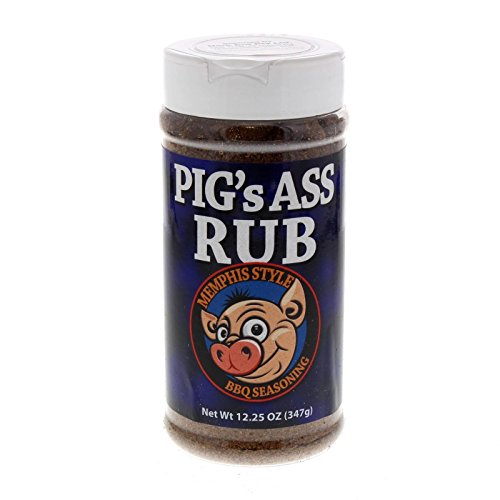
A Memphis-style blend with a name that sticks in your head and a flavor that stays on the meat.
Memphis-style rubs run savory and pap-rika-forward rather than honey-sweet, and this one fits the mold without being flat. The blend brings grilled chicken, fish, and shrimp to life with a savory-spice base that does not taste like a sugar-first blend, and the bottle format makes it easy to keep by the grill for quick touch-ups mid-cook. Owners describe it as one of the standout pork rubs they have tried — a top vote-getter in the household that earns unsolicited compliments at the table. If a pork butt or a couple of rib racks are on the plan, this is the savory counterpoint to a sweet rub like the Rossarooski’s above.
Where this rub shows up in real cooking is not just the smoker. Owners have run it on ribs, chicken, roasted meats, and even air-fried vegetables without a grill at all, which makes it a good fit for apartment cooks or anyone who wants Memphis flavor without firing up a pit. The blend leans a touch salt-forward on some proteins, so if you are working with a naturally salty cut like a smoked ham, dial the coating back a little. Otherwise it holds heat and smoke flavor well through a full cook.
Pick this for: pork ribs, pork chops, and any cook who wants a savory Memphis-style rub that works in the oven and air fryer as well as the smoker.
Look elsewhere if: your household prefers a honey-forward sweet rub — this one lands firmly on the savory side.
7. Famous Dave’s – 2 pck, Rib Rub Seasoning (11 oz.)

A rib-first classic that sits right in the middle of sweet, smoky, and peppery.
Famous Dave’s is the rib rub for someone who does not want to think too hard. The blend leads with brown sugar, paprika, and pepper, then rounds out with savory spices — the profile that shows up in a rack of ribs that looks like it came off a restaurant menu. What owners get out of it is a sweet-smoky-peppery spine that reads balanced on the plate, and a seasoning that stops short of overwhelming the pork loin, chops, or ribs underneath. If you like one rub that just works on classic backyard ribs, this is the easy answer.
The two-pack format is the practical selling point — the pair gives you enough volume for several rib cooks before you need to reorder, and the small bottles fit beside the grill without hogging counter space. On the potency side, owners flag this one as more concentrated than it looks, so use a lighter hand on the first rack and adjust from there. It also works on beef ribs and even mac and cheese if you like a smoky lift on a side dish, though the primary lane is pork and ribs.
For the rib-first cook: the sweet smoky peppery combination is built around pork ribs, and owners mention it improves side dishes like mac and cheese with a light dusting.
Watch the application: the blend is potent enough that a heavy hand lands saltier than expected, so start light and add more before the wrap.
Grab this one if: classic backyard pork ribs are your go-to cook and you prefer a two-bottle setup that stays stocked.
Not the right fit if: you mainly smoke chicken wings or fish — the profile leans heavy and pork-oriented.
8. Killer Hogs The BBQ Rub and Hot BBQ Rub Bundle, 2 x 16 oz
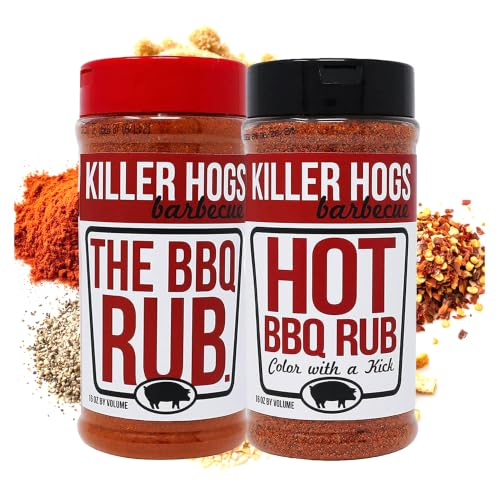
The Killer Hogs team gives you both lanes in one box — sweet bark on one side, heat on the other.
Two sixteen-ounce bottles in one bundle is a lot of seasoning, and that is the point. The standard Killer Hogs blend is a brown-sugar and paprika savory rub built to build the deep mahogany color and bark that competition cooks chase on ribs, brisket, and chicken. The HOT version is the same base with the heat dial turned up. Together they give you a both-lanes-at-once setup: a lighter coat of the standard for kids, a heavier coat of the hot for the adults, or a blend of both if you want a specific middle ground. The team behind it is a championship barbecue operation, and the blend is put together for low-and-slow as well as hot-and-fast grilling.
The honest trade-off here is the heat level. Owners consistently report that the “Hot” version tastes milder than the name suggests — a real disappointment if you were chasing a serious chili-forward kick. If your family likes spice, plan to layer your own cayenne or chili powder on top of the hot rub rather than expecting it to carry the heat on its own. The standard version, on the other hand, over-delivers: owners describe it as tasting like barbecue right out of the shaker, and long-term users say they keep coming back after years of use. Both bottles seal well and hold up in a pantry between cooks.
Think of this as one great sweet rub plus a milder spicy companion — buy the pair if you cook for both heat-lovers and heat-avoiders in the same house, and skip the hot bottle alone if you were hoping for a real burn.
What you actually get: two sixteen-ounce bottles — one classic sweet-bark rub and one “hot” version that lands milder than the name implies.
Bark and color: the standard rub is designed to develop mahogany color on ribs and brisket over a long cook, working on both low-and-slow and hot-and-fast setups.
Best for the two-protein cook: buy this if you smoke both ribs and chicken and want one bottle per lane with no mixing.
The catch to weigh: the “Hot” bottle is mild, so lovers of real heat will need to layer their own chili on top.
9. Meat Church BBQ Rub Combo: Two Bottles of Honey Hog (14 oz)
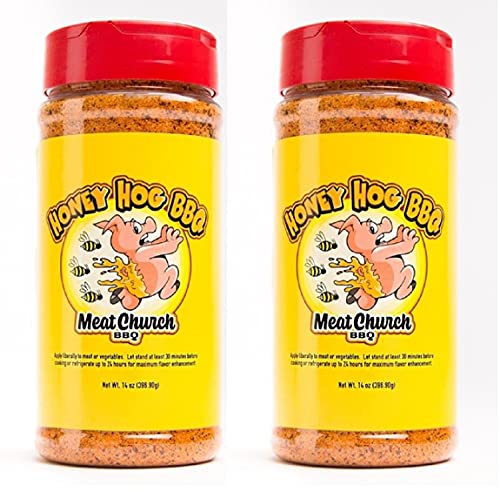
Two fourteen-ounce bottles of Honey Hog — the rub that turns pork shoulder into a repeat cook.
The whole reason Honey Hog has a following is pork. The blend runs sweet with the right level of spiciness, gluten free, and it holds a mid-range balance that owners describe as not overly salty — the profile that shows up on ribs, pork butt, and pork tenderloin again and again. A full twenty-eight-ounce total across two bottles is the kind of volume that covers a pork shoulder smoke plus a rib rack with room left over, and it means you are not rationing the last few shakes of a small container whenever you wheel out the smoker. If pork is your primary cook, this bundle punches above its weight.
Customers note it as almost a go-to rub when they open the smoker, particularly good on chicken and pork, with a full flavor that does not swing to a single direction. On a ten-hour pork butt in a Traeger or a slow smoke in a Kamado, the rub layers in without turning the bark bitter, and the sweet note stays clean through the whole cook. It is also one of the more forgiving rubs on the list for a first-timer — no black pepper overload, no aggressive heat, no fight with the meat’s natural flavor. The trade-off is volume versus rotation: if you do not smoke often, a two-bottle bundle will sit on the shelf for a while, so portion out into smaller jars if you want to keep it fresh.
Best for the pork-focused pitmaster: pick this if ribs and pork shoulder are your regular cook and you want a sweet-savory workhorse in quantity.
Think about a single bottle instead if: you only smoke a few times a year — the two-pack will outlast your cook schedule.
Understanding the Specs
Size and Format: Shaker Bag vs Bottle
The ounce count tells you how many rib racks or butts a container will cover before you reorder, but the format tells you how it feels in the hand. A sixteen-ounce shaker bag gives you a controlled sprinkle and holds volume roughly comparable to four small containers, while a four-ounce pour-out container or a bottle-sized format is better for squeezing into a crowded spice cabinet. Shaker bags work best when poured over a rimmed sheet pan with the meat already dusted, and bottles are easier for mid-cook touch-ups on the grate. Because moisture is the enemy of a fine-ground blend, either format works provided you reseal and store away from heat — never leave a bag or bottle sitting on top of the smoker where the sugar will clump.
Flavor Profile: Sweet, Savory, and Heat
Rub profiles fall along a sweet-to-savory line, and the goal is to pick the side of that line that matches your protein and your household palate. Sugar-forward blends caramelize and build color fast, which suits chicken skin, ribs, and pork — but a long slow brisket cook can burn the sugar before the meat is done. Savory rubs built on paprika and salt are forgiving on long cooks and work as a base coat under a glaze. Heat is the third dimension, and the market reality is that a rub labeled “hot” can still land mild on the plate, so buyers chasing real burn usually add cayenne or chili powder on top rather than relying on the blend alone.
FAQ
Do I need a binder to make rub stick to ribs?
What is the sweet-to-salt ratio, and why does it matter for smoking?
How much rub do I actually need for a full rack of ribs or a pork butt?
Why do some “hot” BBQ rubs taste mild once they are on the meat?
Is a gluten free rub necessary for smoking?
Does no MSG mean a rub will taste less savory?
How should I store a bag or bottle of rub between cooks?
Can I use one rub on both beef and pork in the same cook?
Does a fine-ground rub burn more easily than a coarse one?
Why do some buyers recommend adding sugar to a conventional rub?
Final Thoughts: The Verdict
The bbq rubs for smoking winner for most backyard cooks is the Kosmos Q Dirty Bird because it nails the sweet-heat balance on chicken, pork, and turkey with a lower-salt formula and a shaker bag you can grab without a second thought. If you want a fine-ground honey blend tuned specifically for pork ribs, reach for the recteq Rossarooski’s Honey Rib — its texture-sticks-and-caramelizes approach is the one that shows up again and again in rib-cook conversations. For high-volume cooks and heavy smokers who want one savory all-rounder in a large bag, the Adkins Western Style is built for exactly that, and it layers cleanly under a glaze. And if pork shoulder is your signature, the Meat Church Honey Hog two-pack gives you twenty-eight ounces of the sweet-savory profile that earns a spot in the rotation.
How We Picked
We do not accept paid placement. Every pick is matched to a real buyer and a real use-case; we do not hands-on test units.
Sources & Methodology
Specifications: manufacturer listings and product documentation. Review insights: verified customer reviews, as of September 2026. Pricing: not shown on this page (it changes often); check the current price via the retailer link.
As an Amazon Associate, Gadgets Feed earns from qualifying purchases. This does not affect which products we feature.