
Our readers keep the lights on and my morning glass full of iced black tea. As an Amazon Associate, I earn from qualifying purchases.
Specs are compiled from manufacturer listings and verified buyer reviews and can change over time — please confirm the key details on the product page before buying.
Planting bearded iris bulbs (which are actually rhizomes — thickened stems that grow sideways just under the soil) is one of the quickest ways to fill a sunny garden spot with dramatic, ruffled color that returns every year. The real challenge is picking the right rhizomes for your garden goals: do you want the deepest black bloom, a budget-friendly mixed batch to cover ground, or a reblooming variety that flowers twice? This guide cuts through the packaging promises to give you the straight facts on seven very different options.
I’m Min — the founder and writer behind Gadgets Feed. This guide is built by comparing the manufacturers’ published specifications and the patterns across verified customer reviews, so you get each pick’s real strengths and trade-offs instead of marketing spin.
If you want to fill a border, start a cutting garden, or find a deer-resistant perennial for a tricky spot, this breakdown of the best bearded iris bulbs will get you to the right rhizome on the first try.
Our Picks at a Glance

How To Choose The Best Bearded Iris Bulbs
Most bearded irises are low-effort, high-reward perennials, but a few key specs determine whether they thrive in your yard or just survive.
Hardiness Zone Match
Every iris listing includes a USDA Hardiness Zone number (a scale that tells you the coldest climate a plant can survive outdoors in winter). If your zone is outside the listed range, the rhizome may not live through its first winter or might not flower in your summer heat.
Unit Count vs. Mature Plant
A “5 Count” pack gives you five individual rhizomes to spread around, so you can cover ground faster. A single-count potted iris from a nursery is already an actively growing plant — you get one established specimen that often blooms the same year but costs more per plant.
Reblooming vs. Once-a-Year Bloomers
Some bearded irises flower once in late spring. Reblooming varieties (often labeled “Reblooming Iris” or “Extended Bloom Time”) push a second round of blooms in late summer or fall, so you get color for a longer stretch.
Quick Comparison
| Model | Best For | Unit Count | USDA Zone | Bloom Color | Amazon |
|---|---|---|---|---|---|
| Fancy Mixed Bearded Iris★ Best Overall | Entry-Level Starter | 1 Count | 4 | Mixed | Amazon |
| All Night Long Bearded IrisAlso Great | Fragrance & Drama | 1 Potted | 3-10 | Black-Purple | Amazon |
| Ghost Train Bearded Iris | Longest Bloom Season | 1 Potted | 3-10 | Purple & Black | Amazon |
| Old Black Magic Tall Bearded Iris | Black Flower Lovers | 1 Potted | 3-10 | Black | Amazon |
| Beauty Mix Bearded Iris | Large Color Variety | 1.0 Count | — | Blue-Purple Mix | Amazon |
| Bearded Iris Mixed Colors 5 Bulbs | Spreading Coverage | 5 Count | — | Multi | Amazon |
| Pretty Bearded Iris, Reblooming | Reblooming on a Budget | 1 Count | 3 | Color Mix | Amazon |
In‑Depth Reviews
1. Fancy Mixed Bearded Iris Root, Rhizome, Plant, Start
The most affordable way to test if bearded irises work in your yard.
This is the cheapest entry point on the list — a single bare rhizome from Seeds*Bulbs*Plants*&More that grows as a “Perennial outside in zones 4-9.” The color is a “Mixed” surprise, so you get whatever the grower ships. The soil type listed is Sandy Soil, so if your garden is clay-heavy, you may need to amend the soil or build a raised bed to get good drainage. It requires full sun and moderate watering.
The brand has a 3.6/5 rating from 119 reviews, which is the lowest average rating on this list. The zone range (4-9) covers most of the continental US but excludes the coldest (3) and hottest (10) extremes. The foliage is described as “Pretty Green Foliage throughout the year,” meaning even out of bloom, the strap-like leaves provide some upright greenery.
Buyers report that the rhizome is typically a standard-size start, and that the flower color is a genuine surprise — some get yellow, some purple, some white. The main value proposition is that it costs the least to try.
Test-Drive Option
- Lowest cost to see if irises thrive in your specific garden conditions
- USDA zones 4-9 covers a broad range of US climates
Smallest Commitment
- Single rhizome limits the visual impact until it multiplies over 1-2 years
- Flower color is completely unknown until bloom time
- Rated lower (3.6/5) than most other options on this list
Best for the ultra-cautious shopper: If you are not sure irises will survive your soil or your watering habits, this one-rhizome gamble costs the least. The honest limitation: a single mixed-color rhizome means one year of thin, lonely bloom — you will need to wait for it to multiply or buy more to create a real display.
2. All Night Long Bearded Iris Live Plant
The one whose fragrance fills the garden while the blooms steal the show.
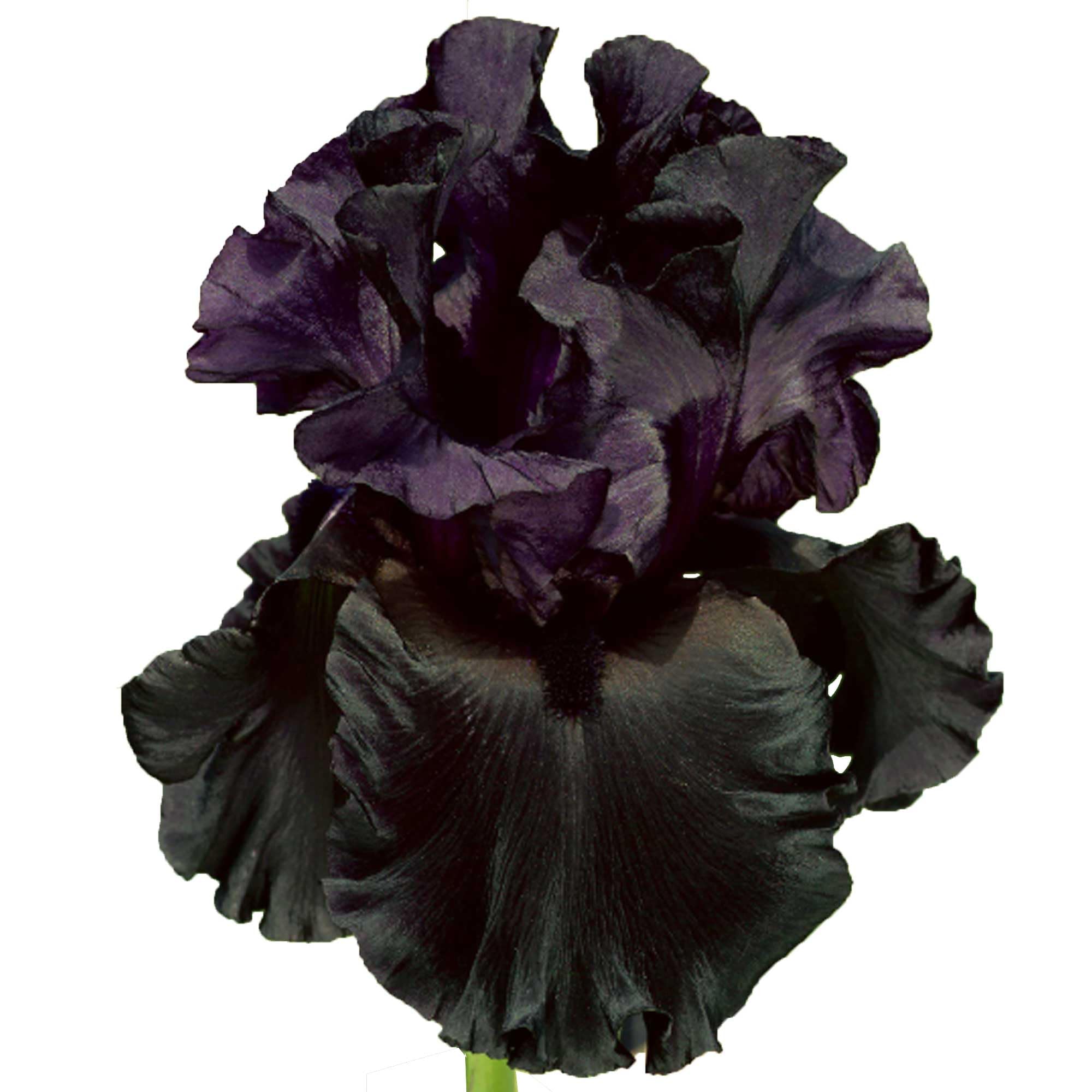
The defining feature of the All Night Long is its “intoxicating sweet fragrance,” as the description puts it — a scent strong enough to perfume a whole border. The flowers themselves are black-purple with heavily ruffled edges and navy blue beards (the fuzzy central ridge on each petal). It grows to 31 inches tall, puts out strong stems ideal for cutting, and resists deer and rabbits, so you are not fighting wildlife for the blooms.
This is a potted plant from a licensed Oregon nursery, meaning it arrives actively growing in a quart container (a small nursery pot), not as a bare rhizome. You can plant it any time of year. It is a mid-late season bloomer with an expected bloom period of Spring to Summer and is labeled GMO Free (according to the brand). The zone range covers 3 through 10, making it among the most climate-flexible options on this list, comfortable from Minnesota winters to Texas summers.
Buyers report the fragrance is the first thing visitors comment on, and that the plant settled in quickly with minimal fuss. Unlike the single bare rhizomes further down this list, this potted start gives you a head start on growth and guarantees you are getting a specific named cultivar rather than a random color mix. Compared to the Ghost Train, it has a shorter bloom period per stem, but its scent is much stronger.
Garden Showstopper
- Strong sweet fragrance fills a garden area
- Grows to 31 inches tall, perfect for mid-border
- Deer and rabbit resistant, saving you from pest damage
Single Specimen Trade-Off
- Price is per single potted plant, not a multi-pack
- Black-purple color may look almost black in low light, which some buyers want and some find too dark
Best for the fragrance-obsessed gardener: Anyone who wants one high-impact, low-maintenance plant that smells amazing and returns every year. If you need to fill a large bed on a budget, the per-plant cost of a specimen iris is higher than a multi-pack of mixed rhizomes.
3. Ghost Train Bearded Iris Plant Potted
Seven to eleven buds per stem mean a longer flower show from one plant.
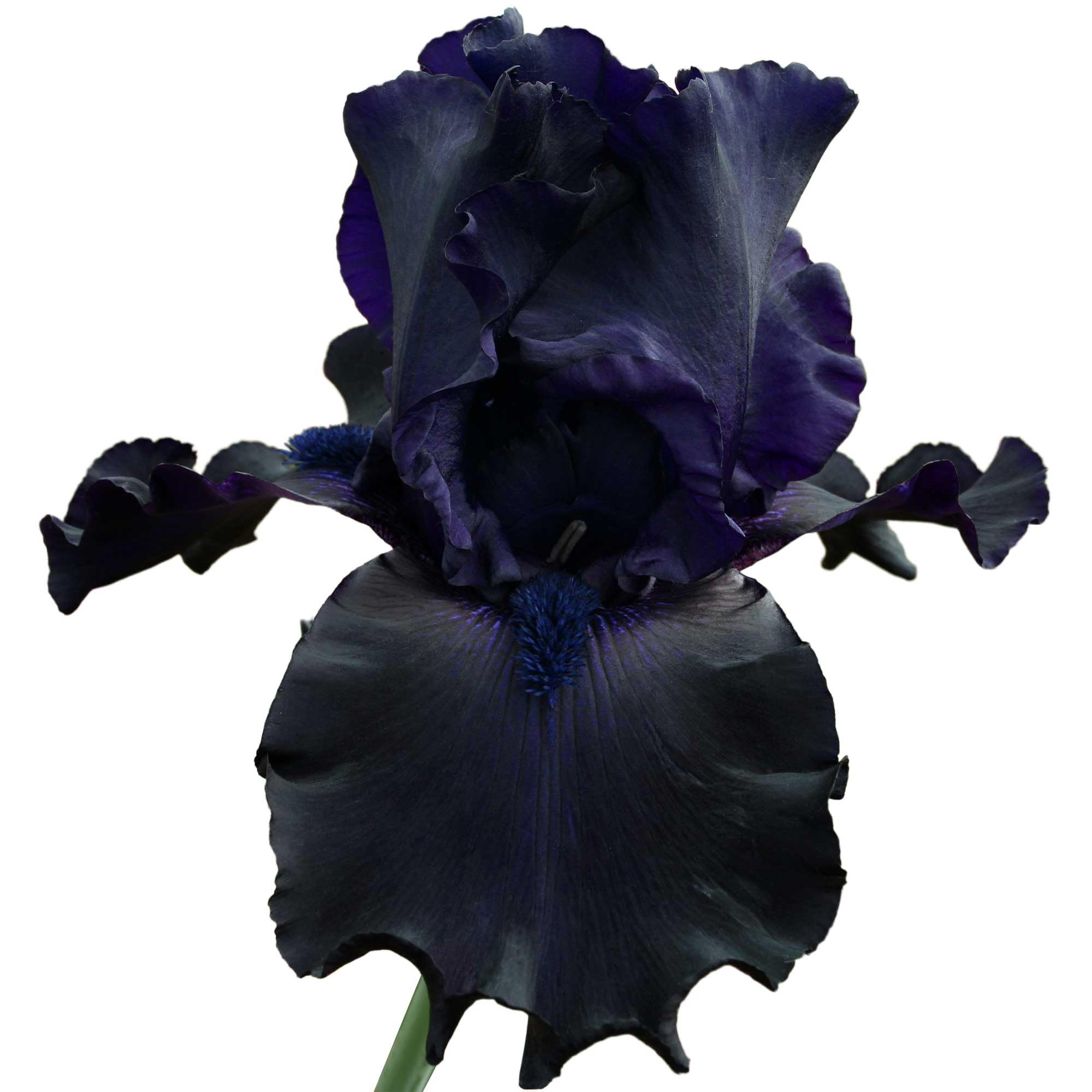
Ghost Train stands out for its “Extended Bloom Time” spec — a rare feature in bearded irises — and its generous bud count of 7-11 per bloom stem. This means each stalk produces flowers over a noticeably longer stretch compared to most irises that pop all their buds at once. The color is a deep purple with black undertones and wide ruffled falls (the drooping lower petals). It is also fragrant and labeled a “heavy bloomer,” so you get quantity along with duration.
This plant grows to 37 inches tall, which is the tallest on this list, so it belongs in the back of a border where it can tower over shorter perennials like the All Night Long. It arrives in a quart pot and is an heirloom variety, meaning it is an open-pollinated cultivar that you can save seed from if you choose. Like the All Night Long, it is deer and rabbit resistant and attracts butterflies and hummingbirds. The zone range is 3 through 10.
Owners mention that the ruffled petals and purple-black color combination draw compliments from neighbors, and that the plant multiplied noticeably in its second year. The “Extended Bloom Time” feature is the deciding factor if you want color that lasts into the early fall, unlike the Fancy Mixed Bearded Iris which flowers on a more standard spring schedule.
Bloom Marathoner
- 7-11 buds per stem for an extended show
- Grows to 37 inches, the tallest pick here
- Heirloom variety you can save seed from
Single Plant Focus
- One potted plant, not a budget-friendly multi-pack
- Purple-black color scheme may not match all garden color palettes
Your pick for the longest color: Ideal for the gardener who values weeks of bloom time over a single dramatic flush. If you just want a low-cost way to fill space, a mixed multi-pack of rhizomes offers more plants for less money.
4. Old Black Magic Tall Bearded Iris Plant Potted
The closest thing to a true black flower you can grow in full sun.
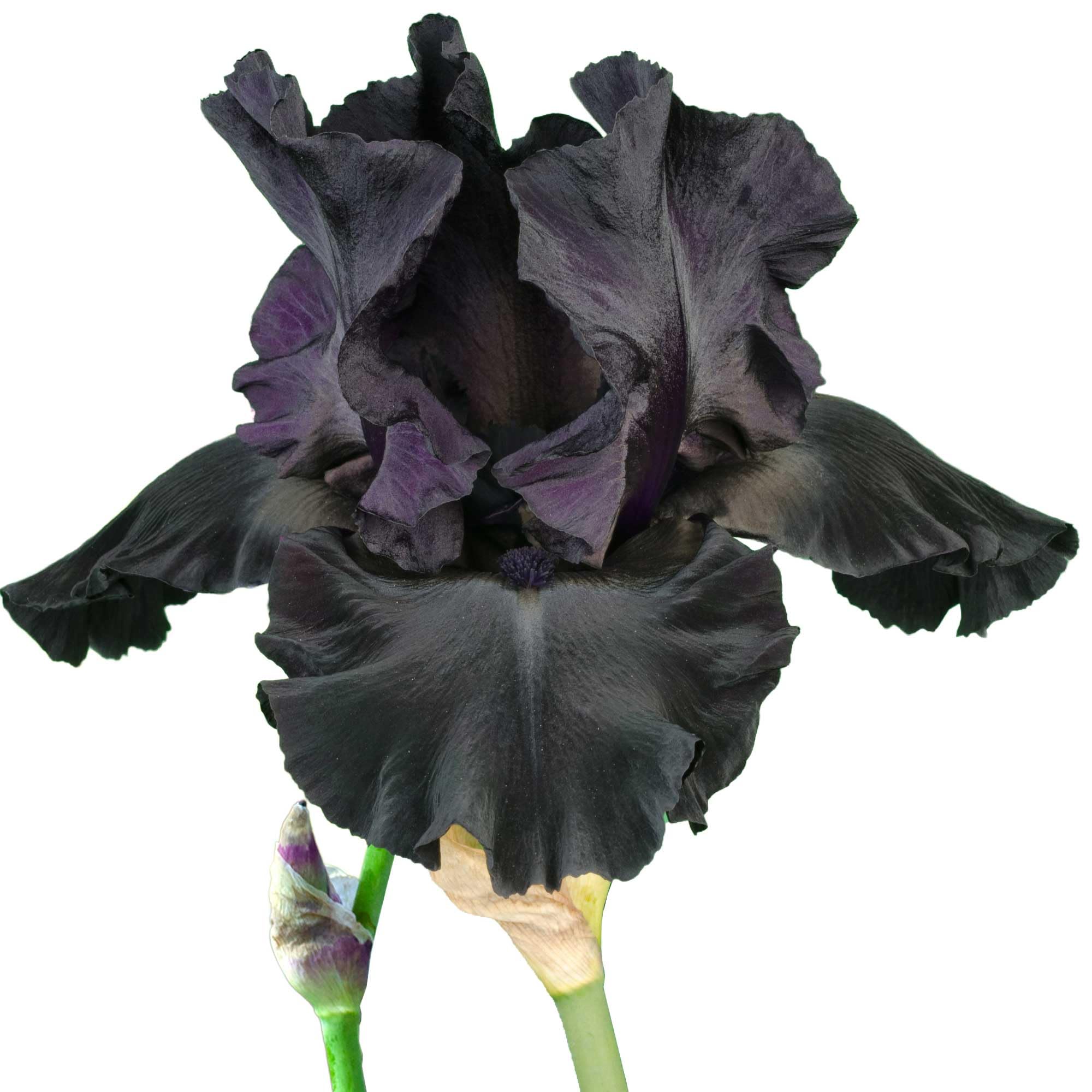
Old Black Magic is explicitly described as producing “black blooms,” and it backs that claim with a fragrance note so you get the drama of a nearly black flower plus a pleasant scent. It grows to 36 inches tall, matching the All Night Long closely, and is listed as an ideal cut flower with strong stems. The zone range is 3 through 10, making it as adaptable as the other Stargazer Perennials potted picks.
This is another potted quart from the Oregon nursery, not a bare rhizome. It attracts butterflies and hummingbirds and is deer and rabbit resistant. The expected bloom period is Spring to Summer. It is labeled GMO Free (per the brand) and prefers sandy soil and full sun. The “black” color is the main event here — if you are building a gothic garden or just want a conversation piece in a border, this is the iris to pick.
Buyers mention that the black color is deepest in the first few days after the flower opens, lightening slightly as the bloom ages. The fragrance is described as sweet but not overpowering. Unlike the Ghost Train, this variety does not have an extended bloom time, so you get one solid spring-to-early-summer show rather than repeat flushes.
Dark Flower Specialist
- Genuine black blooms, not just dark purple
- Fragrant flowers with strong cut-stem quality
- Grown in Oregon, arrives actively growing in a pot
One-Note Season
- Not a rebloomer, so you get one main flower period
- Price is for one plant only
Reach for this if… you want a true black flower to anchor a color-themed garden or create a dramatic focal point. Look elsewhere if you need color across a longer season and would rather have a reblooming iris or a multi-pack for coverage.
5. Beauty Mix Bearded Iris, Root Start, Color Mix

A value play that promises blue-purple flowers from any soil type.
The Beauty Mix is described as doing well in “any type of soil,” which is a forgiving spec for beginners who are not sure about their soil composition. The iris is a “perennial herb with thick rhizomes and blue-purple flowers” — a classic iris look. It comes as a root start, meaning you buy bare rhizomes rather than a potted plant. The brand is Alasines, and the unit count is listed as 1.0 Count, though the product name suggests an 8-bulb pack (“-8 Bulbs,B”), so the exact quantity is best confirmed on the listing.
This is a mid-range option on price that aims for simplicity. It requires moderate watering, is outdoor-only, and has no specific zone range listed, which is a risk if you live in an extreme climate. The “high survival rate” claim in the description is a confidence-builder for new gardeners worried about killing their first irises.
Customers note that the color mix is genuinely varied, with each rhizome producing a slightly different shade of blue and purple. The main caution here is the missing USDA zone data — if you are outside zones 4-9, you may need to treat this as an annual rather than a perennial. This is the pick to consider if you want to experiment with color without spending specimen-plant money.
New-Garden Friendly
- Advertised as tolerant of any soil type
- Blue-purple color mix gives variety from one purchase
- Priced to allow buying multiple packs
Missing Key Data
- No USDA hardiness zone listed, so survival in cold/hot zones is uncertain
- Unit count is ambiguously listed; verify the pack size before buying
Ideal for the curious beginner: Great if you want cheap rhizomes to practice on and are okay with uncertain climate hardiness. Without a zone range, there is no guarantee the rhizomes will return next year in extreme climates.
6. Bearded Iris Mixed Colors 5 Bulbs Plant #BV06

Five rhizomes in one pack to spread color across a bed.
The Bearded Iris Mixed Colors pack from iniloplant gives you 5 bare rhizomes (Iris germanica) in a single package. The brand calls them “bulbs” but they are correctly rhizomes, as noted in the product type. The expected bloom period is Spring to Summer, and the moisture needs are listed as “Little To No Watering” after establishment — surprisingly low-maintenance for an iris.
This pack is described as attracting pollinators, so it serves a dual purpose as a bee and butterfly magnet. The soil needs are simply “well-drained,” and the plants prefer full to partial sun. It is also labeled as Organic in material features. The image shows a multi-color spread, though the listing notes that the pictures are for reference only. The number of items is 5, and the brand is iniloplant.
Reviewers point out that the color variety in the pack is a pleasant surprise, with some rhizomes producing yellows, whites, and purples rather than just one shade. Because this is a multi-pack, you can space the rhizomes 12-18 inches apart to fill a medium border. Unlike the potted Stargazer Perennials picks, these are bare rhizomes that should be planted in fall or early spring, not any time of year.
Volume Winner
- 5 rhizomes per pack — the best value for covering ground
- Very low watering needs once established
- Attracts pollinators, supporting local bee populations
Mixed Bag Reality
- Flower color is a surprise mix, not a named cultivar
- Bare rhizomes require proper seasonal planting, unlike potted plants
Choose this for ground coverage: If your goal is to plant a full border of irises without spending premium specimen prices, this 5-pack is the most efficient way to do it. skip it if you want a specific named color or a guaranteed exact shade of bloom — go with a labeled potted iris instead.
7. Pretty Bearded Iris, Reblooming German Iris, Fresh Root

A reblooming German iris that reaches 40 inches while staying affordable.
The Pretty Bearded Iris is labeled as a reblooming German iris, which means it can flower twice in a growing season. It is also tagged as Heirloom and Organic (per the brand), appealing to gardeners who prefer open-pollinated varieties and avoid synthetic inputs. The expected plant height is 40 inches, making it the second tallest option on this list after Ghost Train. The unit count is 1 Count, so you get one bare rhizome.
The USDA Hardiness Zone is listed as 3, which is colder than most irises on this list, meaning it survives winters down to -40°F. However, the zone range is not given, so there is no upper bound listed — it may struggle in very hot southern climates. The soil type required is “Well drained soil,” and it needs full sun. The manufacturer is Seeds*Bulbs*Plants*&More, the same brand as the Fancy Mixed Bearded Iris.
Shoppers say that the reblooming claim is real but depends on your climate — in colder zones it blooms once in spring and a second time in late summer. The 40-inch height means you will need to stake it in windy spots. This is a value-conscious way to try a reblooming iris without paying the premium price of a potted Stargazer Perennials specimen.
Rebloom on a Budget
- Reblooming variety offers two flower periods per year
- Heirloom and Organic labeled
- Grows to 40 inches tall, a strong back-border plant
Climate Range Uncertainty
- Only zone 3 is listed, with no upper zone limit given
- Tall height may require staking in exposed gardens
- Single rhizome, so coverage is slow
The pick for cold-climate reblooming: If you live in a zone 3 area and want a reblooming iris, this is the only option on the list that is specifically rated for that cold. The missing upper zone range means hot-weather gardeners should look to the Stargazer Perennials picks (zones 3-10) for a guaranteed perennial return.
Understanding the Specs
USDA Hardiness Zone
This is the most important number on any perennial plant label. It tells you the coldest winter temperature a plant can survive in your area (a lower zone number means a colder climate). A plant rated for zone 3 can handle -40°F winters, while a zone 8 plant may die in that cold. Always match the plant’s zone to your own zone before buying.
Reblooming vs. Standard Iris
A standard bearded iris blooms once in late spring or early summer for about 2-3 weeks. A reblooming (or “extended bloom time”) iris pushes a second set of flowers in late summer or early fall, giving you color over a much longer season. The trade-off is that rebloomers can cost more per plant and may need a bit more water and fertilizer to fuel that second bloom cycle.
FAQ
Are bearded iris bulbs actually bulbs?
What is the difference between a bare rhizome and a potted iris plant?
How many bearded iris rhizomes should I buy for a good visual impact?
Do bearded irises need full sun?
Will bearded irises survive in sandy soil?
What does “GMO Free” mean on an iris plant?
Can I grow bearded irises in zone 10?
What is the difference between a mix pack and a named cultivar?
Final Thoughts: The Verdict
For most people, the best bearded iris bulbs winner is the All Night Long Bearded Iris because it combines a dramatic black-purple bloom, strong fragrance, and the widest zone adaptability into one easy potted plant. If you want the longest bloom season with 7-11 buds per stem, grab the Ghost Train Bearded Iris. And for filling a big bed on a budget, the standout is the value of the Bearded Iris Mixed Colors 5 Bulbs pack.
How We Picked
We do not accept paid placement. Every pick is matched to a real buyer and a real use-case; we do not hands-on test units.
Sources & Methodology
Specifications: manufacturer listings and product documentation. Review insights: verified customer reviews, as of July 2026. Pricing: not shown on this page (it changes often); check the current price via the retailer link.
As an Amazon Associate, Gadgets Feed earns from qualifying purchases. This does not affect which products we feature.