
A bee sting through your glove isn’t just painful—it destroys confidence during a hive inspection. The wrong pair leaves you either sweating in thick, stiff leather or getting pierced through flimsy fabric at the wrist. Precision work like gripping a frame full of honey or scraping propolis demands gloves that seal out stingers while letting your fingers move naturally.
I’m Min — the co-founder and writer behind Gadgets Feed. I’ve spent countless hours analyzing beekeeping gear specifications, comparing leather thickness measurements, ventilation panel designs, gauntlet lengths, and seam construction to separate real protection from marketing claims.
Whether you manage two hives or two hundred, the right best bee gloves balance sting resistance with dexterity so you can work confidently without dropping frames or overheating.
How To Choose The Best Bee Gloves
Not all beekeeping gloves stop stings the same way. The key specs that separate a usable pair from a regretful purchase are leather type, thickness, gauntlet length, and ventilation design. Here’s what actually matters when you’re elbow-deep in a hive.
Leather Type: Goatskin vs Cowhide
Goatskin offers superior dexterity and a softer break-in period, making it ideal for detailed tasks like frame manipulation. Cowhide is thicker and more abrasion-resistant, sacrificing some finger feel for longevity and heavier sting protection. Entry-level gloves sometimes use pigskin or synthetic blends, but these rarely hold up past one season.
Gauntlet Length and Wrist Seal
A glove that ends at the wrist is a failure waiting to happen. Look for at least 12 inches of gauntlet extending toward the elbow—long enough to tuck under a bee suit sleeve. Elastic cuffs or integrated straps prevent the gauntlet from sliding down during overhead work, which is the most common entry point for stings.
Ventilation vs Full Coverage
Patented ventilation panels on the back of the hand reduce sweat buildup in hot weather, but every seam is a potential sting entry point. Full-coverage gloves without vents are more secure for defensive hives, while ventilated models are better for routine inspections when temperatures exceed 85°F.
Quick Comparison
On smaller screens, swipe sideways to see the full table.
| Model | Category | Best For | Key Spec | Amazon |
|---|---|---|---|---|
| Humble Bee 111 Cowhide | Premium Cowhide | Maximum sting protection | 5mm cowhide leather | Amazon |
| Apis Tactical 5mm Cowhide | Premium Ventilated | Hot weather work | Patented ventilation panels | Amazon |
| Apis Tactical Goatskin | Premium Goatskin | Dexterity & comfort | 4mm goatskin leather | Amazon |
| Professional 5mm Goatskin | Pro Goatskin | Everyday inspections | 5mm ventilated goatskin | Amazon |
| Newcotte Goatskin Set | Value Set | Beginners & backup pairs | Goatskin + canvas sleeves | Amazon |
| Showa Atlas WG772XL | Budget Chemical | Wet & chemical resistance | 26-inch nitrile coated | Amazon |
| Atlas 772 Nitrile | Budget Long | Waterproof arm protection | 26-inch nitrile dipped | Amazon |
In‑Depth Reviews
1. Humble Bee 111 Cowhide Beekeeping Gloves with Extended Sleeves

These Humble Bee gloves set the standard for serious protection with 5mm thick cowhide leather that stops aggressive stings dead. The heavy 60% cotton canvas gauntlet extends past the elbow and includes elastic cuffs that stay locked under your suit sleeve even when you’re reaching deep into a hive body. The leather arrives stiff but breaks in beautifully, molding to your hand shape after a few inspections.
What separates these from cheaper options is the cut-and-sewn construction with reinforced stitching at the thumb crotch—the most common failure point on beekeeping gloves. Cowhide naturally resists punctures better than goatskin, making this pair the go-to for queen rearing or handling defensive colonies. The unisex sizing runs true with XXS available for smaller hands, which is rare at this quality tier.
Professional beekeepers in the reviews consistently report zero sting penetrations through the leather palm and fingers after months of weekly use. The canvas gauntlet does need periodic washing to prevent stiffness from wax and propolis buildup, but the trade-off is unmatched durability that often lasts multiple seasons.
Why it’s great
- 5mm cowhide stops stings completely through palm and fingers
- Elbow-length canvas gauntlet with elastic cuffs seals out bees
- XXS sizing accommodates small hands without sacrificing protection
Good to know
- Leather is stiff initially and requires several wears to break in
- Sizing chart can be off—measure carefully and consider sizing up
2. Apis Tactical Heavy Duty 5mm Cowhide with Patented Ventilation

Apis Tactical brings 5mm cowhide thickness but adds a patented ventilation panel on the back of the hand—a feature that makes a noticeable difference during summer inspections when standard gloves turn into sweat buckets. The extended cuff protects the wrist and lower forearm, and multiple reviewers confirm zero sting penetration even during aggressive hive encounters.
The trade-off is some bulkiness in the fingers compared to goatskin options. The cowhide is stiff out of the box and the ventilation seams introduce potential weak points, though user reports indicate no sting breakthroughs at those seams during normal use. The sizing runs slightly small, so ordering one size up from your typical measurement is recommended for a comfortable fit.
For beekeepers who work in hot climates or manage multiple hives in a single session, the airflow these provide reduces hand fatigue significantly. The 5mm thickness still offers heavy-duty protection against defensive stings, making this a smart pick for those who prioritize both cooling and security.
Why it’s great
- Patented back-of-hand ventilation reduces sweat in high heat
- Thick 5mm cowhide stops stings from aggressive colonies
- Extended cuff protects wrist and forearm from crawling bees
Good to know
- Ventilation seams could be compromised if a bee strikes exactly right
- Runs small—order one size larger than usual
3. Apis Tactical Premium Goatskin Gloves w/Patented Ventilation
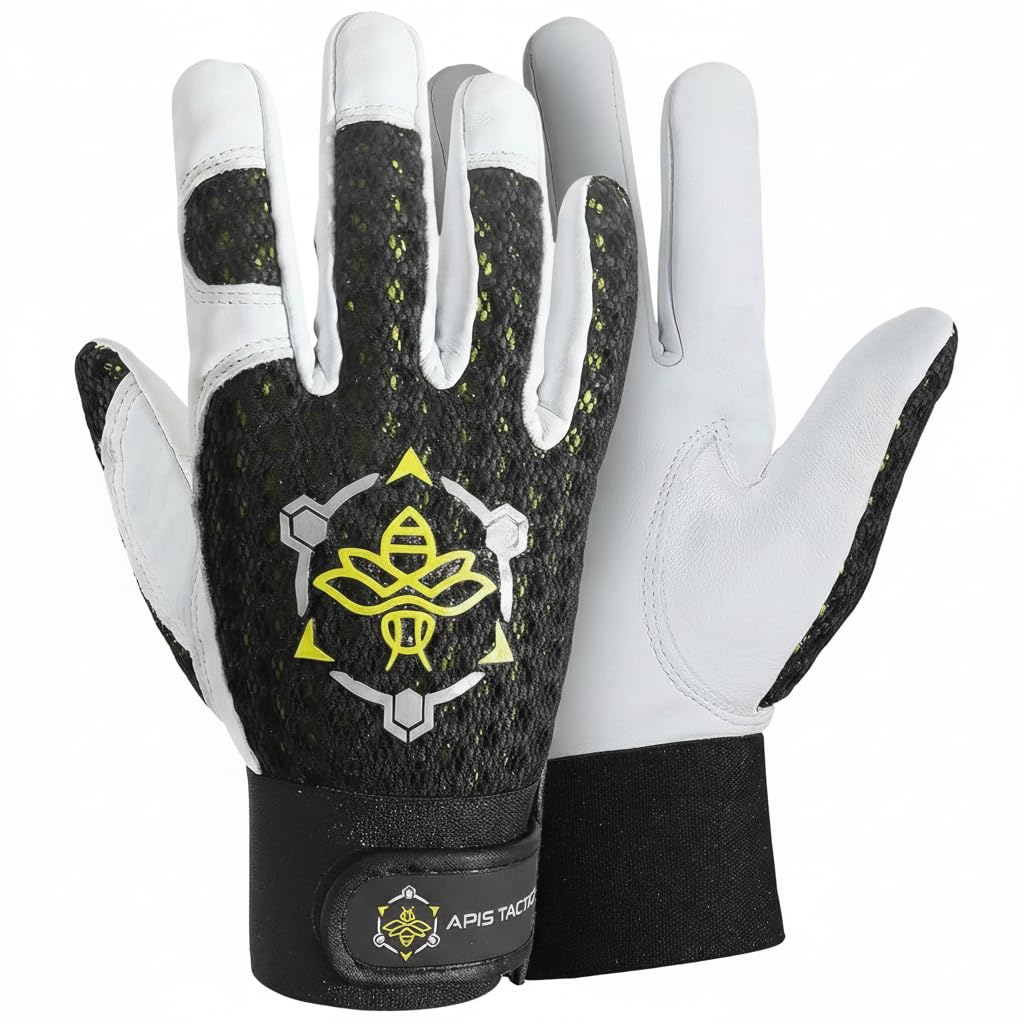
These Apis Tactical gloves solve the problem that plagues most beekeeping gloves: floppy, oversized fingers that make frame handling clumsy. The goatskin is 4mm thick—slightly thinner than cowhide—but the real win is the tailored fit that puts leather precisely where you need it without excess material. The patented ventilation panels keep hands dry during extended wear.
Small-handed beekeepers, especially women, report these as the first gloves that actually fit snugly without gaping at the fingertips. The leather softens after a wash and dry cycle, molding to your hand shape while maintaining sting resistance. Downside: the wrist-length gauntlet means you’ll need to secure them to your suit sleeve with rubber bands or tape to prevent bee entry.
Some users report stings penetrating the thumb seam after months of use, suggesting the 4mm goatskin has limits against repeated or angled strikes. These are best for routine inspections on calm colonies where dexterity matters more than brute-force protection. The glove guide on the product page helps nail the right size.
Why it’s great
- Snug goatskin fit provides excellent dexterity for frame work
- Patented ventilation keeps hands cool during long inspections
- Softens and molds to hand after washing for custom comfort
Good to know
- Wrist-length gauntlet requires extra securing to suit sleeves
- Some stings reported through thumb seam after extended use
4. Professional Beekeeping Gloves, 5mm Goatskin w/Patented Ventilation
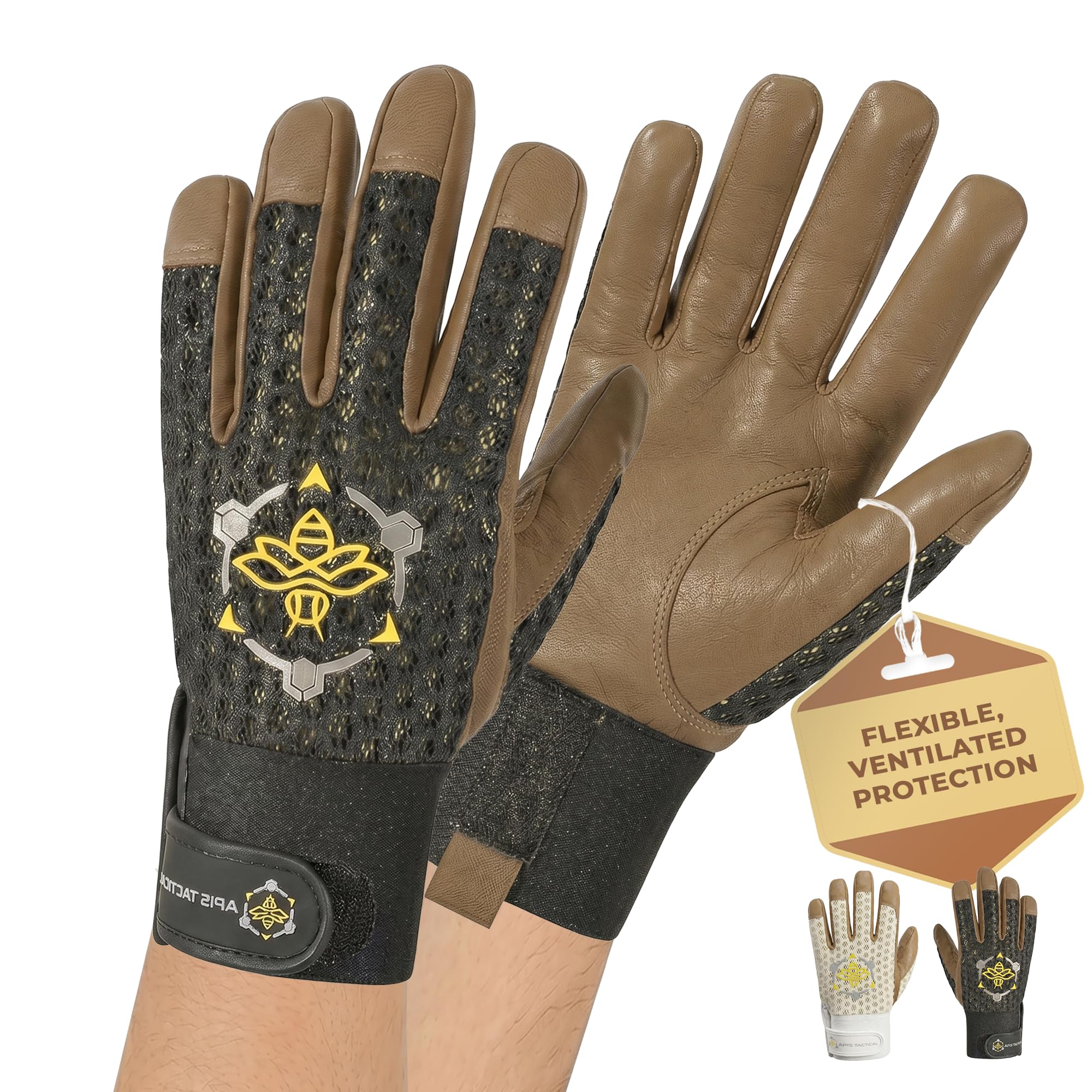
These 5mm goatskin gloves from Apis Tactical split the difference between the dexterity of goatskin and the thickness of cowhide. At 5mm, the leather offers more sting resistance than the standard 4mm goatskin competitors while still breaking in softer than cowhide. The patented ventilation returns here, and the elastic jacket wrist design eliminates the need for rubber bands to seal the gauntlet.
Users with long fingers specifically praise the XL size for accommodating hand shape without leaving the fingertips empty. Sting penetration reports are rare, with most breakthroughs happening only during extremely aggressive hive responses where a bee manages a seam at an unlucky angle. The leather smell is noted as clean and natural, a minor but appreciated detail for sensitive noses.
These gloves hold up for a full season of weekly inspections before showing wear at the fingertips, which is standard for goatskin at this price. The ventilation panels make them viable for 90-degree days, and the elastic wrist seal eliminates the single biggest failure point of budget gloves. A solid choice for the beekeeper who wants one pair that does everything reasonably well.
Why it’s great
- 5mm goatskin thickness offers strong sting resistance with better flexibility than cowhide
- Elastic jacket wrist seals out bees without extra tape or bands
- Patented ventilation prevents sweat buildup in hot conditions
Good to know
- Fingertips may wear thin after one season of heavy use
- Still vulnerable to seam stings during highly defensive hive work
5. Newcotte Beekeeping Gloves Hats Set, 2-Pack Goatskin
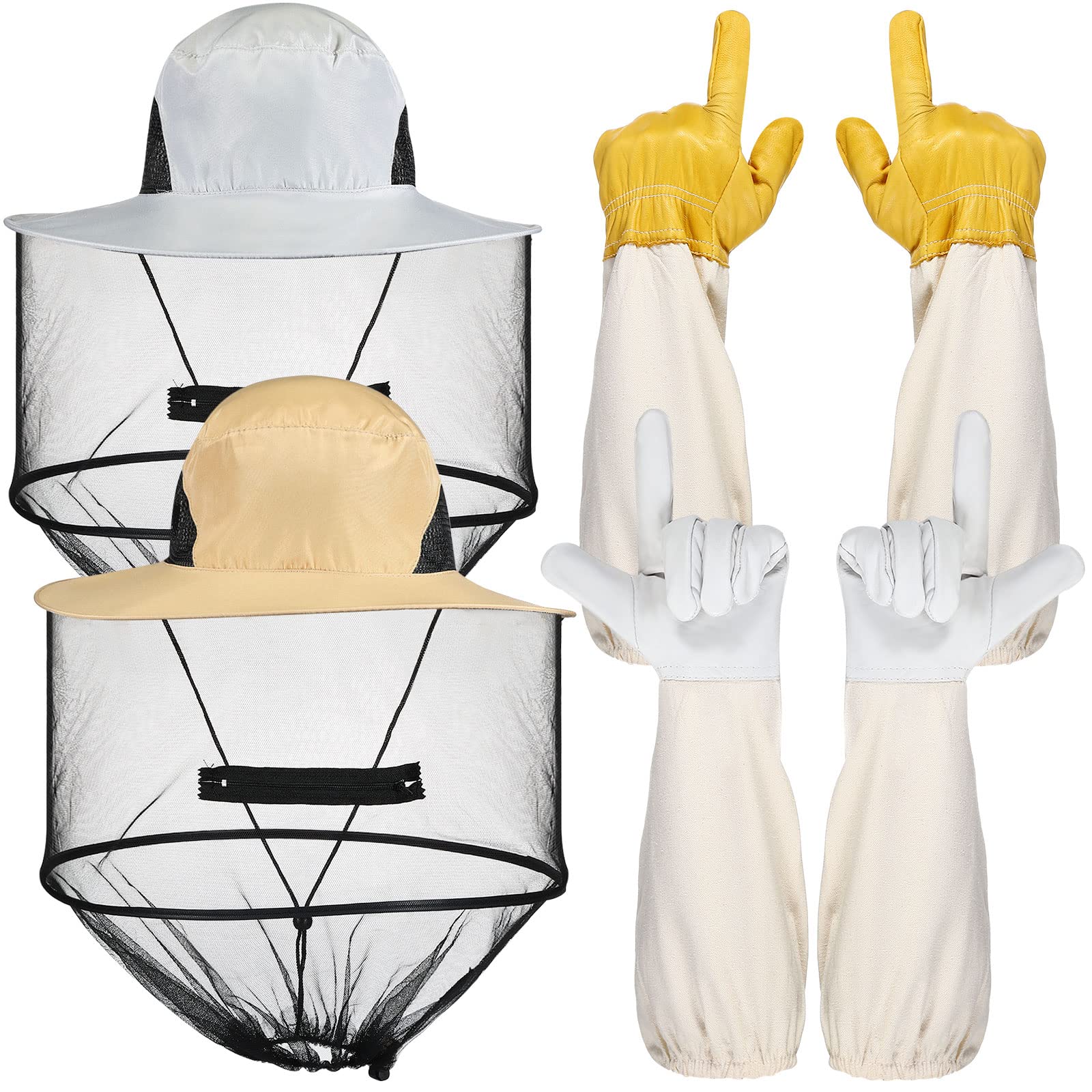
This Newcotte set delivers two pairs of goatskin gloves and two ventilated mesh hats for the price of a single premium glove pair. The goatskin itself is thinner than the 5mm options above, but the canvas sleeve gauntlets extend protection past the elbow. The hat’s full mesh design covers head and neck, and the steel-reinforced brim prevents collapse against aggressive bees.
For beginners or beekeepers managing a small backyard apiary, this kit provides everything needed to start safely without a large upfront investment. The gloves offer good dexterity for their price tier, and the two-pair configuration means you always have a backup when one pair is drying after a sting-juice rinse. The hats include side vents that must be positioned away from the face for full sting protection.
Reviewers successfully removed wasp nests and handled defensive colonies without stings reaching skin, though the thinner goatskin may not hold up as long as premium options under frequent use. The set is also popular for non-beekeeping tasks like gardening or costume use, speaking to its versatility if not its specialist rigor.
Why it’s great
- Two glove pairs and two hats included for outstanding value
- Canvas sleeve gauntlets extend past elbow for solid protection
- Good dexterity for beginners learning frame handling
Good to know
- Goatskin is thinner than premium options, may wear faster
- Hat vents must be positioned carefully to avoid sting exposure
6. Showa Atlas WG772XL 26-Inch Nitrile Coated Gloves

These are not traditional beekeeping gloves—they are 26-inch nitrile-coated work gloves that excel in wet, chemical-heavy environments like pond cleaning, septic work, and reef tank maintenance. The textured nitrile grip provides excellent traction on slippery surfaces, and the cotton lining allows easy slip-on that doesn’t stick to sweaty skin. The length reaches to the shoulder on most adults.
For beekeepers who also manage water features or handle chemical treatments near hives, these gloves serve double duty. The nitrile coating is fully liquid-proof and resists punctures from sharp objects. Multiple reviews report these lasting 10 years of regular use for tasks like koi pond filter changes, with only small holes developing at the fingertips after thousands of wear cycles.
The downside is zero breathability—the nitrile coating traps heat and sweat, making these unsuitable for extended hive inspections in warm weather. The ambidextrous design also means the fit is less precise than dedicated left/right leather gloves. These are a specialized tool for wet applications, not a primary beekeeping glove.
Why it’s great
- 26-inch length provides full arm protection up to the shoulder
- Textured nitrile grip excels on wet, slippery surfaces
- Cotton lining enables easy on/off even when hands are damp
Good to know
- No breathability—hands sweat heavily in warm conditions
- Ambidextrous design lacks the tailored fit of dedicated gloves
7. Atlas 772 26-Inch Nitrile Elbow Length Gloves

The Atlas 772 offers a budget-friendly alternative to the Showa WG772 with the same 26-inch dipped nitrile construction. These are primarily marketed for chemical resistance and wet work, but beekeepers have repurposed them for hive tasks involving water features or when working with hot wax where insulation matters. The elastic in the upper sleeve keeps the glove from sliding down.
The dipped construction eliminates uncomfortable seams along the fingers, and the nitrile provides better dexterity than PVC alternatives in the same price bracket. Reviews note these are surprisingly durable compared to previous budget glove purchases, with no tearing after multiple uses—a common complaint with cheaper arm-length gloves. The snug fit runs true to size, accommodating both men and women.
These are not a substitute for proper beekeeping gloves during standard inspections. The nitrile material will not stop a determined sting from a defensive bee, and the lack of ventilation makes them hot for extended wear. Their strength is in waterproof arm protection for tasks like cleaning skimmers or handling chemical treatments, where leather gloves would be ruined.
Why it’s great
- 26-inch length protects arms during wet, messy tasks
- Seamless dipped construction improves comfort and dexterity
- Elastic sleeve keeps gloves in place during overhead work
Good to know
- Not sting-proof—will not stop a determined bee attack
- Poor breathability leads to sweaty hands in warm weather
FAQ
Do goatskin gloves stop bee stings better than cowhide?
How do I prevent bees from stinging through the glove seams?
Can I wash beekeeping gloves, and how does it affect sting resistance?
Final Thoughts: The Verdict
For most users, the best bee gloves winner is the Humble Bee 111 Cowhide because its 5mm cowhide construction offers the highest sting resistance available while the elbow-length canvas gauntlet seals bees out completely. If you need ventilation for hot weather inspections, grab the Apis Tactical Heavy Duty 5mm Cowhide. And for maximum dexterity during gentle colony checks, nothing beats the tailored fit of the Apis Tactical Premium Goatskin.