
A colony weakened by robbing bees, a mouse squeezing through a too-wide gap, or a sudden cold snap chilling the brood nest — these are the moments when a simple piece of gear makes the difference between a hive that thrives and one that barely survives. The entrance reducer is that piece, and choosing the wrong one can leave your bees exposed or restrict their movement at the worst possible time.
I’m Min — the co-founder and writer behind Gadgets Feed. I’ve spent many hours researching beekeeping equipment, analyzing material durability, dimensional tolerances, and real-world feedback across hundreds of hives to find the reducers that actually perform under the demands of the apiary.
Whether you manage two hives or fifty, finding the right tool for the job is critical. This guide covers the best options for every apiary size and material preference, culminating in a clear verdict on the best beehive entrance reducer for your specific needs.
How To Choose The Best Beehive Entrance Reducer
An entrance reducer is more than a block of material with a notch. It controls airflow, defends against pests, and manages bee traffic. The wrong choice creates stress for the colony or extra work for you.
Material Matters: Wood, Plastic, or Metal
Wood reducers — especially cedar — provide natural insulation and a familiar texture bees readily accept. They are the traditional choice, but they can warp, absorb moisture, and get glued shut by propolis. Plastic sliding reducers are lightweight, adjustable, and easy to clean, but some beekeepers question their insulation value in extreme cold. Stainless steel discs are nearly indestructible and great for nucs or swarm traps, but they are not adjustable and can pinch fingers during installation.
Fixed vs. Adjustable: Which You Need
Fixed wooden reducers offer a few preset openings — typically one or two sizes. They are simple, cheap, and reliable. Adjustable plastic gates let you vary the opening from fully open to completely closed without removing the reducer. This is ideal for seasonal changes: a wide gap in summer, a narrow slit in fall, and full closure during oxalic acid vaporization or extreme cold.
Dimensional Fit: The 10-Frame Standard
The vast majority of Langstroth hives use a standard entrance width of roughly 14.75 inches. A reducer that is even 1/4 inch too short leaves gaps that mice can exploit or robber bees can infiltrate. Measure your bottom board’s entrance groove before buying. Most products listed here target a 14.76-inch length, but some variance exists between manufacturers. Read reviews for fitment notes on specific hive brands.
Quick Comparison
On smaller screens, swipe sideways to see the full table.
| Model | Category | Best For | Key Spec | Amazon |
|---|---|---|---|---|
| Amyhill 10 Pack Wooden | Premium Wood | Multi-hive winter prep | Solid cedar, 10-pack | Amazon |
| BeeCastle Wood | Premium Cedar | Single durable upgrade | Cedar with wax coating | Amazon |
| 6 Pack Sliding Plastic (Red) | Sliding Gate | Adjustable colony access | 14.76 in sliding panel | Amazon |
| 6 Pack Sliding Plastic (Black) | Sliding Gate | Value adjustable set | Food-grade plastic slide | Amazon |
| 12 Pcs Sliding Plastic (Red) | Sliding Gate | Large apiary control | 12-piece adjustable gate | Amazon |
| TOYMIS 5PCS Wooden | Fixed Wood | Budget winter setups | 5-piece, dual notch | Amazon |
| Stainless Steel Disc 10pk | Metal Disc | Swarm traps and nucs | 4.92 in stainless disc | Amazon |
In‑Depth Reviews
1. Amyhill 10 Pack Wooden Entrance Reducer
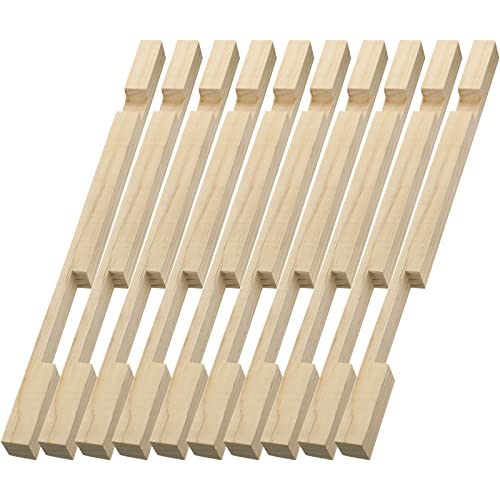
This Amyhill set delivers ten identical wooden reducers sized for a standard 10-frame Langstroth hive, measuring 14.75 inches in length. The material is quality wood that offers a snug, gap-free fit without warping immediately, giving you a reliable barrier against mice and wind. The dual-notch design provides two distinct opening sizes, so you can narrow the entrance for winter warmth or open it slightly for increased ventilation during milder fall days.
Each reducer is 0.75 inches square in cross-section, matching the typical groove depth of most bottom boards. Users report that the fit is tight enough to stay in place without fasteners, though you can easily add a nail if needed. The 10-pack is generous for an apiary of five to ten hives, allowing you to equip every colony and keep spares for replacements after propolis cleanup seasons.
Beekeepers who want to customize their opening sizes find the wood easy to modify with a chisel or table saw. The natural wood surface also accepts beeswax coatings well, though the reducers work fine right out of the package. If you prefer a classic, low-tech solution that fits reliably, this set covers the essentials without introducing moving parts that could jam.
Why it’s great
- Ten-piece set at an excellent per-unit value for multi-hive setups.
- Snug 14.75-inch fit leaves no gaps for robbing bees or mice.
- Standard wood construction is easy to modify for custom openings.
Good to know
- Does not include a beeswax coating; some users prefer to seal it themselves.
- Fixed notches mean you have only two preset entrance sizes to choose from.
2. BeeCastle Cedar Entrance Reducer
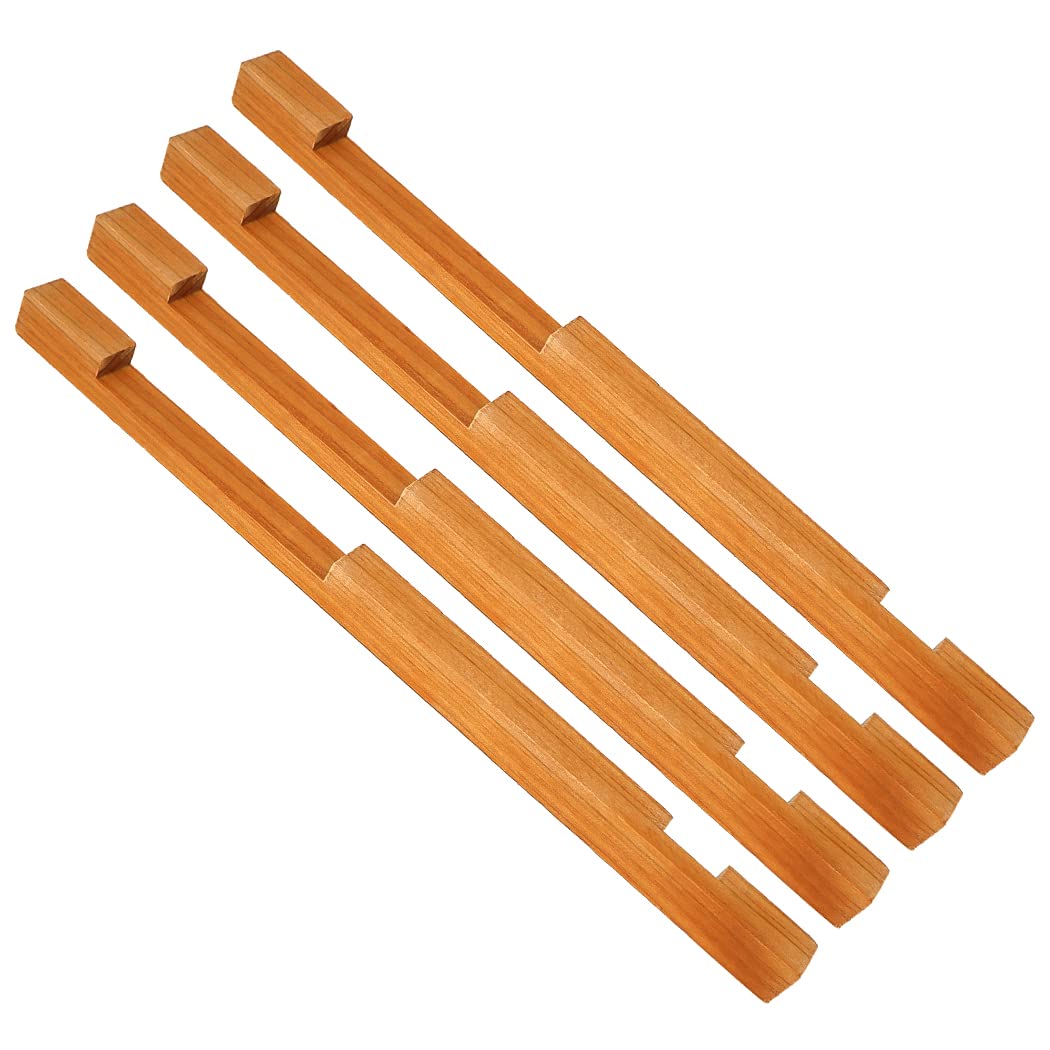
BeeCastle crafts this reducer from cedar — the same wood species used in quality beehive boxes — and applies a light beeswax coating that reduces propolis adhesion and helps the piece slide into the entrance groove. Measuring 14.60 inches long, it is slightly shorter than the Amyhill, but user feedback confirms it fits standard 10-frame Langstroth hives without leaving problematic gaps. The 0.74-inch thickness matches the standard entrance channel.
The wax coating offers two practical advantages: it protects the wood from moisture absorption during wet seasons, and it gives the reducer a familiar scent that bees accept readily. A single reducer is ideal for beekeepers who need one premium piece for a critical hive — such as a nucleus colony that needs extra insulation — rather than a bulk set. The cedar itself is naturally aromatic and rot-resistant, extending the reducer’s life compared to generic pine or fir.
Installation is straightforward: place the reducer in the groove and press it flush. The dual-notch design gives you a small winter opening and a slightly larger spring entrance. Some users have noted the wax coating is light and choose to re-wax it annually for added protection, but most find it performs well for a full season without maintenance.
Why it’s great
- Cedar construction with beeswax coating offers superior moisture resistance.
- Fits snugly in the entrance groove, reducing drafts and robbing access.
- Aromatic wood deters pests and complements the hive environment.
Good to know
- Sold individually, so equipping multiple hives requires multiple orders.
- The wax coating may wear off in high-traffic seasons and need reapplication.
3. 6 Pack Sliding Beehive Entrance Reducer (Red)
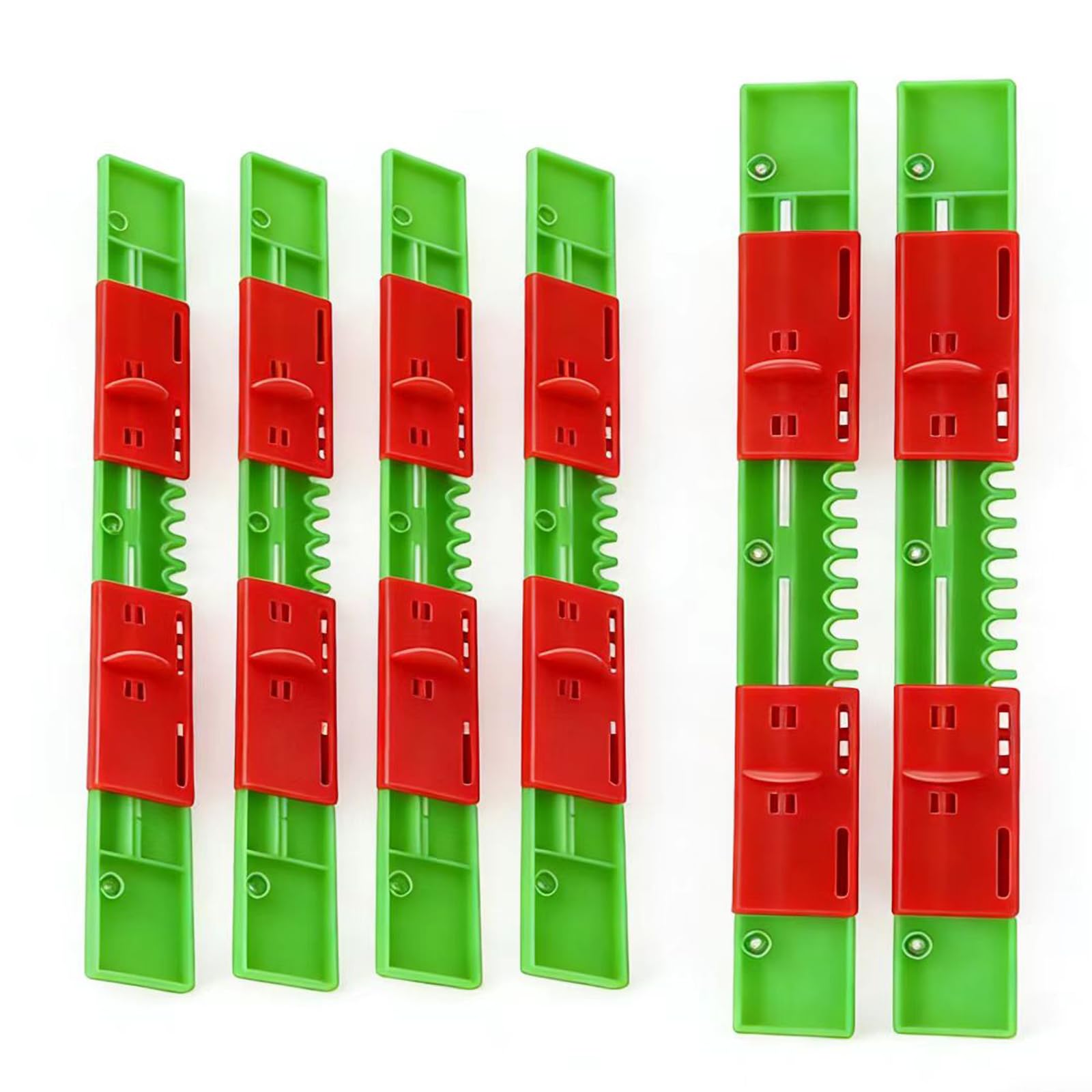
This adjustable sliding reducer from HIMO brings modern convenience to entrance management. The 14.76-inch length matches the 10-frame standard, and the sliding panel glides in a smooth track without jamming — a common failure point on poorly designed plastic gates. You can shift the door from fully open to completely closed, giving you total control over airflow, robbing defense, and access for oxalic acid treatments.
The plastic material is thickened beyond typical commodity reducers, which adds rigidity and prevents warping under summer heat. Each pack includes six units in a mix of colors, allowing you to color-code hives by purpose — for example, red for strong colonies and blue for splits. The lightweight build (13.4 ounces for the six-pack) means shipping and storage are effortless, and the smooth edges prevent injury to bees or your hands during installation.
Users with large apiaries (over 50 hives) report that these reducers hold up well through multiple seasons, and the sliding mechanism remains functional even after exposure to propolis. The only caveat is that you will need to supply your own screws or nails to secure the reducer permanently — a minor trade-off for the adjustable flexibility this design provides.
Why it’s great
- Fully adjustable sliding gate lets you fine-tune entrance width in seconds.
- Thickened plastic resists warping and maintains a smooth slide action.
- Six-pack with color options helps organize hives at a glance.
Good to know
- Plastic construction offers less insulative value than wood in extreme cold.
- Requires separate screws for secure mounting on the bottom board.
4. 6 Pack Sliding Beehive Entrance Gate (Black)

This HIMO six-pack shares the same sliding mechanism as the red version but uses food-grade plastic that is BPA-free and safe for bees. The 14.76-inch length fits standard 10-frame hives, and the 1.57-inch height covers the full entrance opening. The sliding panel moves left and right within a reinforced track that stays aligned even after repeated adjustments throughout the season.
Beyond adjustable access, this reducer doubles as a mouse guard when fully closed, since the plastic is tough enough to resist rodent gnawing. Users note that the sliding feature works well even when propolis builds up along the track — a quick scrape with a hive tool restores smooth operation. The black color absorbs heat slightly, which can be a benefit in early spring to warm the entrance area.
Installation requires drilling pilot holes and screwing the reducer to the bottom board. Some users have added 3/8-inch holes to the slider for drone clearance, a clever modification that lets drones exit while restricting larger pests. The lightweight design (12.8 ounces for six) and compact packaging make this an excellent spare to keep in your bee truck or shed for emergency splits.
Why it’s great
- Food-grade plastic ensures no chemical leaching near the hive entrance.
- Sliding gate provides seamless transition from full open to fully closed.
- Doubles as a mouse guard when the entrance is completely sealed.
Good to know
- Black color can absorb more solar heat, which may be undesirable in hot climates.
- Some users need to add drone escape holes for optimal colony management.
5. 12 Pcs Sliding Entrance Reducer (Red)
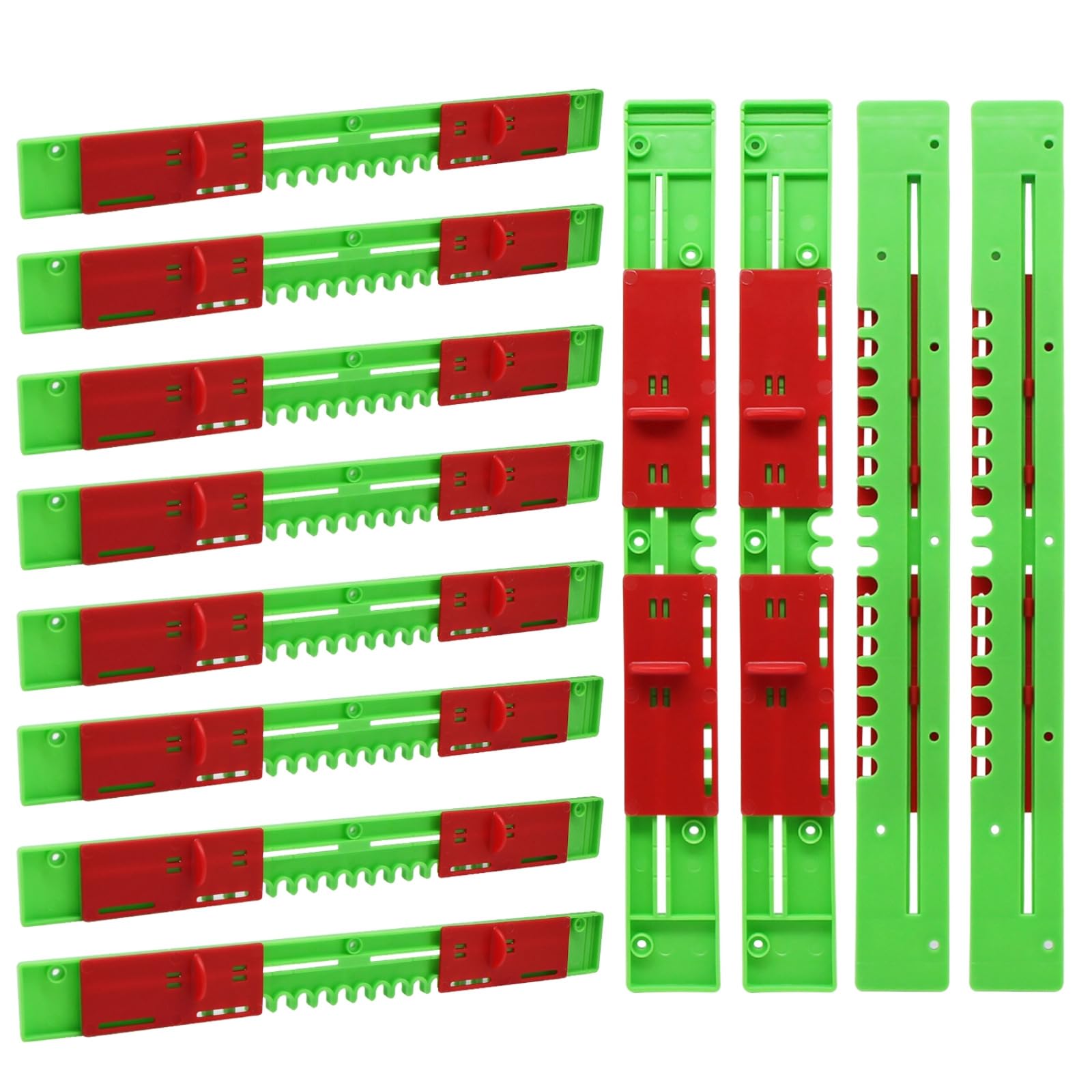
This 12-piece set from WTETMYL is built for the beekeeper managing a significant number of colonies. Each reducer measures 14.76 by 1.57 inches and uses the same sliding panel system found on the six-packs, giving you consistent control across every hive in the yard. The food-grade plastic is corrosion-resistant and maintains its shape through freeze-thaw cycles, a critical trait for overwintering reducers that stay in place for months.
The red color remains highly visible against the wood of the hive, making it easy to spot check entrance settings from a distance. The sliding door moves smoothly out of the box, though a thin film of propolis may develop over time. Users report that a quick scrape restores full range of motion. The ability to close the entrance completely is a major advantage for administering oxalic acid vaporization treatments, as it keeps the fumes concentrated inside the hive.
One user noted that fit can vary slightly between hive brands, with gaps of up to 1/4 inch on some boxes. Using three screws to mount the reducer flush against the bottom board effectively eliminates these gaps. The 12-pack bundles enough units for a dozen hives, making this the most efficient option for standardizing entrance management across a medium-to-large apiary.
Why it’s great
- Twelve reducers in one package for consistent management at scale.
- Full closure capability supports OA vaporization and extreme cold protection.
- Durable plastic resists corrosion and maintains shape through seasons.
Good to know
- Fit may require adjustment with shims or extra screws on some hive brands.
- Plastic does not provide the same thermal insulation as a wooden reducer.
6. TOYMIS 5PCS Wooden Entrance Reducer
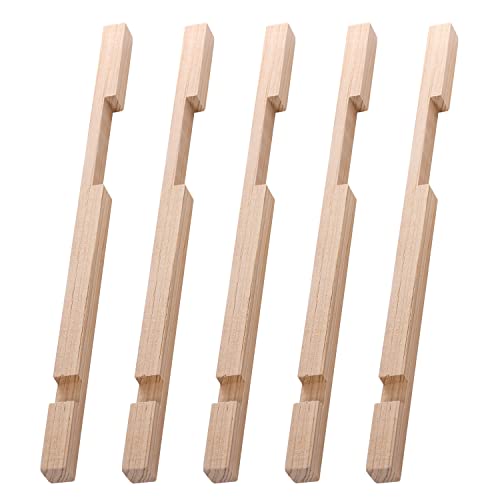
TOYMIS offers five simple wooden reducers designed for 10-frame Langstroth hives. Each piece measures 14.76 inches long and features two notches for different entrance sizes. The wood is sanded smooth with no burrs, reducing the risk of damaging bees’ wings during entry and exit. The 0.75-inch thickness fits standard grooves without modification.
These reducers are no-frills — no coating, no fasteners included, just solid wood blocks with two carved openings. That simplicity is actually a strength for beekeepers who want to customize their reducers with a table saw or chisel. Several users have modified the openings to accommodate entrance feeders or create custom drone escape routes, finding the wood easy to cut without splitting.
The five-piece count is appropriate for a small backyard apiary of two to three hives, giving you extras for swapping during cleaning. The wood is not cedar, so it will absorb moisture more readily than premium options, but a quick dip in beeswax or paint extends the life significantly. For the price, this is the most economical way to equip multiple hives with functional wooden reducers.
Why it’s great
- Five reducers in one package at an entry-level cost per unit.
- Smooth sanded surface prevents injury to bee wings at the entrance.
- Easy to modify with basic woodworking tools for custom openings.
Good to know
- No weatherproof coating — may require sealing for long-term outdoor use.
- Not cedar, so moisture resistance is lower than premium wood options.
7. Stainless Steel Bee Hive Entrance Disc (10pk)
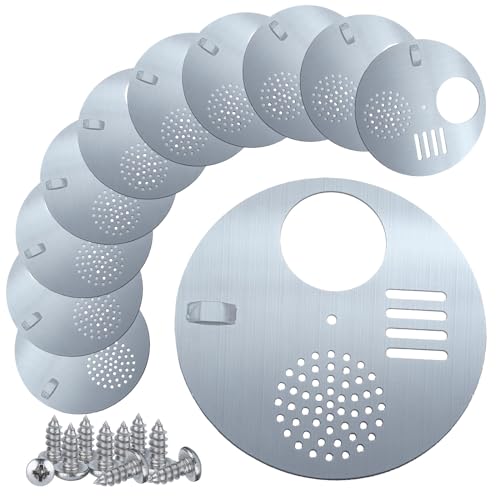
These 4.92-inch diameter stainless steel discs serve a different purpose from the long reducers used on standard Langstroth entrances. They are designed for nuc boxes, swarm traps, top bar hives, and mating hives where a circular entrance is preferable. The 201-grade stainless steel resists rust and holds up to years of exposure to rain, sun, and hive tool scrapes.
The disc rotates on a center screw, allowing you to open or close the entrance by turning the outer ring. When fully closed, it seals the hive completely — ideal for transporting nucs or preventing robbing in weak colonies. The beveled edges are smooth, though one user cautions that over-tightening the center screw can pinch fingers. Installation is simple: drill a pilot hole and drive the provided screw through the center hole into the hive body.
Each pack contains ten discs, suitable for a whole season of trapping or multiple nuc yards. The stainless construction is acid-proof and alkali-proof, meaning it withstands the propolis cleanup process without corroding. The larger 4.92-inch diameter gives bees ample space to enter and exit compared to smaller discs, reducing congestion at peak foraging times.
Why it’s great
- Stainless steel is nearly indestructible and rust-proof for outdoor use.
- Rotating disc provides quick open/close control for nucs and traps.
- Ten-pack covers extensive nuc yard and swarm trapping needs.
Good to know
- Not compatible with standard Langstroth rectangular entrance grooves.
- Can pinch fingers if the center screw is overtightened during installation.
FAQ
What size entrance reducer do I need for a 10-frame Langstroth hive?
Can I leave an entrance reducer on all year round?
Will a plastic sliding reducer keep mice out of my hive?
Final Thoughts: The Verdict
For most users, the best beehive entrance reducer winner is the Amyhill 10 Pack Wooden Reducer because it combines quality wood construction, a precise 14.75-inch fit, and a generous ten-piece count at an excellent value. If you want the flexibility of a fully adjustable gate, grab the 6 Pack Sliding Reducer. And for swarm traps and nucs, nothing beats the Stainless Steel Discs.