
Begonias offer some of the most dramatic foliage in the indoor plant world, from polka-dotted angel wings to furry, dark leaves that seem to absorb light. But the challenge is finding a specimen that arrives healthy and continues to thrive in your specific home environment, rather than succumbing to shipping stress or common care mistakes.
I’m Min — the co-founder and writer behind Gadgets Feed. This guide is built on hundreds of hours spent analyzing grower reputations, reading through shipping and care outcomes, and comparing the actual condition of plants right out of the box across dozens of Begonia varieties.
After reviewing the top contenders, I’ve narrowed the field to the seven live plants that consistently deliver on health, packaging, and variety. This is the definitive guide to finding the best begonia house plants for your home, whether you crave rare spotted foliage or tough shade-tolerant blooms.
How To Choose The Best Begonia House Plants
Begonias are not a monolith — cane-type varieties like the Maculata grow tall with bamboo-like stems, while rhizomatous types like the Rex spread horizontally from a creeping rootstock. Knowing which growth habit fits your space is the first filter. Then you must evaluate the nursery’s packaging reputation, because a Begonia’s fleshy stems and large leaves are among the most vulnerable to shipping damage in the entire houseplant category.
Foliage Pattern and Color Stability
Variegated Begonias like the Maculata ‘Wightii’ produce their signature silver spots only under sufficient indirect light. If your home has low-light corners, a dark-leaf wax Begonia or a Strawberry Begonia will hold its color better than a high-contrast polka-dot variety that may revert to solid green. Check the product description for whether the plant was grown under greenhouse lighting — a sudden shift to dimmer home conditions can cause leaf drop.
Shipping Condition and Acclimation
The single biggest variable in live Begonia satisfaction is how the plant was packed for transit. Look for sellers who use insulated boxes, moisture-retaining soil wraps, and heat packs for cold-weather shipping. Customer reviews that mention “leaves intact” or “soil still damp after a week in transit” are strong signals. Avoid sellers with recurring reports of crushed stems or soggy soil, which often indicate root rot during shipping.
Moisture and Humidity Requirements
Cane Begonias need consistently moist but well-draining soil and benefit from humidity levels above 50 percent. Rex and rhizomatous Begonias are more forgiving of occasional drying but will crisp at the leaf edges in dry air. If you cannot provide a humidifier or pebble tray, choose a wax or Strawberry Begonia, which tolerate average household humidity far better than the fussier angel-wing types.
Quick Comparison
On smaller screens, swipe sideways to see the full table.
| Model | Category | Best For | Key Spec | Amazon |
|---|---|---|---|---|
| Begonia maculata ‘Wightii’ | Angel Wing | Rare spotted foliage display | 28-inch mature height | Amazon |
| Strawberry Begonia (BubbleBlooms) | Creeping | Low-maintenance trailing plant | Year-round blooming potential | Amazon |
| Begonia Maculata (California Tropicals) | Angel Wing | Compact polka-dot Begonia for desks | 4-inch rooted pot size | Amazon |
| Strawberry Begonia (Winter Greenhouse) | Creeping | Propagation via runners | 3-inch pot with starter runners | Amazon |
| Dark Leaf Assorted Begonia (4-Pack) | Wax | Outdoor shade garden color | 4 plants, 8–12 inch mounds | Amazon |
| Lemon Lime Maranta | Prayer Plant | Low-light trailing foliage | 6-inch pot, 9-inch height | Amazon |
| Stromanthe Triostar | Prayer Plant | Pink-and-green variegated drama | 12–16 inch tall, 4-inch pot | Amazon |
In‑Depth Reviews
1. Begonia maculata ‘Wightii’ (Winter Greenhouse)
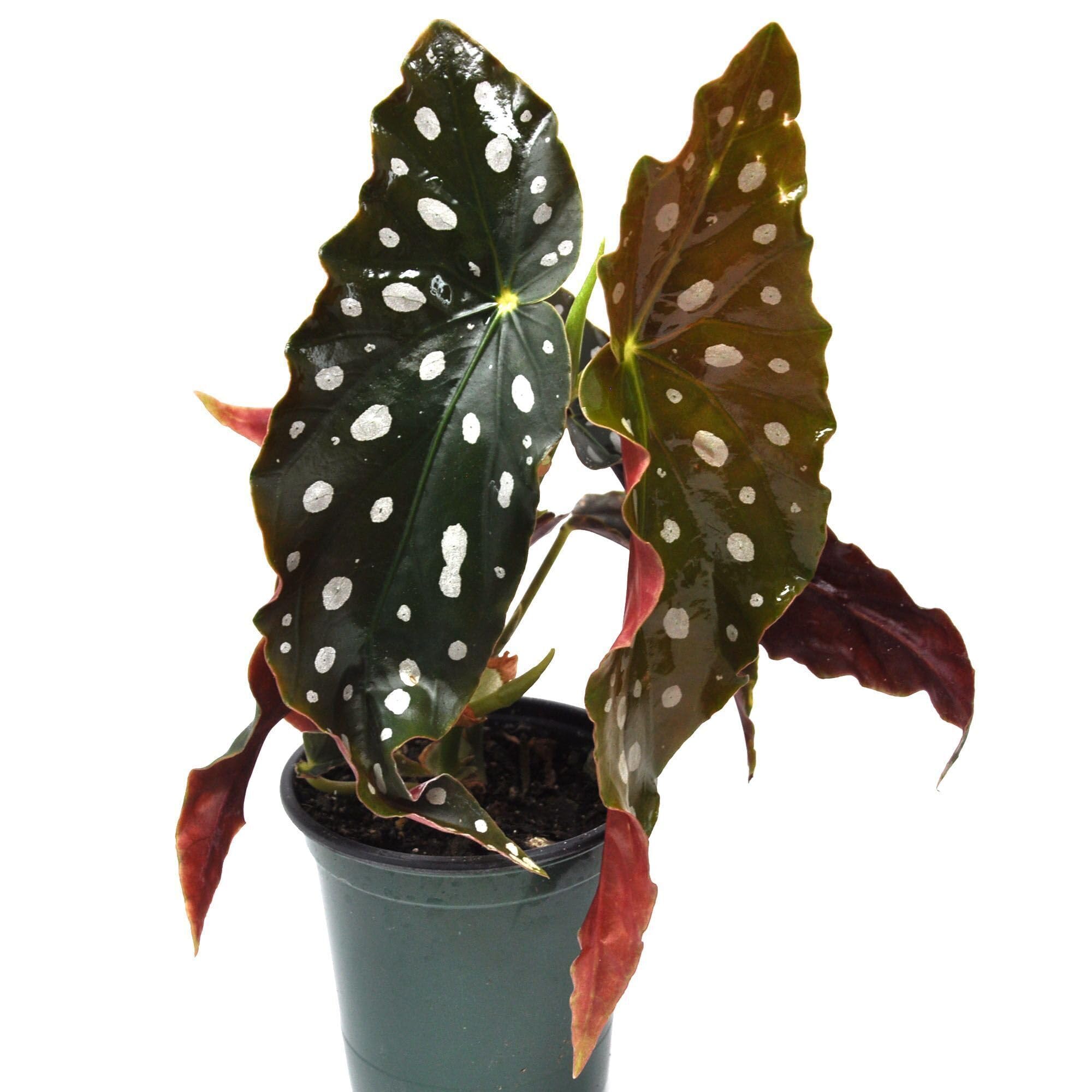
The Begonia maculata ‘Wightii’ from Winter Greenhouse is the benchmark for what a mail-order cane Begonia should be. Customer reviews consistently mention arrival with roughly eight intact leaves, new growth already pushing from the stems, and a pot size that matches the listing without bait-and-switch scaling. The silver polka dots on dark olive leaves with burgundy undersides are exactly as dramatic as the photos suggest, and the plant is shipped in biodegradable cushioning materials that prevent the soil shift that often breaks stems.
Care instructions are included and specific: keep the soil moist but never allow the leaves to get wet, avoid cool drafts, and fertilize every two weeks during the growing season. Multiple reviewers note that the plant is “larger than expected” and that the packaging from their Wisconsin greenhouse included a heat pad during cold months — a detail that matters for anyone ordering outside of spring. The mature height of 28 inches also means this plant will grow into a substantial statement piece rather than stay as a tabletop curiosity.
The only consistency concern is that the plant is a slow starter if placed in low light — the spots may fade and leaf production stalls. But for buyers who can offer bright indirect light and stable warmth, this is the most rewarding Begonia in the lineup. The seller’s 40-year track record and the overwhelming five-star consensus on plant health make this the safest premium bet.
Why it’s great
- Rare spotted angel-wing foliage arrives true to listing photos
- Heat packs and protective packaging for cold-weather shipping
- Detailed care instructions prevent beginner overwatering
Good to know
- Requires bright indirect light to maintain spot contrast
- Leaves are sensitive to water droplets and direct misting
2. Strawberry Begonia (BubbleBlooms)

The BubbleBlooms Strawberry Begonia is technically a Saxifraga, not a true Begonia, but its common name earns it a spot here for buyers who want the trailing, runner-producing look of a Begonia without the humidity fuss. Customers report that after 10 days in a box the soil was still slightly moist and every leaf arrived undamaged — a testament to the seller’s packaging quality. The plant has established itself well for reviewers who repotted it, with some noting it was still thriving a full year later.
What sets this apart from the Winter Greenhouse Strawberry Begonia is the pot size — this one ships in a 4-inch nursery container versus a 3-inch, giving the root system more immediate room. The care instructions recommend little to no watering initially, which helps prevent the root rot that kills many first-time Begonia owners who water on arrival. The runners (stolons) appear quickly under bright indirect light, allowing easy propagation.
The seven-day warranty from BubbleBlooms is shorter than some competitors, but the combination of healthy arrival rates and the plant’s inherent hardiness makes this a low-risk purchase. This is the ideal choice for someone who wants the aesthetic of a trailing Begonia but lacks the high humidity that cane types demand.
Why it’s great
- Very forgiving of average indoor humidity and sporadic watering
- Excellent packaging prevents soil spillage and stem breakage
- Produces runners quickly for easy propagation
Good to know
- Not a true Begonia, so growth habit differs from cane types
- Short 7-day warranty period
3. Begonia Maculata (California Tropicals)
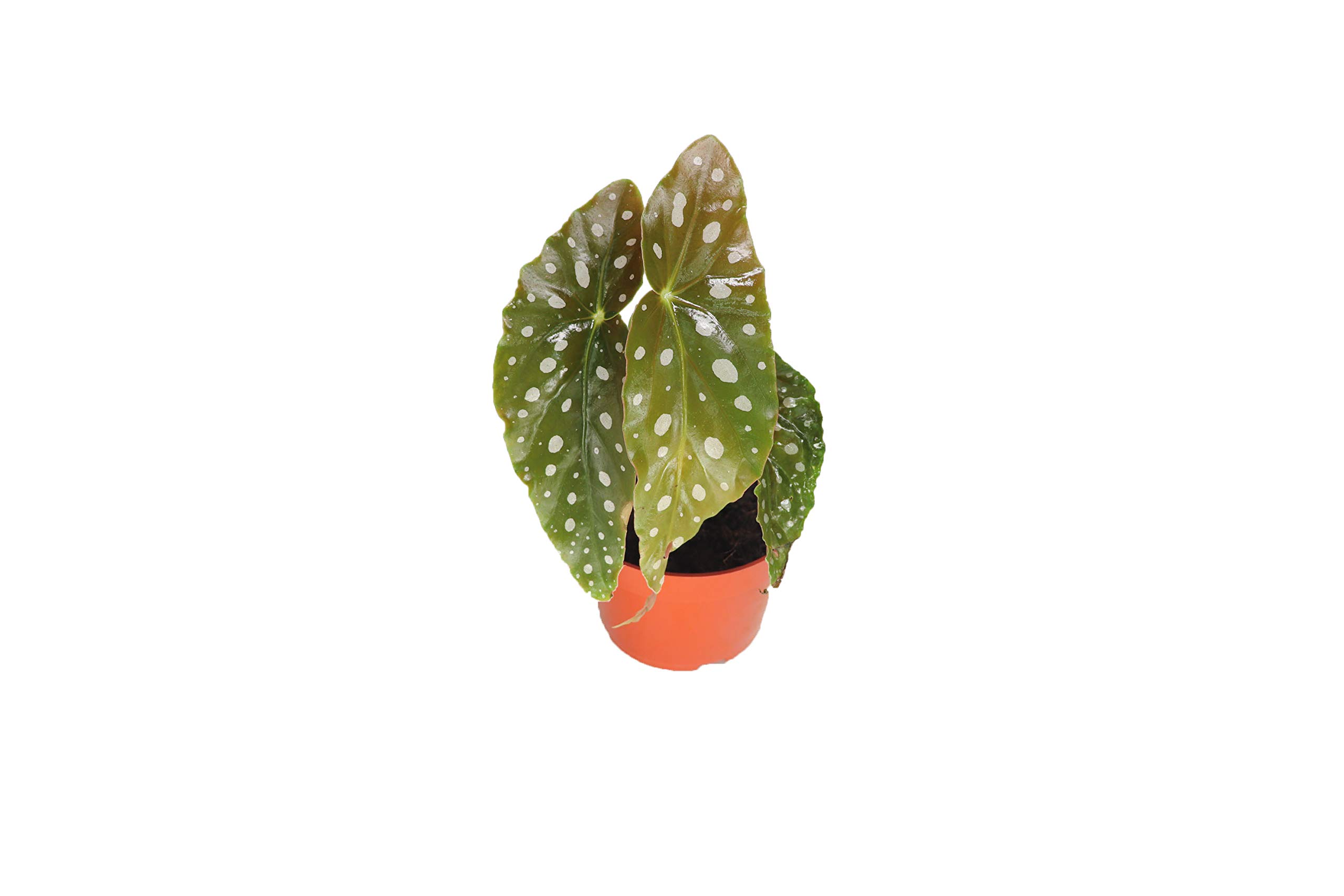
California Tropicals offers a more budget-friendly entry into the Begonia Maculata world, shipping a fully rooted plant in a 4-inch pot. Customers who received healthy specimens report the plant was 6 inches or taller at arrival, with leaves that showed no signs of travel stress. The seller packages carefully, and several repeat buyers note that their plants thrived after a few weeks, putting out new leaves and maintaining the signature silver-spotted pattern.
The trade-off is consistency. A minority of reviews describe receiving plants with only 4 leaves, some with browning tips, or stems that dropped leaves after repotting. One negative review involved a misidentified plant — a Fuchsia Begonia sent instead of a Maculata — which required Amazon intervention for resolution. This variability means the Maculata from California Tropicals is a good value for experienced growers who can rehab a stressed plant, but it may disappoint beginners expecting a perfect specimen out of the box.
The USDA hardiness rating of Zone 3 is unusually low for a Begonia, suggesting this plant was grown in a cooler climate and may be more adaptable to temperature swings than greenhouse-grown alternatives. It also lists full sun to partial shade tolerance, which is broader than most cane Begonias. For the price, this is a capable plant — just temper expectations on initial presentation.
Why it’s great
- Fully rooted in a 4-inch pot at a competitive price point
- Broader light tolerance than typical cane Begonias
- Fast shipping with good packaging from repeat buyer accounts
Good to know
- Inconsistent size and leaf count on arrival
- Some reports of incorrect plant variety shipped
4. Strawberry Begonia (Winter Greenhouse)
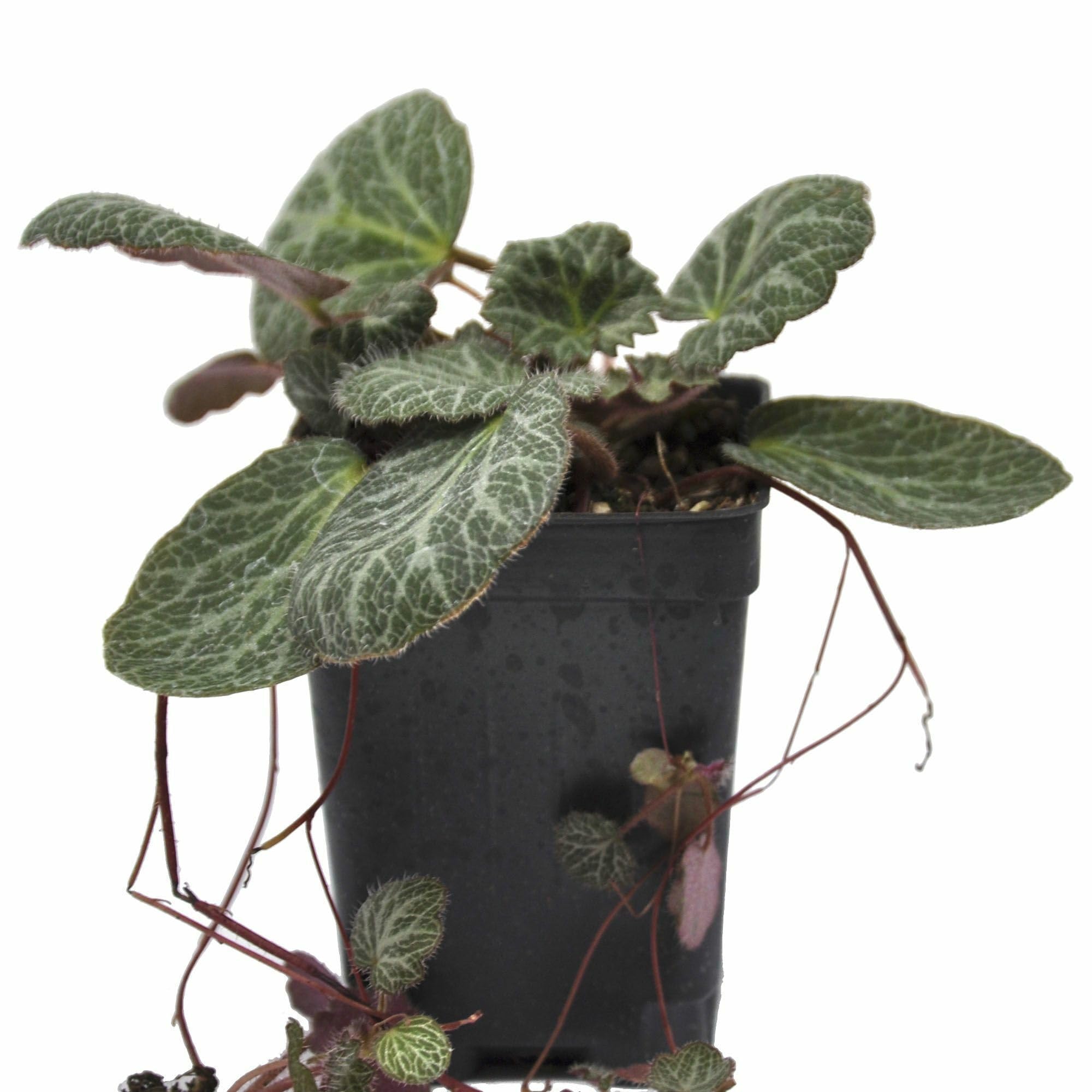
Winter Greenhouse’s Strawberry Begonia is slightly smaller in pot size than the BubbleBlooms version, shipping in a 3-inch container, but it compensates with a higher likelihood of arriving with active runners already in development. Buyers specifically mention receiving plants with “lots of runners” and “already several offshoots,” making this the best choice for anyone looking to multiply their collection from day one. The plant is described as “growing like crazy” within weeks of arrival, with strong green leaves and a healthy root system.
The packaging from this Wisconsin-based nursery is a standout feature: hard plastic containers prevent soil spillage, and the plant itself is grown using compostable, biodegradable materials. Multiple customers mention that the plant survived long-distance shipping from Wisconsin to the East Coast with no damage, which speaks to the robustness of both the plant and the packing method. The care instructions recommend moist, well-drained soil with monthly feeding, and caution against getting water on the leaves — standard Strawberry Begonia care that is easy to follow.
The only limitation is the 3-inch starting pot, which means you will need to repot sooner than with the 4-inch alternatives. But for growers who prioritize propagation potential and want a nursery with a proven 40-year track record, this is the superior Strawberry Begonia option. The air purification claim in the listing is a nice bonus, though not scientifically rigorous.
Why it’s great
- Arrives with active runners for immediate propagation
- Hard plastic packaging prevents transit damage
- 40-year family-run nursery with reliable plant health
Good to know
- Smaller 3-inch pot requires earlier repotting
- Not a true Begonia, different care than cane types
5. Dark Leaf Assorted Begonia (4-Pack, The Three Company)
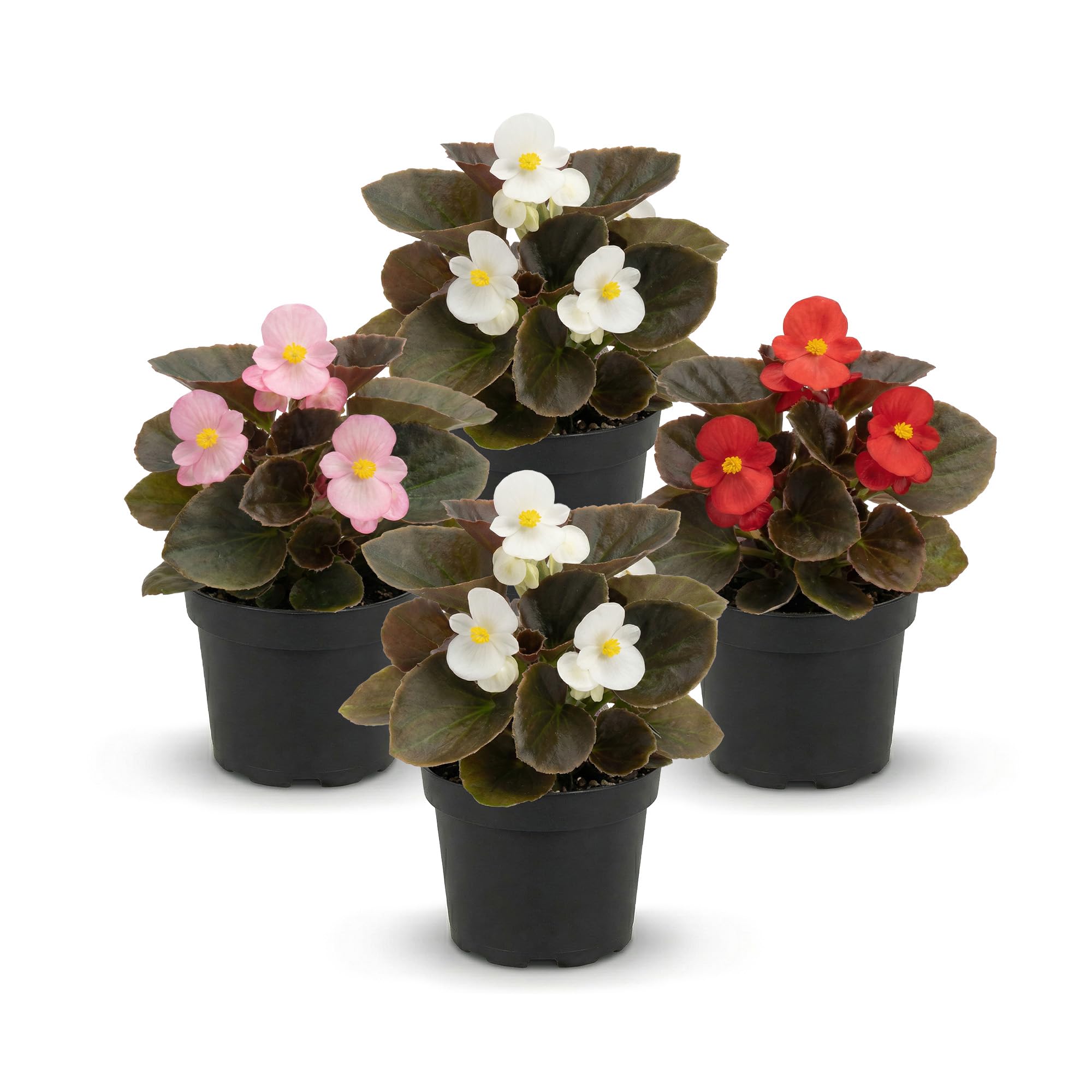
This 4-pack of dark-leaf wax Begonias from The Three Company is the only entry specifically aimed at outdoor shade gardens rather than indoor display. The assorted mix includes red, pink, and white blooms paired with deep burgundy foliage, forming tidy mounds of 8 to 12 inches. For anyone looking to fill a shaded bed or container with consistent seasonal color, this pack delivers strong visual impact at a low per-plant cost.
Reviews are mixed when it comes to arrival condition — some customers report plants that arrived crushed or soggy from the shipping process, while others found their plants growing well after a short recovery period. The key differentiator here is that wax Begonias are far more resilient than cane or rhizomatous types, so even a plant that looks rough on arrival often recovers within two weeks if planted promptly in well-drained soil. Customers who gave a lower rating noted that the plants had no flowers on arrival, which is expected for young starts but may disappoint buyers expecting an instant bloom display.
These are grown in 1-pint pots and shipped fresh from the greenhouse, meaning they have not been sitting on a retail shelf. The primary use case is outdoor partial-to-full shade, where the dark foliage provides a foil for the bright flowers. Indoor growers should look elsewhere — this pack is for garden beds and porch containers.
Why it’s great
- Four plants at a bundled price ideal for shade garden coverage
- Dark foliage and mixed blooms create high visual contrast
- Wax Begonias are more resilient than other types
Good to know
- Shipping can cause crushed stems or soggy soil
- Plants arrive without blooms; may take weeks to flower
6. Lemon Lime Maranta (The Tropical Treasure)
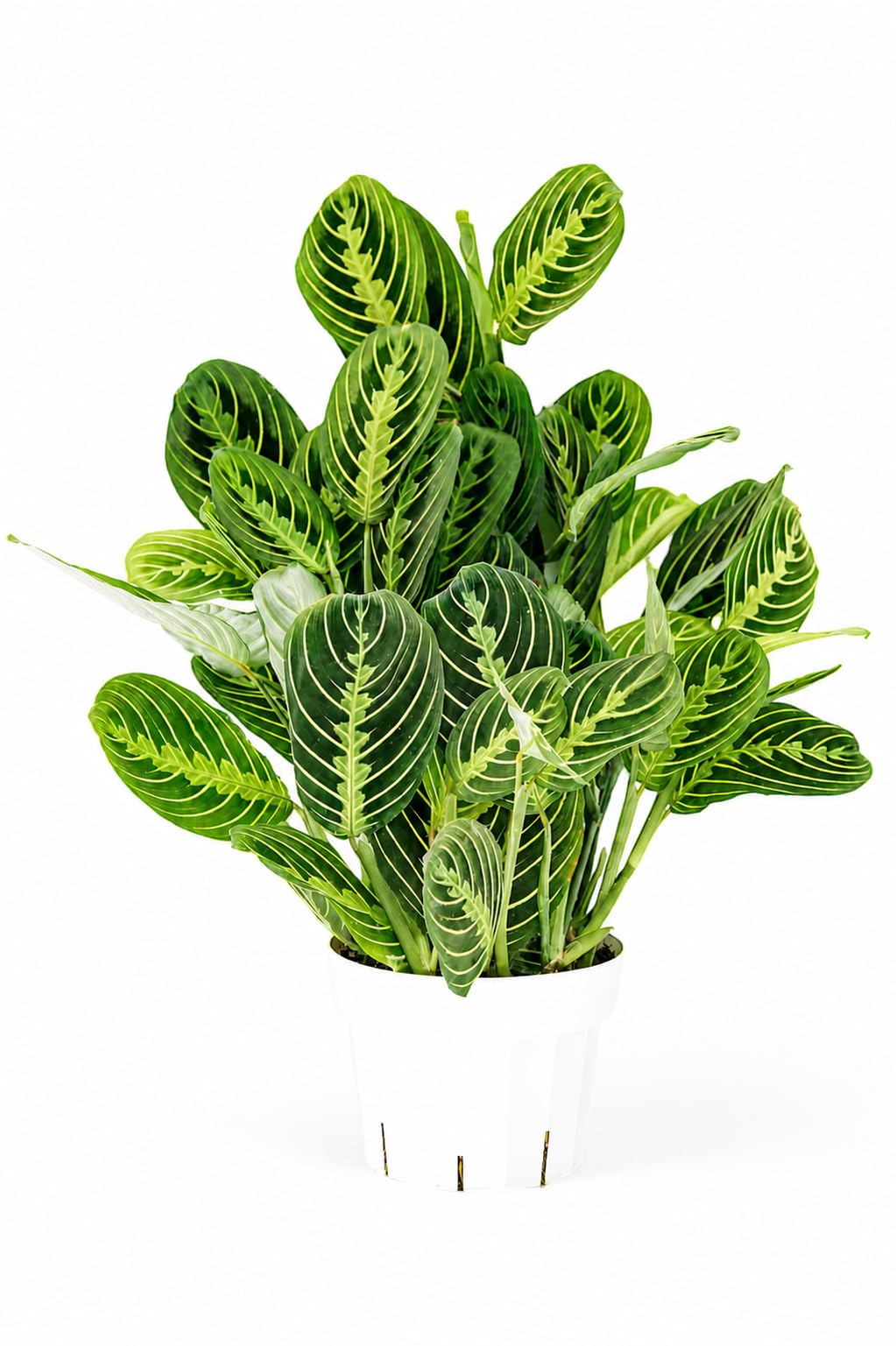
The Lemon Lime Maranta, often called a Prayer Plant, is not a Begonia, but it occupies the same aesthetic niche as many trailing Begonias — vivid leaf patterns, low-light tolerance, and a compact trailing habit that works beautifully on shelves or in hanging baskets. This particular listing from The Tropical Treasure ships in a generous 6-inch pot, which is larger than most live-plant offers at this price tier. Customers consistently describe the plant as “full” with “lots of trailing vines” upon arrival, which is a strong signal that the nursery prioritizes well-established root systems over quick turnaround.
The leaf pattern is genuinely striking — bright lemon-lime striping against a darker green background, with leaves that fold up at night in the signature “prayer plant” movement. Multiple reviewers mention that the plant arrived healthy despite being delivered in hot conditions or to mail lockers, which speaks to the resilience of the variety when well-packaged. The seller includes no dedicated care sheet, which one reviewer noted, so beginners should research Maranta care separately — it needs moderate watering and humidity above 40 percent.
The trade-off for the large pot and full plant is that every leaf is not perfectly pristine — some natural wear is expected on a plant this size. But for someone who wants dramatic foliage movement and trailing volume without the humidity demands of a strict Begonia, this is a compelling alternative. It also purports air purification, though that benefit is marginal in a single plant.
Why it’s great
- Large 6-inch pot with full, trailing growth on arrival
- Foliage folds up at night for dynamic visual interest
- Tolerates lower humidity better than most Begonias
Good to know
- No care instructions included in the box
- Some natural leaf wear on larger plants
7. Stromanthe Triostar (Hopewind Plants Shop)
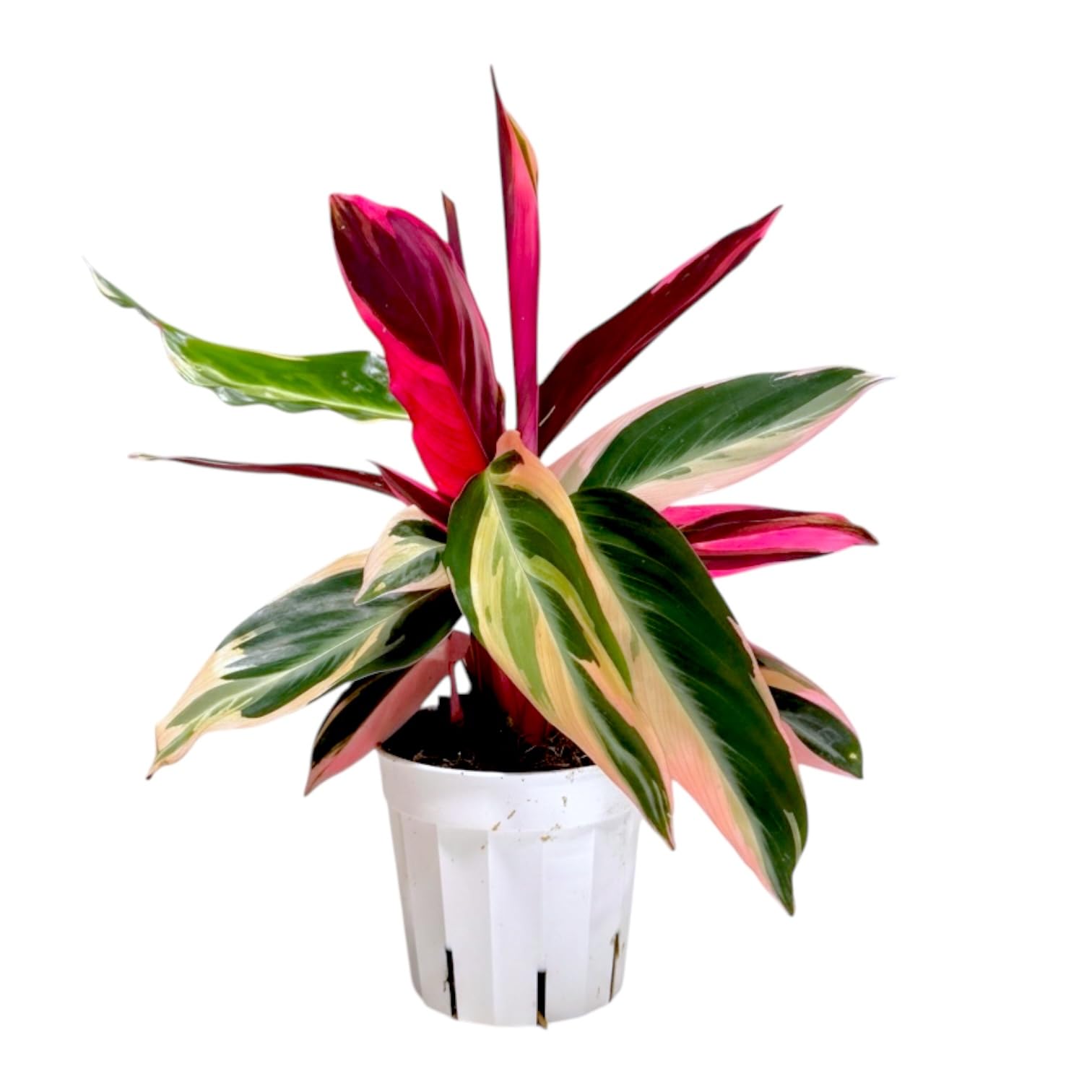
The Stromanthe Triostar is a close relative of the Prayer Plant, prized for its tricolor leaves of green, pink, and cream. Hopewind Plants Shop ships this plant in a 4-inch pot at a height of 12 to 16 inches, which is a solid size for immediate display. Customer reviews overwhelmingly praise the packaging quality — the plant arrived “beautifully packaged” with moist soil and intact leaves, even when the postal service mishandled the delivery. The triostar coloring is vibrant in bright indirect light, with the pink becoming more pronounced under higher light levels.
The critical care detail that every buyer must know before purchasing: this plant absolutely needs high humidity. Multiple reviewers who initially struggled learned that a humidifier or grouping with other plants is necessary to prevent leaf browning and crisping. The seller’s care instructions cover sunlight and watering intervals, but do not emphasize the humidity requirement strongly enough for beginners. This is not a plant for dry, air-conditioned apartments unless you are prepared to supplement moisture.
At this price point, the Triostar offers dramatic variegation that rivals much more expensive Calatheas. It is a strong choice for collectors who already understand humidity management, but a risky one for newcomers. The seller’s return policy is customer-friendly — no need to return the plant if you are dissatisfied, which reduces the risk somewhat. Buy a humidifier alongside this plant, not after the edges brown.
Why it’s great
- Stunning tricolor pink, green, and cream variegation
- Well-packaged with strong arrival condition reports
- No-return policy for dissatisfied customers
Good to know
- Requires high humidity; leaf crisping without a humidifier
- Care instructions lack emphasis on humidity needs
FAQ
Why do my Begonia leaves have brown edges?
Can I grow Begonia Maculata in low light?
How do I propagate my Strawberry Begonia runners?
Should I repot my Begonia immediately after arrival?
Final Thoughts: The Verdict
For most users, the best begonia house plants winner is the Begonia maculata ‘Wightii’ from Winter Greenhouse because it delivers the most dramatic spotted foliage, reliable packaging with heat packs, and a mature 28-inch height that rewards patient care. If you want the easiest, most forgiving trailing option, grab the Strawberry Begonia from BubbleBlooms. And for filling a shaded outdoor garden with four plants at a bundled cost, nothing beats the Dark Leaf Assorted 4-Pack from The Three Company.