
Our readers keep the lights on and my morning glass full of iced black tea. As an Amazon Associate, I earn from qualifying purchases.
Specs are compiled from manufacturer listings and verified buyer reviews and can change over time — please confirm the key details on the product page before buying.
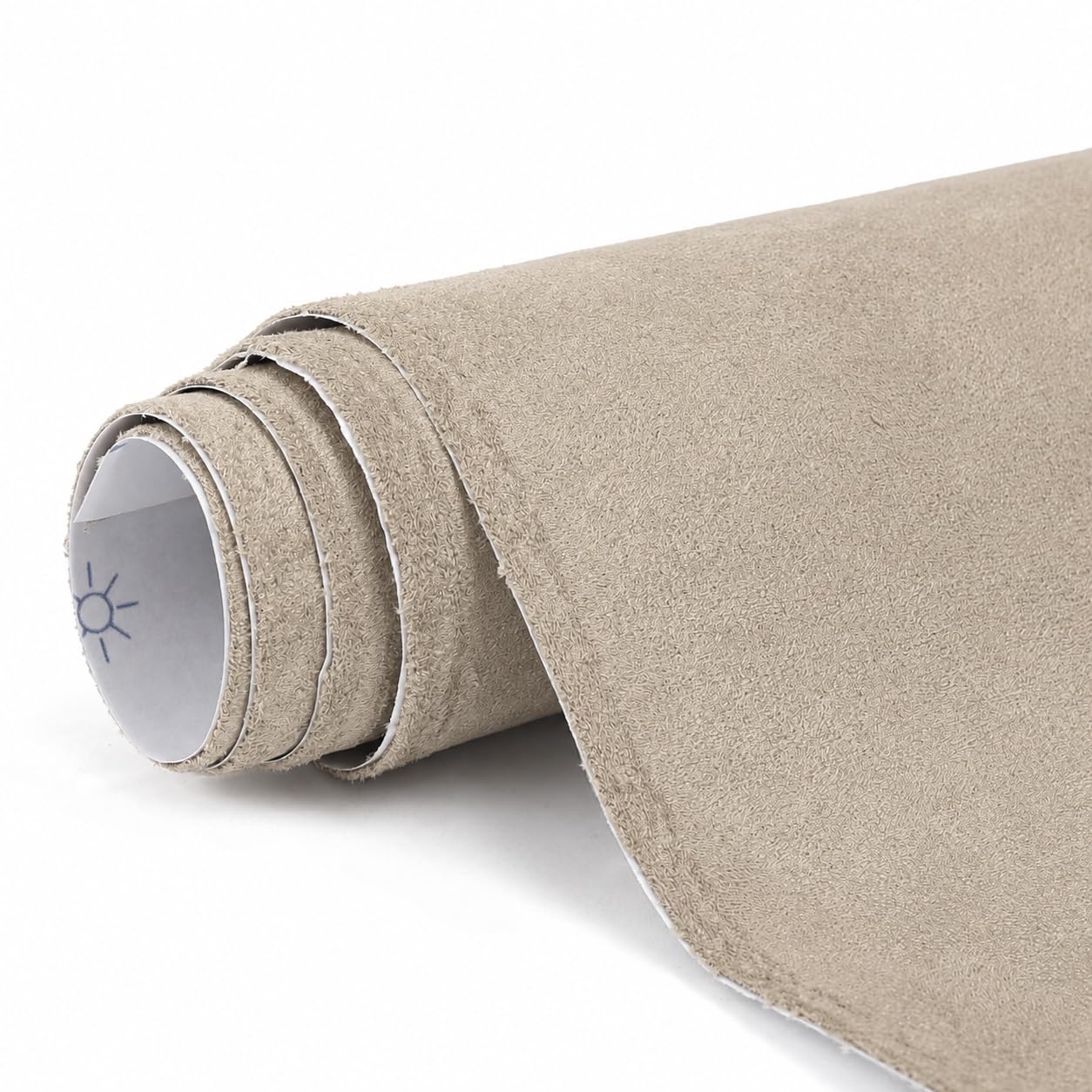
Before you buy beige suede fabric, answer one question: are you fixing a sagging car headliner or reupholstering furniture? Your choice hinges on that, because auto headliner fabric has foam backing (a soft layer that helps it bend around curves and stick to glue), while upholstery suede is thinner and drapes better. This guide splits the two so you grab the right roll the first time.
I’m Min — the founder and writer behind Gadgets Feed. This guide is built by comparing the manufacturers’ published specifications and the patterns across verified customer reviews, so you get each pick’s real strengths and trade-offs instead of marketing spin.
You need a roll that lays flat, stretches around corners without tearing, and holds its color, and the beige suede fabric picks below are ranked by how well owners say they actually perform.
Our Picks at a Glance

How To Choose The Best Beige Suede Fabric
Beige suede fabric splits into two distinct camps: foam-backed headliner material for vehicles and flat microsuede for apparel, furniture, and crafts. Knowing which camp you need is the single biggest decision, because a double-sided upholstery suede will not give you the structure a sagging car roof demands.
Foam backing: the sag stopper
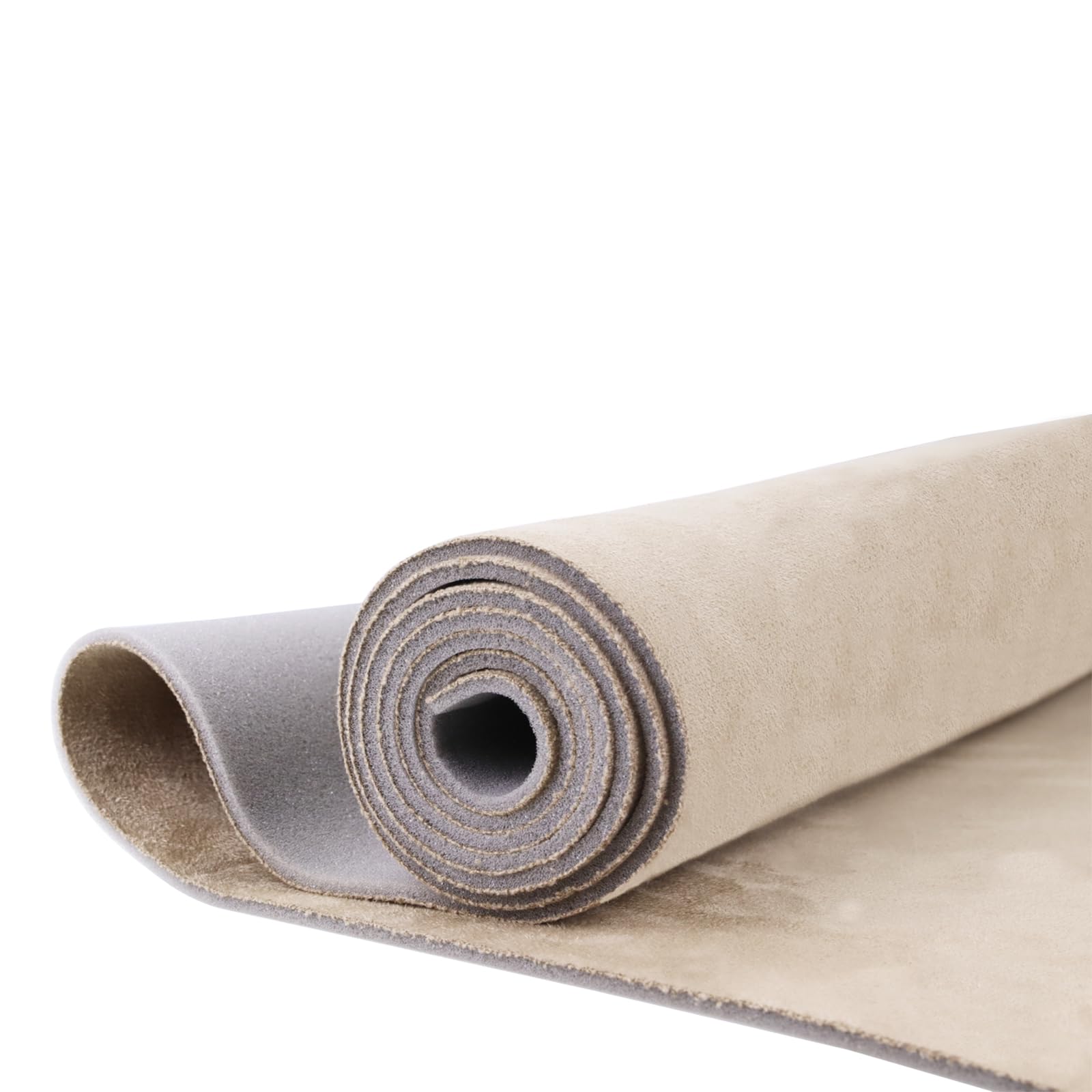
Headliner fabric is laminated to a layer of foam — typically 1/8-inch or 1/9-inch thick — that gives the material body and grip. That foam is what resists warping and sagging after installation, and it is also what lets the fabric hide minor imperfections in the surface underneath. If you are redoing a car roof, door panel, or dash, you want foam backing; if you are making a pillowcase, you do not.
Width and length: measure before you buy
Headliner rolls come in widths of 36, 60, or 85+ inches and lengths that range from about 60 inches to a full 122 inches. A 60-inch width covers a standard car roof in one piece, while a 36-inch width forces you to splice. Measure the panel you are covering and buy a roll that matches in one continuous length — seams on a headliner are hard to hide.
Adhesive: the make-or-break step
Nearly every install guide and owner review points back to the same lesson: use a quality spray adhesive and do not oversaturate. Too much glue bleeds through the fabric and hardens; too little leaves bubbles. Owners consistently reach for 3M headliner adhesive, and several note that compressed air helps lay the nap down in one direction.
Quick Comparison
| Model | Best For | Dimensions | Foam Backing | Weight | Amazon |
|---|---|---|---|---|---|
| Babnecl Headliner★ Best Overall | Full-size vehicle roofs | 122″ L × 60″ W | 1/9″ | 2.29 lbs | Amazon |
| RadiantDecor WrapBest for Trim | Trim, dashes, small panels | 17″ x 70″ | None (self-adhesive) | — | Amazon |
| Kefly HeadlinerStarlight Ready | Large roofs with starlight kits | 96″ L × 60″ W | 1/9″ | — | Amazon |
| Car Elements Headliner | Pickup trucks and boats | 98″ L × 60″ W | 1/9″ | — | Amazon |
| Wilaly Headliner | Seats, sunroofs, door cards | 85″ L × 60″ W | Sponge composite | — | Amazon |
| Garifon Headliner | Compact cars and DIY crafts | 36″ x 60″ W | 1/8″ | 12.3 oz | Amazon |
| Mybecca Microsuede | Apparel, pillows, light upholstery | 58/60″ width, by the yard | None | 12 oz | Amazon |
| 4Bang Double-Sided Suede | Furniture, pillows, small projects | 60″ L × 36″ W | None | 16 oz | Amazon |
In‑Depth Reviews
1. Babnecl Suede Auto Headliner Fabric
Our pick — over 4.5★ from 500+ verified ratings; the strongest balance of quality and price.
The 122-inch roll that covers a full truck roof in one smooth piece
The headline number here is the size: a massive 122″ L × 60″ W sheet that covers a full-size pickup roof without splicing, with a 1/9-inch foam backing thick enough to resist sagging. For a DIY headliner job, that single-piece coverage is the difference between a factory look and a visible center seam. The tube packaging keeps it flat and crease-free on arrival — no folded-in wrinkles to fight before you even start.
Grab this roll when a shop quote stings. Buyers report: “Ordered this to redo the headliner in my old Dodge Ram. I had an upholstery shop do it about 10 years ago and it was only. Now they wanted so I decided to give it a go with the guidance of YouTube.” The consensus agrees — people praise the material quality and how the finished cab looks like a brand-new truck.
The one honest caveat is durability over years of sun exposure, which gets the most negative feedback. Multiple first-timers also note they picked up a few creases in tight-radius corners, though they add the creases are invisible unless you know where to look. Use compressed air to lay the nap in one direction and avoid soaking the adhesive, and you will sidestep the two biggest rookie mistakes.
Why owners love it
- Giant 122″ × 60″ sheet covers truck roofs in one piece
- Tube packaging means no delivery creases to steam out
- Soft suede face looks and feels like a professional install
- Forgiving in medium-to-large radius curves
Where it asks patience
- Long-term durability gets mixed owner feedback
- Tight corners demand careful technique to avoid creases
- Oversaturating adhesive ruins the nap — go light
Grab this if: you are tackling a full car, truck, or SUV roof and want one continuous sheet with no seams.
Think twice if: your project is small trim work — a 122-inch roll is more material than a door panel needs.
2. RadiantDecor Premium Beige Suede Fabric Wrap
A peel-and-stick suede sheet that skips the glue gun entirely
This 17 x 70-inch wrap is the only self-adhesive pick in the lineup, which makes it the fastest route to a suede interior with zero spray adhesive. The synthetic leather backing is designed to conform to curves and corners with a squeegee, and it is thick enough to survive high-contact areas. Owners call the installed result “very OEM” — it reads like factory trim, not a stuck-on afterthought.
What wins people over is the ease of use: the adhesive holds firmly, and the material stretches well enough to wrap a dash with 90-degree turns. Some owners even lifted and reapplied it after a miscut and it still stuck. That peel-and-reposition window is a genuine advantage over glue-on fabric, where a mistake means fighting the adhesive.
The honest trade-off is that the adhesive is the most polarizing thing about it — the largest share of feedback about the stickiness is mixed, with some owners finding it phenomenal and others saying it barely grips. That split means surface prep matters enormously: clean the plastic thoroughly before pressing it down. Think of this as a trim-and-small-panel specialist, not a full-roof solution.
Stretch-and-stick star: for dashes, consoles, armrests, and trim, this self-adhesive wrap gives a cleaner OEM look than glue-on fabric with a fraction of the mess.
Fit note: the mixed stickiness feedback means a spotless, grease-free surface is non-negotiable for a lasting hold.
3. Kefly Beige Suede Headliner Fabric
The suede that makes a starlight headliner glow like a night sky
This Kefly roll measures 96″ L × 60″ W with a 1/9-inch foam backing (a thin cushion that helps it mold to curves), splitting the difference between budget and premium — big enough for most SUV roofs, not so big you waste material. Owners single out the suede face: it reflects starlight kits (LED light kits that project stars on the ceiling) beautifully at night and hides surface imperfections during the day. The dense backing resists warping and sagging after installation.
The material is tough, and that toughness pays off during install. It stretches during application, and one owner found it strong enough to peel up and reglue to fix a wrinkle — a second chance most headliner fabrics will not give you. A single can of 3M adhesive did the job for one buyer, which hints the foam absorbs glue efficiently rather than letting it bleed through.
The recurring complaint is not the fabric itself but the delivery: it arrives folded and boxed rather than rolled, and owners consistently report creases that need ironing or steaming to remove. It is fixable — a rag between the iron and the fabric does the trick — but factor in that extra step before you start.
The strong points
- Suede finish reflects starlight kits beautifully at night
- Tough enough to peel and reglue during install
- 1/9″ foam resists sagging and warping
- Strong value for the coverage you get
The cost of folding
- Ships folded, so creases are the top owner gripe
- Needs ironing or steaming before install
- Requires patience for a wrinkle-free final look
Reach for this if: you are installing a starlight kit or want a tough, forgiving material for a mid-size roof.
Look elsewhere if: you want zero prep — this roll needs a steam or iron session first.
4. Car Elements Suede Auto Headliner Fabric

A 98-inch sheet that turned a fading Dakota into a sale
At 98″ L × 60″ W with a 1/9-inch thickened foam backing, this Car Elements roll is built for bigger cabins — pickup trucks, SUVs, and even boats. The foam is dense enough to resist warping and sagging after installation, and the synthetic suede face is soft, shiny, and easy to cut with a knife. Owners describe the feel as close to real alcantara, which is high praise for a replacement-grade material.
The most telling review story: a 1996 Dodge Dakota with a ruined headliner. The owner installed this himself before selling the truck and credits the fresh suede roof for closing the deal because it looked professional. That is the standard this fabric clears — it reads as an upgrade, not a repair. The same person notes YouTube tutorials plus spray adhesive is all the expertise you need.
The trade-off is the familiar folded-shipping problem. It arrives in a box rather than a roll, and some owners find the creases stubborn; laying it flat for a few days or steaming it handles most of them. Wrinkle resistance is the one thing owners rate as mixed, so budget time for smoothing before you glue.
Showroom result: this is the roll that makes a tired truck interior look dealer-fresh, with quality owners compare to real suede.
Prep required: expect folded creases on arrival and give yourself a day to let them relax before install.
5. Wilaly Suede Headliner Fabric with Foam Backing

The flame-retardant all-rounder that moves from roof to seats to door cards
This Wilaly roll brings an 85″ L × 60″ W sheet built from a sponge suede composite that is flame retardant — a meaningful safety box to tick for automotive work. The soft, bright-finish surface is designed to replace old sagging headliners, but the versatility is the real story here. Owners have used it on door cards, seats, and sunroof panels, not just roofs, and it holds up across all of them.
The material quality is the thing people mention most: a perfect color match and a soft texture that feels premium. One owner used it to cover the door cards on a Camaro and reports getting compliments on the result, while another swapped a 2017 Scat Pack headliner and called the finished look great. It cuts cleanly with a knife and forms to the headliner shape without fighting you.
The catch is wrinkles — the most-discussed negative by a clear margin. Because it ships folded, deep creases can be hard to fully remove; a steamer helps, but some owners say small wrinkles linger. “For the money, who cares,” is how more than one buyer summed it up, but if a blemish-free surface is your priority, plan for careful steaming.
What stands out
- Flame-retardant construction for safer automotive use
- Versatile enough for roofs, seats, and door cards
- Soft texture with a perfect color match, per owners
What to know
- Folds for delivery, so wrinkles are the top complaint
- Steamer needed to chase out deep creases
- Small wrinkles can persist in stubborn spots
Best suited to: a multi-surface refresh where one roll handles roof, seats, and trim, with flame-retardant (fire-resistant) confidence.
Not for: perfectionists who refuse to steam a shipping crease — this fabric arrives folded.
6. Garifon Beige Suede Headliner Fabric

The 1/8-inch foam-backed sheet that punches above its compact size
Do not let the smaller 36″ x 60″ footprint fool you — this Garifon roll carries the thickest foam of any headliner here at a full 1/8-inch, which gives it a plush, durable feel and serious sag resistance. That thicker backing is also why owners have used it for more than roofs. One buyer bought it twice: once for a VW Beetle headliner and once as sew-in foam padding under vinyl seat upholstery to make the pleats pop.
What wins people over is the ease of use. The material stretches smoothly around curves without bunching or tearing, cuts cleanly without fraying, and adheres well with spray adhesive. Owners describe the finished look as factory-quality, and the foam backing doubles as noise and heat insulation. The color is also described as perfect for hiding stains, which is a practical win for a beige interior.
The trade-off is purely about size. At 36 inches wide, this is a compact-car or single-panel solution, not a full-size truck roof in one piece. If your project fits within that footprint, the thicker foam and the clean-cut behavior make it one of the easiest DIY materials in this lineup.
Thickest foam, easiest cut: the 1/8-inch backing gives it a premium feel and makes it a favorite for compact roofs and even seat upholstery padding.
Size reality check: at 36″ wide, you are looking at a small car or single panel — not a full-size roof without splicing.
7. Mybecca Microsuede Suede Fabric

The washable microsuede that fakes real leather for a fraction of the fuss
This is the first true upholstery fabric in the lineup — a 100% polyester microsuede sold by the yard at a 58/60-inch width, with no foam backing. It is built for apparel like jackets and skirts, plus home decor like duvet covers, pillows, and window treatments. The twill weave with a sueded brushed hand gives it the soft touch of genuine suede leather without leather’s drawbacks, and at 12 ounces it is a medium weight that drapes nicely.
The material quality is the thing owners mention most, with the color and softness close behind. It is machine-washable in cold water and line-dryable, which is a genuinely practical edge over foam-backed headliner material you can never launder. The napped surface feels like real suede to the hand, and it takes spray adhesive well — one owner wrapped the interior trim of a BMW with it and reports it stuck firmly and looked great.
The honest caveats are stretch and fraying. Owners note it has low stretch — about 5% in one direction and almost none in the other — so it is hard to work around tight contours. A few also report it frays badly at cut edges, which matters if you are sewing seams. Buy it for flat applications and sew clean edges, not for stretching over curved panels.
Why it is loved
- Machine-washable in cold water — rare for suede-look fabric
- Buttery soft with the feel of real suede
- Sold by the yard, so you buy exactly what you need
- Stains lift with a damp cloth dab
Where it struggles
- Low stretch makes tight curves and contours difficult
- Cut edges can fray badly
- Thinner than foam-backed headliner material
Choose this for: sewing projects, pillows, apparel, and flat upholstery where washability and softness matter more than stretch.
Skip it for: wrapping curved car panels — its low stretch fights you around every corner.
8. 4Bang Double-Sided Faux Suede Fabric
A double-sided suede that gives you two usable faces for one low price
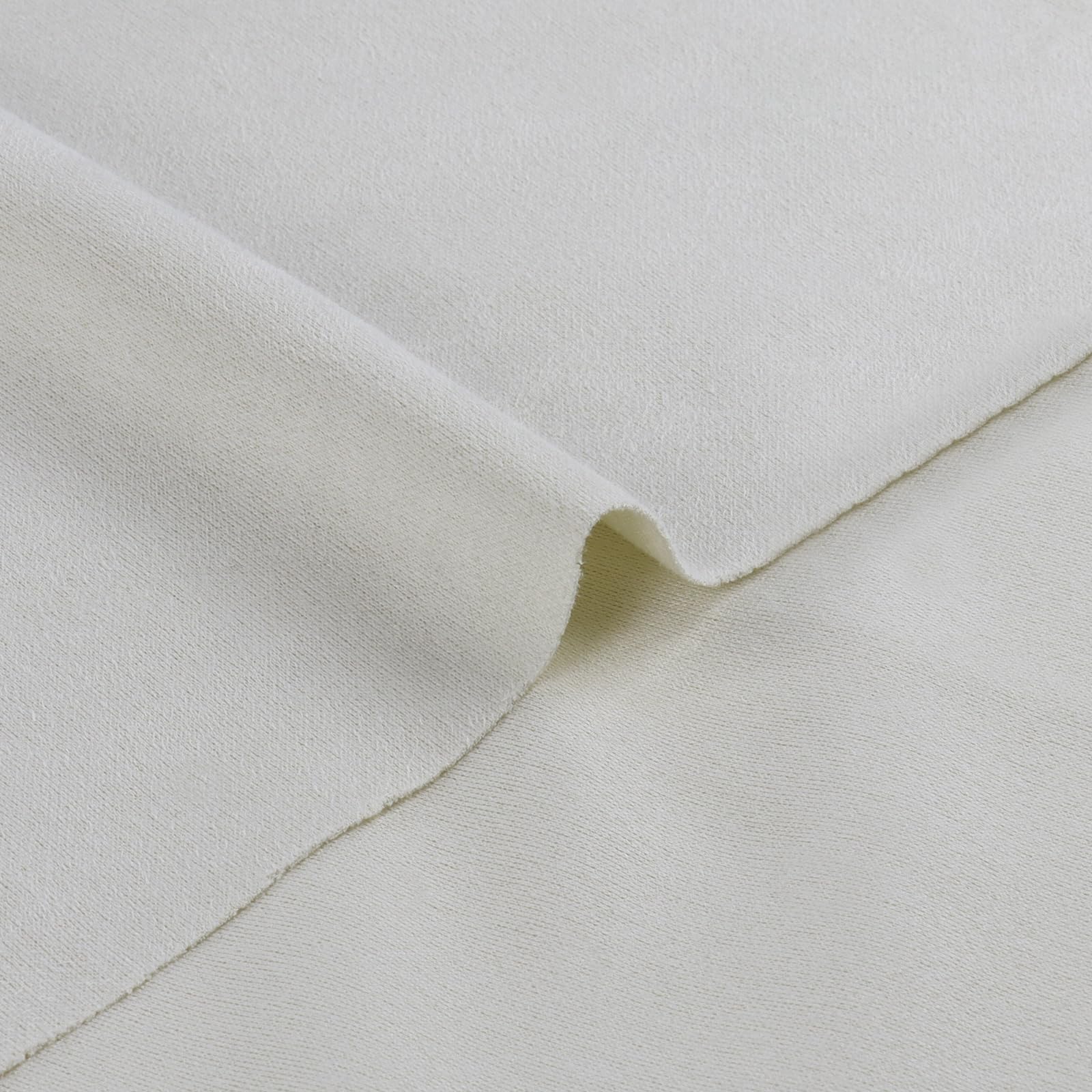
Here is the budget wildcard: a 60″ L × 36″ W sheet of double-sided faux suede, meaning both faces are soft and usable, at 16 ounces it is the heaviest of the flat fabrics in this lineup. It is a 100% polyester material with a dense, short fleece surface designed for furniture, pillows, sofas, and car interior panels. Because it is double-sided, you get twice the working surface and twice the forgiveness if you cut wrong.
The material quality is what owners praise most, with the professional look close behind. It is described as soft yet sturdy, easy to cut, and non-pilling — and one owner recovered a vehicle dash with it, noting it applied smoothly without adhesive bleeding through. The fact that it works well for both upholstery and automotive trim makes it a genuine multi-purpose option.
The trade-off is thickness: it is a flat fabric with no foam backing, and some owners call it thin — “almost too thin” is the recurring note. That makes it a poor choice for a sagging headliner that needs structure, but a great one for pillows, crafts, and covering flat panels. Stretchability also gets mixed feedback, so do not expect it to hug severe curves.
Two-sided value: for crafts, pillows, and flat upholstery, this gives you double the usable fabric for a budget price.
Structure warning: at this thinness, it is not a headliner — pick it for flat work, not sagging roofs.
Understanding the Specs
Foam Backing Thickness
This is the single most important spec for headliner fabric. The foam layer, typically 1/8-inch or 1/9-inch, provides structure and resists sagging and warping after installation. Thicker 1/8-inch foam feels plush and hides imperfections, while 1/9-inch balances weight and durability. Flat upholstery suede lacks foam, so it drapes for sewing but can’t support a car roof alone.
Suede vs. Microsuede
In this context, “suede” almost always means synthetic. Microsuede is 100% polyester with a napped, brushed surface that mimics genuine suede without the cost or care. The difference matters for cleaning: microsuede can often be machine-washed in cold water and line-dried, while foam-backed headliner fabric must stay dry and is only surface-cleanable. If washability matters, choose a flat microsuede; if structure matters, choose foam-backed.
FAQ
What is the difference between headliner fabric and regular upholstery suede?
How much fabric do I need for a full car headliner?
Can I use foam-backed headliner fabric on furniture?
Why does my headliner fabric arrive with creases and how do I remove them?
What is the best adhesive for installing suede headliner fabric?
Is fake suede fabric machine washable?
Will beige suede fabric fade in a hot car?
Can I cut suede fabric with regular scissors?
Final Thoughts: The Verdict
For most buyers, the beige suede fabric winner is the Babnecl headliner roll because its 122″ × 60″ single-piece coverage and tube packaging solve the two biggest DIY headaches — seams and creases — in one buy. If you want a quick, glue-free finish on trim and dashes, grab the RadiantDecor self-adhesive wrap. And for sewing projects where washability beats structure, the Mybecca microsuede is the one to reach for.
How We Picked
We do not accept paid placement. Every pick is matched to a real buyer and a real use-case; we do not hands-on test units.
Sources & Methodology
Specifications: manufacturer listings and product documentation. Review insights: verified customer reviews, as of August 2026. Pricing: not shown on this page (it changes often); check the current price via the retailer link.
As an Amazon Associate, Gadgets Feed earns from qualifying purchases. This does not affect which products we feature.