
Our readers keep the lights on and my morning glass full of iced black tea. As an Amazon Associate, I earn from qualifying purchases.
Specs are compiled from manufacturer listings and verified buyer reviews and can change over time — please confirm the key details on the product page before buying.
Oklahoma summers punish a lawn. The heat bakes thin turf, and hard rains can wash out a fresh seeding before it ever roots. The right bermuda seed changes that — it thrives in the sun, tolerates drought, and knits together into a dense carpet that shrugs off both kids and heat waves. This guide compares six options built for warm-season climates like yours, so you can pick the one that actually germinates in your yard.
I’m Min — the founder and writer behind Gadgets Feed. This guide is built by comparing the manufacturers’ published specifications and the patterns across verified customer reviews, so you get each pick’s real strengths and trade-offs instead of marketing spin.
You need a warm-season bermuda that survives Oklahoma’s hot, dry summers and unpredictable winters. All six seeds here are warm-season varieties, but they differ in germination speed, texture, and coverage. The bermuda grass seed for oklahoma that wins depends on if you need fast patch repair, full-lawn establishment, or a fine-textured showpiece turf for a sunny southern yard.
Quick Picks
- Outsidepride Oasis Bermuda Grass Seed — Best Overall
- Barenbrug 25045 Bermudagrass — Top Performer
- Hancock Seed Co. Common Bermuda — Best Value
- Pennington Bermudagrass 15 lb — Most Versatile
- Outsidepride Maya Blackjack II — Premium Pick
- Hancock Highlander Turf Bermuda — Fastest Establish
How To Choose The Best Bermuda Grass Seed For Oklahoma
Bermuda is the go-to grass for Oklahoma because it loves the heat and recovers fast from wear. But not every bag performs the same in your soil. Here are the four things that separate a successful seeding from a patchy disappointment.
Wait for the right soil temperature
Bermuda is a true warm-season grass — it refuses to wake up until the soil is hot. Most varieties here call for nighttime temperatures consistently at 65 degrees or higher before you sow. Plant too early and the seed just sits there, and buyers who did blamed the seed when the calendar was the problem.
Coated vs. unhulled seed
Coated seed wears a clay or polymer layer that holds moisture against the seed and makes it easier to spread evenly. Unhulled seed is raw and often germinates on its own natural cycle, which can take longer. If you want fast patch repair, coated seed wins; if you are overseeding for a natural fill-in, unhulled is fine.
Match the seed to the use
A fine-textured hybrid like Blackjack II gives a carpet-like show lawn for parks and golf courses. A common bermuda is tougher and handles pasture, erosion control, and livestock grazing. Know whether you are building a lawn or covering ground before you pick.
Read the germination reality
Every seed on this list has buyers who saw great germination and buyers who saw none. The pattern is almost always moisture: bermuda seed must stay constantly damp for one to two weeks. If you cannot water twice a day in the establishment window, even the best seed will fail.
Quick Comparison
| Model | Best For | Bag Size | Germination Style | Texture | Amazon |
|---|---|---|---|---|---|
| Outsidepride Oasis Bermuda | Large-area warm-season coverage | 5 lbs | Fast-growing blend | Hybrid blend | Amazon |
| Barenbrug Bermudagrass | Wet, humid southern climates | 80 oz | Moderate | Standard | Amazon |
| Hancock Common Bermuda | Pasture, grazing, erosion control | 2268 g | Unhulled | Common | Amazon |
| Pennington Bermudagrass | Self-spreading, wear-resistant lawns | 15 lbs | Cold-tolerant blend | Low-growing | Amazon |
| Outsidepride Maya Blackjack II | Fine-textured show lawns | 10 lbs | Coated, fast | Fine | Amazon |
| Hancock Highlander Turf | Fast patch repair, athletic wear | 160 oz | Hulled, very fast | Turf-like | Amazon |
In‑Depth Reviews
1. Outsidepride Oasis Bermuda Grass Seed

The blend that crowds out weeds while it fills in sunny, worn-down yards.
This is a hybrid mix of three top-performing bermuda grasses, which means you get the resilience of a blend rather than a single variety. At 5 pounds, it is the lightest full-lawn option here — the Pennington bag below holds a full 3x more at 15 pounds — so this bag suits a modest yard or a large-area project where you spread it thin.
The selling point is its aggressive, fast growth. Buyers report it works even in horrible soil, with one noting “I’m 7 days in and it’s germinate” when the ground was kept wet twice a day. The trade-off is that this seed demands prep: tilling or aerating, thorough watering, and 1-2 weeks of consistent moisture before it establishes.
Germination is the deciding factor, and it is genuinely split. Some saw 75% germination after two weeks; others say it never grew at all. This is the honest catch — if you cannot commit to the watering schedule and soil prep, this seed will not rescue a neglected yard.
What Wins People Over
- Fast, aggressive growth that helps crowd out weeds
- Drought-tolerant and heat-resistant for hot, low-rainfall areas
- GMO-free material, a clean pick for home lawns
The Honest Trade-offs
- Germination is mixed — great results only with heavy prep and constant moisture
- Several buyers found it poor value when it failed to spread
- Needs planting when soil exceeds 65°F, so timing matters
Reach for this if: you have sunny, large-area ground and can commit to tilling, watering twice daily, and waiting the full establishment window.
Look elsewhere if: you want a low-effort seeding on unprepared soil — the prep requirement is the main reason some bags fail.
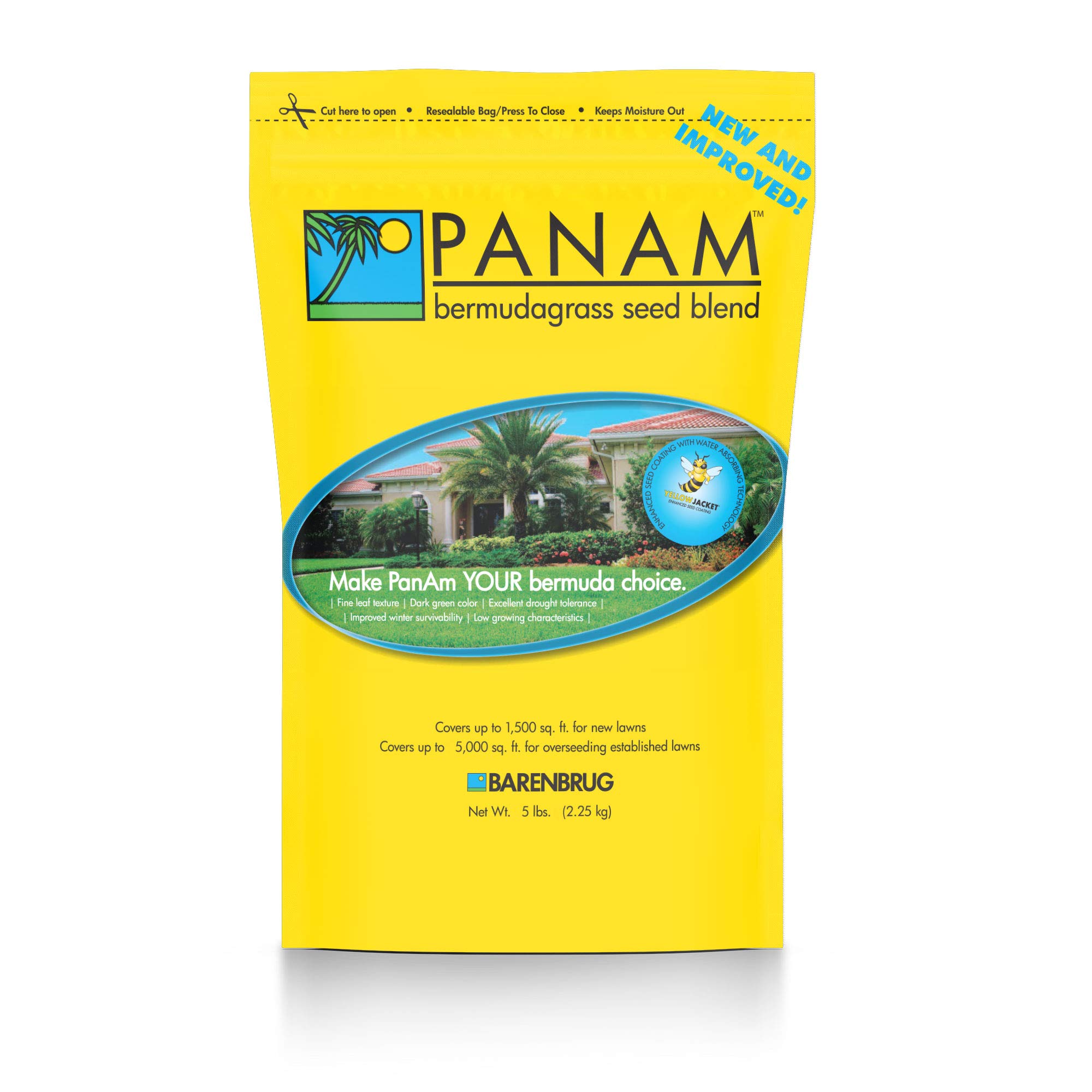
2. Barenbrug 25045 Bermudagrass
The southern-climate specialist that fills in nicely once it finally takes off.
Barenbrug pitches this seed at the southern regions of the U.S., and its specs back that up — full sun exposure and a preference for sandy soil, which suits many Oklahoma yards. The 80-ounce bag covers a fair amount of ground, though it is lighter than the 10-pound Hancock common bermuda below.
The germination story here is patience. One common experience: “75% germinated quickly, the rest took a bit longer,” then the grass took off and filled areas nicely. The flip side is a warning that this seed needs to be kept very wet early — some saw sprouts only after soaking in waterlogged soil for a week, then draining to moist ground.
It is not a seed for dry neglect. A few buyers saw zero germination after 14 days despite proper prep, which points back to moisture as the decisive factor. If you can keep the soil wet for that first week, this is a solid performer for humid, sunny climates.
Real-world take: this is a pick for the patient grower who understands bermuda’s wet-start requirement — keep it soaked early and it fills in well.
The catch: it is not forgiving of dry spells in the establishment window, so it suits gardeners with reliable irrigation.
3. Hancock Seed Co. Common Bermuda

The tough workhorse for pasture, grazing, and erosion-heavy ground.
This is common bermuda, not a hybrid, and that is its strength. It is built for lawn, pasture, livestock grazing, cattle forage, and erosion control — a far wider job list than any show-lawn seed here. The 2268-gram bag is unhulled, which means it germinates on its own natural cycle rather than racing out of the gate.
The manufacturer’s guidance is clear: plant in spring and summer when nighttime temperatures are consistently 65+ degrees and at least 3 months before first frost. Follow that and you get the extreme drought and traffic tolerance this grass is known for. One buyer who ditched Scotts twice got “solid growth” from this seed on the first try.
The downside is real: germination gets poor results from several buyers, some seeing only 3-5% growth after two weeks. A few who sowed before the soil was warm enough blamed the seed, but the company’s own timing advice points to user error. The consensus is that unhulled seed rewards patience in a way coated seed does not.
Biggest strength: extreme drought and traffic tolerance with a job list that includes grazing and erosion control — no other pick here is this versatile.
Who it is not for: homeowners wanting a fast, fine show lawn; this is unhulled common seed that takes its time.
4. Pennington Bermudagrass 15 lb

The heavy 15-pound bag that spreads itself and shrugs off hard wear.
Pennington’s biggest advantage is sheer volume — the 15-pound bag is the largest here, and it is built to cover serious ground. The seed is a thick, aggressively self-spreading bermuda with improved cold-tolerant varieties, which is a genuine edge for Oklahoma’s swings between hot summers and chilly springs.
The design goals are telling: an extremely wear-resistant turf with a deep root system, and a low-growing blend that produces fewer grass clippings. That means less mowing and a lawn that survives kids, pets, and foot traffic. The expected plant height is just 3 inches, so it stays tidy.
Buyers who prep properly see it work — one seeded after dethatching and scalping, watered twice daily, and saw germination within days. The note is that the seed is tiny and powder-like, so it takes multiple seedings in 70-80°F temps. Value gets mixed feedback, but the cold tolerance is the differentiator here.
Built Around
- Aggressive self-spreading growth that thickens each season
- Cold-tolerant varieties for Oklahoma’s variable climate
- Low-growing blend means fewer clippings and less mowing
Keep In Mind
- Powder-like seed needs multiple seedings and warm 70-80°F soil
- Goes dormant and turns brown in winter months
- Germination is mixed — some bags simply did not grow
Best for big lawns: this is the volume pick — a 15-pound bag of cold-tolerant, self-spreading bermuda for a large sunny yard.
Think twice if: you want a single quick pass; the tiny seed wants repeat seedings and patient watering.
5. Outsidepride Maya Blackjack II

The carpet-like show turf for lawns, parks, and golf-course aesthetics.
Blackjack II is the beauty pick — it grows into fine-textured, carpet-like dark green turf that looks immaculate. At 10 pounds, it is a mid-size bag aimed at homeowners, landscapers, and even golf course crews who want that manicured look rather than plain utility grass.
The coating is the key spec here. Coated seed holds moisture against each seed and spreads more evenly through a spreader, which directly improves germination odds. The manufacturer recommends mowing at 0.5 to 2 inches, and buyers who kept the seed constantly damp with peat moss saw heavy germination in just 5-6 days.
The honest flaw is inconsistency. One batch germinated excellently while a second from the same source did little, which the manufacturer was slow to address. The orange seed coating helps visibility, so you can see where you have spread, but the variable quality is the main complaint.
Standout value: fine-textured, drought-tolerant turf with a carpet look that ordinary common bermuda cannot match.
The caution: batch quality varies — buy what you need rather than banking on a future reorder from the same stock.
6. Hancock Highlander Turf Bermuda

The fast-germinating hulled seed that is the lowest-cost fix for bare spots.
Highlander is the speed pick, and the reason is simple: it is hulled seed, which drops the outer shell so moisture reaches the embryo faster. Owners mention sprouts in just 2-3 days, and the maker says it is often used for golf courses, parks, and athletic fields because it withstands heavy wear and recovers fast from injury.
This is also the Oklahoma-tested option on the list. One buyer in Oklahoma praised it as superior to hardware-store seed that takes 12-15 days, noting it sprouted in 2 days and survived wind and rain issues — a real consideration for Oklahoma spring storms. It is described as “the lowest cost option for fast patch repair,” ideal for commercial use.
The trade-off is the fine turf look versus heavy grazing. While it handles wear, it is not the pick for pasture — this is a turf cultivar for lawns and athletic fields. A few buyers saw zero sprout, but the fast-establish consensus is far stronger here than on the unhulled options.
Fastest on the list: hulled seed that sprouts in days, not weeks, and holds up to Oklahoma wind and rain.
Not for pasture: this is a turf grass for lawns and sports fields, not livestock forage like the common bermuda above.
Understanding the Specs
Bag size vs. seeding rate
Bermuda bags range from 5 to 15 pounds, but the number that matters is the seeding rate — how many pounds per 1,000 square feet. The Oasis blend calls for 2-3 pounds per 1,000 square feet when soil exceeds 65°F. That tells you a 5-pound bag covers roughly 1,600 to 2,500 square feet, while a 15-pound bag goes much further.
Hulled vs. coated vs. unhulled
Hulled seed (Highlander) germinates fastest because the shell is removed. Coated seed (Maya Blackjack II) wears a clay layer that holds moisture and spreads evenly. Unhulled seed (Hancock common) keeps its natural shell and germinates on its own slower cycle. Faster is not always better — unhulled is often preferred for natural overseeding cycles.
FAQ
When should I plant bermuda grass seed in Oklahoma?
How much bermuda seed do I need per square foot?
How often must I water new bermuda seed?
Why did my bermuda seed not germinate at all?
Is coated bermuda seed better than unhulled?
Will bermuda grass survive Oklahoma winters?
Can I use this seed for pasture or erosion control?
How short can I mow bermuda grass?
Final Thoughts: The Verdict
For most Oklahoma yards, the bermuda grass seed for oklahoma winner is the Outsidepride Oasis because its hybrid blend of three grasses couples fast, weed-crowding growth with drought tolerance that suits hot, low-rainfall summers. If you want a carpet-like show lawn with fine texture, grab the Maya Blackjack II. And for the fastest bare-spot repair that survives spring storms, the Hancock Highlander is the one to reach for. Whichever you choose, remember the crowd favorite across the board is the Pennington cold-tolerant blend — its 3x larger 15-pound bag and self-spreading habit make it the volume pick for a big sunny lawn that needs to keep its color through Oklahoma’s variable seasons.
How We Picked
We do not accept paid placement. Every pick is matched to a real buyer and a real use-case; we do not hands-on test units.
Sources & Methodology
Specifications: manufacturer listings and product documentation. Review insights: verified customer reviews, as of August 2026. Pricing: not shown on this page (it changes often); check the current price via the retailer link.
As an Amazon Associate, Gadgets Feed earns from qualifying purchases. This does not affect which products we feature.