
Our readers keep the lights on and my morning glass full of iced black tea. As an Amazon Associate, I earn from qualifying purchases.
Specs are compiled from manufacturer listings and verified buyer reviews and can change over time — please confirm the key details on the product page before buying.
Buying berry plants online is a gamble most people lose once before they win. The good news: a handful of these live-plant listings ship leafy, rooted stock that actually wakes up in your garden, and one of them — the Rabbiteye blueberry from Perfect Plants — is the pick most first-time growers end up happy with. This guide covers seven live berry plant listings you can still buy, how to read what you’re actually ordering, and which one fits the spot you have.
I’m Min — the founder and writer behind Gadgets Feed. This guide is built by comparing the manufacturers’ published specifications and the patterns across verified customer reviews, so you get each pick’s real strengths and trade-offs instead of marketing spin.
Mail-order plants live or die on the first two weeks, so the real difference between listings is how the roots ship and how fast they break dormancy. If you want fruit from your own yard this season, the following picks for the best Berry Plants give you a realistic starting point.
Our Picks at a Glance

How To Choose The Best Berry Plants
The plant that arrives in a box is not the plant you saw in the photo, and that single fact explains most of the disappointment in this category. What you are actually buying is a root system with a little stem attached, plus a promise that it wakes up. Get the root system and your hardiness zone right, and the berry bushes do the rest.
Match the plant to your winter, not your summer
Every listing here carries a USDA Hardiness Zone range, and that number tells you the coldest winter the plant handles. The Apache thornless blackberry is rated for zones 6-9, which suits warm Southern winters. The Caddo blackberry spans zones 5-9, so it tolerates a colder snap. The Allstar strawberry covers zones 4-8, the widest cold tolerance in this group. If your zone falls outside a listing’s range, the plant may not come back the following spring.
Big container versus tiny plug
A one-gallon plant arrives with an established root ball and visible top growth, which is why the blueberry and Apache blackberry listings ship bigger plants. A plug or bare root crown is a fraction of that size, wrapped with minimal soil. Plug plants cost less and root fast, but you babysit them through their first month. The trade is speed versus size, and there is no wrong answer as long as you know which one you ordered.
Check the pollination rules before you buy a single plant
That Rabbiteye blueberry needs a second blueberry variety nearby to pollinate and produce fruit — the listing says so plainly. The Jenny kiwi is the odd one out: it is self-pollinating, so a single plant sets fruit on its own. Read the fine print on every listing, because a lone blueberry bush in a yard with no partner often just grows leaves.
Quick Comparison
| Model | Best For | Hardiness Zone | Mature Height | Sunlight Needs | Amazon |
|---|---|---|---|---|---|
| Perfect Plants Rabbiteye Blueberry Bush★ Best Overall | First-time backyard fruit growers | 3 | 15 feet | Full sun | Amazon |
| Caddo Blackberry PlantsUpright & Thornless | Thornless picking in tight space | 5-9 | 6 feet | Full sun | Amazon |
| 10 Allstar Strawberry Plants | Fast ground-cover harvests | 4-8 | — | Partial sun | Amazon |
| Perfect Plants Apache Thornless Blackberry Bush | Picking without gloves | 6-9 | 6 feet | Full sun | Amazon |
| Boysenberry Plants ‘Original’ (4 Pack) | Curious growers trying something rare | 5 | — | Full sun | Amazon |
| Berry Plant Boysenberry (4 Pack) | Beginners planting in raised beds | — | 10 inches | Full sun | Amazon |
| 3 Kiwi Plants Jenny, Self-Pollinating | Small yards with one trellis | 7 | — | Full sun | Amazon |
In‑Depth Reviews
1. Perfect Plants Rabbiteye Blueberry Bush, 1 Gallon, Live Fruit
Our pick — over 4★ from 500+ verified ratings; the strongest balance of quality and price.
The one that lands with berries already on the branch
You want a berry bush that looks like a plant, not a stick in a bag. This one ships as a live one-gallon Tifblue bush with outward-spreading branches, light-green leaves, and pink-to-white blossoms ahead of fruit — and it often arrives with blueberries already set. It is the top pick here: 4.3 stars across 500+ ratings, and buyers rate the stock quality highest of all its traits..
What you get for your patience is a heavy producer. Tifblue holds a tart bite until it ripens fully, then turns juicy-sweet, and the window lands every June through July. Set it in a spot with full sun all day and it does the work itself. Blueberries respond well to pruning, so the mature 15-foot height is a ceiling you control, not a fixed wall.
Here is the catch, and it is a real one: this bush needs a second blueberry variety nearby to pollinate and set fruit. A lone Tifblue gives you a pretty shrub and no pie. Buy two varieties, or pair it with a neighbor’s bush. As for cold, it is rated to USDA zone 3, though California, Arizona, and Washington addresses cannot order it at all.
What buyers keep raving about
- Ships as a real one-gallon bush with fruit already forming — not a bare twig
- Full-sun plant that spreads outward and prunes to whatever height you want
- Arrives with easy-to-use blueberry food, so feeding starts day one
- Rated down to USDA zone 3, the cold-hardiness floor in this lineup
The honest caveats
- Needs a second variety nearby — one bush alone will not pollinate itself
- Overall size disappoints some; a few plants have died within a couple of months
- California, Arizona, and Washington shoppers cannot receive this at all
The bottom line: the best first blueberry for a full-sun spot with room for a second variety.
Not for you if: your yard only has room for one berry bush, or you live in CA, AZ, or WA.
2. BlackBerry Plants, ‘Caddo’ BlackBerry Plants – Consistently High Yields! Thornless and Upright Growing Blackberries from Hand Picked Nursery (1)
A thornless blackberry that stays upright instead of sprawling across your path
The picking matters as much as the berry. Caddo is thornless — no gloves, no scratches — and it grows upright rather than trailing along the ground like most blackberries, so maintenance is a trim job instead of a wrestling match. It arrives as a plug with a healthy root system, which means a small start you coax along rather than an instant shrub.
Growth is its most-praised trait: plugs sprout new leaf sets and double within a week. Caddo is rated to zone 5-9, which handles a colder snap than the Apache blackberry below, and it wants regular watering with a loam soil. The berries come in large and sweet with a good shelf life, so they survive a day or two in the fridge. The expected height is 6 feet — that is a 2.5x gap against the 15-foot Rabbiteye blueberry above, so this one fits a smaller yard without a ladder.
The recurring gripe is that the start looks far smaller than the listing photos. The packaging and the appearance are the mixed parts; the plants themselves arrive healthy and grow out of it.. Buyers report strong results: “Grew exceptionally well. From seedling to 7′ by seasons harvest.” Give it a sunny spot and it takes off, but plan for that early ugly-duckling phase.
The growth story: sprouting new leaf sets and doubling within a week is the pattern with these plugs, and durability matters — they hold up through the mail.
Reach for this if: you want thornless picking and a tidy upright form on a small, sunny patch.
Look elsewhere if: you want a plant that arrives at full size — the first weeks are tiny.
3. 10 Allstar Strawberry Plants, June Bearing Live Crowns, Sweet Red Berries
The fastest route from bare root to berries in your own soil
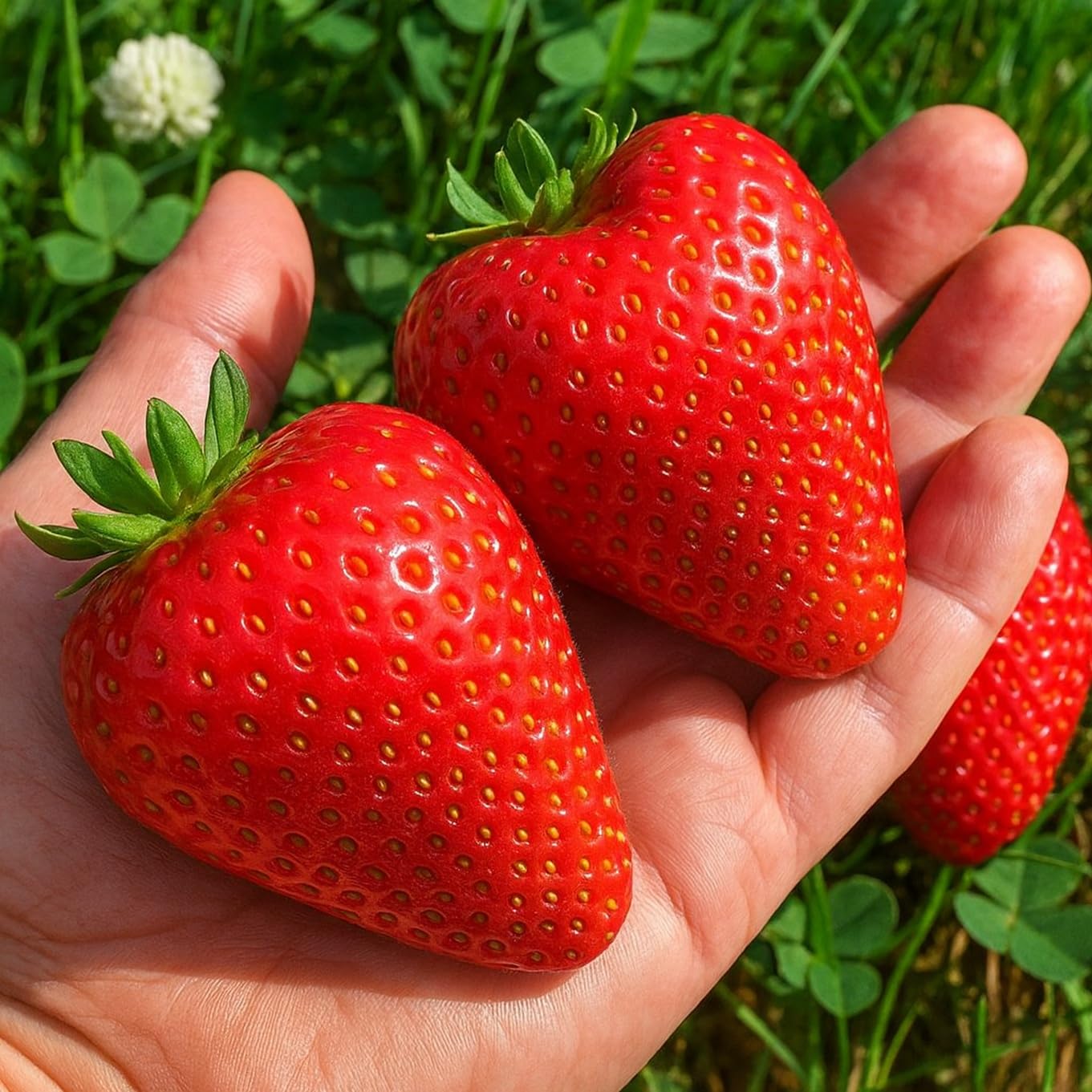
Strawberries are the impatient gardener’s berry. These Allstar crowns ship as bare roots, and the growth is the runaway favorite — this plant roots fast, greens up within days, and puts out runners that root nearby to spawn more plants. It handles zones 4-8, the widest range here, and flowers in a late spring to early summer window.
Plant it right and it rewards you. Allstar crowns want the center at soil level, never buried, spaced 12-18 inches apart in fertile, well-drained soil with consistent moisture. One caution worth knowing upfront: the listing calls these day-neutral and everbearing in one spot, then describes a concentrated June-bearing crop in another — owners mention fruit both ways, so treat the plant as a reliable producer whenever your season allows.
Survival is where the split lives. Customers who soak the roots, refrigerate briefly, and plant promptly report leaves breaking through by day two; some report loss instead. Customers note the two-week timeline: after two weeks in a Gardyn, most had 5-6 leaves and bloomed, with flowers already forming strawberries. Rate it as a fast, cheap ground-cover crop you plant generously, expecting a few misses.
The realistic read: the growing and overall quality are what buyers rate highest, and the price per crown makes an overplant-and-thin approach sensible.
Built for: anyone who wants the quickest berry payoff and does not mind losing a crown or two.
Think twice if: a single dead plant will ruin the whole project for you.
4. Perfect Plants Apache Thornless BlackBerry Bush, 1 Gallon, Live Plant

One gallon of plant that can fruit in its first year
The Apache blackberry is the pick for a warm-climate grower who wants a bushel without a spray routine. It ships as a live one-gallon plant, is grown with no harmful sprays or chemicals, and is rated for zones 6-9 with drought tolerance once it is established. That zone ceiling is tighter than the Caddo’s 5-9, so this one suits South and warm-climate gardens specifically.
Expect 6 feet of mature height, dark purple-to-black berries that come in sweet, and a big first-year showing — the listing promises fruit from the first season. Plant quality is the standout praise here, and the shipping is careful: a bamboo stick holds the plant steady in the box so it does not shuffle on the way. Reviewers point out they came “very well packed” and “just beautiful.”
The one thing to flag is a real surprise: although listed thornless, at least one owner grabbed a section expecting smooth canes and instead cut themselves on thorns. If you keep a dog or work bare-handed, watch the canes. Elsewhere the plant can arrive root bound yet thrive after a repot into a bigger container — a manageable first-week fix.
Grower notes: some shoppers say fruit by the following June planted in half-barrel planters, and covering the ripening fruit keeps the squirrels and birds off it.
A smart match for: warm-zone gardeners wanting an organic-leaning, drought-tolerant blackberry with a fast first harvest.
Skip if: you are in CA, AZ, or HI, which cannot order this item at all.
5. Boysenberry Plants ‘Original’ Price Includes Four (4) Plants

Four deep-maroon boysenberries in tiny pots that quadruple fast
Boysenberries are the fruit most people have eaten in a jam but never grown, and this is the cross that makes them: a mix of raspberry, blackberry, loganberry, and dewberry. The four plants ship as two-inch rooted starts in two-inch tray pots, standing just 1-3 inches tall at arrival. Rated to zone 5, they want full sun, normal-to-lower pH, and healthy soil.
The size is the honest part of the deal — several buyers report the plugs look alarmingly small and dry on unboxing. What follows is what counts: growth is the top praise, and one buyer watched their near-dead-looking plugs quadruple in size in nine days. Fruit typically arrives in the plant’s second year, not the first.
Before you commit, check the plants closely. One grower reported a severe two-spotted spider mite infestation and found the same problem across a second test order, which is worth a careful inspection on arrival. The vine itself is a beast once established — owners mention boysenberries sent up past 8 feet of growth with plenty of new sprouts in their second year.
Worth knowing: the color runs deep maroon, purple, and red, and the berry eats large and sweet off the cane.
The right call if: you enjoy a comeback story and want a rare, complex fruit in your garden next year.
Choose another if: you need a plant that looks substantial the day it lands.
6. Berry Plant Boysenberry (4 Pack) | Grow Your Own Food on Your Edible Organic Garden | Easy to Grow Plants | Live for Planting
Four hand-selected boysenberry starters for someone planting their first raised bed
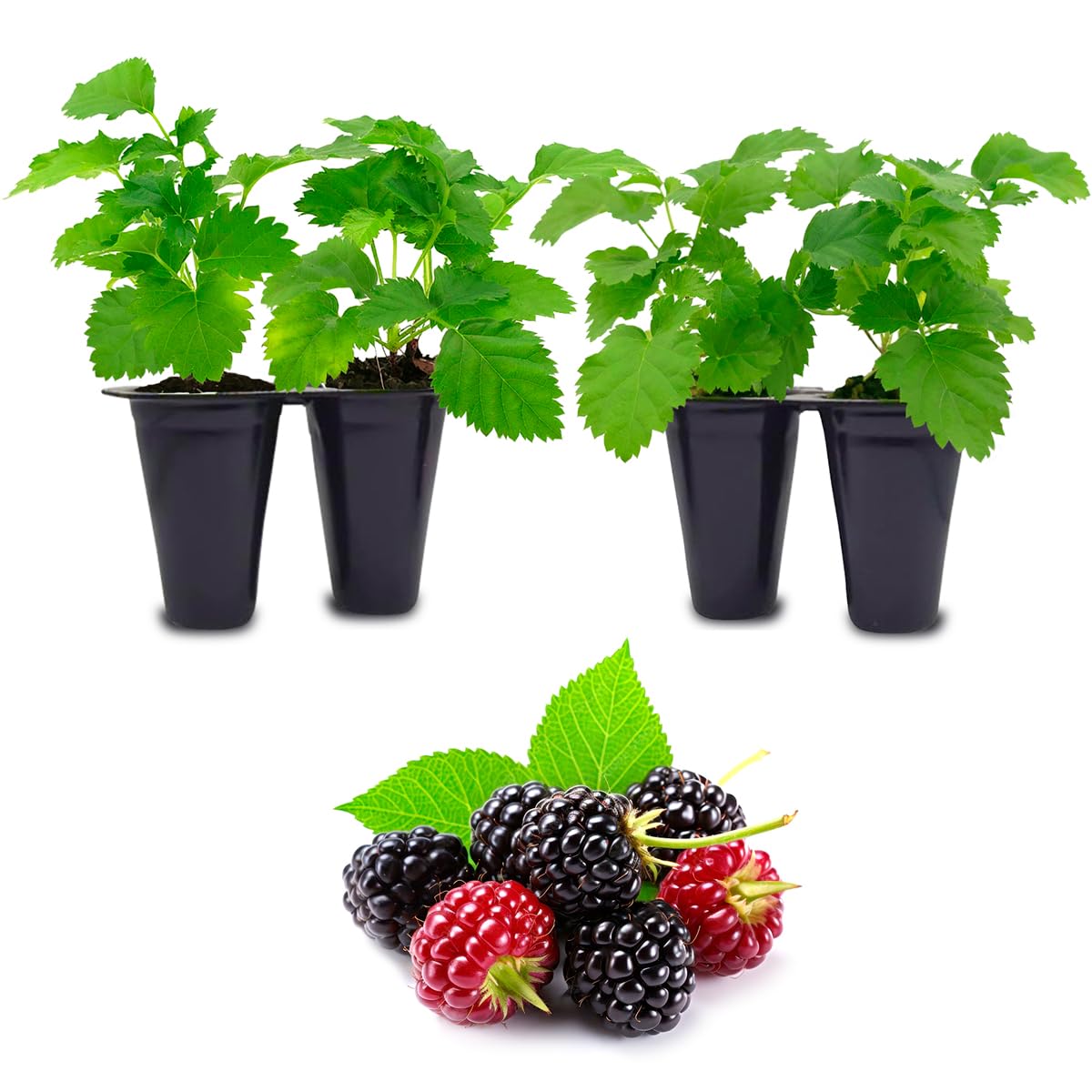
If you have never grown a berry cane before, this is the gentlest start in the lineup. Four live boysenberry plants arrive hand-selected and grown to resist disease, and boysenberries are genuinely forgiving: full sun, well-drained soil, regular watering, and a little care produces a bountiful harvest year after year. The plants bloom spring through summer and are listed at a 10-inch expected height.
Health is the trait buyers value most here, and it shows on arrival. Growers report plants landing with strong green leaves and good color even though they are only starts — green, fluffy, and undamaged, described by one buyer as the best condition of any online plant order. The four starters also attract pollinators like bees to your garden, which helps the fruit set.
The recurring complaint is size: the pots can arrive smaller than listed, so expect to move them into bigger containers and water them through their first season. Those that got that care overwintered in a greenhouse and grew vigorously with a biochar and compost mix. This is a long-tending plant, not a set-and-forget one, but the payoff is berries for fresh eating, jams, pies, and freezing..
The fairness note: growers who repot promptly and water through the first weeks report vigorous regrowth, so prompt repotting and steady first-month watering decide whether they take off..
Best suited to: a brand-new gardener planting a first bed and willing to nurture small starts.
Steer clear if: the listing’s photo size is what you expect in the box — plan for much smaller.
7. 3 Kiwi Plants-Jenny, self-Pollinating Kiwi-All in 4 Inch Cups/Actinidia deliciosa Hybrid 3 pots of Plants, one Plant per Pot
A fuzzy kiwi you can grow alone — no second vine, no pollinator math
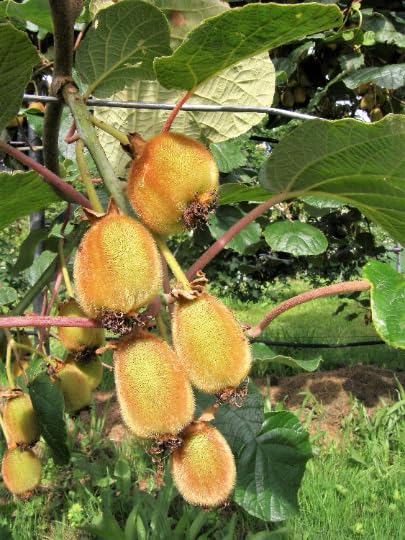
The hardest part of growing kiwi is that most vines need a male and a female planted together. Jenny skips that completely. It is a self-pollinating fuzzy kiwi that blooms in spring with fragrant yellow flowers and ripens fuzzy 2-4 inch brown fruit in late summer or early fall. Three plants ship in four-inch cups, one per pot, rated to zone 7.
The payoff is underground: green flesh with small, edible black seeds and a sweet, juicy flavor. This is a heavy producer, so a trellis is doing real work by year two. Quality is what buyers praise most here, and the arrival tallies match the photos — customers note plants at 6 to 8 inches, healthy green and not wilted, with soil correctly moist in the pots.
The catch is that these are small starts with a slow settle-in. One buyer lost every leaf on a single plant over two months, though the seller replaced it after a responsive exchange, and another plant simply did not survive. Give them a bigger pot soon after arrival and the growth is quick — reviewers point out kiwis adding two or three inches within days of transplant.
Planting tip: keep them in partial shade while young, then move to full sun once they establish a strong root.
Pick this when: you want exotic fruit from a single vine and only have room for one plant.
Pass if: you are outside zone 7, since these plants need that winter range to thrive.
Understanding the Specs
USDA Hardiness Zone
That zone number on every listing is the coldest winter a plant survives, measured in 10-degree bands across the country. The Rabbiteye blueberry is rated to zone 3, the Caddo and Apache blackberries cover zones 5-9 and 6-9, and the Allstar strawberry handles 4-8. If your winter gets colder than a plant’s zone, it may not come back in spring — so match the number to your map location before you buy.
Pollination
Many berry plants need a partner to set fruit. The Rabbiteye blueberry needs a second blueberry variety nearby to pollinate and produce berries; plant one alone and you often get leaves, not fruit. Jenny kiwi breaks that rule by being self-pollinating, so a single plant fruits on its own. Check the pollination requirement on any listing before you commit to just one plant.
FAQ
How many Rabbiteye blueberry plants do I need to get fruit?
What does a “1 gallon” berry plant actually mean?
Is the Apache blackberry actually thornless?
Which berry plant here fruits the fastest after planting?
Can I grow the Jenny kiwi by itself, without a second vine?
Why did my berry plants arrive so small?
What hardiness zone do these berry plants need?
Which states cannot receive these live plants?
Should I plant berries in the ground or in containers?
Final Thoughts: The Verdict
For most people hunting for the best berry plants, the top pick is the Perfect Plants Rabbiteye Blueberry Bush because it arrives as a real one-gallon bush, often with berries already set, and it holds the highest owner satisfaction in this lineup. Its only real requirement is a second variety planted nearby. If thornless picking without a scratch is your priority, grab the Apache Thornless Blackberry Bush for a warm-zone garden. And if you want fruit from a single plant with no pollinator partner, the Jenny self-pollinating kiwi is the one to reach for.
How We Picked
We do not accept paid placement. Every pick is matched to a real buyer and a real use-case; we do not hands-on test units.
Sources & Methodology
Specifications: manufacturer listings and product documentation. Review insights: verified customer reviews, as of September 2026. Pricing: not shown on this page (it changes often); check the current price via the retailer link.
As an Amazon Associate, Gadgets Feed earns from qualifying purchases. This does not affect which products we feature.