
Zone 6 growers face a specific challenge: finding blueberry varieties that survive punishing winter freezes yet still pump out sweet, full-sized fruit come summer. Pop a generic bush into acidic soil and cross your fingers—too many Amazon shipments arrive as brittle twigs or mislabeled seedlings that never leaf out. The difference between a thriving patch and a graveyard of failed plants comes down to cold hardiness rating, root system maturity, and choosing the right type (Northern Highbush vs. Rabbiteye) for your specific microclimate.
I’m Min — the co-founder and writer behind Gadgets Feed. I built this guide by cross-referencing USDA zone maps, analyzing hundreds of buyer reports for survival rates and true-to-variety accuracy, and comparing chill-hour requirements against actual customer outcomes for every plant listed here.
Whether you need a compact patio bush or a full hedgerow of producers, these are the carefully vetted blueberries for zone 6 that actually arrive alive, establish quickly, and reward your patience with years of harvests.
How To Choose The Best Blueberries For Zone 6
Zone 6 winters dip to -10°F, which kills Southern Highbush and most Rabbiteye varieties outright. Your first filter is the USDA hardiness zone printed on the tag or listing—anything rated for Zone 7 or warmer is a gamble that usually ends in disappointment by February. Beyond survival, focus on chill hours (the number of hours below 45°F the plant needs to set fruit), soil pH requirements, and whether the listing ships bare-root or in a container with established root mass.
Northern Highbush vs. Rabbiteye vs. Southern Highbush
Northern Highbush (Vaccinium corymbosum) is the gold standard for Zone 6. These varieties tolerate temperatures down to Zone 4 or 5, require 800–1,000 chill hours, and produce the large, firm berries supermarkets charge a premium for. Rabbiteye varieties handle heat and drought better but often need a warmer Zone 7+ to thrive—only a few cold-hardy cultivars like Powder Blue can stretch into Zone 6b with proper siting. Southern Highbush varieties are a non-starter in Zone 6: their low chill-hour requirements (150–400 hours) cause them to bloom too early and get zapped by late frosts.
Bare-Root vs. Potted Plants: What to Expect
Bare-root plants (like the Garden State Bulb Jersey) are dormant, light to ship, and cheaper, but they arrive as a handful of sticks with a one-year-old root system. Survival depends entirely on planting them immediately and keeping the roots moist. Potted plants (especially 1-gallon or #3 containers) arrive with fully developed root balls, live leaves, and sometimes even berries already forming—they cost more upfront but skip the first year of establishment. Amazon reviews reveal that potted plants consistently have higher survival rates and faster fruit production in their second season.
Quick Comparison
On smaller screens, swipe sideways to see the full table.
| Model | Category | Best For | Key Spec | Amazon |
|---|---|---|---|---|
| Green Promise Farms ‘Patriot’ | Premium | Fast establishment in containers | #3 container (fully rooted) | Amazon |
| Perfect Plants 3-Pack Rabbiteye | Premium | Multi-variety cross-pollination | 3x 1-gallon live plants | Amazon |
| Greenease ‘Blueray’ | Mid-Range | Extra-large fruit for baking | Mature height: 4–6 ft | Amazon |
| Perfect Plants Powder Blue | Premium | Rabbiteye in warm Zone 6b | 1-gallon live bush | Amazon |
| Hello Organics Legacy Northern | Mid-Range | Sweetest flavor, 4-pack value | 4x 2-inch starter plugs | Amazon |
| Hello Organics Emerald Southern | Mid-Range | Mild-winter microclimates only | 4x 2.25-inch potted plants | Amazon |
| Garden State Bulb Jersey Bare Root | Budget | Cold-hardy bare-root 2-pack | 2 bare roots, Zone 4–8 | Amazon |
In‑Depth Reviews
1. Green Promise Farms ‘Patriot’ HighBush Blueberry (#3 Container)
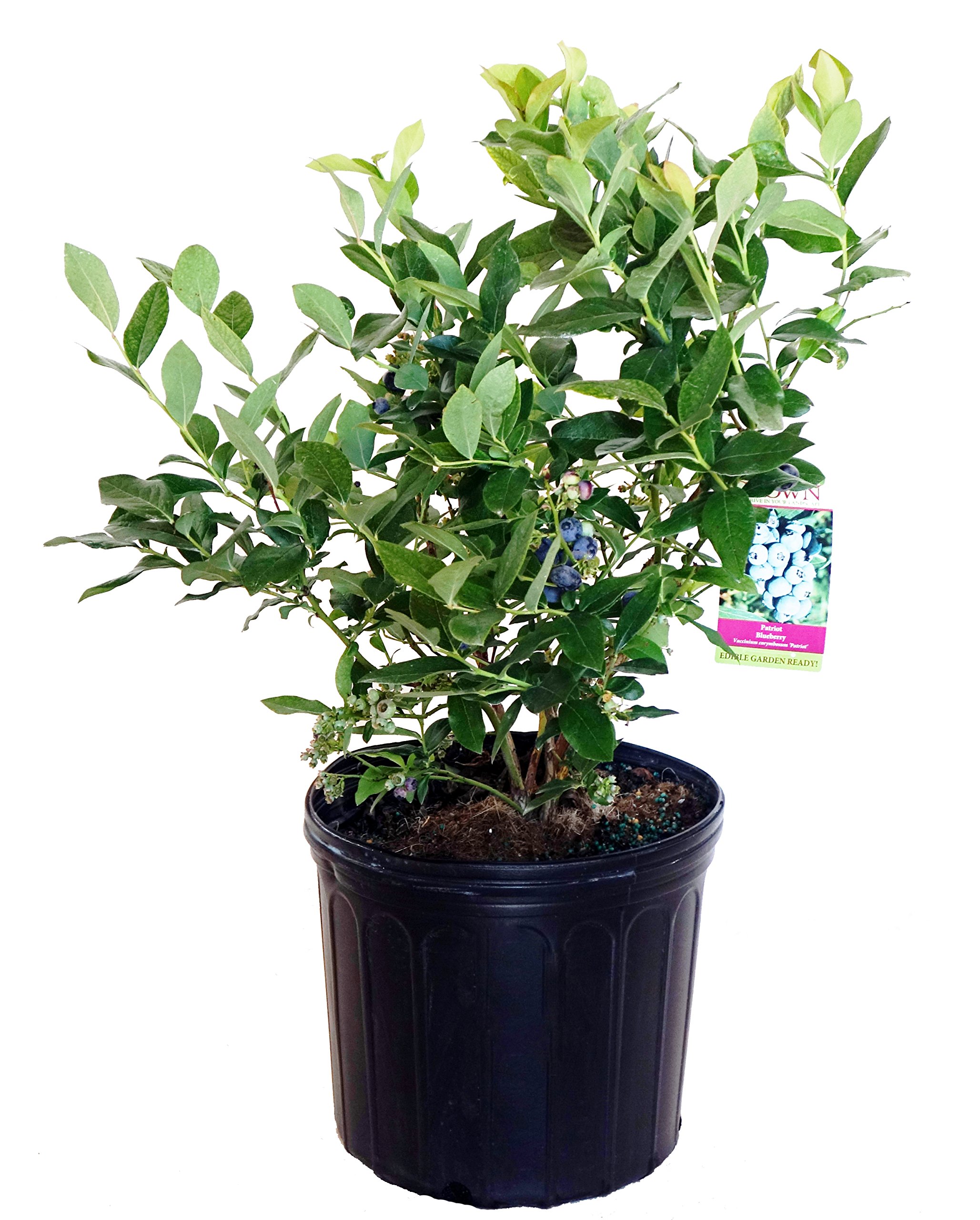
The ‘Patriot’ Northern Highbush from Green Promise Farms arrives in a #3 container—a massive head start compared to bare-root sticks. The root ball is fully established, meaning it can go into the ground immediately (weather permitting) without the delicate first-year coddling that smaller plants require. Multiple verified buyers report open flowers on arrival and vigorous growth within weeks of planting in Zone 6 conditions.
This variety is specifically bred for cold northern climates with a hardiness range of Zones 3–8, making it one of the safest bets for Zone 6 winters that dip below zero. The mature height of 4–5 feet fits neatly into a backyard patch or a large 16-inch container, and the pink-white spring blooms add ornamental value before the fruit sets. Reviewers note that it ripens gradually from mid-July into September, giving you a steady supply rather than a single glut.
The soil it ships in tends toward neutral pH, so many growers amend with acidifier or peat moss immediately. A few customers noted leaf drop during shipping, but the plant recovered quickly once watered. For a beginner-friendly, no-fuss blueberry that arrives with serious root mass and survives brutal winters, the Patriot is the single best option for Zone 6.
Why it’s great
- #3 container provides immediate root establishment, skipping the bare-root survival gamble
- Hardy to Zone 3, so Zone 6 winter freezes pose zero threat
- Gradual ripening from July to September extends harvest window
Good to know
- Soil pH may need adjustment—slight acid amendment recommended for optimal growth
- Arrives dormant in fall/winter; don’t panic if it’s leafless
2. Perfect Plants 3-Pack Rabbiteye Blueberry Bushes (1 Gallon)

Perfect Plants sends three different Rabbiteye varieties (recommended for cross-pollination) in 1-gallon pots that arrive fully leafed out, often with berries already forming. The packaging is consistently praised as among the best in the category: plants arrive moist, intact, and free of breakage even when shipped across the country. For Zone 6b growers in the warmer southern edge of the zone, this 3-pack offers immediate production potential that bare-root options can’t touch.
Each bush has a mature height of up to 15 feet, so these are not compact patio shrubs—they need space to spread. The stated hardiness zone is 7–9, which means only the warmest microclimates within Zone 6 (typically 6b areas that rarely see below -5°F) can reliably overwinter them. Buyers in Zone 6a or colder northern pockets should expect winter damage unless they plant in a protected spot or container that can be moved to a garage.
A small number of customers received a plant that was essentially a single stick with one leaf; while the company’s customer service replaced it, the inconsistency is worth noting. This 3-pack is best suited for growers who want a big hedgerow, have ample space, and are willing to gamble on a Rabbiteye’s marginal cold tolerance for the payoff of large, sweet berries all summer long.
Why it’s great
- Three different varieties included for built-in cross-pollination and extended harvest
- 1-gallon containers with established roots and leaves—often berries present on arrival
- Excellent packaging and customer service for replacements
Good to know
- Rated for Zones 7–9, so Zone 6a growers risk winter kill without protection
- Mature height up to 15 feet requires significant garden space
3. Greenease ‘Blueray’ Northern Highbush Blueberry

Blueray is a classic Northern Highbush cultivar bred for extra-large fruit and outstanding flavor—the kind of berries that make homemade pies and cobblers shine. The Greenease listing ships a single bare-root plant rated for Zone 4, giving Zone 6 growers a generous cold-tolerance buffer. Verified reviews confirm the plant establishes rapidly: one customer reported 4 feet of growth in a single season with heavy foliage.
The bare-root form means the plant arrives dormant, which is actually ideal for spring planting in Zone 6. Packing quality varies—some reviewers received healthy specimens with wrapped roots, while others described the cuttings as underwhelming compared to the listing photos. The plant self-pollinates, but crossing it with another Northern Highbush variety (like Patriot or Jersey) will increase berry size and yield significantly.
For growers focused specifically on fruit quality—firm, sweet, and large enough to justify the effort of canning or freezing—Blueray delivers the best flavor profile in this price tier. Just be prepared for a slower first year while the bare-root system establishes; fruit production ramps up in years two and three.
Why it’s great
- Extra-large berry size and excellent flavor, ideal for baking and preserves
- Hardy to Zone 4, providing a comfortable safety margin for Zone 6 winters
- Vigorous growth habit reaches 4+ feet in one season when established
Good to know
- Bare-root arrives as a dormant cutting; first-year fruit production will be minimal
- Some reviewers felt the plant size didn’t match product images
4. Perfect Plants Powder Blue Blueberry (1 Gallon)

Powder Blue is a Rabbiteye cultivar that stretches the definition of cold tolerance—rated for Zones 5–9, it can survive Zone 6 winters in a protected site, especially 6b. The 1-gallon live bush ships with easy-to-use blueberry food and often arrives bearing ripe fruit, giving immediate gratification that bare-root plants simply cannot provide. The outward-spreading branches and white blossoms make it an attractive landscape shrub even when not fruiting.
Mature height (6–15 feet) and width (6–10 feet) mean this is not a container-friendly plant long-term. It needs a spot with full sun and room to sprawl. Crucially, Rabbiteye blueberries require a different pollinator variety (Premier or Climax types are recommended) to set fruit—buying a single Powder Blue alone will result in poor yields. Pairing it with another compatible Rabbiteye is mandatory.
Customer service from Perfect Plants is a standout: multiple reviews describe plants arriving with minor issues (moldy paper, broken branches) and being replaced quickly at no charge. A small number of buyers reported fungal disease developing after arrival, which is a risk with any live plant shipped in sealed packaging. For Zone 6b growers who want a massive, productive bush and are willing to manage cross-pollination, Powder Blue is a rewarding choice.
Why it’s great
- Live 1-gallon bush often arrives with berries already forming
- Rated for Zone 5, providing better cold tolerance than most Rabbiteyes
- Excellent customer service with prompt replacements for damaged plants
Good to know
- Must be paired with Premier or Climax varieties for cross-pollination
- Very large mature size (15 ft tall, 10 ft wide) unsuitable for small gardens
5. Hello Organics Legacy Northern Highbush (4-Pack)
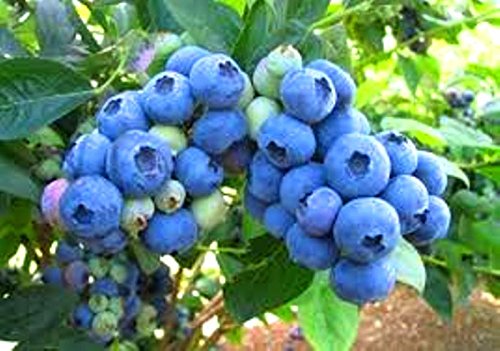
The Legacy variety comes from the New Jersey research center and is considered by many growers to be one of the best-tasting Northern Highbush blueberries available—super sweet, large berries with a distinctive crimson fall foliage show. Hello Organics ships four starter plugs in 2-inch tray pots, each 4–6 inches tall, making this the most cost-effective way to establish a small blueberry patch.
These are very small plants—reviewers consistently note they are far more diminutive than the product photos suggest. One or two dead plugs per order are common, though the remaining plants often grow vigorously once established in acidic soil. The hardiness range (Zones 5–8) is perfect for Zone 6, and the chill-hour requirements (around 800 hours) align well with typical winter temperatures in the region.
The biggest risk with starter plugs is the first winter: plants this small have limited root systems and may heave out of the ground during freeze-thaw cycles. Mulching heavily and planting in a protected location is essential. For patient growers who want to maximize flavor in a few years without spending premium money, the Legacy 4-pack offers unbeatable value per plant.
Why it’s great
- Legacy cultivar is widely regarded as one of the best-tasting Northern Highbush varieties
- Four plants for the price of one premium bush—excellent per-plant value
- Crimson fall color adds ornamental interest beyond fruit production
Good to know
- Very small starter plugs; 1–2 dead plants per order are not uncommon
- Needs heavy winter mulch to prevent frost heave in first year
6. Hello Organics Emerald Southern Highbush (4-Pack)
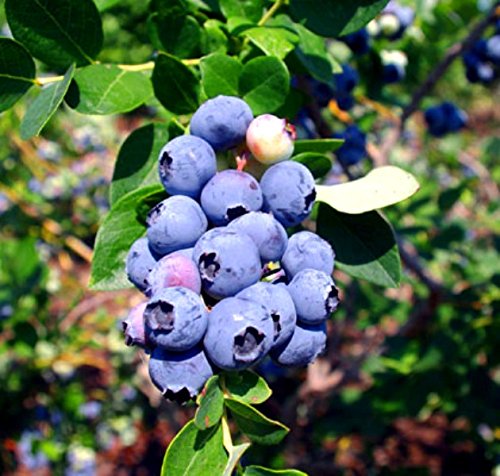
Emerald is the standard Southern Highbush plant for Florida and other warm climates, with a hardiness range that tops out at Zone 8. This listing ships four small plants in 2.25-inch pots, and the plants themselves are healthy with good root systems—buyers in warm zones consistently report perfect arrivals and vigorous growth. For a Zone 6 grower, however, this is an extreme gamble.
The fundamental problem is cold tolerance: Southern Highbush varieties require only 150–400 chill hours and will break dormancy during any warm spell in late winter. A single February freeze after an early warm-up will kill the flower buds—or the entire plant. Two verified reviews from colder zones report the plants dying within a year without ever flowering or fruiting. Even in the warmest Zone 6b microclimate, this is a high-risk purchase for full-sun outdoor planting.
The only scenario where Emerald makes sense in Zone 6 is if you plan to grow it in a container and move it into an unheated garage or cold frame during the coldest months. The plants themselves are well-grown and the seller’s packaging is reliable, but the variety is fundamentally mismatched with Zone 6’s winter pattern. Most buyers in this region should skip Southern Highbush entirely.
Why it’s great
- Healthy, well-rooted starter plants with excellent packaging from Hello Organics
- Compact growing habit works well for container growing with winter protection
Good to know
- Rated for Zone 8—too tender for unprotected Zone 6 winters
- Multiple buyers in cold zones reported plants dying without producing fruit
7. Garden State Bulb Jersey Blueberry (Bare Root, Bag of 2)

Jersey is a classic, extremely cold-hardy Northern Highbush variety rated for Zones 4–8, making it one of the safest choices for Zone 6 winters. Garden State Bulb ships two bare-root plants that are one year old—essentially dormant sticks with a developing root system. The hardiness and simplicity of the Jersey variety are proven: it’s been a commercial staple for decades because it reliably produces large, deep blue berries with minimal fuss.
The bare-root format is the budget trade-off. Several reviews report that one of the two plants arrived broken, died within weeks, or never leafed out at all. Survival rates hover around 50–75% based on buyer feedback, which is typical for bare-root plants shipped across temperature extremes. Those that do survive, however, are described as hardier than other Amazon-purchased varieties and often outlast more expensive options.
Garden State Bulb offers a one-year limited growth guarantee, and reviewers who contacted customer service generally received replacements for dead plants. The instructions recommend immediate planting in full sun with regular watering. For Zone 6 growers on a tight budget who are comfortable with a 50/50 survival gamble and willing to wait 1–4 years for full production, the Jersey 2-pack provides the cheapest entry point into homegrown blueberries.
Why it’s great
- Jersey variety is proven cold-hardy to Zone 4, ideal for Zone 6 reliability
- Two plants for a very low cost—most affordable option tested
- Surviving plants often outperform more expensive Amazon varieties in the long run
Good to know
- Bare-root survival rate is inconsistent; some buyers lost one or both plants
- Takes 1–4 years to reach full berry production; not an instant-gratification option
FAQ
Can Rabbiteye blueberries survive Zone 6 winters?
How many blueberry plants do I need for good pollination?
Why did my blueberry plant arrive dead or as a stick?
Final Thoughts: The Verdict
For most users, the blueberries for zone 6 winner is the Green Promise Farms ‘Patriot’ because its #3 container root system and Zone 3 hardiness eliminate the two biggest failure points: winter kill and slow establishment. If you want the best flavor per dollar spent and don’t mind a two-year wait for full production, grab the Hello Organics Legacy 4-Pack. And for warm Zone 6b growers with ample garden space, nothing beats the sheer production volume and berry quality of the Perfect Plants Powder Blue with a proper cross-pollinator.