
At eleven, the gaming table shifts. The simple luck of a spinner no longer holds attention — what clicks now is real strategy, hidden roles, resource management, and the satisfying click of a well-laid plan. The best games at this age challenge without overwhelming, offering depth that rewards each playthrough with new decisions. This is the sweet spot where family game night evolves into something genuinely engaging.
I’m Min — the co-founder and writer behind Gadgets Feed. I’ve analyzed hundreds of board game mechanics, reading through thousands of spec sheets and player feedback to identify the games that teach real strategy without frustrating a developing player.
This guide cuts through the noise to recommend the best board games for 11 year olds, each one tested by the rigor of repeated play and the honest critique of its target audience.
How To Choose The Best Board Games For 11 Year Olds
An 11-year-old is at a cognitive pivot point. They can handle multi-step strategy, bluffing, and long-term planning, but still need clear rules and a reasonable playtime. The wrong game either talks down to them or loses them in complexity. Here is what to look for.
Playtime and Pacing
Look for games that clock in between 30 and 60 minutes. Too short (under 15 minutes) and the decision space feels shallow. Too long (over 90 minutes) and attention drifts, especially with three or four players. Games like Ticket to Ride and CATAN hit that 60-minute sweet spot perfectly, giving enough time for strategy to develop without overstaying.
Mechanics That Matter at This Age
Set collection, route building, and cooperative problem-solving are the three mechanics that shine brightest for this age group. Set collection (Splendor Duel) teaches resource planning. Route building (Ticket to Ride) builds spatial and long-term thinking. Cooperative play (Codenames: Duet, Horrified) fosters communication and shared victory — a huge confidence builder for pre-teens navigating social dynamics.
Quick Comparison
On smaller screens, swipe sideways to see the full table.
| Model | Category | Best For | Key Spec | Amazon |
|---|---|---|---|---|
| CATAN (6th Edition) | Premium | Gateway strategy & resource trading | 60–90 min playtime, 3–4 players | Amazon |
| Ticket to Ride (2025 Refresh) | Premium | Route planning & family strategy | 30–60 min playtime, 2–5 players | Amazon |
| Splendor Duel | Mid-Range | Two-player head-to-head strategy | 30 min playtime, ages 10+ | Amazon |
| Harmonies | Mid-Range | Tactile tile-laying & solo play | 30 min playtime, 1–4 players | Amazon |
| Horrified: Dungeons & Dragons | Mid-Range | Cooperative team challenges | 60 min playtime, 1–5 players | Amazon |
| Codenames: Duet | Budget-Friendly | Cooperative word association | 10–15 min rounds, 2 players | Amazon |
| Dumpster Dice | Budget-Friendly | Fast, chaotic dice action | 5–10 min rounds, 2–4 players | Amazon |
In‑Depth Reviews
1. CATAN 6th Edition

CATAN remains the gateway strategy game for a reason. The 6th Edition updates the components with built-in card trays, chunkier wooden pieces, and a beginner-friendly rulebook. The variable hexagonal board means no two games play the same, teaching resource management and negotiation naturally across 60 to 90 minutes. An 11-year-old grasps the core loop — roll, trade, build — within the first round, but the strategic depth of placement and timing keeps them engaged for dozens of plays.
The social element is where CATAN really shines at this age. Trading resources requires reading your opponents, making deals, and deciding who to trust — all without feeling like a formal lesson. The robber mechanic adds tension without cruelty, and the race to 10 victory points keeps everyone engaged until the final moment. The 6th Edition art refresh makes the hexes more vibrant, which helps younger eyes track resources quickly.
One important note: CATAN is best at exactly 3–4 players. Two-player games lose the trading dynamic, and the 5–6 player expansion is a separate purchase. For an 11-year-old’s first serious strategy game, this is the gold standard. The playtime can stretch past 90 minutes with four new players, so budget for that first session.
Why it’s great
- Teaches resource management and negotiation through genuinely fun gameplay
- High replayability due to modular board and variable strategies
Good to know
- Can run long (60–90 min) with new players
- Playing with only 2 players dulls the trade mechanic
2. Ticket to Ride (2025 Refresh)
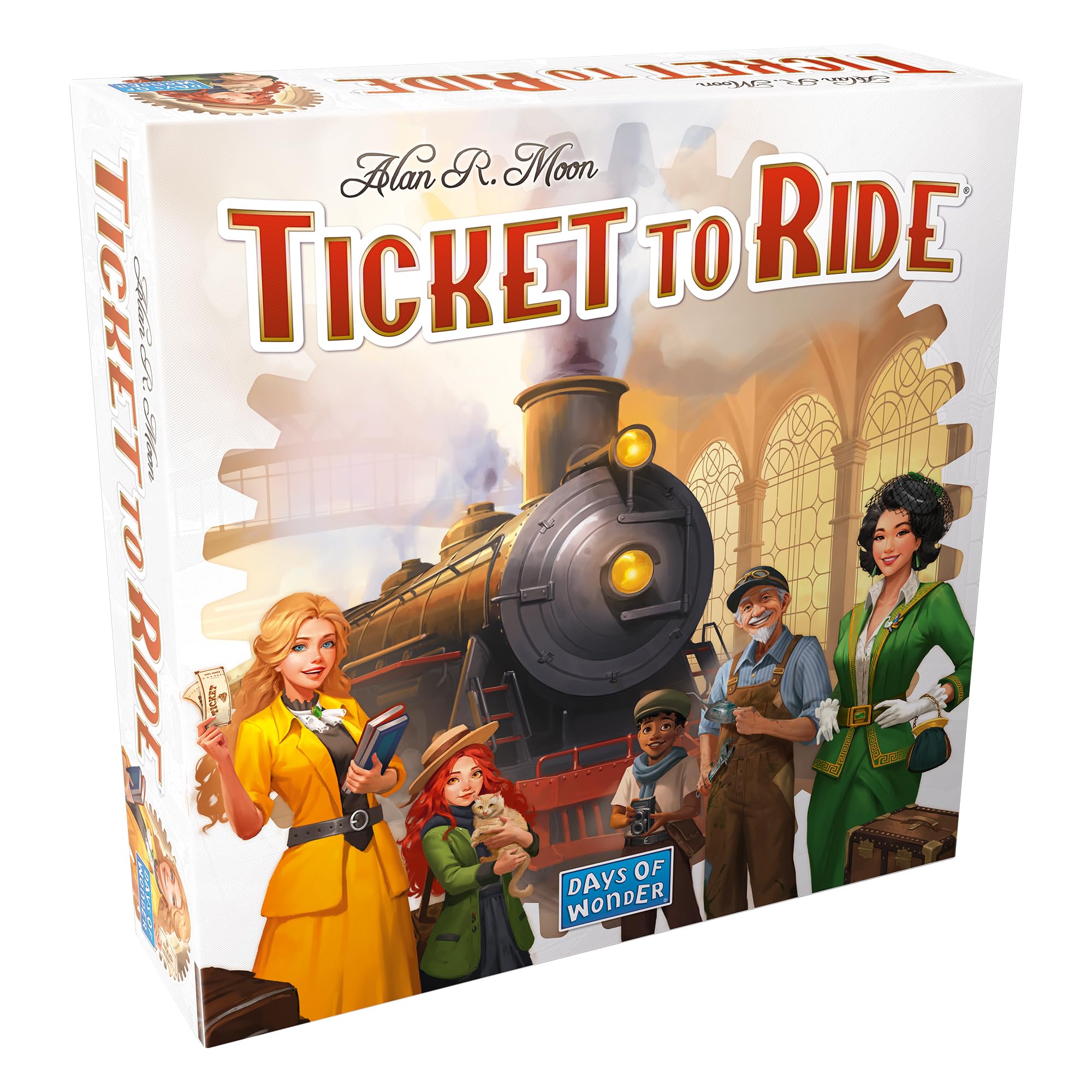
Ticket to Ride is the ultimate entry point for teaching route planning and set collection to an 11-year-old. The new 2025 Refresh edition updates the visual design and component quality, but the core remains the same: collect colored train cards to claim railway routes across North America. The giant map is immediately engaging, and the tactile satisfaction of placing plastic trains on the board cannot be overstated for this age group.
The genius of Ticket to Ride lies in its transparency. Every player can see what routes their opponents are building, encouraging either cooperation or competition for key corridors. The game clocks in at 30–60 minutes, making it a perfect weeknight pick. An 11-year-old can win against adults through careful card hoarding and route timing — nothing feels unfair because the dice are replaced by hand management.
Spatial reasoning gets a real workout here. Players must evaluate the board, plan connections, and adapt when their preferred route gets blocked. The 2025 Refresh includes updated art that makes city names more readable, which is a small but appreciated improvement for younger players still building geography awareness. The box fits on standard shelves, and the rules fit on two pages.
Why it’s great
- Perfect playtime (30–60 min) for sustained attention
- Easy to learn with deep strategic layers underneath
Good to know
- The 8-year-old minimum age in the box might be optimistic for sustained focus
- Players can be blocked out of routes early, requiring adaptation
3. Splendor Duel
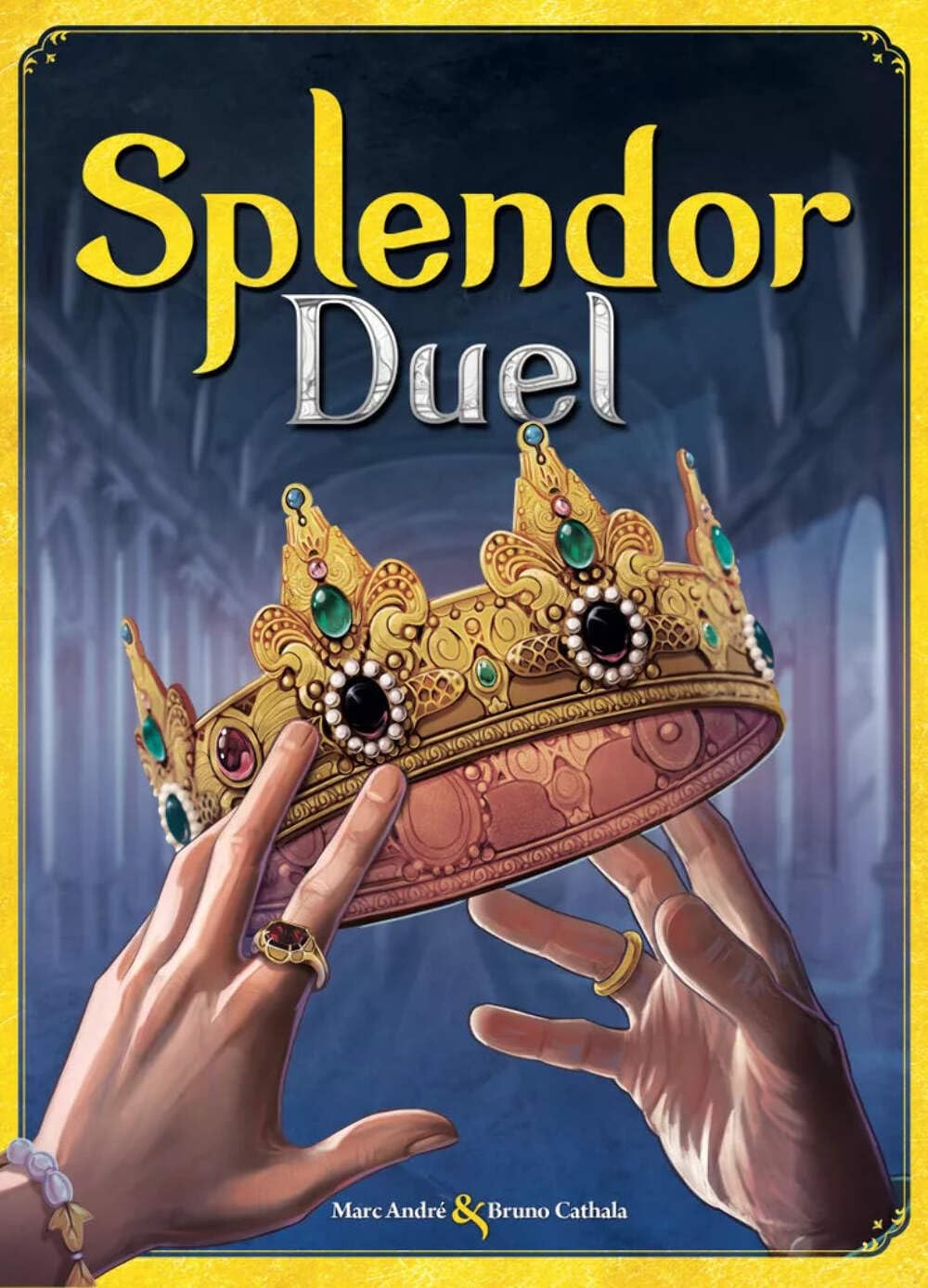
Splendor Duel is a masterclass in two-player game design, purpose-built for the head-to-head dynamic that 11-year-olds love. The base Splendor formula — collect gems, buy development cards, earn prestige points — gets tightened with exclusive powers, alternate win conditions, and a common board that forces direct competition. Each game runs about 30 minutes, making it ideal for siblings or parent-child matchups without dragging.
The components are top-tier: thick cardstock, solid plastic gem tokens with satisfying weight, and a compact box that fits in a backpack. The strategic depth comes from balancing gem acquisition with card timing. Special privilege tokens allow game-changing moves, teaching risk assessment in a low-stakes environment. An 11-year-old quickly learns that grabbing every shiny gem is not the path to victory — restraint and planning win out.
What makes Splendor Duel special for this age is the absence of take-that mechanics. There is no direct attack, no stealing, no hurt feelings. The competition is purely about efficiency and board position. The alternate win condition (collecting 10+ points or specific royal tiles) adds tension without confusion. For two-player family gaming, this is the most efficient 30 minutes you can buy.
Why it’s great
- Fast, deep, and completely fair two-player competition
- Premium components that feel good in hand
Good to know
- Only for 2 players — no solo or group mode
- Strategy reveals itself over multiple plays, not immediately
4. Harmonies

Harmonies is the most visually striking game on this list, and that matters when you are trying to pull an 11-year-old away from a screen. The premise is simple: place wooden tokens to create 3D landscapes, then place animal cubes on matching habitats. The result is a tactile, gorgeous board that players build themselves. The sensory feedback — stacking tokens, arranging cards, placing cubes — is unusually satisfying for a genre that usually relies on cardboard.
Beneath the beauty lies a tight tile-laying puzzle. Each card shows a pattern, and scoring requires careful planning of both landscape shape and animal placement. The rules fit on a single page, but the strategic depth rivals games twice as complex. At 30 minutes per game, Harmonies is fast enough for back-to-back plays, and the solo mode works seamlessly when an only child wants a challenge. Libellud’s signature art on 42 illustrated cards keeps discovery fresh every game.
The multiplayer experience is largely solitaire — players build on their own boards with minimal interaction. Some families love this focus; others miss the cutthroat fun of blocking opponents. For an 11-year-old who enjoys quiet puzzle-solving and visual creation, Harmonies is a standout. The 120 wooden tokens are durable enough for repeated travel, and the insert keeps everything organized without bags.
Why it’s great
- Gorgeous tactile components that appeal to creative players
- Excellent solo mode for independent play
Good to know
- Low player interaction — feels like parallel solitaire
- Game can end abruptly depending on card draws
5. Horrified: Dungeons & Dragons
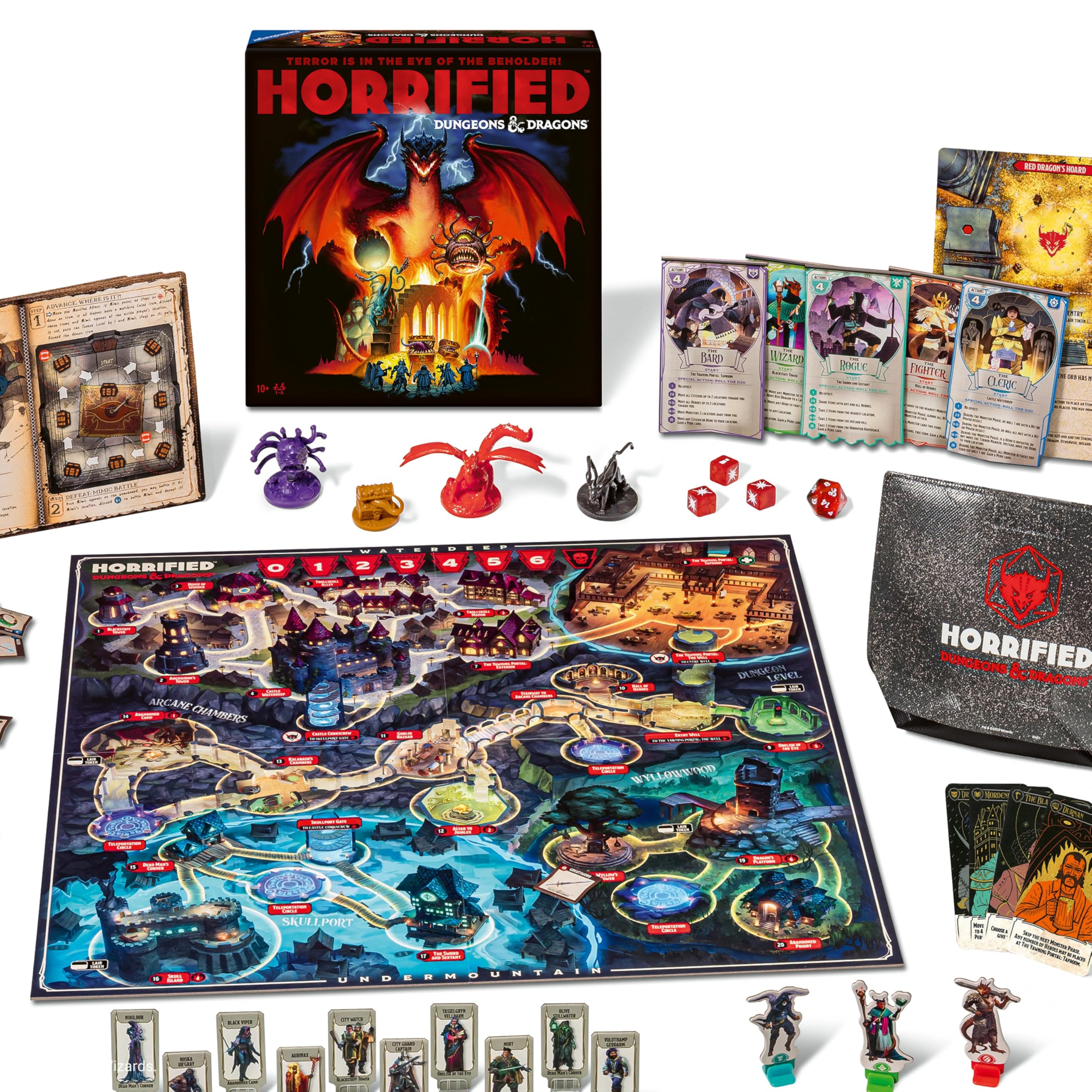
Horrified: Dungeons & Dragons bridges the gap between board game and RPG without requiring a dungeon master. Players choose hero roles (tank, DPS, ranged, magic-user) and cooperate to defeat four legendary monsters — Beholder, Displacer Beast, Mimic, and Red Dragon — in Waterdeep. The cooperative structure means everyone wins or loses together, which removes the sting of elimination and encourages real teamwork.
Each monster has unique tactics. The Beholder requires careful positioning. The Mimic hides in plain sight. The Red Dragon forces resource management. This variety keeps the game fresh across dozens of plays. The sculpted monster miniatures are genuinely impressive for the price point, and the custom d20 adds tactile D&D flair that 11-year-olds find irresistible. The 60-minute playtime feels like an epic session without overstaying.
The game requires good communication. Players must coordinate who tanks damage, who deals ranged attacks, and who rescues citizens. This is excellent for developing verbal planning skills in a low-pressure context. No prior D&D knowledge is needed — the rulebook teaches everything. For a group of 11-year-olds who want to feel like heroes without the complexity of a full RPG system, this is the perfect entry point.
Why it’s great
- True cooperative play — no elimination, everyone wins or loses together
- Variable monster difficulty allows replayability and skill progression
Good to know
- Initial setup and rule learning takes about an hour
- Some monster combinations are significantly harder than others
6. Codenames: Duet (2nd Edition)
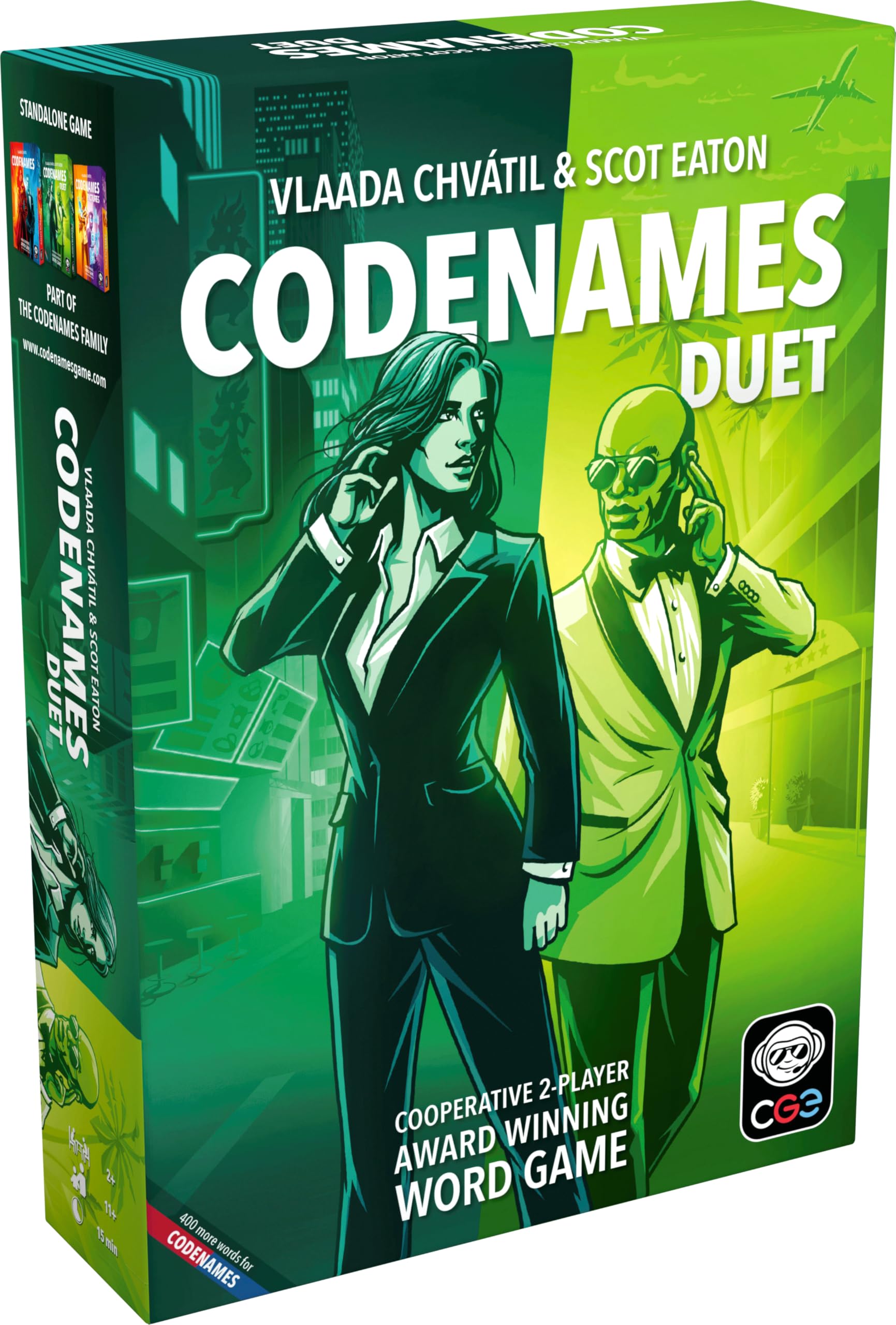
Codenames: Duet takes the brilliant word-association mechanic of the original Codenames and retools it for cooperative two-player play. Instead of competing spymasters, both players work together to identify 15 agents hidden in a 5×5 grid, each seeing only part of the key. The challenge is giving one-word clues that guide your partner while avoiding the assassin tile that ends the game instantly. Rounds last 10–15 minutes, making it easy to fit between homework and dinner.
The 2nd Edition includes 400 new codenames compatible with both Duet and the original game, plus refreshed art and a better insert. The language and vocabulary demands are higher than the other games on this list, which makes it excellent for building verbal reasoning. An 11-year-old learns to think about word associations, synonyms, and abstract connections — all while laughing at clever (or disastrous) clues. The tension of avoiding the assassin tile adds real drama to every guess.
The cooperative structure means no one feels stupid for a bad guess — the team succeeds or fails together. This makes it far less intimidating for a hesitant player than the competitive original. Compact box design means it fits in a backpack for car trips or sleepovers. For the price, the replay value is exceptional. The only catch is that it requires both players to have strong English vocabulary, which may exclude some 10-year-olds.
Why it’s great
- Teaches verbal reasoning and abstract thinking through play
- Ultra-short rounds (10–15 min) fit busy schedules
Good to know
- Requires strong vocabulary — not ideal for struggling readers
- Best experienced after knowing the base Codenames rules
7. Dumpster Dice
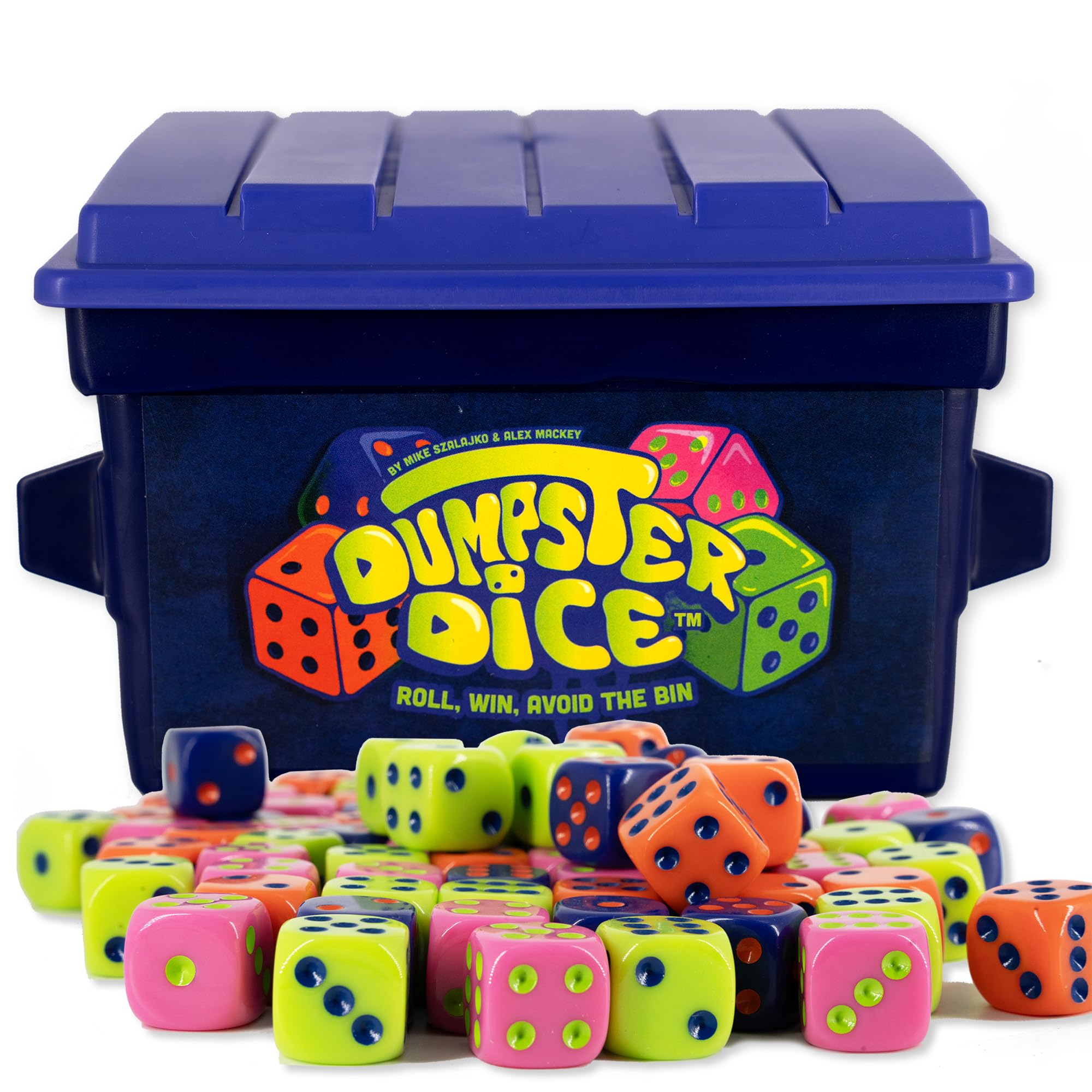
Dumpster Dice is pure, joyful chaos — and sometimes that is exactly what an 11-year-old needs. The premise is simple: roll dice to complete a 1–6 set, but duplicates send you straight to the bin (the included dumpster that doubles as the game board). The 80 colorful dice in four colors create a satisfying sensory experience — rolling, stacking, collecting, and dumping. Rounds last 5–10 minutes, making it the fastest game on this list and perfect for short attention spans or filling gaps.
The dumpster itself is cleverly designed. The removable lid becomes the game board, and the base stores all 80 dice. Five gameplay variations are included in the rule sheet, letting families adjust difficulty. The graffiti stickers let kids personalize the box, which adds ownership and creative engagement. For groups of siblings with different ages (the recommended minimum is 6), this scales beautifully — the 11-year-old can play the advanced variant while a younger sibling uses the base rules.
Dumpster Dice can be combined with the separate Trash Dice game to support up to 6 players. The randomness means strategy is minimal — this is not a game that rewards careful planning. But for parties, travel, or moments when the family needs a laugh instead of a lesson, it delivers. The ABS plastic dice are durable enough for aggressive rolling, and the compact tin fits in a carry-on for vacation.
Why it’s great
- Ultra-fast rounds keep the energy high and attention engaged
- Portable tin with personalizable stickers adds creative fun
Good to know
- Pure luck-based — no strategic depth for serious gamers
- Can feel repetitive after 20+ minutes of continuous play
FAQ
How long does it take to learn these games for an 11-year-old?
Can these games be played with younger or older siblings?
Which game teaches the most critical thinking for this age?
How many players do I need for a good experience?
Final Thoughts: The Verdict
For most families, the board games for 11 year olds winner is the CATAN 6th Edition because it offers the best balance of strategic depth, social interaction, and replayability for groups of 3–4. If you want a two-player game that rewards careful planning, grab the Splendor Duel. And for a cooperative adventure that builds teamwork and hero narratives, nothing beats the Horrified: Dungeons & Dragons.