
Our readers keep the lights on and my morning glass full of iced black tea. As an Amazon Associate, I earn from qualifying purchases.
Specs are compiled from manufacturer listings and verified buyer reviews and can change over time — please confirm the key details on the product page before buying.
The wrong shoe is the weak link in your strongest lift. Those running sneakers with a big squishy heel? They steal your power as you push. You want a firm, flat platform that transfers every ounce of force straight into the floor. That is exactly what you get with a proper pair of bodybuilding shoes — zero energy wasted, just pure stability from the ground up.
I’m Min — the founder and writer behind Gadgets Feed. This guide is built by comparing the manufacturers’ published specifications and the patterns across verified customer reviews, so you get each pick’s real strengths and trade-offs instead of marketing spin.
Every shoe on this list delivers a rigid, non-compressible sole and a stable base to boost your squat, deadlift, and press. These are the bodybuilding shoes worth putting under your heaviest set.
Our Picks at a Glance

How To Choose The Best Bodybuilding Shoes
Choosing the right shoe for lifting is different from picking a running or casual sneaker. The rules change because your goal is stability, not cushioning. Here is what to look for.
Sole Firmness and Heel Height
A compressible sole is your enemy under a heavy barbell. You need a flat, non-compressible base that lets you feel the floor. Many dedicated lifting shoes feature a raised heel, often around 0.75 inches (19 mm). This helps you achieve a deeper squat if you have tight ankles — the slight angle shifts your posture forward so the bar stays over your midfoot, a move called improving power transfer. A flat, zero-drop sole (where the heel and toe sit level) is preferred by some for deadlifts, as it keeps you closer to the ground and mimics the mechanics of barefoot lifting.
Fit and Lockdown
Shoes that are too roomy let your foot slide inside, which kills stability. Look for a snug fit, especially through the midfoot. A secure strap system (often a velcro strap over the laces) locks your foot in place so the sole moves with you, not against you. Pay close attention to sizing notes — some models run narrow, and many owners suggest going up half a size. A wide toe box is a plus if you need room for your toes to splay out and grip the floor, which gives you a wider, more stable base.
Versatility vs. Purity
Some shoes are designed purely for lifting and feel stiff for walking. Others, like hybrid trainers, are comfortable enough for warm-up jogs or box jumps but still offer a stable base. Decide if you want a dedicated tool for the squat rack or a single shoe that handles a full cross-training session.
Quick Comparison
| Model | Best For | Heel Type | Weight | Closure | Amazon |
|---|---|---|---|---|---|
| Nordic Lifting VENJA★ Best Overall | Dedicated lifting with a stable improve heel | Raised (1.06″) | 3.28 lbs | Lace + Strap | Amazon |
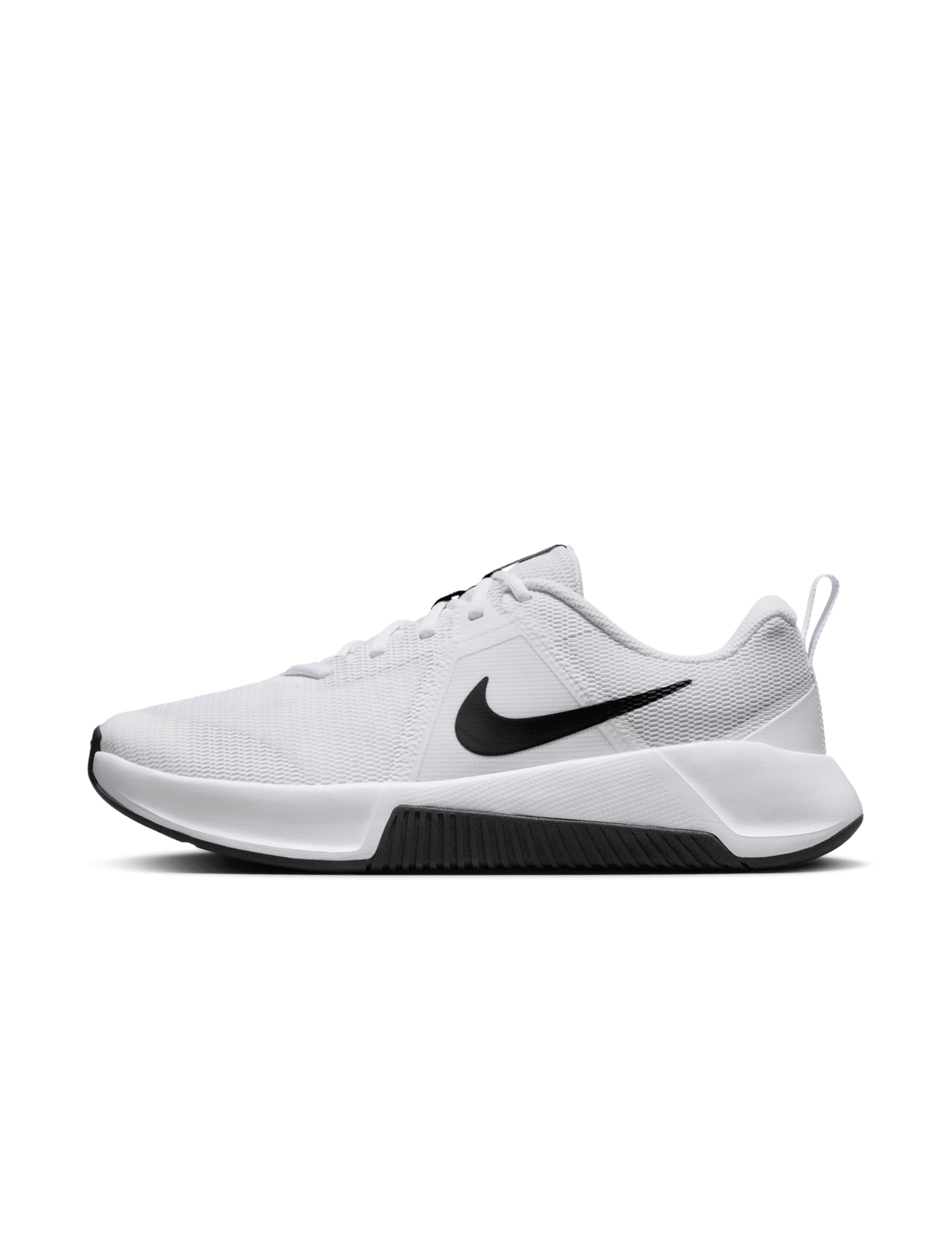
| Nike MC Trainer 3Most Versatile | Versatile cross-training with a flat base | Flat / Low Drop | — | Lace | Amazon |
| adidas Powerlift 5 | Entry-level lifting with a lower heel | Raised (Low) | 2.43 lbs | Lace + Strap | Amazon |
| CORE Bodybuilding | Lifting with arch support and a flat sole | Flat (0.75″) | — | Lace + Strap | Amazon |
| Otomix Stingray Escape | Lightweight flat-sole lifting & grappling | Flat | — | Lace | Amazon |
| Otomix Warrior | Wide-foot lifting with ankle support | Flat | — | Lace | Amazon |
| Flux Adapt Graphene XT | Barefoot-style lifting with a wide toe box | Zero Drop | 10.2 oz | Lace | Amazon |
In‑Depth Reviews
1. Nordic Lifting VENJA Weightlifting Shoes
Our pick — over 4.5★ from 650+ verified ratings; the strongest balance of quality and price.
The lifting shoe that outlasts the hype — a rock-solid 1.06-inch raised heel that lets you hit squat depth without tipping forward.
What wins people over is the rock-solid stability this shoe provides. The raised heel measures 1.06 inches, giving you the ankle mobility to hit depth on squats while the non-compressible sole ensures zero energy leak. Buyers report this shoe lasting years — as one puts it, “lasted 4 years with occasional shoe goo repairs.” That kind of longevity is rare at this level.
The build quality and fit are where it shines. Quality and comfort are the most-discussed positives, with the shoe offering a wide toe box that accommodates wider feet well and a secure strap system that locks the midfoot. It is heavier than the adidas Powerlift 5 by almost a full pound at 3.28 pounds, reinforcing its tank-like feel.
The trade-off is that these are not for running or casual day-long wear. The design is purpose-built for the squat rack and lifting platform — and it does not pretend to be anything else. It is the clear crowd favorite for a reason: 4.6 stars and consistent praise for its performance on heavy lifts. Skip this one if you need a shoe for cardio; pick it if you want one shoe that will last through years of heavy squats.
Built to Lift
- Stable, improve heel improves squat depth and balance
- Dry-fit lining and strap keep the foot planted
- Proven durability over years of use
Know Before You Buy
- Not suitable for running or high-impact cardio
- Heavier than some alternatives at 3.28 lbs
Grab these for: any lifter who wants a durable, high-stability shoe for dedicated squat and deadlift sessions.
Think twice if: you need a single shoe for running, cardio, and lifting — this one is a specialist, not an all-rounder.
2. Nike Men’s MC Trainer 3
The hybrid trainer that goes from the squat rack to the basketball court without missing a beat — and is lighter on your feet than the Nordic Lifting VENJA.
This is the shoe for anyone who does not want a closet full of specialized footwear. One owner perfectly captured the sentiment: “Was looking for one sport shoe that could handle a bunch of different things.” The MC Trainer 3 delivers a flat, stable base that keeps you grounded for lateral moves and lifting, while forefoot flex grooves (cuts in the outsole that let the shoe bend) give it enough flexibility for a quick jog or some box jumps.
Comfort and fit are the unanimous highlights, with the shoe working well for wider feet and offering a look that blends in at the gym or the park. It is lighter and less rigid than a dedicated lifting shoe like the Nordic Lifting VENJA, making it a more comfortable companion for an hour-long circuit session.
That flexibility comes with a small price: the heel cup feels less premium, and owners note it requires some care when putting on. If you are chasing pure, uncompromising stability for a 500-pound squat, the VENJA specialist shoe is better. But for most lifters doing a mix of exercises, this is the most practical choice — and it earns a solid 4.5 stars from hundreds of owners.
True all-rounder: The flat base and moderate cushioning make it stable for lifts yet flexible for cardio — a rare balance.
Ideal for: the cross-trainer who wants one shoe for lifting, HIIT, and casual gym wear.
Not for: the competitive powerlifter who needs a rigid, uncompromising platform.
3. adidas Powerlift 5
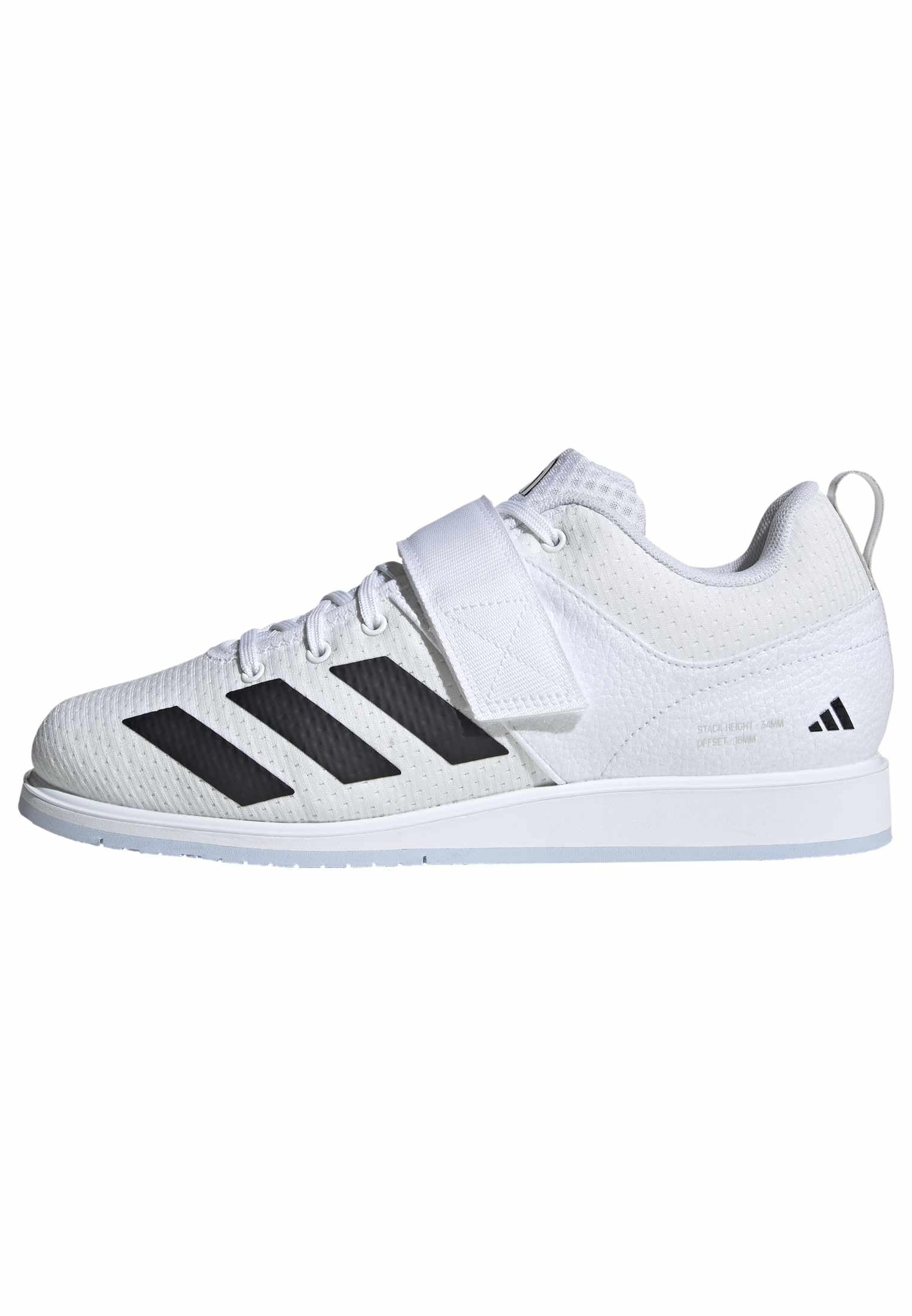
A lighter, more forgiving entry into raised-heel lifting — at 2.43 lbs it is over a pound lighter than the top pick.
This shoe is noticeably less intimidating than a full-on weightlifting shoe. At just 2.43 pounds, it is over a pound lighter than the Nordic Lifting VENJA, making it easier to walk around in between sets. The raised heel is present but subtle, improving squat form and alignment without feeling like a high-heel wedge.
Functionality and quality are what owners praise most. The shoe provides excellent stability for squats and overhead presses, with many noting it is a “standout” for their training. However, the fit is the most-discussed aspect for a reason — and it is a mixed bag.
The biggest caveat is that these run narrow. As one owner reported, “I am a size 11.5 but that was a bit short on me, so I exchanged them for size 12 and they fit great.” Most owners recommend going up half a size. If you have wide feet, this is likely not the shoe for you. It is a fantastic starter that helps you feel what a weightlifting shoe can do without the bulk or cost of a top-tier wedge. The adidas Powerlift 5 is the right pick if you have narrow-to-normal feet and want an affordable entry; skip it if your feet are wide.
Smart starter pick: The lower heel and lighter weight make the transition from sneakers easy, but the narrow toe box is a real constraint for wider feet — size up.
Best for: beginners or those with narrow-to-normal feet wanting an affordable, functional lifting shoe.
Avoid if: you have wide feet or prefer a roomy toe box.
4. CORE Bodybuilding Shoes

The flat-sole shoe with built-in arch support — a 0.75-inch sole that feels planted for lifters who hate a raised heel.
This shoe takes a different approach. Instead of a big raised heel, it uses a 0.75-inch flat sole combined with dedicated arch support. The result is a shoe that feels planted and supportive, especially for those with high arches who often feel strain in flat lifting shoes. Owners mention it makes a “big difference” in their leg days, with one 14-year lifting veteran calling it the best leg day of his career.
Quality and comfort are the clear standouts in the reviews. The materials feel well-made, and the combination of laces and a strap gives excellent ankle lockdown. The grip is reliable even on carpeted gym floors.
The catch is sizing. Fit is the most-discussed topic, and the feedback is split. Some find it true to size, but others find it runs narrow and small — especially in the toe box, which one owner described as “a bit pointy.” If you have wider feet, this is a risky blind buy. Measure your foot and check the insole length if possible. It is a strong choice for lifters who want the ground contact of a flat sole with the foot support of a structured heel shoe.
Comfort with a caveat: The arch support and flat sole are a winning combo for stable lifts, but the fit inconsistency means you should buy from a place with a good return policy.
Grab these for: lifters with normal-to-narrow feet who want arch support in a flat-sole lifting shoe.
Skip if: your feet are wide or you have had issues with pointy toe boxes in the past.
5. Otomix Stingray Escape

The featherweight flat sole — so light you feel the floor directly under each toe.
This is the lightest, most minimalist option in the lineup. The Otomix Stingray Escape is built with a flat, sewn-on sole that gives you maximum ground feel. It is popular not just in bodybuilding, but also in MMA and wrestling, because it offers a “barefoot-like” connection without any heel elevation (known as zero drop). Owners consistently call it the most comfortable shoe they own, with one retail manager noting it even helped relieve back pain at work.
Quality and comfort are the top positives. The shoe is praised for being lightweight and cute, making it a good choice for gym-goers who want performance without a bulky look.
The main trade-off is durability and fit. Some customers note stitching issues over time, and the fit is the most-discussed aspect — it runs slightly wide, which is great for some but not for those with thinner feet. The insole can also slide around on certain pairs. It is a specialist shoe that excels at deadlifts and flat-based lifts but may not hold up to constant, aggressive training like the heavier Nordic Lifting VENJA would.
Best for barefoot feel: The flat, flexible sole is perfect for deadlifts and grappling, but be mindful of the fit — it works best for standard-to-wide feet.
Ideal for: lifters who prefer a zero-rise, lightweight shoe for flat lifts or multi-discipline training.
Not for: those who need a raised heel for squats or long-term heavy durability.
6. Otomix Warrior

Otomix took its flat-sole design and widened the toe box — now owners with wide feet call it a perfect fit.
Otomix updated the Stingray’s design with the Warrior specifically to add a wider toe box, and it pays off. Owners with wide, flat feet call it a revelation, noting the fit is “perfect” straight from the start. The shoe is flat-soled, giving you that grounded feel for deadlifts, but adds excellent ankle and arch support that many lifting shoes lack.
Fit, quality, and comfort are its strongest suits. The shoe feels near-custom-made for big-footed users, offering a snug but not painful hold that breaks in after a day or two. It is also comfortable enough for casual wear.
The recurring downside is durability concerns, particularly with the memory foam insole tending to fall apart. One owner noted a pair did not last a full wrestling season. If you need a shoe for daily heavy training, this is a potential weak point compared to the glued-and-stitched sole of the Nordic Lifting VENJA. It is a fantastic fit for wider feet, but the insole may need replacing over time.
Why It Works
- Superior fit for wide feet and high insteps
- Excellent ankle support for flat-sole training
- Comfortable for both gym and casual wear after break-in
The Trade-Offs
- Insole can break down over time
- Runs slightly wide; may not suit narrow feet
Reach for this if: you have wide feet and want a supportive flat sole for lifting and grappling.
Look elsewhere if: you need a shoe with a durable integrated sole that will last through a full athletic season.
7. Flux Adapt Graphene XT
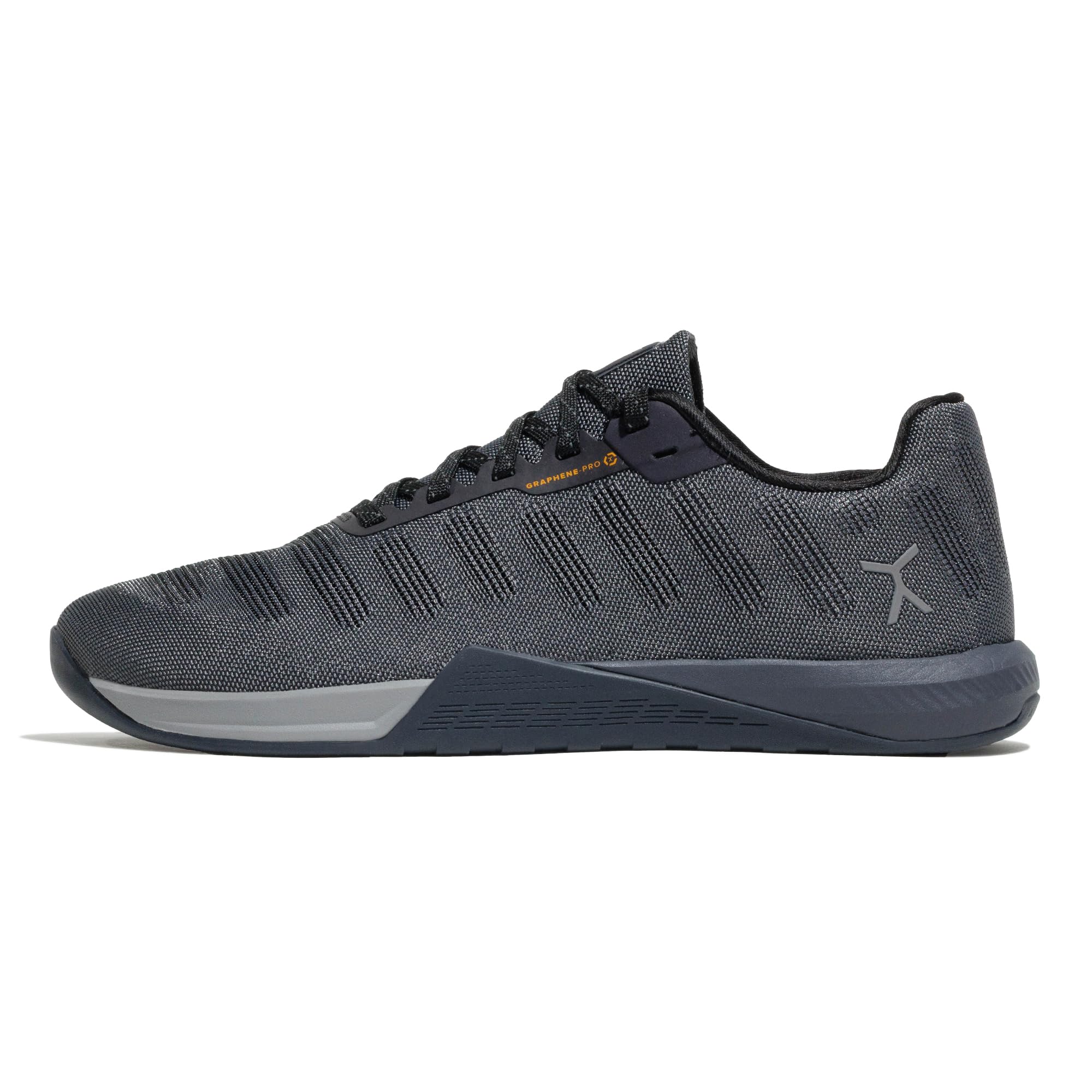
The zero-drop, wide-toe-box shoe that uses graphene in its sole — 200 times stronger than steel — so it weighs just 10.2 ounces.
This is the outlier — a zero-drop, wide-toe-box shoe that lets your foot function naturally. It is built with a ballistic mesh upper and a graphene outsole (graphene is a carbon layer the brand says is 200 times stronger than steel), making it incredibly light at just 10.2 ounces while the brand claims extreme durability. Owners who made the switch report no more foot pain and a much more stable feeling under heavy weights.
Comfort and quality dominate the conversation, with the wide toe box being the standout feature for those with splayed toes. The shoe is praised for its stability during heavy lifts and its versatility for everything from sprints to lunges. As one owner puts it, the shoes “let them move as they should.”
The caveat is that this is a minimalist shoe with minimal cushioning. It takes time to get used to, as your feet have to work harder. Sizing is also tricky — it runs small, and despite a size chart, several owners found the fit too large even with a half-size adjustment. It is a premium, forward-thinking design that delivers exactly what it promises, but it asks for a period of adaptation and careful sizing.
Innovation at a cost: The graphene sole and barefoot design offer class-leading ground feel and durability, but the sizing gamble and lack of cushioning make it a niche pick for the converted.
Best for: lifters who have transitioned to barefoot or minimalist footwear and want the best materials available.
Not for: beginners who are not ready for zero-drop, low-cushion shoes or those who want a low-maintenance fit.
Understanding the Specs
Heel-to-Toe Drop
This measures the height difference between the heel and the forefoot. A “zero drop” shoe means your heel is level with your toes, mimicking barefoot position. A raised heel of 0.75 to 1.06 inches is common in dedicated lifting shoes. It helps lifters with tight ankles achieve deeper squats by shifting weight towards the midfoot for better balance.
Non-Compressible Sole
Unlike running shoes that use soft foam to absorb shock, bodybuilding shoes need a firm, rigid sole that does not squish under heavy loads. A compressible sole wastes the energy you are trying to push into the floor and can make your foot unstable. The materials are usually hard rubber or dense EVA foam (a type of firm plastic foam) designed for minimal give.
Strap System
A velcro strap over the top of the shoe is a classic feature of weightlifting shoes. It provides an extra layer of lockdown over the laces, pulling your midfoot tight against the sole. This prevents your foot from sliding forward during a squat, which can throw off your center of gravity and lead to a missed lift.
Toe Box Width
This refers to the space in front of the foot. A wide toe box allows your toes to splay out naturally. This creates a wider, more stable base of support on the floor, similar to gripping the ground with your bare feet. It is a common feature in minimalist and barefoot-style shoes that prioritizes natural foot function.
FAQ
What makes a shoe a bodybuilding shoe?
Can I use running shoes for bodybuilding?
What is the difference between a raised heel and a flat sole?
Do bodybuilding shoes run true to size?
Are bodybuilding shoes good for walking?
What is a “flat sole” shoe?
How long do bodybuilding shoes last?
Can I wear them for CrossFit?
What is a zero-drop shoe?
Final Thoughts: The Verdict
For most users looking for their next pair of bodybuilding shoes, the winner is the Nordic Lifting VENJA. It combines proven durability, a stable 1.06-inch raised heel, and a secure fit at a price that sits in the middle of the pack. If you need one shoe that does it all — lifting, HIIT, and even some court time — the Nike MC Trainer 3 is the smarter grab. And for lifters with wide feet who struggle with standard toe boxes, the Otomix Warrior is the specific relief you have been looking for.
How We Picked
We do not accept paid placement. Every pick is matched to a real buyer and a real use-case; we do not hands-on test units.
Sources & Methodology
Specifications: manufacturer listings and product documentation. Review insights: verified customer reviews, as of July 2026. Pricing: not shown on this page (it changes often); check the current price via the retailer link.
As an Amazon Associate, Gadgets Feed earns from qualifying purchases. This does not affect which products we feature.