
Nothing ruins a morning commute or a mountain trail faster than cold, wet feet. The right pair of boots for snow and rain is the difference between a productive day and a miserable one — and in this category, one bad seal, one slippery sole, or one gram of insufficient insulation can cost you hours of discomfort. This guide isolates the technical specs that actually keep moisture out and warmth in, from waterproof membranes to lug depth and insulation weight.
I’m Min — the co-founder and writer behind Gadgets Feed. I spend my time cross-referencing hundreds of waterproofing claims against real-world test data, analyzing outsole traction patterns, and comparing insulation grams per boot to find the builds that genuinely hold up in freezing rain and deep powder.
After sorting through dozens of models across three tiers of pricing and performance, I’ve narrowed the field to the seven best options available right now. Whether you need a lightweight hiker for variable conditions or a heavy-duty winter boot for sub-zero slush, this list of the best boots for snow and rain will point you to the right pair without the guesswork.
How To Choose The Best Boots For Snow And Rain
The difference between a boot that lasts three seasons and one that fails in three weeks comes down to three specific engineering choices: the waterproof membrane, the insulation type, and the outsole rubber durometer. Beginners often confuse “water-resistant” with “waterproof” or assume a thick liner always means warm. Both assumptions lead to wet feet and buyer’s remorse.
Waterproofing That Actually Works
Look for a sealed membrane — Omni-Tech, B-DRY, or a fully seam-sealed construction — rather than a simple DWR (durable water repellent) coating. A membrane blocks liquid water from entering while allowing vapor to escape. Without a membrane, any boot will soak through after thirty minutes of sustained rain or slush puddles. Check the product page for the phrase “waterproof-breathable” rather than “water-resistant.”
Insulation Weight vs. Activity Level
Insulation is measured in grams per boot (200g, 400g). A 400g Thinsulate or Primaloft boot is ideal for stationary use in deep cold (below 20°F), but will overheat your feet during active hiking. If you plan to walk more than two miles in moderate winter conditions, an uninsulated or 200g boot with a good merino sock gives better temperature regulation.
Traction on Snow and Wet Pavement
The outsole rubber compound matters as much as the lug depth. A soft winter-specific compound (like Helly Hansen’s HH Max-Grip) stays pliable in freezing temperatures and grips ice, whereas a standard hiking rubber hardens and loses traction below 40°F. Look for “winter compound” or “ice-grip” labels, and at least 4mm of lug depth for loose snow and mud.
Quick Comparison
On smaller screens, swipe sideways to see the full table.
| Model | Category | Best For | Key Spec | Amazon |
|---|---|---|---|---|
| Helly Hansen Garibaldi V3 | Premium | All-day winter wear | Primaloft 400g insulation | Amazon |
| Oboz Bridger 10″ Insulated B-DRY | Premium | Deep snow hiking | B-DRY waterproof + 400g Thinsulate | Amazon |
| BOGS Bozeman Mid | Mid-Range | Wet farm or snow commutes | One-piece rubber lower shell | Amazon |
| SOREL Tivoli V Tall | Premium | Sub-zero style and warmth | Shaft height 10+ inches | Amazon |
| Columbia Ice Maiden Slip III | Mid-Range | Rain and light snow | Omni-Heat reflective lining | Amazon |
| SOREL Out N About IV Chillz | Mid-Range | Cold campus walks | Rubber toe cap + seam seal | Amazon |
| Columbia Transverse Hike | Budget-friendly | Light rain hiking | Omni-Tech waterproof membrane | Amazon |
In‑Depth Reviews
1. Helly Hansen Men’s Garibaldi V3 Waterproof Winter Boots
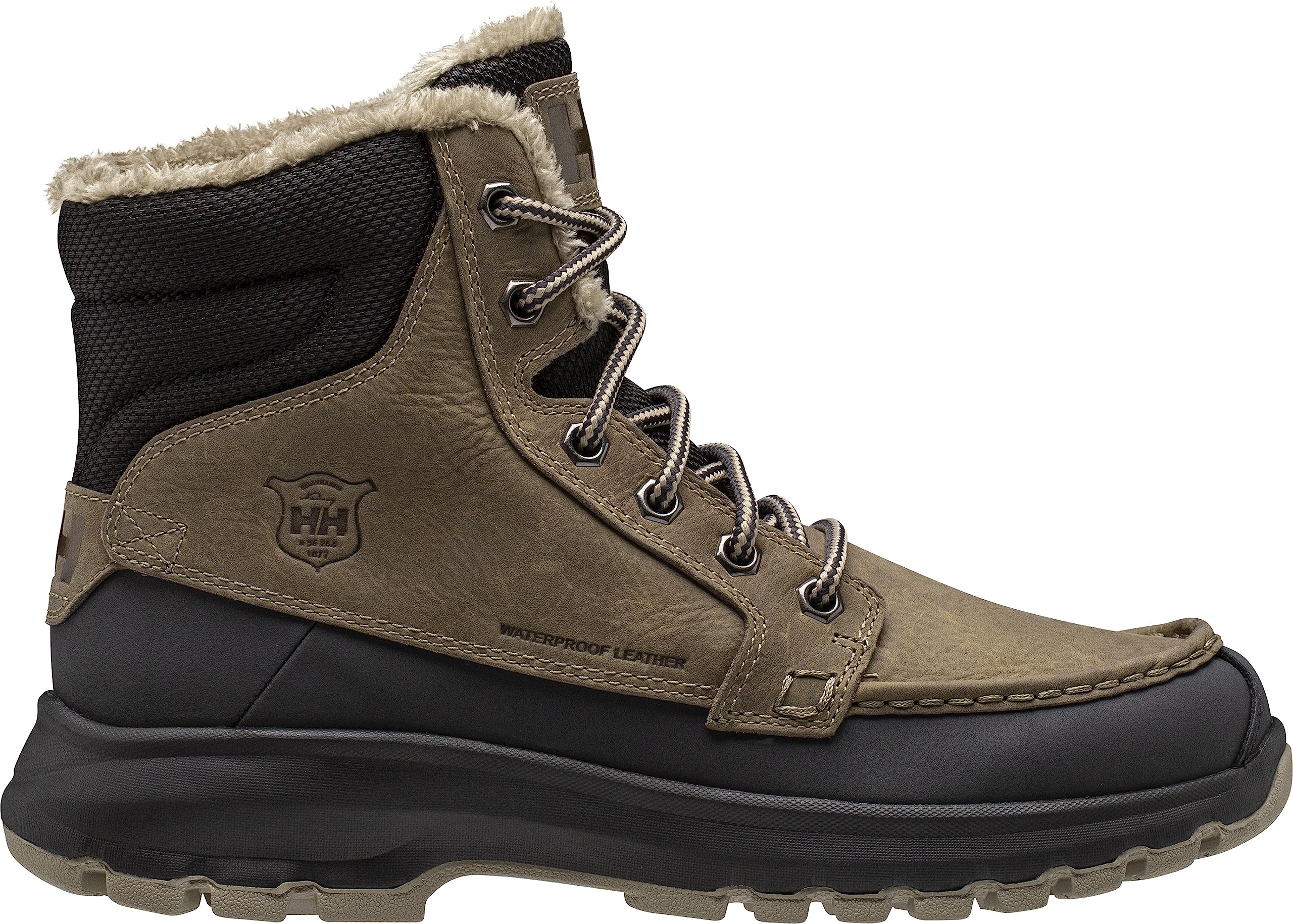
The Garibaldi V3 earns the top spot because it nails the hardest balance in the category: heavy insulation without sacrificing comfort for all-day wear. With 400g of Primaloft and a sealed waterproof leather upper, it keeps feet warm and dry at -11°F according to real owner reports, yet the breathable insole prevents the sweaty foot syndrome common in insulated boots. The HH Max-Grip rubber stays pliable in deep cold, which directly prevents the skating-on-ice feeling cheaper boots produce below freezing.
Helly Hansen uses an LWG-rated leather — a measure of low environmental impact in tanning — which also translates to a supple, durable upper that resists cracking after repeated wet-to-dry cycles. At roughly 15 ounces per boot, these feel lighter than their protection level suggests, and owners report them holding up through entire northern-Michigan and alpine winters without delamination or sole separation. The lace-up ankle provides enough security for moderate hiking, though this is primarily an urban and light-trail boot designed for style and warmth over technical scrambling.
Some users note the shaft circumference runs slightly narrow for extra-thick snow-pants, and the price reflects a commitment to premium materials rather than entry-level affordability. For anyone who faces real snow and freezing rain daily — and wants a boot that looks great in a café line or on a snowy sidewalk — the Garibaldi V3 is the balanced winner.
Why it’s great
- Verifiably waterproof and warm to -11°F
- LWG-certified leather is durable and environmentally considerate
- HH Max-Grip rubber stays flexible and grips ice
Good to know
- Shaft may feel snug over thick winter pants
- Premium price reflects the build quality
2. Oboz Men’s Bridger 10″ Insulated B-DRY Hiking Boots

If your winter involves actual hiking — miles of trail, not just sidewalk slush — the Oboz Bridger 10” is engineered specifically for that. It uses a 400g Thinsulate insulation layer paired with Oboz’s own B-DRY waterproof membrane, which independent reviews consistently rate as more breathable than standard PU membranes. That matters when you’re generating body heat on a climb and don’t want condensation pooling inside a rubber shell. The 10-inch shaft provides calf coverage that keeps deep powder from spilling over the top, and the Oboz BDry outsole uses a soft winter-durometer rubber with aggressive 5mm lugs.
The insole is Oboz’s signature BDry bed, which has pronounced arch support that many users cite as a relief after years of flat insoles. Owners report these lasting four-plus years of daily rugged use, though one common note is that they run small — ordering a half size up is standard advice. The upper is a durable nubuck and mesh combination that resists abrasion against roots and rocks without becoming stiff.
The main trade-off is weight: at roughly 3 pounds per pair, these are heavier than the Garibaldi V3, and the insulated version can cause overheating in warmer winter weather above 35°F. For dedicated cold-weather hiking where snow depth and temperature demand a serious boot, the Bridger 10” justifies its premium position with longevity and support that cheaper boots simply cannot match.
Why it’s great
- 400g Thinsulate + B-DRY membrane for breathable warmth
- 10-inch calf height blocks deep snow entry
- Excellent arch support and durable nubuck upper
Good to know
- Runs small — order a half size up
- Heavier than non-insulated alternatives
3. SOREL Women’s Tivoli V Tall Waterproof Boot
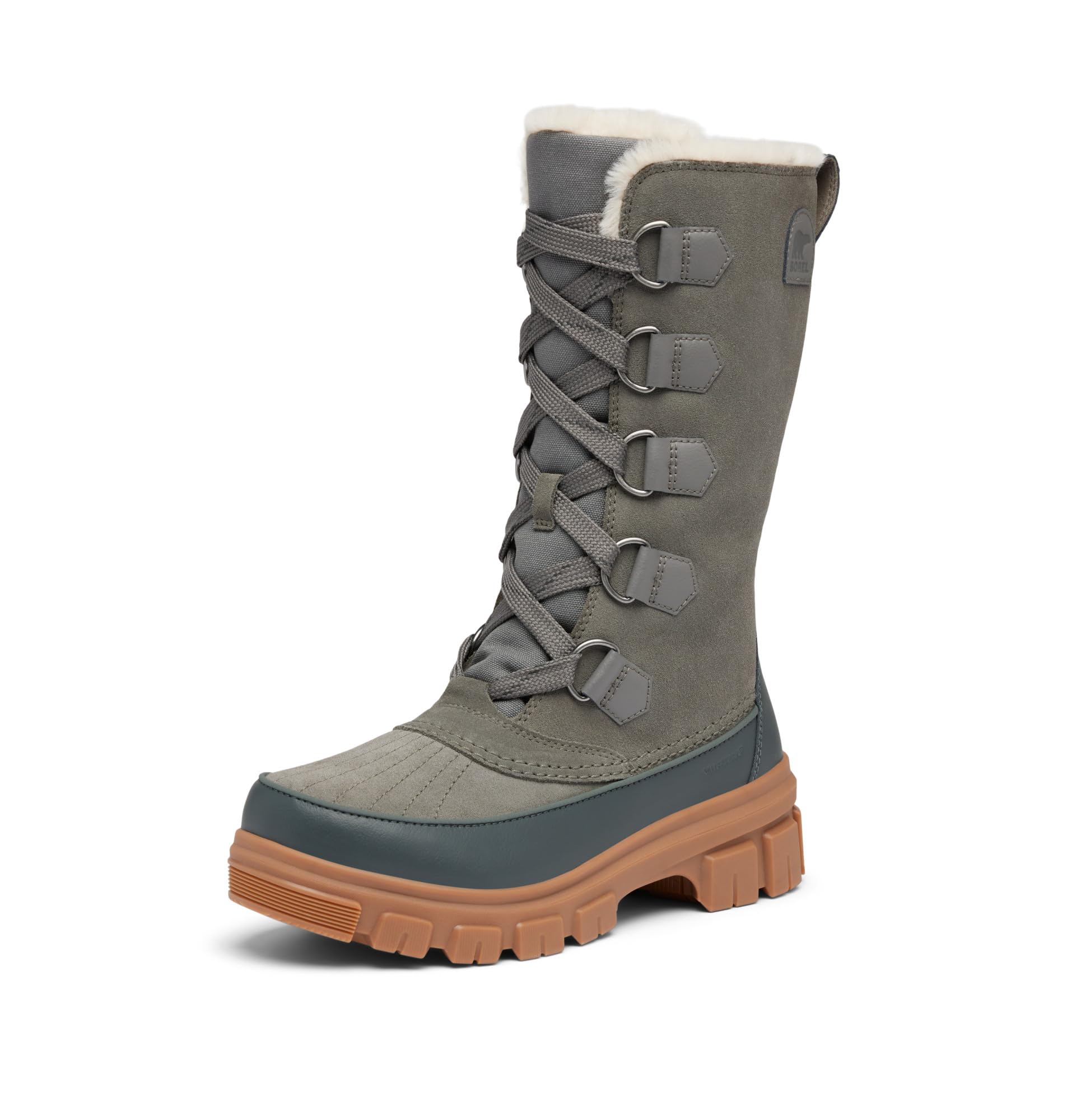
The Tivoli V Tall combines the classic SOREL aesthetic — a clean leather upper with a chunky rubber sole — with a fully seam-sealed waterproof construction that owners report keeping feet bone-dry through New Hampshire snow in the teens. The shaft rises well above the ankle to about 10 inches, which is unusually protective for a fashion-forward boot. Inside, the 200g insulation (not listed on every product page but confirmed in reviews) is sufficient for cold commutes without the bulk of a 400g boot, and the orthotic-friendly footbed accommodates aftermarket insoles comfortably.
Multiple owners mention the thick laces that don’t freeze in single-digit weather, a thoughtful detail that prevents a boot from becoming unusable during a cold snap. The rubber toe cap extends far enough up the front to protect against rock strikes on trails. The outsole uses a SOREL-branded winter rubber with decent siping for wet pavement, though it does not have the aggressive lugs of a hiking boot.
One minor drawback from reports is a potential ankle-rub point from the lacing system when boots are tightened fully, easily solved with a pad or looser top lacing. The true-to-size fit and availability in whole and half sizes make sizing straightforward. For a boot that transitions from office to sidewalk to slush puddle without screaming “technical gear,” the Tivoli V Tall delivers the best mix of waterproof reliability and city-ready style.
Why it’s great
- Tall shaft prevents snow entry above the ankle
- Seam-sealed construction holds up in deep wet conditions
- Thick laces resist freezing and stay tied
Good to know
- Ankle rub can occur with tight lacing
- Not designed for aggressive off-trail hiking
4. BOGS Bozeman Mid Men’s Boot
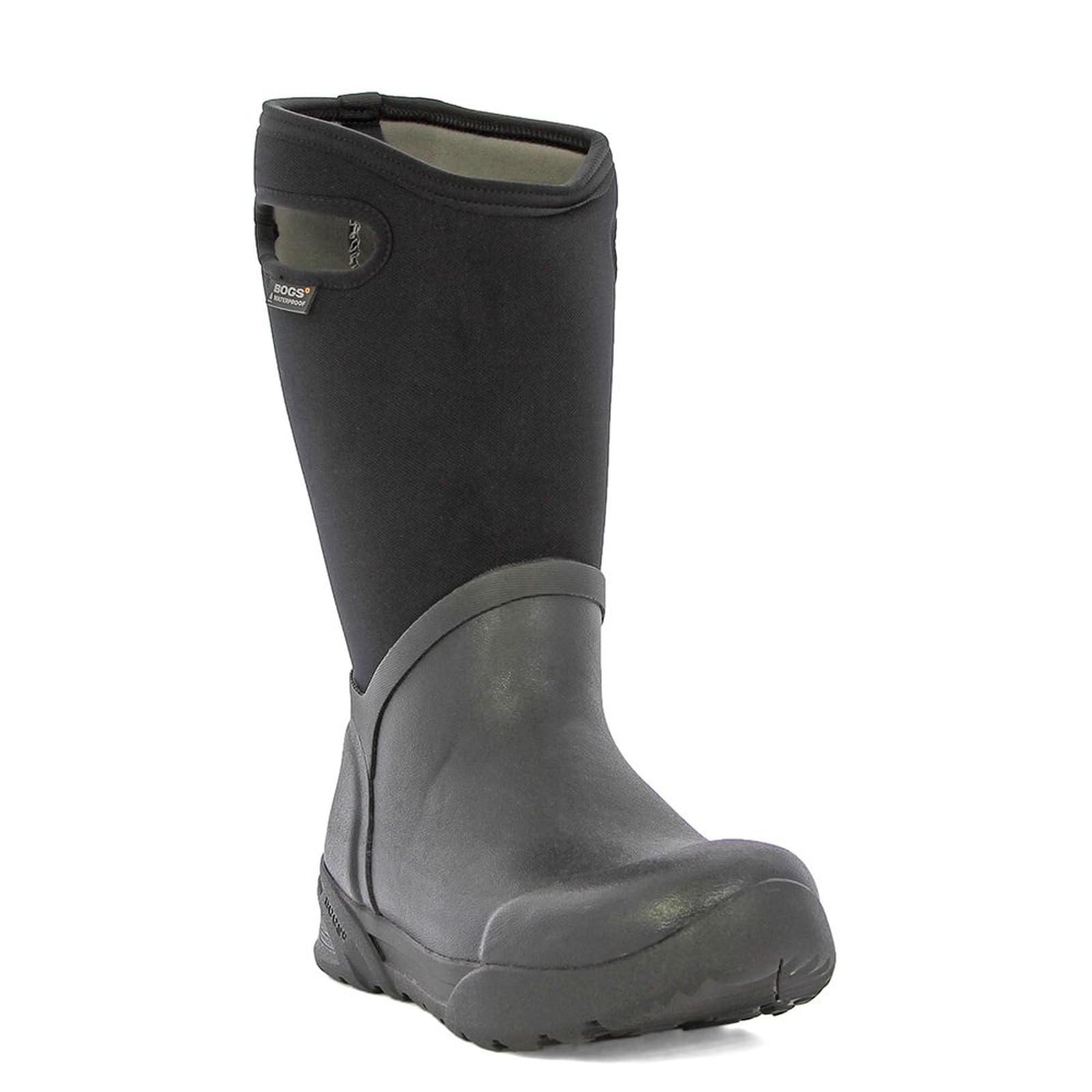
The BOGS Bozeman Mid takes a completely different waterproofing philosophy: instead of a membrane inside a fabric shell, the lower half of this boot is a single-piece molded rubber construction. That means zero seams for water to penetrate, and owners confirm standing in freezing slush for minutes at a time without a drop getting through. The calf-high shaft with a 14.25-inch circumference accommodates thick pants, and the wedge heel provides surprisingly stable footing on wet grass and packed snow.
Durability is the standout trait here — one owner reports their first pair lasting hundreds of miles before buying a second. The one-piece lower also eliminates the delamination issue that plagues glued-soled boots. The pull-on handles at the top are a mixed reality: some find them essential for getting the boot on, others say they funnel snow into the shaft. The back notch loop is the preferred entry point for many users. The tread clears snow well but lacks the aggressive bite of a dedicated hiking outsole.
The main negatives are that the rubber construction does not breathe at all, leading to sweaty feet during extended wear, and the mid-calf shaft can feel restrictive for users with larger calves. For a farm, snow commute, or any scenario where waterproof integrity matters more than breathability, the Bozeman Mid offers reliable mid-range performance at a cost well below the premium tier.
Why it’s great
- One-piece molded rubber is indestructibly waterproof
- Wedge heel provides stable footing on wet surfaces
- Excellent long-term durability reported across hundreds of miles
Good to know
- Non-breathable rubber causes sweaty feet
- Handles can funnel snow into the boot
5. Columbia Women’s Ice Maiden Slip III Snow Shoe

The Ice Maiden Slip III is Columbia’s answer to the budget-conscious shopper who needs reliable wet-weather protection without spending on technical features. The Omni-Heat reflective lining — a thin metallic layer that reflects body heat — provides warmth without the thickness of a synthetic fill, keeping the boot lightweight for casual wear. The outsole uses Columbia’s Omni-Grip rubber, which in reports held up well through California rainstorms and offered solid grip on wet pavement and cobblestone.
Owners consistently note the boot kept feet “100% dry” during sustained rain and even hosing-off after farm use. The slip-on design with a lace-up collar is faster than a full boot, and the mid-top shaft at roughly 6 inches clears shallow puddles. The fit runs slightly short for some, and a few users found the mouth of the boot too narrow for easy entry, causing a heel-catch issue that required loosening the laces completely.
The boot uses a soft synthetic upper that lacks the durability of leather or rubber, and the sole can squeak on smooth tile. For light snow, rain, and daily errands in a mild winter climate, the Ice Maiden Slip III punches well above its price point. It is not built for sub-20°F slogging or technical terrain, but as a mid-range entry into waterproof footwear, it outperforms many cheaper options.
Why it’s great
- Omni-Heat lining provides warmth without bulk
- Genuinely waterproof in sustained rain
- Lightweight and easy to put on
Good to know
- Sole squeaks on smooth indoor surfaces
- Mouth narrowness can cause heel-catch when entering
6. SOREL Women’s Out N About IV Chillz Waterproof Boot
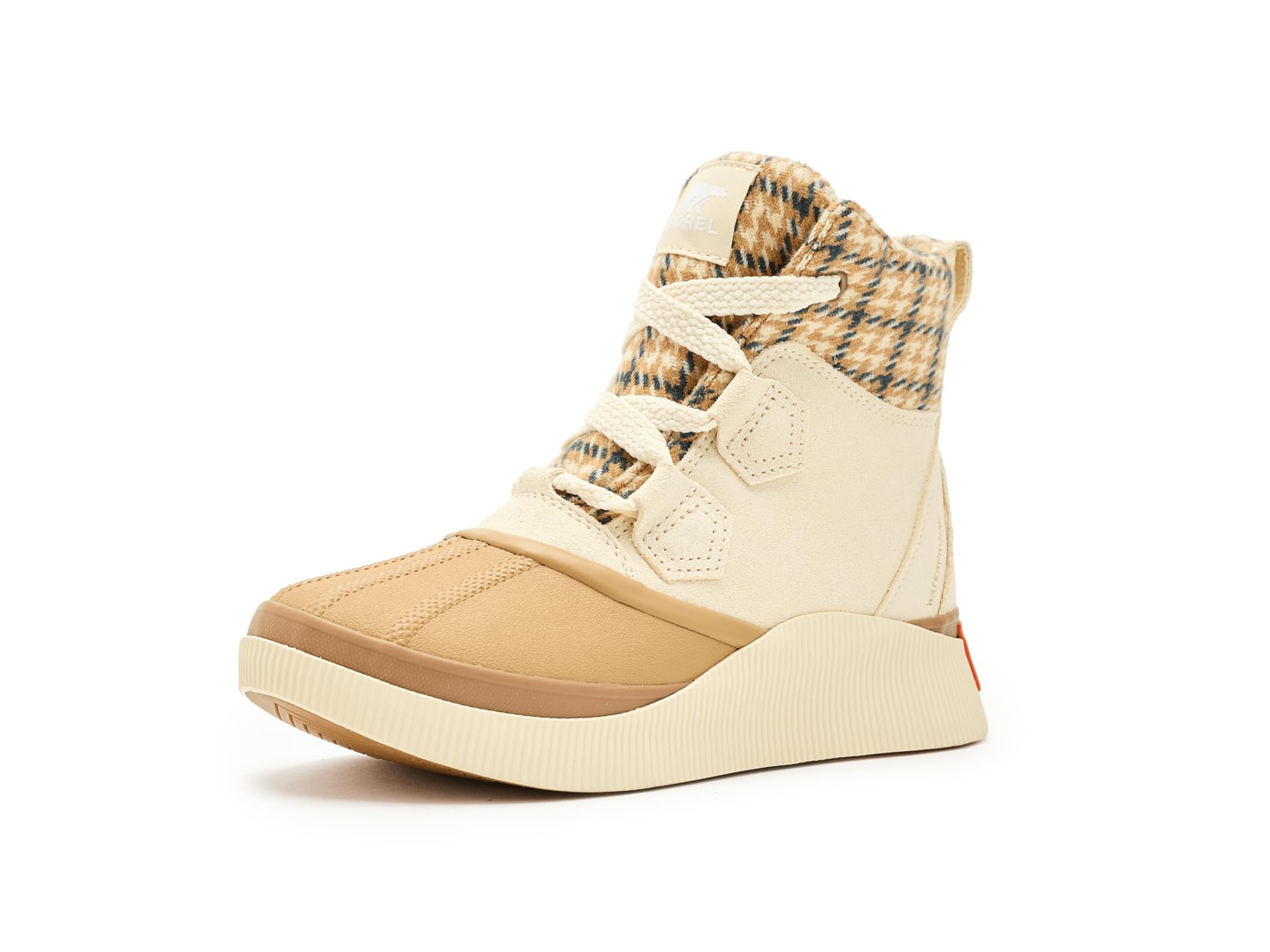
The Out N About IV Chillz targets the person who walks between cold buildings, waits at bus stops, and needs a boot that doesn’t require a 10-minute lace-up ceremony. The adjustable lace collar and wide-set toebox allow quick entry and exit, and the mid-calf shaft provides enough snow protection for campus paths and sidewalks. The boot uses a sealed waterproof construction that owners report kept feet warm and dry through 30-mile hiking days that included mud, sand, and water crossings.
One of the best-reviewed features is the removable liner that can be taken out for drying — essential when boots get soaked from the inside due to sweat or accidental water entry over the top. SOREL rates this boot for temperatures down to -25°C (-13°F), and owners confirm warmth in deep snow conditions. The rubber toe cap adds a layer of protection against scuffs and puddle splashes, and the outsole provides good traction on ice and packed snow.
The boot runs small across most size ranges, and multiple reviewers recommend going up half to a full size, especially if you plan to wear thick wool socks. The lack of aggressive lugs means it is not ideal for off-trail hiking, and the price places it in the mid-range to premium transition. For daily winter commuting in cold, wet climates, the Out N About IV Chillz delivers comfort and quick utility at a reasonable cost.
Why it’s great
- Rated to -25°C with proven warmth in deep snow
- Removable liner for quick drying after wet days
- Quick lace-up system for easy on/off
Good to know
- Runs small — size up 0.5 to 1 full size
- Not designed for aggressive off-trail hiking
7. Columbia Women’s Transverse Hike Waterproof Hiking Boots

The Transverse Hike is the category’s most accessible entry point for a reason: it delivers a genuine Omni-Tech waterproof membrane — the same technology used in Columbia’s + boots — at an entry-level cost. The ankle-height shaft provides enough support for day hikes on wet trails, and the closed-toe construction with a non-steel toe keeps the boot lightweight for its protection level. Owners consistently report zero break-in time, pulling the boots straight from the box and walking miles through rain in Ireland, Scotland, and Alaska without a blister.
The outsole uses a non-marking Omni-Grip rubber with moderate lug depth that handles wet cobblestone, muddy trails, and light snow well, but it lacks the deep tread for loose powder or black ice. The fit runs true to size with a noted narrow heel pocket and high arch, which works well for feet that slide in cheaper boots but may not suit wide-footed hikers. At roughly 1 pound per boot, these are among the lightest options in this guide, making them ideal for travel where weight in luggage matters.
The main compromise is in insulation — there is none. These are strictly a three-season wet-weather boot that requires thick wool socks for temperatures below freezing. The upper is a fabric-and-synthetic blend that cleans up easily with a hose but will not hold up to repeated abuse from sharp rocks or ranch work. For the budget-conscious hiker who prioritizes waterproof reliability over winter insulation, the Transverse Hike is the most cost-effective entry into the category.
Why it’s great
- Genuine Omni-Tech membrane at an entry-level cost
- No break-in period required
- Very lightweight for a waterproof hiking boot
Good to know
- No insulation — requires thick socks in cold weather
- Narrow fit may not suit wide feet
FAQ
Can I wear uninsulated boots in snow and rain?
Why do my boots leak even though they say waterproof?
Final Thoughts: The Verdict
For most users, the best boots for snow and rain winner is the Helly Hansen Garibaldi V3 because it combines 400g Primaloft insulation with a breathable, verifiably waterproof leather upper and an ice-grip outsole that performs in actual winter conditions. If you want the absolute best deep-snow hiking boot with calf coverage and arch support, grab the Oboz Bridger 10″. And for a budget-friendly entry into genuine waterproofing that needs no break-in, nothing beats the Columbia Transverse Hike.