
A snowshoeing boot lives in a contradiction: it must be rigid enough to handle a binding without flexing through the deck, yet supple enough for miles of stride without blisters. Most cold-weather boots simply pile on insulation until they resemble moon boots, forgetting that snowshoers demand lateral stability where the crampon meets the boot sole. The wrong choice means either poor edge control on packed powder or feet that sweat through the liner before the first summit.
I’m Min — the co-founder and writer behind Gadgets Feed. I’ve spent countless hours analyzing the interplay of insulation density, outsole lug patterns, and shaft height to understand which boots actually support a binding without compromising warmth or walkability.
Every winter enthusiast who steps into deep powder needs a foundation that locks into a strap-on binding without slipping. This guide reviews the top contenders to help you find the absolute best boots for snowshoeing women’s based on real technical specs and user-proven durability.
How To Choose The Best Boots For Snowshoeing Women’s
The wrong snowshoeing boot slips inside the binding, steals energy with every lift, and turns a crisp winter trek into an exhausting slog. Three structural traits decide whether a boot works on snowshoes or belongs on the sidewalk.
Stiffness and Shank Support
A snowshoe binding clamps across the boot’s midfoot. If the sole lacks a rigid shank — typically a fiberglass or carbon-nylon plate under the insole — the boot bends under the strap, causing pressure points and reducing control on sidehills. Look for boots explicitly mentioning a “shank” or “stable platform” in the construction; soft walking boots allow the binding to deform the footbed.
Insulation Weight vs. Mobility
A 600-gram insulated boot keeps toes warm at -30°F but turns every stride into a leg-weight workout. Snowshoeing involves continuous lifting of the foot against the snowshoe’s own weight. A mid-range 200-400 gram insulation zone balances warmth for typical sub-freezing conditions without turning the boot into a deadweight pendulum. Multi-layer insulation systems using foam plus aluminum membranes offer higher warmth per gram than thick single-fill layers.
Outsole Lug Pattern for Variable Snow
Deep, widely spaced lugs (5 mm or deeper) grip fresh powder and slush without packing solid. Tight, shallow lugs work on icy sidewalks but clog instantly in loose snow. Boots designed for snowshoeing should show an aggressive self-cleaning tread profile — a chevron or V-shaped lug pattern that sheds snow with each step rather than accumulating a frozen platform underfoot.
Quick Comparison
On smaller screens, swipe sideways to see the full table.
| Model | Category | Best For | Key Spec | Amazon |
|---|---|---|---|---|
| Columbia Minx IV | Mid-Range | Budget-conscious snowshoers | 200g insulation, rated -25°F | Amazon |
| Merrell Thermo CHILL MID WP | Mid-Range | Day hikers needing ankle support | Flannel lining, M Select DRY membrane | Amazon |
| Columbia Newton Wander | Mid-Range | All-day fitness walks | Omni-Heat reflective lining | Amazon |
| Sorel Whitney III Mid | Mid-Range | Commuting and light trails | Seam-sealed waterproof construction | Amazon |
| MUCK Wetland Boot | Mid-Range | Wet slush and mud terrain | 4.5 lb build, neoprene shaft | Amazon |
| Baffin ICEFIELD Tall | Premium | Polar-rated extreme cold | Multi-layer -148°F rated | Amazon |
| The North Face Chilkat V 400 | Premium | Deep snow backcountry | 400g Heatseeker insulation | Amazon |
| Merrell Coldpack 3 Thermo Moc | Premium | Slip-on convenience with grip | M Select ICE outsole | Amazon |
| Dryshod Arctic Storm Hi | Premium | Barn-to-backcountry durability | 7-layer -50°F construction | Amazon |
In‑Depth Reviews
1. Columbia Minx IV
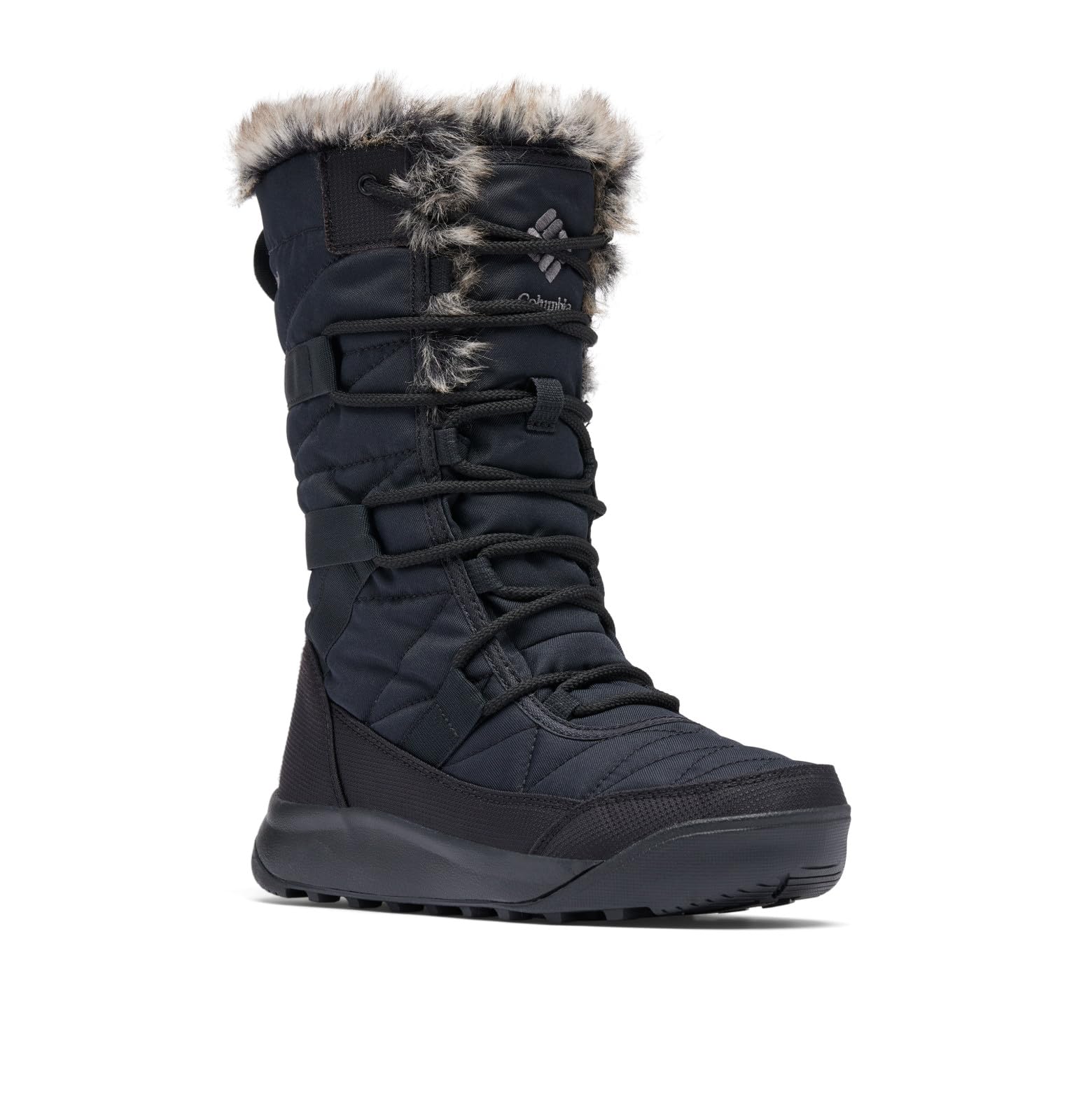
The Columbia Minx IV hits a sweet spot that few snowshoeing boots manage: enough insulation (200g) for single-digit temperatures without the lumbering bulk that makes each step feel like a squat. The Omni-Heat reflective lining bounces body heat back into the foot, meaning you can wear a lighter merino sock and maintain dexterity for adjusting bindings. At this insulation level, the boot also releases excess heat during ascents, reducing the moisture buildup that leads to cold toes during rest breaks.
The outsole uses a reverse chevron lug pattern that clears packed snow on the upstroke, which directly reduces the frozen buildup that can interfere with a binding’s heel strap. Multiple verified buyers confirm the boot runs half a size small, so ordering up accommodates a thick sock without compressing the toe box. The ankle collar sits at mid-calf, offering enough height to lock a snowshoe strap above the ankle bone without restricting forward flex during the stride.
Where the Minx IV falls short is pure lateral rigidity — the sole lacks a dedicated shank plate, so binding pressure can create a visible bend across the midfoot if you’re using a ratchet-style snowshoe binding at maximum tension. For strap bindings and recreational snowshoeing on moderate terrain, this boot delivers exceptional warmth and value.
Why it’s great
- Excellent warmth-to-weight ratio with Omni-Heat reflective lining
- Self-cleaning outsole lugs reduce snow buildup under binding
- Comfortable soft interior with minimal break-in required
Good to know
- Runs narrow and half size small; definitely size up
- Lacks rigid shank for high-tension ratchet bindings
- Laces are short and may require replacement for proper ankle cinching
2. Merrell Women’s Thermo CHILL MID WP
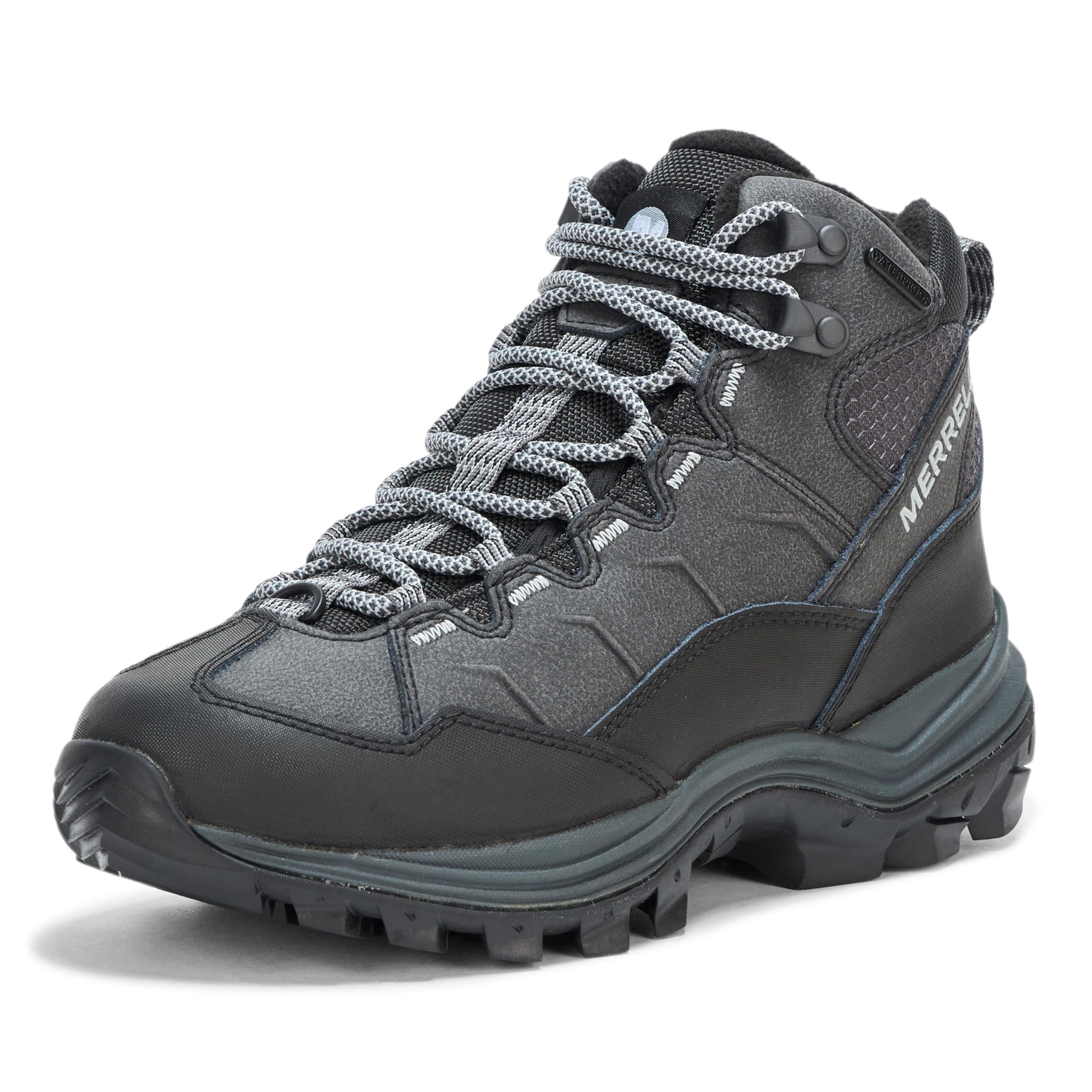
The Merrell Thermo CHILL MID WP disrupts the mid-range category with a flannel lining that feels plush against bare skin yet manages moisture better than synthetic fleece. This is critical for snowshoeing because the repetitive heel lift creates friction inside the boot — a scratchy liner leads to hotspots at the Achilles by mile two. The M Select DRY membrane delivers full waterproofing without the clammy feel that neoprene-based boots trap during high-output movement.
Ankle support is outstanding for a boot in this weight class. A molded TPU heel counter locks the rearfoot inside the binding pocket, preventing the heel lift that causes blisters when the snowshoe’s toe strap pulls forward. Verified reviews from buyers with hip replacements specifically cite the stable platform, which translates to confident edge control on icy traverses. The outsole uses a deep 5 mm lug with a directional tread that generates grip on packed snow and loose granular alike.
The only consistent weakness reported is the top lace hook — several buyers lost a hook after moderate use, which compromises the final cinch around the calf. Given the boot’s otherwise excellent build, this is a minor annoyance that can be fixed with a replacement hook. Sizing is true to width, but ordering half a size up accommodates the thicker sock needed for deep-winter snowshoeing.
Why it’s great
- Flannel lining offers exceptional comfort and moisture management
- TPU heel counter reduces heel lift inside binding
- Deep 5 mm lugs provide reliable traction on icy snow
Good to know
- Top lace hook may snap under repeated tight cinching
- Not suited for extreme sub-zero temperatures below -10°F
- Limited color options for those wanting non-neutral tones
3. Columbia Newton Wander
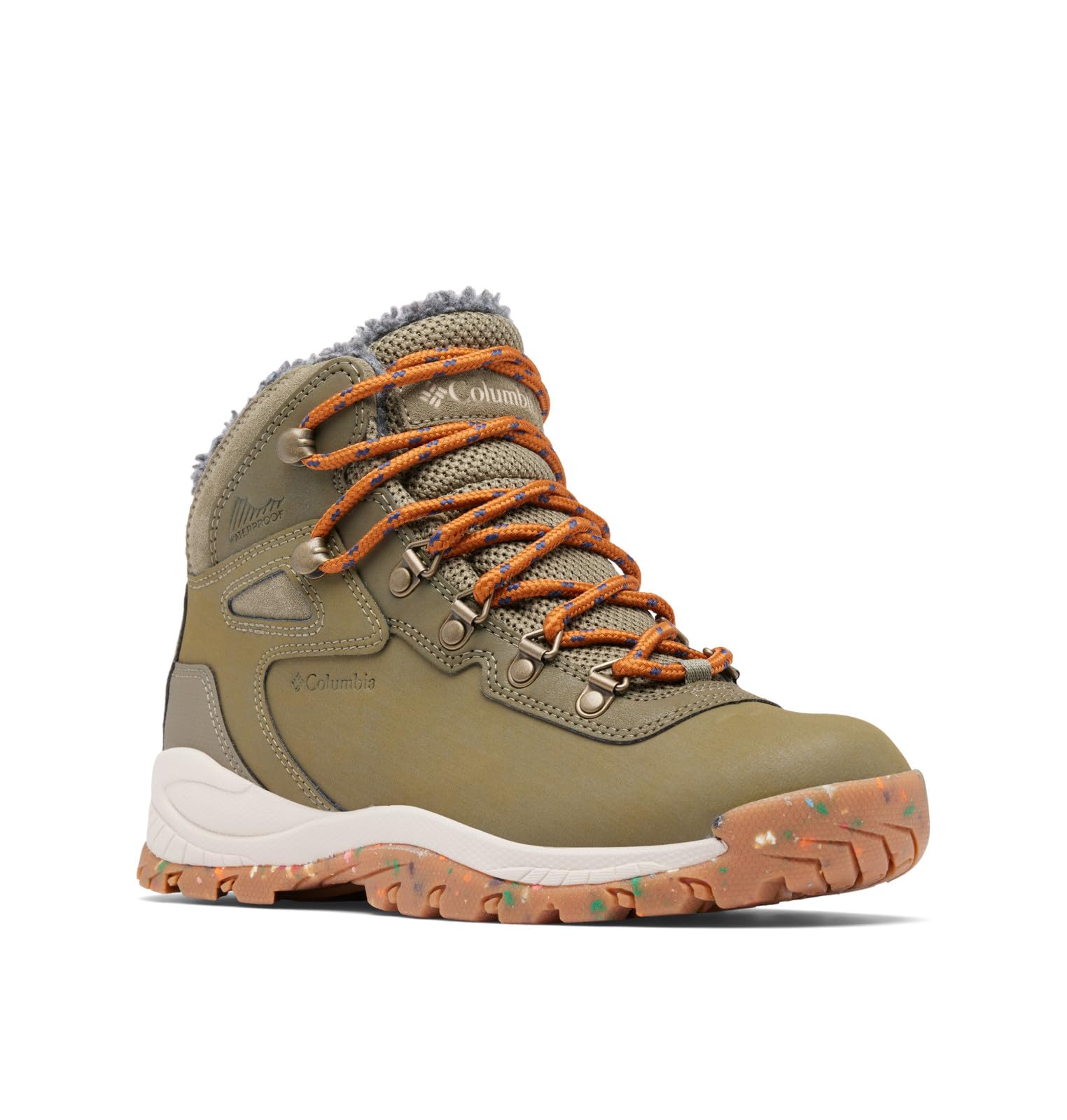
The Columbia Newton Wander takes the brand’s Omni-Heat reflective technology and wraps it in a faux shearling collar that seals out snow ingress — a design detail that matters when postholing through deep powder where snow can trickle down the boot shaft. The reflective dots are bonded directly to the lining, creating a thermal barrier that keeps the foot warm with a thinner sock, which in turn improves boot feel inside the snowshoe binding.
Sole stiffness is noticeably higher than the Minx IV, partly due to the Techlite midsole that provides a stable platform for binding straps without excessive flex. The outsole uses Columbia’s Omni-Grip lug arrangement with a combination of chevron and straight bars, giving the Newton Wander a decisive advantage on hardpack where other boots skate. Verified buyers consistently mention the boots remain comfortable on extended walks exceeding four miles, which aligns with the supportive footbed and generous toe box.
A structural issue emerged across multiple reviews: the boot’s upper bends at the ball of the foot during walking, creating a pressure point across the metatarsal that persists regardless of size. This appears to be a design quirk of the last shape rather than a sizing issue, so those with sensitive metatarsal heads should test carefully. Extra laces are included, a thoughtful touch given that snowshoe binding straps can abrade standard laces.
Why it’s great
- Lightweight build reduces fatigue during long snowshoe treks
- Omni-Heat reflective lining provides warmth without bulk
- Faux shearling collar prevents snow from entering the shaft
Good to know
- Upper creates metatarsal pressure point for some foot shapes
- Less ankle support than dedicated hiking-style snow boots
- Lug pattern is moderate depth, not ideal for steep packed ice
4. Sorel Whitney III Mid Waterproof
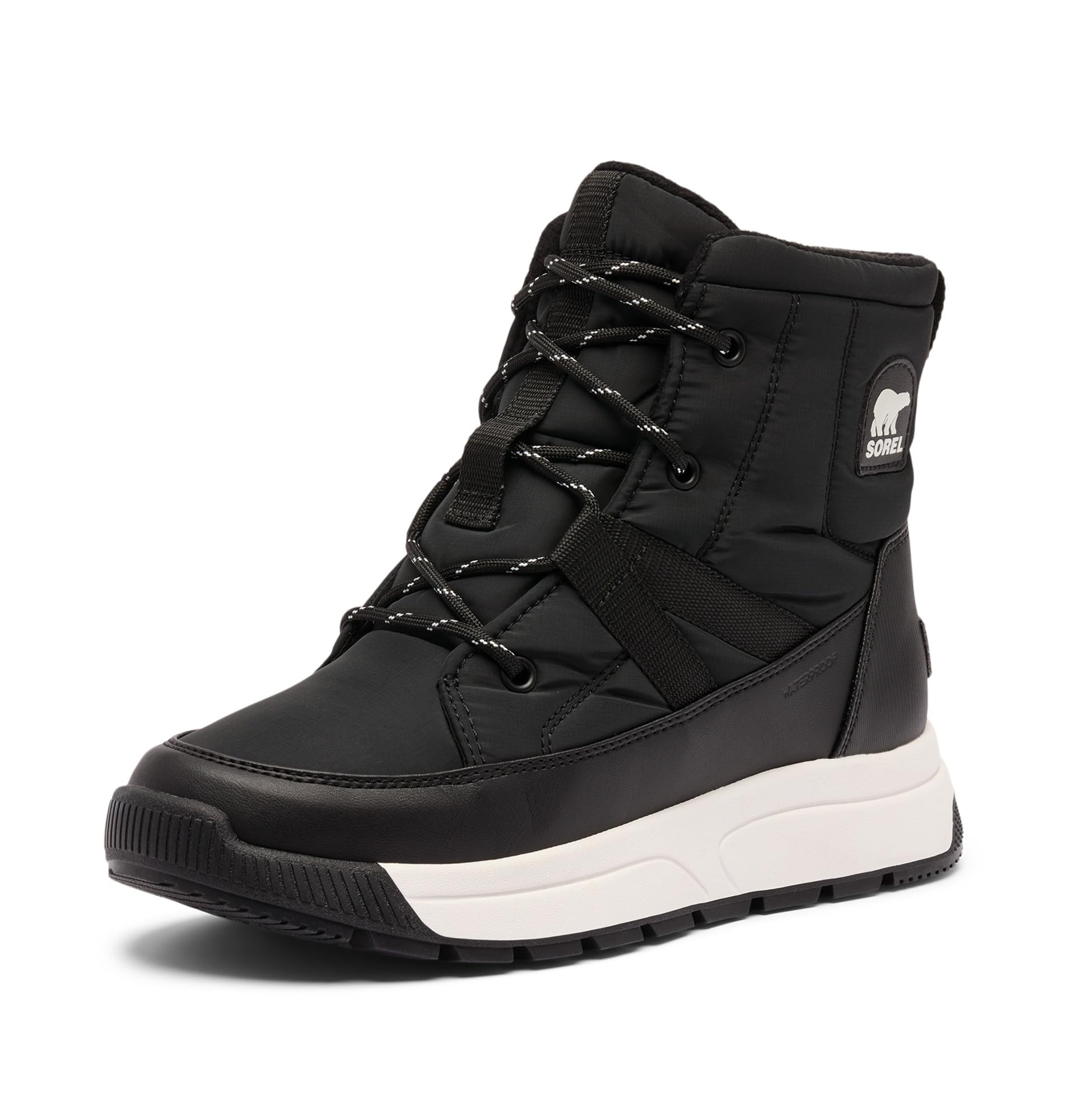
Sorel’s Whitney III Mid walks the line between a winter fashion boot and a functional snowshoeing partner. The waterproof seam-sealed construction uses a full rubber shell around the lower boot, which means it can stand in a slush puddle at the trailhead without soaking through — critical when the first 100 yards involve crossing a snowmelt stream. The boot is notably lightweight for its insulation level, and buyers consistently report no break-in period.
The outsole uses a wide-spaced lug pattern that sheds snow effectively, though the lugs are shallower than dedicated mountain boots, which shows on hard ice. For snowshoeing on established trails with moderate rolling terrain, the Whitney III provides enough grip and thermal protection. The mid-calf shaft is easy to tuck into gaiters, and the pull-on tabs make entry quick when fingers are cold.
Arch support is minimal — buyers with flat feet or high arches report needing aftermarket insoles for anything beyond an hour of walking. The fleece tongue is thick and warm but tends to bunch instead of lying flat against the shin, which can create a pressure point under a snowshoe’s calf strap. This is a solid choice for the snowshoer who also wants a boot that looks presentable at a post-hike coffee stop.
Why it’s great
- Seam-sealed waterproof lower shell handles slush and puddles
- Lightweight build reduces fatigue on long approaches
- Easy pull-on entry with generous calf room
Good to know
- Lacks arch support; plan to replace insoles
- Thick fleece tongue may not lay flat under binding strap
- Lugs are shallow for serious ice climbing approaches
5. MUCK Women’s Wetland Boot

The MUCK Wetland Boot operates on a different philosophy than laced snow boots — the neoprene shaft stretches to fit the calf and creates a watertight seal that no amount of snow can penetrate. For snowshoeing, this means zero snow ingress even when breaking trail through waist-deep powder. The 4.5-pound build is heavy compared to lace-up boots, but the weight brings a ruggedness that shrugs off sharp branches and rocky stream crossings.
The outsole is MUCK’s signature aggressive tread with deep, widely spaced lugs that excel in the slushy transition zones where snow meets mud. Buyers who also use these boots for metal detecting and fishing confirm the grip holds on slippery wet rocks and icy shorelines, making this a true all-terrain boot for variable winter conditions. The neoprene shaft breathes better than rubber Wellington boots, reducing sweat buildup during high-output snowshoe ascents.
The main trade-off is the loose fit in the heel — because there’s no lacing system to cinch the rearfoot, the heel can slide inside the boot on steep downhills, creating friction blisters. Ordering half a size down helps, but some buyers simply wear a thicker sock to fill volume. The inner liner also tends to pull out when withdrawing the foot, requiring periodic adjustment.
Why it’s great
- Neoprene shaft creates a total snow seal above the calf
- Deep, aggressive lugs excel in slush and mud transitions
- Extremely durable construction for rocky terrain
Good to know
- Heel slip is common without cinching laces
- Inner liner can pull out when removing boot
- Heavier than lace-up alternatives at 4.5 pounds
6. Baffin Women’s ICEFIELD Tall
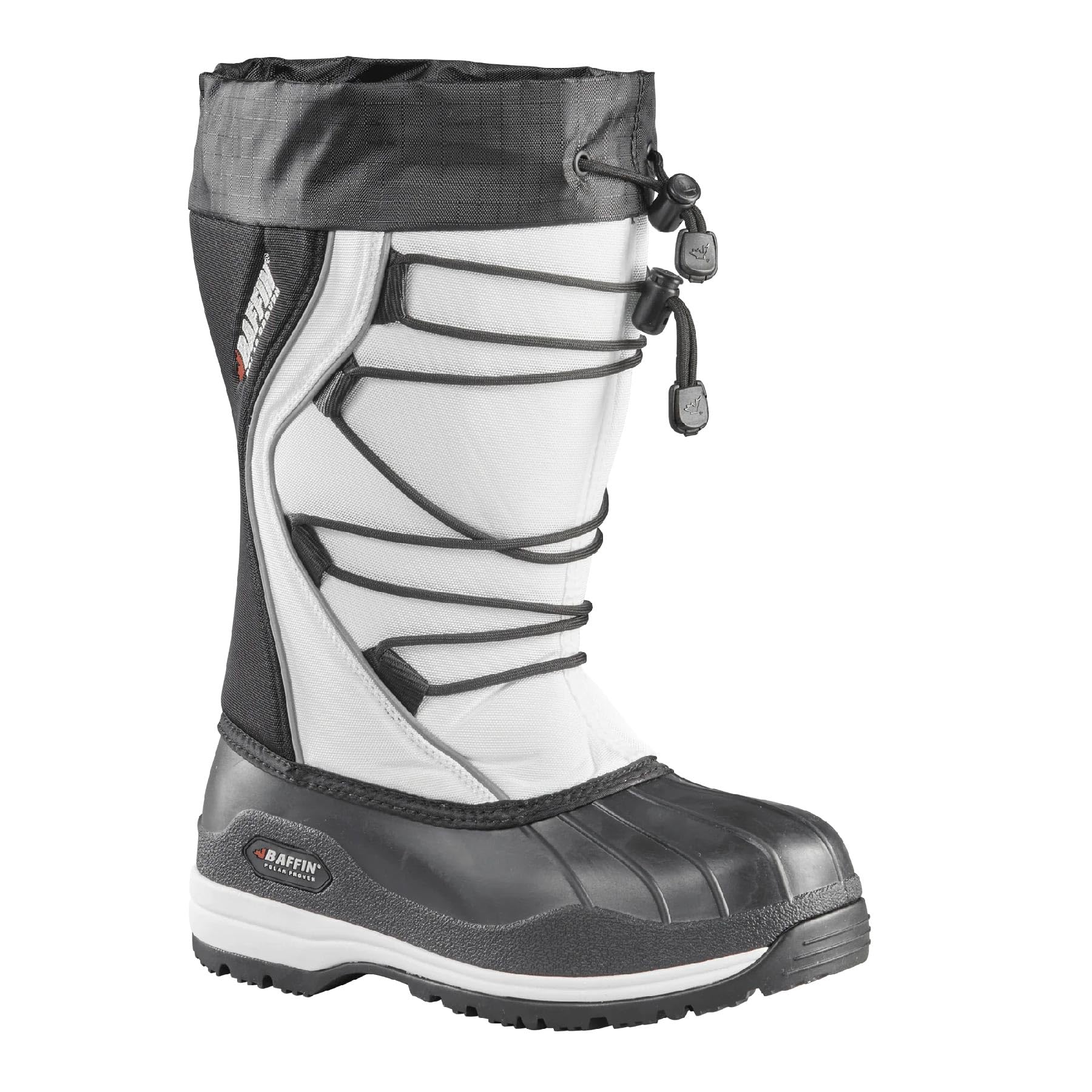
The Baffin ICEFIELD Tall is the gold standard for extreme-cold snowshoeing, field-tested at both poles with a multi-layer system that includes B-Tek Heat foam, Thermaplush lining, a vapourized aluminum membrane, and a waffle-comb footbed that traps warm air against the sole. This is the boot you choose when the trailhead thermometer reads -30°F and the snowshoe binding needs to perform without the boot becoming brittle. The Polar Rubber outsole stays flexible in deep sub-zero temperatures where standard rubber compounds crack.
The removable Comfort-Fit inner boot allows for separate drying, which is a significant advantage on multi-day hut-to-hut snowshoe trips where moisture management determines whether day two is tolerable. Buyers consistently confirm the -148°F temperature rating is not marketing hyperbole — the boot maintains foot warmth during stationary periods like ice fishing and photography stops. Despite the extreme insulation, the boot feels lighter than its appearance suggests, partly due to the EVA midsole that absorbs shock without adding deadweight.
The toe box is narrow, and even sizing up may not accommodate thick socks for wide-footed users. The side-to-side toggle lacing provides a secure fit around the shin, but the locking drawstring collar can be difficult to adjust with mittens on. This boot is overkill for mild winter conditions — the insulation traps so much heat that feet will sweat and then chill during rest breaks above 15°F.
Why it’s great
- Field-tested polar rating for extreme sub-zero snowshoeing
- Removable inner boot for rapid drying on multi-day trips
- Polar Rubber outsole stays flexible in -40°F conditions
Good to know
- Narrow toe box limits thick sock options for wide feet
- Drawstring collar is difficult to operate with gloves
- Too warm for conditions above 15°F; feet will sweat
7. THE NORTH FACE Women’s Chilkat V 400

The North Face Chilkat V 400 uses 400 grams of Heatseeker insulation — the exact sweet spot for backcountry snowshoeing where you alternate between high-output uphills and static rest breaks. The insulation weight keeps toes warm during stops without overwhelming the foot during climbs, and the waterproof membrane ensures crossing wet creek beds doesn’t end the outing. The boot tips the scale at just 1.63 pounds per boot, impressive for the insulation density.
The outsole uses a surface control tread that employs a combination of hexagon and chevron lugs to grip snow across multiple angles. This matters when snowshoeing on sidehills where the boot must bite sideways into packed snow. Verified reviews from buyers who use these for sledding and ice walking report excellent non-slip performance on wet pavement and frozen ground. The boot also laces to the toe with a traditional eyelet system, allowing precise tension distribution across the instep and ankle.
Buyers consistently note the boot runs small — ordering a full size up is common to accommodate both thicker socks and the narrower last. The waterproofing is reliable for snow and rain exposure, but the boot is not submersible; sustained standing in deep water will eventually saturate through the gusset. The Chilkat V 400 represents the best mid-insulation option for women who need a boot that performs across varied winter terrain.
Why it’s great
- 400g Heatseeker insulation balances warmth and mobility
- Lightweight 1.63 lb build reduces fatigue on long approaches
- Surface control outsole grips sidehills and icy traverses
Good to know
- Runs small; order at least one full size up
- Not fully submersible for standing in deep water
- Narrow last may feel tight for wide-footed users
8. Merrell Women’s Coldpack 3 Thermo Moc Waterproof Moccasin
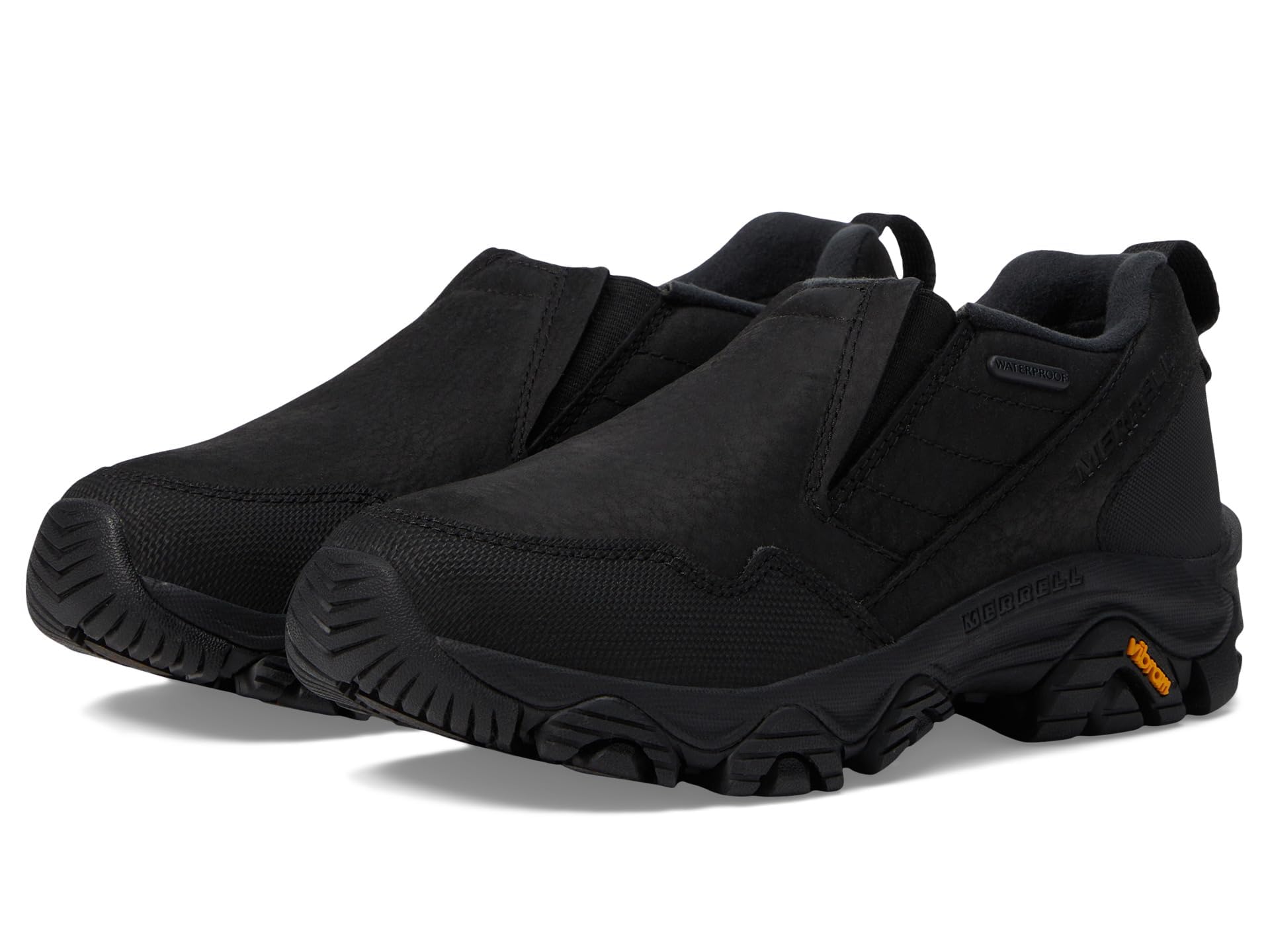
The Merrell Coldpack 3 Thermo Moc rethinks the snowshoeing boot as a slip-on moccasin, eliminating the time spent fumbling with laces at freezing trailheads. The M Select ICE outsole uses a specialized rubber compound that maintains traction at lower temperatures where standard compounds harden and lose grip. This is a critical detail for snowshoe bindings, where the boot’s sole must hold position under the toe and heel cradle without lateral shifting.
The insulation is rated for cold but not extreme temperatures — this boot performs best in the 10°F to 25°F range where the waterproof membrane and fleece lining keep feet dry without overheating. Buyers with high arches report the fit accommodates orthotics without raising the heel excessively, which maintains the boot’s stable platform inside the snowshoe binding. The polished look transitions from trail to casual office, making this a dual-purpose boot for winter commuters who snowshoe on weekends.
Durability is a mixed record — while many buyers have owned multiple pairs, some report the waterproof membrane failing after a single season of heavy use. The slip-on design, while convenient, means the heel has no cinching mechanism, so the boot can loosen during steep descents. For light snowshoeing on maintained trails, the Coldpack 3 offers unmatched convenience.
Why it’s great
- Slip-on design saves time at cold trailheads
- M Select ICE compound maintains grip in low temperatures
- Professional look suitable for post-hike stops
Good to know
- Waterproof membrane may fail after one season of heavy use
- No heel cinching mechanism leads to looseness on descents
- Best suited for moderate cold above 10°F
9. Dryshod Arctic Storm Hi Extreme Cold Conditions Women’s Winter Boot
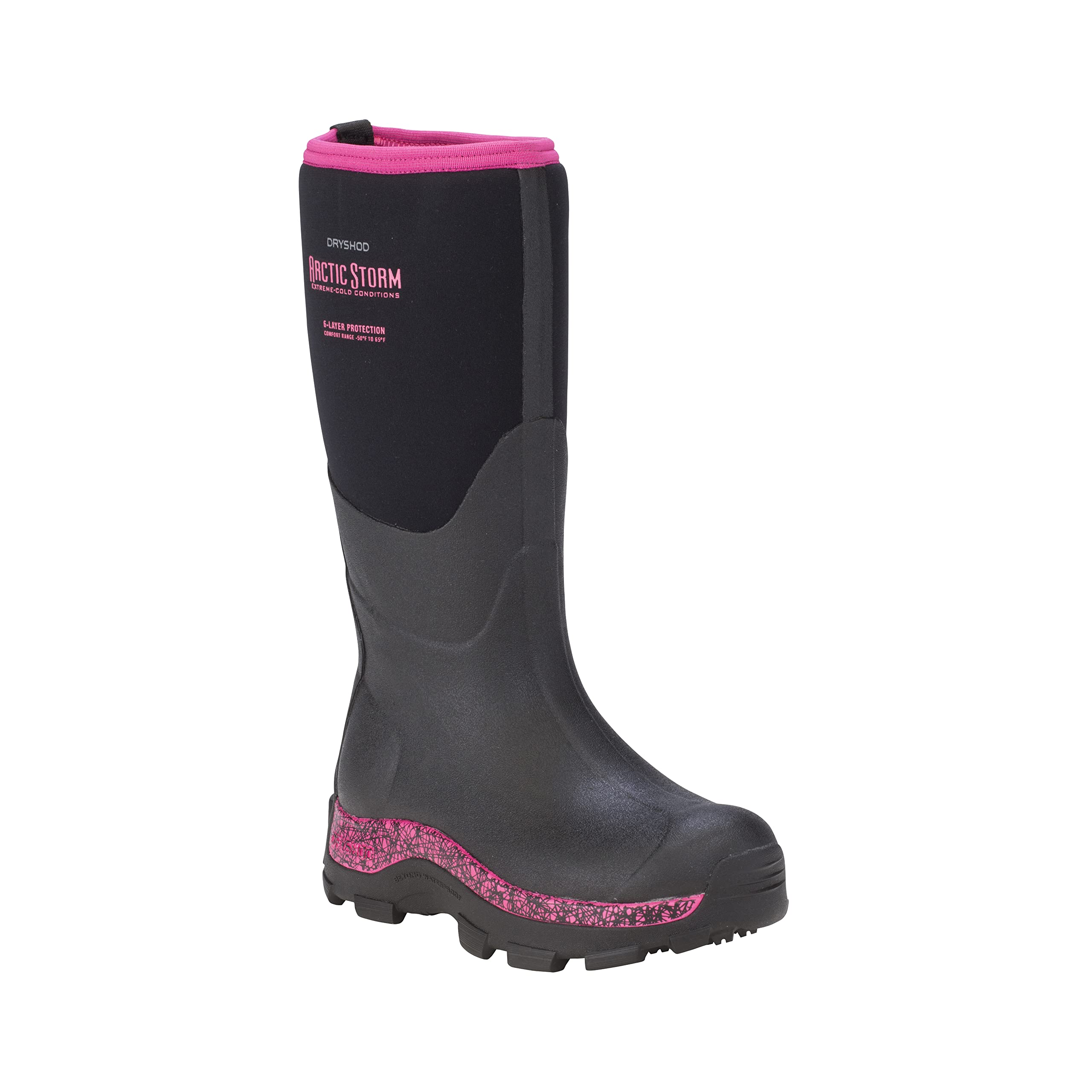
The Dryshod Arctic Storm Hi brings a seven-layer insulation system that includes 5.5 mm of bootie foam, 2.5 mm DENSOPRENE XD foam, airmesh, fleece lining, and an EVA cold-blocking midsole — rated to -50°F. This is a farm-grade winter boot that doubles as a snowshoeing boot, built with genuine hand-laid natural rubber overlays that resist cracking in extreme cold. For women who spend hours stationary (ice fishing, photography blinds) between active snowshoe segments, the thermal retention here is unmatched.
The DS1 Premium outsole uses a two-piece construction with a high-traction rubber outsole and EVA midsole, featuring inner lugs designed for any-angle grip and outer lugs for lateral support. This geometry directly addresses the lateral stress that snowshoeing places on the boot — the wide outer flanges prevent the boot from rolling under the binding on uneven terrain. Buyers in Maine and Wisconsin consistently report this is the only boot that keeps feet warm during barn chores and extended snow exposure.
The weight is noticeable — at a pound per boot, the Arctic Storm is heavier than lace-up alternatives, and the pull-on design lacks any lacing adjustment for the ankle. Sizing up is recommended for thick socks, as the boot runs snug through the instep. The EVA midsole compresses over time, reducing the cold-blocking effectiveness after multiple seasons. For extreme cold where warmth trumps every other consideration, this boot delivers.
Why it’s great
- Seven-layer insulation rated to -50°F for extreme conditions
- Hand-laid natural rubber resists cracking in sub-zero temps
- DS1 outsole design prevents lateral roll under binding
Good to know
- Heavy build compared to lace-up snowshoeing boots
- EVA midsole compresses over multiple seasons
- No lacing system for ankle tension adjustment
FAQ
What shaft height is best for snowshoeing?
Can I use regular winter boots for snowshoeing?
Final Thoughts: The Verdict
For most users, the boots for snowshoeing women’s winner is the Columbia Minx IV because it delivers the ideal warmth-to-weight ratio for recreational snowshoeing at a sensible price point. If you need extreme cold protection for deep backcountry or polar conditions, grab the Baffin ICEFIELD Tall. And for the slip-on convenience of a neoprene boot that handles slush and mud transitions effortlessly, nothing beats the MUCK Wetland Boot.