
Summer hiking demands a boot that breathes as hard as you push, yet protects your ankles from every hidden rock and root under a baking sun. The wrong choice traps heat, soaks through in the first creek crossing, and leaves your feet raw before the summit. This guide isolates the boots that balance airflow with armor, delivering dry comfort across terrain that shifts from dust to stream in a single mile.
I’m Min — the co-founder and writer behind Gadgets Feed. I’ve spent hundreds of hours dissecting the traction lugs, membrane layers, and midsole densities that separate a great summer hiker from a foot-sweating disaster.
Whether you’re tackling granite slabs or muddy ridgelines, finding the right boots for summer hiking comes down to breathable membranes, lug depth, and a fit that locks your heel without squeezing your toes.
How To Choose The Best Boots For Summer Hiking
Summer boots walk a tightrope between keeping your feet dry from external water and not trapping the sweat your own feet produce. The key specifications that define a successful warm-weather hiker are breathability, waterproof membrane type, outsole lug pattern, and overall weight.
Breathable Uppers And Membrane Ventilation
Leather may offer durability, but full-grain panels suffocate feet on a 90°F trail. Look for nylon or polyester mesh sections that wrap the midfoot and tongue — these allow hot air to escape and fresh air to circulate. Waterproof membranes like GORE-TEX or proprietary films (Columbia OutDry, Oboz B-DRY) must be paired with mesh panels to avoid a sauna effect. If you hike in arid conditions where rain is rare, consider non-waterproof boots with maximum mesh for pure ventilation.
Traction Lugs For Loose And Wet Terrain
Summer trails vary from dry talus to slick creek crossings. Look for lugs that are at least 4mm deep with a chevron or multi-directional pattern. Widely spaced lugs shed mud better, while closer-packed lugs provide a steady platform on hardpack. Rubber compounds matter — softer durometer grips wet rock but wears faster on abrasive granite; harder compounds last longer but slide on wet surfaces.
Ankle Support Versus Weight
Mid-height boots stabilize your ankle when you’re carrying an overnight pack on uneven terrain, but they add weight and heat. Low-cut trail shoes shed ounces and vent better, but offer zero lateral support. For day hikes with a light daypack, a low-top shoe with a locked-in lacing system often suffices. For multi-day treks with a 30+ pound pack, a mid-height boot like the Merrell Speed Strike 2 or Timberland White Ledge provides essential protection without excessive bulk.
Quick Comparison
On smaller screens, swipe sideways to see the full table.
| Model | Category | Best For | Key Spec | Amazon |
|---|---|---|---|---|
| Merrell Moab Speed 2 Mid GTX | Mid | All-day breathable support | GORE-TEX membrane, 13 oz | Amazon |
| Columbia Konos TRS Outdry | Mid | Wide toe box, wet terrain | OutDry waterproof, 4mm lugs | Amazon |
| Merrell Speed Strike 2 Mid WP | Mid | Zero break-in, ankle protection | Merrell waterproof, 11.5 oz | Amazon |
| Timberland White Ledge Mid WP | Mid | Budget all-terrain durability | Timber-Dry waterproof, 1.1 lb | Amazon |
| Oboz Bridger Mid B-DRY | Premium | Backpacking stability | B-DRY waterproof, deep tread | Amazon |
| Columbia Redmond IV Low WP | Budget | Lightweight day hikes | Omni-Grip, 10 oz per shoe | Amazon |
| Merrell Moab 3 Low | Budget | Ventilated leather-mesh hybrid | Vibram TC5+, 12.5 oz | Amazon |
| Columbia Strata Trail Low WP | Budget | Flat feet, aggressive tread | Omni-Shield, mesh upper | Amazon |
| Oboz Bozeman Low Leather | Premium | Construction site durability | Full-grain leather, 2 lb pair | Amazon |
In‑Depth Reviews
1. Merrell Mens Moab Speed 2 Mid GTX®
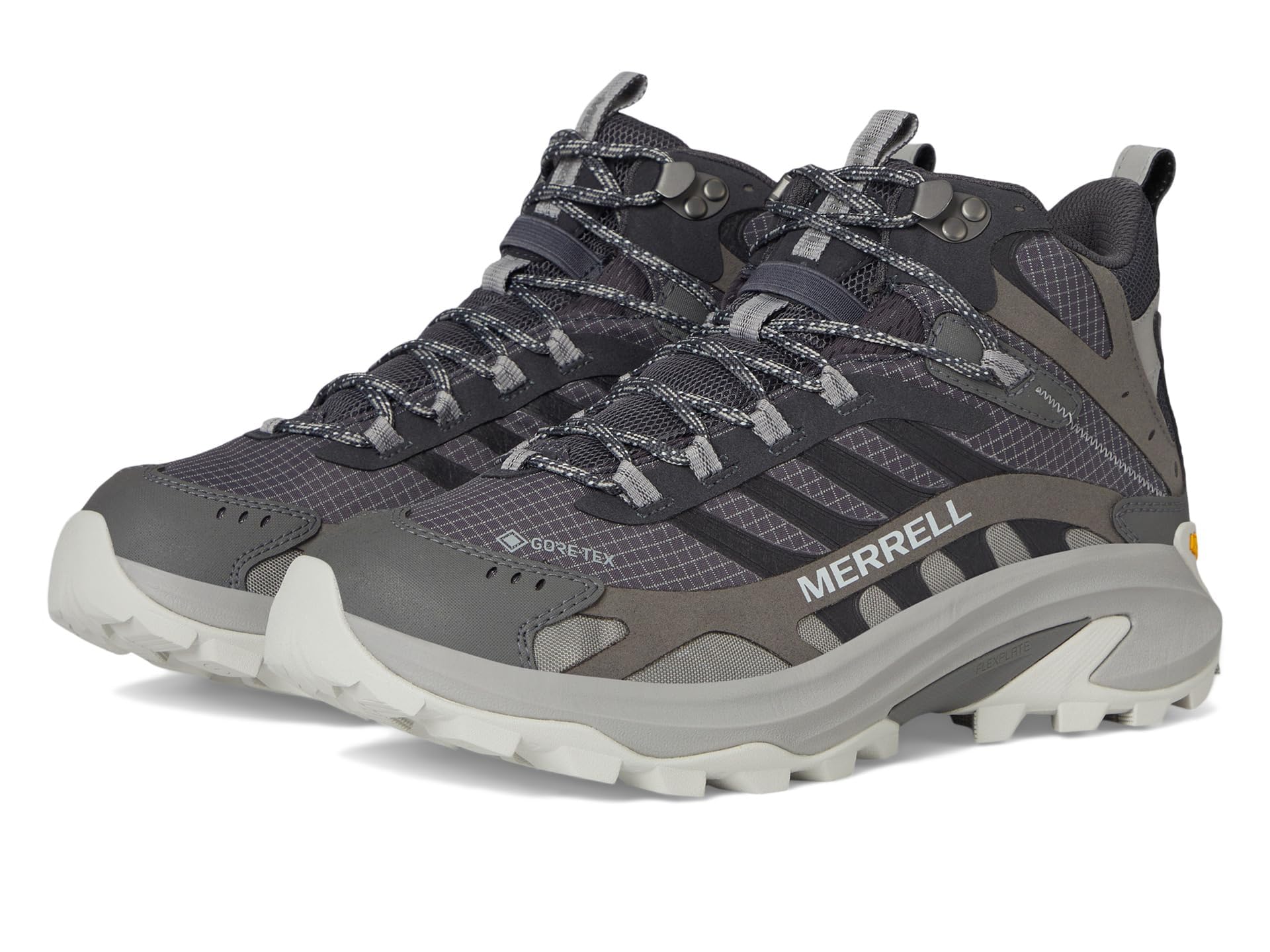
The Moab Speed 2 Mid GTX earns the top spot because it delivers GORE-TEX waterproofing without the weight penalty. At roughly 13 ounces per boot, this mid-height hiker climbs, descends, and scrambles without feeling like you’re strapping on lead weights. Testers report zero break-in time — the balanced, supportive cushioning works from step one across rock, dirt, and gravel.
Moab Speed 2’s mid-height collar adds lateral support for uneven loads while letting air circulate around the ankle. Reviewers noted that the fit runs slightly large in wide sizes, so two pairs of wool socks or a half-size down keeps the heel locked. The cloth eyelets at the ankle are the boot’s weakest link — several long-distance hikers reported tearing after heavy use.
For hikers who want the membrane performance of GORE-TEX paired with a low weight that doesn’t sap energy on hot ascents, this boot sets a high bar. The Vibram outsole chews through loose over hardpack with equal confidence.
Why it’s great
- GORE-TEX membrane breathes well in warm weather
- No break-in needed, cushioned from the first mile
- Excellent multi-directional traction on mixed terrain
Good to know
- Cloth eyelets at ankles prone to tearing after heavy use
- Runs slightly large in wide sizes
- Lacks dense arch support for high-volume feet
2. Columbia Konos TRS Outdry
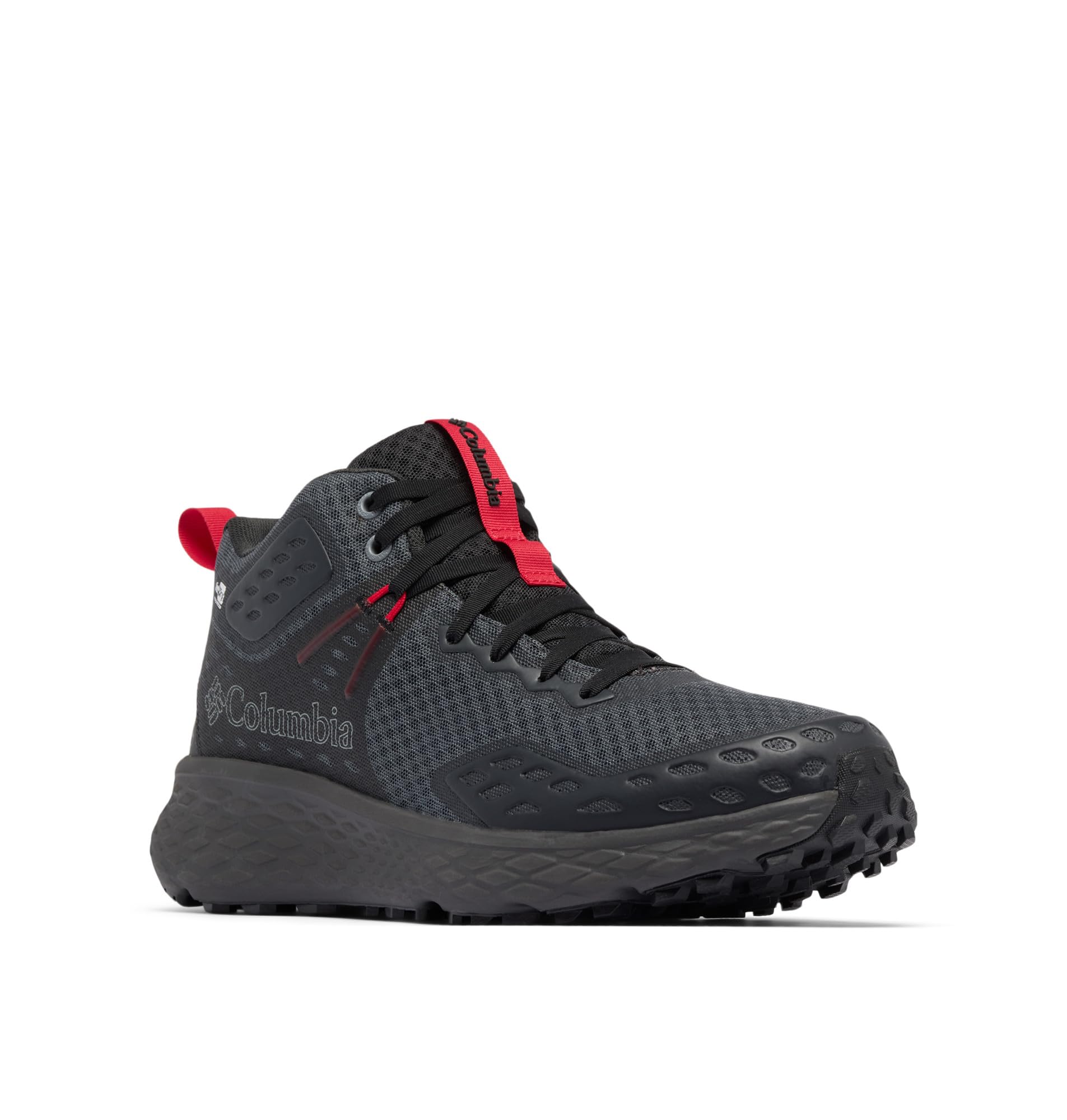
The Konos TRS Outdry is a mid-range boot that punches well above its weight class. Columbia’s OutDry membrane is bonded directly to the upper, eliminating the need for a separate bootie — this keeps water out while dumping heat faster than traditional laminated membranes. Reviewers consistently mention the roomy toe box, which is a godsend for hikers with bunions or wide forefeet.
One 300-pound tester reported zero blisters after a 20-mile day, which speaks volumes about the cushioning and collar padding. The outsole uses aggressive chevron lugs that bite into loose soil and shed mud cleanly. A few users noted a pronounced squeak from the left heel after a month — enough to be heard by others on quiet trails.
The boot runs slightly warm, which is typical for any waterproof model, but pairing it with moisture-wicking socks solves the issue for most. For hikers who prioritize a generous toe box and reliable wet-weather traction, the Konos TRS is a standout.
Why it’s great
- Roomy toe box accommodates wide feet and bunions
- OutDry membrane is fully bonded, no bootie sag
- Deep lugs provide serious grip on loose terrain
Good to know
- Left heel may develop an audible squeak over time
- Feels warm in direct sun, requires wicking socks
- Limited color options
3. Merrell Men’s Speed Strike 2 Mid Waterproof
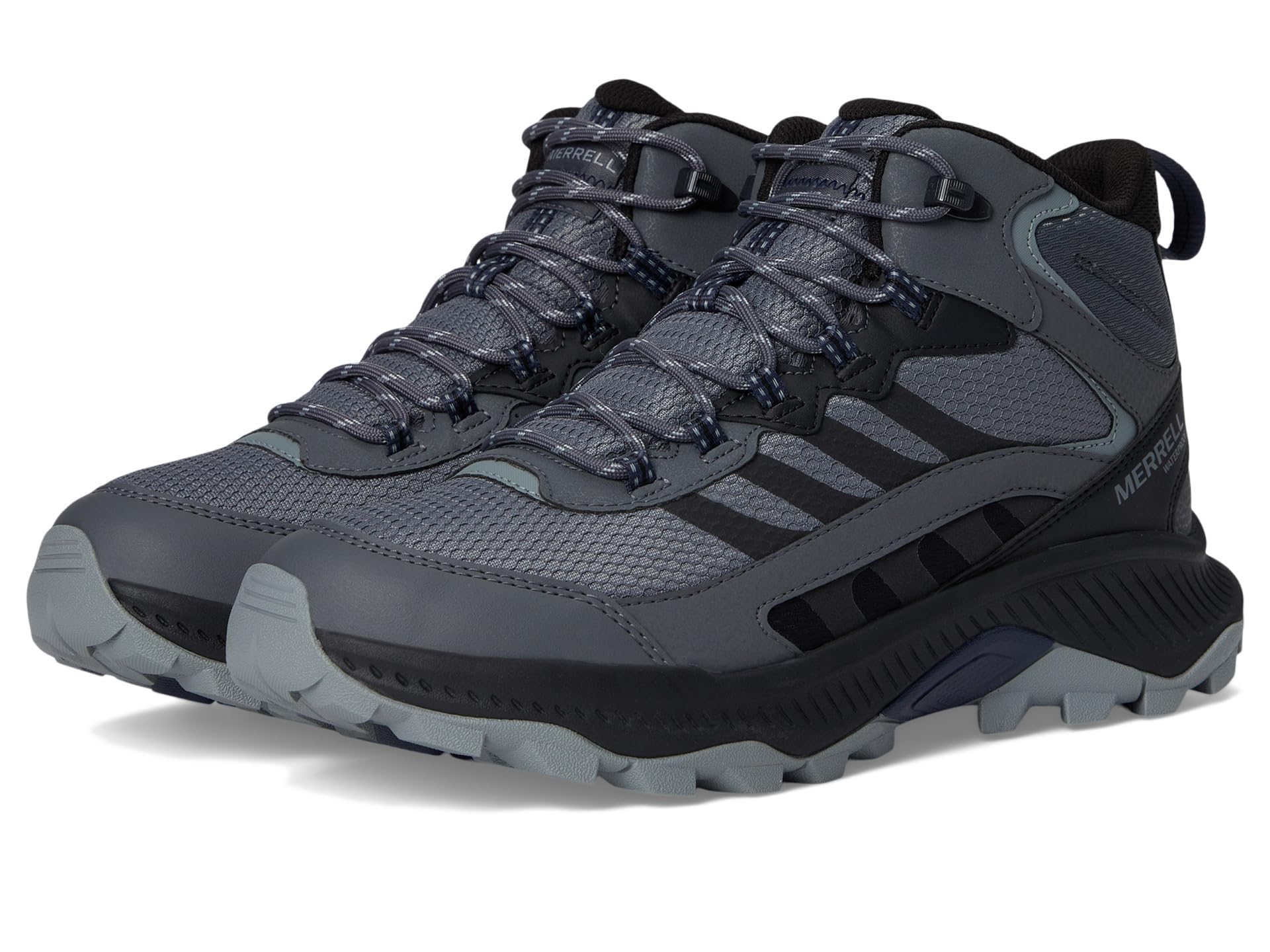
The Speed Strike 2 Mid is built for hikers who want the ankle protection of a mid-height boot without a multi-week break-in. The upper uses a mix of mesh and synthetic leather that flexes immediately, and the EVA foam midsole provides a plush landing without sacrificing trail feel. Travelers especially praised this boot for European cobblestone streets — they transition from trail to town without looking clunky.
Reviewers report that the waterproof membrane holds up in stream crossings and wet grass without turning the boot into a sweatbox. The outsole chewed through North Georgia mountain trails with consistent grip, even on steep descents. The fit is true to size, though those with high-volume feet may want a wide to avoid pinching across the midfoot after long days.
One detail worth noting: the boot started stiff but loosened up within a single hike, retaining structure where it matters and flexing where it counts. The Speed Strike 2 is a versatile mid that works for day hikes, overnighters, and even casual all-day wear.
Why it’s great
- Zero break-in, comfortable immediately out of box
- Waterproof yet breathable with merino wool socks
- Stylish enough for town and trail
Good to know
- Arch support is moderate, not aggressive
- Tongue may shift during side-hill traverses
- Stiffness diminishes quickly, reducing long-term lateral rigidity
4. Timberland Men’s White Ledge Mid Waterproof Hiking Boots

Timberland’s White Ledge Mid is the boot that refuses to quit. One reviewer wore the same pair daily for a year — the sole remained intact and the leather held up despite minimal care.
The White Ledge runs slightly large; sizing down half a notch or adding an insole delivers a locked-in fit. The boot handles hills, grass, gravel, snow, and ice with equal stability. Some users noted that the leather requires periodic conditioning with mink oil to maintain waterproofing, especially after wet hikes. Without that care, water can saturate the leather over time.
For hikers on a budget who need a dependable mid-height boot that can double as a winter beater, the White Ledge is a proven workhorse. It’s not the lightest option, but the durability per dollar is exceptional.
Why it’s great
- Full-grain leather upper provides long-term durability
- Excellent value for the build quality
- Deep lugs shed mud and grip loose terrain
Good to know
- Leather requires regular conditioning for peak waterproofing
- Runs large, may need half size down
- Heavier than mesh-based competitors
5. Oboz Women’s Bridger Mid B-DRY Hiking Boot
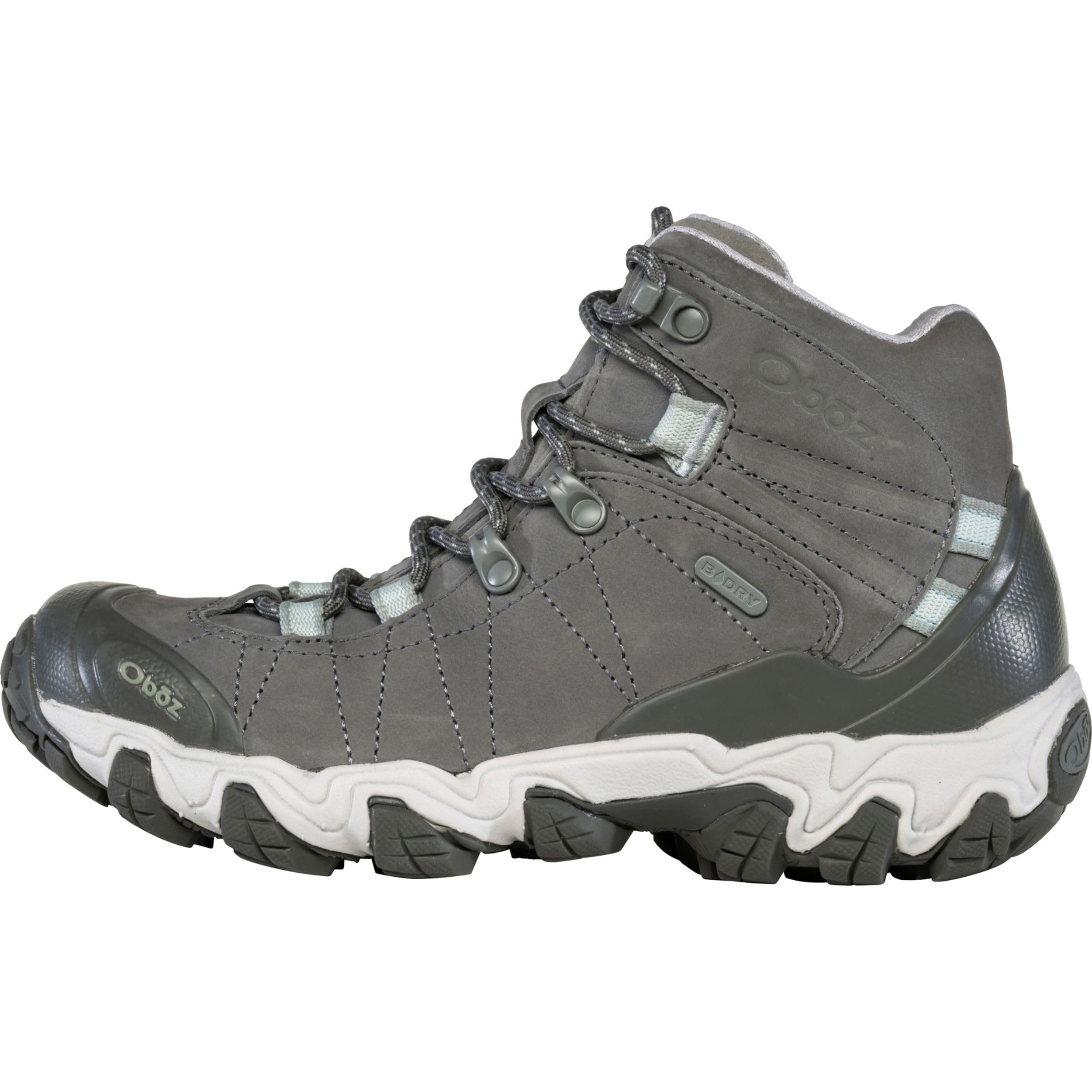
The Oboz Bridger Mid is a serious boot for serious loads. It uses Oboz’s B-DRY membrane — a film that blocks external moisture while allowing perspiration to escape. The tread is deep and widely spaced, designed to grip mud and loose scree on steep approaches. Multiple reviewers who work on their feet (horse care, outdoor labor) reported foot pain relief from the first wear, crediting the boot’s supportive insole and stable heel cup.
The fit runs narrow, especially in the midfoot; ordering a wide width or going half a size up is a common fix. The high arch support accommodates high-volume feet well, though flat-footed hikers may need a different insole. The leather upper holds up to abrasion, but saturates faster than synthetic alternatives in sustained rain, weakening the waterproof claim.
If you’re carrying a heavy pack on multi-day summer treks and need a stable platform that won’t blow out after one season, the Bridger Mid delivers. It’s built for longevity, and repeat buyers confirm the pattern.
Why it’s great
- Excellent arch support for high-volume feet
- Deep lugs provide solid grip on loose and wet terrain
- Durable build holds up to daily, heavy use
Good to know
- Runs narrow, may need wide size or half up
- Leather saturates faster than mesh in heavy rain
- Premium price point
6. Columbia Mens Redmond IV Low Waterproof
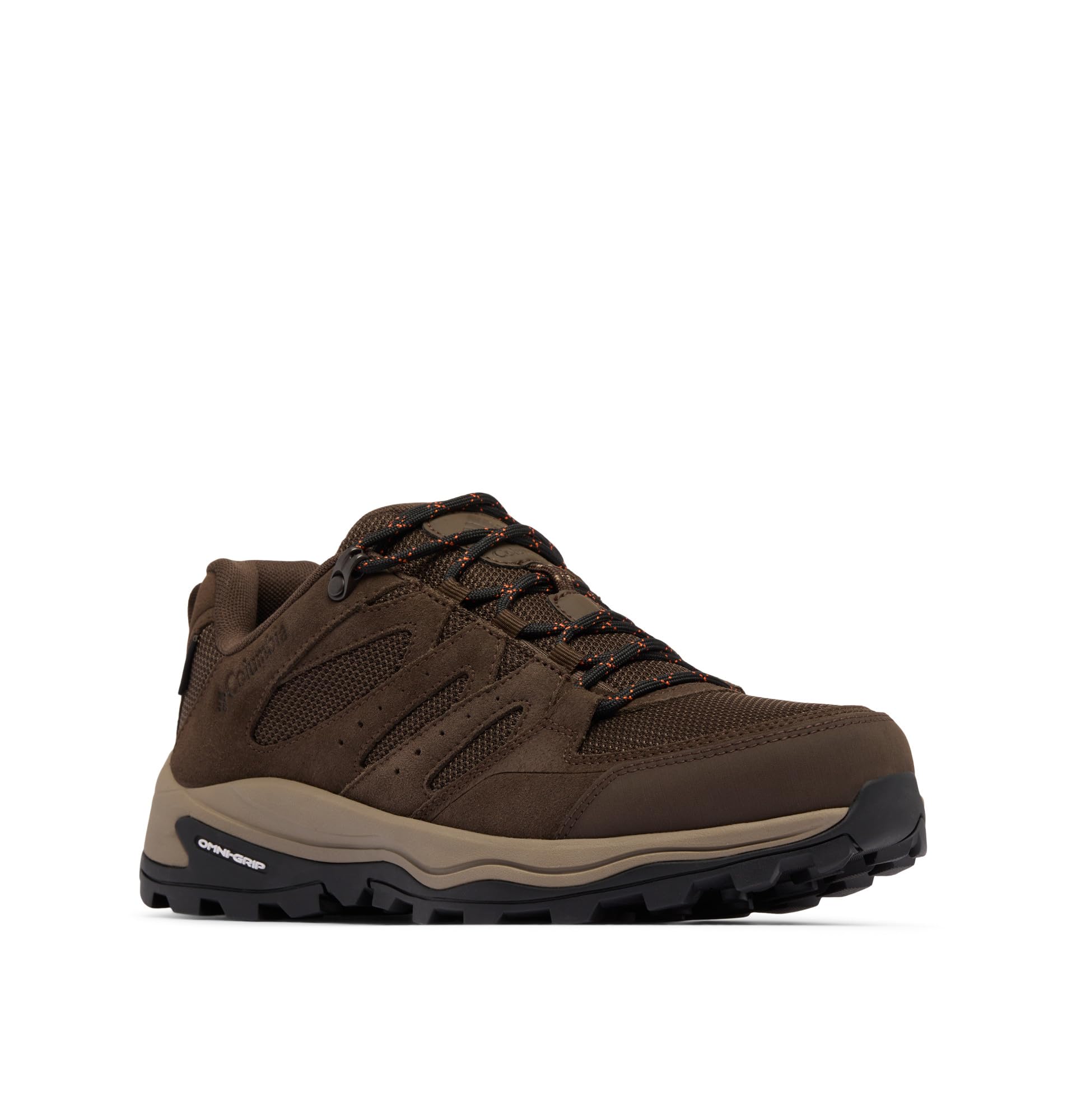
The Redmond IV Low is the lightweight trail shoe that disappears on your feet. At roughly 10 ounces per shoe, it’s built for day hikers who cover distance without a heavy pack. The Omni-Grip outsole surprises testers with how well it holds on wet rock and muddy slopes — the rubber compound is stickier than price-point expectations.
The mesh upper breathes generously, making it one of the most ventilated waterproof shoes in this list. One reviewer took them through a full night of fishing in wet conditions and ended the trip with completely dry socks. The cushioning is firm but forgiving, and the low profile avoids the clunky feel of larger boots.
A few users reported a squeak developing in the left heel after a month of daily wear. Despite that, the Redmond IV Low offers a compelling mix of weight, breathability, and waterproof dependability that punches well into the mid-range tier.
Why it’s great
- Very lightweight, barely noticeable on foot
- Excellent ventilation for a waterproof shoe
- Omni-Grip outsole punches above its class
Good to know
- Left heel may squeak after extended use
- Low-cut design offers no ankle support
- Durability is good, not great, for rocky off-trail use
7. Merrell Men’s Moab 3 Hiking Shoe

The Moab 3 is the shoe that defined the affordable hybrid category — blending pig suede leather and breathable mesh in an upper that breathes much better than its predecessor. The Vibram TC5+ outsole uses multi-directional lugs that provide consistent traction on hardpack and loose gravel. It’s a low-top shoe, so ankle support is minimal, but the locked-in lacing and padded tongue keep your foot stable inside.
Reviewers consistently praise the out-of-box comfort, noting that a 4.2-mile walk on the first wear produced zero hot spots. The wide toe box is a major plus for hikers who splay their toes on descents. Some users pack mud in the tread on wet ground, but that’s a common trade-off for aggressive lugs that clear themselves on dry trails.
The Moab 3 runs slightly large; half a size down or a wide width is recommended for those with narrow heels. It’s a shoe that excels on maintained trails and casual urban walks, not on technical boulder fields.
Why it’s great
- Outstanding out-of-box comfort, minimal break-in
- Wide toe box for natural foot splay
- Vibram TC5+ outsole grips hardpack and gravel well
Good to know
- Packs mud on wet ground, lugs don’t self-clean well
- Runs large, may need half size down
- Low-top offers no lateral ankle support
8. Columbia Men’s Strata Trail Low Waterproof Hiking Shoes
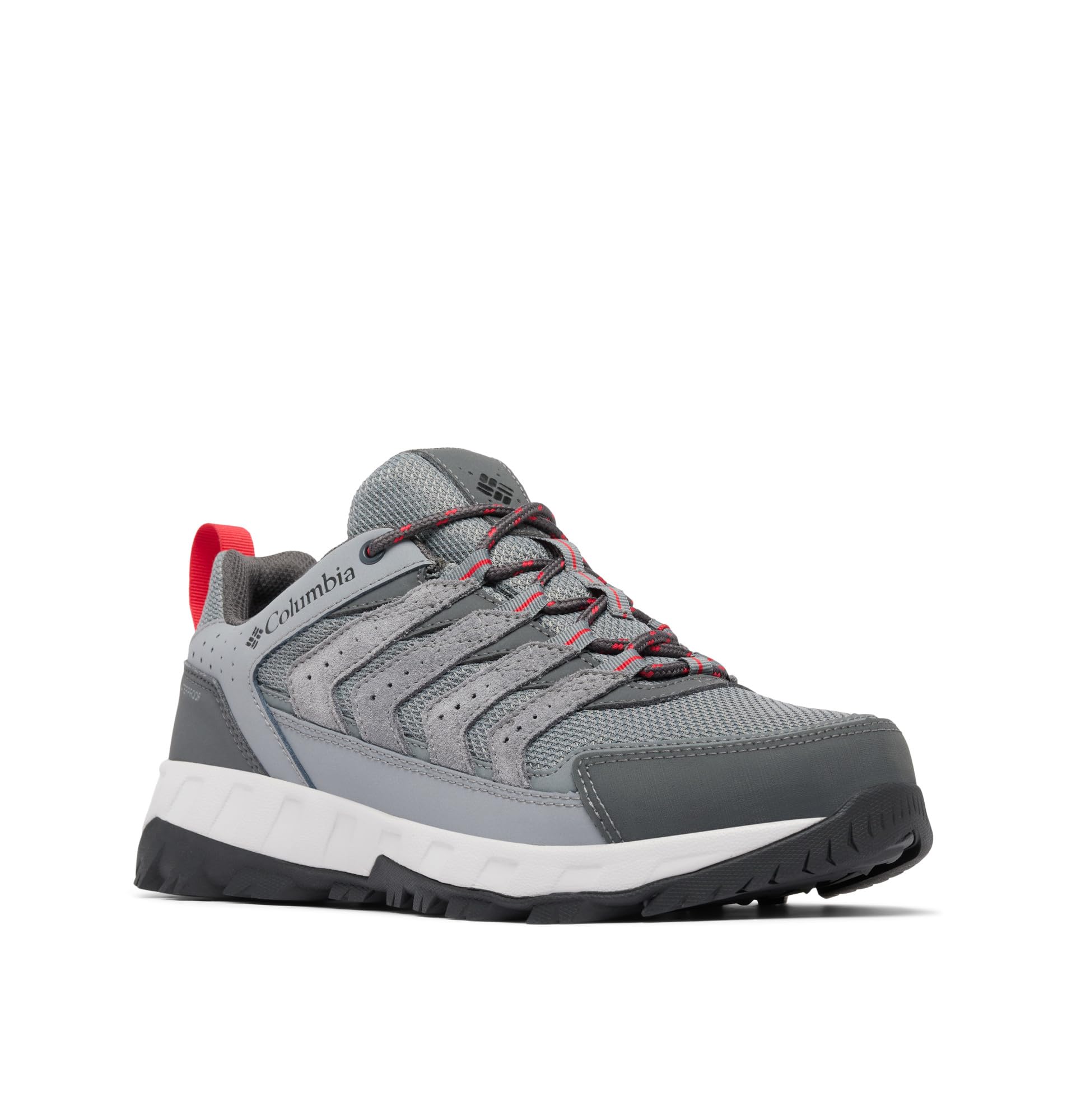
The Strata Trail Low is Columbia’s budget-oriented trail shoe that doesn’t feel cheap. The mesh upper breathes freely, and the aggressive tread pattern uses deep, widely spaced lugs that bite into loose dirt and stone. It’s one of the few entry-level shoes that flat-footed hikers report wearing for 10+ hours without discomfort — the footbed provides decent arch support for a budget build.
Reviewers highlight the shoe’s lightweight construction and the fact that it’s truly waterproof in light rain and stream crossings, despite the mesh panels. The sole is stiff enough to protect against sharp rocks, but not so rigid that it prevents natural foot flexion. For European travel involving cobblestone streets and trail walks, the Strata Trail Low earned multiple 5-star reviews.
One repeat buyer ordered the same exact shoe three times, which says more about long-term satisfaction than any single review. The Strata Trail Low is a dependable, no-surprises option that prioritizes traction and comfort over flashy features.
Why it’s great
- Aggressive tread provides great bite on loose terrain
- Lightweight and breathable for hot-weather hiking
- Works well for flat feet with decent arch support
Good to know
- Mesh upper may wear faster than synthetic leather alternatives
- Low-cut design offers minimal ankle protection
- Cushioning is firm, not plush
9. Oboz Men’s Bozeman Low Leather Hiking Shoe

The Oboz Bozeman Low is built for the hiker who needs leather durability without an 8-inch shaft. The full-grain upper shrugs off brush, rock scrapes, and daily abuse — one reviewer wore them for three years of 10-hour construction shifts and only replaced them when the heel lining wore through. The rubber outsole is thick and stiff, providing a stable platform for heavy loads on technical terrain.
Comfort out of the box is a consistent theme, though the toe box runs narrow even in wide sizes. Hikers with higher-volume or wide forefeet should try a half size up or skip this model. The Bozeman runs warm in direct summer sun — the full-grain leather lacks the breathability of mesh panels, so it’s better suited to cooler mornings or alpine starts.
The tongue has a tendency to slip to the side during wear, but a zip-tie hack or lace lock solves it. For hikers who prioritize absolute durability and are willing to trade ventilation for leather protection, the Bozeman Low is a long-term investment.
Why it’s great
- Full-grain leather provides exceptional abrasion resistance
- Very durable, lasts years with daily use
- Stiff sole protects against sharp rocks
Good to know
- Narrow toe box, even in wide sizes
- Runs warm due to lack of mesh ventilation
- Tongue tends to slip sideways during wear
FAQ
Should I get a waterproof boot for summer hiking?
How much ankle support do I really need for summer day hikes?
How do I break in summer hiking boots without blisters?
Final Thoughts: The Verdict
For most users, the boots for summer hiking winner is the Merrell Moab Speed 2 Mid GTX because it pairs genuine GORE-TEX waterproofing with a featherlight mid-height build that breathes in warm air and stops blisters from the first step. If you want a wide toe box that accommodates bunions and true OutDry waterproofing, grab the Columbia Konos TRS Outdry. And for deep backcountry stability with a premium build, nothing beats the Oboz Bridger Mid B-DRY.