
A baby who suddenly refuses the bottle turns every feeding into a stress test. The latch hesitation, the turned head, the crying — each rejection chips at your confidence and makes the daily routine exhausting. Finding a bottle that a breastfed baby actually accepts requires a specific nipple shape, an ultra-soft material, and a flow rate that matches their natural rhythm.
I’m Min — the co-founder and writer behind Gadgets Feed. For this guide, I spent hours analyzing nipple designs, flow rates, venting systems, and maternal feedback across dozens of models to identify which bottles actually solve the refusal problem rather than making it worse.
The right bottle mimics the breast in both feel and function, giving your baby a familiar experience from the first sip. This guide breaks down the bottle for bottle refusal options that have the highest proven acceptance rates among picky breastfed babies.
How To Choose The Best Bottle For Bottle Refusal
When a baby refuses the bottle, the solution almost never lies in the bottle body itself — it is almost always about the nipple. A nipple that feels foreign, flows too fast, or requires a different suckling action will trigger rejection. Focus on these three factors to find a bottle your baby will accept.
Nipple Shape and Material
A physiological nipple that is wide, flat, and symmetrical at the tip allows the baby’s tongue to rest in the same natural position as during breastfeeding. Ultra-soft silicone that mimics the texture and flexibility of the breast makes the transition feel seamless. Nipples made from harder plastic or with a narrow tip will almost always be rejected by a breastfed baby.
Flow Rate and Control
A baby who is used to breastfeeding controls the flow of milk with their own suction and pause rhythm. A bottle nipple that drips or flows too fast will cause gulping, coughing, and a negative association. Look for extra-slow or slow flow nipples (often labeled SS or Level 1) that release milk only when the baby actively drinks, stopping when they pause to breathe.
Anti-Colic Venting System
A baby who is already reluctant to bottle feed will become even more agitated if they swallow excess air, leading to gas, spit-ups, and fussiness. A well-designed venting system, whether at the base of the bottle or integrated into the nipple, prevents air bubbles from mixing with the milk. This keeps feedings calm and reduces the discomfort that can turn a hesitant baby into a determined refuser.
Quick Comparison
On smaller screens, swipe sideways to see the full table.
| Model | Category | Best For | Key Spec | Amazon |
|---|---|---|---|---|
| Pigeon PPSU Nursing Bottle | Premium | Nipple Acceptance | SS Ultra-Slow Flow Nipple | Amazon |
| Philips Avent Natural | Mid-Range | Breast to Bottle Switch | Natural Response Flow 2 Nipple | Amazon |
| MAM Easy Start Anti-Colic+ | Mid-Range | Reducing Colic & Gas | Vented Base System | Amazon |
| Dr. Brown’s Options+ Glass | Premium | Classic Anti-Colic Performance | Internal Vent System | Amazon |
| Gulicola Natural Glass (5 oz) | Premium | Durable Glass with Breast-Like Nipple | Borosilicate Glass Construction | Amazon |
| Suavinex Bonhomia Glass | Budget-Friendly | Physiological Nipple Design | SX Pro Silicone Nipple | Amazon |
| Gulicola Small Glass (3 oz) | Budget-Friendly | Newborn & Preemie Feeding | Extra Slow Flow (SS) Nipple | Amazon |
In‑Depth Reviews
1. Pigeon PPSU Nursing Baby Bottle Wide Neck
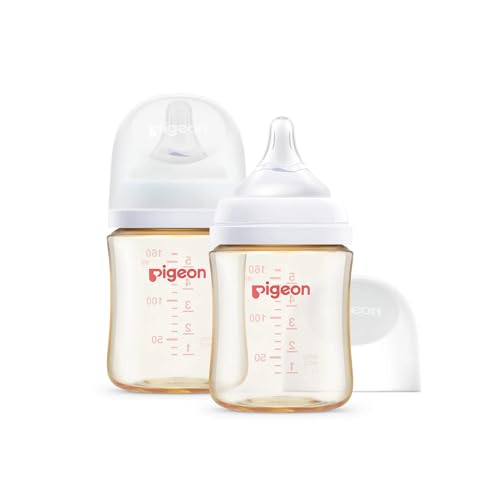
The Pigeon bottle is designed around research into the three natural sucking movements babies make during breastfeeding. The wide neck and the latch-on curve on the nipple guide the baby’s mouth into proper positioning, which directly addresses the root cause of bottle refusal — a latch that feels wrong. The SS nipple delivers an ultra-slow flow that matches a newborn’s pace, preventing the overwhelming gush that makes breastfed babies turn away.
The PPSU material is lighter than glass and completely unbreakable, which makes it practical for daily use while remaining BPA-free. Parents report that their babies finish feedings faster with less air intake, reducing the need for mid-feed burping. The streamlined body is easy for small hands to grip as the baby grows, and it holds up well in the dishwasher without degrading.
The nipple sizes progress from SS through 3L, allowing you to adjust flow as your baby’s feeding strength increases. The wide neck makes scooping formula and cleaning straightforward. For parents dealing with a determined refuser, the combination of the researched nipple shape and the controlled flow gives this bottle the highest chance of acceptance among the options here.
Why it’s great
- Research-based nipple design mimics natural breastfeeding movements
- Ultra-slow SS flow prevents overwhelming a reluctant baby
- Durable, heat-resistant PPSU body is unbreakable and lightweight
Good to know
- PPSU is a premium material, so the price is higher than plastic or glass alternatives
- Some babies may need to size up the nipple after a few months as feeding strength increases
2. Philips Avent Natural Baby Bottles

The Philips Avent Natural bottle is built around a simple insight: a baby should control the flow, not the bottle. The Natural Response nipple only releases milk when the baby actively drinks, and stops flowing the moment they pause to swallow or breathe. This mimics the breastfeeding dynamic exactly, which is why so many parents of breastfed babies report immediate acceptance even after other bottles failed.
The wide, breast-shaped nipple is soft and flexible, and the bottle’s anti-colic valve directs air away from the milk, keeping the baby’s tummy comfortable. The no-drip design is also a practical win — you can tilt the bottle without milk spilling everywhere, which makes paced feeding much less messy. The bottle body is made from clear, durable plastic with a wide neck that makes cleaning and scooping formula effortless.
Parents consistently note that this bottle is easier to clean than multi-part systems like Dr. Brown’s, with fewer components to lose or reassemble. The Flow 2 nipple included is a slow flow that works well for most newborns, though some parents with very young or premature babies may want to buy the Flow 1 separately. For a bottle that bridges breast and bottle feeding with minimal drama, this is a standout choice.
Why it’s great
- Nipple only releases milk when baby actively drinks, mimicking breastfeeding
- No-drip design prevents wasted milk and mess during feeding
- Easy to clean with a wide neck and fewer small parts to manage
Good to know
- Flow 2 nipple may be too fast for some newborns — consider purchasing Flow 1 separately
- Plastic body may not appeal to parents who prefer glass bottles
3. MAM 4.5oz Easy Start Anti-Colic+ Baby Bottle

The MAM Easy Start bottle features a unique vented base system that clinically reduces colic symptoms in 80% of babies. Instead of a traditional vent in the nipple, air enters through the bottom of the bottle and travels through an engineered channel, completely bypassing the milk. This means your baby drinks only milk, not air bubbles, which dramatically reduces gas, spit-up, and the overall discomfort that often leads to bottle refusal.
The SkinSoft nipple is pre-compressed and elongated, achieving a 94% nipple acceptance rate among babies, including those who previously refused other brands. The extra-slow flow nipple is gentle enough for preemies and newborns, giving them complete control over the feeding pace. Parents frequently report that this is the only bottle their breastfed baby would accept after trying Philips, Tommee Tippee, and Evenflo alternatives.
The self-sterilizing feature is genuinely useful — you add water to the bottle, microwave it for three minutes, and the bottle stays sterile for up to 48 hours. The bottle is made from bio-circular, BPA-free materials and is manufactured in Europe. The wider neck and minimal parts make cleaning straightforward, and the vented base is easy to disassemble for a thorough wash.
Why it’s great
- Vented base clinically proven to reduce colic symptoms in 80% of babies
- 94% nipple acceptance rate among previously reluctant babies
- Self-sterilizes in the microwave in just 3 minutes
Good to know
- The vented base adds one extra piece to clean compared to simpler bottles
- Some parents find the assembly requires a bit of practice to avoid leaks
4. Dr. Brown’s Anti-Colic Options+ Narrow Glass Baby Bottles
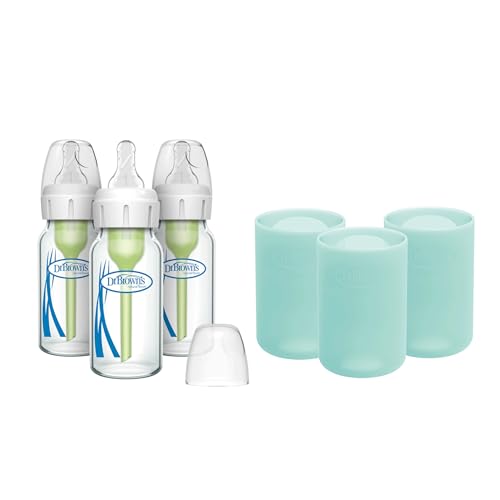
Dr. Brown’s Options+ glass bottle combines the trusted internal vent system with a durable borosilicate glass body. The vent system works by creating a vacuum-free feeding environment that prevents air from mixing with the milk, which is clinically proven to reduce colic, spit-up, and gas. This is particularly valuable for a reluctant baby because a comfortable, gas-free feeding experience builds positive associations with the bottle over time.
The borosilicate glass is heat and thermal-shock resistant, meaning it can handle the temperature changes from boiling water for sterilization to cold milk without cracking. The included mint silicone sleeves provide grip and protect the glass from drops. The breast-like nipple shape encourages a proper latch, and the Level 1 slow flow nipple is appropriate for newborns and breastfed babies who need a controlled pace.
The narrow shape of the bottle makes it easier for a baby to grip as they grow, and the glass body heats milk evenly without the hot spots that plastic can create. The only trade-off is the number of components — this system has five parts to clean and reassemble. Parents who prioritize the anti-colf performance over convenience will find this bottle delivers the most consistent feeding experience for sensitive babies.
Why it’s great
- Internal vent system clinically proven to reduce colic, gas, and spit-up
- Durable borosilicate glass resists thermal shock and cracking
- Included silicone sleeves protect the glass and improve grip
Good to know
- Five separate components require more cleaning time than simpler bottle designs
- The narrow neck can be slightly more challenging to clean thoroughly
5. Gulicola Natural Glass Baby Bottle (5 oz)
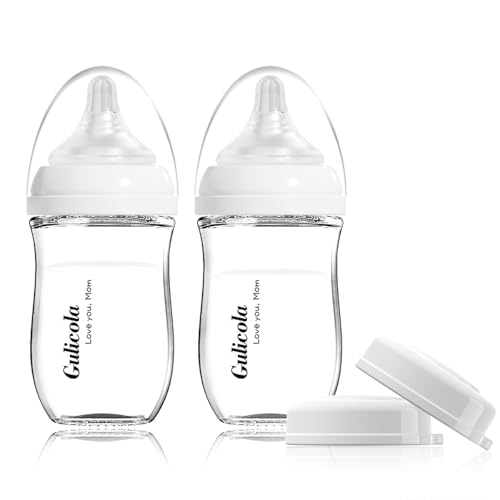
The Gulicola Natural Glass bottle focuses on two things that matter most to a breastfed baby: the feel of the nipple and the safety of the material. The ultra-soft silicone nipple flexes and moves like the breast, which helps a baby naturally latch on without the confusion that comes from a firmer, static nipple. The anti-colic vents built into the nipple allow continuous drinking without air bubbles, reducing the gas that makes babies uncomfortable and more likely to refuse the next feeding.
The bottle is made from premium borosilicate glass that is free of BPA, BPS, and phthalates. Parents consistently report that these bottles survive multiple drops onto tile floors without chipping or cracking, which is rare for glass baby bottles. The 5 oz size is ideal for the first few months, and the wide neck makes scooping powder and scrubbing the interior quick and easy.
The kit includes two bottles with slow flow nipples and two storage caps, which doubles as lids for storing pumped milk directly in the bottle. The nipple design has been noted by multiple parents to improve their baby’s latch, reducing the shallow latch issues that often accompany bottle refusal. For parents who want glass without the hassle of extreme fragility, this bottle delivers on durability and function.
Why it’s great
- Ultra-soft, flexible nipple closely mimics the movement of breastfeeding
- Borosilicate glass survives drops onto hard surfaces without breaking
- Includes storage caps for convenient pumping and refrigeration
Good to know
- Glass is heavier than plastic or PPSU, which may be tiring for very young babies to hold
- The included slow flow nipple may need to be upgraded as the baby grows older
6. Suavinex Bonhomia Glass Baby Bottle
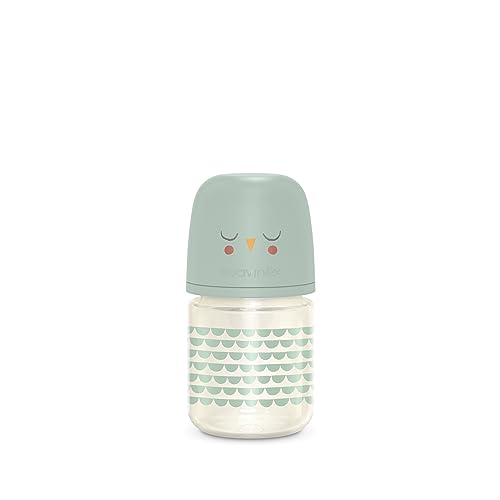
The Suavinex Bonhomia bottle comes from the number one Spanish bottle brand and features the SX Pro Physiological nipple, which is distinguished by its 20mm long neck that reaches the junction between the hard and soft palate. This specific design keeps the tongue in the same natural position as breastfeeding, which is critical for a baby who refuses bottles because the latch feels incorrect. The flat, symmetrical nipple tip centers on the bottle, offering consistent positioning every time.
The nipple is made from ultra-soft silicone with a textured finish that replicates the feel of the breast. The glass body does not absorb smells or flavors from milk, so the bottle stays neutral feeding after feeding. Parents report that this bottle eliminates colic and gas issues in preemies and that the flow rate — while too fast for very young newborns — works well for babies around one month and older.
The packaging is made from 85% recycled material, and the bottle itself is 100% recyclable. The minimal parts make cleaning fast, and the bottle is endorsed by the Spanish Society of Pediatric Dentistry. For parents who want a physiological nipple design backed by pediatric dental expertise, this budget-friendly option provides premium-level thinking about oral development.
Why it’s great
- Physiological nipple with 20mm long neck supports correct tongue position
- Textured ultra-soft silicone mimics breast texture
- Glass body does not absorb odors or flavors from milk
Good to know
- Some parents report the nipple flow is too fast for newborns under 1 month
- Reports of nipple leaking when the bottle is tipped, which can be messy
7. Gulicola Small Glass Baby Bottle (3 oz)

The Gulicola Small Glass bottle is specifically designed for the earliest days of feeding, with a 3 oz capacity and an extra slow flow (SS) nipple that is gentle enough for preemies and newborns. The nipple features guiding points that help the baby achieve a proper latch, training correct suction habits from the very first feed. This makes it an excellent tool for preventing bottle refusal before it starts by establishing positive early associations.
The bottle is made from premium borosilicate glass that is completely free of BPA, BPS, and phthalates. Parents report that these bottles have survived drops onto slate tile floors without even a scratch, which speaks to the durability of the glass. The wide neck means only four pieces to clean and reassemble, which is notably simpler than many anti-colic systems on the market.
The kit comes with two 3 oz bottles, two extra slow flow nipples, and two storage caps. The smaller capacity is perfectly sized for newborns who only take 1-2 oz per feeding, reducing waste and making it easier to track intake. For preemies, late-preterm babies, or any infant who struggles with faster flows, this bottle provides the controlled pace that prevents coughing and rejection.
Why it’s great
- Extra slow flow SS nipple is ideal for preemies and newborns
- Durable borosilicate glass survives drops without damage
- Simple 4-piece design is quick to clean and reassemble
Good to know
- 3 oz capacity will be outgrown within a few months as milk intake increases
- Some babies may need a faster flow nipple once they reach 3-4 months old
FAQ
Why does my breastfed baby refuse the bottle but accept the breast?
Should I use a glass or plastic bottle for a reluctant baby?
How do I know if the nipple flow is too fast for my baby?
Final Thoughts: The Verdict
For most users, the bottle for bottle refusal winner is the Pigeon PPSU Nursing Bottle because its research-backed nipple shape and ultra-slow SS flow give the highest likelihood of acceptance among picky breastfed babies. If you want a bottle with the most intuitive breast-to-bottle transition, grab the Philips Avent Natural. And for a baby who struggles with gas and colic on top of refusal, nothing beats the MAM Easy Start Anti-Colic+.