
Every sip of water you buy should be a reset, not a risk. For too long, the bottled water aisle has been a minefield of plastic leachates, undisclosed processing, and the looming specter of PFAS — “forever chemicals” that accumulate in your body and never break down in the environment. The search for genuinely clean hydration means scrutinizing every source, every container, and every certification with the same rigor you apply to the food on your plate.
I’m Min — the co-founder and writer behind Gadgets Feed. I’ve spent hundreds of hours cross-referencing third-party lab results, scrutinizing sourcing claims, and comparing packaging materials to filter out the brands that actually deliver measurable purity versus those that rely on marketing language.
This guide is built around a simple, non-negotiable standard: the water must be independently verified to be free of PFAS compounds. Whether you are stocking up for your family, eliminating plastic from your routine, or seeking the cleanest possible water for a newborn, the best bottled water without pfas integrates transparency, material safety, and source integrity into every bottle.
How To Choose The Best Bottled Water Without PFAS
Selecting a PFAS-free water brand requires moving past the label design and diving into the source and the container. The health risk from PFAS is cumulative, so even low levels matter over time. Here are the three non-negotiable filters to apply.
Source Integrity and Verification
The source of your water is its identity. Artesian aquifers, protected by deep rock layers, offer natural protection from surface contaminants including PFAS runoff. Spring water, while generally clean, should come from a protected watershed. The most trustworthy brands publish third-party test results — not just a “PFAS-free” claim on the bottle. Look for specific panel results showing PFAS compounds like PFOA and PFOS at non-detect levels (below 1 ppt). Distilled water offers a different path: the distillation process physically separates all minerals and impurities, including PFAS, from the water vapor.
Container Chemistry
What holds the water matters as much as the water itself. Plastic bottles, even BPA-free types, can leach microplastics and other endocrine disruptors, especially when stored in warm conditions. Glass bottles are inert — they impart zero taste or chemicals to the water and are infinitely recyclable. Aluminum bottles and cans offer a middle ground: they are lightweight, keep water cold longer, and are BPA-free lined, but the liner must be rigorously quality-controlled. The best container for PFAS-free water is the one that protects the water from external contamination and does not introduce its own.
Minerals and pH Balance
Pure water is defined not just by what is removed, but by what remains. Many premium brands add back essential minerals (calcium, magnesium, potassium, sodium) for taste and electrolyte balance. Others, like distilled or naturally balanced artesian water, rely on the source’s intrinsic profile. A naturally alkaline pH between 8.0 and 8.2 is often associated with higher-quality artesian water but is not a health guarantee. The priority is that any additives are disclosed and that the mineral content does not mask the water’s purity credentials.
Quick Comparison
On smaller screens, swipe sideways to see the full table.
| Model | Category | Best For | Key Spec | Amazon |
|---|---|---|---|---|
| Loonen Still Spring Water | Spring Source / Glass | Everyday clean hydration with minerals | 750 mL glass, NSF certified, 6-pack | Amazon |
| neaū water | Artesian / Aluminum | PFAS-free artesian hydration on the go | 16 oz aluminum bottle, H.A.R.T. tech | Amazon |
| Clear Alaskan Glacier Water | Glacial / Aluminum | Sustainable glacial water in aluminum | 16.9 oz aluminum, naturally alkaline | Amazon |
| NEA Canned Water | Alpine Spring / Aluminum Can | Plastic-free, carbon-neutral alpine spring water | 16.9 oz aluminum can, B-Corp certified | Amazon |
| Bay Bay Water | Distilled / Plastic | Pure distilled water for infants and CPAP users | 16.9 oz BPA-free plastic, 7-step distillation | Amazon |
| AQUA Carpatica Natural Spring Water | Artesian / Glass | Premium nitrate-free and sodium-free hydration | 750 ml glass, pH 8.2, natural electrolytes | Amazon |
| REALM Artesian Water | Artesian / Glass | Unfiltered, untreated artesian water in glass | 16 oz glass, pH 8.0, zero PFAS | Amazon |
In‑Depth Reviews
1. Loonen Still Spring Sourced Water
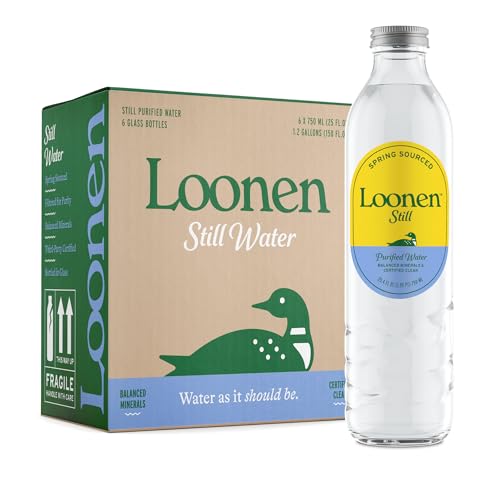
The Loonen Still Spring Water hits the sweet spot between premium purity and everyday practicality. Sourced from deep mountain springs in Southern California, it undergoes third-party testing for microplastics and PFAS, with results openly published via QR code on every bottle. The glass packaging is reassuringly thick — 750 mL of inert container that will never leach anything into your water.
Loonen adds back a balanced mineral blend of calcium, magnesium, potassium, and sodium. The result is a crisp, clean taste that works beautifully with coffee or on its own. The wide-mouth bottle also accommodates electrolyte powders or greens supplements without mess, a thoughtful design choice for the wellness-oriented user.
The unpainted cap minimizes chemical contact, and the box packaging ensures the glass bottles arrive intact. This is transparent, well-executed hydration from a brand that understands the PFAS-conscious buyer needs proof, not promises.
Why it’s great
- NSF certified for purity and tested by accredited third-party labs
- Thick, reusable glass bottle with no plastic lining
- Balanced electrolytes deliver crisp, smooth taste
Good to know
- Higher price per ounce compared to bulk plastic alternatives
- Only available in 750 mL size — no smaller portable option yet
2. neaū water, Artesian Still Water

neaū water uses H.A.R.T. (Hydration by Advanced Restorative Technology) to strip PFAS compounds from its artesian source water. The 16 oz aluminum bottle is a huge upgrade over plastic — no microplastic shedding, no chemical aftertaste, and BPA-free lining that keeps the water tasting clean. The artesian source delivers a naturally balanced pH without additives.
Drinkers consistently report a noticeably “lighter” feel and more thirst-quenching quality compared to standard spring waters. The crisp taste is free of the metallic notes that some aluminum bottles can impart, indicating careful liner quality control. The 12-pack is practical for daily commuting, gym bags, and fridge stocking.
The box packaging is protective, and the bottles survive shipping well. For anyone looking to eliminate plastic without switching to breakable glass, neaū is the strongest mid-range option with verified PFAS removal tech.
Why it’s great
- Advanced H.A.R.T. technology actively removes PFAS compounds
- No plastic packaging — fully recyclable aluminum
- Naturally balanced pH with crisp, clean taste
Good to know
- Aluminum bottles can dent during shipping
- No glass option for those who prefer it over metal
3. Clear Alaskan Fresh Glacier Water

Sourced from Eklutna Glacier and Lake in Alaska, this water is about as pristine as it gets geographically. The glacier is fed by a massive daily recharge rate of 175 million gallons, and the company uses less than 0.001% annually, making this a truly sustainable operation. The naturally alkaline pH adds a smooth mouthfeel without engineered additives.
The 16.9 oz aluminum bottle with a sport cap is very practical for active hydration. The water has earned a Silver Award for Taste from the Fine Waters Society and a Bronze Medallion from the Gourmet International Waters Competition, which reflects well on its sensory profile. The taste is clean, with a light, natural minerality that pairs well with food.
Shipping durability is a common concern — aluminum bottles can arrive dented, so inspect your case upon arrival. However, the taste-to-price ratio is exceptional for a PFAS-free, glacial-sourced product in sustainable aluminum.
Why it’s great
- Sourced directly from a protected Alaskan glacial aquifer
- Award-winning taste profile with naturally alkaline pH
- Aluminum bottles with sport cap for active use
Good to know
- Bottles can arrive dented depending on shipping
- Some users find the taste slightly mineral-forward when cold
4. AQUA Carpatica Natural Spring Water
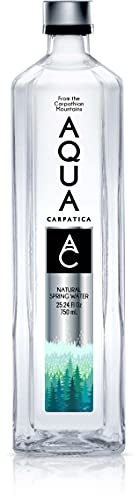
AQUA Carpatica originates from a protected artesian spring in the Carpathian Mountains. The water is naturally nitrate-free and sodium-free, making it suitable for infant formula (no boiling required) and low-sodium diets. The pH sits at a naturally alkaline 8.2 due to bicarbonate ions in the aquifer, not through artificial adjustment.
Packaged in 750 ml glass bottles (100% recyclable), the water has a neutral-to-mineral flavor profile that drinkers consistently rank as one of the best on the market. It lacks the sweet or processed aftertaste common to many bottled waters. The natural electrolyte content aids hydration without adding a chemical taste.
This is a premium option at a higher price point, but the unique nitrate-free/sodium-free profile makes it a top contender for households with infants, elderly members, or those on restricted diets. The glass packaging is heavy, so plan for storage space.
Why it’s great
- Naturally nitrate-free and sodium-free — perfect for infants and restrictive diets
- pH 8.2 naturally alkaline from source bicarbonate
- Glass bottles preserve zero aftertaste
Good to know
- High price per bottle compared to most competitors
- Heavy glass bottles make bulk shipping expensive and cumbersome
5. NEA Canned Water — Austrian Alps Spring Water
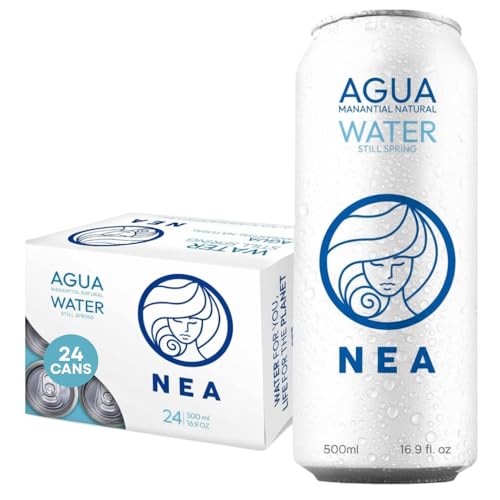
NEA sources its water from a single Austrian Alps spring, naturally filtered through Alpine rock for over 200 years. Every can is aluminum, BPA-free lined, and label-free of plastic film. The brand is B-Corp certified and carbon neutral, backing its environmental claims with verifiable data rather than vague marketing.
The 16.9 oz can is ideal for travel, gym bags, and lunchboxes — it stays colder longer than plastic and fits standard cup holders. Drinkers consistently praise the lack of metallic aftertaste, a common failing of canned water. The taste is fresh, crisp, and genuinely reminiscent of mountain spring water.
NEA also donates a portion of each sale to coral reef restoration with traceable data. For the eco-conscious buyer who values clean hydration without plastic guilt, this is a standout choice in the canned water category.
Why it’s great
- Single-source Alpine spring water, never changed
- B-Corp certified and carbon neutral with verified data
- No metallic taste — well-engineered BPA-free lining
Good to know
- Cans can be punctured during rough shipping
- No glass or bottle option for those who prefer them
6. Bay Bay Water Purified Distilled Water

Bay Bay Water takes a different approach: multi-step distillation that physically removes all impurities, minerals, and PFAS compounds. The water is 100% free of fluoride, chlorine, pesticides, bacteria, and lead. It is produced in a CGMP-certified and FDA-registered facility, meeting strict 21CFR quality standards.
The 16.9 oz BPA-free plastic bottles are lightweight and portable, designed to fit in diaper bags or cup holders. While plastic is not ideal for environmental reasons, the distillation process is the most reliable way to guarantee the complete removal of PFAS. For infants mixing formula, CPAP users, or anyone requiring zero mineral content, this is a highly practical solution.
The 24-pack offers solid value per bottle compared to premium glass or aluminum options. It is a utilitarian product focused on purity first, with packaging as a secondary concern.
Why it’s great
- 7-step distillation guarantees PFAS and contaminant removal
- FDA registered and CGMP certified for safety
- Convenient 16.9 oz size for travel and baby needs
Good to know
- Plastic bottles, though BPA-free, are less environmentally sustainable
- No mineral content, so taste is flat compared to spring water
7. REALM Artesian Water
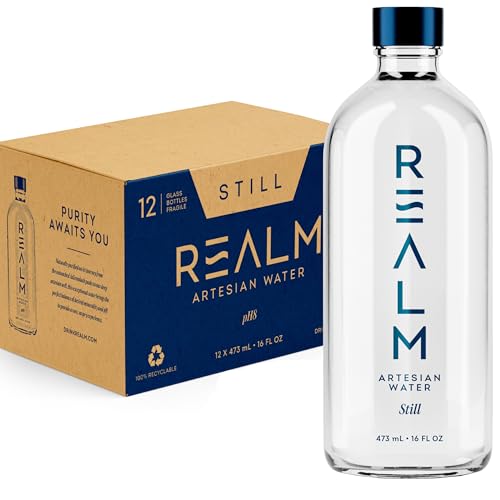
REALM represents the “untouched” school of bottled water. It is drawn from deep artesian aquifers in the Adirondack wilderness and undergoes absolutely no filtration, treatment, or alteration. The water is naturally purified by centuries of rock, soil, and time, emerging with a pH of 8.0 and zero PFAS.
The 16 oz glass bottle is thick, premium-feeling, and topped with an unpainted cap. The label is eco-friendly painted, not plastic film. Drinkers describe the taste as reminiscent of the cleanest spring water from decades past — crystal clear, velvety, and deeply thirst-quenching without any processing aftertaste.
This is the most expensive option on the list, and the glass bottle with a plastic cap top will feel like a compromise to some. But for connoisseurs who value water in its rawest natural form and prize source integrity above all else, REALM is the uncompromising choice.
Why it’s great
- Zero processing — water comes straight from the aquifer
- Thick premium glass bottle with painted label
- Naturally alkaline pH 8.0 with balanced minerality
Good to know
- Very high price per ounce compared to alternatives
- Plastic cap on glass bottle feels like a disconnect
FAQ
How can I verify that a bottled water brand is truly PFAS-free?
Is distilled water a safer bet against PFAS than spring water?
Does packaging in glass versus aluminum matter for PFAS safety?
Final Thoughts: The Verdict
For most users, the best bottled water without pfas winner is the Loonen Still Spring Water because it combines NSF certification, thick glass packaging, balanced electrolytes, and transparent third-party testing into a single product that works for daily hydration. If you want the ultimate in container purity and source integrity, grab the REALM Artesian Water. And for a lightweight, travel-friendly option that eliminates plastic entirely, nothing beats the NEA Canned Water from the Austrian Alps.