
TFCC tears create a distinct clicking, sharp pain on the pinky side of the wrist whenever you rotate a doorknob, lift a grocery bag, or push up from a chair. The triangular fibrocartilage complex is a dense ligament and cartilage structure that stabilizes the connection between your radius and ulna, and when it tears, every weight-bearing rotation becomes a gamble. A properly designed brace compresses the distal radioulnar joint (DRUJ) to offload the damaged fibrocartilage and allow healing without full immobilization.
I’m Min — the co-founder and writer behind Gadgets Feed. I have spent many hours analyzing the mechanical design of ulnar-sided wrist braces, comparing compression ring placement, strap directionality, and material breathability to separate clinically effective options from generic wrist wraps.
Choosing the wrong support can delay TFCC recovery by failing to isolate the ulnar head, so this guide examines the best designs for targeted DRUJ stabilization. Here is your data-backed look at the best brace for tfcc tear options currently available.
How To Choose The Best Brace For TFCC Tear
TFCC braces differ from generic wrist supports by specifically compressing the ulnar head and DRUJ rather than immobilizing the entire carpal region. Look for a brace built with a targeted compression pad, directional strapping that wraps the ulna, and material that breathes during extended wear. Sizing precision is critical — a loose brace fails to offload the fibrocartilage, while an overly tight one can aggravate the ECU tendon.
Compression ring or pad placement
The defining feature of a proper TFCC brace is a silicone, foam, or neoprene pad positioned directly over the ulnar styloid and pisiform. This pad creates a counterforce that depresses the ulnar head and stabilizes the DRUJ. Without this targeted compression, the brace acts as a generic wrist wrap and does not reduce rotational stress on the triangular fibrocartilage.
Strap direction and adjustability
TFCC braces rely on straps that wrap in opposite directions around the wrist to realign the radius and ulna. Two adjustable straps provide better biomechanical control than a single band. Look for a design that allows you to tension the ulnar side independently so you can dial in the pressure without restricting finger motion or blood flow.
Material breathability and closure durability
Because TFCC braces are often worn for months during recovery, the material must wick moisture and resist fraying porous neoprene or perforated fabric is preferred. The hook-and-loop closure must overlap sufficiently — many budget braces fail because the Velcro strip is too short to maintain tension after a few weeks of use. A 1.5-inch or more overlap on the strap indicates a durable closure system.
Quick Comparison
On smaller screens, swipe sideways to see the full table.
| Model | Category | Best For | Key Spec | Amazon |
|---|---|---|---|---|
| WristWidget | Premium Original | Proven clinical design | 14–22cm wrist circumference | Amazon |
| Comfort Cool Ulnar Booster | Medical Grade | Post-surgical rehab | 2mm perforated neoprene | Amazon |
| FORTEMOTUS TFCC Brace | Dual Pad | Active lifestyle support | Dual soft strip pad | Amazon |
| JOMECA TFCC Brace | O-Ring Pad | Bionic compression ring | Built-in O-ring pad | Amazon |
| Quintistix TFCC Brace | Universal Fit | Low-profile sport use | Reinforced stitching | Amazon |
| Aider Daily Grip Zero | PT-Designed | Light daily wear | 15g weight, one size | Amazon |
| Feamero TFCC Brace | Silicone Gasket | Budget entry-level | Embedded silicone ring | Amazon |
In‑Depth Reviews
1. WristWidget Wrist Brace for TFCC Tears

The WristWidget is the most established TFCC-specific brace on the market, designed to compress the radius and ulna together without restricting hand movement. Its one-size-fits-most design accommodates wrist circumferences from 14 to 22 cm and fits both left and right wrists, making it the simplest option for those who need a proven, clinical approach. The brace is made in a solar-powered zero-waste facility in Hawaii and carries a lifetime guarantee, signaling confidence in its durability.
Users consistently report that the WristWidget enabled healing where other braces failed — one reviewer described it as the only brace that allowed proper recovery after wearing it nearly 24/7 for four months. The mechanism is straightforward: the wrap pulls the ulna toward the radius, offloading the torn fibrocartilage so it can heal without surgery. It is lightweight at 0.16 ounces and can be worn in water, which is rare for a brace with this level of targeted stabilization.
The trade-off is comfort — the thick velcro material can feel scratchy against the skin, and some users experience temporary bruising when wearing it snugly enough to be effective. The brace requires manual adjustment by trial and error, and the velcro-on-skin contact may irritate sensitive wrists. For those willing to endure the texture in exchange for clinically proven TFCC support, this remains the benchmark design.
Why it’s great
- One size fits most wrists (14–22cm) with ambidextrous design
- Lifetime guarantee and made in a solar-powered USA facility
- Patented mechanism offloads the DRUJ without restricting motion
Good to know
- Velcro material can feel scratchy against bare skin
- Must be worn very snugly for full effect, which may cause temporary bruising
- No compression pad — relies purely on radial-ulnar compression via wrap
2. Comfort Cool Ulnar Booster Wrist Brace
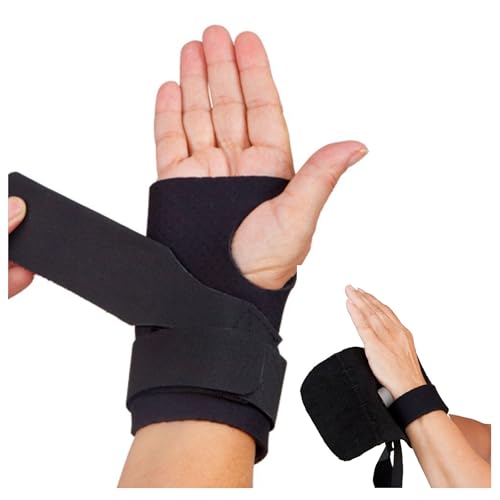
The Comfort Cool Ulnar Booster stands apart from every other brace in this list because it uses a foam boosting cushion placed over the pisiform to create a counterforce effect that depresses the ulnar head. Designed by medical professionals at North Coast Medical, this brace specifically targets TFCC tears, ECU tendonitis, midcarpal instability, and post-fracture ulnar pain. It is hand-specific (right or left) and comes in multiple sizes based on wrist circumference, ensuring a precise fit that a one-size design cannot match.
The brace features two adjustable counterforce straps that wrap in opposite directions around the wrist, a biomechanical detail that realigns the carpal bones and supports midcarpal instabilities. The 2mm perforated neoprene with a soft terry cloth liner provides breathability and moisture wicking, making it suitable for extended wear. Some users report that it is the only brace that completely quieted pain after complex wrist surgeries involving ulnar bone resection or ligament debridement.
The main drawbacks are the learning curve for positioning the pisiform foam and the non-returnable nature of the product. The instructions use anatomical terminology with small illustrations, and several users found the binding scheme confusing. Additionally, the thumb hole opening could be longer for a more comfortable fit. For anyone who needs a medically precise, post-surgical-grade ulnar support with adjustable counterforce, this brace delivers targeted stabilization no generic wrap can replicate.
Why it’s great
- Foam booster cushion depresses the ulnar head for direct DRUJ counterforce
- Dual opposing straps provide superior carpal realignment
- Perforated neoprene with terry liner for extended-wear breathability
Good to know
- Hand-specific (choose right or left version) — not ambidextrous
- Non-returnable; complex setup with small diagram instructions
- Thumb hole opening could be longer for improved comfort
3. FORTEMOTUS Wrist Brace for TFCC Tears
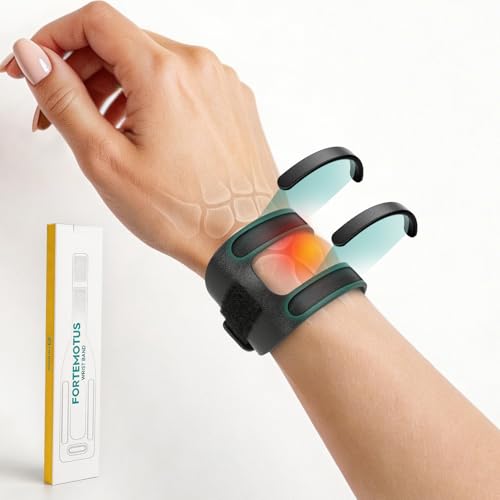
FORTEMOTUS designed this brace with a dual soft strip pad that applies targeted pressure to the pinky side of the wrist, directly addressing TFCC tear symptoms and DRUJ instability. At 0.3cm thickness, it is slim enough to fit under a work glove or a long-sleeve shirt while maintaining enough rigidity to stabilize the ulnar head during tennis swings, golf follow-throughs, or cashier scanning motions. The ergonomic shape wraps the hand without bulking up the palm, preserving full grip strength.
User feedback is remarkable — several reviewers report that this brace eliminated severe wrist pain (rated 9–10/10) within one day of wear, calling it non-intrusive and jewelry-like in feel. The adjustable strap system allows fine tensioning of the compression pad, and the water-resistant surface wipes clean easily. One reviewer who had intermittent wrist numbness found the brace completely eliminated symptoms during daily activities, noting the large size fit like a winter glove.
There is a sizing caveat — users on the measurement limit should size up, as the stiff material can aggravate ulnar nerve symptoms if too tight. Some reviewers note that the leather-like material of the pad feels stiffer than the WristWidget and reduces range of motion slightly. For those prioritizing a low-profile, instant-relief brace for active sports and work, this is the most compelling mid-range option available.
Why it’s great
- Dual soft strip pad delivers targeted DRUJ compression
- Extremely low-profile at 0.3cm — fits under gloves and clothing
- Many users report complete pain elimination within 24 hours
Good to know
- Stiff material can cause numbness if sized incorrectly
- Reduces range of motion more than fabric-only braces
- Not ideal for severe acute injuries requiring maximum immobilization
4. JOMECA TFCC Wrist Brace with Built-in Ring Pad

JOMECA uses a bionic O-ring pad design that encircles the ulnar side of the wrist, providing 360-degree compression around the DRUJ rather than just point pressure. The adjustable Velcro strap lets you dial in the tension precisely, and the streamlined shape maintains flexibility during repetitive wrist motions like typing, tennis, or archery. The perforated, skin-friendly fabric reduces chafing from minimal seams, making it comfortable for people who wear the brace through full workdays.
Reviewers who do fine-motor handwork — like diamond painting — found the donut-shaped pad provided much-needed padding for the ulnar side when resting the wrist on a table. Users report the brace offers moderate to high support without immobilizing the hand, which is ideal for active recovery. The lightweight 0.02kg build makes it easy to pack in a gym bag or keep at the office for intermittent use.
The primary durability concern is the Velcro — several reviewers note that the hook-and-loop closure lost stickiness after two to three weeks of daily use, causing the brace to fall off during movement. This issue appears to be batch-dependent, but it is a recurring complaint. For short-term recovery or as a backup brace, the O-ring design provides targeted compression that outperforms most budget options, but long-term users may need to replace it.
Why it’s great
- O-ring pad provides 360° ulnar compression that adapts to wrist shape
- Lightweight and low-profile — ideal for typing and fine motor tasks
- Perforated fabric reduces sweating during extended wear
Good to know
- Velcro wears out after 2–3 weeks for some users
- Not suitable for severe injuries requiring maximum immobilization
- Sizing is finicky — small may be too small for some wrists
5. Quintistix Wrist Brace for TFCC Tears
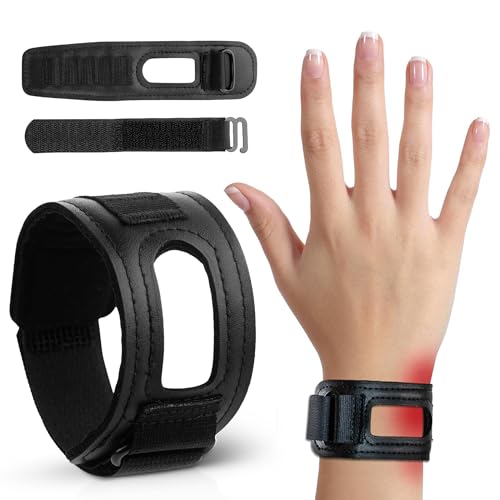
Quintistix differentiates this brace by emphasizing build quality — reinforced stitching and custom material construction rather than a flimsy single strap. It uses a two-part strapping system that wraps the ulnar side for targeted stabilization, and the universal size adjusts to fit both small and large wrists via hook-and-loop tabs. The brace is specifically described as a TFCC tear brace, not a generic wrist wrap, which signals that the compression zone is calibrated for the DRUJ rather than the carpal tunnel.
Users report instant relief — one reviewer with baseline TFCC pain dropped to functional levels on day one, enabling lifting, sports, and typing. The brace is lightweight and breathable, making it comfortable for sensitive skin, and it washes easily. Several users who play tennis or climb found the low-profile design allowed full hand mobility while stabilizing the ulnar side during weight-bearing activities.
The main limitation is that the brace tends to shift out of position during movement, with some users reporting it does not stay placed over the TFCC. The Velcro strap on the universal version can hang loose if the wrist circumference is on the smaller side, as there is not enough overlap to keep everything flush. For larger wrists or those who need a durable, sport-ready brace that prioritizes breathability, this is a strong contender, but smaller-wristed users may need a more adjustable design.
Why it’s great
- Reinforced stitching and custom materials for extended durability
- Low-profile and breathable — comfortable during active sports
- Users report baseline pain drops on day one of wear
Good to know
- This brace can shift out of position during movement
- Velcro strap may lack sufficient overlap for smaller wrists
- Not the best option for those who need night-time immobilization
6. Aider Daily Grip Zero Wrist Brace

The Aider Daily Grip Zero is the lightest brace in this lineup at just 15 grams, designed by physical therapists specifically for TFCC tears, ulnar wrist pain, and tendonitis. The slip-on construction eliminates bulky Velcro straps across the palm, using a hook-and-loop tab on the wrist side for tension adjustment. The nylon fabric is breathable and moisture-wicking, making it a good option for kitchen work, driving, or computer use where a heavier neoprene brace would cause overheating.
Users with small wrists particularly appreciate the fit — one reviewer working as a chef found the brace stayed in place for two weeks of continuous kitchen duty without losing tension. The one-size design accommodates both left and right hands, and the brown color option is less clinical than standard black. For those who need a brace that is barely noticeable during daily tasks, the low weight and low profile are the defining advantages.
The critical issue is build quality — the tightening tab is glued rather than stitched, and multiple reviewers report the adhesive fails within weeks, making the brace useless. Additionally, only one brace is included per purchase, which some users consider poor value given the price. This is best suited for light, intermittent support needs where you can replace it without major concern, not for full-time recovery.
Why it’s great
- Extremely lightweight at 15g — nearly unnoticeable during daily tasks
- PT-designed for targeted TFCC and ulnar wrist support
- Breathable nylon fabric wicks moisture during active work
Good to know
- Tightening tab is glued on and prone to failure after a few weeks
- Only one brace included — not ideal if you need to wash it regularly
- Not suitable for acute injuries requiring high compression
7. Feamero TFCC Wrist Brace with Compression Ring

The Feamero brace uses an embedded silicone compression gasket that follows the circumferential shape of the ulnar wrist, applying pressure directly over the TFCC area. It is designed in collaboration with professional physiotherapists to support DRUJ instability and repetitive strain injuries from activities like golf, tennis, or keyboard typing. The wider brace body distributes pressure evenly across the wrist, and the neoprene construction with suede lining wicks perspiration during extended wear.
One reviewer who had 20-year post-surgery pain from an ulna/radius fracture reported that the Feamero brace provided stability, enabled a pain-free golf swing, and acted as a light massage for the DRUJ area. The adjustable compression system allows fine-tuning of pressure throughout different recovery stages, and the brace fits both left and right hands. For the budget-conscious buyer who needs a starter TFCC brace, this provides the essential silicone compression ring design at an accessible price point.
The most significant issue is fit for smaller or boney wrists — the brace tends to slip out of place on wrists with positive ulnar variance or slim circumference, as there is no smaller size available. Additionally, the Velcro closure on the S/M size may only overlap by about a quarter inch when tightened, making it difficult to maintain a snug fit during active movement. For average to larger wrists, this brace performs well as an entry-level option, but those with slender anatomy should look elsewhere.
Why it’s great
- Silicone compression gasket precisely targets the ulnar head and DRUJ
- PT-collaborated design at an accessible price point
- Neoprene with suede lining wicks moisture for all-day wear
Good to know
- Poor fit for small or boney wrists — brace slips out of position
- Velcro overlap is minimal (1/4 inch) on tighter settings
- Limited color and size availability
FAQ
Can a TFCC brace heal a tear without surgery?
Should you wear a TFCC brace while sleeping?
How tight should a TFCC brace be worn?
Final Thoughts: The Verdict
For most users, the best brace for tfcc tear winner is the WristWidget because of its proven radial-ulnar compression mechanism, lifetime guarantee, and universal fit that accommodates both wrists without specialized sizing. If you need a post-surgery-grade brace with a foam counterforce booster, grab the Comfort Cool Ulnar Booster for its targeted pisiform depression. And for active use during sports where low profile matters most, the FORTEMOTUS TFCC Brace delivers instant relief in a slim, water-resistant package.