
The fourth trimester is a nutritional endurance event. Your body is funneling iron, calcium, DHA, folate, and B vitamins directly into breast milk while simultaneously trying to repair tissue and regulate hormones. A standard prenatal formula often misses the mark—either lacking the methylated B vitamins needed by MTHFR gene carriers or skipping the probiotic strains shown to reduce breast discomfort. The right postnatal regimen doesn’t just cover the basics; it replenishes depleted stores and actively supports lactation physiology.
I’m Min — the co-founder and writer behind Gadgets Feed. For this guide I analyzed over 150 customer reviews, cross-referenced ingredient labels against the latest NIH lactation research, and ranked each formula on bioavailable nutrient density, digestive tolerance, and third-party testing credentials to separate genuinely useful products from marketing-heavy blends.
Whether you are dealing with low supply, postpartum hair loss, or chronic mastitis, choosing the right supplement stack makes a measurable difference. After hours of research, I assembled this list of the best breastfeeding vitamins to save you from guessing what your body actually needs right now.
How To Choose The Best Breastfeeding Vitamins
Not all postnatal supplements are created equal. Many are simply prenatal formulas with a new label, missing the higher choline, vitamin D, and DHA requirements unique to lactation. Focus on bioavailability of each nutrient rather than the ingredient count on the bottle.
Methylated B Vitamins vs Synthetic Folic Acid
An estimated 40% of women carry an MTHFR gene variant that reduces the ability to convert synthetic folic acid into its active form. Look for L-methylfolate (methylfolate) and methylcobalamin (active B12) on the label. These skip the conversion step entirely, ensuring your body—and your baby—receives the neural support intended.
Probiotic Strains for Lactation Support
The specific strain Lactobacillus fermentum CECT5716 originates from human breast milk and has clinical evidence for reducing breast discomfort and mastitis recurrence. Generic probiotic blends from the digestive aisle do not offer the same targeted benefit for lactating mothers. If you have a history of clogged ducts, prioritize formulas containing this strain.
DHA Source and Dosage
Infant brain development during breastfeeding relies on maternal DHA intake. The March of Dimes recommends at least 200 mg per day, but many lactation experts suggest 350–500 mg. Fish oil softgels can cause fishy burps and nausea; algae-derived DHA is plant-based, odor-free, and equally bioavailable.
Quick Comparison
On smaller screens, swipe sideways to see the full table.
| Model | Category | Best For | Key Spec | Amazon |
|---|---|---|---|---|
| Pink Stork Total Postnatal | Multivitamin | All-in-one postpartum recovery | 200 mg algae DHA, methylfolate | Amazon |
| Ritual Postnatal | Multivitamin | Traceable, delayed-release formula | 350 mg algae DHA, nested capsule | Amazon |
| THORNE Prenatal DHA | Omega-3 | High-potency DHA with purity testing | 650 mg DHA, 200 mg EPA | Amazon |
| Mama Bird Postnatal Multi+ | Multivitamin | Brain-first nutrition, one daily caplet | Methylfolate, choline, probiotics | Amazon |
| Mama Bird Pre+Postnatal DHA | Omega-3 | 500 mg DHA without fishy burps | 500 mg triglyceride DHA | Amazon |
| Legendairy Milk Lacta-Biotic | Probiotic | Mastitis prevention and breast comfort | 3 billion CFU L. fermentum | Amazon |
| LOVEBUG Postnatal Probiotic | Probiotic + Lactation | Digestive regularity and milk support | 20 billion CFU, 8 strains | Amazon |
In‑Depth Reviews
1. Pink Stork Total Postnatal
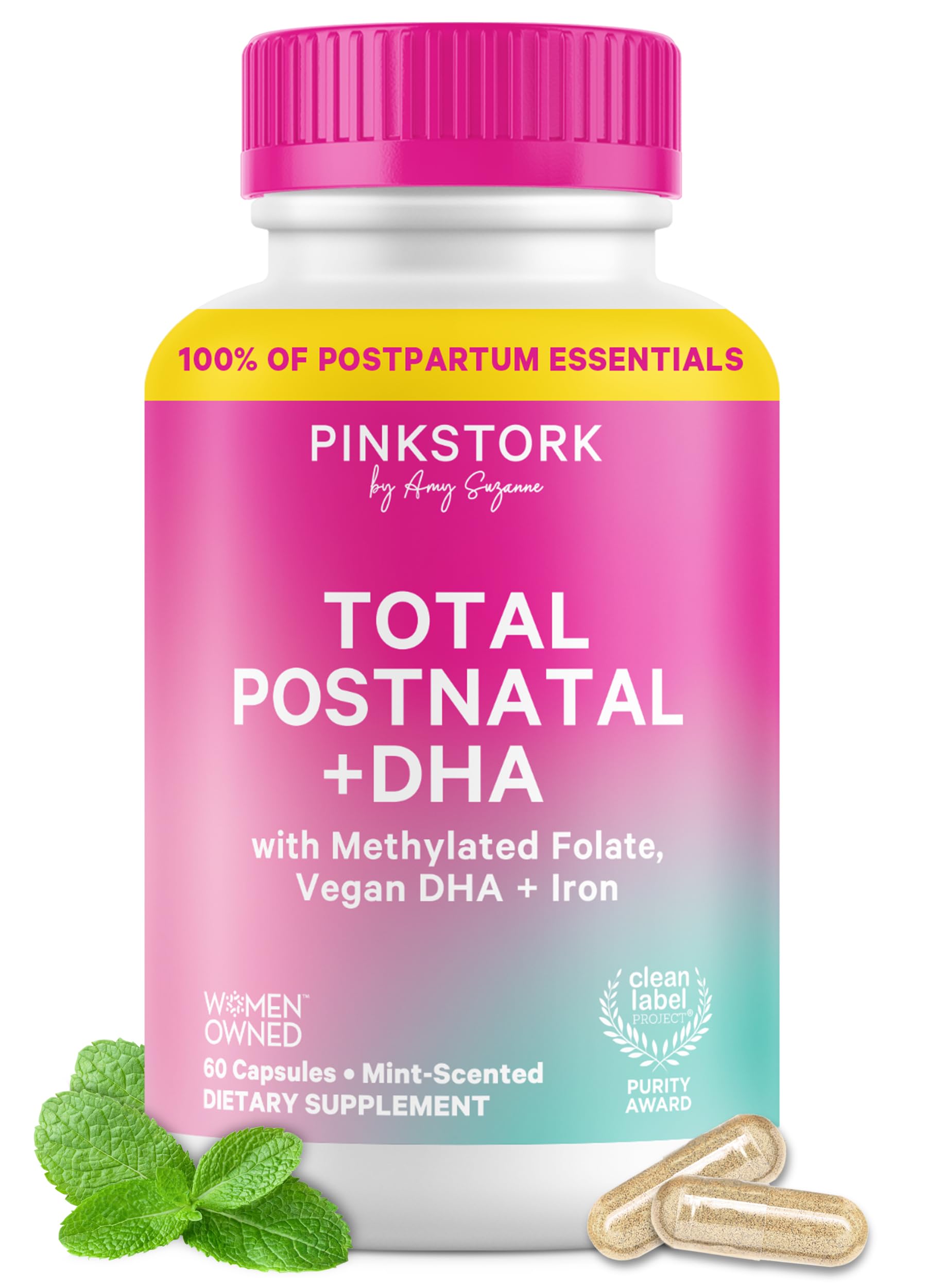
Pink Stork Total Postnatal is a complete fourth-trimester solution that does not cut corners on bioavailability. The formula uses L-methylfolate instead of synthetic folic acid, making it accessible to women with MTHFR variants, and pairs it with methylcobalamin for optimal B12 absorption. The 200 mg of algae-sourced DHA supports infant brain development without the fishy burps that plague cheaper omega-3 softgels.
The capsule size is notably smaller than typical two-pill regimens, and the ScentCert insert adds a light mint aroma that makes daily dosing more pleasant. Each bottle delivers 60 capsules, providing a full 30-day supply at two capsules per day. The Clean Label Project Purity Award certification means the formula has been independently tested for heavy metals, pesticides, and contaminants—an essential trust marker in the poorly regulated supplement industry.
Customer reviews consistently report improved energy levels, reduced postpartum hair shedding, and maintained milk supply during exclusive breastfeeding. Some users dislike the minty scent, but the overall tolerability score is high, with zero reports of nausea or digestive upset.
Why it’s great
- Clinically meaningful 200 mg algae DHA with zero fishy odor
- Methylated folate supports MTHFR gene carriers
- Clean Label Project Purity Award for third-party contaminant testing
Good to know
- Mint ScentCert may feel faintly artificial to some
- Needs two capsules daily, which reduces convenience
2. Ritual Postnatal Multivitamin
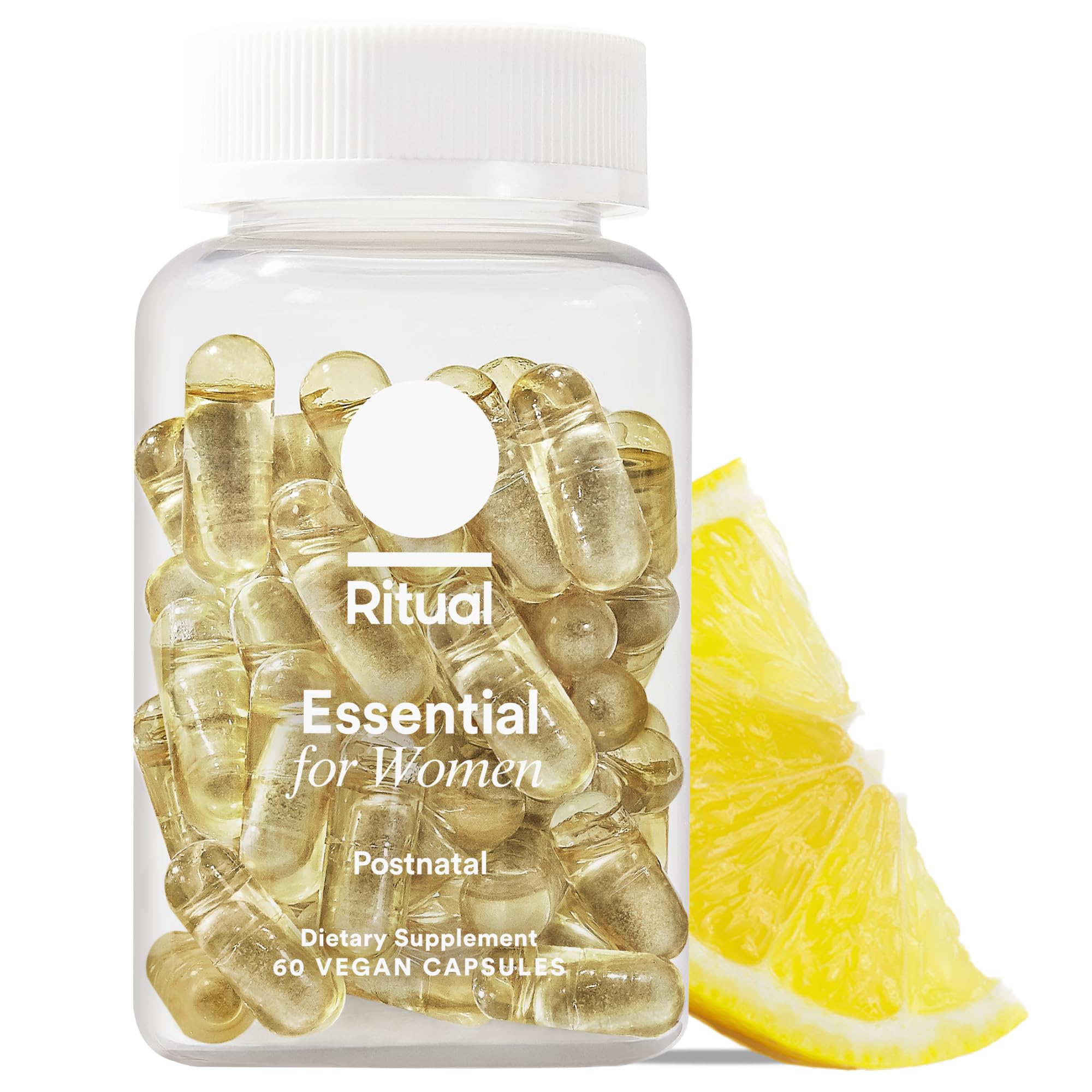
Ritual’s postnatal formula stands apart through its novel nested-capsule technology, which separates fat-soluble and water-soluble nutrients within a single delayed-release shell. This engineering ensures nutrients like DHA and vitamin D are absorbed in the small intestine rather than being broken down by stomach acid. The 350 mg of algae-sourced DHA is the highest dosage found in any complete postnatal multivitamin on this list, exceeding the March of Dimes minimum by 150 mg.
The ingredient sourcing is unusually transparent—each component is traced back to its origin, from lichen-derived vitamin D3 from the UK to fermentation-based vitamin A from Israel. Non-GMO Project verification by NSF adds a second layer of independent auditing. The capsules themselves are larger due to the nested design, but the citrus tab included in every bottle provides a pleasant sensory cue to help establish the daily habit.
Postpartum women consistently report that Ritual is the only supplement they could keep down during pregnancy-related nausea, and that pattern continues into lactation. The clean formula—free from gluten, dairy, soy, nuts, and artificial sweeteners—makes it suitable for the most restricted diets. The price point sits at the premium tier, reflecting the traceability infrastructure and dual-chamber capsule cost.
Why it’s great
- Highest DHA dose (350 mg) in a complete postnatal multi
- Nested delayed-release capsule optimizes nutrient absorption
- Fully traceable, Non-GMO Project Verified ingredients
Good to know
- Capsule size is larger than standard multivitamins
- Premium pricing may be a barrier for some budgets
3. THORNE Prenatal DHA
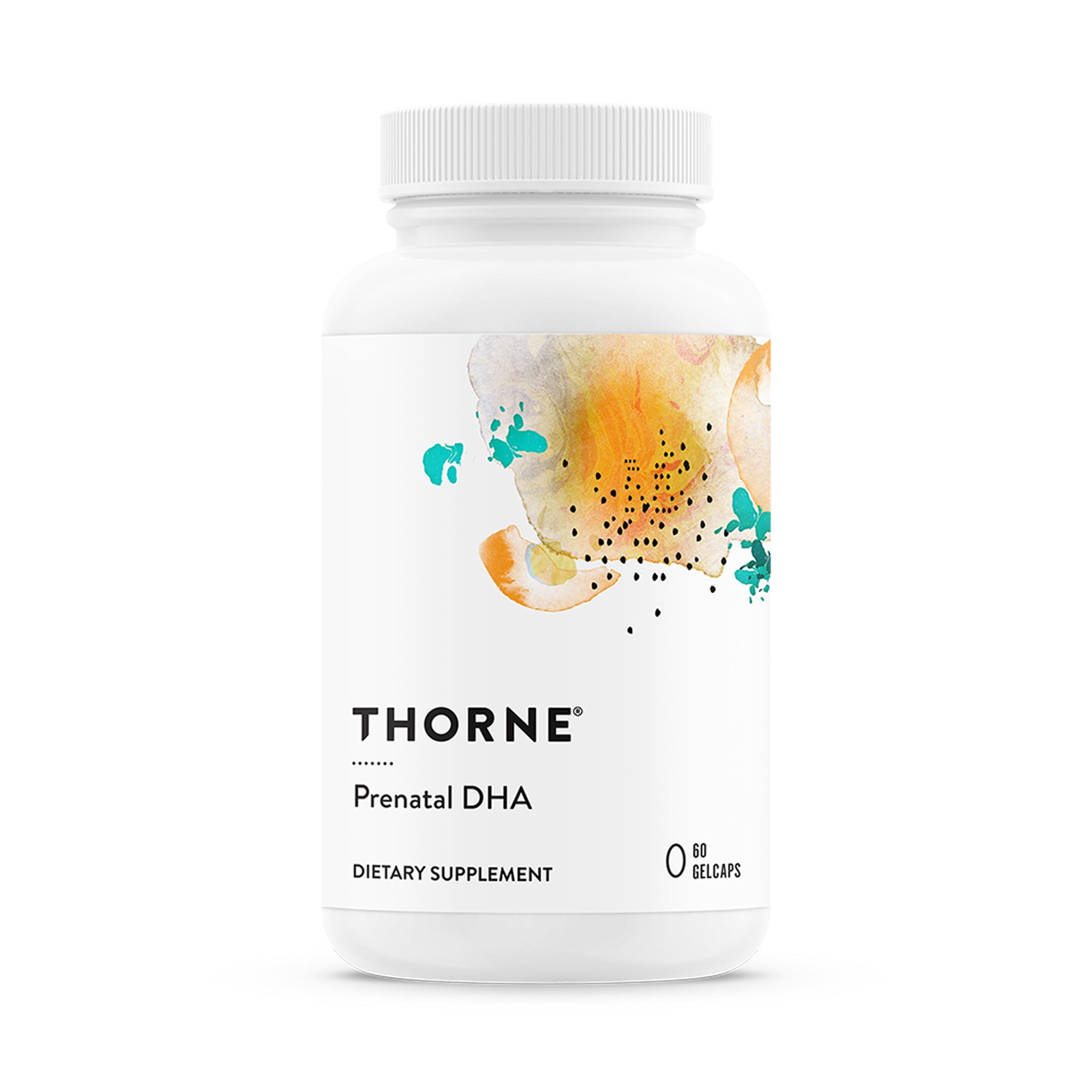
THORNE Prenatal DHA delivers a potent 650 mg of DHA and 200 mg of EPA per serving—more than triple the minimum daily recommendation for nursing mothers. This is a standalone omega-3 supplement rather than a multivitamin, so you will need to pair it with a separate postnatal multi to cover your full nutrient spectrum. The high dose is particularly relevant for mothers who did not take DHA during pregnancy and need to rapidly boost breast milk levels.
The gelcaps are infused with rosemary and mint oils alongside mixed tocopherols to neutralize oxidation and reduce the fishy reflux that plagues cheaper omega-3s. THORNE is the number-one recommended clinical brand by healthcare practitioners according to a 2023 seller survey, and every batch undergoes third-party testing for over 250 contaminants including heavy metals and PCBs.
Long-term users with 10-plus years of consistent THORNE intake cite the absence of fishy burps as the defining reason they stay with the brand. The small gelcap size is appreciated by women experiencing postpartum nausea. The formula lacks vitamin A or D, so verify those nutrients are covered in your primary multivitamin to avoid gaps.
Why it’s great
- 650 mg DHA per serving—highest potency on this list
- Rosemary and mint oils virtually eliminate fishy burps
- Third-party tested for 250+ contaminants
Good to know
- Must be taken alongside a complete postnatal multivitamin
- Higher potency may exceed the needs of some mothers
4. Mama Bird Postnatal Multi+
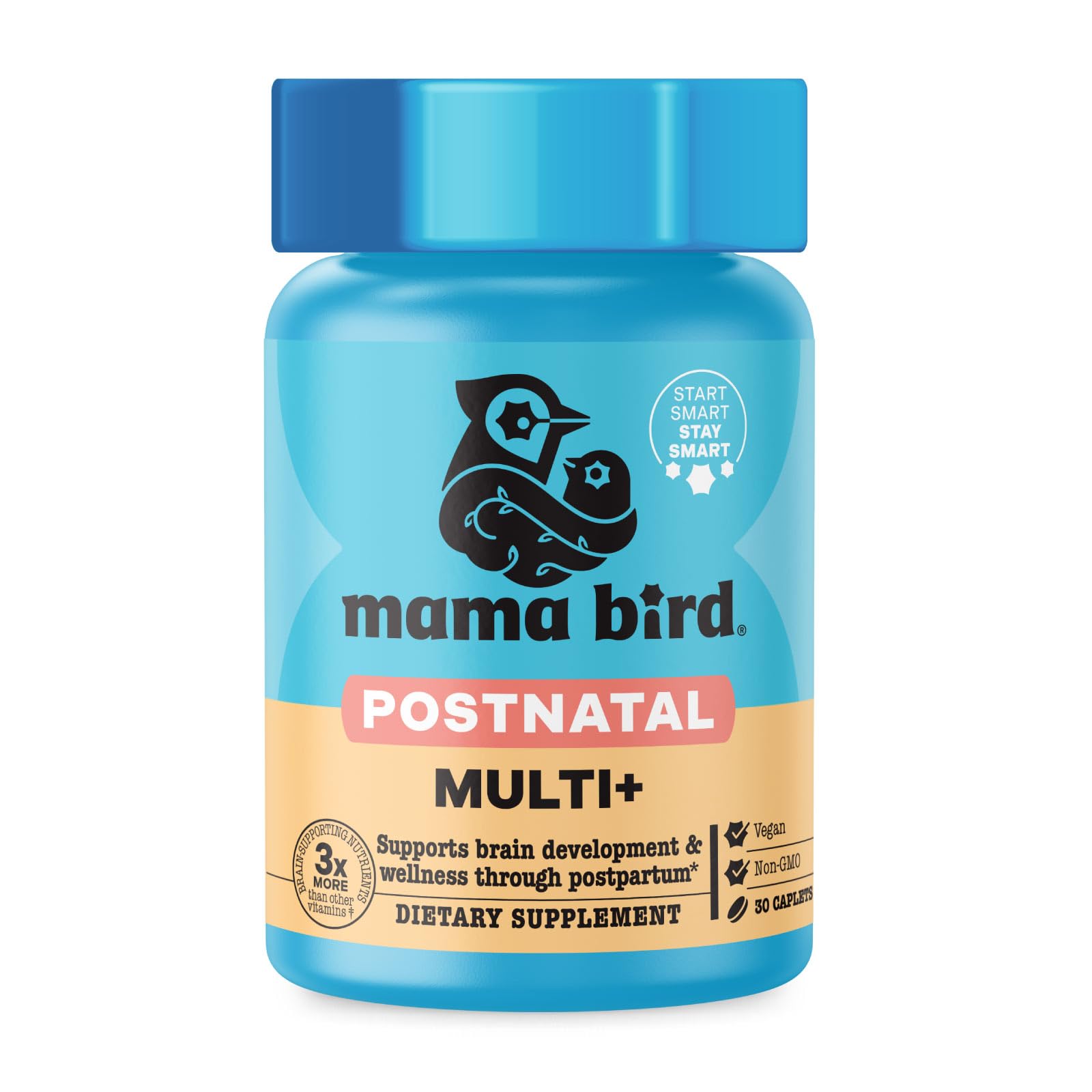
Created by board-certified neurologist Mika Gupta, MD, Mama Bird Postnatal Multi+ prioritizes brain-first nutrition through methylfolate, choline, methylcobalamin, and an organic wellness blend that includes probiotics and digestive enzymes. The once-daily caplet format is the most convenient option on this list—no second pill, no mid-day reminder needed. The formula is vegan-friendly and free from gluten, soy, and artificial ingredients.
The whole-food base includes organic fruit and vegetable powders, making the caplet larger than a standard multivitamin but still rated easy to swallow by most reviewers. The digestive enzyme blend supports gut health during a period when postpartum digestion often slows. Customer feedback emphasizes improved mood stability and sustained energy, particularly among mothers who had previously struggled with brain fog and fatigue.
The price has increased over successive formula iterations, and some users note that more affordable alternatives with similar nutrient profiles now exist. The formula does not include DHA, so you will need to add a separate omega-3 supplement like the Mama Bird DHA (reviewed next) to achieve the recommended daily intake for nursing mothers.
Why it’s great
- Single daily caplet reduces pill burden significantly
- Methylfolate and choline targeted toward MTHFR and brain health
- Includes probiotics and enzymes for digestive support
Good to know
- Requires a separate DHA supplement for complete omega-3 coverage
- Price has increased with formula updates
5. Mama Bird Pre+Postnatal DHA
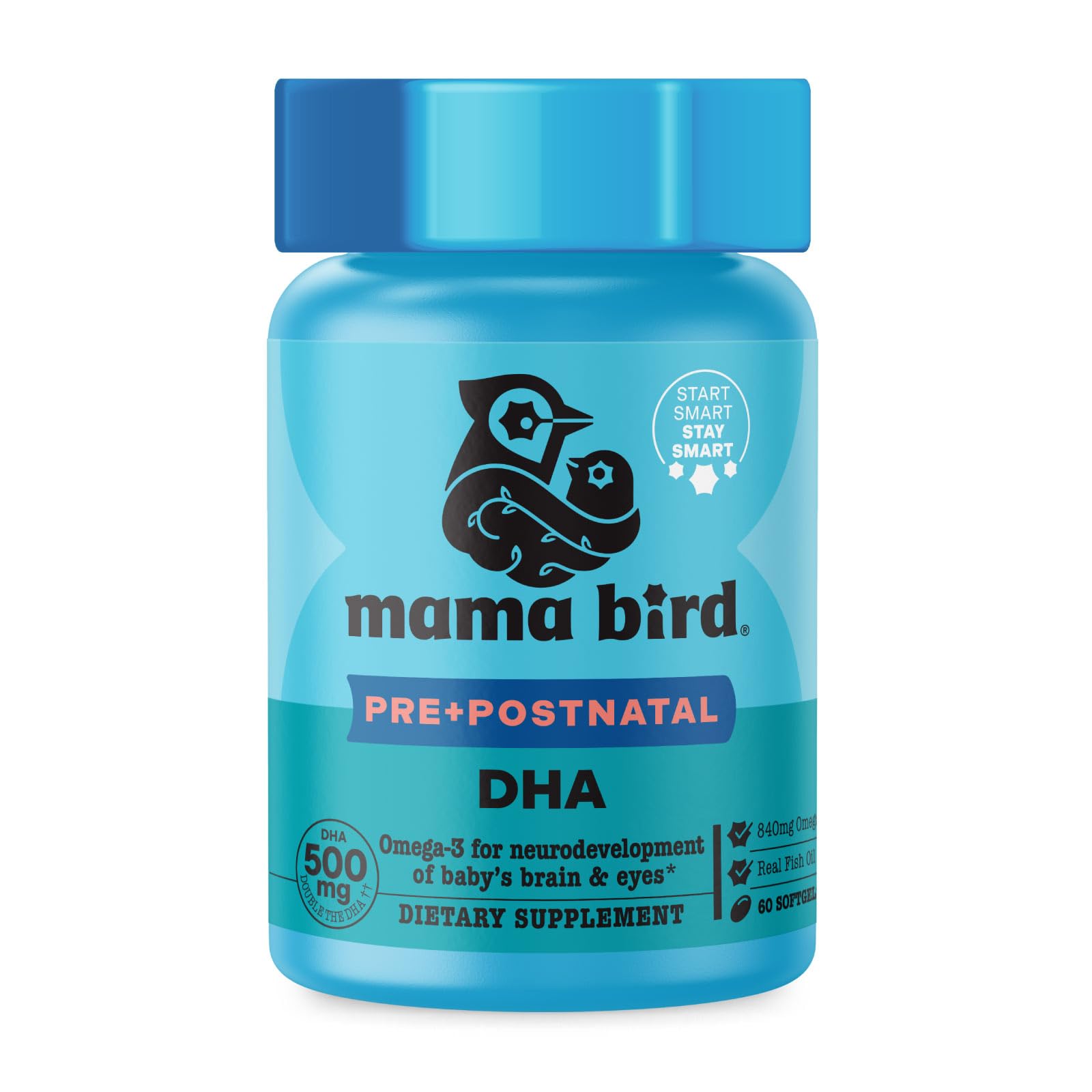
Mama Bird Pre+Postnatal DHA provides 500 mg of triglyceride-form DHA per serving—more than double the minimum recommended by the March of Dimes. The triglyceride molecular structure is identical to the form naturally found in fish, offering superior bioavailability compared to ethyl ester omega-3s common in budget supplements. The lemon-infused softgels leverage natural citrus oils to mask any marine flavor, making this one of the most palatable fish oil products available.
The 60-softgel bottle delivers a 30-day supply, and each gelcap is small enough to swallow without water for many users. Created by the same neurologist-mom behind Mama Bird Postnatal Multi+, this DHA is designed as a direct complement to that multivitamin, but it works equally well paired with any general postnatal formula. The fish oil is sustainably sourced and processed without heat or chemical solvents that degrade the oil quality.
Verified purchasers consistently report zero fishy aftertaste or burps, even during the first-trimester nausea window when the stomach is most sensitive. The formula lacks EPA entirely—it is a pure DHA focus—so mothers seeking dual omega-3 coverage will want the THORNE option instead. The price sits in the mid-range, making it more accessible than premium DHA-only brands.
Why it’s great
- 500 mg triglyceride DHA for maximum bioavailability
- Lemon infusion eliminates fishy burps completely
- Small, easy-to-swallow softgels
Good to know
- No EPA included—DHA-only formula
- Requires pairing with a multivitamin for full nutrient coverage
6. Legendairy Milk Lacta-Biotic
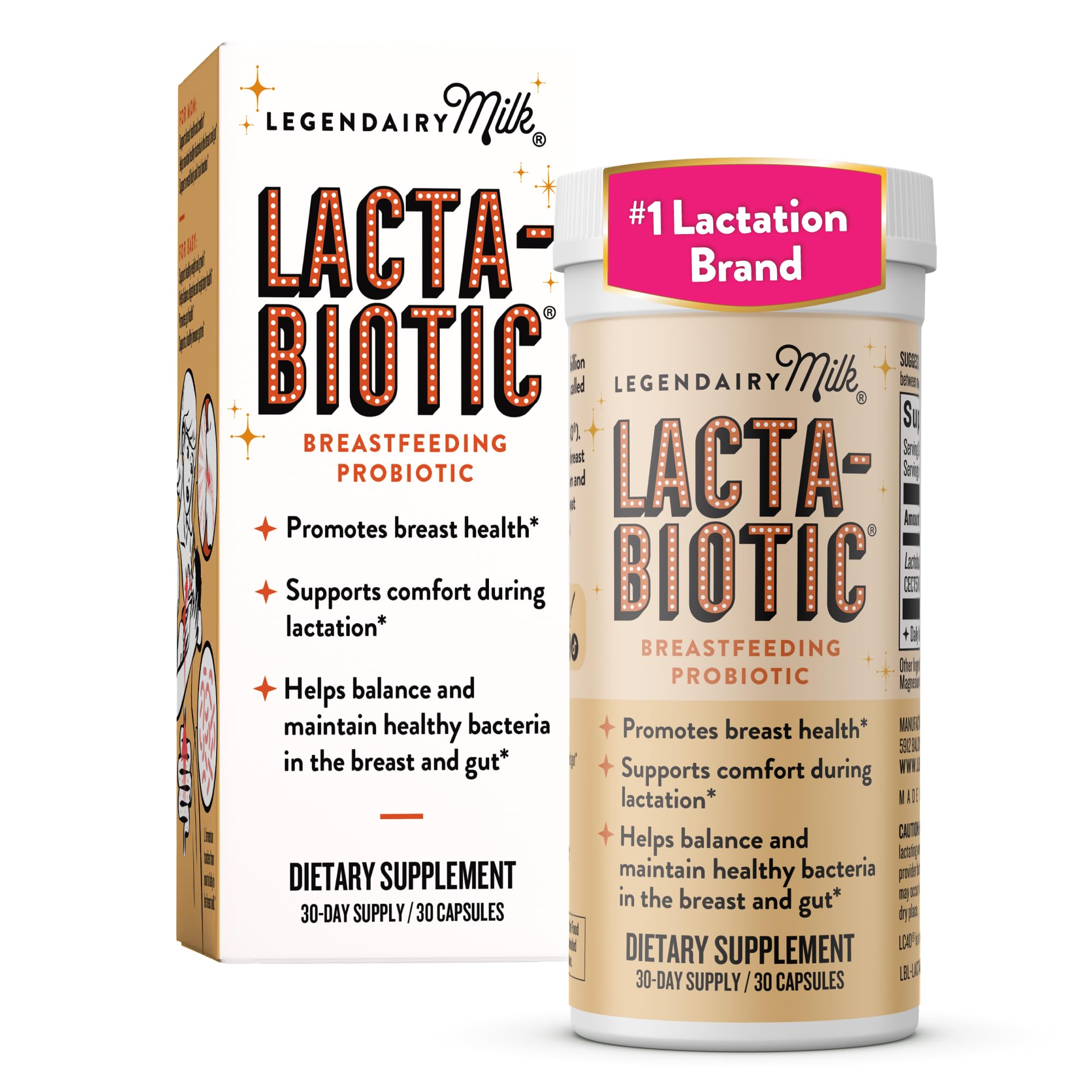
Legendairy Milk Lacta-Biotic is the only product on this list built around the specific probiotic strain Lactobacillus fermentum CECT5716, which was originally isolated from human breast milk. Clinical research has shown this strain reduces mastitis recurrence and alleviates breast discomfort during lactation. Each capsule delivers 3 billion CFUs—a moderate dose compared to general probiotics but precisely calibrated to this strain’s documented effective range.
The formula is designed to target breast health specifically rather than general digestion. Users with recurrent clogged ducts and mastitis report that missing a few days of doses triggers a return of ductal pain, providing strong anecdotal confirmation of the mechanism. The capsule itself is small and easy to take, though some users note a strong, distinct odor from the bacterial culture. The price point is mid-range, but the per-capsule cost adds up if you take two daily as directed.
Legendairy Milk is the top-selling lactation brand in the United States, with over 10 million bottles sold. The company was founded by a Certified Breastfeeding Specialist, and the product is suitable for use during late-term pregnancy as well as postpartum. It is not a multivitamin—you must pair it with a separate postnatal multi and DHA supplement.
Why it’s great
- Clinically studied probiotic strain sourced from human breast milk
- Directly targets breast discomfort and mastitis prevention
- America’s #1 lactation brand with massive user data
Good to know
- Not a complete multivitamin—requires additional supplements
- Distinct bacterial aroma may be off-putting to some
7. LOVEBUG Postnatal Probiotic
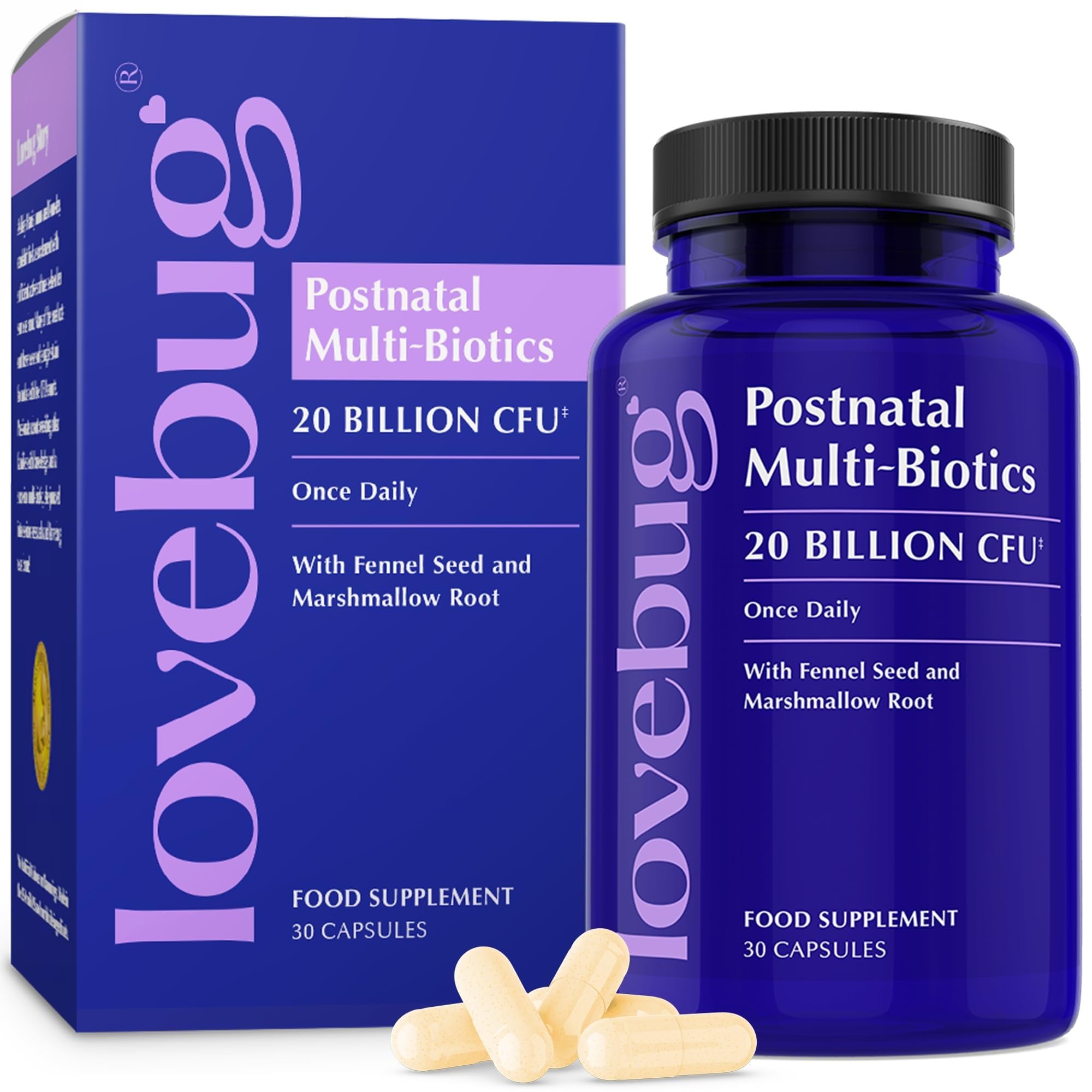
LOVEBUG Postnatal Probiotic differentiates itself by combining a high-potency 20-billion-CFU, 8-strain probiotic with a proprietary lactation blend of fenugreek seed, milk thistle, and fennel seed. This makes it a hybrid product—half digestive support, half galactagogue—designed for mothers who want to improve gut regularity while simultaneously supporting breast milk production. The formula is free from the eight major allergens and carries no artificial colors or flavors.
The probiotic strains include Bifidobacterium infantis and Lactobacillus plantarum, both well-documented for gut barrier integrity and immune modulation. Mothers using this product alongside preterm infants or babies with colic reported improvement in newborn gassiness and reflux symptoms—likely due to the breast milk microbiome transfer. The 30-capsule bottle provides a monthly supply at one capsule per day, making it the most cost-effective probiotic option on this list.
Some users experience mild stomach cramping a few hours after taking the capsule, particularly during the first week. Adjusting to every-other-day dosing resolves this for most. The formula is notably low in vitamin D (15 IU per capsule), so a separate vitamin D supplement is medically advisable for exclusively nursing mothers. The brand has received multiple Eco-Excellence and Product of the Year awards.
Why it’s great
- 20 billion CFU from 8 diverse probiotic strains
- Lactation herbs (fenugreek, fennel, milk thistle) included in one capsule
- May reduce colic and gas in breastfed infants
Good to know
- Very low vitamin D content requires separate supplementation
- Initial stomach cramping reported by some users
FAQ
Can I take prenatal vitamins instead of postnatal during breastfeeding?
Why do some postnatal vitamins cause nausea or fishy burps?
How much vitamin D do I need while breastfeeding?
Final Thoughts: The Verdict
For most users, the best breastfeeding vitamins winner is the Pink Stork Total Postnatal because it combines methylfolate, 200 mg of algae DHA, and Clean Label Project certification into a well-tolerated daily dose that addresses postpartum depletion, milk supply, and infant brain development in one bottle. If you want maximum DHA potency with fully traceable ingredients, grab the Ritual Postnatal. And for recurrent mastitis and breast discomfort, nothing beats the Legendairy Milk Lacta-Biotic—its clinically studied probiotic strain directly targets the root cause of clogged ducts.