
The difference between a great day on the trail and a miserable one often comes down to what’s on your feet. When your boots trap heat and moisture, every mile becomes a slog of damp socks and hot spots. The best breathable hiking boots solve this by moving air actively around your foot while still providing the ankle support and traction you need to handle rocky terrain.
I’m Min — the co-founder and writer behind Gadgets Feed. I’ve spent hundreds of hours analyzing the technical specifications, customer feedback, and real-world trail reports across dozens of models to identify the boots that genuinely keep feet cool without sacrificing durability.
This guide breaks down the top contenders for the title of best breathable hiking boots) is a precisely chosen selection designed to match your specific trail conditions and fit preferences.
How To Choose The Best Breathable Hiking Boots
Selecting a breathable hiking boot is a balancing act between airflow and protection. A boot with too much mesh will feel airy but may lack the rigidity needed for off-camber trails. One with heavy waterproof membranes will keep rain out but will trap foot sweat during warm-weather hikes. The correct choice depends on your typical terrain, climate, and the volume of moisture your feet produce.
Upper Material and Mesh Density
The boot’s upper is the primary gateway for airflow. Full-grain leather blocks almost all air exchange, while synthetic mesh panels allow heat and moisture to escape. Look for boots with high-density nylon mesh that resists abrasion from rocks and roots without clogging pores. Avoid boots that use a solid leather or synthetic overlay over the entire upper if breathability is your priority.
Waterproof Membrane Trade‑offs
Gore‑Tex and similar membranes are inherently less breathable than unlined mesh because they stop liquid water from entering while letting vapor exit. For trips in consistently wet conditions, this trade‑off is worth it. For dry, hot trails, skip the waterproof liner entirely and choose a boot with a simple mesh upper that allows maximum air movement.
Midsole Cushioning and Footbed Design
Breathability isn’t just about the upper. A thick, dense midsole can trap heat against the bottom of your foot. Boots with EVA or PU foam midsoles that include ventilation channels or perforations move air underfoot. Removable insoles also matter — a mesh‑lined footbed promotes airflow better than a solid EVA slab.
Quick Comparison
On smaller screens, swipe sideways to see the full table.
| Model | Category | Best For | Key Spec | Amazon |
|---|---|---|---|---|
| Merrell Moab 3 | Mid‑Range | All‑day comfort with minimal break‑in | Vibram TC5+ outsole, 4E width available | Amazon |
| Salomon X-Adventure Recon Mid GTX | Premium | Rugged stability on alpine terrain | Gore‑Tex membrane, Contagrip MA outsole | Amazon |
| La Sportiva Akyra II | Premium | Lightweight hybrid for fast hiking | Nano‑cell mesh upper, 5mm lugs | Amazon |
| ALTRA Lone Peak Hiker 3 | Premium | Zero‑drop natural foot movement | Zero drop, 25mm stack height, non‑waterproof | Amazon |
| Columbia Konos TRS Outdry | Mid‑Range | Wide toe box and arch support | OutDry waterproof, Techlite+ midsole | Amazon |
| Timberland Mt. Maddsen | Mid‑Range | Durable leather with fast break‑in | Full‑grain leather, 3‑lb weight | Amazon |
| Merrell Moab 3 Tactical Zip | Premium | Quick on/off for work and trail | Side zip, non‑waterproof mesh option | Amazon |
| ON Cloudrock Waterproof | Premium | Cloud‑like cushion for long days | Speed lacing, Missiongrip outsole | Amazon |
| Skechers Relment‑pelmo | Budget | Affordable memory foam support | Memory foam insole, moc toe design | Amazon |
In‑Depth Reviews
1. Merrell Moab 3

The Moab 3 delivers a rare combination: it breathes well enough for warm-weather day hikes while still offering the ankle stability and aggressive tread needed for technical trails. The mesh and synthetic upper allows noticeable airflow, and the Vibram TC5+ outsole provides reliable grip on loose rock and wet roots. Users consistently report zero break‑in period, which is a significant advantage over stiffer leather boots.
Multiple reviewers noted that the Gore‑Tex (GTX) version adds a premium that is well worth it for wet conditions, but the non‑GTX model breathes even better for dry trails. The boot accommodates 4E wide feet without pinching, and the thick tongue padding prevents lace bite. After 75 miles of hiking, one reviewer reported only minor sole separation, indicating solid durability for the price.
For hikers who need a do‑everything boot that starts comfortable from the first step and handles everything from forest paths to rocky summits, the Moab 3 is the most balanced option in this list. The only caveat is that the suede sections attract trail dust, so expect more visible dirt than an all‑synthetic boot.
Why it’s great
- No break‑in required for immediate comfort
- Available in 4E wide for broader fit
- GTX option adds reliable waterproofing
Good to know
- Suede panels attract dirt and dust
- Runs half size small for some feet
- GTX version reduces breathability
2. Salomon X-Adventure Recon Mid Gore-Tex
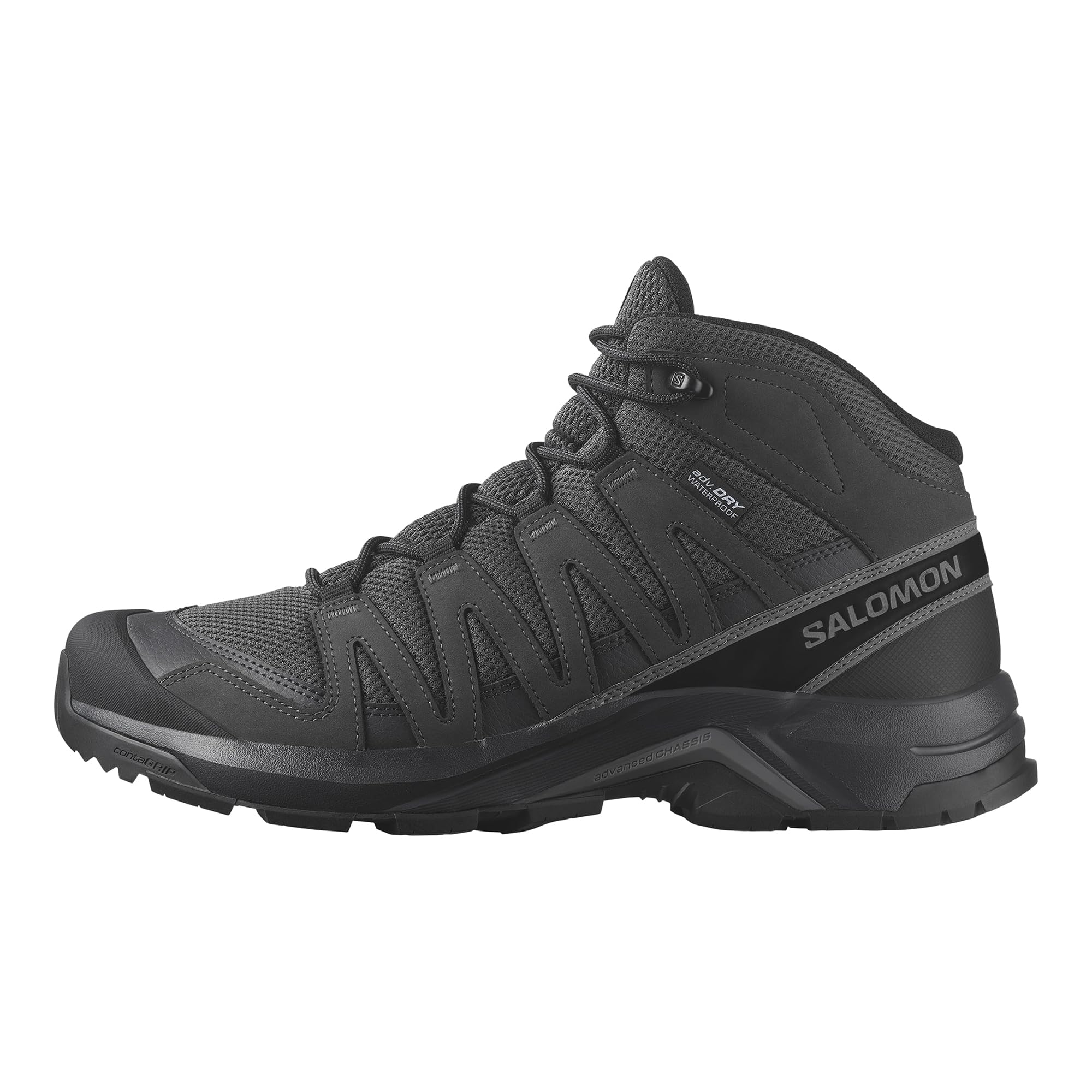
The Salomon X-Adventure Recon Mid is built for long, demanding days on rugged alpine terrain. Its Gore‑Tex membrane provides dependable waterproofing without the clammy feeling of cheaper liners, and the Contagrip MA outsole uses deep, multi‑directional lugs that bite into loose scree and wet grass. After a 27‑mile, three‑day trip in rocky terrain, one reviewer reported no blisters and no need for custom insoles.
The boot’s heel lock system and precise lacing cradle the foot securely, which prevented injury when the reviewer slipped on wet ground. The mid‑height shaft offers enough support for off‑camber trails while allowing enough flex for natural walking gait. Users appreciated that the boot performed well across a wide temperature range, from teens to 50°F, with just thin wool socks.
If your typical hike involves carrying a heavy pack over uneven ground for multiple days, the Recon Mid is the most protective option here. Its weight is on the lower end for a full‑featured boot, and the Gore‑Tex liner strikes an excellent balance between wet‑weather performance and breathability for all but the hottest summer hikes.
Why it’s great
- Exceptional ankle support for heavy packs
- Gore‑Tex breathes better than budget membranes
- Almost zero break‑in required
Good to know
- Narrow fit; not ideal for wide feet
- Premium price reflects advanced materials
- Laces may be too short for some users
3. Columbia Konos TRS Outdry
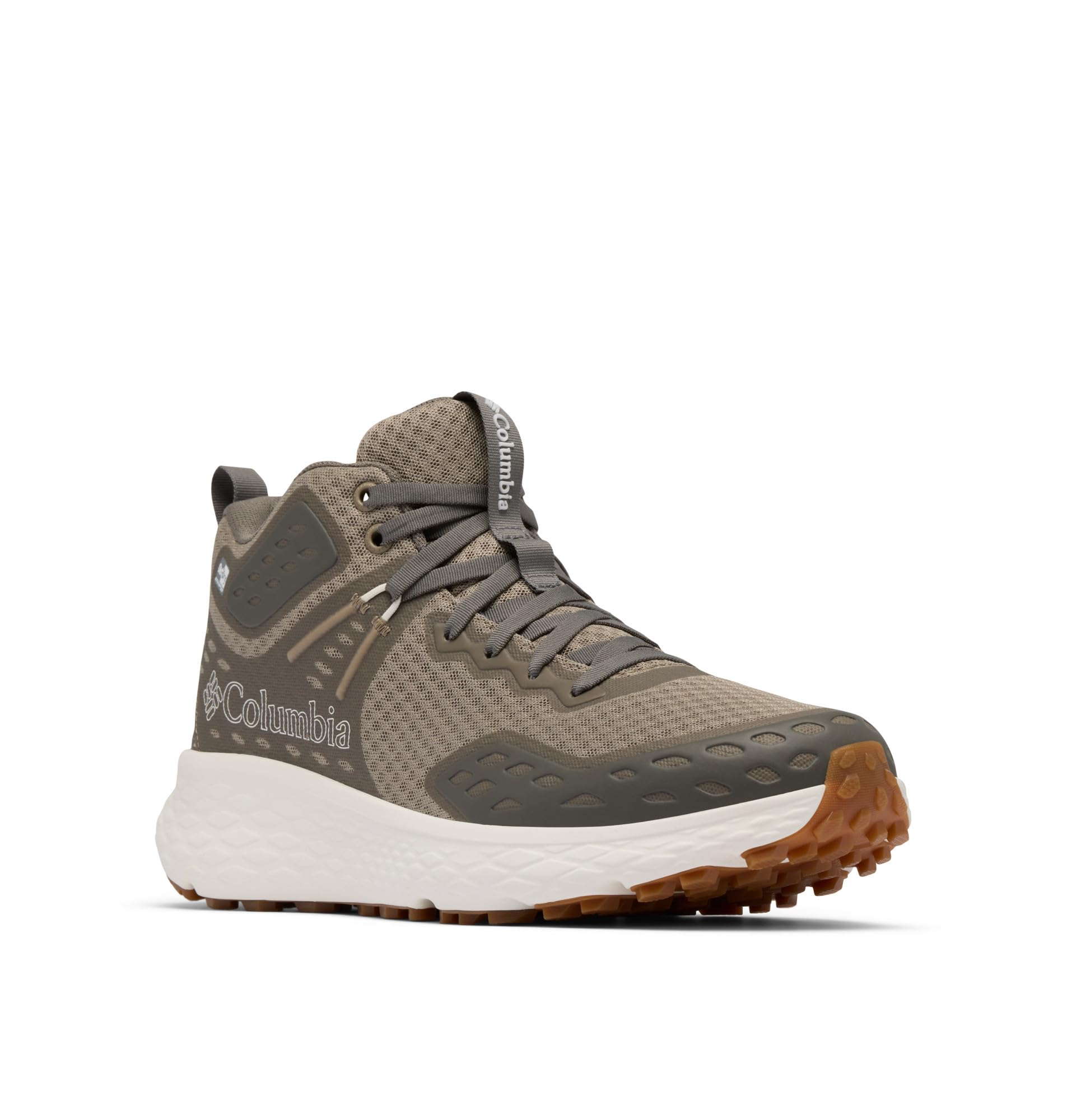
The Columbia Konos TRS Outdry brings premium waterproofing at a mid‑range price. The OutDry membrane is bonded directly to the upper, eliminating a separate liner that can trap heat. Reviewers consistently praised the roomy toe box and substantial arch support, with one 300‑pound hiker reporting zero blisters after a 20‑mile day. The Techlite+ midsole provides responsive cushioning that doesn’t feel mushy even after hours of hardpack.
The boot runs slightly wide, making it a good fit for hikers with bunions or broader forefeet. Traction on steep, rainy terrain earned high marks. The only recurring complaint is that the boots can squeak on smooth indoor floors, though this is irrelevant on the trail. The OutDry membrane does make the boot warmer than an unlined mesh boot, but wicking socks mitigate this effectively.
For hikers who want dependable waterproofing and all‑day cushioning without spending for premium brands, the Konos TRS delivers a compelling package. It is particularly well‑suited for day hikes in mixed weather where you encounter both dry trails and sudden rain showers.
Why it’s great
- Roomy toe box accommodates bunions
- OutDry membrane avoids separate hot liner
- Comfortable for heavy hikers
Good to know
- Can squeak on smooth surfaces
- Warm in summer without wicking socks
- Limited color options
4. La Sportiva Akyra II
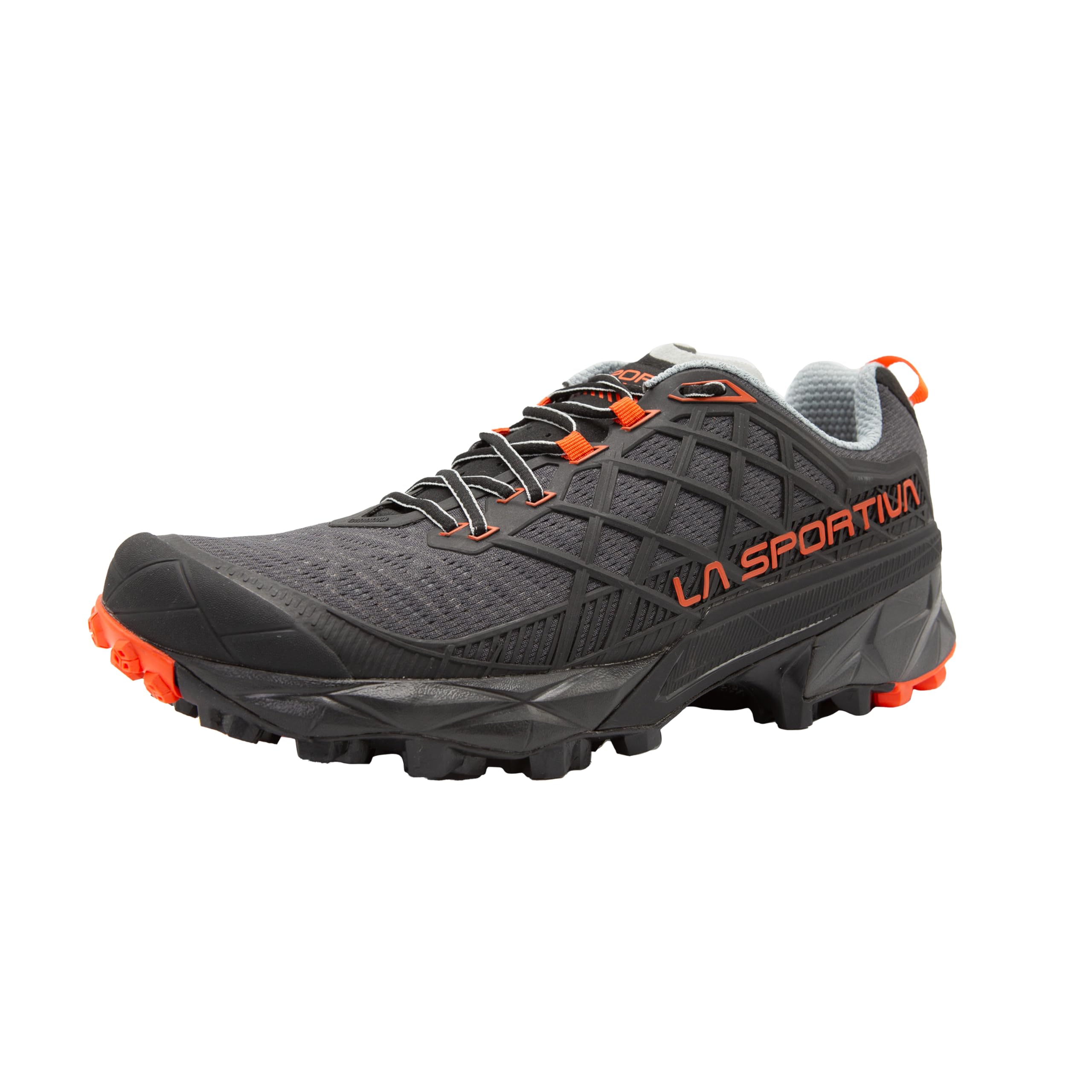
The Akyra II blurs the line between a hiking boot and a trail runner. Its nano‑cell mesh upper is among the most breathable in this lineup, making it ideal for fast hikes in hot weather. The sole is firm underfoot but has enough flex to feel natural on a variety of surfaces. Reviewers consistently mentioned that the boot provides “incredible support” while remaining lightweight enough to wear all day without fatigue.
La Sportiva recommends ordering half a size up, as the boot runs small. The firm sole base provides stability on rocky terrain without being stiff. The 5mm lug depth offers solid grip on loose dirt and gravel. Some reviewers noted that the boot feels “not at all heavy duty” compared to bulkier boots, which is actually a feature for hikers who prioritize agility and speed over maximum protection.
For hikers who move quickly and cover ground efficiently, the Akyra II is a top choice. Its breathability is unmatched among Gore‑Tex‑lined competitors, and the build quality matches La Sportiva’s reputation. The narrow fit means it works best for those with slim to regular width feet.
Why it’s great
- Nano‑cell mesh offers maximum airflow
- Lightweight enough for fast hiking
- Firm sole provides excellent stability
Good to know
- Runs half size small; order up
- Too narrow for wide feet
- Feels less durable than heavier boots
5. ALTRA Lone Peak Hiker 3
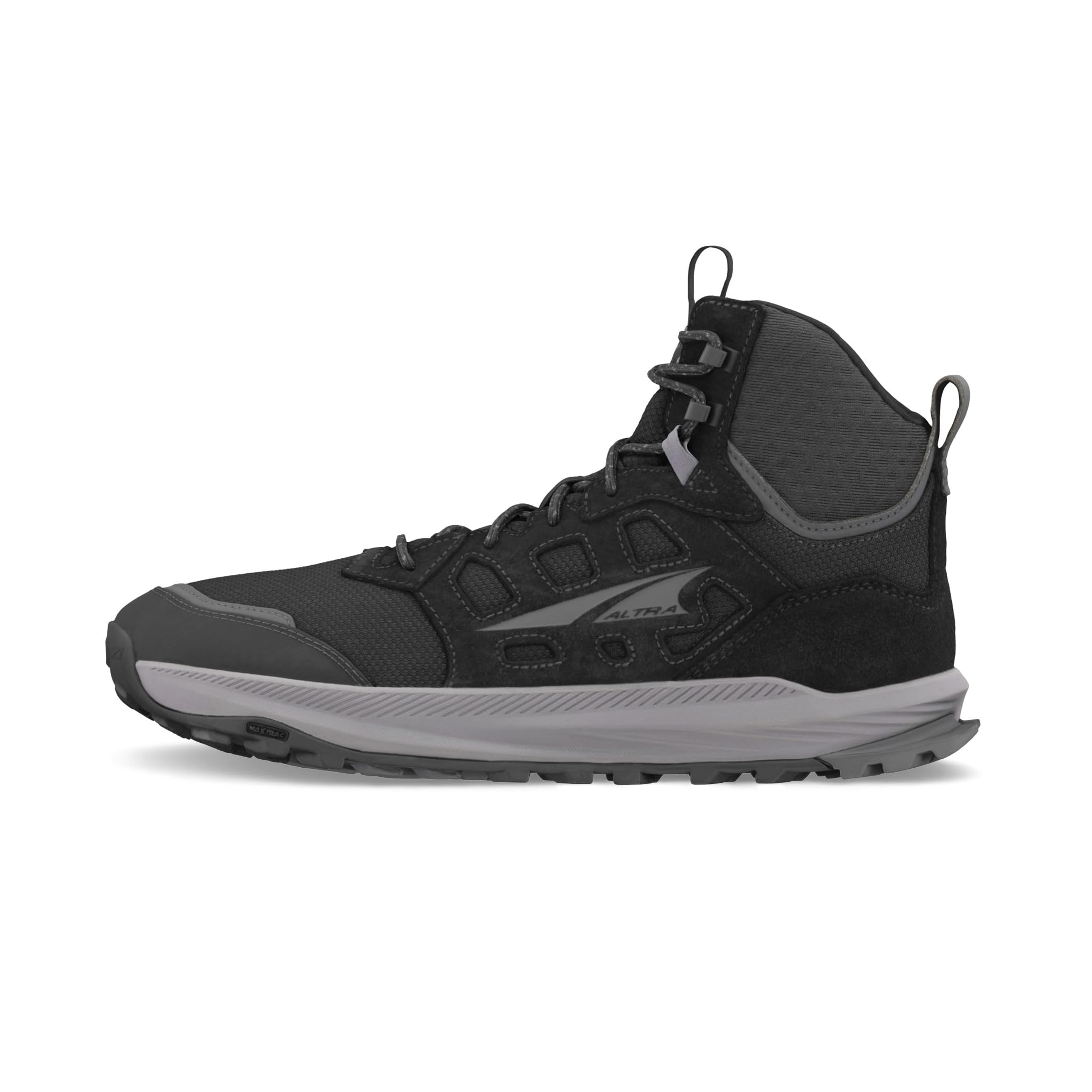
The Lone Peak Hiker 3 is built for hikers who want a natural foot position and maximum ground feel. It features a zero‑drop platform with a 25mm stack height, meaning your heel and forefoot sit at the same level. The mesh upper is completely unlined, offering the best breathability of any boot in this review — ideal for hot, dry trails where waterproofing is unnecessary.
Reviewers loved the lightweight, flexible feel and the generous cushioning underfoot. One user wore them all over Zion National Park and reported excellent comfort with zero hot spots. The outer sole lugs provide reliable traction on packed dirt and rock. However, the non‑waterproof construction means wet grass and puddles will soak through immediately, so this boot is strictly for dry conditions.
If you prefer a minimalist, low‑drop shoe but need the ankle support and lug pattern of a boot, the Lone Peak Hiker 3 is a perfect fit. The toe box is wide enough for natural splay, and the boot is cool enough for summer treks. The only issue is the tongue can rub the ankle if you use the top lace hooks — leaving them unlaced solves this.
Why it’s great
- Zero drop promotes natural gait
- Unlined mesh upper for maximum airflow
- Wide toe box allows toe splay
Good to know
- No waterproofing at all
- Tongue may rub ankle at top lace hook
- Only suitable for dry‑weather hiking
6. Timberland Mt. Maddsen

The Mt. Maddsen proves that a full‑grain leather boot can still breathe adequately if properly constructed. Timberland uses a combination of leather and mesh panels that allow enough airflow to prevent excessive sweating on moderate hikes. The break‑in period is remarkably short for an all‑leather boot — reviewers noted it felt comfortable almost out of the box, with no hot spots even on rocky desert trails.
The boot is noticeably lighter than traditional leather boots of the past, weighing in at about 3 pounds. The sole uses a sticky rubber compound that stays quiet on rock and provides solid traction on loose terrain.
For budget‑conscious hikers who want a leather boot that doesn’t require weeks of painful break‑in, the Mt. Maddsen is a smart choice. It fits wide feet well, and the long laces allow you to customize the fit. Just be aware that the sole’s design creates a small catch point that can be prone to tearing if you frequently walk through heavy brush.
Why it’s great
- Full‑grain leather with fast break‑in
- Lightweight for a leather boot
- Sticky, quiet rubber outsole
Good to know
- Waterproofing may degrade over time
- Sole design creates a catch point
- Less breathable than mesh‑dominant boots
7. Merrell Moab 3 Tactical Zip

The Moab 3 Tactical Zip takes the proven Moab platform and adds a full‑length side zipper for easy entry and exit. This is a game‑changer for anyone who needs to take boots on and off frequently during long days of work or hiking. The boot retains the same comfortable cushioning and supportive arch as the standard Moab 3, with a mesh upper that promotes better airflow than the waterproof versions.
Reviewers praised how the boot feels “like sneakers” while providing enough support for eight‑hour days of manual labor. The side zipper requires partial unlacing to zip smoothly, but it still saves significant time compared to unlacing the entire boot. Some users noted that the boot runs slightly spacious for low arches, but aftermarket inserts fix this easily. After 50 kilometers, the boot showed minimal wear.
This version is notably warm in summer due to its construction, and several reviewers wished for a non‑waterproof, more breathable version. If you need quick access to your feet for creek crossings or gear changes, the Tactical Zip is a practical solution. It works best for cooler conditions or for users who prioritize convenience over maximum ventilation.
Why it’s great
- Side zipper saves time on/off
- Moab platform with excellent comfort
- Lightweight and stable for all‑day use
Good to know
- Runs warm; not ideal for hot weather
- Zipper requires partial unlacing
- Not fully waterproof
8. ON Cloudrock Waterproof

The ON Cloudrock combines the brand’s signature CloudTec cushioning with a waterproof membrane and Missiongrip outsole. The result is a boot that feels remarkably soft underfoot while still providing the traction and protection needed for moderate trails. Users who stand or walk for 10 to 15 hours daily reported that these boots significantly reduced foot fatigue. The speed lacing system makes them quick to adjust.
Reviewers noted that after six months of heavy use, including travel in Africa, the boots still looked new and remained water‑resistant. The cushioning is the standout feature — it absorbs impact without feeling spongy or unstable. Some users found the fit a bit snug initially, but reported that the boots broke in well. The waterproofing is effective, though heavy submersion will eventually wet the foot.
If you spend most of your time on well‑maintained trails, gravel paths, or urban surfaces, the Cloudrock delivers the most plush walking experience in this list. The breathability is adequate for moderate temperatures, but the waterproof lining does retain more heat than an unlined boot. For long days on hardpack, the Cloudrock is hard to beat.
Why it’s great
- CloudTec cushioning reduces foot fatigue
- Speed lacing system for quick fit
- Holds up well to daily heavy use
Good to know
- Snug fit initially; may need break‑in
- Waterproof lining reduces breathability
- Premium price point
9. Skechers Relment‑pelmo

The Skechers Relment‑pelmo is the entry‑level option in this guide, but it still delivers genuine breathability through its suede and mesh construction. The memory foam insole provides immediate plush comfort that rivals more expensive boots. For hikers on a strict budget who only hit the trail a few times per season, this boot offers adequate ankle support and a slip‑resistant sole that performs well on rocky and loose terrain.
One reviewer logged 75 miles in these boots and rated the grip 5/5 on rocky terrain. The boot fits extra‑wide sizes well, which is unusual at this price point. The suede upper does attract dirt more than synthetic materials, and the waterproofing only extends to the rubber sole riser, not the full upper. These are not boots for wet conditions — they are best suited for dry, dusty trails and casual walking.
For casual day hikers who want comfort without investing in premium gear, the Relment‑pelmo is a capable choice. The memory foam insoles may compress over time, but replacement insoles are inexpensive. If this is your first pair of hiking boots, the low commitment makes it an easy starting point.
Why it’s great
- Memory foam insole for immediate comfort
- Fits extra‑wide sizes without pressure
- Lightweight and easy to move in
Good to know
- Minimal waterproofing
- Suede attracts trail dirt
- Insoles may compress with heavy use
FAQ
Is a waterproof hiking boot less breathable than a non‑waterproof one?
How do I test if my hiking boots are breathable enough?
Can I improve breathability in an existing pair of boots?
Do more expensive hiking boots breathe better?
Final Thoughts: The Verdict
For most hikers, the breathable hiking boots winner is the Merrell Moab 3 because it combines immediate comfort, reliable traction, and a breathable mesh‑and‑synthetic upper that works across a wide range of conditions. If you need maximum airflow for hot, dry trails, grab the ALTRA Lone Peak Hiker 3 for its unlined mesh construction. And for rugged alpine treks where ankle support is critical, nothing beats the Salomon X-Adventure Recon Mid GTX.