
Our readers keep the lights on and my morning glass full of iced black tea. As an Amazon Associate, I earn from qualifying purchases.
Specs are compiled from manufacturer listings and verified buyer reviews and can change over time — please confirm the key details on the product page before buying.
A budget phone only fails you in three places: the screen you stare at all day, the battery that dies before dinner, and the carrier lock that stops it working at all. This guide ranks nine open up phones by exactly those priorities, tells you which ones only work on T-Mobile’s network, and flags the renewed units that need a careful first-week check.
I’m Min — the founder and writer behind Gadgets Feed. This guide is built by comparing the manufacturers’ published specifications and the patterns across verified customer reviews, so you get each pick’s real strengths and trade-offs instead of marketing spin.
The trick is separating a genuinely good value from a phone that simply looks good on paper. Below you’ll find the picks worth your money and the ones that only make sense in specific situations, so you can shop a budget smartphone with your eyes open.
Our Picks at a Glance

How To Choose The Best Budget Smartphone
Every budget phone is a set of trade-offs, and the good ones pick the right ones. Decide which two features matter most to you and accept a compromise somewhere else.
Check the carrier before anything else
An open up phone means no contract, not universal network support. Several phones here run on GSM networks only, which covers T-Mobile, Mint and Metro but rules out AT&T, Verizon and Cricket. Others are Verizon-tuned models that also accept most GSM SIMs. Confirm the exact model works with your carrier before you order, because this is the one mistake you cannot fix with settings.
Screen quality you will notice every day
Resolution and panel type decide how sharp text looks and how readable the screen stays outdoors. An FHD+ AMOLED panel at 385 ppi renders sharper text than an HD+ LCD at 269 ppi, and that difference shows up every time you scroll a page. Refresh rate is the second number to check: 120Hz makes scrolling feel smoother than 60Hz.
Battery capacity and charging speed
Most phones here carry a 5000mAh battery, which is a common baseline for a full day of calls, maps and video. Capacity is only half the story, though. Charging wattage decides how long you sit tethered, and a 33W in-box charger fills a 6000mAh cell far quicker than a 10W trickle.
Storage, RAM and the virtual RAM trick
Internal storage holds your apps, photos and downloads, and 128GB is the sensible floor if you shoot video. MicroSD expansion up to 1TB or 2TB adds room for media without paying for it upfront. Watch the RAM claims: some phones advertise extra “virtual RAM” that actually borrows from storage, so treat the physical figure as the real number.
Quick Comparison
| Model | Best For | Display | Storage / RAM | Battery | Amazon |
|---|---|---|---|---|---|
| Blackview Wave 7C★ Best Overall | First phone on a tight budget | 6.56″ HD+ IPS, 16:9 | 128GB / 4GB physical | 5000mAh, 10W charging | Amazon |
| T-Mobile Revvl 7 Pro 5GMost Storage | Big storage on T-Mobile | 6.5″ FHD+ AMOLED, 372 ppi | 256GB | 5000mAh, fast charging | Amazon |
| Motorola Moto G 5G 2024 (Renewed)Smoothest Scroll | Smooth scrolling on a budget | 6.6″ HD+ LCD, 120Hz, 269 ppi | 128GB / 4GB | 5000mAh | Amazon |
| Samsung Galaxy A16 5G (Renewed) | Best screen for reading | 6.7″ FHD+ AMOLED, 385 ppi | 128GB / 4GB | 5000mAh | Amazon |
| Motorola Moto G Play LTE | Stereo sound and Dolby Atmos | 6.5″ HD+ 90Hz | 64GB / 4GB | 5000mAh | Amazon |
| Xiaomi Redmi 15C | Longest battery and biggest cell | 6.9″, 260 ppi | 128GB / 4GB | 6000mAh, 33W in-box | Amazon |
| Moto G 2025 | Best all-round open up pick | 6.7″ 120Hz, 263 ppi | 128GB, 4GB + RAM Boost | 5000mAh, TurboPower | Amazon |
| TCL 60 XE NXTPAPER 5G | Readers who want less glare | 6.8″ FHD+ 120Hz, LCD | 128GB / 8GB | 5010mAh, 18W | Amazon |
| Samsung Galaxy A17 5G | Long-term software support | 6.7″ FHD+ Super AMOLED | 128GB | 5000mAh, Super Fast Charging | Amazon |
In‑Depth Reviews
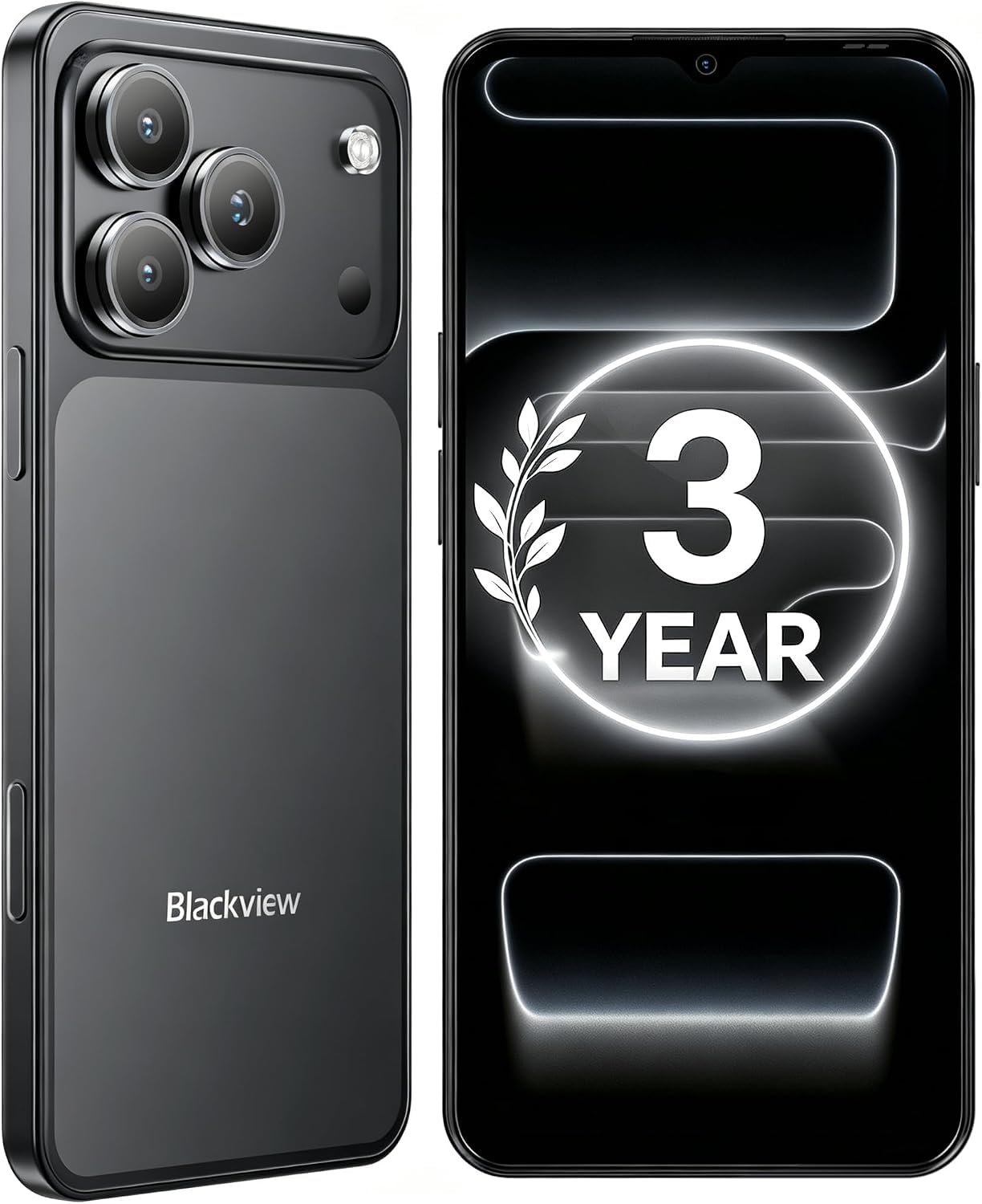
1. Blackview Wave 7C open up Android 16
Our pick — 4.0+★ from 200+ verified ratings; the strongest balance of quality and price.
Three years of warranty on a phone most people would call a starter device.
Start with the thing almost nobody in this tier offers: a 3-year manufacturer warranty backed by a US repair center and a 24-hour email support line. On a device you plan to hand to a teenager or keep as a spare, that coverage outlasts the spec sheet. It runs Android 16 with DokeOS 5.0 on top, so calls, maps, messaging and video work exactly as you’d expect and nothing more exotic.
The 6.56-inch HD+ IPS screen is not the sharpest panel in this group, but it does carry Reading, Night Light and Dark modes for long sessions. Storage is the real headline for daily life: 128GB built in, expandable with a microSD card up to 1TB, and two Nano-SIM slots plus a dedicated microSD slot so work and personal lines can live side by side without sacrificing expansion. The 32MP rear camera with autofocus and LED flash handles family shots, pets and document photos, while a side capture button gets you shooting fast.
Buyers describe it as a straightforward everyday device that offers a lot of screen for the money, and storage room for apps and photos rarely comes up as a frustration. The trade-off is equally plain: this is a 4G phone with 10W charging, no 5G, and GSM-only support for T-Mobile, Mint and Metro — it will not activate on AT&T, Verizon or CDMA networks. Check your IMEI with your carrier before you buy.
What earns it the top spot
- 3-year warranty with a US repair center behind it
- 128GB expandable to 1TB via microSD
- Dual Nano-SIM plus a dedicated card slot
- IP54 rating against light dust and splashes
- Android 16 straight from the start
The honest cost of that price
- 4G only, with no 5G support at all
- 10W charging is the slowest here
- GSM carriers only, so no AT&T or Verizon
Buy it for: a first smartphone, a work line, or a backup handset where coverage and warranty matter more than 5G.
Think twice if: your SIM comes from AT&T or Verizon, because this phone will not activate there.
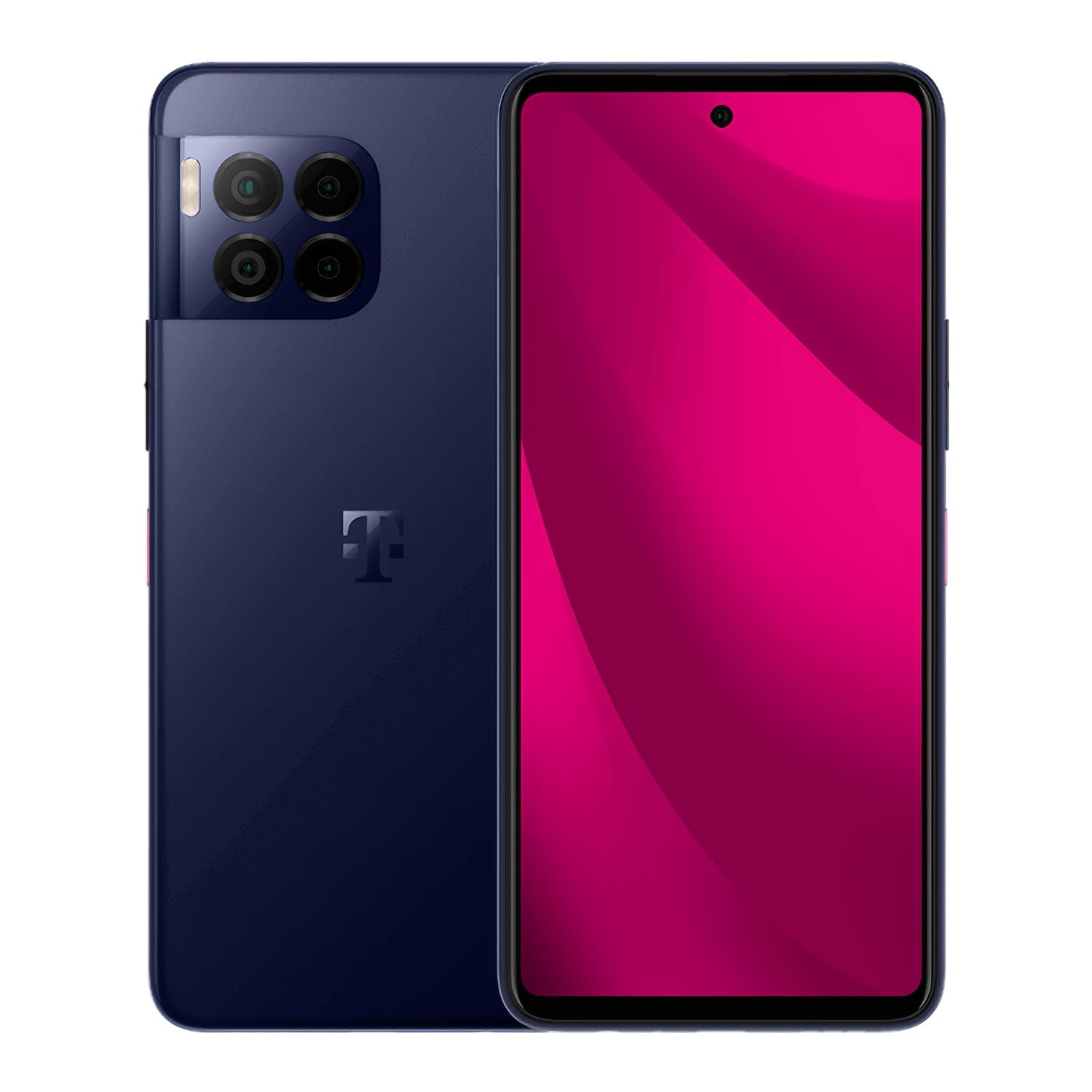
2. T-Mobile Revvl 7 Pro 5G, 256GB
Double the storage of most rivals, but your SIM has to live on T-Mobile.
The storage gap here is enormous. This phone carries 256GB built in against the 64GB on the Moto G Play LTE, four times the room for photos, downloads and offline video without ever touching a card slot. It pairs that with a 6.5-inch FHD+ AMOLED panel at 1080 x 2436 and 372 ppi — sharper than the Moto G 5G’s 269 ppi LCD, and the kind of AMOLED contrast that makes dark-mode reading comfortable at night.
Under the hood sits a Qualcomm Snapdragon octa-core processor, and the 5000mAh battery supports fast charging. Owners describe setup as quick and the camera as genuinely capable, with 4K video recording working without a hitch. That combination — big storage, AMOLED, 5G — is hard to assemble at this price elsewhere in the list.
The catch is carrier lock, and it is a big one. This phone was built for T-Mobile and Metro by T-Mobile, and it will not work on AT&T, Cricket, Verizon or CDMA networks. Several owners also report trouble getting data to connect even on T-Mobile, and the reliability picture splits between phones that run perfectly and units that quit entirely. Buy from a seller with a clear return window, test activation the day it lands, and know that an AMOLED panel at this price means you have to accept that gamble.
Worth it when: you are already on T-Mobile or Metro and need the largest built-in storage here.
Not the phone for: anyone on Verizon or AT&T, or a buyer who wants zero activation fuss.
3. Motorola Moto G 5G 2024 (Renewed)
A 120Hz screen that makes every scroll feel twice as fluid as the price suggests.
Refresh rate is the spec most budget phones skip, and here it is the whole pitch. A 120Hz panel redraws the screen 120 times a second instead of the usual 60, so scrolling a feed or flicking through photos looks noticeably smoother. It sits on a 6.6-inch HD+ LCD at 1612 x 720 and 269 ppi — that resolution trails the Samsung Galaxy A16’s 385 ppi AMOLED, so text is softer while motion is slicker.
The Snapdragon 4 Gen 1 chip (a 6nm octa-core processor) runs Android 14 with 128GB and 4GB RAM, plus a dedicated microSDXC slot. The 50MP main camera with an f/1.8 aperture handles low light better than the small aperture on cheaper lenses, and a 2MP macro sits alongside an 8MP front camera for selfies. A side-mounted fingerprint reader covers open up.
Carrier flexibility is the reason to look here over the Revvl. This is a Verizon open up model that also works with most GSM and CDMA SIMs, including AT&T, T-Mobile and Straight Talk — but it may require activation over Wi-Fi first, so set aside ten minutes on arrival. Being a renewed unit, check the battery settles into a full day and that the screen shows no pressure marks, because durability feedback splits both ways. What buyers praise most is simple: it just works, and it looks new when it arrives.
Where it wins: a 120Hz refresh rate and multi-carrier support from a single SIM slot, on a phone priced in the entry tier.
Fair warning: HD+ resolution, not FHD+, and a renewed battery means you should verify charging behaviour in week one.
Pick this one if: your carrier is flexible and smooth scrolling matters more than crisp text.
Leave it if: you read long articles on your phone and want maximum sharpness.
4. Samsung Galaxy A16 5G (Renewed)

The sharpest AMOLED in the pack, and enough updates to keep it useful for years.
Pixels per inch is where this phone separates itself. Its 6.7-inch Super AMOLED panel runs 1080 x 2340 at 385 ppi, ahead of the Moto G 5G 2024’s 269 ppi by a wide margin, and it adds an 800 nits peak brightness figure that helps when you are squinting at the screen outdoors. A 90Hz refresh rate keeps scrolling tidy without the battery cost of 120Hz.
Samsung also commits to up to six major Android upgrades on this model, which matters enormously on a renewed handset — you can buy it now and still be receiving security patches long after the sticker shock of a flagship fades. The Exynos 1330 (a 5nm octa-core chip) drives Android 14 and One UI 6.1 with 128GB and 4GB RAM, and microSDXC expansion sits ready. Around back, a 50MP main camera is joined by a 5MP ultrawide for group shots and landscape frames, plus a 13MP front camera.
Reality check on the renewed side: owners describe the units arriving in excellent like-new condition and the panel running smoothly for everyday tasks, but charging problems have cropped up after a few months on some devices, and the open up process occasionally needs a second attempt. Note too that no charger ships in the box, only a cable. The screen alone justifies the pick for anyone who reads or streams heavily.
Made for: commuters and readers who want the crispest panel in the budget tier.
Check before buying: your own USB-C charger is required, and renewed units deserve a charging test in the first week.
5. Motorola Moto G Play LTE

Stereo speakers and Dolby Atmos on a phone that costs about as little as it gets.
For anyone who watches video or takes calls on speaker, this is the pick. Two stereo speakers with Dolby Atmos and Hi-Res Audio support turn a 6.5-inch HD+ 90Hz display into a genuinely watchable mini TV — and 90Hz keeps the scrolling from feeling sticky. A Snapdragon 680 processor with 4GB RAM handles the everyday load of browsing and streaming.
The camera is the standout spec on paper. A 50MP Quad Pixel sensor combines four pixels into one for an effective 12.5MP photo, which the maker says gives four times the light sensitivity of a standard sensor — in plain terms, better shots indoors and after dark. Around it sits 64GB built in, expandable up to 1TB with a microSD card, which is the smallest starting room in this list and the first place you’ll feel pressure.
Owners lean heavily on the overall quality and value, and the features and customization get regular nods too. The honest split is battery and speed: the 5000mAh cell lasts a full day for most, but charging is slow enough that some wake to a low percentage, and a few find the processor sluggish under heavy app switching. Splash resistance protects against spills and light rain, not submersion.
Reasons it holds up
- Stereo speakers with Dolby Atmos
- 50MP Quad Pixel camera for low light
- Splash-resistant with a matte finish
- Long track record of buyer satisfaction
Where the money was saved
- 64GB base storage is the smallest here
- Slow charging frustrates some owners
- 4G only, no 5G modem
The right call for: media lovers who want loud, clear sound and a capable 50MP camera without spending much.
Reconsider if: you shoot a lot of video, since 64GB fills quickly without a microSD card.
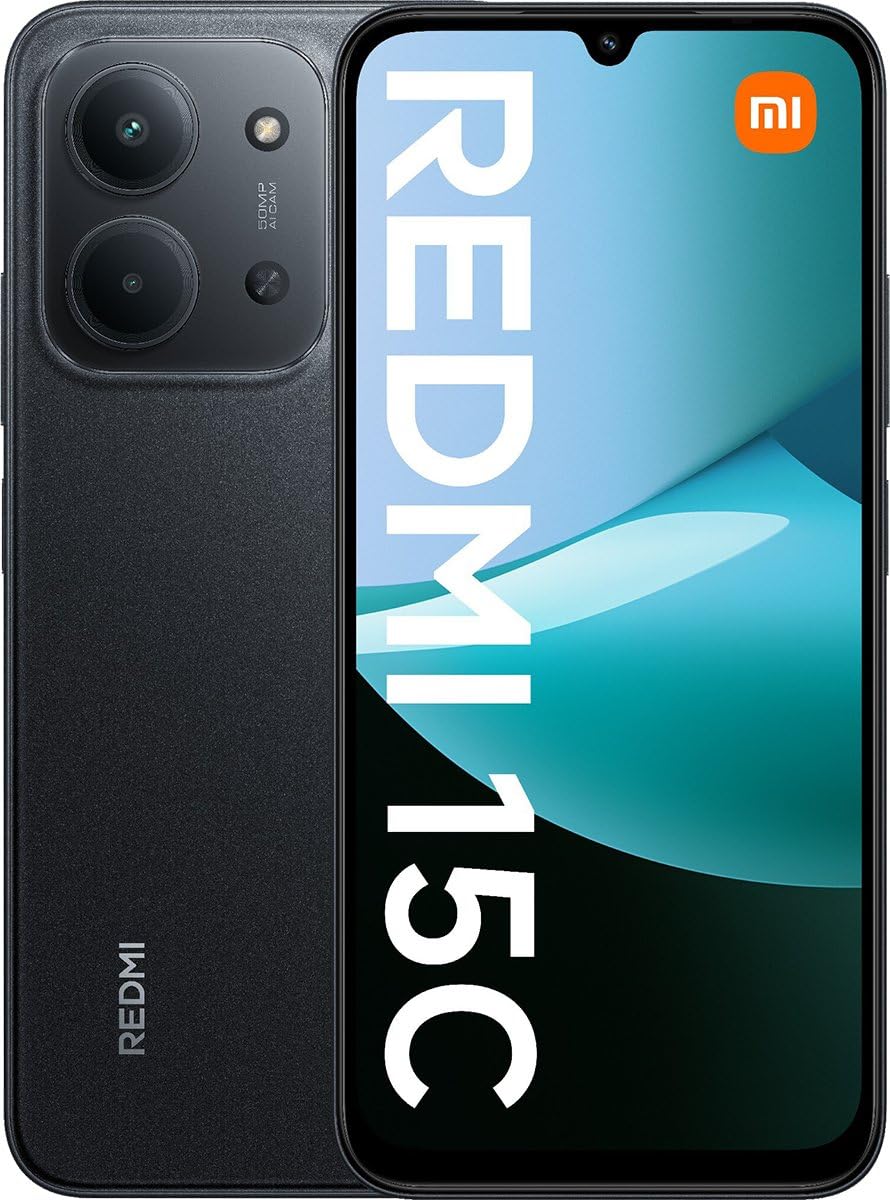
6. Xiaomi Redmi 15C 4G LTE
A 6000mAh battery and a 33W charger in the box — the longest-legged phone here.
Nothing else in this list carries a 6000mAh cell. For a long day of calls, maps and playback with no outlet in sight, this is the phone built for it. The 6.9-inch screen is also the largest here, though at 260 ppi it is on the soft side for close reading.
Inside runs an octa-core Helio G81 at 2.0GHz with a Mali-G52 MC2 GPU, paired with 128GB and 4GB RAM plus a microSD slot shared alongside dual Nano-SIMs. The 50MP main camera with an f/1.8 lens shoots 1080p video at 30 fps, and an 8MP front camera handles calls and selfies. There is a rear fingerprint sensor and AI face open up, a 3.5mm headphone jack, dual-band Wi-Fi and Bluetooth 5.1.
Two facts decide whether this is your phone. First, there is no NFC, so mobile tap-to-pay is off the table. Second, in the USA it only works on T-Mobile and Mint — outside the US it is a fully open up dual-SIM 4G device. Buyers rate the build quality and value highly and appreciate the international flexibility, with occasional notes about slow responses under load. Confirm your IMEI and carrier before ordering.
Battery story: 6000mAh with a 33W charger included means fewer mid-day top-ups than anything else on this page.
The plain catch: no NFC, and US activation is limited to T-Mobile and Mint.
Reach for this: if battery endurance is your number one worry and you are on T-Mobile or Mint.
Look elsewhere if: you rely on contactless payments or you travel between US carriers.
7. Moto G 2025

A 120Hz screen, 5G and every major US carrier — the no-compromise middle ground.
This is the one that removes the biggest friction in the budget tier: it is fully open up and compatible with Verizon, AT&T, T-Mobile and other major carriers. No IMEI gymnastics, no GSM-only restriction. On top of that it runs 5G on the MediaTek Dimensity 6300 chipset, with a 6.7-inch 120Hz display and stereo speakers tuned for stronger bass. A 5000mAh battery with TurboPower charging keeps it moving.
It also carries a 50MP Quad Pixel camera for low-light shots and a 16MP front camera for selfies, plus Corning Gorilla Glass 3 on the front and a water-repellent vegan-leather back. Storage runs 128GB and expands up to 1TB with a microSD card. Confusingly, the RAM Boost figure is a virtual expansion on top of 4GB of physical RAM, so plan around 4GB of real memory rather than the marketing headline.
The nuance worth knowing: buyers find the build quality and value excellent, and the battery life is singled out as one of the best parts, with many calling it their best purchase in a while. Where opinions split is speed under load — some find it snappy and a few run into app-opening delays, and performance reports are mixed overall. Treat it as a fast everyday phone, not a gaming rig, and it stands up well.
Why it earns the middle spot
- Works with every major US carrier
- 120Hz display plus 5G on Dimensity 6300
- Gorilla Glass 3 and water-repellent back
- Battery life comes up as a genuine strength
What to weigh
- 4GB physical RAM is modest under heavy multitasking
- Refresh rate dips to 60Hz depending on app
- TurboPower 30W charger sold separately
This is the pick for: a buyer who wants one phone that works on any carrier with no activation worry.
Just know: the charger is extra and the real RAM is 4GB, not the boosted figure.
8. TCL 60 XE NXTPAPER 5G

A matte, paper-like screen that dials down glare and turns into an e-reader on demand.
Most budget phones compete on sharpness. This one competes on comfort. NXTPAPER 3.0 is an anti-glare panel that cuts blue light by up to 61%, which the maker frames as relief for long reading sessions, and an Eye Care Assistant adjusts brightness and colour temperature to your surroundings. A dedicated NXTPAPER button cycles four modes — Standard, Ink Paper for e-reader feel, Color Paper for comics, and Max Ink for longer battery life.
On the performance side it gives you 8GB of physical RAM plus 8GB of virtual RAM, 128GB of storage expandable up to 2TB via microSD, and a MediaTek Dimensity 6300 octa-core chip with 5G. The 6.8-inch FHD+ panel refreshes at 120Hz and is backed by dual speakers with DTS audio. Cameras run 50MP main, 5MP ultra-wide and 2MP depth up front to a 32MP selfie camera, with 360° Horizon Lock for steadier video.
The battery is a 5010mAh cell with 18W charging that reaches 100% in roughly 2.5 hours, and it can reverse-charge other devices at 5W. There is NFC for tap-to-pay, plus both a physical Nano SIM and eSIM. Buyers praise the screen above all — bright, clear and easy on the eyes — and rate the performance and value highly, though a few report units that simply stopped working, so buy from a seller with a clean return policy.
Best fit for: readers, note-takers and anyone who gets eye fatigue from glossy screens.
Be aware: the paper effect trades some punchy vibrancy for comfort, and a small share of units fail early.
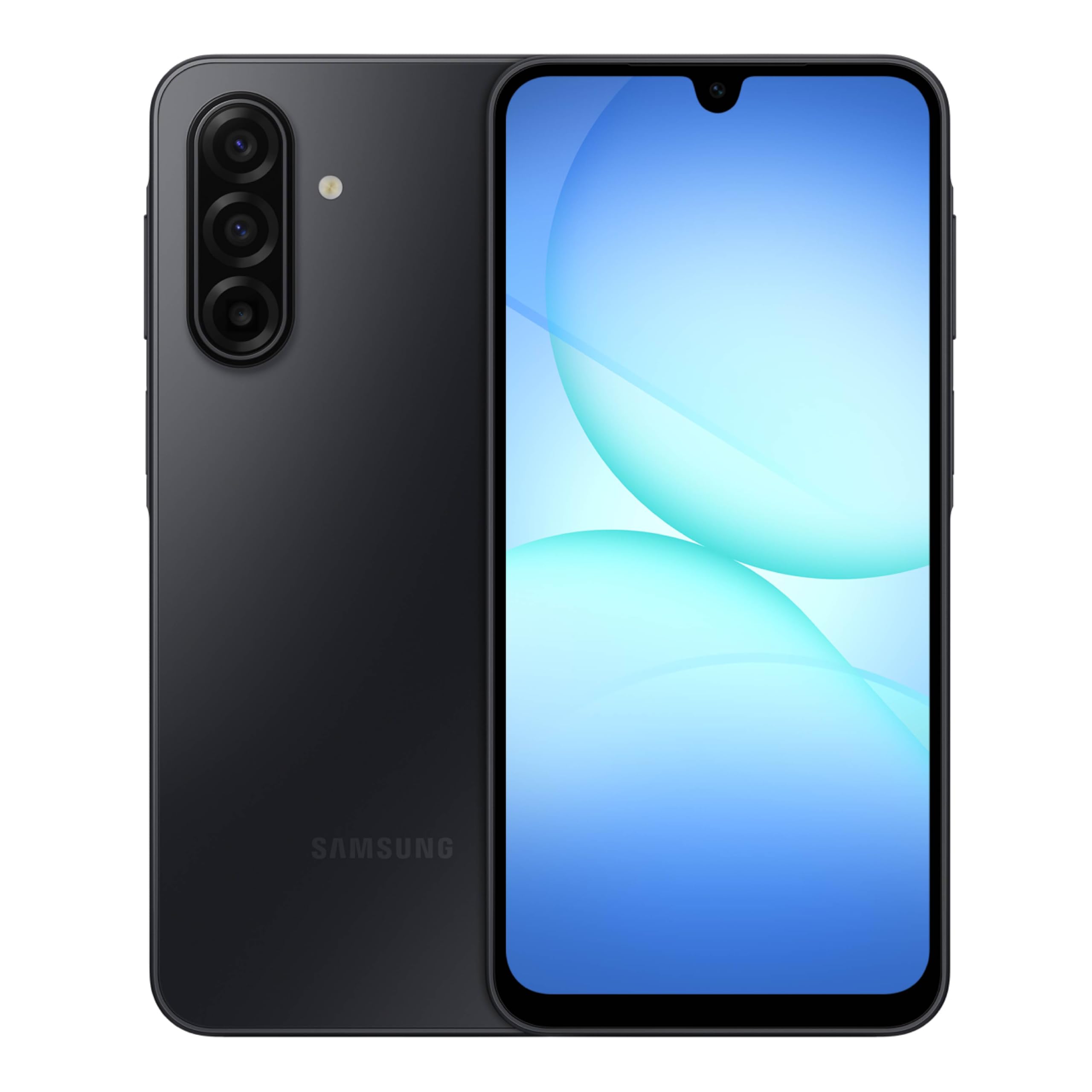
9. Samsung Galaxy A17 5G
Six OS upgrades and six years of security patches — the phone built to be kept.
Software support is the spec that decides how long a budget phone stays useful, and this one leads the pack: 6 OS upgrades and 6 years of security updates, straight from Samsung. That is a genuine longevity argument for a phone in the entry tier. Around that commitment sits a 6.7-inch FHD+ Super AMOLED display, a 5000mAh battery with Super Fast Charging, and a triple-lens camera for wide group shots and close-ups.
Durability gets proper attention here too. An IP54 rating resists splashes and dust, and the front uses Gorilla Glass Victus with a Glass Fiber Reinforced Polymer back. Storage runs 128GB with expansion up to 2TB, and an in-display fingerprint reader handles open up. There is also Samsung Wallet for tap-to-pay and Samsung TV Plus with 350+ live channels at no cost.
The honest part of the picture: owners find it a decent everyday device that often exceeds expectations, but responsiveness and system stability come up as recurring weak points, with some reporting lag and occasional UI freezing. If you need buttery-smooth multitasking, the Moto G 2025 handles that better. If you want a phone you can own for six years with a sharp AMOLED screen and will tolerate an occasional stutter, this is the long-game pick.
Longevity argument: 6 OS upgrades plus 6 years of security updates on a phone this affordable is rare.
Know before you commit: speed and stability draw complaints, so keep your expectations on everyday responsiveness modest.
Choose it for: keeping a phone for years and staying on current security patches without a flagship bill.
Pass if: you demand snappy app switching and hate even occasional lag.
Understanding the Specs
Refresh rate (Hz) and resolution (ppi)
Refresh rate is how many times per second the screen redraws — a 120Hz panel redraws twice as often as a 60Hz one, which makes scrolling feel smoother. Pixels per inch (ppi) measures sharpness instead: 385 ppi looks crisp, while 260 ppi starts to show soft edges on small text. The best value is a high-refresh panel that is also sharp, so compare both numbers, not one.
Battery capacity (mAh) and charging watts
Milliamp-hours (mAh) measure how much charge a battery stores. A 5000mAh cell is a common baseline for a full day, while 6000mAh stretches further. Watts (W) measure how fast the charger refills it: 33W is far quicker than 10W on the same size cell. Capacity wins the marathon; wattage wins the pit stop.
Storage vs RAM and virtual RAM
Storage (GB) holds your files and apps — 128GB is a sensible floor. RAM (GB) is short-term working memory for open apps, and 4GB is fine for everyday use. Some phones advertise “virtual RAM” that borrows from storage; it can help but is not a substitute for physical RAM, so plan around the real figure.
What “renewed” actually means
A renewed phone is a returned or refurbished unit inspected and resold, not a new device. The spec sheet is the same as the original, but the battery’s history is unknown, so test charging and check for screen marks in the first week. A renewed phone can be the best value here — as long as the seller offers a clear return window.
FAQ
Will these open up phones work with my carrier?
What is the difference between 4G and 5G on a budget phone?
Is a 5000mAh battery enough for a full day?
Should I buy a renewed phone to save money?
Does virtual RAM really add memory?
How much storage do I need for photos and video?
Do these phones have NFC for contactless payments?
How long will a budget phone receive software updates?
Is an AMOLED screen better than an LCD on a cheap phone?
Do these phones include a charger in the box?
Final Thoughts: The Verdict
The best budget smartphone for most people is the Blackview Wave 7C, because it pairs 128GB of expandable storage with a 3-year warranty — coverage that simply does not exist on the other picks in this tier. If your carrier is the hard constraint, the Moto G 2025 is the one to reach for, with 5G and support for every major US network. And if you want the sharpest screen in the group, the Samsung Galaxy A16 5G holds the 385 ppi AMOLED crown. Pick the one whose constraints you can live with, and you will be happy for years.
How We Picked
We do not accept paid placement. Every pick is matched to a real buyer and a real use-case; we do not hands-on test units.
Sources & Methodology
Specifications: manufacturer listings and product documentation. Review insights: verified customer reviews, as of November 2026. Pricing: not shown on this page (it changes often); check the current price via the retailer link.
As an Amazon Associate, Gadgets Feed earns from qualifying purchases. This does not affect which products we feature.