
Finding a set of tires that can survive a hot lap without costing the same as a month’s rent is the real balancing act. The right set transforms entry-level grip and turn-in response, letting you chase tenths without the financial hangover.
I’m Min — the co-founder and writer behind Gadgets Feed. I’ve spent countless hours analyzing treadwear ratings, compound formulations, and lateral grip data from the budget performance tire segment to separate the genuine track-day performers from the commuter tires with sporty-looking sidewalls.
This guide cuts through the marketing noise to deliver the only best budget track tires that actually hold up to heat cycles and hard cornering without burning a hole in your wallet.
How To Choose The Best Budget Track Tires
Track driving exposes weaknesses that daily commuting never will. The wrong tire overheats after two laps, greases out, and leaves you fighting understeer instead of chasing apexes. Here’s what separates a genuine budget track tire from a parts-store special.
UTQG Treadwear Rating: The Truth About Longevity
The Uniform Tire Quality Grade (UTQG) treadwear number is your best indicator of compound softness. A rating around 300-400 suggests a compound that can handle moderate heat without melting into a slick. Ratings above 500 indicate a harder compound that may survive street miles but lacks the grip for serious cornering forces. For budget track use, aim between 340 and 460 — soft enough to grip, hard enough to survive multiple sessions.
Load Index and Sidewall Stiffness
Track cornering transfers immense weight to the outside tires. A standard load (SL) tire may feel vague and squishy under lateral load, delaying turn-in response. Extra load (XL) tires feature stiffer sidewall construction, which translates to more immediate steering feedback and predictable slip angles. Look for a load index of 91 (1356 lbs) or higher in the sizes you need.
Quick Comparison
On smaller screens, swipe sideways to see the full table.
| Model | Category | Best For | Key Spec | Amazon |
|---|---|---|---|---|
| Continental ExtremeContact DWS06 PLUS | Premium All-Season | Ultimate dry & wet grip | 50,000-mile treadwear warranty | Amazon |
| Hankook Ventus V2 concept 2 | Premium All-Season | Balanced daily & track use | Alignment indicator in shoulder | Amazon |
| Kumho Majesty Solus KU50 | Mid-Range All-Season | Quiet ride + reliable grip | Variable pitch tread blocks | Amazon |
| GT Radial Maxtour LX | Mid-Range All-Season | Longevity on a budget | 91V speed rating | Amazon |
| Armstrong Blu-Trac HP | Budget All-Season | Strong sidewalls for the price | 45,000-mile treadwear | Amazon |
| Landspider Citytraxx H/P | Budget All-Season | Entry-level track experiment | XL load range | Amazon |
| Falken Ziex ZE950 | Budget All-Season | Wet weather confidence | 3D Canyon sipe technology | Amazon |
In‑Depth Reviews
1. Continental ExtremeContact DWS06 PLUS

The DWS06 PLUS sits at the top of this list because it genuinely delivers ultra-high-performance grip at a price point that undercuts the usual premium suspects. Continental’s SportPlus Technology means the compound stays responsive through repeated heat cycles — the tire doesn’t go greasy after three hot laps. The 50,000-mile treadwear warranty is almost unheard of in this performance tier, giving you both track capability and daily-driver longevity.
What sets this tire apart is the Tuned Performance Indicators — small D, W, and S symbols molded into the tread that wear away when the tire is no longer optimized for dry, wet, or snow conditions. That’s a real-time feedback tool that budget tires simply don’t offer. Weighing in at 21.6 pounds, it’s also light enough to reduce unsprung mass compared to the 23-pound Falken or Landspider options, which translates to sharper turn-in and better suspension compliance on track.
Owners consistently report noticeable improvements in steering feel and braking confidence over OEM rubber, particularly in colder temperatures where lesser all-seasons stiffen up. The DWS06 PLUS earned its place as the premium pick because it bridges the gap between a dedicated summer tire and a commuter all-season better than anything else under this price ceiling.
Why it’s great
- Class-leading dry and wet grip for an all-season compound
- 50,000-mile limited treadwear warranty backs track use with daily practicality
- Integrated treadwear indicators for dry, wet, and snow performance
Good to know
- Wears faster than harder touring compounds on the street
- Premium price entry point compared to the rest of this list
2. Hankook Ventus V2 concept 2

The Ventus V2 concept 2 brings a feature set usually reserved for tires costing significantly more. The alignment indicator molded into the shoulder is a genuinely useful tool for track enthusiasts — a visual cue that your camber settings are still in check after a rough session. The aqua jet technology within the tread specifically targets hydroplaning resistance, making this tire a strong choice for wet track days where standing water is a concern.
At 21.5 pounds, the Hankook is among the lighter tires here, matching the Continental’s weight advantage while offering a 94W load index (1,477 pounds). The equilibrium carcass line reinforcement gives the sidewall enough stiffness to handle aggressive turn-in without the vague flex that plagues cheaper all-seasons. Five-pitch tread variation reduces harmonic noise at highway speed — a quality-of-life improvement for a tire that will spend most of its life on the street between events.
Hankook’s reputation for consistent quality shines through in the customer feedback. Owners frequently mention significant improvements over OEM tires on cars like the Lexus IS200t and Jetta GLI, with particular praise for snow traction that exceeds expectations for a performance-oriented tread pattern. If you want a premium daily tire that doesn’t embarrass itself on a road course, this is the sweet spot.
Why it’s great
- Alignment indicator helps catch geometry issues before they eat tread
- Strong wet weather performance with dedicated aqua jet channels
- Lightweight construction aids suspension response
Good to know
- Not a dedicated summer tire — compound is tuned for all-season versatility
- Some users report slightly higher road noise than premium touring tires
3. Kumho Majesty Solus KU50

The Kumho Majesty Solus KU50 is the quietest tire in this entire comparison, and that matters more than you might think. A tire that drones on the highway between track days will wear you out before you even get to the grid. The variable pitch tread blocks reduce harmonic noise to a whisper, while the full-depth sipes maintain wet grip throughout the tire’s life — not just for the first few thousand miles.
Weighing only 19.6 pounds, the KU50 is the lightest tire on this list by a significant margin. That’s a massive advantage for reducing unsprung mass on lighter cars like the Mazda Miata, Honda Civic Si, or Subaru BRZ — every pound saved at the wheel end improves damper response and allows the suspension to follow the road surface more precisely. The 91W load index (1,356 pounds) is adequate for most compact and mid-size platforms.
Customer reviews consistently highlight the KU50’s durability over extended use — multiple owners report excellent condition after 10 months of daily and spirited driving. The stiff block design provides a comfortable ride that doesn’t sacrifice turn-in response, making this tire an ideal entry point for drivers who want track-capable rubber without the NVH penalty that often comes with performance tires.
Why it’s great
- Ultra-light 19.6 lb construction reduces unsprung mass
- Exceptionally quiet ride for a performance-oriented tire
- Full-depth sipes maintain wet grip as the tire wears
Good to know
- Standard load range may feel softer under extreme lateral loads
- Not ideal for high-horsepower cars due to lower load capacity
4. GT Radial Maxtour LX

The GT Radial Maxtour LX is the tire that keeps surprising owners. What looks like an unassuming all-season budget tire actually delivers grip levels that hold up surprisingly well on track — one owner reported pushing it to 80 mph through curves with “good gripping” confidence. The 91V speed rating (149 mph) is more than adequate for lapping days at most circuits, and the 19.7-pound weight places it among the lighter options here.
This tire’s real strength is longevity. Multiple owners report exceeding 20,000 miles with minimal tread wear, and one customer claimed 70,000 miles from a set. That kind of durability comes from a compound that resists heat degradation better than the ultra-soft budget options. The wet weather traction is notably strong — owners specifically mention confident handling in pouring rain, which is crucial for track days that get caught in changing weather.
The Maxtour LX is TPMS compatible and fits a wide range of vehicles, making it a straightforward replacement option. The 205/55R16 sizing is common on Honda HR-V, Civic, and similar platforms, though the lineup includes other sizes. If you’re building a dual-purpose car that needs to handle track sessions and long commutes without complaint, the GT Radial delivers a compelling value proposition.
Why it’s great
- Exceptional tread life reaching up to 70,000 miles reported
- Strong wet weather grip with consistent performance in rain
- Lightweight at 19.7 lbs aids suspension response
Good to know
- Limited size availability restricts fitment options
- Compound lacks the ultimate grip of premium performance tires
5. Armstrong Blu-Trac HP
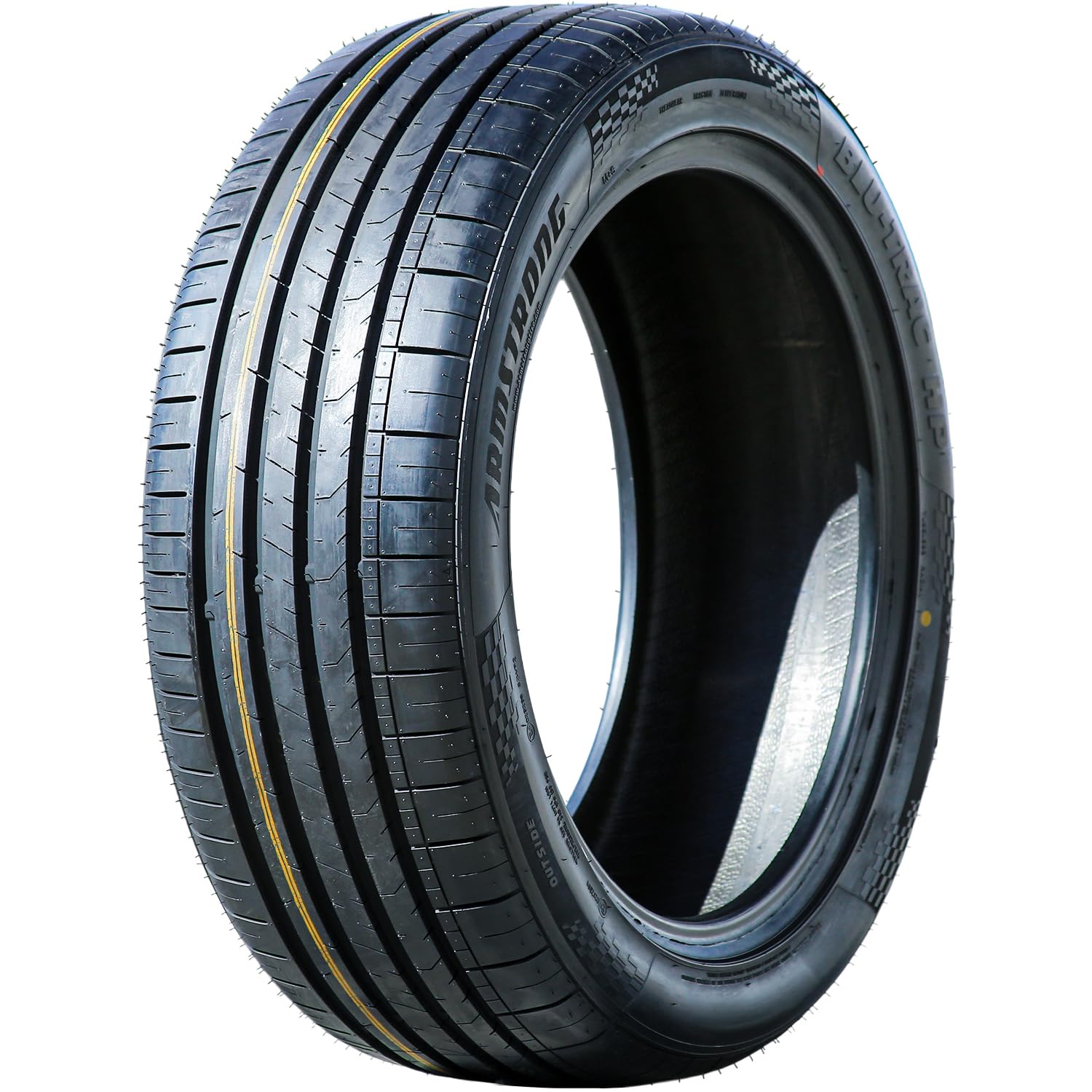
The Armstrong Blu-Trac HP is the tire that proves you don’t need to spend premium money for a stiffer sidewall. This is the most affordable XL-rated tire in this comparison, meaning it comes with extra load range construction that translates directly to improved lateral stability under cornering loads. One owner specifically noted that the Blu-Trac handles mountain curves as well as Yokohamas — a direct comparison that validates its track capability.
The 45,000-mile treadwear rating (UTQG 340AA) indicates a compound that prioritizes longevity without going full economy-car hard. The 25-pound weight is on the heavier side, which is the trade-off for the reinforced sidewall construction. However, that weight also means the tire can absorb more heat without damaging the carcass — a genuine advantage for drivers who run multiple consecutive sessions.
Customer feedback highlights the ease of installation and balancing, with one owner reporting zero balancing issues at 70 mph straight out of the box. That’s a strong indicator of manufacturing consistency, which is often where budget tires cut corners. The Blu-Trac HP is an excellent choice for heavier vehicles or drivers who prioritize sidewall stiffness over ultimate compound grip.
Why it’s great
- XL load range provides stiff sidewalls for better cornering response
- 45,000-mile treadwear rating offers strong durability
- Easy balancing with no vibration reported at highway speeds
Good to know
- Heavier at 25 lbs increases unsprung mass
- Compound lacks the ultimate grip of softer performance tires
6. Landspider Citytraxx H/P
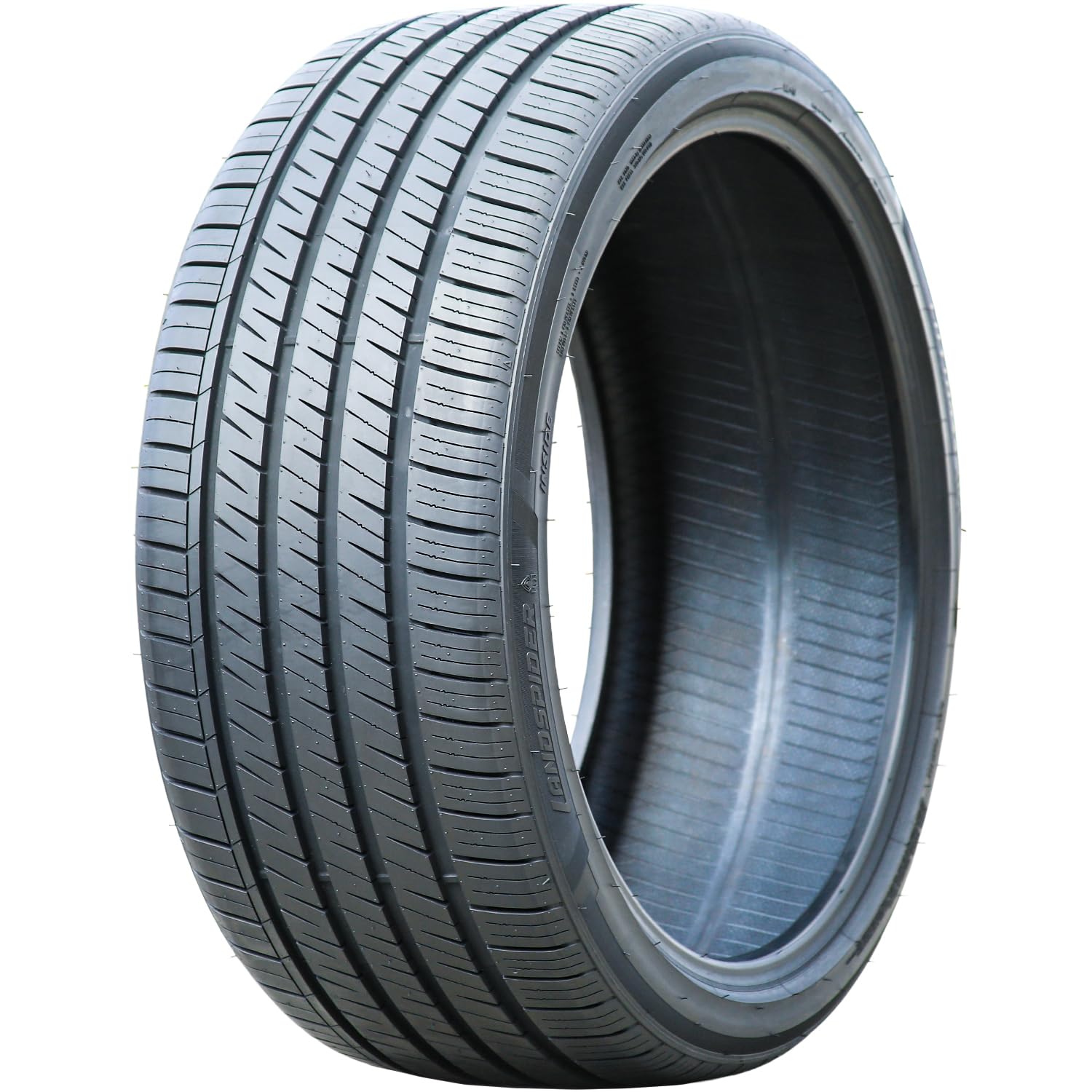
The Landspider Citytraxx H/P is the cheapest tire on this list that still offers a genuine XL load range and a 97W speed rating. For drivers on a razor-thin budget, that combination is the golden ticket — you get the sidewall stiffness needed for track work without paying the premium-brand markup. The 4-ply rated construction provides a solid foundation for the tire to maintain its shape under hard cornering.
At 23 pounds, the Citytraxx H/P is competitively weighted for its price bracket. The 1609-pound load capacity at 97 load index means it can handle heavier cars — think VW Golf R, Subaru WRX, or even a BMW 3-series without exceeding the tire’s limits. The UTQG 420AA rating suggests a compound that balances grip and wear reasonably well for the price point.
Owners consistently praise the Citytraxx H/P for snow traction that exceeds expectations — one report of handling 3-4 inches of snow on a FWD sedan with minimal sliding is impressive for a tire in this price range. That versatility means it can serve as a year-round daily driver that doesn’t completely embarrass itself on a track day. Just keep expectations in check: this is an entry-level performance tire, not a replacement for dedicated summer rubber.
Why it’s great
- XL load range at an entry-level price point
- 97W speed rating supports high-speed stability
- Strong snow traction for an all-season performance tire
Good to know
- Compound lacks the heat resistance of premium tires for extended sessions
- Road noise is average for the budget class
7. Falken Ziex ZE950

The Falken Ziex ZE950 is the most established name in this budget segment, and there’s a reason it’s been on the market for years. The 3D Canyon sipe technology is a genuine differentiator — those interlocking sipes provide a significant ice-braking advantage while also stiffening under load to improve dry handling. This is a tire that punches above its weight in mixed-condition track use where wet or cold surfaces are a possibility.
With a 94XL load index and 23-pound weight, the ZE950 matches the construction quality of tires that cost more. The wide circumferential grooves are specifically designed to evacuate water and resist hydroplaning — a concrete engineering feature that directly impacts wet track safety. The sculptured groove walls also eliminate rain groove wandering, which is a common complaint with cheaper tires that tramline on grooved highways.
Customer reviews confirm the ZE950’s reputation as a solid all-rounder. One owner installed them on a 2004 Jetta GLI VR6 and reported good snow traction immediately. Another noted they balanced easily and delivered smooth ride quality with excellent handling. The minor trade-off is slightly elevated road noise compared to touring-focused tires, but that’s a non-issue for anyone choosing a tire for its performance characteristics.
Why it’s great
- Proven 3D Canyon sipe technology improves both ice braking and dry handling
- XL load range at an affordable price point
- Wide circumferential grooves provide strong hydroplaning resistance
Good to know
- Slightly noisier than touring-focused alternatives
- Some owners report faster wear compared to harder compounds
FAQ
Can I use all-season tires at a track day?
What does the speed rating on a tire actually mean?
How do I know if a budget tire can handle track heat?
Should I buy tires with a higher load index than my car needs?
Final Thoughts: The Verdict
For most drivers looking to maximize track capability without breaking the bank, the winner for the best budget track tires is the Continental ExtremeContact DWS06 PLUS because it delivers genuine ultra-high-performance grip, a 50,000-mile warranty, and integrated wear indicators that help you know when your tire is past its peak performance. If you want the lightest possible option to reduce unsprung mass on a smaller platform, grab the Kumho Majesty Solus KU50. And for the tightest budgets where every dollar counts, nothing beats the sidewall stiffness and value of the Armstrong Blu-Trac HP.