
Nothing kills a Costa Rican adventure faster than the relentless hum of a mosquito in your ear. Between the rainforest humidity, coastal breezes, and cloud forest mist, you’re walking through a buffet of biting insects — sandflies, no-see-ums, and mosquitoes carrying dengue or chikungunya. The right repellent isn’t a luxury; it’s the difference between a trip you remember and one you just want to forget.
I’m Min — the co-founder and writer behind Gadgets Feed. After analyzing hundreds of hours of customer reports and technical datasheets from Costa Rica travelers, I’ve distilled exactly which active ingredients, concentrations, and formats actually hold up in tropical conditions.
Whether you’re ziplining through the canopy or hiking to a waterfall, the chemistry on your skin determines your comfort. This guide breaks down the best bug spray for costa rica based on real-world efficacy, not marketing claims.
How To Choose The Best Bug Spray For Costa Rica
Costa Rica’s microclimates — from the humid lowlands of Tortuguero to the cooler highlands of Monteverde — demand a repellent that works across temperature swings and sweat levels. The active ingredient and its concentration are your first filter.
DEET vs. Picaridin vs. Permethrin
DEET has decades of field data backing it, but 30-40% concentrations can feel greasy on skin and damage watch straps or sunglass coatings. Picaridin at 20% matches DEET’s duration against mosquitoes and actually beats it on biting flies, with zero odor and no gear damage. Permethrin is a separate layer: it bonds to clothing fibers, killing ticks and mosquitoes on contact for up to 6 washes — ideal for treating pants, socks, and boots before your trip.
Spray vs. Wipe vs. Lotion
Aerosols are fast but prone to wind drift and overapplication. Pump sprays give you controlled coverage. Wipes are the ultimate travel format — TSA-friendly, no leaks, and you can target exactly where product goes (face, neck, ankles). Lotion-style creams offer the longest wear but require washing hands after every application. For Costa Rica, a combination of permethrin-treated clothing plus a Picaridin wipe or pump spray on exposed skin covers every scenario.
Quick Comparison
On smaller screens, swipe sideways to see the full table.
| Model | Category | Best For | Key Spec | Amazon |
|---|---|---|---|---|
| Ben’s 30% DEET Field Wipes | Wipe | All-day trekking | 30% DEET, 24-count | Amazon |
| Sawyer Picaridin 20% Pump | Pump Spray | Gear-safe daily use | 20% Picaridin, 3 oz | Amazon |
| Repel Sportsmen Max 40% DEET | Aerosol | Heavy mosquito zones | 40% DEET, 6.5 oz 3-pack | Amazon |
| Natrapel 20% Picaridin Wipes | Wipe | Travel & family trips | 20% Picaridin, 12 wipes 3-pack | Amazon |
| Ben’s 30% DEET Wipes 4-Pack | Wipe | Safari & remote areas | 30% DEET, 12 wipes 4-pack | Amazon |
| Sawyer Permethrin Clothing Treatment | Gear Spray | Clothing & gear protection | 0.5% Permethrin, 24 oz | Amazon |
| OFF! FamilyCare 5% DEET | Aerosol | Light backyard use | 5% DEET, 6 oz | Amazon |
In‑Depth Reviews
1. Ben’s 30% DEET Mosquito Tick Insect & Bug Repellent Field Wipes — 24 Pack
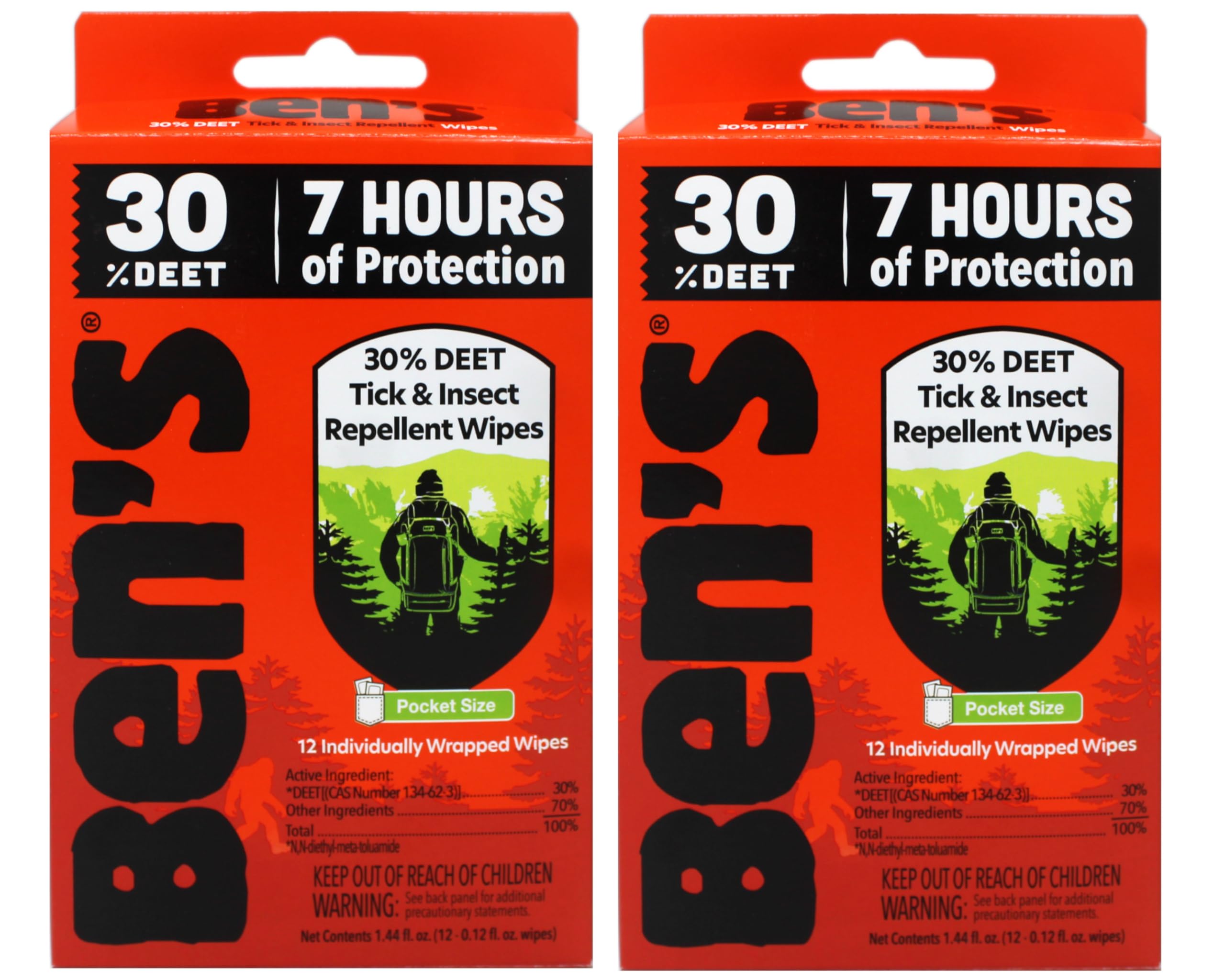
The 30% DEET concentration hits a sweet spot — strong enough for 7 hours of protection in Costa Rica’s lowland mosquito zones without the overkill of 100% DEET that can feel like paint thinner on skin. The wipe format means you can apply precisely to wrists, ankles, and the back of your neck without misting everything nearby. Each 24-count box gives you nearly a full two-week supply with zero risk of leaks in your pack.
Customers consistently report zero bites during jungle hikes and evening beach walks. The wipes leave a slight tacky residue for about 60 seconds before drying, and the smell is present but mild compared to aerosol sprays. One wipe covers both arms and legs for an average adult, making them remarkably efficient for day trips.
Where these outperform sprays is in TSA compliance — individually sealed wipes pass through security without any liquid limit drama. For travelers hopping between San José, Arenal, and Manuel Antonio, this is the no-fuss solution that actually works in wet conditions.
Why it’s great
- Seven-hour protection in high-mosquito zones
- No leaks, no spills, TSA-ready packaging
- Precise application avoids waste and inhalation
Good to know
- Leaves a slight grease that fades after a minute
- DEET can damage some watch straps and sunglass coatings
2. Sawyer SP5432 Picaridin Insect Repellent Spray, 20%, 3-Ounce Pump (Pack of 2)

This is the closest thing to a universal Costa Rica repellent. The 20% Picaridin formula matches 30% DEET performance against mosquitoes and actually beats DEET on biting flies — a critical edge in coastal areas like Tamarindo where sandflies ruin afternoons. It is truly fragrance-free and dries completely non-greasy, so it doesn’t interfere with sunscreen or makeup layers. Multiple customer reviews from expats living in Costa Rica call it their daily driver.
The pump spray nozzle delivers a controlled stream rather than a wide aerosol cloud, meaning you waste less product and avoid inhaling anything. At 3 ounces per bottle, this two-pack stows easily in a daypack for day trips to the cloud forest. The formula is safe on all synthetic gear — your sunglasses, watch, and fishing line won’t degrade.
The one recurring complaint is the pump cap: it can pop off in a bag, allowing the spray tip to depress and leak. Travelers recommend removing the cap, storing the bottle upright, or transferring to a small Nalgene. For anyone avoiding DEET’s chemical heft, this is the gold standard.
Why it’s great
- Up to 12 hours of mosquito and tick protection
- Zero odor and no residue after drying
- Won’t damage plastics, coatings, or outdoor gear
Good to know
- Pump cap can leak if not stored upright
- Reapplication needed more often during heavy sweat
3. Repel Insect Repellent Sportsmen Max Formula 40% DEET, 6.5 oz Aerosol (3 Pack)
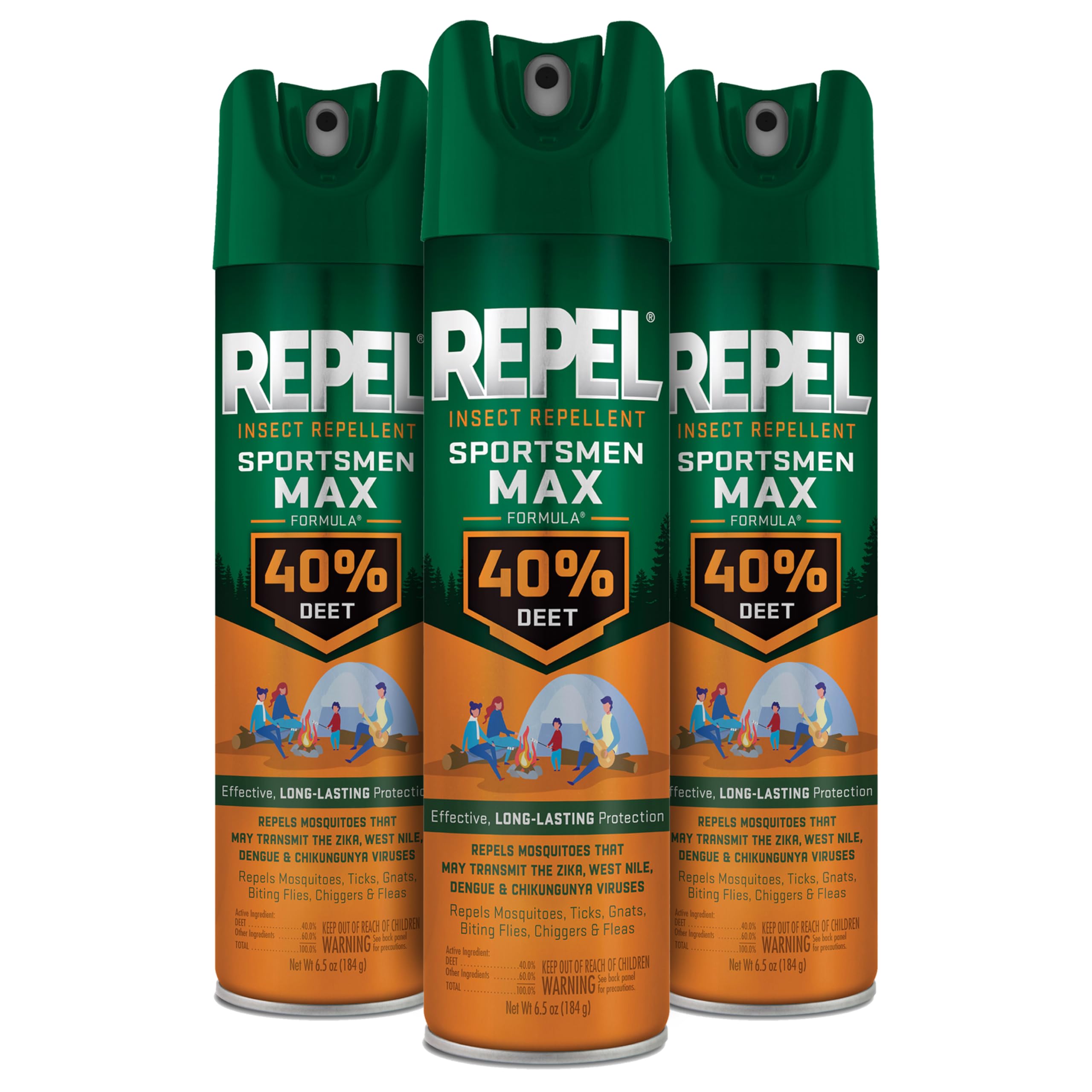
For the mosquito density you find near Tortuguero canals or Corcovado’s lowland trails, 40% DEET is the nuclear option. Repel’s Sportsmen Max delivers long-lasting coverage that shrugs off sweat and humidity. The scent is mild for a high-DEET product — customers describe it as inoffensive — but the aerosol format means you’re sending a fine mist into the air, which isn’t ideal for use inside a vehicle or near food.
Each 6.5-ounce can lasts through multiple day hikes, and the three-pack covers a two-person trip with room to spare. The aerosol sprays evenly and dries faster than pump formulas. Users in chigger-heavy Texas report all-day effectiveness against those invisible biters, which translates directly to Costa Rica’s grassy fields and trailsides.
Be deliberate with application: 40% DEET is overkill for city use or short evening walks. Reserve it for deep jungle days. Also note that high-concentration DEET can soften certain plastics — avoid spraying directly on backpack straps or tent zipper pulls. For raw stopping power in the worst bug zones, this is the most cost-effective option.
Why it’s great
- All-day protection in extreme mosquito conditions
- Excellent value at three cans per purchase
- Fragrance-free and non-sticky when dry
Good to know
- Aerosol mist is easy to overapply and can drift in wind
- High DEET concentration may degrade watch straps and coatings
4. Natrapel Tick & Insect Repellent Wipes with 20% Picaridin — 12 Wipes (3 Pack)
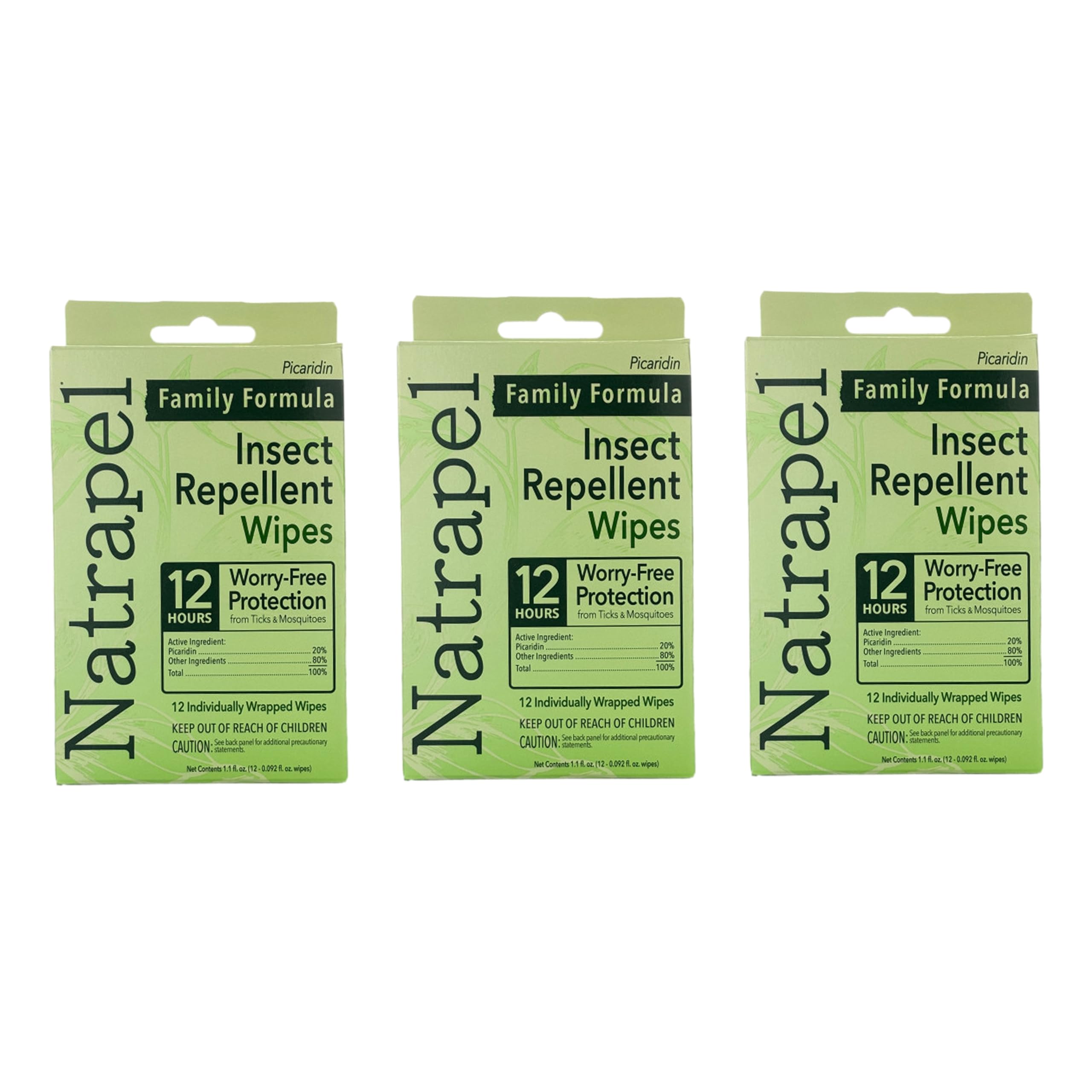
Customer reviews from actual Costa Rica trips confirm what the spec sheet promises: these wipes deliver full-day protection with zero bites, even for self-proclaimed mosquito magnets. The 20% Picaridin formula provides up to 12 hours of coverage and dries with almost no residue — just a fleeting initial dampness that disappears within 30 seconds. One wipe covers arms, legs, and neck for an average adult.
The wipes are individually sealed, making them perfect for splitting across multiple bags, packing for carry-on flights, or stashing in a dry bag for boat tours to Caño Island. The active ingredient is safe on synthetic materials, so you can use them on your hands and not worry about degrading your camera grip or phone case. They have a faint, fresh scent that most users find pleasant.
The three-pack gives you 36 wipes — enough for two weeks of twice-daily application for one person. After use, the wipe itself has to be disposed of properly (not flushed). Compared to the Ben’s DEET wipes, these are the better choice if you want zero smell and gear-safe chemistry, though the DEET wipes offer slightly longer duration in torrential downpours.
Why it’s great
- 12-hour protection reported in Costa Rica field use
- TSA-friendly and individually wrapped
- Safe on all synthetic gear and coatings
Good to know
- Very short-lived greasy feel before drying
- Must dispose of used wipes — not packable back in the wrapper
5. Ben’s Tick & Insect Repellent Wipes — 30% DEET, 12 Wipes (4 Pack)

This 4-pack version of Ben’s wipes offers the highest total wipe count in the lineup and the same proven 30% DEET formula trusted by customers in Belize, Costa Rica, and safari destinations across Africa. The alcohol-free, water-based formulation leaves less tackiness than the original 24-pack formula and is fragrance-free, making it less intrusive in shared spaces like shuttle vans or eco-lodges.
Customers living in high-insect regions like Belize describe these as their go-to during peak bug season. The individually wrapped wipes withstand humidity without drying out for months — pack them now, use them later. Coverage is consistent: one wipe is enough for arms and legs, with enough residual product to swipe across your hat brim. The 7-hour protection window aligns perfectly with a full day of hiking or beach time without reapplication.
The 48-wipe count covers a 14-day trip for two people with daily applications, plus a handful of spares. The trade-off versus Picaridin wipes is the DEET smell (though mild in this version) and the slight sticky phase during the first minute. For extended remote trips where resupply isn’t an option, this pack is the volume winner.
Why it’s great
- 48 wipes — the highest coverage count in this guide
- Alcohol-free formula reduces skin irritation
- Proven 30% DEET effectiveness in tropical field conditions
Good to know
- DEET smell is present, though lighter than aerosol sprays
- Skin feels slightly tacky for 60 seconds after application
6. Sawyer Products Premium Permethrin Insect Repellent for Clothing, Gear & Tents

This is not a skin repellent — it’s a fabric treatment that bonds to clothing fibers and kills insects on contact. University of Rhode Island research showed treated socks and shoes reduced tick bites by 73.6 times versus untreated. For Costa Rica, treating your hiking pants, long-sleeve shirts, socks, and boots before departure builds a defensive perimeter that works silently for up to 6 weeks or 6 washes.
The 24-ounce bottle treats roughly two full outfits (shirt, pants, and socks per the EPA’s updated guidelines). Spray the items until visibly damp, then let them dry completely — outdoors, away from pets. Permethrin is highly toxic to cats while wet, but safe once dry. The odor disappears once dry, and the treatment doesn’t change fabric feel or breathability.
Pair permethrin-treated clothing with any Picaridin or DEET skin repellent for a two-layer system. Customers report that this combination eliminates nearly all mosquito and tick encounters even in dense bush. The only downside is the prep work: you need to treat gear 24-48 hours before your trip so it dries thoroughly, and you’ll have to retreat after every 6 washes.
Why it’s great
- Adds a passive kill-layer to all clothing and gear
- Survives sweat and rain exposure without reapplication
- Pair with skin repellent for maximum coverage
Good to know
- Requires advance planning — must dry 24+ hours before use
- Highly toxic to cats when wet; apply in a pet-free area
7. OFF! FamilyCare Insect Repellent III, Tropical Fresh, 5% DEET, 6 oz

With 5% DEET, this OFF! formula is light-duty by nature — it provides about 2 hours of protection and is best suited for low-risk situations like hotel patios, short walks on the beach at sunset, or restaurant dining in areas with light insect pressure. The Tropical Fresh scent is genuinely pleasant and doesn’t carry that chemical association most people hate about bug sprays.
This is not the repellent for rainforest hikes, nighttime mangrove tours, or extended exposure in areas with known mosquito-borne illness risk. Customers report it works fine in average suburban or park settings but hits its limit in heavy wooded areas. For Costa Rica, treat this as a secondary or backup option — something to toss in your daypack for incidental exposure, not your first line of defense.
The aerosol spray is easy to apply and the 6-ounce can fits in a carry-on without issue. If you’re staying in urban areas like San José or Guanacaste resort zones where mosquitoes are less aggressive, this will likely suffice. For anything beyond that, you’ll want one of the higher-concentration options above.
Why it’s great
- Pleasant tropical scent that doesn’t smell like chemical repellent
- Lightweight and easy to find in any store
- Fine for low-risk, short-duration use
Good to know
- Only 2-hour protection window — not enough for jungle exposure
- 5% DEET concentration is too weak for Costa Rica’s high-mosquito zones
FAQ
Is 20% Picaridin enough for Costa Rica’s jungle areas?
Can I use DEET and Picaridin together?
What bugs should I worry about in Costa Rica besides mosquitoes?
Are natural or DEET-free repellents effective for Costa Rica?
Final Thoughts: The Verdict
For most users, the best bug spray for costa rica winner is the Ben’s 30% DEET Field Wipes (24 pack) because it combines proven concentration with a leak-proof, TSA-friendly format that works from Arenal to the Osa Peninsula. If you want a non-DEET option that won’t damage gear or smell like chemicals, grab the Sawyer Picaridin 20% Pump Spray. And for long-term backcountry trips where weight matters most, nothing beats the Natrapel 20% Picaridin Wipes (3 pack) for coverage without compromise.