
Our readers keep the lights on and my morning glass full of iced black tea. As an Amazon Associate, I earn from qualifying purchases.
Specs are compiled from manufacturer listings and verified buyer reviews and can change over time — please confirm the key details on the product page before buying.
Planting bulbs in fall is a yearly gamble: you bury a promise in October and wait months to see if spring delivers. The honest reality from thousands of owner reports is that results split hard — some bags deliver a flawless early show, while others arrive moldy, withered, or simply never push through the soil. This guide zeros in on which fall-planted varieties and specific packs have the best track record for actually blooming, and which ones you should approach with cautious expectations.
I’m Min — the founder and writer behind Gadgets Feed. This guide is built by comparing the manufacturers’ published specifications and the patterns across verified customer reviews, so you get each pick’s real strengths and trade-offs instead of marketing spin.
Finding dependable bulbs to plant in fall means weighing bloom guarantees against germination gamble, and this shortlist does that work for you.
Our Picks at a Glance


How To Choose The Best Bulbs To Plant In Fall
Fall bulb shopping is a trust exercise. You pick a pack six months before you see a single petal, so your best defense is knowing which specs and varieties stack the odds in your favor before you hand over your money.
Start with the variety, not the picture
The type of bulb dictates almost everything: when it blooms, whether it comes back, and whether local wildlife will treat it as a snack. Daffodils and crocus are the most forgiving for beginners because they are naturally deer and rodent resistant. Tulips are showier but far more likely to be eaten or to fizzle out after one season unless conditions are perfect.
Check the bulb size and the zone match
Larger bulbs generally mean more stored energy, which translates to stronger first-year blooms. More importantly, every pack lists a USDA hardiness zone range; if your zone isn’t covered, the bulb may not survive your winter. Fall planting windows differ too — some packs specify September to November, others stretch to December, and that timing matters for root development before the ground freezes.
Read the bloom period twice
Some varieties flower in early spring, others push into summer. If you want a succession of color rather than one brief burst, look for mixes that stagger bloom times across the season. Just be realistic about what “perennial” means: reliable return and multiplication happens with daffodils and crocus, while many tulip varieties behave more like annuals in real gardens.
Quick Comparison
| Model | Best For | Bulb Count | Bloom Height | Hardiness Zone | Amazon |
|---|---|---|---|---|---|
| Garden Elements Daffodil 50-Pack★ Best Overall | Reliable mass color | 50 | 16–22 in | 3–8 | Amazon |
| Willard & May Daffodil 50-PackPremium Pick | Certified-style quality | 50 | 45 cm | Not listed | Amazon |
| KVITER Grape Hyacinth 30-PackBudget Champion | Budget-friendly spread | 30 | 8 in | 4–8 | Amazon |
| Willard & May Mixed Tulip 35-Pack | Container color pop | 35 | Not listed | 3–8 | Amazon |
| CZ Grain Striped Crocus 20-Pack | Early spring surprise | 20 | Not listed | 3–8 | Amazon |
| Marde Ross Grape Hyacinth 15-Pack | Compact fragrance | 15 | 8 in | 3–9 | Amazon |
| Hirt’s Gardens Crocus Mix 20-Pack | Blue-purple bedding | 20 | 9 cm | 3–9 | Amazon |
| CZ Grain Red Tulip 25-Pack | Bold single-color show | 25 | Not listed | Not listed | Amazon |
| Touch Of ECO 100-Bulb Mix | Season-long variety | 100 | 12 in | Not listed | Amazon |
In-Depth Reviews
1. Garden Elements Dutch Master Daffodil 50-Pack
Our pick — over 4.5★ from 550+ verified ratings; the strongest balance of quality and price.
The crowd favorite where buyers report every single planted bulb coming up.
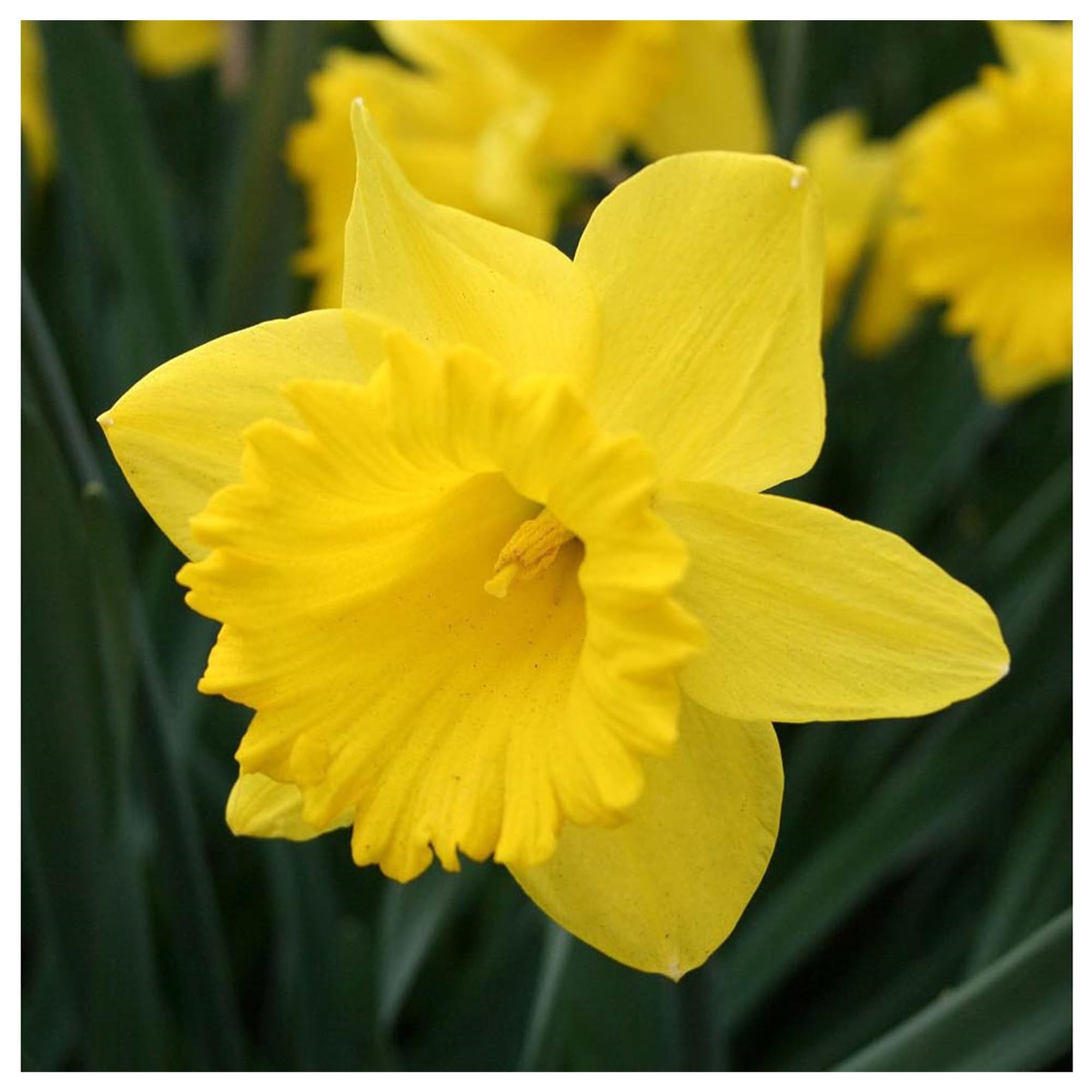
This daffodil pack wins on the one thing that matters most: dependable sprouting. The reviews pages are filled with the same triumphant scene — all 50 bulbs pushing through and flowering their first spring, with blooms that outlast the neighbors’ daffodils. Owners describe the bulbs as plump, healthy, and often already showing a new bulb forming on the side before planting, which signals strong stored energy for the show ahead.
At a 2.5x count gap over the 20-bulb crocus packs elsewhere on this list, this 50-pack is built for mass planting — the kind of bold border display you get from clustering 5–10 bulbs per square foot. It reaches 16–22 inches tall with a 4–6 inch spread, giving real vertical presence as the garden wakes up. The yellow trumpet blooms are unappealing to deer and rodents, so suburban gardens with hungry visitors won’t lose the show to wildlife.
Planting fits the standard fall rhythm of September through November, before the ground freezes. The bulbs thrive in full sun to partial shade and well-drained soil, and they naturalize — meaning they return yearly and spread over time, multiplying your garden’s color for free in later springs.
What wins people over: the near-perfect sprouting stories dominate — owners repeatedly report every single one of the 50 coming up healthy and looking forward to re-ordering.
The honest fit-note: sprouting is the most-discussed topic and it splits; most see full success, but a minority report bulbs that didn’t grow, so results depend on your soil and timing.
Reach for this if: you want the highest-confidence, deer-proof, mass-planting daffodil for a bold first spring show.
Look elsewhere if: your planting window has already passed or your soil stays soggy rather than well-drained.
2. Willard & May Yellow Daffodil 50-Pack
A daffodil value bag whose owners mention every single bulb sprouting and blooming year one.
The defining trait reported across this 50-pack is speed and completeness: bulbs sprouted within two weeks of planting, and the review pages repeatedly describe 100% bloom rates with vibrant, healthy flowers in the first season. Compared to the Garden Elements pack above, both hold 50 bulbs and similar yellow trumpet character, but owners here emphasize the bulbs’ impressive size and the 10/12 cm grading that signals quality.
These daffodils grow to around 45cm tall on sturdy green stems, making them reliable for borders, beds, and containers. Planting guidance is refreshingly specific: sink bulbs 10cm deep and space them 10cm apart so the roots have room to stretch, which removes guesswork for first-time bulb planters. The recommended window runs September through December, giving a slightly later cutoff than some competitors.
The natural growing conditions suit sandy soil with little to no watering once established. One common scene in the reviews: bulbs survived being covered by funeral flowers and snow well into March, then still delivered a brilliant yellow display — a strong signal of winter hardiness in real gardens.
Why it earns the premium nod: the growth reports are the loudest voice in the data — owners praise sprouting, quality, and bloom performance more than any other topic.
The caveat to know: bulb survival gets mixed notes, with the occasional rotten bulb reported, so inspect your bag on arrival.
Best if: you want precise planting instructions and a daffodil that performs even through an unusually harsh late winter.
Think twice if: you need an explicit hardiness zone guarantee — the listing doesn’t state one.
3. KVITER Grape Hyacinth 30-Pack
The entry-level muscari that owners say arrives plump and ready to plant.
Grape hyacinths are the underrated workhorse of the fall bulb world — compact, deer and rodent resistant, and quick to establish. This 30-pack doubles the count of the Marde Ross offering below at a friendlier price tier, and it suits zones 4 through 8 with partial sun to shade. Owners describe bulbs arriving with just a hint of green at the top, already prepared to go into the ground.
The sprouting reports are genuinely encouraging: purchasers report seeing sprouts on every bulb planted within a week of potting, and one order of 30 reportedly arrived with 45 bulbs inside — a pleasant over-delivery. The violet-purple color and 8-inch mature height make these a tidy edging plant for borders and pathways. Sandy, well-drained soil is the recommended home.
That said, this is a budget-tier pick and the condition reports split wider than the pricier daffodils. The most-discussed topic is sprout quality, and the reviews include success stories alongside withered, dried-out arrivals that never came up. As a low-cost experiment in naturalizing spring color, the upside is real; just don’t stake your whole garden plan on a single bag.
What owners love: the healthy appearance and pretty violet color get the most positive mentions, with bulbs frequently ready to plant on arrival.
The budget reality: bulb condition is the recurring complaint — some shipments arrive withered, so order early enough to inspect and replant.
Choose this if: you want an inexpensive way to test grape hyacinths across a larger area.
skip it if: you need guaranteed germination from every single bulb in the bag.
4. Willard & May Mixed Tulip 35-Pack
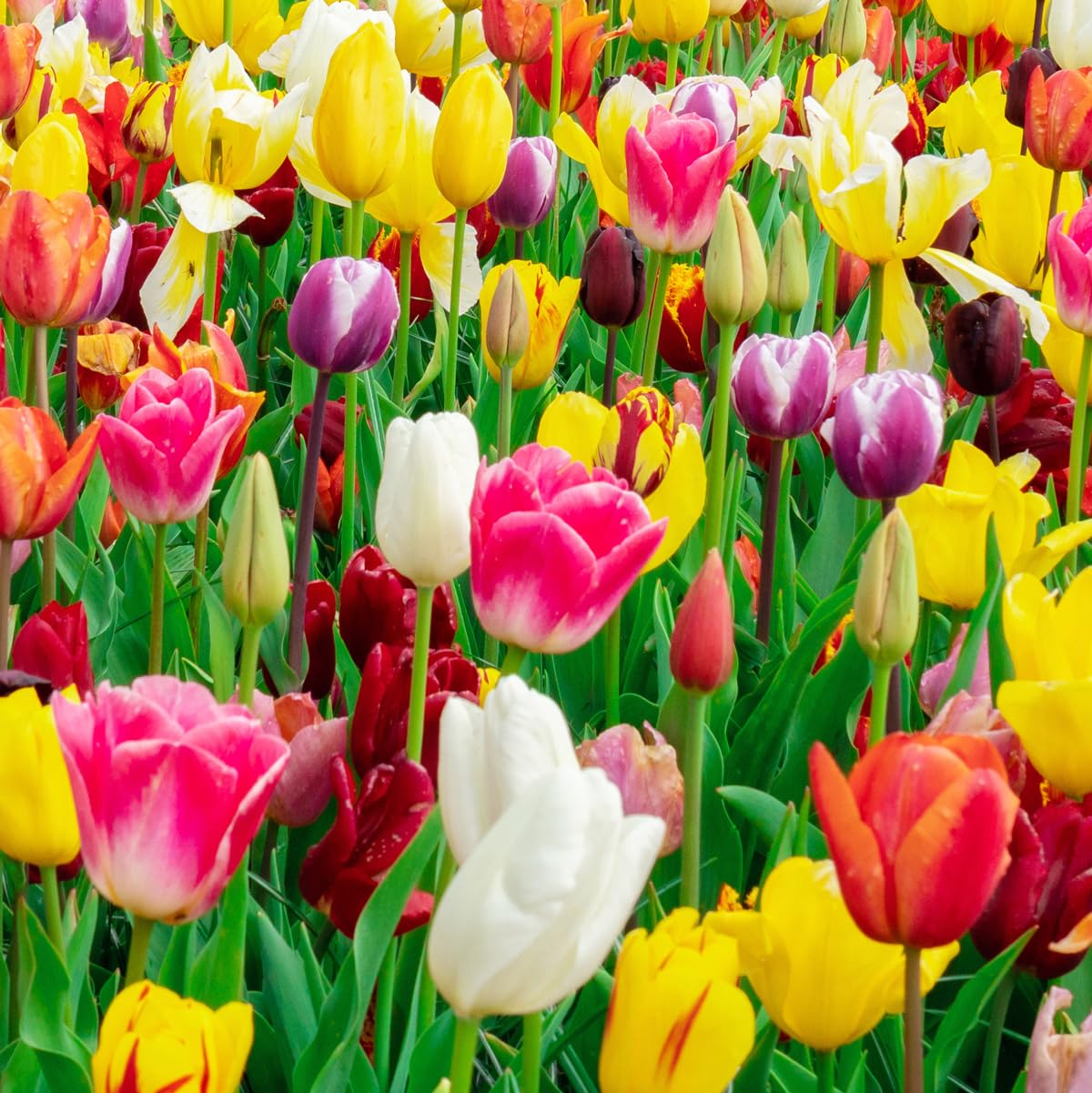
The mixed tulip pack owners say grows easily with surprising petal variety.
For gardeners who want a tulip assortment without ordering five separate bags, this 35-bulb mix fills a raised bed, large planter, or front border. Owners describe flowers that grew without much effort, with petal shapes ranging from curly to pointy to normal — a genuine variety show rather than a uniform row. The 11/12 cm bulb grading indicates substantial size for strong first-year performance.
Winter hardiness spans zones 3 through 8, and the recommended planting window is generous: September through December. The listing pitches deer resistance and easy maintenance, and owners note these encourage bees in spring while lasting well as cut flowers in vases. Partial sun suits them, and they need little to no watering once established. One owner’s key insight: planting in fall meant no mold worries on the bulbs.
The trade-off is honest: the most-discussed topic is growth, and it splits. While many report thriving color, others saw bulbs that never sprouted, and some received mostly red blooms despite expecting a rainbow. The color variety complaint is worth flagging — if you have a specific palette in mind, a mixed bag is a gamble on what you’ll actually receive.
Owners praise most: the appearance and value for money — beautiful, healthy-looking bulbs at a fair price for the count.
The fit-note: color variety is the sticking point; buyers hoping for balanced mix report getting mostly one color.
Grab this if: you want container-friendly tulips with visible petal variety and don’t mind the color lottery.
Pass if: you need a guaranteed color palette or expect a 100% sprout rate from tulips.
5. CZ Grain Striped Crocus 20-Pack

The first-flower-of-spring crocus that owners say bloomed even after winter submersion.
Crocuses are the earliest risers in the bulb world, often pushing through while snow still blankets the ground. This 20-pack thrives in zones 3 through 8 and suits partial shade, making it flexible for spots under deciduous trees that leaf out later. Owners describe the bulbs arriving fresh and ready to plant, looking exactly as pictured in the listing.
The standout success scene from the reviews: bulbs that bloomed their first spring despite being submerged through winter — a tough test that many crocus would fail. Owners also note the bulbs multiply over time, so leaving space between plantings lets them naturalize into a larger drift each year. Nutrient-rich soil is the recommended foundation for the healthiest start.
Here’s the honest catch: the most-discussed topic is bloom time and germination, and both get mixed reviews. Some buyers saw those early blooms, but others report none blooming in spring with many bulbs failing to germinate. Value for money is also split, with some calling the results disappointing. As an affordable early-color experiment, it’s worth a shot — just temper expectations on a perfect first-year show.
What customers note: healthy bulbs that look exactly as pictured are the consistent positives across the feedback.
The reality check: germination is the highest-discussed topic and it splits — early blooms for some, no-shows for others.
Try this if: you want the earliest possible spring color and accept some germination variability.
Skip if: you’re planting a large area where every bulb must perform.
6. Marde Ross Grape Hyacinth 15-Pack

A compact muscari from a California nursery known since 1985 for untreated bulbs.
This smaller 15-bulb pack from Marde Ross & Company carries a credential the others lack: a California nursery operating since 1985. The grape hyacinths produce dense, grape-like clusters of deep blue flowers with a soft, honey-like fragrance — a sensory payoff that compact 8-inch plants deliver at nose level along borders and pathways. The blooms read as pet friendly in the listing specs.
Storage matters here: the bulbs are kept in temperature-controlled refrigeration until shipping, which the maker says preserves peak freshness for reliable germination. Planting runs fall through spring in zones 3 through 9, with sun or part shade and well-drained soil, and regular watering keeps them happy through fall. Owners who planted roughly 40 bulbs report all growing faithfully back in spring, with gorgeous container blooms for those who potted them.
The honest downside: the most-discussed topic is germination, and it’s mixed at best. While some saw strong growth, others report no flowers at all, and the bulb condition reviews include several accounts of completely dried, dead, or moldy arrivals. The value-for-money verdict is also negative in places. For the fragrance and compact form, it’s a reasonable small-scale choice — just inspect bulbs on arrival and consider ordering early in the season.
Owners appreciate: the bulb appearance and quick growth — beautiful clusters once they establish.
The caveat: bulb condition is the recurring complaint, with some shipments arriving dried out or rotten.
Best for: container gardeners who want fragrant, pet-friendly blue clusters on a small scale.
Not ideal if: you need a large, guaranteed display — 15 bulbs is a starter quantity with variable germination.
7. Hirt’s Gardens Blue Moon Mix Crocus 20-Pack
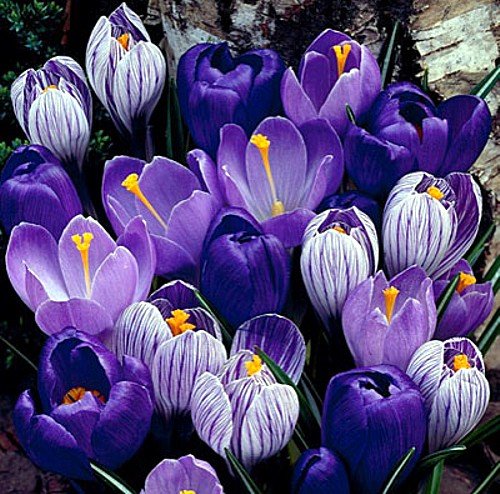
A blue-purple crocus mix for bedding that rewards patient gardeners in year two.
This crocus mix targets a specific color story: blues and purples for garden beds, borders, rock gardens, and containers. The 8–9cm bulb size is meant to support strong, healthy growth, and the variety is GMO-free and deer resistant with partial sun needs across zones 3 through 9. It’s positioned as low-maintenance for both beginners and experienced gardeners.
The most encouraging pattern in the reviews is a two-act story. Owners who planted in fall report no blooms the first spring, then abundant flowers the second spring — the classic naturalizing timeline. One owner in Atlanta planted late fall and saw all bulbs emerge in late February, noting that 3–4 per hole creates a pleasing cluster. Another reports literally every bulb planted in fall coming up the following spring with accurate coloring.
The honest picture is rougher than the daffodils above. The most-discussed topic by far is germination, and Amazon flags it negative — many reviewers point out bulbs that never grew, arrived moldy, or showed up wet and small. A recurring scene: seven of twenty bulbs unusable due to mold on arrival. Quality and value-for-money both skew negative in the feedback, so this is a budget-color gamble best suited to patient gardeners who don’t mind waiting a full extra season.
The patience play: owners who waited report beautiful second-spring blooms and accurate blue-purple coloring.
The risk: moldiness and failed germination dominate the most-discussed feedback — inspect every bulb on arrival.
Reach for this if: you’re planting a color-themed bed and can wait two seasons for the naturalizing payoff.
Avoid if: you need first-spring blooms or can’t risk receiving moldy bulbs.
8. CZ Grain Red Tulip 25-Pack

A single-color red tulip for mass plantings that delivers a true, bold bloom.
Sometimes you want one loud color, not a pastel mix. This 25-bulb red tulip pack is built for that — mass planting in beds or containers with full sun and moderate watering. Owners describe the bulbs as healthy and good quality, with one key success scene standing out: a bold red bloom that held up even through a late freeze, planted alongside white tulips for contrast.
The fall planting rhythm applies here: get the bulbs in the ground before winter so they establish roots, then wait for the early spring color pop. The listing emphasizes fresh, healthy bulbs backed by a satisfaction guarantee, and recommends nutrient-rich soil for the healthiest start. For a dedicated red display, the color payoff is exactly what the packaging promises.
The honest trade-off is the germination rate, which the feedback flags as concerning. The most-discussed topic is germination and it skews negative, with multiple owners reporting very low sprout rates, including a worst-case scene of none coming up at all. Quality and bulb health earn positive mentions, but the reliability gap between the healthy arrivals and the failed plantings is wide. This is a single-color statement piece — beautiful when it works, frustrating when it doesn’t.
Owners praise: the quality and bulb health — healthy specimens that deliver a true, bold red.
The flag: germination is the most-discussed concern, with several reports of very low sprout rates.
Choose this if: you’re committing to a dedicated red tulip bed and can accept some variability.
Think twice if: a high sprout rate matters more than the perfect single-color match.
9. Touch Of ECO 100-Bulb Pollinator Mix
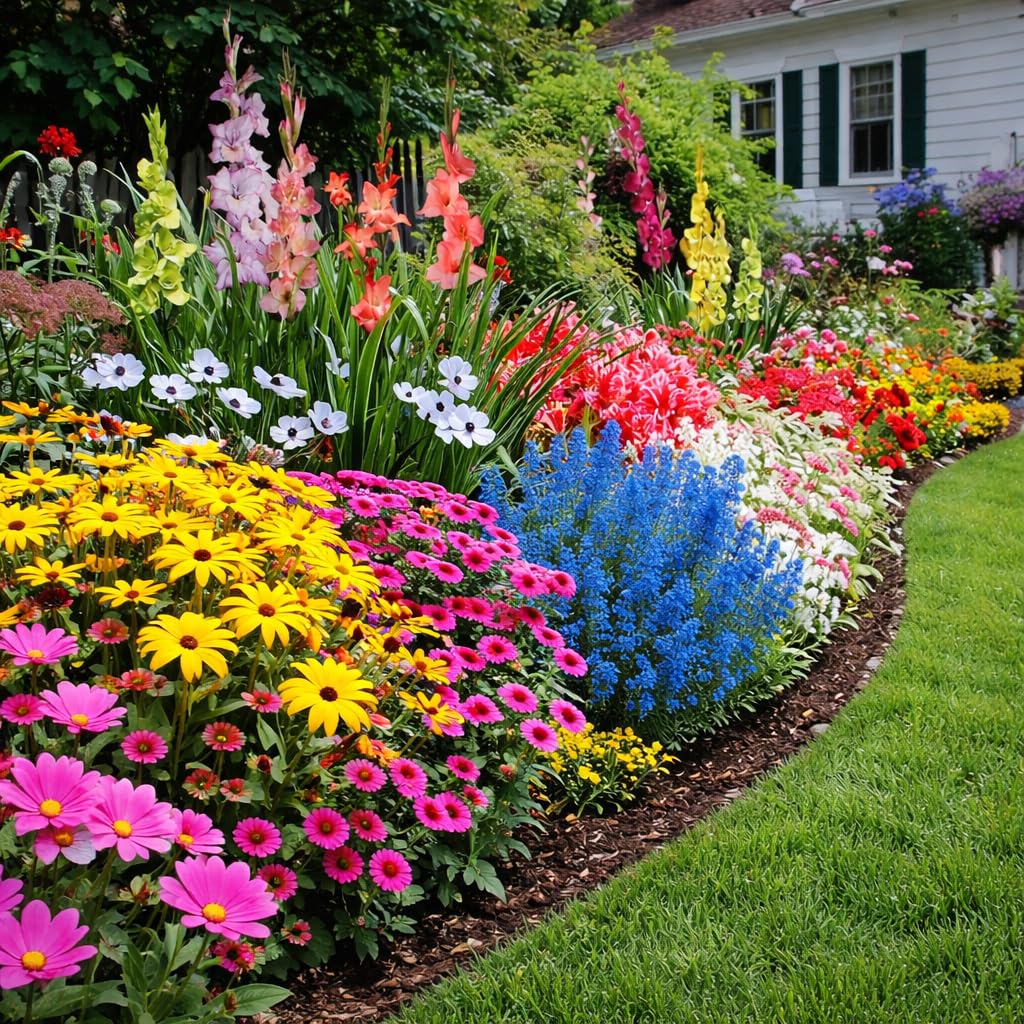
A four-variety, 100-bulb collection promising spring-through-summer pollinator color.
This is the most ambitious play on the list: 100 hand-selected bulbs across four varieties — 30 Anemone Blanda, 20 Gladiolus Mixed, 20 Allium Moly, and 30 Ixia Mixed — engineered for a succession of blooms from spring all the way through summer. The concept is genuinely appealing for pollinator gardens: delicate white and lavender anemones first, then towering gladiolus, golden allium, and pink-purple ixia as the season warms.
For buyers who hit the jackpot, the payoff is real. Owners who purchased three times report their yard now filled with beautiful blooms, and others describe most bulbs pushing through with enthusiasm. The 12-inch expected height and low-maintenance perennial nature mean these come back stronger each year and multiply — the kind of one-time investment that keeps giving.
The counterweight is heavy, though. The most-discussed topic is germination, flagged negative, with many buyers reporting none of the bulbs grew after planting. Quality is also flagged negative, with descriptions of small, moldy, old bulbs that shriveled up. One owner received only 3 of the 4 promised varieties. The vision is beautiful; the execution apparently varies widely by shipment. For the sheer bulb count, it’s a tempting value — but it’s the riskiest gamble on this list.
When it works: owners describe yards filled with beautiful, multiplying blooms across the season.
The gamble: germination and quality are the most-discussed negatives — many report no growth and shriveled bulbs.
Best for: adventurous gardeners who want maximum variety and accept that some bulbs may not perform.
Not for: anyone who needs dependable germination — the daffodil picks above are far safer bets.
Understanding the Specs
Bulb Size and Count
Bigger bulbs hold more stored energy, which usually means stronger first-year blooms. Size is often graded in centimeters — an 11/12 cm tulip or a 10/12 cm daffodil is a substantial bulb, while an 8/9 cm crocus is naturally smaller. Count matters for coverage: a 50-bulb daffodil bag fills a border, while 15 to 20 bulbs suit a container or small bed. More bulbs multiplies the visual impact but also multiplies your exposure if germination disappoints.
Hardiness Zone and Bloom Period
Every bulb pack lists a USDA hardiness zone range, and your garden must fall inside it for the bulb to survive winter. Daffodils typically span zones 3 through 8, crocus similar, while some grape hyacinths stretch to zone 9. Bloom period tells you when the payoff arrives: crocus bloom very early spring, daffodils early to mid-spring, and mixed collections can extend through summer. Match the bloom window to the season you actually want color.
FAQ
What happens if I plant bulbs too late in fall?
Will daffodils and tulips both come back every year?
How deep should I plant fall bulbs?
Do I need to water bulbs after planting in fall?
Are crocus bulbs really the first flowers of spring?
Which fall bulbs resist deer and rodents?
How many bulbs should I plant together for visual impact?
What should I do if my bulbs arrive moldy or shriveled?
Can I plant fall bulbs in containers?
What does naturalizing mean for fall bulbs?
Final Thoughts: The Verdict
If you want the safest bet for dependable spring color, the bulbs to plant in fall winner is the Garden Elements Dutch Master Daffodil 50-Pack — its near-universal sprouting reports and deer resistance make it the crowd favorite. If precise planting guidance and a sturdy stem matter more, grab the Willard & May Yellow Daffodil 50-Pack. And for a compact, budget-friendly spread of violet-blue color, the KVITER Grape Hyacinth 30-Pack is the one to reach for.
How We Picked
We do not accept paid placement. Every pick is matched to a real buyer and a real use-case; we do not hands-on test units.
Sources & Methodology
Specifications: manufacturer listings and product documentation. Review insights: verified customer reviews, as of September 2026. Pricing: not shown on this page (it changes often); check the current price via the retailer link.
As an Amazon Associate, Gadgets Feed earns from qualifying purchases. This does not affect which products we feature.