
Our readers keep the lights on and my morning glass full of iced black tea. As an Amazon Associate, I earn from qualifying purchases.
Specs are compiled from manufacturer listings and verified buyer reviews and can change over time — please confirm the key details on the product page before buying.
The quickest way to turn a quiet yard into a bird magnet isn’t a feeder — it’s a bush that offers real food and shelter. The right shrubs give birds berries to eat, branches to hide in, and a reason to stick around all season. This guide breaks down the best bushes for birds by what they actually deliver: fruit, bloom time, and how easy they are to keep alive.
I’m Min — the founder and writer behind Gadgets Feed. This guide is built by comparing the manufacturers’ published specifications and the patterns across verified customer reviews, so you get each pick’s real strengths and trade-offs instead of marketing spin.
You want bushes that feed and shelter backyard birds through every season, if you need one standout shrub or an entire wildlife border. These bushes for birds are picked for exactly that job.
Our Picks at a Glance

How To Choose The Best Bushes For Birds
Birds need three things from a shrub: food, shelter, and a safe place to nest. The best bird-friendly bushes deliver at least two of those, and the top picks deliver all three. Here’s what to weigh before you order.
Berries Are the Main Draw
A bush that fruits heavily is a bush that birds will visit daily. Look for shrubs that produce small berries in clusters — these are the easiest for birds to pluck and the most visible to them. Some bushes hold their fruit into winter, which is a lifesaver for birds when insects are scarce. Mature size matters here: a tall beautyberry or blueberry bush gives birds a feeding spot that feels safe from ground predators.
Bloom Time Sets the Schedule
Flowers attract the insects that feed young birds in spring, while berries feed adults and migrating flocks later on. A bush that blooms in spring and fruits by late summer gives you a full season of bird activity. If you want color and birds together, pick a shrub with showy blooms — like the pink flowers of a beautyberry or the red flame of an azalea — that pulls in pollinators early.
Know Your Zone Before You Buy
Every shrub has a hardiness zone range, and planting outside it means a struggle. Check the zone numbers in each listing and match them to your area before ordering. Also consider sunlight: most of these shrubs want full sun to fruit well, though a few tolerate partial shade. A bush that gets the right light and zone will reward you with more berries — and more birds.
Quick Comparison
| Model | Best For | Mature Height | Plant Count | Hardiness Zones | Amazon |
|---|---|---|---|---|---|
| Patriot Highbush Blueberry★ Best Overall | Edible fruit | 4-5 ft | 1 | 3-8 | Amazon |
| Early Amethyst BeautyberryPremium Pick | Winter berry display | 5-6 ft | 1 | 5-8 | Amazon |
| Lynwood Gold ForsythiaTop Performer | Early spring bloom | 2 ft (shipped) | 1 | 5-9 | Amazon |
| Autumn Bonfire Encore Azalea | Reblooming color | 3 feet | 1 | — | Amazon |
| Spicebush | Native wildlife value | 4-5 ft | 1 | 4-9 | Amazon |
| Goji Berry Bush | Long harvest | 8-10 ft | 1 | 4-9 | Amazon |
| Bottlebrush Red Cluster | Hummingbird attraction | — | 1 | — | Amazon |
| Mulberry Dwarf Everbearing | Fast fruit production | 6-10 ft | 4 | 5-10 | Amazon |
| American Beautyberry | Budget-friendly trio | — | 3 | — | Amazon |
In-Depth Reviews
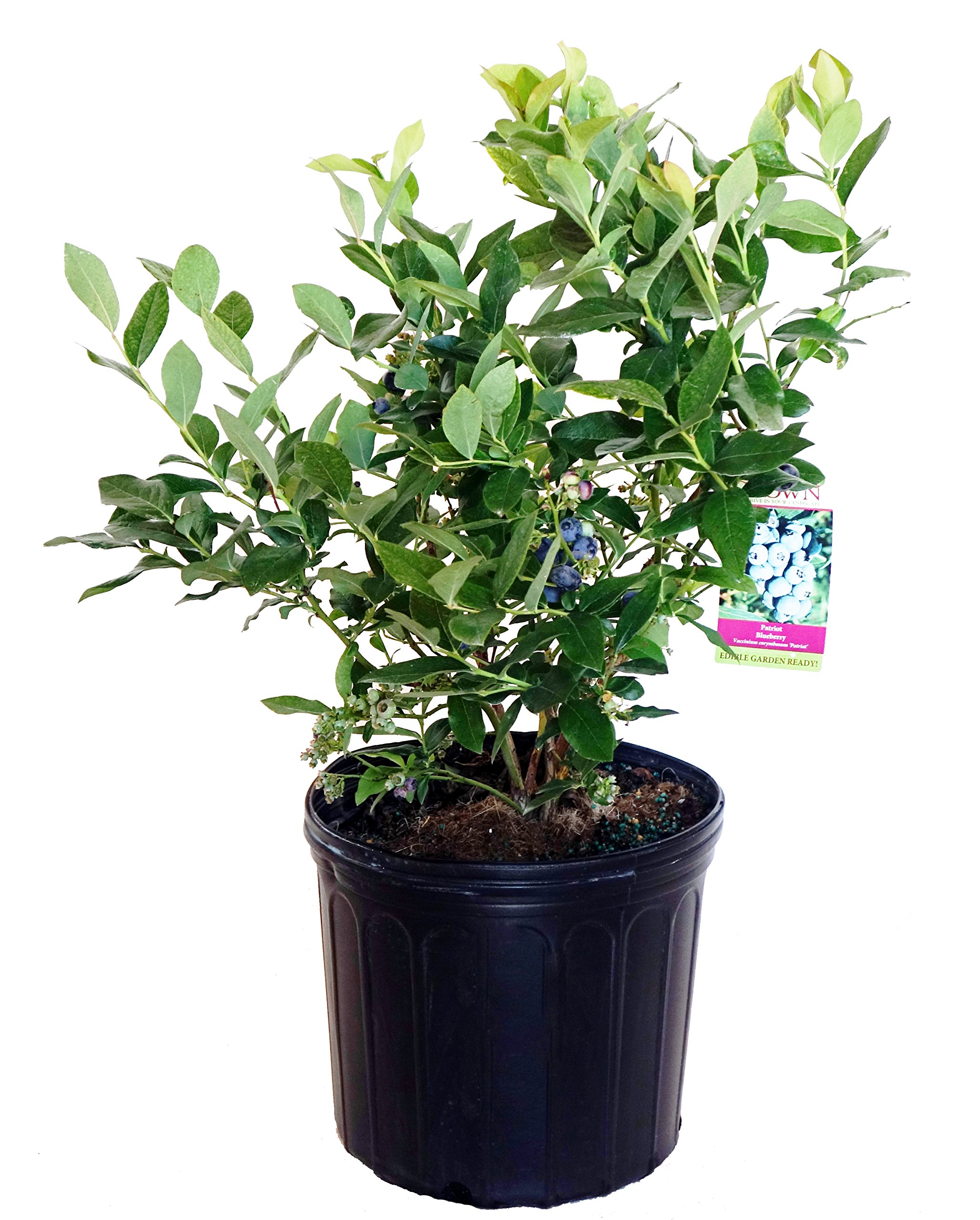
1. Vaccinium corymbosum ‘Patriot’ (HighBush Blueberry) Edible-Shrub
Our pick — over 4.5★ from 100+ verified ratings; the strongest balance of quality and price.
The edible blueberry bush that feeds your family and the birds in one planting.
This ‘Patriot’ Highbush Blueberry gives you the rare double win: berries you can harvest and berries birds will gladly take. It arrives fully rooted in soil and ready to plant immediately, with instructions included. The bush matures to 4-5 feet tall with a matching 4-5 foot spread, so it works as a standalone specimen or a loose hedge.
In spring, pink and white flowers open before the fruit sets — that’s the bloom that draws in the pollinators birds depend on. It grows well in full sun, and the plant naturally goes dormant (losing leaves) from late fall through winter, which is normal and not a sign of trouble. Buyers report the box is well designed for shipping with no damage to the plant, and they note strong growth and bloom production right after arrival.
The thing that wins people over is the overall quality — owners consistently mention the bush looks healthy, full of blooms, and even produces fat berries in its first year. This is one of the few bird-friendly bushes where you get real food for yourself while still supporting the local bird population. If you want a productive, attractive shrub that pulls double duty, this is the one.
What Owners Love
- Produces edible blueberries birds will also eat
- Arrives fully rooted and ready to plant
- Pink and white spring blooms attract pollinators
Keep in Mind
- Mature size needs room — allow 4-5 feet of space
- Goes dormant in winter, so bare branches are normal
Reach for this if: you want a bird-friendly bush that also gives you a real berry harvest each summer.
Look elsewhere if: your yard has no spot for full sun — this one needs it to fruit well.
2. Callicarpa dich. ‘Early Amethyst’ (Beautyberry) Shrub
A beautyberry that tops garden center quality and holds its purple berries into winter.
This ‘Early Amethyst’ Beautyberry is the standout premium choice for birds, and the reviews back it up. It arrives fully rooted in soil, ready to plant right away, and grows to a mature height of 5-6 feet with an even wider 6-7 foot spread. New foliage comes out bronze in spring, matures to deep green, and sets small soft pink flowers in June.
By August, the berries turn an electric purple that birds find irresistible — and they hold on the bush well into the cold months, giving birds a food source when most other plants are bare. It grows in full or partial sun across zones 5-8. The quality and health are the most-praised features here, with owners describing large, flourishing plants that arrived with no leaf damage and even flowers already on them.
This bush beats the more budget-friendly American Beautyberry on consistency — owners repeatedly note healthy, full plants that exceed expectations, with one calling it their best online purchase. The trade-off is that you get one plant for roughly the price of three budget beautyberries, but the reliability and winter berry display make it worth it for serious bird gardeners.
Why It’s Worth It
- Electric purple berries that persist into winter
- Large, healthy plants with excellent packaging
- Thrives in partial shade — flexible on light
The Trade-Off
- Single plant — you’ll want to buy more for a hedge
- Premium price for the size and reliability
Best for: bird lovers who want a reliable, showy berry bush that feeds birds into winter.
Think twice if: you’re planting a whole border on a budget — the triple pack below goes further.
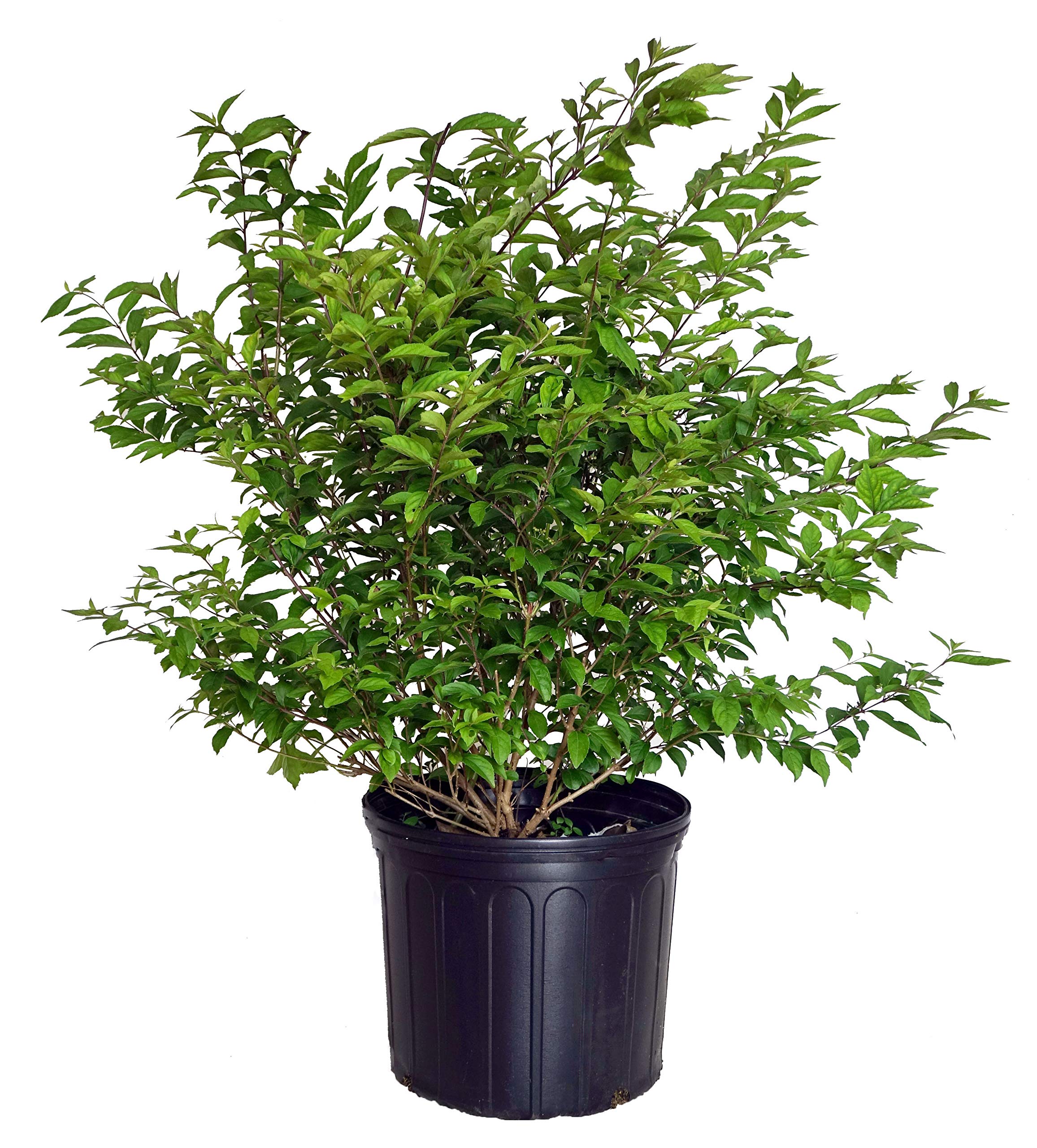
3. Lynwood Gold Forsythia Bush
The early-spring yellow bloom that wakes your yard up before anything else.
Forsythia is the classic sign that spring has truly arrived, and this Lynwood Gold delivers that burst of yellow reliably. It ships at 2 feet tall in a gallon pot, double boxed for safe transport, and is ready to plant straight into the ground. It thrives in zones 5 through 9 with full to part sun.
The plant quality is the most-praised feature here — owners call it sturdy, well wrapped, and timely in arrival. One long-term owner notes it has grown every year and survived long, cold winters, which is exactly what you want from a bird-shelter shrub. The trade-off is that forsythia takes about ten years to reach full growth, so patience is required.
For birds, the value is in the dense branching structure that offers excellent nesting cover, plus the early flowers that attract the first insects of spring. It’s a shelter-first shrub rather than a berry producer. If you want cover and early color rather than fruit, this is a solid mid-range choice — though the “flimsy” reaction from one buyer suggests you should plant it promptly and give it time to establish.
What Wins Owners Over
- Hardy — survives long, cold winters
- Dense growth provides excellent bird shelter
- Early spring blooms attract first insects
Be Patient
- Takes about ten years to reach full size
- Some units arrive smaller than expected
Grab it if: you need a cold-hardy shelter shrub with a spectacular early bloom.
skip it if: you want berries — forsythia doesn’t produce fruit birds eat.
4. American Beautyberry | 3 Live Plants
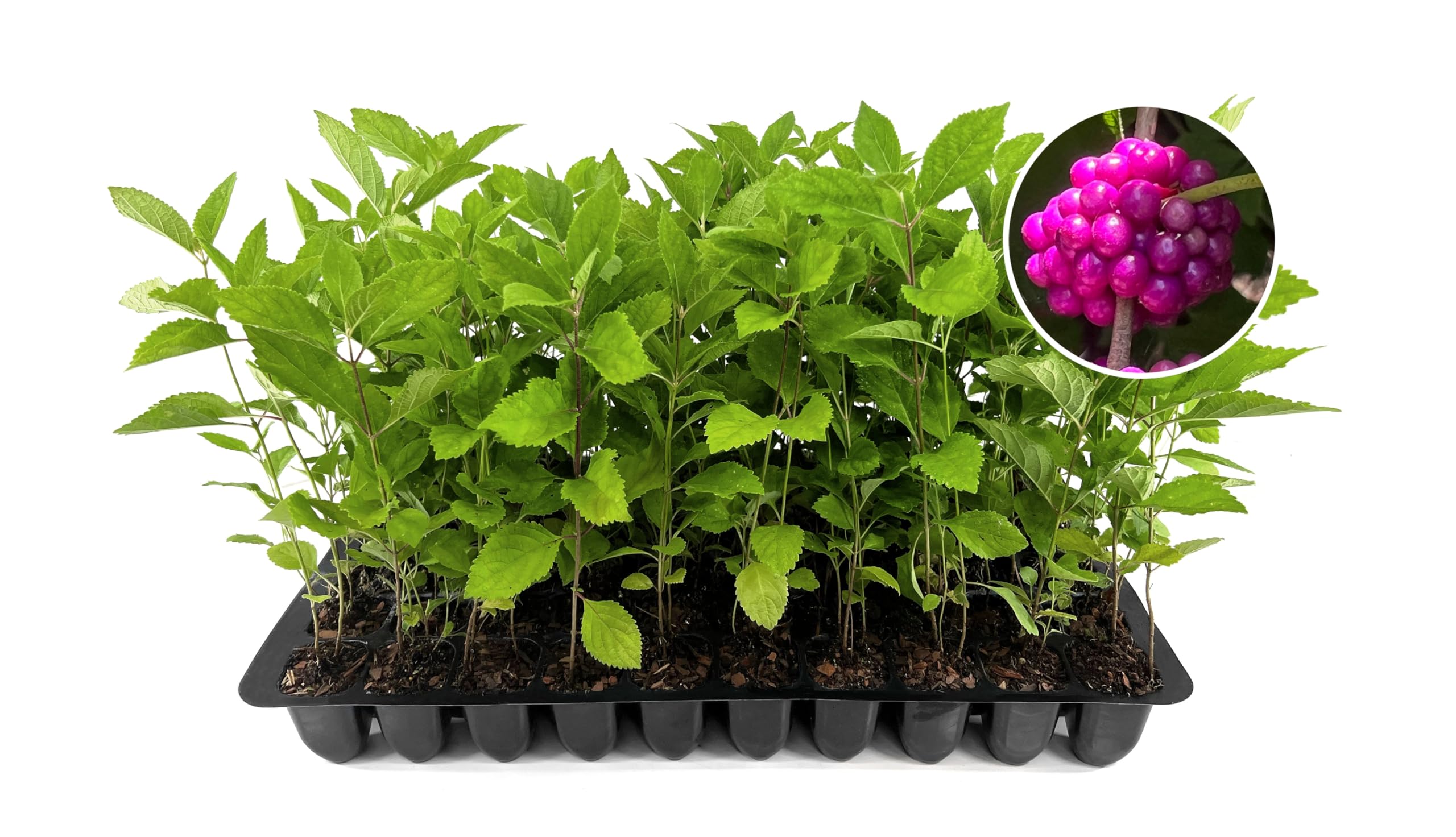
Three drought-tolerant beautyberries that bring vibrant purple and birds to any garden.
This American Beautyberry trio is the budget-friendly way to build a bird-friendly patch fast. You get three live plants known for attracting birds with vibrant purple berries, and the shrub is famously low-maintenance, thriving in various soil types. Its arching branches give a graceful look, with striking fall coloration for seasonal interest.
Owners mention mixed experiences with the plants’ early growth, which is the honest trade-off at this price point. Some say the plants arrived in perfect condition and grew a full 2 inches within a week of transplanting, while others received spindly or bug-infested plants. The quality and germination are the two aspects owners mention most, and both carry mixed reviews — so your experience can vary.
Where this trio shines is value: three plants for about the price of one premium beautyberry means you can fill a border without a big spend. It’s a versatile addition to wildlife gardens, supporting biodiversity by providing food and shelter. If you’re willing to accept some variance in arrival condition, the upside is a fast, affordable start to a bird-friendly landscape.
The Upside
- Three plants — great value for filling space
- Drought-tolerant and low-maintenance
- Vibrant purple berries attract birds
The Catch
- Arrival condition varies — some arrive spindly or infested
- Growth rate is inconsistent between buyers
Choose this if: you’re on a budget and want multiple plants to establish a bird-friendly area quickly.
Pass on it if: you need guaranteed healthy arrivals — the premium beautyberry is more consistent.
5. Greenwood Nursery Spicebush (Lindera Benzoin)
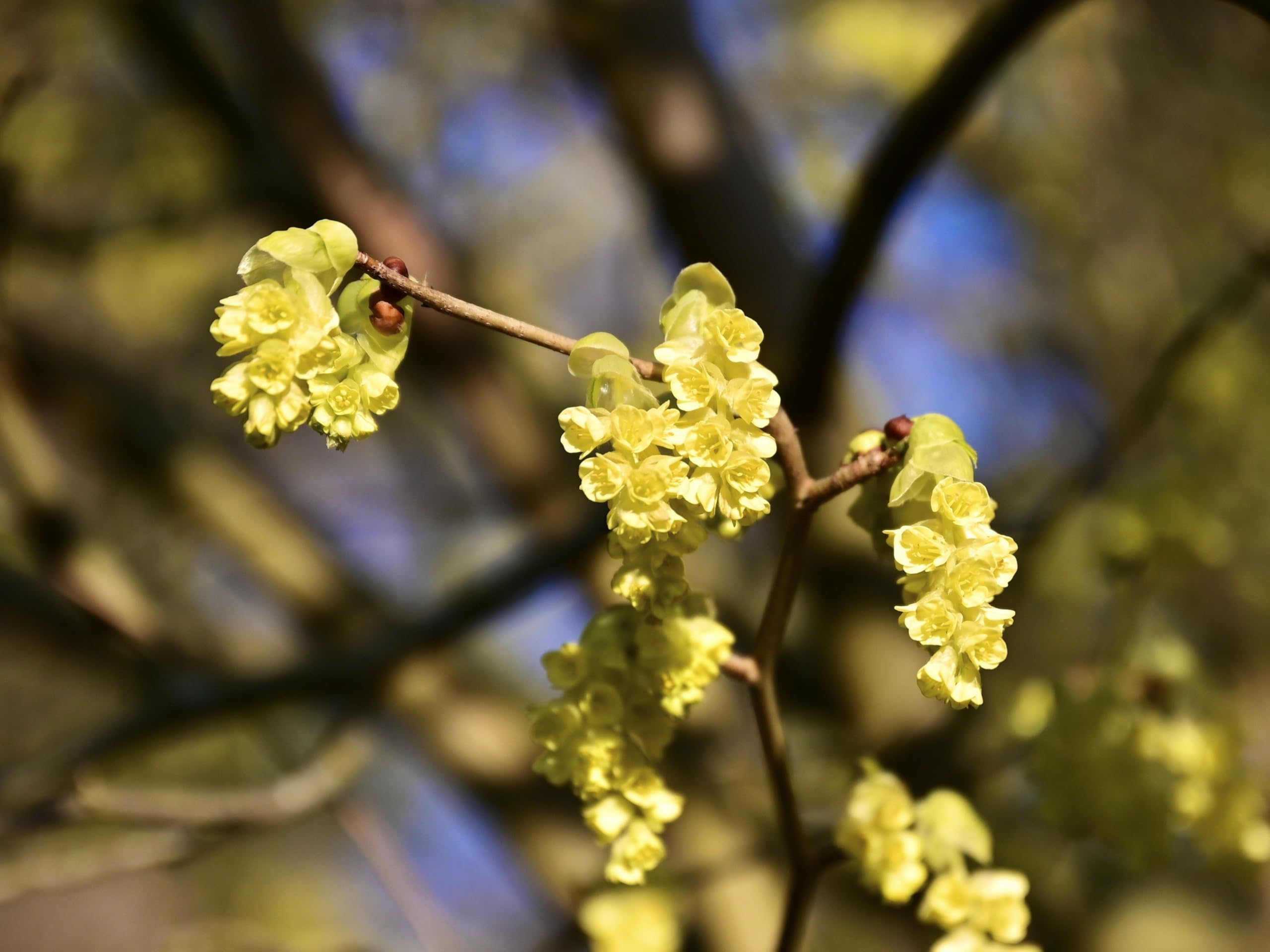
The native shrub that feeds spicebush swallowtail caterpillars and birds alike.
Spicebush is a wildlife powerhouse disguised as a quiet shrub. This broad, rounded, multi-stemmed bush is covered with fragrant yellow-green flowers in early spring, opening before the leaves emerge. It’s excellent for butterfly gardens because it provides food for caterpillars — especially the Spicebush Swallowtail Butterfly — and its aromatic light green leaves turn deep yellow-gold in fall.
For birds, the payoff is the shiny red berries called drupes that form on female plants. American Robin, Northern Bobwhite, Gray Catbird, Eastern Kingbird, and Great Crested Flycatcher all feed on them. The manufacturer recommends planting in groups of 3 to 5 plants, or as a hedge about 3 feet apart. It’s a fast-growing deciduous shrub for zones 4 through 9.
Customers note the plants arrive small — as expected in a pint container — but high quality, with one noting it doubled in size within a week in full sun. The health and quality are consistently praised, though some owners say a plant died quickly despite proper care. It ships bare root with roots coated in hydrating gel, and Greenwood backs it with a 14-day guarantee.
Why It’s Special
- Host plant for spicebush swallowtail butterflies
- Red berries feed robins, catbirds, and bobwhite
- Fast-growing with fragrant spring blooms
Good to Know
- Arrives small in a pint container
- Occasional plant dies despite proper care
Plant this if: you want maximum native wildlife value — butterflies and birds in one shrub.
Not for you if: you expect a large plant on arrival; these start small and grow fast.
6. Perfect Plants Goji Berry Bush

A high-yield goji berry bush that feeds birds through summer and fall.
This Goji Berry Bush from Perfect Plants is a hardy, high-yield producer once established, giving you bushels of versatile berries you can eat fresh or dried. It’s hardy in zones 4-9 and produces fruit from mid-summer through fall, especially with regular pruning. The cultivated mature size reaches eight feet tall and twelve feet wide, making it a substantial bird-feeding station.
The health and quality are the most-praised features — owners describe mature, healthy plants arriving in excellent condition, some reporting harvested berries within a few months of planting. It can be used in vegetable, herb, fruit, or flower gardens, or as an informal hedge thanks to its prolific purple flowers. Note it cannot ship to CA, HI, or AZ due to agricultural restrictions.
For birds, the appeal is the long fruiting window that extends into fall, providing food when other bushes have finished. The main caveat is that some reviewers point out the size is smaller than expected upon arrival, though it grows vigorously once in the ground. This is a Florida-grown, family nursery bush that rewards patience with years of berry production.
Owners Love
- Healthy, mature plants on arrival
- Fruits from mid-summer through fall
- Versatile — works as hedge or garden plant
Consider
- Cannot ship to CA, HI, or AZ
- Some arrive smaller than expected
Best for: gardeners who want a long harvest window and don’t mind waiting for full size.
Look elsewhere if: you’re outside the shipping areas — CA, HI, and AZ are excluded.
7. Bottlebrush Red Cluster (Callistemon)
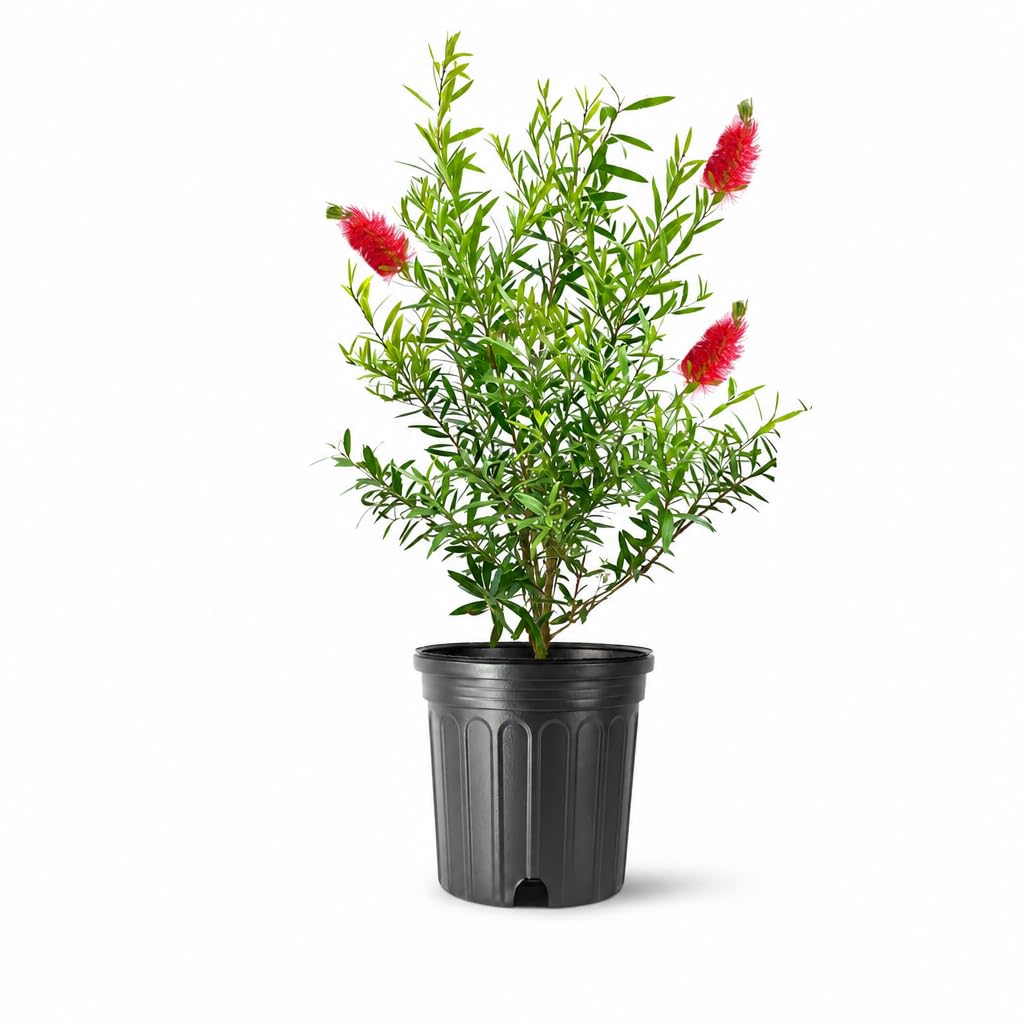
A drought-tolerant evergreen with red blooms that hummingbirds can’t resist.
If your goal is hummingbirds, this Bottlebrush Red Cluster is your best bet. The vibrant red blooms are a magnet for hummingbirds and butterflies, bringing lively movement to any garden. Callistemon Rigidus is hardy and adaptable, thriving in various soil types including clay, and this low-maintenance shrub works as a hedge, border plant, or focal point.
It’s an evergreen with a year-round presence, and the expected blooming period spans spring through summer. Shoppers say plants arriving healthy with new buds and growth, with one noting their bottlebrush reached 6 feet tall after a couple of years — even surviving hurricane damage and bouncing back with healthy green leaves.
Be honest about the gamble: many buyers report healthy plants, but some say theirs arrived nearly dead or smaller than the photos suggest. Growth is the most-mentioned issue, and it is mixed. When you get a good one, though, the hummingbird traffic it draws beats every other pick here. Choose it if you garden in a warm climate and want a low-water evergreen that pulls in pollinators; pass on it if you need a guaranteed, vigorous plant on arrival.
The Payoff
- Vibrant red blooms attract hummingbirds
- Evergreen foliage for year-round structure
- Drought tolerant once established
The Risk
- Arrival condition varies — some arrive dead
- Sometimes smaller than the listing photos suggest
Reach for this if: you garden in a warm climate and want hummingbirds, not just seed-eaters.
Pass if: you need guaranteed arrival quality — the berry shrubs above are more consistent.
8. Perfect Plants Autumn Bonfire Encore Azalea
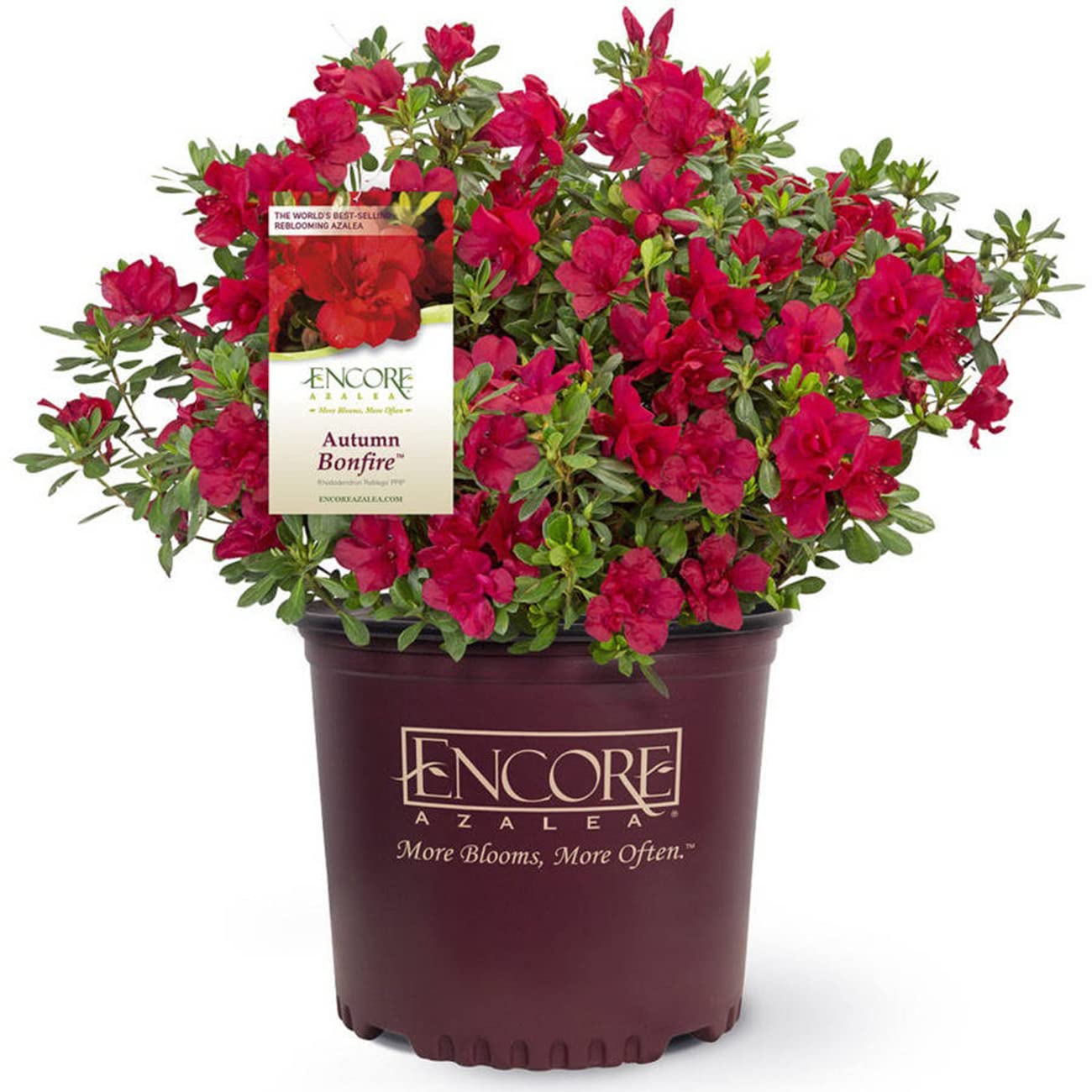
A compact reblooming azalea that keeps birds and butterflies visiting all season.
This Autumn Bonfire Encore Azalea stands out for one simple reason: it reblooms. Unlike most azaleas that flower once, this variety keeps producing its beautiful red blooms year after year, extending the pollinator attraction. It reaches about 3 feet tall, making it a compact dwarf that works as a small hedge or tree-line decoration.
This is an evergreen shrub with glossy leaves that last year-round, and its sweet scent attracts lots of pollinators. Butterfly and bird populations love these flame-colored mock roses, as the manufacturer puts it. It arrives as an outdoor-ready shrub in a 3-gallon container, ready to plant in a pot or garden bed, and prefers full sun to partial shade — without enough sun it won’t bloom as fully.
The health and appearance are the most-praised qualities, with owners describing healthy plants that arrived in perfect condition, some already in bloom. This is a smaller shrub than the berries producers, so it’s better for tighter spaces or as an accent. The delicious trade-off here is that azaleas don’t produce bird food — they offer nectar and shelter. For birds, think of this as the pollinator attractor that supports the insect food chain.
Standout Qualities
- Reblooms year after year
- Glossy evergreen leaves all year
- Sweet scent attracts pollinators
Keep in Mind
- Compact 3-foot size — not a tall screen
- No berries — it’s a nectar and shelter plant
Choose this if: you want a manageable, reblooming shrub that brings pollinators and birds to a small space.
Not for berry-seeking birds: this feeds the insect food chain instead of offering fruit.
9. Mulberry Dwarf Everbearing Plant (4 Pack)

Four compact mulberry plants that pump out sweet berries birds and gardeners share.
This 4-pack of Dwarf Everbearing Mulberries is the budget champion for sheer quantity. You get four compact plants that reach a mature height of 6-10 feet, ideal for small gardens and container planting. They’re self-pollinating, so you don’t need a second tree for fruit production, and they thrive in USDA hardiness zones 5-10 with minimal maintenance.
The plants produce sweet, blackberry-like mulberries from late spring through summer — a long fruiting window that birds will find quickly. The plant quality is the most-praised aspect, with owners calling them healthy, well-rooted, and very green. One buyer reports significant growth of 8 inches with leafy stem development, while another saw ground-planted trees exceed 8 feet and start fruiting within a year.
At the budget end, expect some variance: a few owners say their plants died within two weeks, and the plants do arrive small — often 6-8 inches. But the value of four plants for this price means you can afford some losses. The berries are nutrient-rich, packed with vitamins, antioxidants, and fiber, so you and the birds both win. Just follow the care instructions: soak the pots in 1 inch of water for 30 minutes and gradually introduce them to full sun.
Why It’s a Bargain
- Four plants — best value for filling space
- Self-pollinating — no second tree needed
- Fruits from late spring through summer
Set Expectations
- Arrives small — 6-8 inches tall
- Some plants may not survive the transition
Grab this if: you want maximum plants for minimum spend and are willing to nurture small starts.
it’s not for you if: you want instant mature shrubs — these need time to establish and grow.
Understanding the Specs
Hardiness Zones
Every shrub lists a zone range, like 3-8 or 5-9, which tells you the climates where it will survive winter. Match the zone to your area before ordering. A bush planted outside its zone will struggle or die, no matter how well you care for it. The blueberry and beautyberry picks cover zones 3-8 and 5-8, while the goji and spicebush stretch across the broader 4-9 range.
Mature Size and Spread
The height and width a bush reaches at full growth determines where it fits. A compact azalea at 3 feet suits small borders, while a goji at eight feet tall and twelve feet wide needs serious room. Check the mature spread (how wide it gets) as much as the height — a beautyberry that spreads 6-7 feet will crowd a narrow bed. Always give each shrub the space its mature size demands.
FAQ
Which bush attracts the most birds?
Will these bushes survive my cold winter?
How many bushes should I plant for birds?
Can I plant these bushes in containers?
Do these bushes need full sun or shade?
Are these bushes safe to plant near pets?
What is the difference between the two beautyberries?
How long until these bushes produce berries?
Final Thoughts: The Verdict
The bushes for birds winner is the Patriot Highbush Blueberry because it delivers the rare combination of edible fruit for you, reliable berries for birds, and consistent plant quality. If you want a winter berry display that feeds birds when food is scarce, grab the Early Amethyst Beautyberry. And for hummingbird lovers in warm climates, the Bottlebrush Red Cluster is the one to reach for. Whichever you choose, planting in groups multiplies the bird traffic in your yard. The blueberry’s crowd-pleasing reliability — backed by strong owner feedback across hundreds of gardens — makes it the safest first purchase to build your bird-friendly landscape around.
How We Picked
We do not accept paid placement. Every pick is matched to a real buyer and a real use-case; we do not hands-on test units.
Sources & Methodology
Specifications: manufacturer listings and product documentation. Review insights: verified customer reviews, as of August 2026. Pricing: not shown on this page (it changes often); check the current price via the retailer link.
As an Amazon Associate, Gadgets Feed earns from qualifying purchases. This does not affect which products we feature.