
Our readers keep the lights on and my morning glass full of iced black tea. As an Amazon Associate, I earn from qualifying purchases.
Specs are compiled from manufacturer listings and verified buyer reviews and can change over time — please confirm the key details on the product page before buying.
If your feeder keeps going untouched, the problem usually isn’t the sugar water — it’s the garden around it. Hummingbirds pick a yard by its flowers, and the right flowering shrub turns a quiet patio into a daily traffic lane. The picks below are all nectar-rich, hummingbird-targeted plants, sorted by what actually matters: whether they survive shipping, how fast they bloom, and how much of the season they stay in flower.
I’m Min — the founder and writer behind Gadgets Feed. This guide is built by comparing the manufacturers’ published specifications and the patterns across verified customer reviews, so you get each pick’s real strengths and trade-offs instead of marketing spin.
Live plants are the rare purchase where the box matters as much as the bloom, and the picks below were chosen with that in mind. Every shrub here is a genuine hummingbird plant, and this roundup of the bushes for hummingbirds weighs shipping survival, bloom season, and zone fit so you plant once and get it right.
Our Picks at a Glance

How To Choose The Best Bushes For Hummingbirds
Hummingbirds feed on the wing, so they choose flowers they can hover at without landing — and they return to whatever shrub keeps producing nectar day after day. Your job is to pick a plant that survives the trip to your door, suits your climate, and blooms for as long as possible. Here is what actually separates the winners.
Flower shape and color drive the visits
Tubular blossoms — the long, trumpet-shaped kind — hold nectar where a hovering bird can reach it without perching. Red, orange, and deep purple blooms stand out to hummingbird eyes, which is why scarlet firebush, bottlebrush, and butterfly bush all pull birds in. A flat daisy-style bloom may look pretty but rarely draws a hummingbird.
Zone fit decides whether it comes back next year
Your USDA hardiness zone (a number tied to the coldest winter temperature your area sees) tells you whether a shrub survives winter where you live. A shrub rated for zones 5 to 10 comes back every year across most of the country, while a tropical plant rated for zones 9 to 11 may need to be treated as a tender annual (a plant that dies with the first frost) or moved indoors in colder regions. Check the zone range on every pick before you commit it to the ground.
Bloom period sets how many months you get visitors
Some shrubs finish in a single spring flush; others, like lantana and bottlebrush, keep producing into fall. If you want continuous hummingbird traffic, mix an early bloomer with a long-season one so something is always open. A plant that blooms from spring to fall earns its space far more than a two-week wonder.
Quick Comparison
| Model | Best For | Bloom Period | Hardiness Zone | Plant Count | Amazon |
|---|---|---|---|---|---|
| 2 Gal. Pugster Amethyst Buddleia Shrub★ Best Overall | Container patios in cool zones | Spring to summer | 5–10 | 2 pieces | Amazon |
| Clovers Garden Lantana CamaraBest Value | Balconies and small gardens | Season-long color | All US zones (tender annual in zone 9 and colder) | 1 count (two plants) | Amazon |
| Buddleia Black KnightDrought Champion | Drought-tolerant sunny borders | Summer | — | 3 plants | Amazon |
| Scarlet Firebush | Southern and coastal gardens | Spring to fall | 8B–11 | 1 plant | Amazon |
| Dwarf Red Powder Puff | Warm-climate patio focal points | Spring to fall | 9–11 | 1 plant | Amazon |
| Bottlebrush Red Cluster | Year-round structure and bird traffic | All year, spring, summer | — | 1 plant | Amazon |
| Greenwood Nursery Agastache Blue Fortune | Fragrant borders in cool zones | Summer | 5–9 | 3 plants | Amazon |
| Perfect Plants Nanho Blue Butterfly Bush | Fast screening with honey scent | Summer | 3 | 1 plant | Amazon |
| Little John Dwarf Bottlebrush | Value packs and privacy hedges | Spring, summer | — | 10 plants | Amazon |
In‑Depth Reviews
1. 2 Gal. Pugster Amethyst Buddleia Shrub
Our pick — over 4★ from 400+ verified ratings; the strongest balance of quality and price.
A dwarf butterfly bush that shows up full and stays patio-sized
If you garden in a colder state and still want real hummingbird traffic, this is the pick to start with. Pugster Amethyst is a dwarf buddleia that tops out around 24 inches tall, so it fits a deck, a pot, or the front edge of a border without crowding anything else. It ships as a 2-gallon plant, and that larger root ball is exactly why it tends to arrive looking full rather than like a stick in dirt.
The zone range is the headline: USDA zones 5 through 10 cover the large majority of the country, so most buyers can treat this as a returning perennial instead of a one-season annual. It wants full sun and moderate watering — twice a week until it settles in, then once a week. Purple blooms run spring to summer, and it’s deciduous, meaning it drops its leaves in winter and comes back in spring. The plant also ships dormant if you order between mid-fall and mid-spring, which looks alarming but is normal.
What wins people over is how full the box arrives — the bloom count is the most-praised trait in the reviews, and the size beats expectations often enough that it’s the first thing owners notice. Here’s the honest catch: buddleias can be leggy and vary in color, so a plant listed as amethyst may bloom pale pink or near-white, and the dark-brown-leaf stage during shipping is common. Soak the root ball on arrival and give it a week before you judge it. Compare that to the Black Knight below, which ships three plants but at 5 pounds total versus this one at 8.8 pounds — you can feel the difference in how much plant you’re getting.
Where it earns its keep
- 24-inch height keeps it manageable in a pot or small border
- Zones 5 to 10 covers most of the country as a returning perennial
- 2-gallon size means a fuller plant from the start
- Purple blooms across spring and summer pull both butterflies and hummingbirds
What to have ready
- Color can lean pale pink instead of deep amethyst
- Ships dormant in cold months, which looks rough but is normal
- Deciduous, so it goes bare every winter
Best if you want: a compact, cold-hardy shrub that returns every spring with minimal fuss.
Think twice if: you need the exact purple on the label — order in warm months so you see the true bloom color.
2. Clovers Garden Lantana Camara Flowers
Two potted lantanas built for balconies, bright sun, and nonstop color
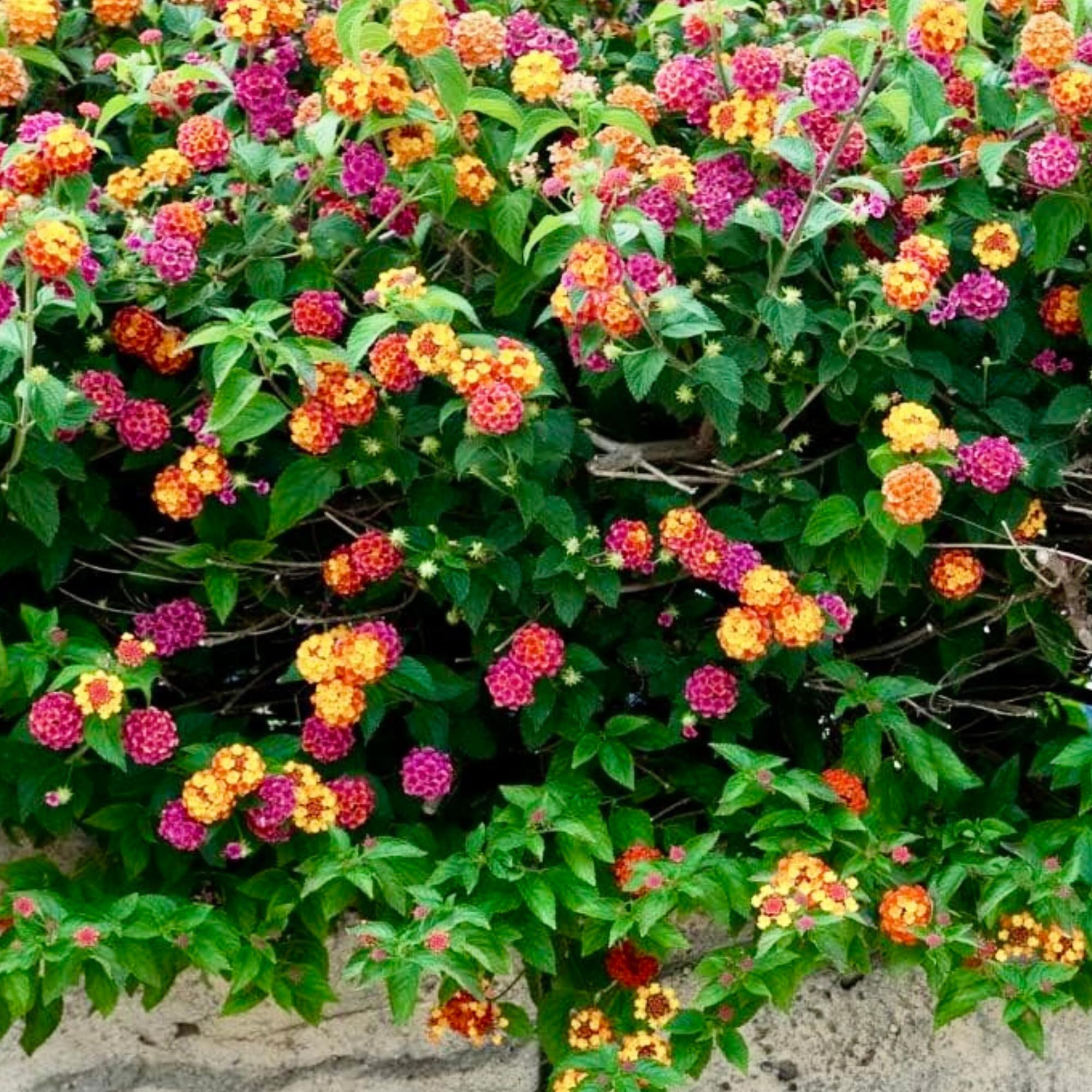
If you garden on a balcony or patio, start here. You get two live lantana plants, each 4 to 8 inches tall in its own 4-inch pot, and the listing claims 10x root development versus standard starts, which is why these tend to take off fast once they hit warm soil. They’re grown in the Midwest and rated to plant in any US zone — just treat them as a tender annual in zone 9 and colder, so in a cold climate you’re buying a season of color, not a permanent shrub.
Lantana is among the most reliable long-season hummingbird and butterfly plants you can put in a container, and the assorted-color blooms keep coming from spring into fall. Full sun and regular watering keep it going. Buyers report the packaging is a standout — an eco-friendly, 100% recyclable box with a copyrighted Quick Start Planting Guide inside — and it arrives with the soil still intact. The look of the plants is the most-noted strength by a clear margin, with healthiness and active growth right behind it.
The trade-off to plan for: lantana shipped in cool weather can wilt and look rough for the first week, and the plants should be hardened off before a full day of direct sun. Some owners mention the flowers arrive smaller than expected or don’t match the advertised colors — that’s the nature of assorted-color lantana. Follow the guide, keep the soil moist but not soaked, and the plants usually settle in fast. Compared to the Black Knight below, you’re getting 2 potted plants instead of 3 bareroot ones, which is the trade you’re making at this tier.
Who it fits: anyone in a warm zone with a sunny balcony, railing, or small patio who wants hummingbird traffic within a few weeks. The lantana’s nectar-heavy blooms and container-friendly size make it a near-instant option — no waiting for a shrub to size up.
Where it asks more of you: cold-climate growers need to accept the annual cycle. If you’re in zone 9 or colder, plan to replace it next spring or bring the pot somewhere frost-free.
Reach for this if: you want quick, low-cost color on a balcony or patio.
Look elsewhere if: you need a permanent shrub that comes back on its own in a cold winter.
3. Buddleia Black Knight
Deep purple blooms on a shrub that shrugs off dry spells
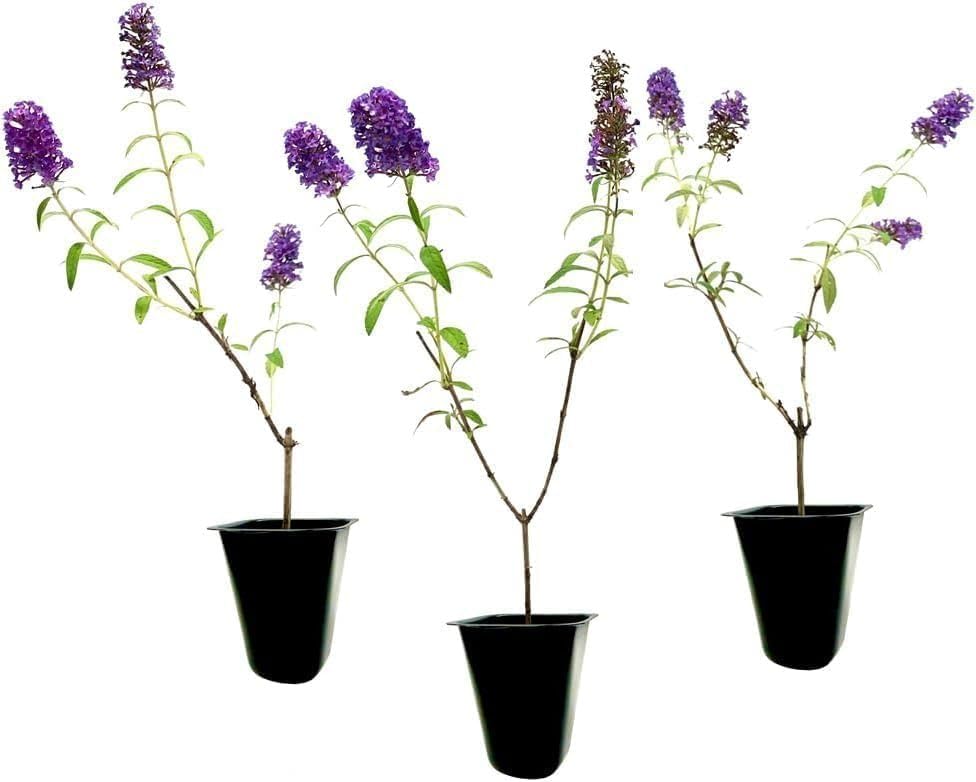
If you want to skip the hose, look here first. Black Knight is a drought-tolerant butterfly bush that thrives in a range of soil types once it’s established, so it’s a reasonable choice for the sunny corner where nothing else survives. You get three live plants in the box, and the total shipping weight comes in at 5 pounds — noticeably lighter than the 8.8-pound Pugster, which tells you these arrive as smaller, younger starts rather than full 2-gallon plants.
The blooms are the draw: deep purple flowers that stand out against any green border and pull butterflies, bees, and hummingbirds. This is a full-sun shrub, and Black Knight is known for producing its most vivid flowers where it gets the most light. It’s deciduous (it drops its leaves in winter) and slow to establish, so the first few weeks matter — a number of buyers soak the plants for about half an hour on arrival and then let them recover overnight before going in the ground, and that routine tends to work.
The honest note here is that these are young plants. Dozens of reviews group around the health of the foliage, and the mixed verdict is almost always about maturity, not type: buyers who expected an immediately plantable shrub were disappointed, while buyers who treated them as small starts and gave them a season were happy. The appearance trait is what’s praised most, mostly for the healthy green color on arrival. If you want the deep black-purple flower and can wait a season for the shrub to size up, this is a solid, drought-tolerant pick.
Reasons to pick it
- Drought tolerant once established, so it’s forgiving on watering
- Deep purple blooms stand out against green borders
- Three plants per order gives you room to hedge
- Reports of plants recovering fully after a quick soak on arrival
Reasons to hesitate
- Plants ship young and need patience before they size up
- Slower to root than older, larger plants
- Buyers expecting a mature shrub ready to plant will be disappointed
Best fit: patient gardeners in dry, sunny spots who want a deep-purple pollinator shrub and don’t mind a slow first season.
Skip if: you need a plant that looks like a finished shrub the day it arrives.
4. Scarlet Firebush – Hamelia Patens

The longest bloom window on this list, in the tubiest possible flower
If you garden in the South and want hummingbirds from late spring to fall, stop here. Scarlet Firebush is Hamelia patens, a Florida-native semi-tropical shrub that produces red-orange tubular flowers packed with nectar — exactly the shape a hovering bird feeds from without landing. It arrives as a single live plant, 8 to 10 inches tall in a 4-inch pot, and its reported growth rate is the standout: one Florida buyer reported 2 feet of growth in the plant’s first summer.
This shrub is rated for zones 8B, 9, 10, and 11, and it will not survive unprotected winters much colder than that. In 8B and 9A it typically goes fully dormant in winter and resprouts in spring. It wants full sun and fertile, well-draining soil, with moderate watering — overwatering is the main way to hurt it. The one quirk worth knowing upfront: as summer ends, the leaves develop dark speckles and drop by midwinter. That’s the plant’s normal dormant cycle, not a disease. Growth is the most-praised trait in the reviews, with active blooming right behind it.
The trade-off for the long bloom season is a small starter plant. Some buyers describe the arriving plant as tiny, and there’s disagreement about size among reviewers — it depends heavily on the season and where it was grown. What works: keep it in its pot in the spot you plan to plant it for a week or two, then put it in the ground once it settles. The plant will size up fast the first summer, and the nectar-rich flowers will bring the hummingbirds you bought it for.
Why the bloom season matters: a plant that runs from late spring through fall keeps nectar available far longer than a single-flush bloomer, and the firebush’s scarlet tubular flowers are built for hummingbird feeding. It’s the strongest cool-season performer of the tropical picks here.
The size reality: plants arrive small, so the first summer is about growth, not display. Plan to water consistently and let it establish before you judge the shape.
Reach for this if: you garden in zones 8B through 11 and want the longest hummingbird season you can get.
Look elsewhere if: your winters dip below that zone range — this one needs a frost-free climate.
5. Dwarf Red Powder Puff – Calliandra haematocephala
Scarlet puffball blooms with foliage that folds up at night
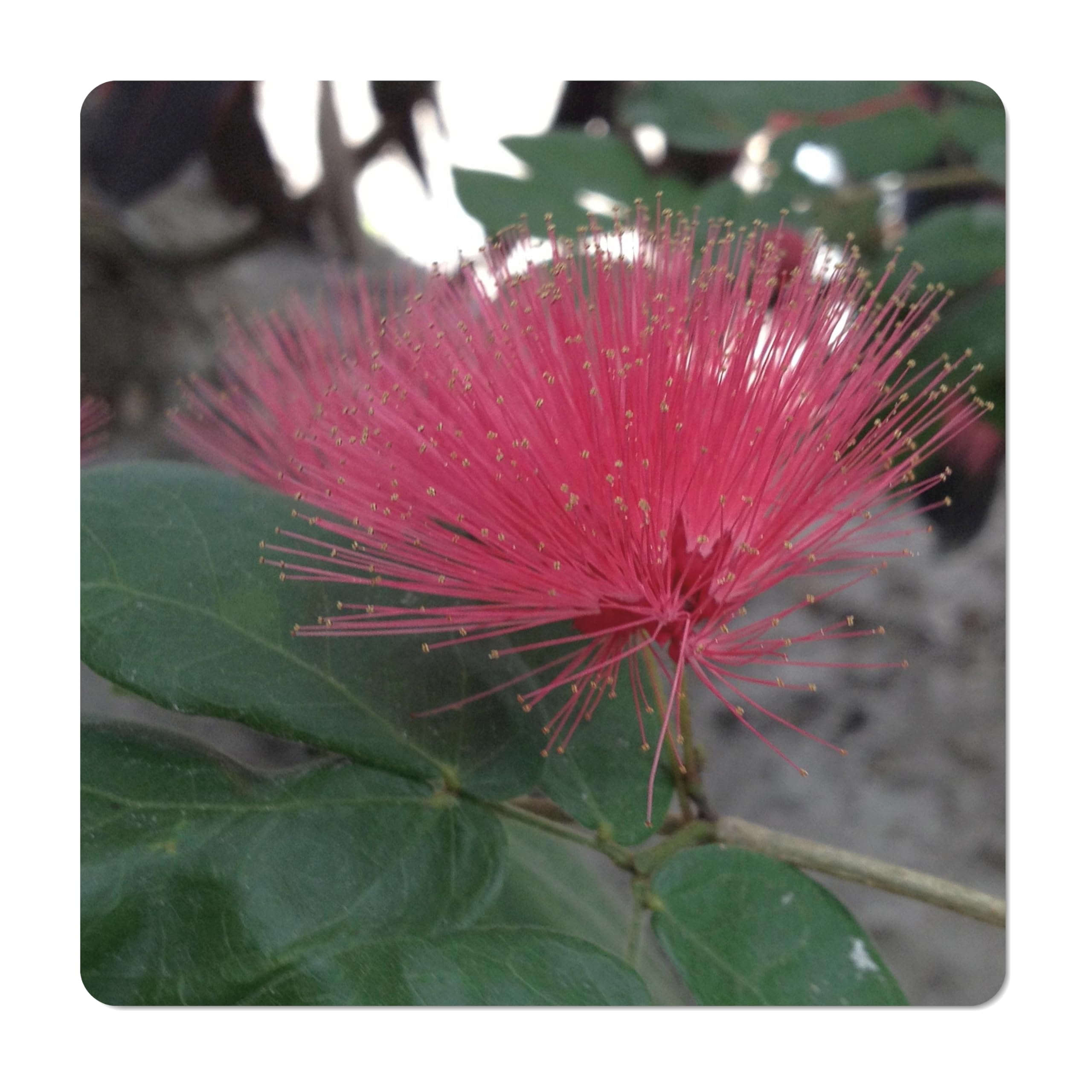
If you want the garden piece nobody else on the block has, this is it. Dwarf Red Powder Puff is Calliandra haematocephala, a semi-tropical shrub that grows into a full, bushy plant about 4 to 5 feet tall if you leave it unpruned. The flowers are the standout: scarlet red puffball-shaped blooms that start as clustered buds and last a long time on the plant. They pull butterflies and hummingbirds, and the pinnate leaves — the ones with the small oval leaflets along a central stem — fold together like praying hands at night.
It’s rated for zones 9, 10, and 11, and this is a warm-climate plant, full stop. Full sun with supplemental watering until it’s established keeps it going, and a slow-release bloom booster in spring helps the flowering. Prune for shape after the blooms fade, but leave seed pods alone if you want birds visiting them later. Blooming is the most-praised positive trait here — customers note the plant constantly throwing new buds and flowers, with growth right behind it. Multiple buyers in warm states describe it putting on new growth within weeks of arrival, including full sun in southwest Texas without any sign of stress.
The catch is this plant is not for cool zones — below zone 9 you’re looking at a container plant you move indoors for winter, and even then it needs high humidity and a real day-night temperature swing to flower reliably indoors. Ordering in cool weather can also arrive slow to bloom. But for a warm-climate garden, this is among the most hummingbird-friendly shrubs on the list, and one of the few that gives you something visually distinctive to enjoy between visits.
Standout spec: the scarlet puffball bloom is a long-lasting hummingbird flower — the sort of blossom that keeps producing across the whole season, not a two-week flash. Expected height of 5 feet makes it a real shrub, not just a plant.
Planting note: this needs zone 9 or higher to survive year-round in the ground. In colder areas, plan on a container and a winter move indoors.
Ideal for: warm-climate gardeners who want a plant that’s as striking as it is bird-friendly.
Not for: cool-zone in-ground planting — this is a 9-to-11 zone shrub that won’t overwinter in cold climates.
6. Bottlebrush Red Cluster
A trade-gallon bottlebrush that keeps its leaves all year
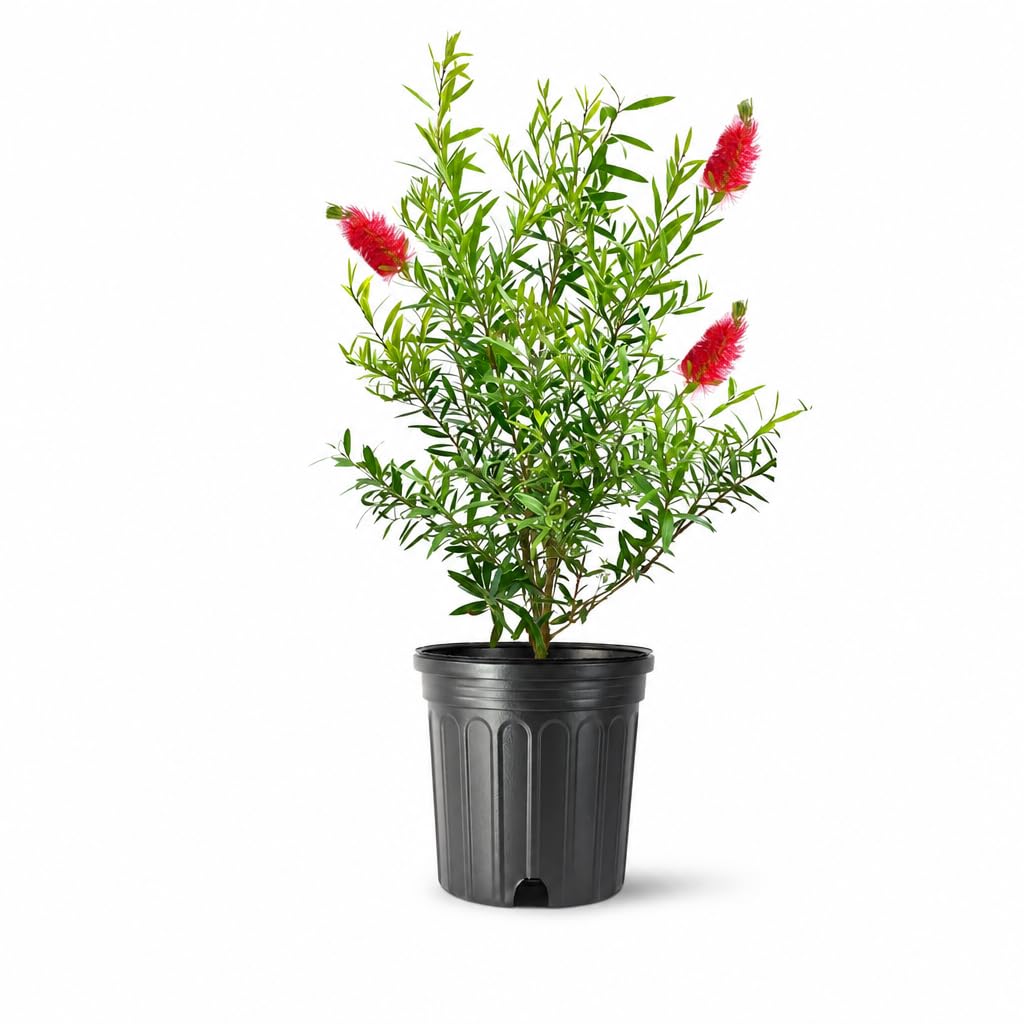
Callistemon Rigidus brings something none of the deciduous picks above do: evergreen foliage, so it earns its space even in the cold months. You get one large trade-gallon plant, and the listed bloom period is unusually long — all year, spring, and summer, so it flowers across a much longer window than a standard buddleia. Vibrant red bottlebrush-shaped blooms pull hummingbirds and butterflies, and the shrub is versatile enough to work as a hedge, a border plant, or a single focal point.
It’s a full-sun, low-maintenance shrub with moderate watering needs, and it handles clay soil, which is the trickier type for most flowering shrubs. The plant quality is praised most in the reviews, with growth right behind — one buyer reports fresh growth coming out of all the branch tips shortly after planting. The plant itself tends to ship well, with one reviewer specifically noting that it arrived with a well-developed root system and was stabilized in the box with a foam base to prevent crushing. A leading branch was trimmed on arrival but the plant replaced it easily.
Two real notes. First, there are no care instructions in the box, so plan on doing a short bit of homework before planting — or lean on the how-to section above. Second, the size can vary quite a bit: some buyers receive a plant that matches the listed trade-gallon size, and a few report a much smaller container than pictured. The overall health after arrival also draws mixed feedback, which is fairly common for any shipped shrub but worth knowing. If you’re fine with a small amount of planting research, this evergreen bloomer is a strong performer for a year-round look.
What makes it worth the space
- Evergreen, so it never goes fully bare
- Listed bloom period runs across all year, spring, and summer
- Handles clay soil, which trips up many flowering shrubs
- Reports of strong root development right from the start
What to watch for
- No care instructions included, so a little homework is needed
- Container size can arrive smaller than expected for some buyers
- Health on arrival draws mixed feedback, common with shipped shrubs
Worth bringing home if: you want an evergreen structure plant that also delivers red blooms and hummingbird visits.
Plan carefully if: you expect a full set of planting instructions in the box — you’ll want to look those up yourself.
7. Greenwood Nursery Agastache Blue Fortune
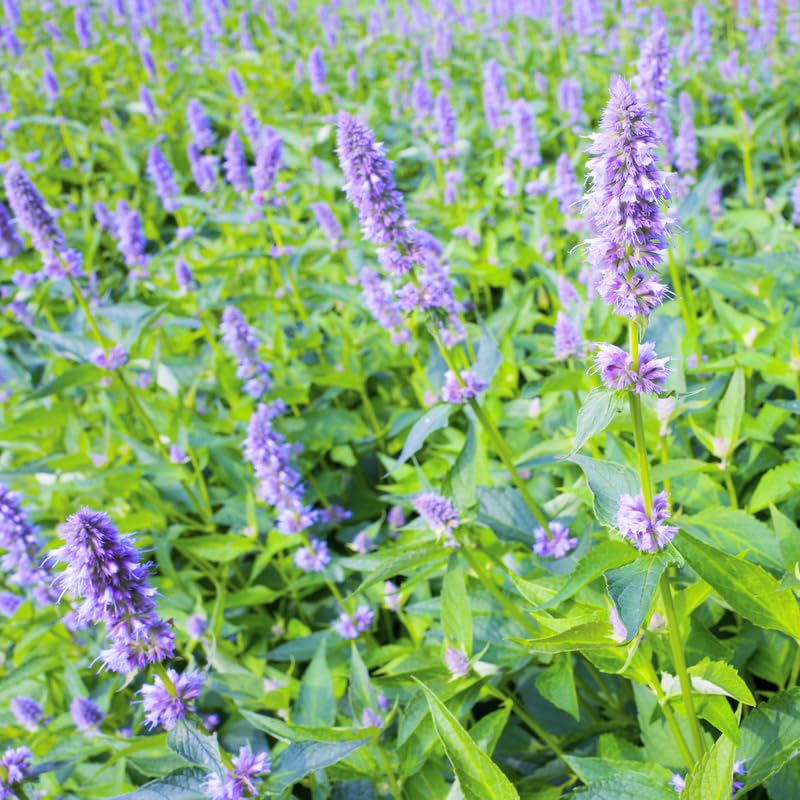
Hummingbird mint that perfumes the whole patio when you brush past it
Plant this one near a chair you actually sit in. Agastache Blue Fortune goes by hummingbird mint for a reason — the purple-blue flowers are showy from about July to September and draw bees, butterflies, and hummingbirds, and the foliage throws a peppermint-lemon scent whenever you crush a leaf or brush past the plant. You get three pint-pot plants, and the mature height reaches about 18 inches, so this is a front-of-border or container-friendly perennial rather than a tall backdrop.
The zone range is one of the widest here: USDA 5 through 9, with full sun to partial sun. It’s deciduous (it drops its leaves in winter) and fast-growing, and it wants well-drained, sandy soil with little to no watering once established — this one is genuinely drought-tolerant after its first season. Bloom season is summer, with blue flowers on the purple side. The quality of the plants is the most-praised trait by a wide margin, with appearance and healthiness right behind, and the shipping prep is a big part of why: bare-root bundles (plants shipped without soil around the roots) arrive with roots coated in hydrating gel and wrapped in moist paper inside a fitted corrugated box. Potted plants ship sleeved in craft paper to hold the soil in place.
Real talk on the size: pint pots are small, and the reviews split on whether the plants arrive larger than expected or noticeably undersized. If you want an instant shrub, look at one of the gallon-size picks instead. If you’re fine waiting a season for these to fill in, this is the most fragrant, most reliably perennial pollinator plant in this group. Greenwood backs every order with a 14-day guarantee from delivery.
The scent is the reason: peppermint-lemon foliage turns a pollinator planting into a patio feature. That’s a functional reason to place this next to seating, not just an aesthetic one.
The size caveat: pint pots are small. Reviewers point out both larger-than-expected and undersized arrivals, so plan for one season of growth before judging.
Pick this if: you want a fragrant, cold-hardy, drought-tolerant perennial for a sunny border or patio edge.
skip it if: you need a full-size shrub in the ground the same day it arrives.
8. Perfect Plants Nanho Blue Butterfly Bush, 3 Gallon

A 3-gallon butterfly bush with honey-scented lavender blooms
For fast screening on a sunny property line, this is the biggest plant you’ll get in this lineup. Nanho Blue ships as a full 3-gallon bush and is advertised to grow to 3 to 5 feet tall, potentially reaching that height within two growing seasons. The light purple conical flower heads carry a sweet honey-like fragrance and draw butterflies, bees, and hummingbirds in quantity. It’s rated to USDA zone 3 — the coldest rating on this entire list, so this is the plant to consider if you’re in a genuinely cold state and still want a large butterfly bush.
Care is genuinely low: rabbit resistant, drought tolerant, and described by the maker as “low-maintenance” aside from occasional watering. It wants full sun and moderate watering, and it’s a summer bloomer with a summer-and-fall planting window. The quality of the plant is the most-praised positive trait in the review summary, with plant health right behind, and among the most common reactions is that the plant arrives larger than expected. The 3-gallon size is a real advantage — you skip the seasonal wait that bare-root and pint-pot picks carry.
Two things to know before you buy. First, this bush cannot ship to Washington, California, or Arizona because of state law, so if that’s your delivery address, plan on a different pick. Second, moisture on arrival gets mixed feedback — a few shoppers say plants landing very dry. Have a watering can ready and give it a drink the day it arrives. Set against the drought-tolerant bottlebrush above, this one drinks more regularly, but it also grows bigger faster.
Why size matters here: a 3-gallon plant is ready to make a statement, not just survive. That’s the single biggest reason buyers pick this over bare-root options.
The one dealbreaker to check first: if your shipping address is in Washington, California, or Arizona, you’ll get a cancellation request instead of a plant.
Ideal for: cold-climate gardeners who want a fast-growing, big-box butterfly bush.
Not for: Washington, California, or Arizona addresses — the plant cannot legally ship there.
9. Little John Dwarf Bottlebrush | 10 Live Plants
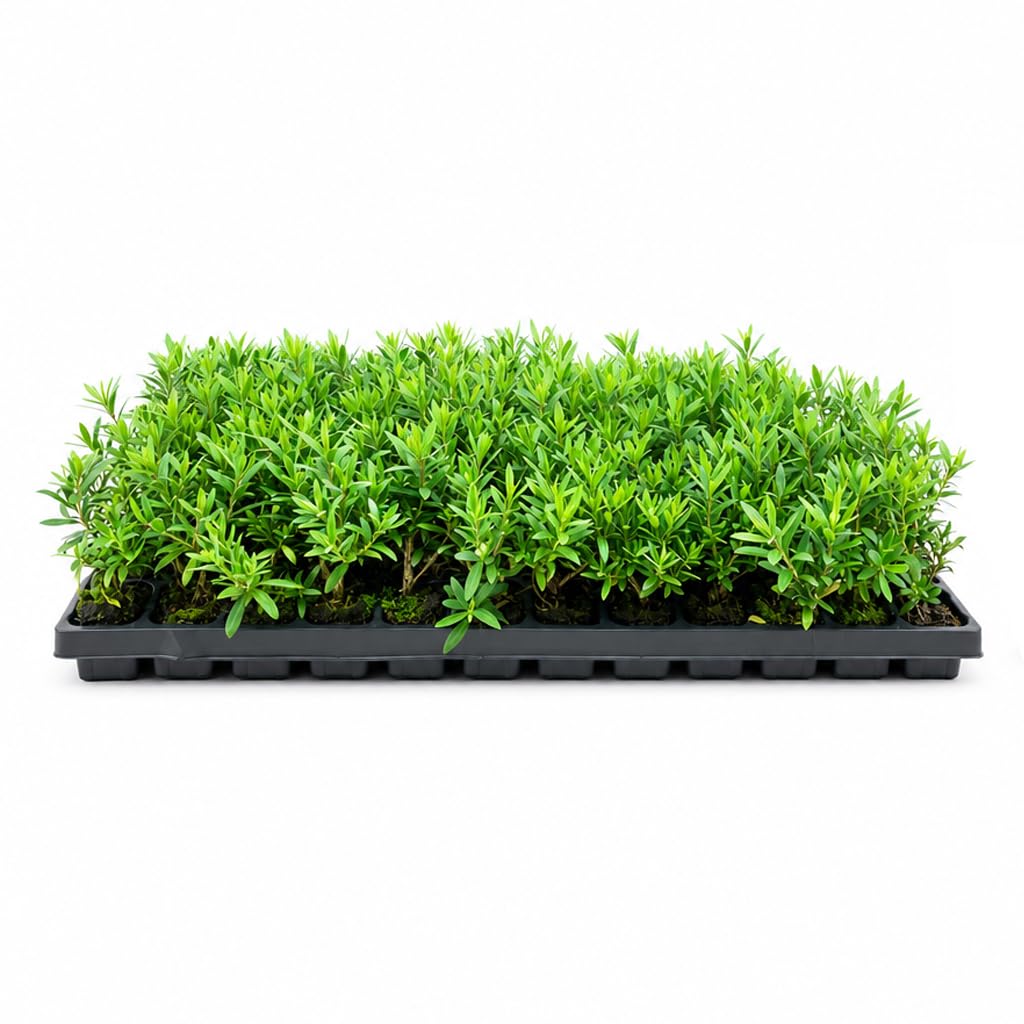
Ten dwarf bottlebrush starts in one box — a hedge in waiting
This is the pack to grab when you want quantity, not a single statement shrub. You get 10 live Little John Dwarf Bottlebrush plants — the most per order on this list — and they’re Australian-native evergreens that grow into a rounded, bushy form with bright green leaves. The listed mature height is 6 to 10 feet, which makes these viable as a privacy screen once they grow in. They bloom bright red or yellow bottlebrush-shaped flowers in spring and summer, and the flowers pull birds and butterflies in quantity.
Care is on the easy side: drought tolerant once established, minimal water needed, full sun, sandy, well-drained soil preferred. Occasional pruning after blooms keeps the form compact and pushes new growth. The plant count is the reason to pick this over the single-plant bottlebrush above, and customers frequently note healthy root systems and quick new growth in the first few weeks. When you’re planting a strip, having 10 in one shipment is more practical than ordering singles.
The trade-off to plan for: these start genuinely small. Buyers report the plants arrive tiny and you’re growing them out, not planting a hedge tomorrow — one buyer put it well by describing them as a great deal if you don’t need an instant bush. There’s also occasional order confusion (one buyer ordered six and received three before the seller fixed it). Both issues are worth knowing, but neither is a defect — planted and watered well, these do grow, and the price-per-plant is the lowest on the list.
Why the pack makes sense
- 10 plants per order, the highest count on this list
- Evergreen with bright red or yellow bottlebrush blooms in spring and summer
- Drought tolerant once established, with full sun and sandy soil preferred
- Reports of healthy root systems and fast new growth after planting
What to expect honestly
- Plants are small on arrival and need a season to mature
- Occasional order-count mix-ups require contacting the seller
- Not a hedge-ready size the day it arrives
Pick this for: the best cost-per-plant if you’re filling a long border or planning a screen.
pass on it if: you need a plant that looks like a shrub the day it lands.
Understanding the Specs
USDA hardiness zones
A USDA zone is a number tied to the coldest winter temperature your area typically sees. A shrub rated for zones 5 through 10 survives as a returning perennial across most of the country, while a tropical plant rated for zones 9 through 11 needs a frost-free climate to live in the ground year-round. In colder areas, treat a tropical pick as a container plant you move indoors for winter, or as a tender annual you replant each spring. Always match the zone range of the plant to the zone you actually garden in.
Bloom period and flower form
Bloom period tells you how many months of the year you get hummingbird visitors. A spring-to-fall bloomer like firebush keeps nectar available for the whole warm season, while a summer-only pick gives you a shorter window. Flower form matters, too: tubular and trumpet-shaped blossoms hold nectar deep enough for a hovering bird, and bright colors like red, orange, and deep purple stand out to hummingbird eyes. A flat-petaled bloom looks nice but rarely draws these birds.
Plant size and shipping form
Shrubs ship in two main forms: bare-root (roots wrapped and hydrated with no soil) and potted (roots in a soil-filled container). Bare-root plants cost less and are easier to ship, but arrive dormant and small. Potted plants arrive larger and ready to grow but weigh more — the 2-gallon Pugster buddleia ships at 8.8 pounds versus 5 pounds total for the 3-plant bareroot Black Knight. Potted plants also survive shipping better, which is why they tend to bloom sooner after you plant.
Watering and sunlight needs
Full sun means roughly six hours of direct sunlight a day and suits nearly every shrub on this list. Watering needs split into three buckets: moderate (regular weekly watering), consistent (keep the soil moist but never soaked), and little to no watering once the plant is established. Drought-tolerant plants like bottlebrush and agastache fall in the low-water bucket after their first season. Overwatering is the main way to hurt a flowering shrub, so err on the dry side once it’s in the ground.
FAQ
Will hummingbirds actually use these bushes?
How long does it take a shipped shrub to bloom after planting?
Will a potted plant survive shipping, or should I stick with bare root?
What does “shipped dormant” mean and is the plant dead?
Which of these will come back every year, and which are annuals?
What if my shrub arrives looking dry, crispy, or almost dead?
Can I grow any of these on a balcony or patio?
How much sun do hummingbird bushes need?
Do I need two bushes for hummingbirds to visit?
What soil and fertilizer do these shrubs want?
Final Thoughts: The Verdict
For most gardeners, the bushes for hummingbirds winner is the 2 Gal. Pugster Amethyst Buddleia because its zones 5-to-10 range covers the widest slice of the country, its 24-inch height fits a pot or a border edge, and the 2-gallon size means you start with a fuller plant. And the 10-plant Little John Dwarf Bottlebrush pack has the highest raw review count of the value options here, but the Pugster still leads on overall owner satisfaction — the wider cold tolerance and larger shipped plant are the difference. If you garden in a warm zone and want the longest bloom window, the Scarlet Firebush runs from spring straight through fall, and for cold-climate growers who just want a big butterfly bush fast, the Nanho Blue is rated down to zone 3. Whichever you choose, plant it in full sun, water it well for the first month, and —.
How We Picked
We do not accept paid placement. Every pick is matched to a real buyer and a real use-case; we do not hands-on test units.
Sources & Methodology
Specifications: manufacturer listings and product documentation. Review insights: verified customer reviews, as of September 2026. Pricing: not shown on this page (it changes often); check the current price via the retailer link.
As an Amazon Associate, Gadgets Feed earns from qualifying purchases. This does not affect which products we feature.